Audi Q3 Review (2025-present)
Pros and cons
What we like
Impressive touchscreen system
Generous standard equipment
Impressive EV range from plug-in hybrid version
What to consider
Small boot in PHEV model
A BMW X1 is more fun to drive
Doesn't significantly move the game on from its predecessor
The CarGurus verdict
The Audi Q3 is perfectly recommendable, with a good (and wide) range of engines including a plug-in hybrid, competent handling, and a reasonably spacious and practical interior that’s helped by its sliding rear seats. Despite all this, it fails to really wow in any particular area, and although you get plenty of standard equipment there’s no escaping the fact that there are plenty of rivals from less premium brands that offer very similar virtues for less money.
Note too that there’s no fully electric version of the Q3. For that you’ll need to look to the similarly sized Audi Q4 e-tron instead. In summary then, we certainly wouldn’t blame you for choosing a Q3, but it’s certainly worth also test driving a couple of its rivals before signing on the dotted line.
out of 5 expert review
What is the Audi Q3?
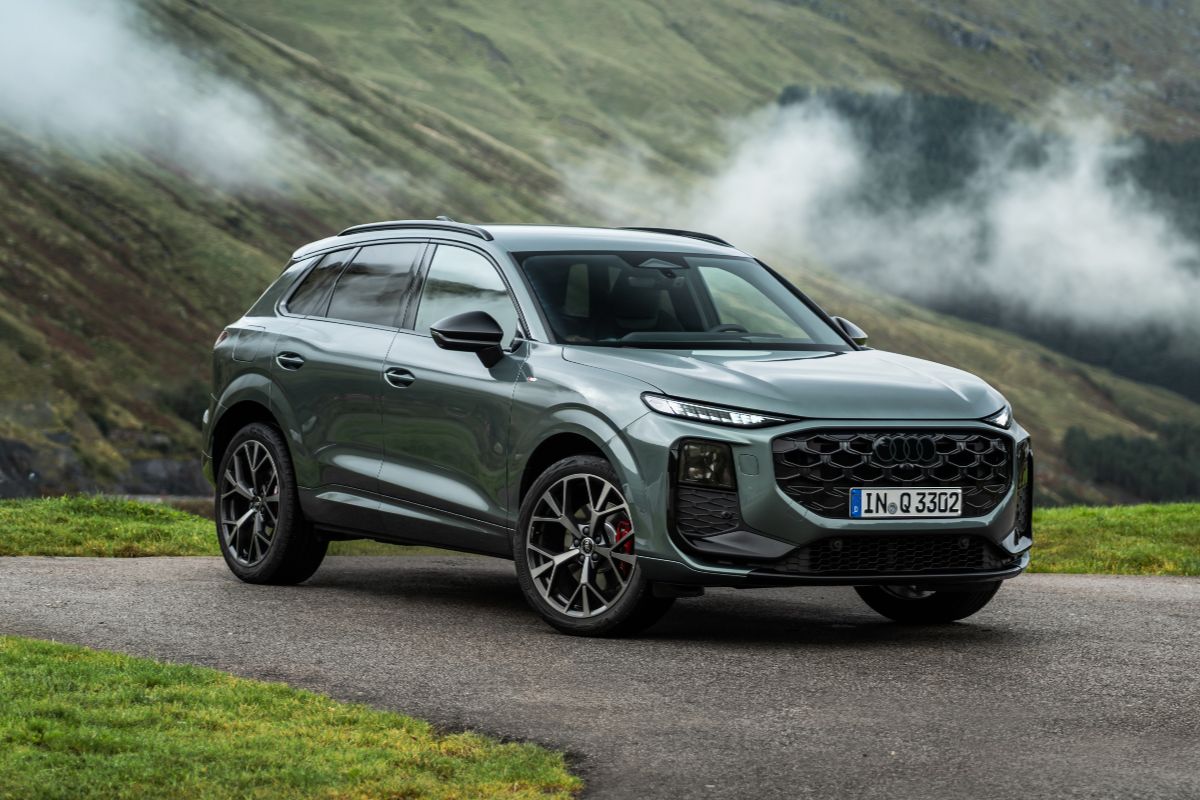
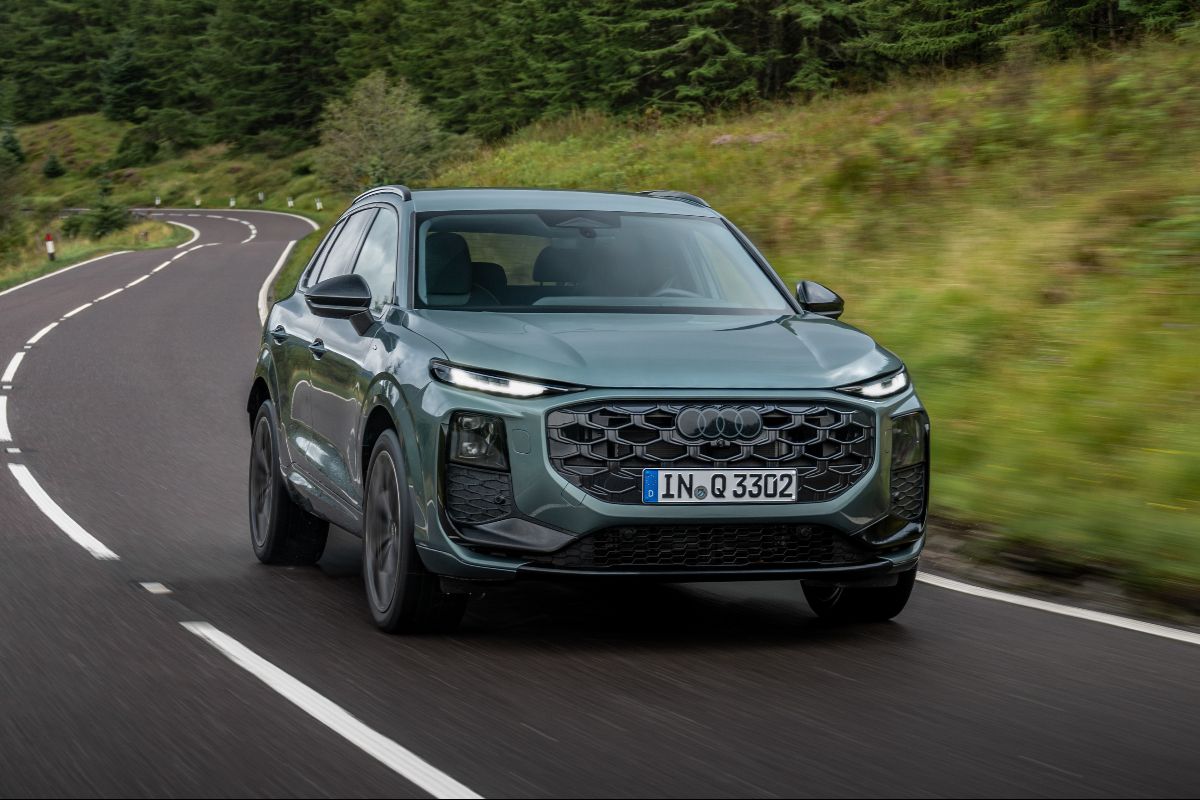
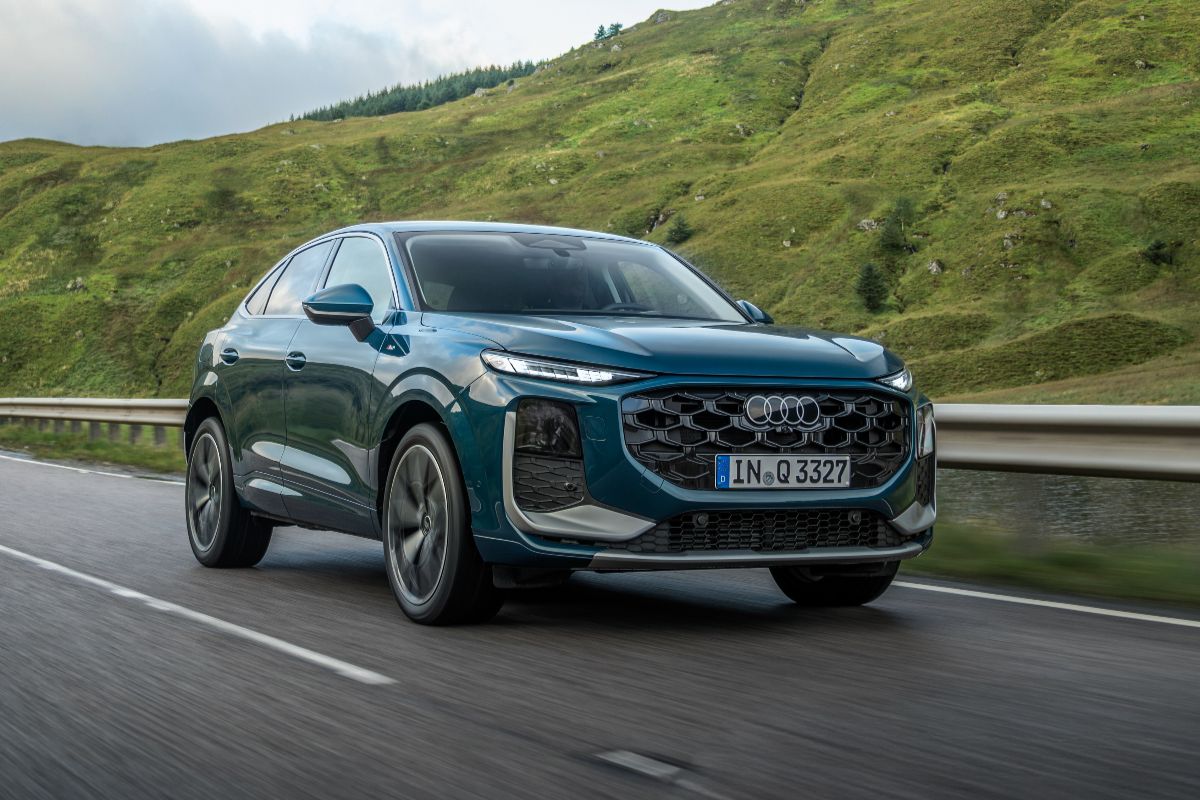
You probably don’t need much introduction to the Audi Q3; it’s long been a favourite with buyers looking for a posh compact family SUV, competing well against rivals like the BMW X1, Mercedes GLA and Lexus NX - as well as (arguably) less premium alternatives like the Kia Sportage and Hyundai Tucson. Speaking of the not-so-posh rivals for the new Audi Q3, those would also include the VW Tiguan and Cupra Terramar, both of which sit on the same MQB Evo platform and offer a very similar engine range. In the Audi, that starts with a front-wheel drive, 148bhp, turbocharged 1.5-litre petrol engine complete with cylinder on-demand tech to make it as efficient as possible. A 2.0-litre turbocharged petrol engine is also offered in 201- or 261bhp power outputs, and both with quattro all-wheel drive as standard.
There’s also a 148bhp 2.0 TDI diesel, which is an increasingly unusual offering (and isn’t available in many of the other VW Group SUVs) but could be popular with buyers who still want the familiar, economic benefits of a modern diesel SUV. At the top of the range is the Audi Q3 e-Hybrid plug-in hybrid (PHEV), which gets the 1.5-litre turbocharged petrol engine, complete with an electric motor and a battery big enough to deliver an official electric range of up to 73 miles. There’s also 50kW DC rapid charging as standard, which is useful given the chunky 19.7kWh usable battery capacity, and can deliver an 80% charge in under half an hour.
Practicality
How practical is it?
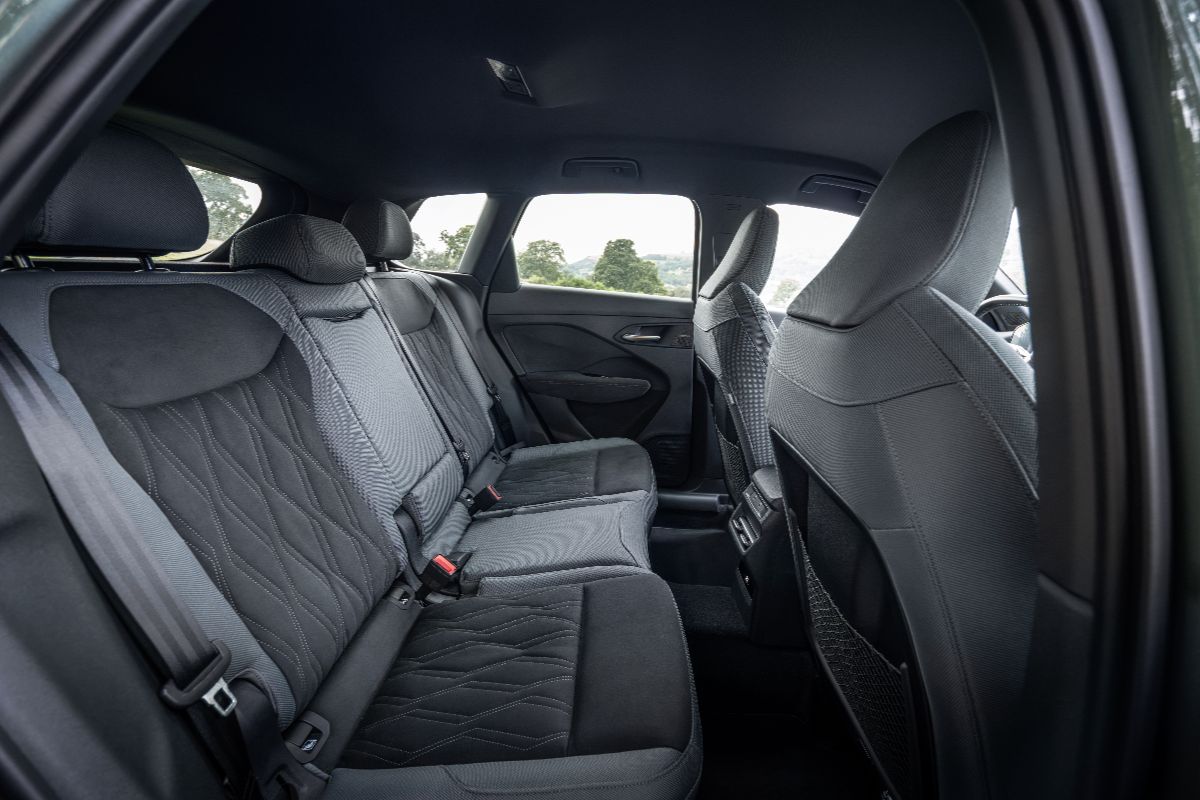
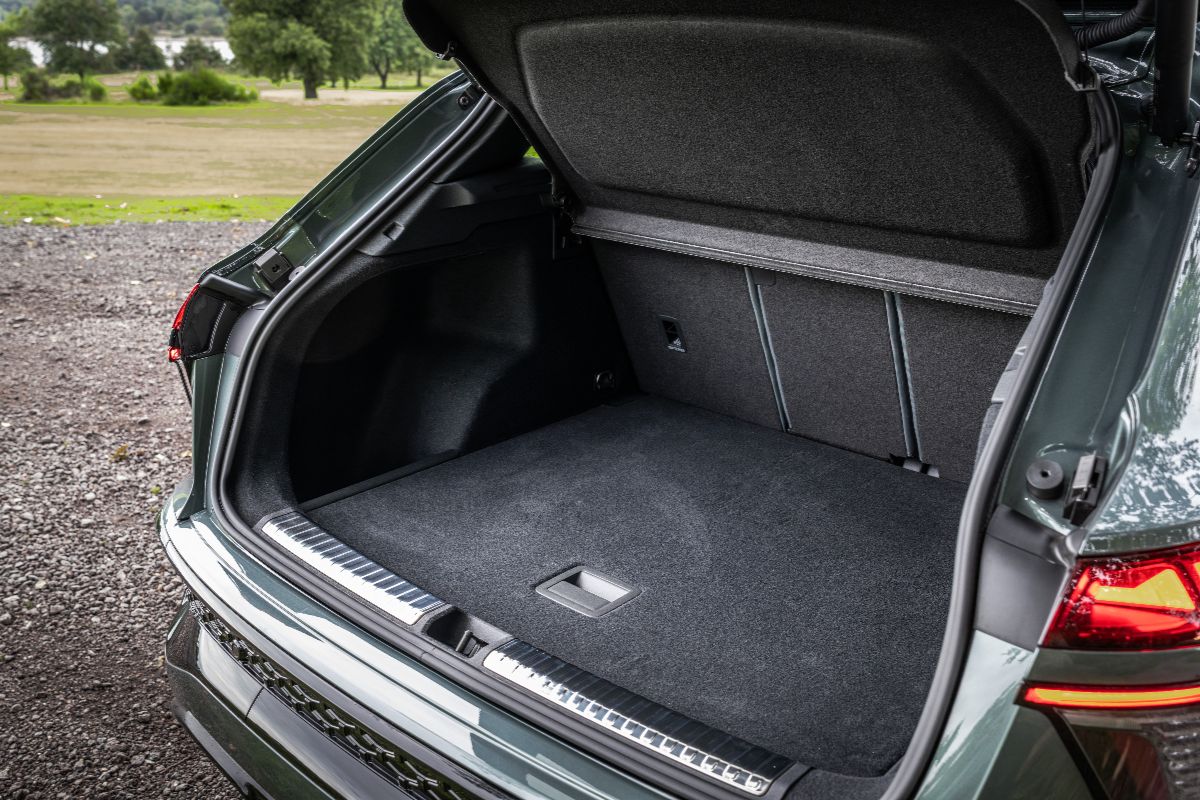
The new Audi Q3 gets 488-575 litres of boot space, depending on where you’ve placed the sliding rear seats. It’s a big enough boot for a chunky single buggy, or a medium-sized dog, and you get a variable height boot floor as standard. Mind you, cars like the similarly-priced Hyundai Tucson and bigger Skoda Kodiaq offer usefully better boot space, so if practicality is a priority and you don’t want to step up to the bigger Q5, you might want to consider sacrificing a bit of the brand image in favour of a roomier car and a bit less prestige.
Those in the back seats get a centre rear armrest and two USB-C charging ports, and a decent amount of leg- and headroom provided the seats are slid as far back as possible. If you choose to prioritise boot space by sliding the rear bench forwards, there’s barely any legroom left at all, so don’t expect your passengers to be very happy about it.
Space in the front is up to class standards, and there's lots of adjustment in the seat and steering wheel so most people should be able to easily find a comfortable driving position.
The Audi Q3 PHEV gets a smaller boot of 350 litres, thanks to the battery beneath its boot floor, and it also does without sliding rear seats for the same reason.
Driving
What’s it like to drive?
The Q3 is fine to drive. Nothing exceptional, but nothing that’s going to really surprise or disappoint – whether you’re coming from the previous Q3 or not. We drove all the engine variants on offer other than the lower powered 2.0-litre petrol.
The front-wheel-drive 1.5-litre petrol engine isn’t as free spinning and fizzy as the 2.0-litre, and the seven-speed automatic gearbox also feels a little lazier and more treacley in its responses, but overall it does a perfectly decent job in normal unhurried driving.
If you’re after a Q3 with a bit of zing and confidence on a fun road, the 2.0 TFSI quattro is the way to go. It’s a much pointier, more engaging car than the 1.5, albeit more expensive too.
The plug-in hybrid is punchy in its responses, blurs the switching of electric and petrol power nicely, and is a very slick PHEV powertrain whether you’re in EV mode or in hybrid mode. You can also choose to save battery charge for later in the journey, if you wish. The diesel is also a very pleasant thing, with torquey response and not too much engine noise when you’re on a steady throttle. It’s just a good, hearty diesel, and there’s still a lot to be said for that.
All of the test cars we drove had the optional two-phase adaptive dampers, which are new tech to the Audi Q3 and have dual chambers that allow the dampers to respond automatically to the road surface, while also allowing for differing settings via the drive modes, giving you a tauter ride in Sport mode, and a softer ride in the Balanced or Comfort modes. Oddly, the more powerful models we drove all rode with a touch more suppleness than the 1.5 TFSI; you might assume it’d be the other way round, but the heavier weight and slightly different suspension tune of the 2.0-litre and PHEV models makes them more settled over scruffy surfaces. Even so, the Q3 has a fairly lively ride over torn-up road surfaces regardless of which model you go for, so stick with smaller wheels if you can. If comfort is a priority, the Lexus NX has a softer ride, or if you can stand to live without the SUV kudos, the VW Passat and Skoda Superb estates are a similar price to the Q3 and are a cushy delight to drive. And much more spacious inside, too.
The Q3 steers nicely with the variable steering responses of the optional ‘progressive steering’ that was also a feature on all the test cars that we sampled. In short, the more powerful Audi Q3 models are noticeably better to drive; more fun, and more comfortable. However, the 1.5 TFSI still does an okay job in routine driving in town, country and motorway use, and given the cost savings it offers it’s still a solid choice.
Tech and equipment
Technology, equipment & infotainment
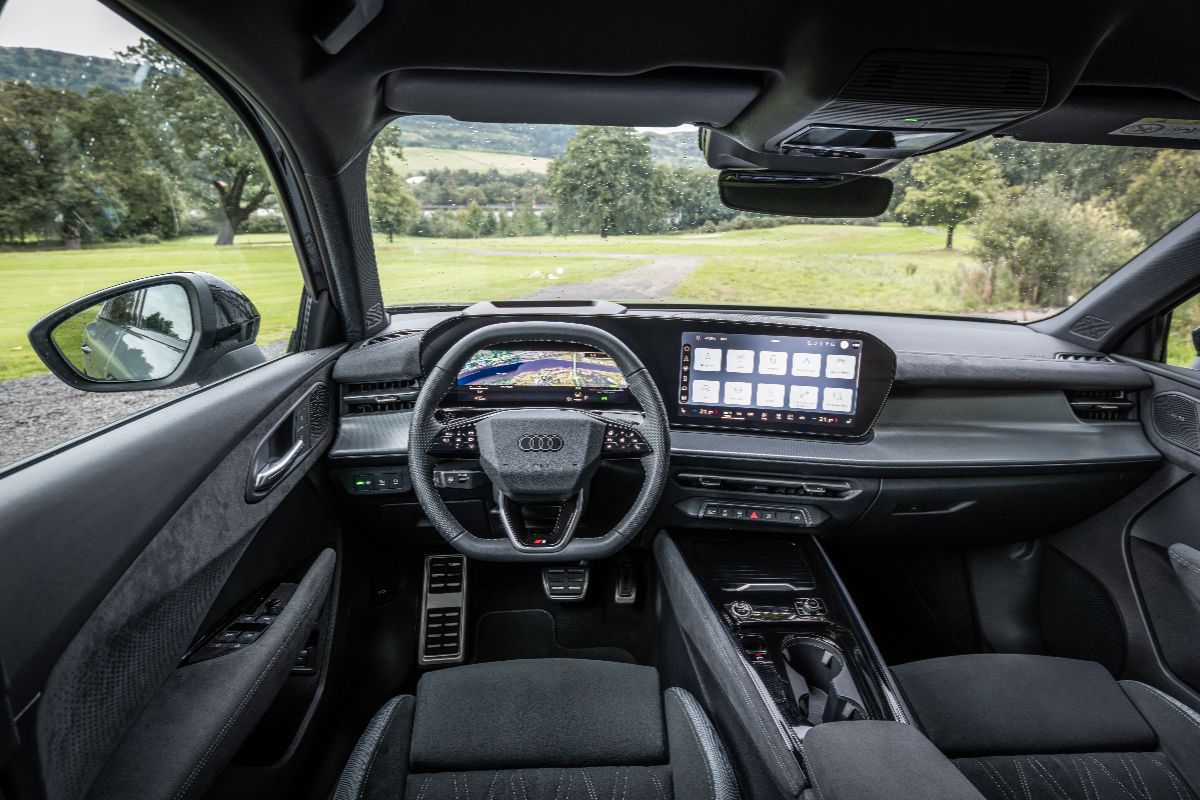
The Audi Q3 range has a slightly higher starting price than the BMW X1 and Mercedes GLA, but it makes up for that with a pretty impressive standard kit list. Even the base Sport models get 18-inch alloy wheels, LED lights, powered tailgate with handsfree opening, acoustic glazing for the windscreen, heated seats with 4-way lumbar, three-zone climate control, 10-speaker sound system, adaptive cruise control and a 360-degree parking camera.
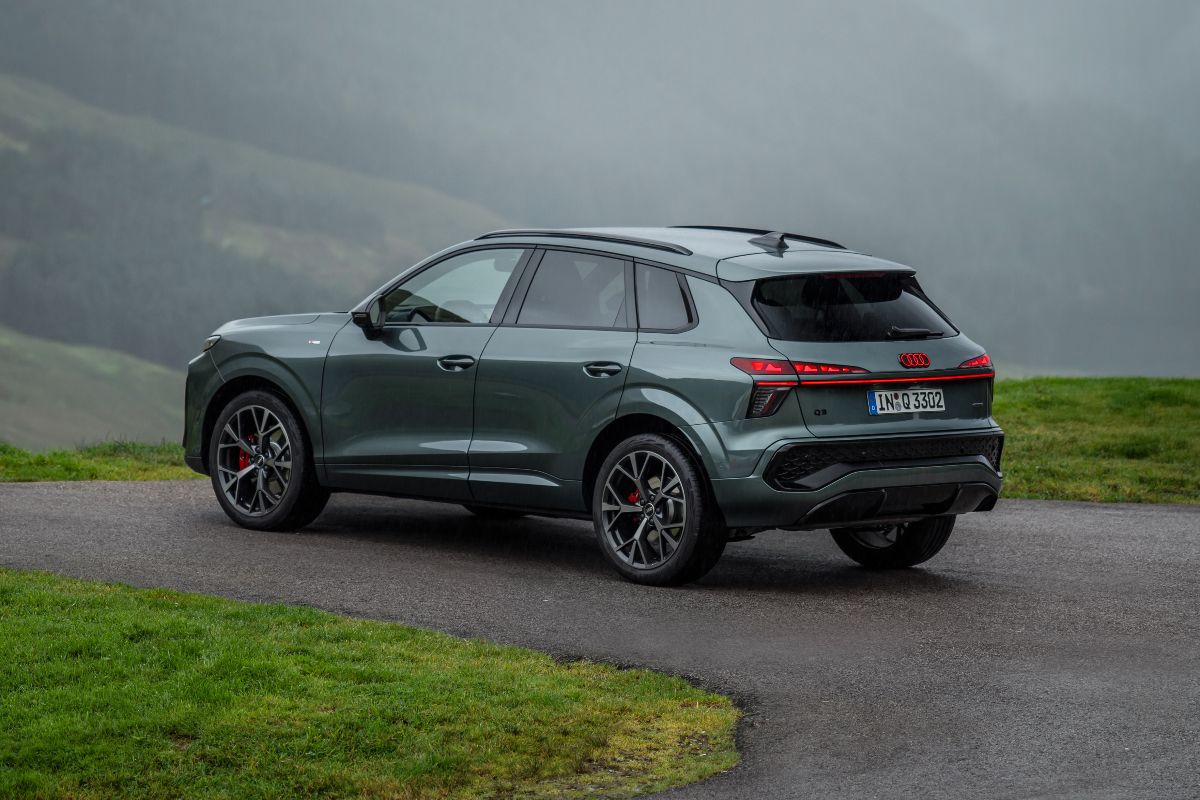
The Audi Q3 S line is mostly about looking sportier, with 19-inch alloy wheels, illuminated rear Audi rings and ‘continuous light strip’, extended ambient light package and privacy glass, while the range-topping Audi Q3 Edition 1 adds additional driver assist functions, 20-inch alloys and sports suspension.
The Edition 1 also adds Audi’s next generation Matrix LED lights that beam guidance onto the road to help keep you in lane, to warn of icy conditions and more, which is almost as clever as it is unnecessary given that lane-keep assist warnings and any potentially hazardous road conditions are also being pinged up on the dashboard.
Running costs
Audi Q3 running costs
The Audi Q3 should be an affordable car to run, even by the high standards of this class. Its engines are efficient, and it’s great that there’s a diesel available for those buyers who want the best possible fuel economy.
Residual values should be good given the demand for used Audi SUVs. The plug-in hybrid variant also has the longest electric range of the PHEVs in this class at 74 miles, making it one of the best premium compact plug-in hybrid SUVs on Benefit-in-Kind (BiK) company car tax.
It is worth noting, however, that only the entry-level Q3 with the 1.5 TFSI petrol engine in Sport trim comes in at under £40,000 (and that’s assuming you don’t add any optional extras), meaning that all other Q3s get hit with the expensive car VED supplement. This adds hundreds of pounds to your annual VED (vehicle excise duty, or road tax) payment until the car is six years old.
Audi Q3 reliability
The previous generation Audi Q3 (which used many of the same platform and engine components as the new, third generation Audi Q3) managed a middling 20th place out of the 33 family SUVs rated in the 2025 What Car? Reliability survey – lagging behind the BMW X1, Lexus NX, Honda CR-V and Toyota RAV4, but above the Peugeot 3008 and VW Tiguan.
The new Q3 comes with a three year, 60,000 mile warranty, but plenty of others, including the Kia Sportage and Hyundai Tucson, offer much longer standard warranties. The Lexus NX is by far the most reliable compact premium SUV, according to owner feedback and data from warranty companies, and you get a 10 year warranty provided you service it at Lexus dealers. Compared with that, the Q3 doesn’t look terribly impressive.

What owners say
"The Audi Q3 has garnered positive feedback across the years, with owners often praising its stylish design, smooth driving experience, and overall value for money. Many found it to be a well-built vehicle that holds its value well. However, some drivers have pointed out the lack of certain features, like cruise control, which they expected in a premium vehicle. Comfort and spaciousness are additional highlights noted by many, enhancing its appeal as a compact SUV."
I do believe the car is very good value for money, the cabin quality is second to none. Also as you'd expect from Audi the bill quality is excellent. What it does like is cruise control it should be standard required this quality. There's also the necessity for mapping certain features like getting the wing mirrors to work automatically when you switch off the engine.
26 January 2025Good looking car with great features. It’s a well built car that holds its value well. The Sportback is a classic design
18 November 2022Excellent car, lovely to drive. Would definitely recommend Audi.
16 October 2022What owners say
I do believe the car is very good value for money, the cabin quality is second to none. Also as you'd expect from Audi the bill quality is excellent. What it does like is cruise control it should be standard required this quality. There's also the necessity for mapping certain features like getting the wing mirrors to work automatically when you switch off the engine.
26 January 2025Good looking car with great features. It’s a well built car that holds its value well. The Sportback is a classic design
18 November 2022Excellent car, lovely to drive. Would definitely recommend Audi.
16 October 2022Missing cruise control although mentioned on Car guru website. Other than that the Q3 is a quality car, well built and should achieve 150K miles without a problem.
12 July 20222021 Audi Q3 Sportback 40TDi, great car to drive, practice and comfortable.
2 August 2022Audi Q3 are great cars but the one you have advertised as a Q3 is actually an A£!
12 March 2024The car is perfect for me, has all the features I need great value, for the money
1 May 2021Really like the Audi Q3. Nice looking motor, great to drive and good value for money.
4 February 2021Great car, very comfortable and easy to drive. Very spacious and good boot space.
7 December 2021Three things to know
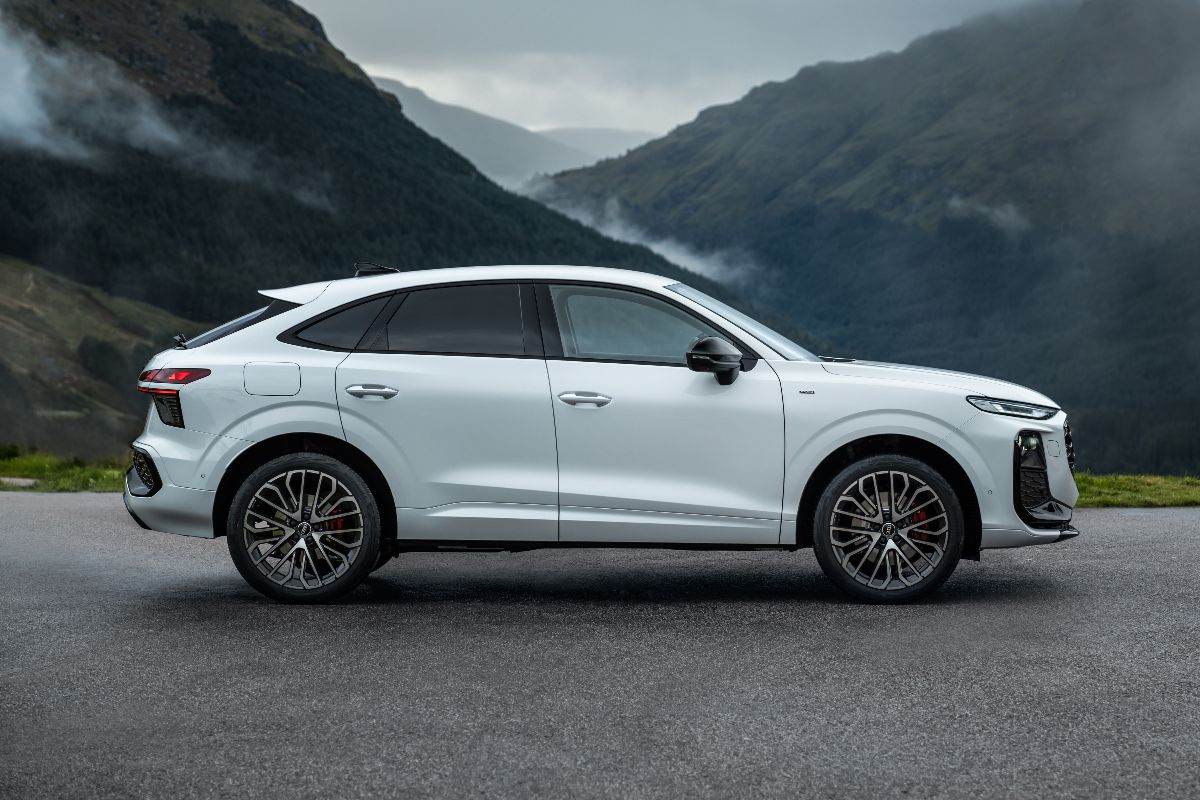
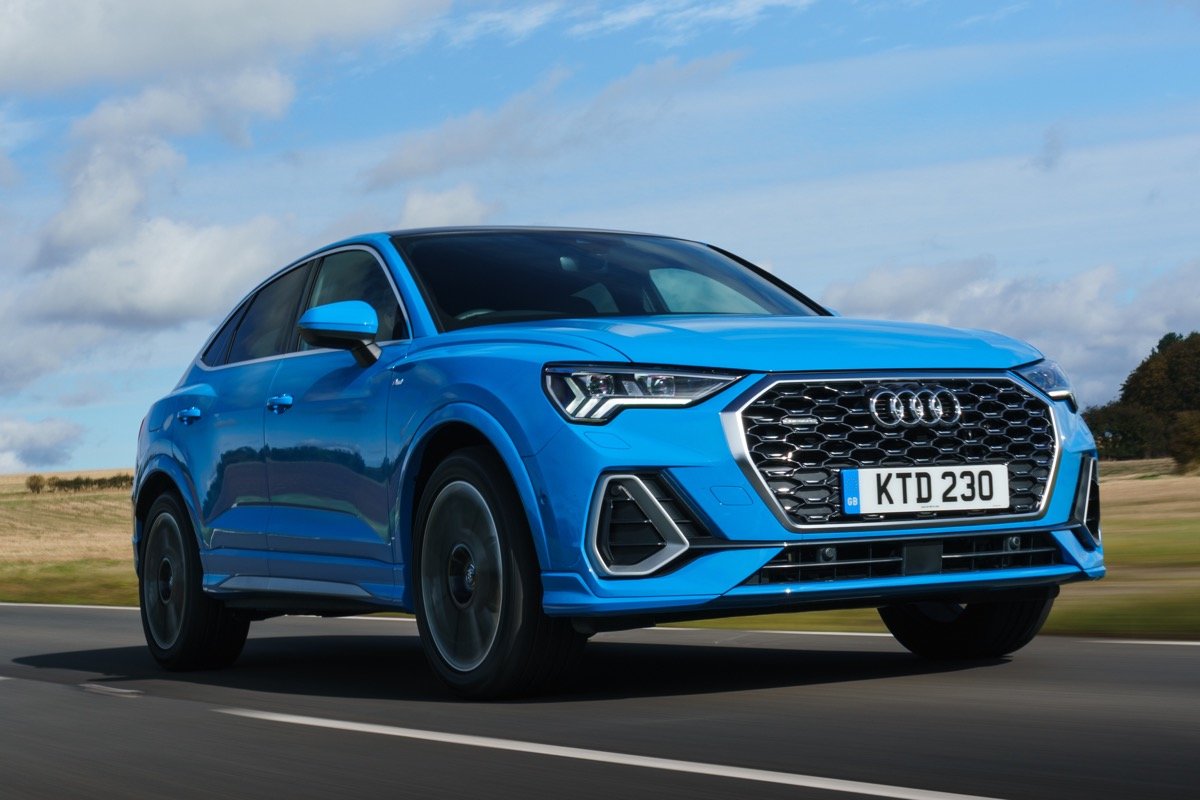
- The Audi Q3 is available as a Sportback model. This brings a coupe-like roofline, which results in a bit less boot space, but the sleeker, coupe-SUV crossover looks were popular in the previous generation Audi Q3 Sportback so it’s no surprise that Audi has continued it in this new Q3. So, if you want to spend an additional £1,500 to get an SUV that’s less practical (and – to these eyes – less stylish), you can.
- If you want to tow with the Audi Q3, you’re best off going with one of the 2.0-litre quattro four-wheel drive petrol or diesel variants that can tow a healthy 2,100kg. Front-wheel drive and hybrid variants have a lower maximum braked towing capacity of 1,700-1,800kg.
- The Sound and Vision pack will be a popular option. It costs £1,300 and includes a head-up display, faster USB charging ports, upgraded in-car telephone conference function and – most importantly – an excellent Sonos sound system upgrade. You get all this as standard on every e-Hybrid plug-in hybrid, by the way, which helps to justify the chunky price premium. The Sound and Vision Pro pack is optional even on the e-Hybrid, and also includes adaptive dampers, speed-variable progressive steering, upgraded driver assistance features and semi-autonomous parking, memory function for the front seats, surround-view parking camera and more. It’s not cheap, but it does bring a lot of features.
Which one to buy
- If you want the best value: Stick with the Audi Q3 1.5 TFSI in Sport trim, and don’t be tempted into too many options. The basic Sound and Vision pack, and potentially the panoramic roof if you value a bright and comfy interior, aren’t essential but are worth considering as they’ll make the Q3 better to live with as well as improving the resale value.
- If you want the best company car: The plug-in hybrid Audi Q3 e-Hybrid is a no-brainer, but you don’t need to go for a huge spec so stick with the Sport trim and just add the Sound and Vision pack.
- If you want the sportiest model: Go for the high-powered 2.0 TFSI 261bhp quattro, which actually has better ride comfort and handling than the basic 1.5. It’s essentially got the oily bits that we know and love from the VW Golf R, although you shouldn’t expect it to feel that sporty to drive. It’s still an Audi Q3, after all, but the 2.0 TFSI quattro is satisfyingly rapid and unflappable.
- If you want the best family car: Again, stick with the 1.5 TFSI 150 in Sport trim, and add the basic Sound and Vision Pack, as well as the pano roof to make it much lighter and more pleasant for the kids in the back seats. You can also add the electrically retractable tow bar, which could be really useful for mounting a bike rack.


Pricing trends
Starting RRP
£28,317
Current avg. market price
£39,814
Trending down by 7.7% this month
April 2026 - October 2026
More on the Audi Q3 (2026 - 2026)
Compare 2026 Audi Q3 Trims
The 2026 Audi Q3 offers a range of trims with a focus on style and technology, starting at an accessible price point for luxury compact SUVs.
- Starting at £37,777
- Most Popular: 35 Tfsi Sport 5dr
Trim Overview
Prices updated weekly from CarGurus listings.
| 35 Tfsi Sport 5dr | 35 Tfsi Sport 5dr S Tronic | 35 Tfsi S Line 5dr S Tronic [leather] | 35 Tdi Sport 5dr S Tronic | "35 Tfsi Black Edition 5dr S Tronic [20"" Alloy]" | 1.5 Tfsi S Line 5dr S Tronic | 1.5 Tfsi Edition 1 5dr S Tronic | |
|---|---|---|---|---|---|---|---|
| Starting MSRP | £35,165 | £36,745 | £37,910 | £38,345 | £39,960 | £42,400 | £44,750 |
| Avg. Market Price | £39,438 | £39,438 | £39,438 | £39,438 | £39,438 | £37,777 | £43,693 |
| Positioning | Best value | Standard | Standard | Standard | Standard | Standard | Fully loaded |
| Standout Features | Parking Assist, Bluetooth, Navigation System | Bluetooth, DAB Radio, Climate control | Bluetooth, Navigation System, Privacy glass/Tinted windows | Bluetooth, Climate control, Parking Assist | Bluetooth, Parking Assist, Privacy glass/Tinted windows | Privacy glass/Tinted windows, Backup Camera, Heated Seats | Park Assist Plus, Adaptive Cruise Control, Backup Camera |
| Drivetrain | FWD | FWD | FWD | FWD | FWD | FWD | FWD |
| Listings Available | 50 | 41 | 33 | 22 | 31 | 28 | 13 |
Quick Compare Table
Listing prices sourced from CarGurus — updated weekly. OEM specs from manufacturer data.
| 35 Tfsi Sport 5dr | 35 Tfsi Sport 5dr S Tronic | 35 Tfsi S Line 5dr S Tronic [leather] | 35 Tdi Sport 5dr S Tronic | "35 Tfsi Black Edition 5dr S Tronic [20"" Alloy]" | 1.5 Tfsi S Line 5dr S Tronic | 1.5 Tfsi Edition 1 5dr S Tronic | |
|---|---|---|---|---|---|---|---|
| AI Summary | Best value trim with essential features | Slightly more efficient with added tech | Stylish leather trim with advanced features | Best fuel economy in the lineup | Sporty look with premium features | Budget-friendly with essential tech | Fully loaded with luxury features |
| Avg. Market Price | £39,438 | £39,438 | £39,438 | £39,438 | £39,438 | £37,777 | £43,693 |
| MSRP | £35,165 | £36,745 | £37,910 | £38,345 | £39,960 | £42,400 | £44,750 |
| Engine | 1498.0cc 150 hp I4 | 1498.0cc 150 hp I4 | 1498.0cc 150 hp I4 | 1968.0cc 150 hp I4 | 1498.0cc 150 hp I4 | 1.5l I Petrol | 1.5l I Petrol |
| Drivetrain | FWD | FWD | FWD | FWD | FWD | FWD | FWD |
| MPG/MPGe (City/Hwy) | 37.2/55.4 | 40.9/55.4 | — | 52.3/65.7 | — | — | — |
| Parking Assist | ✓ | ✓ | ✓ | ✓ | ✓ | ✓ | ✓ |
| Bluetooth | ✓ | ✓ | ✓ | ✓ | ✓ | — | — |
| Climate control | ✓ | ✓ | ✓ | ✓ | ✓ | — | — |
| Navigation System | ✓ | ✓ | ✓ | ✓ | ✓ | ✓ | ✓ |
| Cruise Control | ✓ | ✓ | ✓ | ✓ | ✓ | ✓ | ✓ |
| Apple CarPlay | ✓ | ✓ | ✓ | ✓ | ✓ | ✓ | — |
| DAB Radio | ✓ | ✓ | ✓ | ✓ | ✓ | ✓ | — |
| isofix | ✓ | ✓ | ✓ | ✓ | ✓ | — | — |
| Alarm/Immobiliser | ✓ | ✓ | ✓ | ✓ | ✓ | — | ✓ |
| AUX/USB connectivity | ✓ | ✓ | ✓ | — | ✓ | ✓ | ✓ |
| Parking Sensors | ✓ | ✓ | — | ✓ | — | — | — |
| Privacy glass/Tinted windows | — | — | ✓ | — | ✓ | ✓ | ✓ |
| Android Auto | — | — | ✓ | — | — | ✓ | — |
| Backup Camera | — | — | — | — | — | ✓ | ✓ |
| Heated Seats | — | — | — | — | — | ✓ | ✓ |
| Adaptive Cruise Control | — | — | — | — | — | ✓ | ✓ |
| Park Assist Plus | — | — | — | — | — | — | ✓ |
| Stop/Start System | — | — | — | — | — | — | ✓ |
| Air Conditioning | — | — | — | — | — | — | ✓ |
| Active Listings | 50 | 41 | 33 | 22 | 31 | 28 | 13 |
Missing data displayed as "—".
Trim Deep Dives
35 Tfsi Sport 5dr — "Who It's For"
The 35 Tfsi Sport 5dr is the pick for shoppers who want essential luxury features without breaking the bank. It's the most popular trim in the lineup.
- Avg. market price: £39,438 (updated weekly)
- MPG/MPGe: 37.2 city / 55.4 hwy
- Inventory: 50 listings — lower availability; may limit negotiating room
- View 35 Tfsi Sport 5dr listings
35 Tfsi Sport 5dr S Tronic — "Who It's For"
The 35 Tfsi Sport 5dr S Tronic is ideal for those seeking a bit more efficiency and tech without a significant price jump.
- Avg. market price: £39,438 (updated weekly)
- MPG/MPGe: 40.9 city / 55.4 hwy
- Inventory: 41 listings — lower availability; may limit negotiating room
- View 35 Tfsi Sport 5dr S Tronic listings
35 Tfsi S Line 5dr S Tronic [leather] — "Who It's For"
The 35 Tfsi S Line 5dr S Tronic is perfect for buyers who want a stylish interior with leather accents and advanced tech features.
- Avg. market price: £39,438 (updated weekly)
- Inventory: 33 listings — lower availability; may limit negotiating room
- View 35 Tfsi S Line 5dr S Tronic [leather] listings
35 Tdi Sport 5dr S Tronic — "Who It's For"
The 35 Tdi Sport 5dr S Tronic is for those who prioritize fuel efficiency without sacrificing luxury and technology.
- Avg. market price: £39,438 (updated weekly)
- MPG/MPGe: 52.3 city / 65.7 hwy
- Inventory: 22 listings — lower availability; may limit negotiating room
- View 35 Tdi Sport 5dr S Tronic listings
"35 Tfsi Black Edition 5dr S Tronic [20"" Alloy]" — "Who It's For"
The 35 Tfsi Black Edition is tailored for buyers who want a sporty aesthetic with premium features, enhancing the Q3's appeal.
- Avg. market price: £39,438 (updated weekly)
- Inventory: 31 listings — lower availability; may limit negotiating room
- View 35 Tfsi Black Edition listings
1.5 Tfsi S Line 5dr S Tronic — "Who It's For"
The 1.5 Tfsi S Line is the choice for budget-conscious shoppers who still want a stylish and tech-savvy vehicle.
- Avg. market price: £37,777 (updated weekly)
- Inventory: 28 listings — lower availability; may limit negotiating room
- View 1.5 Tfsi S Line listings
1.5 Tfsi Edition 1 5dr S Tronic — "Who It's For"
The 1.5 Tfsi Edition 1 is for those who desire a fully loaded experience with all the luxury features Audi offers.
- Avg. market price: £43,693 (updated weekly)
- Inventory: 13 listings — lower availability; may limit negotiating room
- View 1.5 Tfsi Edition 1 listings
Trim Recommendations
Most Popular — 35 Tfsi Sport 5dr
With 50 active listings, the 35 Tfsi Sport 5dr is the clear volume leader in the lineup.
Browse 35 Tfsi Sport 5dr listings
Best Budget Option — 1.5 Tfsi S Line 5dr S Tronic
At £37,777 avg market price — below the lineup median of £39,438 — it's the most accessible entry point.
Browse 1.5 Tfsi S Line listings
These recommendations are based on CarGurus' proprietary market data from October 22, 2026, CarGurus experts' opinions, and generative AI.

