Audi RS3 Review (2011-2012)
Audi RS3 cars for sale
3.0
Expert review
Pros
Ferocious performance leaves most hot hatches in the shade
Surprisingly practical thanks to its five-door body
Understated looks don't shout about the RS3's abilities
Cons
Not as involving as some hot hatches
The five-cylinder engine has a thirst for unleaded
Expensive to insure

The CarGurus verdict
Understated, practical and hugely rapid, the first generation Audi RS3 is a hot hatchback that re-defined the genre, creating a mega hatch with sports and supercar-like performance. Add Audi’s beautiful interior fit and finish and the car's likely reliability, and the RS3 starts to make a very convincing case for itself as a used buy. Where else will you find all those factors mixing so well, for around the £20,000 mark, in 2020? Answer, you’ll struggle.
Forget the critical first drives when it was new, too. No, it’s not the last word in driver involvement, but that doesn’t mean it doesn’t have the capacity to raise a grin, while doing all that with the family in tow does make it a very desirable all-rounder. The kids might find the ride a bit bouncy, but the RS3 still blends sports and family car into a useful, subtle-looking shape, that even nearly 10 years after its launch still looks classy.
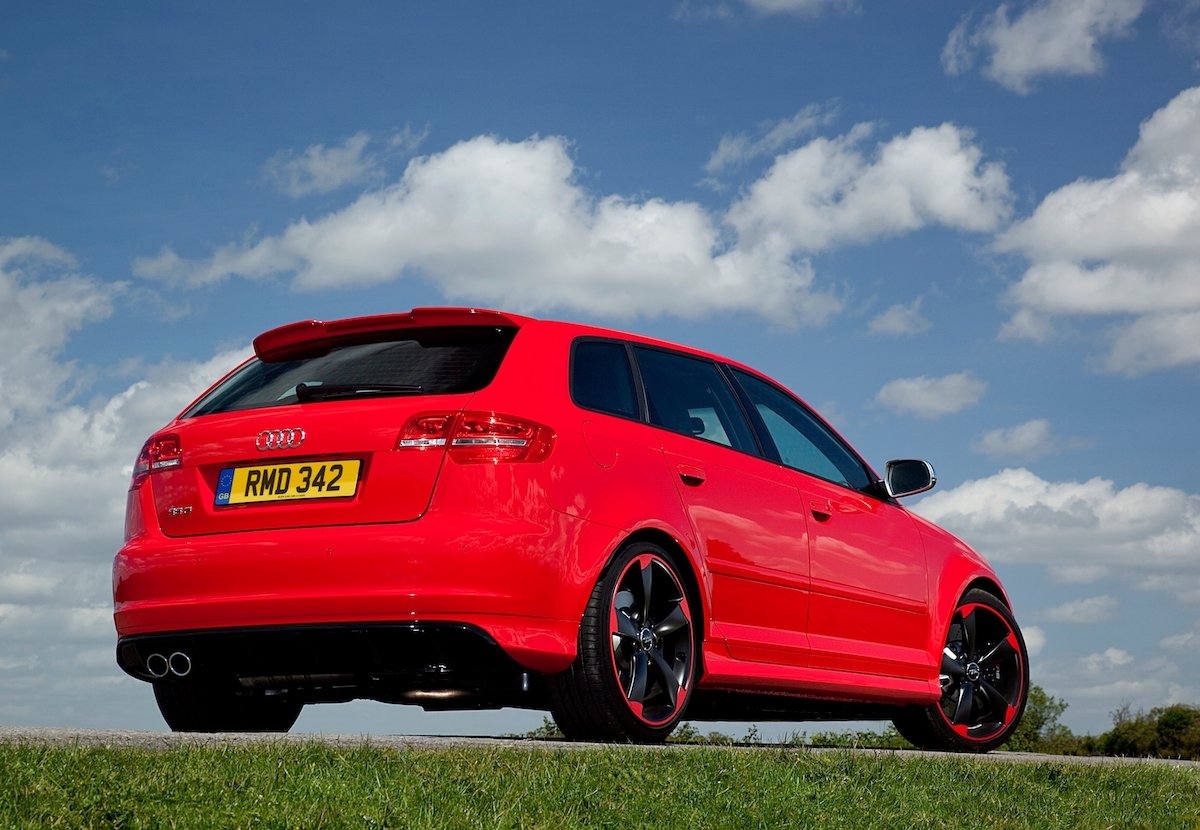
What is the Audi RS3?
Nobody really needs a hatchback with 340hp, a 155mph top speed, and a 0-62mph time of 4.6 seconds. But that didn’t stop Audi offering one back in 2011. Indeed, the premium brand tasked its motorsport division, Audi GmbH, to build the RS3, meaning it was engineered by the same people who created Audi’s R8 sports car.
This generation of RS3 is the badge’s genesis. At the time of its launch it took the mantle of the fastest, most focussed Audi A3 from its S3 relation, upping the ante significantly over its quick relative, and setting out the format which the RS3 follows to this day. That is, quite simply, a hugely fast, capable, all-conditions hatchback, and a characterful 2.5-litre TFSI five-cylinder turbocharged engine borrowed from the TT RS that evokes Audi’s most famous car – the urQuattro.
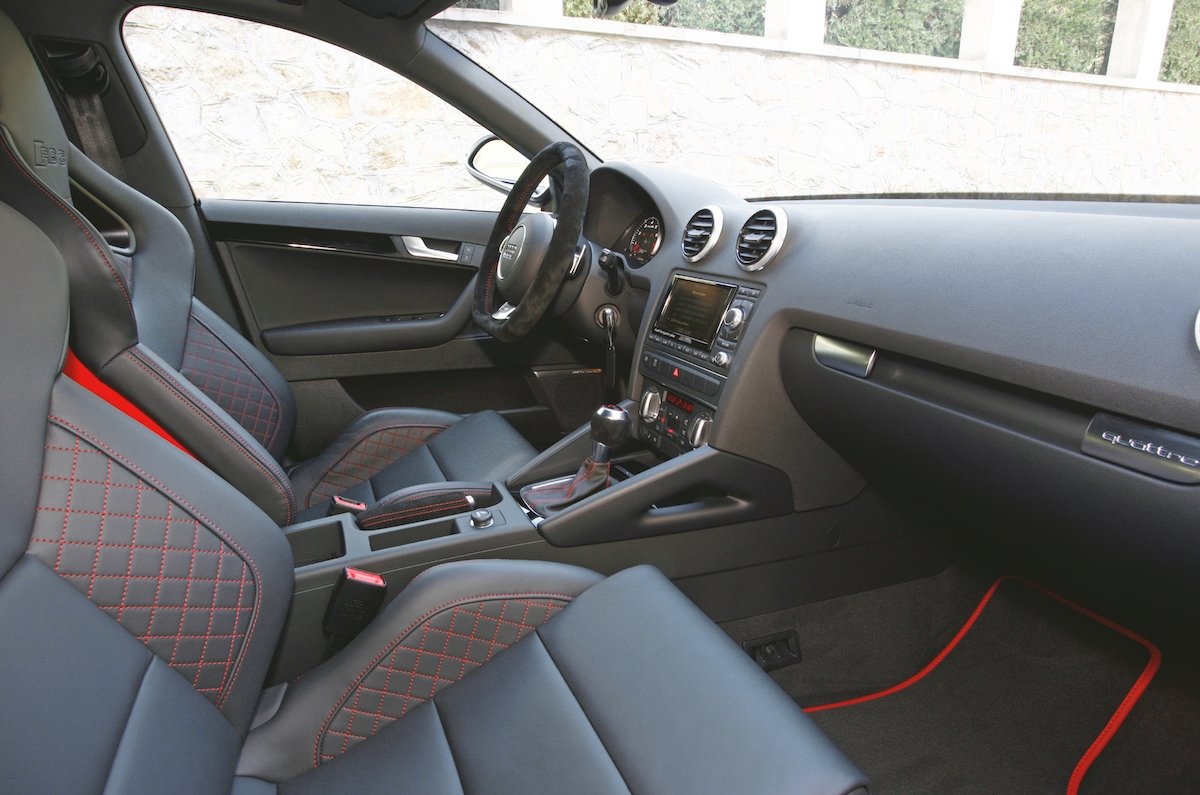
How practical is it?
That’s appealing, too, after all, not everybody wants to shout about the performance of their car. For those wanting the sort of pace of a sports car, but with the practicality of a five-door hatchback body, the RS3 works particularly well.
Where the RS3 really appeals is in its breadth of ability. It can monster an alpine mountain pass using the paddle shifters on the seven-speed S tronic automatic gearbox, before slipping into Drive mode to head off to pick up the kids from school or fill its boot with a weekly shop. Indeed, if you’re the sort of person with a few sports or supercars in your garage and used to the performance they deliver, the RS3 arguably makes the perfect daily driver as it’ll not leave you wanting during the week, nor ask too much of you behind the wheel while using all its performance.

What's it like to drive?
It’s a little bit anodyne, with lots of understeer if you start asking more from it. Most front-wheel-drive hot hatches cost less and are more enjoyable in the way they handle. That’s arguably to the RS3’s merit, though, because what this car offers is progress that is always easy, quick, surefooted, and safe.
Perhaps underlining its non-enthusiast status is that its contemporary BMW 1 M Coupe rival, with rear-wheel drive and only two doors, has gone on to become a bona-fide modern classic coveted by collectors with high prices to match, while the RS3 has languished into relative obscurity and depreciated like an ordinary car. All of which means for the canny used buyer they offer a huge amount of performance and capability for the money.
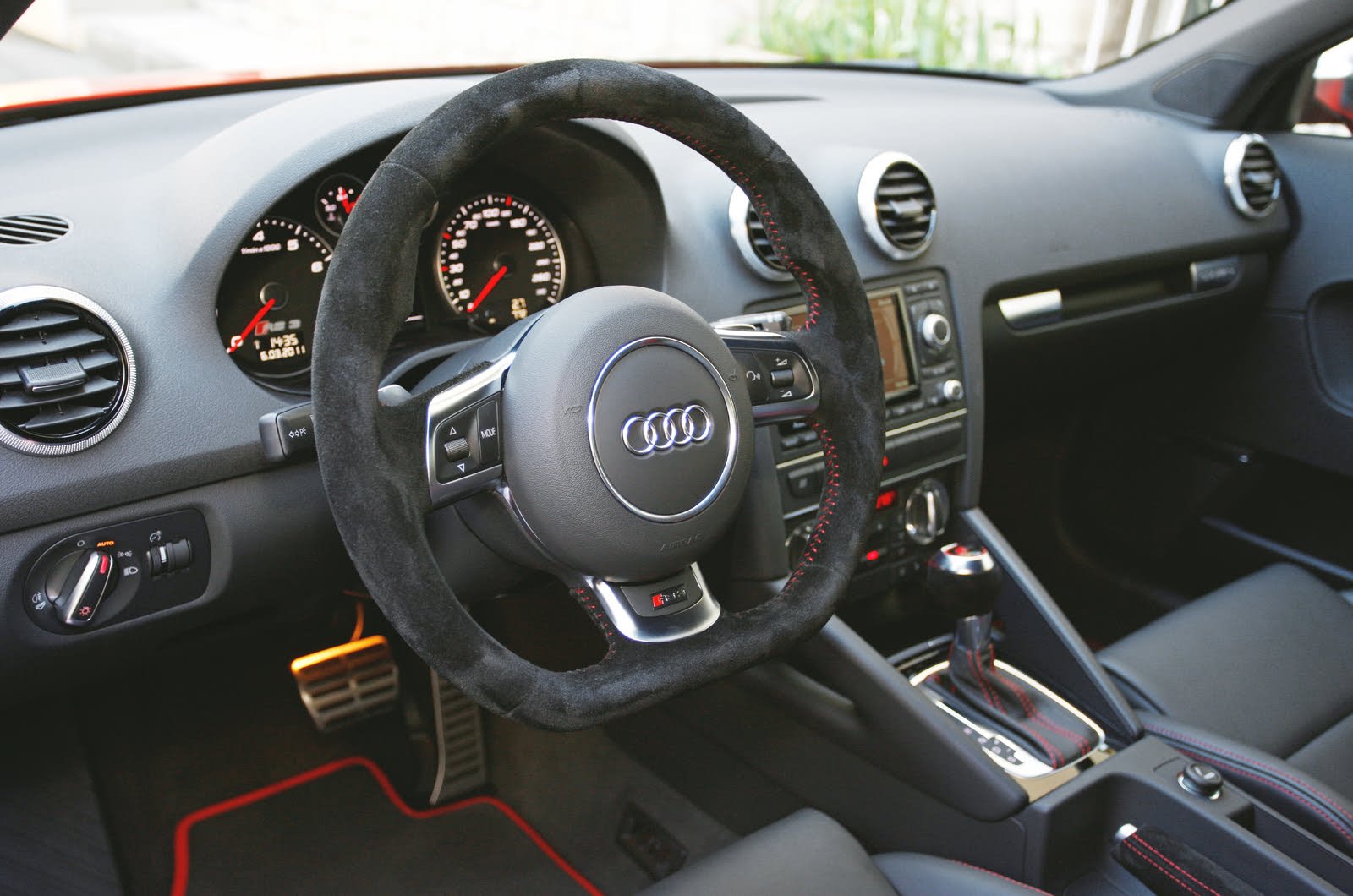
Technology, equipment & infotainment
If the engine format harks back to the original Audi Quattro, so too do some of the technical details. The RS3 rides on a wider, lower track, the big 19-inch wheels covered by swollen wheel arches, and it drives all four wheels via Audi’s quattro four-wheel-drive system. There’s even some carbon fibre re-enforcement in the extended front wheel arches that saves 1.6kg from the RS3’s nose. Larger air intakes on that snout help feed cooling air into that engine and brakes, though even with these styling revisions and motorsport materials, the RS3’s potency could be missed at a cursory glance. This is very much a q-car in its make-up – quick, but discreet.
Audi RS3 running costs
When new, no RS3 would have left the Audi showroom costing less than £40,000, because it was the flagship model in the A3 range and wore that well-known RS badge. Running costs, when new, were not going to be anything like as palatable as an A3 2.0TDI, then, nor would the first owner expect them to be.
Things don’t really change as the second or third owner grasps the cut-off perforated leather steering wheel and starts up that great-sounding 2.5-litre five-cylinder engine. Fuel consumption, tested to the old NEDC measure, was quoted at 31.0mpg, but those lab-based figures were somewhat optimistic. Expect your 2011/12 vintage RS3 to achieve a fuel consumption figure in the mid-20mpg sphere in ordinary driving, and into early teens if you enjoy all of its performance a lot of the time. Take it to a track and you might even see single figures, but, really, unlike some of its rivals you’re unlikely to be doing track days in it.
With all first-generation RS3s being over eight years old now it’s likely that you, or previous owners, will have taken it out of Audi’s main dealership network for servicing. A quick look at the typical costs for a major service from a specialist independent dealer suggests you’ll pay anywhere from £400-£500. Consumables will be a bit more expensive than regular A3s, with things like high performance brake pads, brake discs, and tyres all costing more.
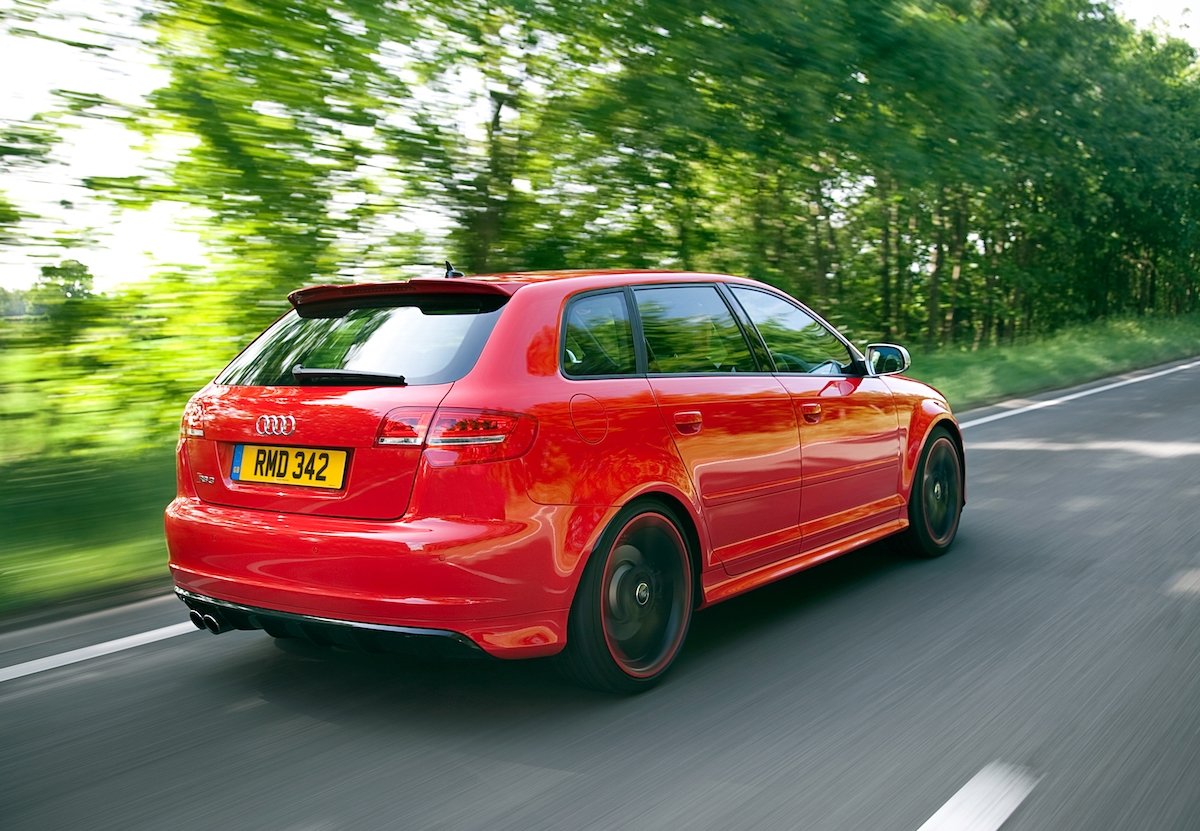
Audi RS3 reliability
The RS3 might have been the high performance flagship model, but it was introduced in the final two years of the A3’s life-cycle so any major main reliability issues with the base car should have been ironed out by then. Slotting a high performance turbocharged five-cylinder engine under the bonnet doesn’t seem to have added any reliability woes, either, with very little evidence of things going wrong with it in the RS3, or, indeed, the same engine in the TT RS.
That reliability will be even more assured if it’s been serviced correctly, so make sure you pick an RS3 that’s been looked after – and comes with plenty of evidence of it having been so. If there is any weakness it’d be around the gearbox. Audi itself issued a recall for the automatic gearbox in 2011, which should have improved the shifting software and improved the breathing for the oil within it. Check that’s been done by taking your RS3’s details to any Audi dealer. Other than that it should be a paragon of reliability, which rather fits with its overall sensibleness – if you could ever describe a turbocharged, four-wheel-drive, 335bhp hatchback as sensible...
- Back in 2011, if you wanted an RS3 you’d have had to hand over nearly £40,000 to your Audi dealer, and likely a decent amount more, thanks to the proliferation of expensive, desirable options. Key among these are the front bucket seat option, which added over £2,000 to that price, though did allow you to tick the option box for a Design Package in black fine nappa leather, with contrasting diamond quilted stitching for a further £2,895... Add Bose audio and an exclusive paint colour outside and the invoice for that RS3 could easily have been over £45,000.
- The RS3 is capable of a 4.6 second 0-62mph time and 155mph top speed, that acceleration as brisk as its contemporary Porsche 911 Carrera 4S. It’ll be as fast cross-country, too, though the standard, non-adjusting Sport Suspension is firm, to the point of being uncomfortable on rougher roads. All RS3s came with a Sport button, which changes the mapping of the accelerator and ups the sound from the exhaust. This is in stark contrast to the current RS3’s digital heavy offering and plentiful personalisation with drive modes.
- For the ultimate in understated looks it was possible to option the RS3 with a black exterior trim pack, that swapped out some of the more overt styling details for muted black ones. Likewise, if you want an RS3 that passes as a smart A3, you’d do well to avoid the option of having a red stripe on the 19-inch alloy wheels, or pick one of the more overt colours from Audi’s exclusive paint options.
- The family all-rounder: A sober coloured, plain alloy wheeled equipped RS3 with the comfort seats opposed to Sports Bucket seats will make a convincing, capable and hugely quick daily driver. All weather capability is assured with the standard quattro four-wheel drive, while there’s enough room inside for a couple of adults, a couple of kids – three across the rear at a push – and space in the boot, too.
- The sharper-suited one: The RS3’s appeal is largely centred around its practicality and understated looks, but if you want the performance it offers and the sound from that burbling five-cylinder turbocharged engine and want heads to turn, too, then you might want to type TT RS into the classifieds search rather than RS3. A 2-2 coupe, or a two-seater roadster, the TT RS has exactly the same engine and transmission wrapped up in a far more glamorous, svelte shape, which will get you the sort of attention you’ll just not get with the sensible RS3 alternative.
- The opportunistic one: The RS3’s unpopularity among those who collect and covet cars rather than actually drive them presents something of an opportunity for the used car buyer, not least because they’re relatively inexpensive to buy. Being turbocharged also means there’s plenty of fairly easy means to make your 2011/12 super hatch even more potent. A cost-effective upgrade includes a re-map, which should increase power easily, while plenty of other tuning options are possible should you want to use the RS3 as a basis to make an already fast car even faster.
- The alternative – Back when it was launched, the RS3 was tested against all manner of competition, from the Renaultsport Megane, Honda Civic Type R, and Ford Focus RS to the BMW 1 M Coupe. That last one’s gone on to be a legend, but for something very similar, that follows the RS3’s sober looks, then the BMW M135i is well worth considering. It’s not got quite the cross-country pace of the Audi, nor will it come close to keeping up in the rain, but if you enjoy your driving it’s far more engaging from behind the wheel.


