BMW X6 Review (2015-2018)
BMW X6 cars for sale
4.0
Expert review
Pros
Entertaining to drive for a car of this size
Whichever engine you choose, the X6 is fast
Most used examples are high spec, with lots of optional extras fitted
Cons
Not as practical as the equivalent X5
High running costs, especially the petrol models
Beware of random electrical glitches
The CarGurus verdict
The BMW X6 isn’t for everyone. Its looks aren’t universally admired and the concept behind it – tall, brutish, fast, four-wheel drive, luxury coupe – seems to answer a question nobody ever asked. Except, of course, that it has sold in comparatively large numbers for such a niche product.
The X6 is very fast right across the range and demonically so in X6 M guise. It handles and steers in the manner of a far smaller sports saloon, and yet its ride quality could almost be described as supple. The X6 is luxuriously appointed, comfortable and very well built.
Sure, it’s not as practical as the third-generation BMW X5 on which it’s based, but for some folk that’s the ideal reason to buy one. The X6 is all about standing out from the crowd, not blending in with the sea of SUVs that wash down the high streets of every town in the land. If that sounds like you, you’ll love this brash BMW.
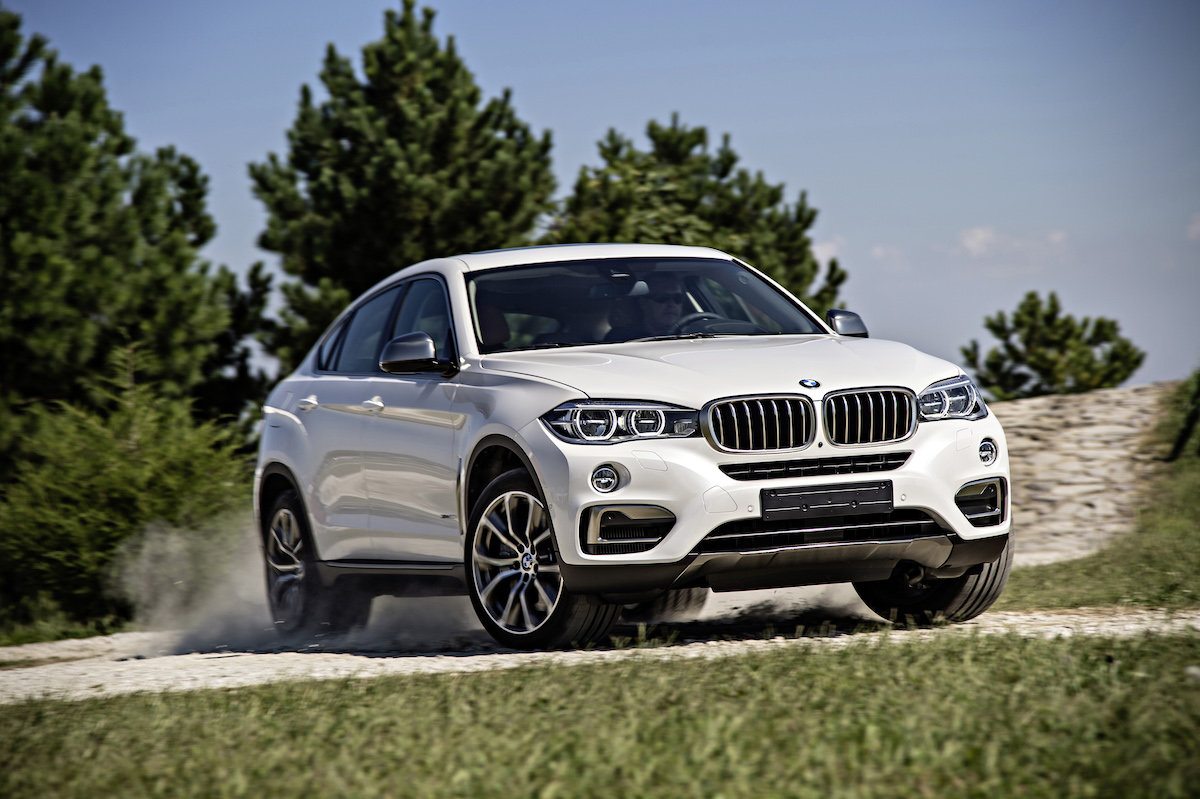
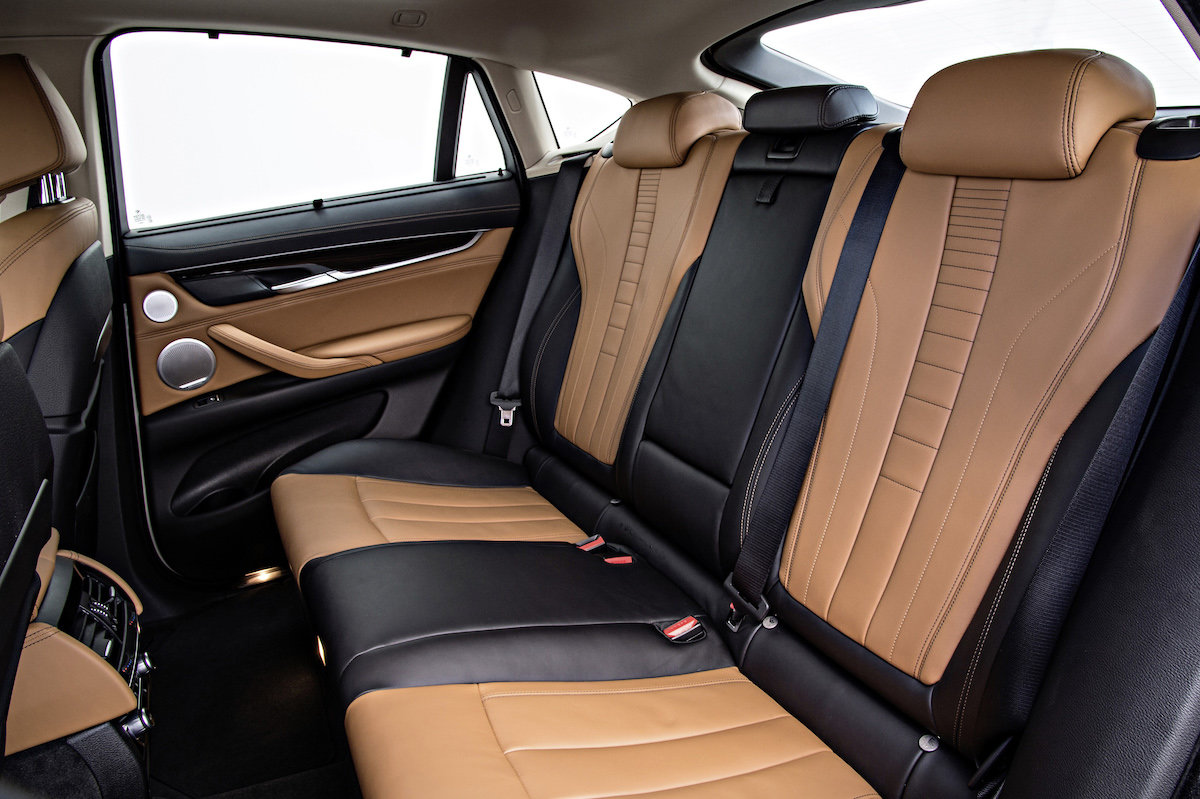
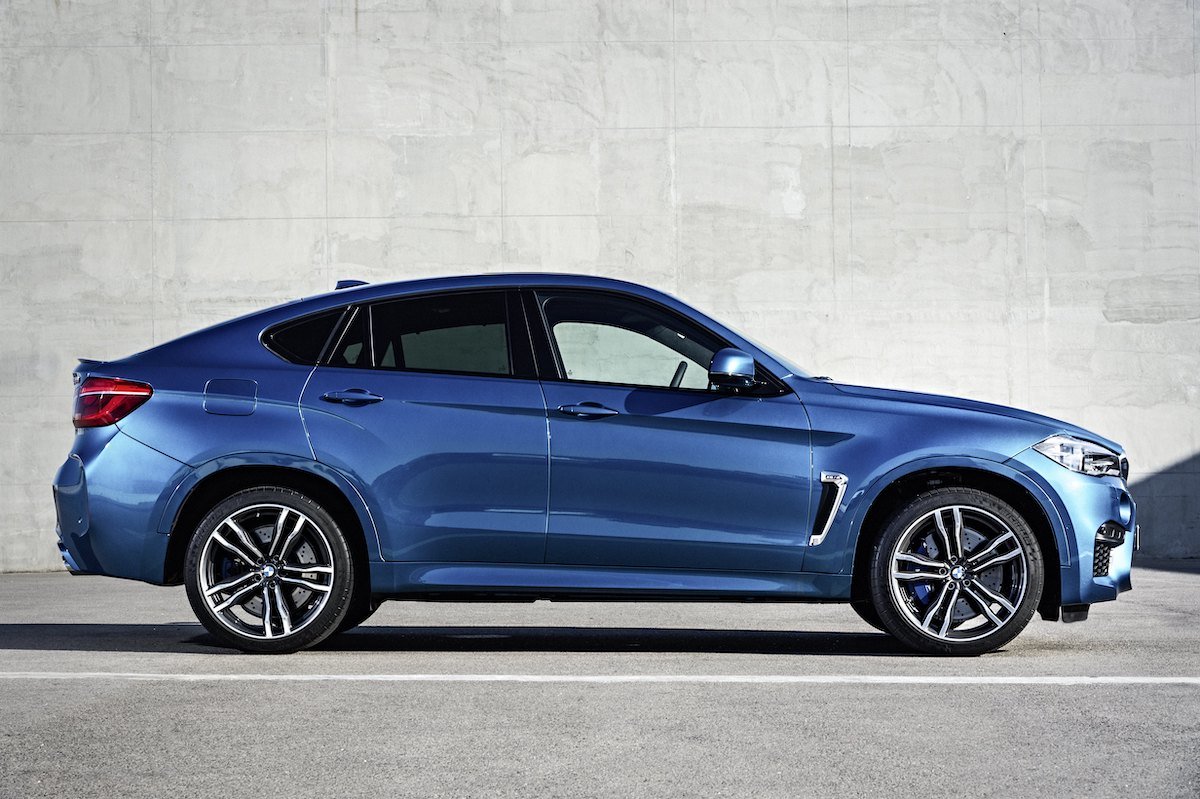
Based on the chassis and mechanical package of the third-generation BMW X5, the X6 has a sloping rear roofline that robs it of some of the practicality of a regular SUV. That's why BMW wants us all to regard the X6 as a Sports Activity Coupe, or SAC, to temper expectations over ultimate luggage space. Still, there’s sufficient room in the boot for most people’s baggage requirements and the 40:20:40 split folding rear seat arrangement adds to the X6’s flexibility, even if the seats don’t fold fully flat. While the original car was criticised for a lack of headroom in the rear, the X6 is fine for all but the tallest passengers, and the rear bench is now shaped to accommodate three across; previously the X6 only had seats for two.
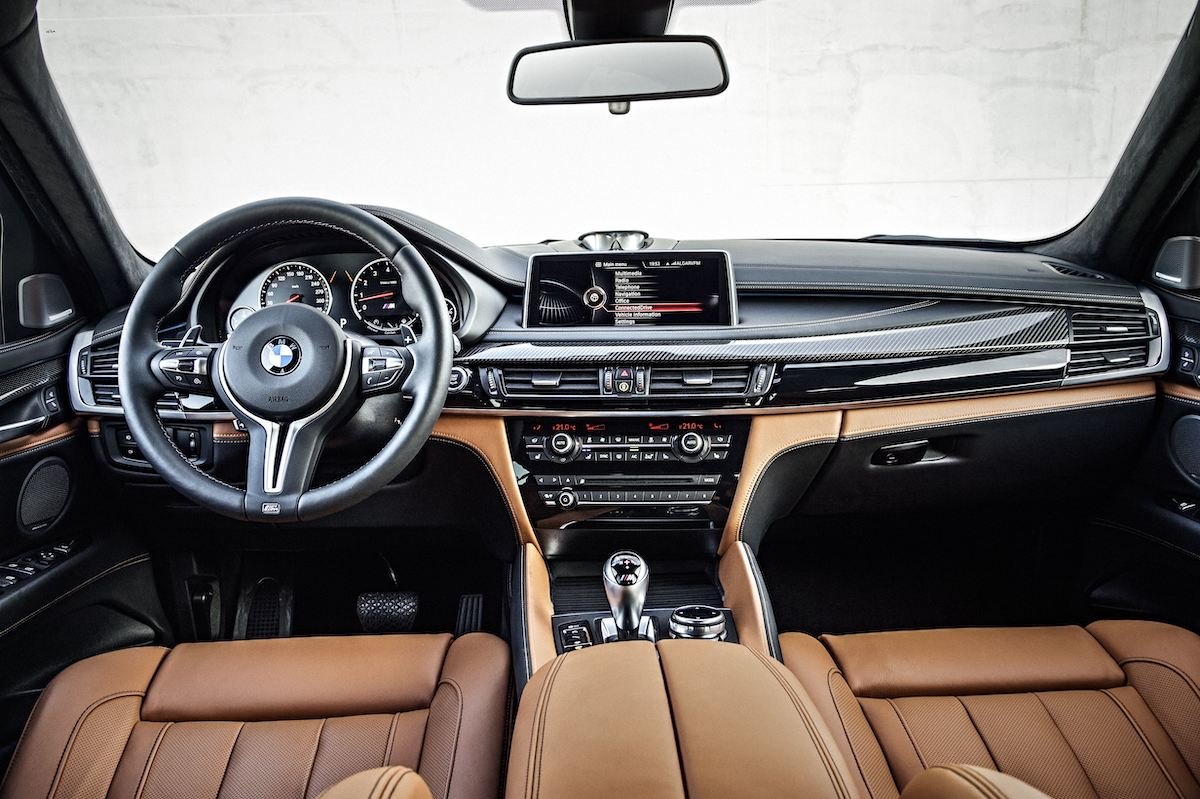
In most examples the X6 boasts very supportive sports seats up front, although the optional Comfort seats are worth tracking down if the rest of the car’s spec meets your requirements. You sit SUV-high and vision to the front and sides is excellent. To the rear it’s less so because of the thick rear pillars, which may explain why the X6 has front and rear parking sensors as standard.
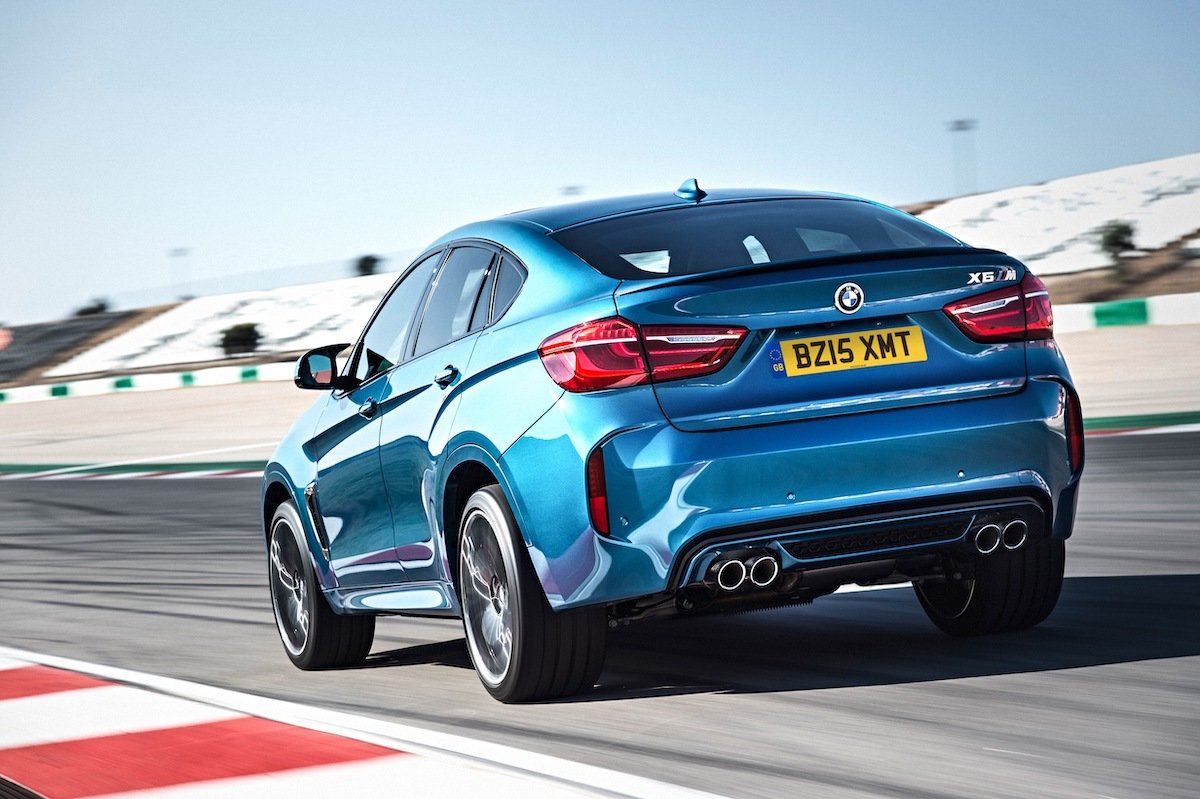
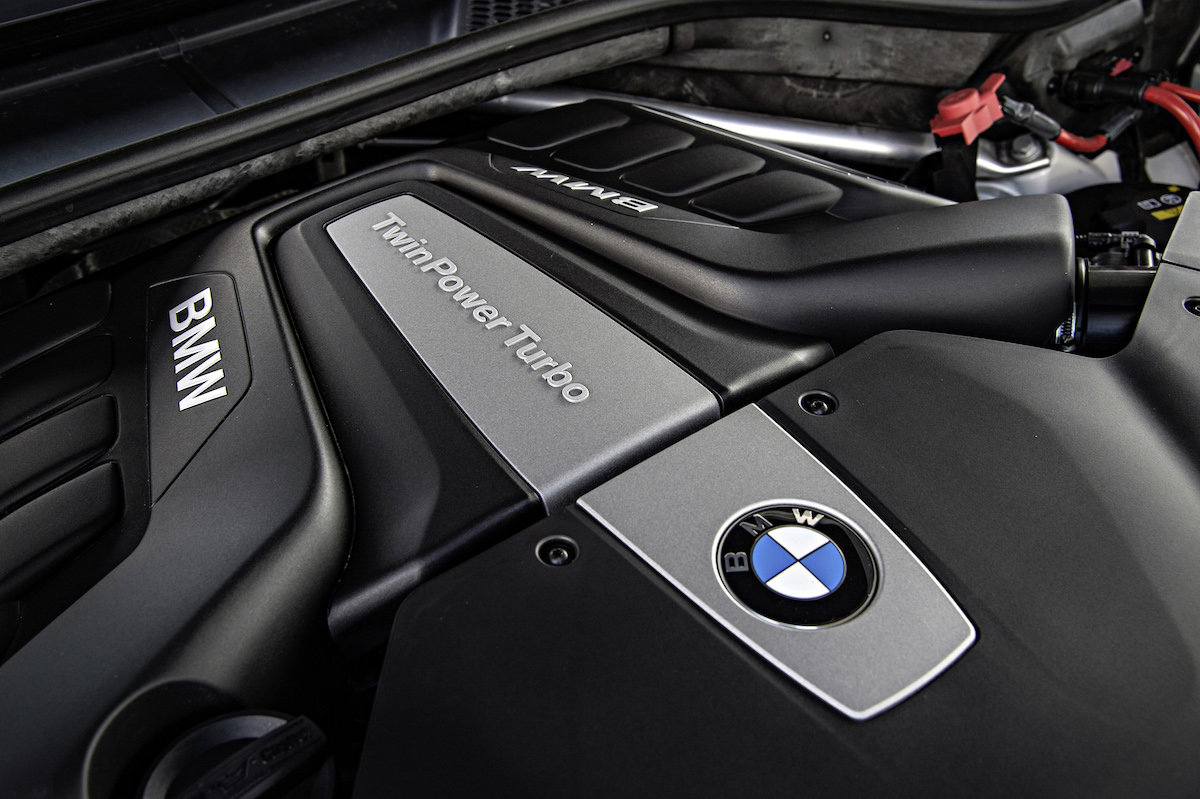
The engine line-up is relatively simple. There are two turbocharged 3.0-litre straight-six diesel engines, one with one turbo producing 254bhp the other with two turbos good for 309bhp, which power the X6 xDrive30d and xDrive40d, respectively. There’s a third diesel - with triple turbochargers and 376bhp - under the bonnet of the M50d. Petrol engine fans can choose between the twin-turbo 444bhp 4.4-litre V8 powering the xDrive50i, or go all-out with the X6 M which uses the same engine but tuned to give 568bhp. All these engines can rustle up stonking performance, especially in the mid-range, and for the most part are smooth and refined. And all are teamed with an eight-speed torque converter-type automatic gearbox.
For a car with such impressive get-up-and-go, and which handles, grips and steers so deftly, the X6 rides surprisingly well. Most versions feature adaptive dampers with Comfort and Sport settings as standard, while the M50d and X6 M boast full adaptive suspension that includes anti-body roll technology and air suspension at the rear.
The BMW X6 is an immensely sophisticated, high performance luxury car crammed with extraordinary technology, and yet it doesn’t cost as much to run as you might think. Correction: it doesn’t cost as much to service as you might think, even at an official BMW dealer. Some more recent examples of the X6 may still be within the three-year warranty period, and there’s kudos in having a full set of official service stamps on your car’s service history. Older X6s can be more cheaply serviced in the large UK network of respected independent BMW specialists.
Service intervals on the X6 are dictated by the car’s on-board servicing computer, which takes into account your mileage and the manner in which you drive. The maximum gap between visits to the workshop is two years or 18,000 miles, and services alternate between minor and major. At the time of writing, BMW’s servicing price menu quoted £217/£545 for the xDrive30d and 40d, £219/£569 for the M50d, £261/£661 for the petrol xDrive50i, and £223/£810 for the X6 M. The first service price quoted in each instance is essentially an oil and filter change, the cost of which drops to £129 across the board once your X6 is four years old.
Big car. Heavy car. Four-wheel drive car. Fast car. The odds stack up against you at the fuel pumps. Most economical of the X6s, by a small margin, is the xDrive30d, which in old money is claimed to give 47mpg but under the stricter WLTP testing regulations is down to around 33mpg. That’s still commendable for a hulking great car weighing 2.3 tonnes, but chances are you’ll be getting a few mpg less than that if you start using the car’s performance. Go a bit crazy in the xDrive50i and X6 M and consumption will fall into the teens.
Rates of annual road tax range from £205 through to £565 and the X6 sits in insurance groups 41-50, depending on the model. As for tyres… On the X6 M the tyres are made specially for it, and the rears are £375 each while the fronts are £305. Even on the xDrive30d M Sport the fronts cost between £118 and £172, while the bigger rears are from £140 to £210 each.
The original X6 and the second-generation X5 on which it was based had a range of reliability issues affecting the engines, gearbox, and suspension. BMW has maybe learnt its lessons from those problems because to date the second-generation X6 seems not to have suffered any major traumas despite the oldest versions of it being five years old. Doubtless some owners will have had rogue cars that have tested their patience, but no significant pattern of repeated problems has yet emerged.
What we have seen mention of, however, are numerous random electrical glitches and failing sensors, few of which appear to have required expensive fixes, but sometimes took the car off the road for days at a time. In the US, where by law car makers have to declare such things, BMW has issued many Technical Service Bulletins (TSBs, which represent advice for dealer workshops on how to fix recurring minor, and sometimes major, problems) for the X5 and X6. These relate to several areas of the cars, from creaking steering columns, troubles with the electrical adjustment of the steering column and front seats, creaking sounds from the front axle, noisy aircon, malfunctioning cameras for the Surround View system, and countless other minor irritants.
Because there are so many electrical systems on the X6 it would be very hard for you to try every piece of equipment to ensure that it works. Which is why before you buy an X6, it's a good idea to book it in for an in-depth diagnostics session at a BMW dealer to find out what might have gone wrong with the car in the past and what might be wrong with it right now.
On the mechanical side of things there are reports of failing high-pressure diesel fuel pumps, high oil consumption on a handful of petrol V8s, and on older cars, leaks from the air suspension system at the rear (where fitted).
- When it was launched the X6 was available in three trim grades; SE, M Sport and M. But it soon transpired that UK customers didn’t seem to mind spending large on their X6s, so in July 2016 the SE trim was discontinued leaving M Sport as the guise in which most customers bought their X6. The M Sport package not only looks good but features as standard leather upholstery, heated front seats, parking sensors front and rear, infotainment system, satnav, adaptive cruise control, climate control, and an automatic tailgate that opens when you wave your foot beneath the rear bumper.
- The X6 could be ordered with a wealth of hi-tech options including a fully automatic self-parking system, head-up display, night vision camera with pedestrian and animal recognition, traffic jam assist that operates the brakes and accelerator in stop/start traffic, a 360° surround view camera to help with parking, and adaptive headlights that on full beam automatically alter their light pattern so as not to dazzle on-coming traffic or the car ahead, whilst still giving maximum illumination in the other areas of the road.
- The eight-speed Steptronic automatic gearbox that’s standard on all X6s dishes out smooth, quick changes and can be operated by paddle controls on the steering column if you want to choose yourself when to change gear. When linked to the optional Navigation System Professional, the gearbox can via the GPS system ‘anticipate’ upcoming road conditions such as roundabouts, sharp corners, cross-roads and motorway slip roads and alter its gearshift strategy accordingly. The X6 features several other hi-tech safety override systems, effectively making it a semi-automated vehicle.
- If you want the best X6 ownership experience: The twin-turbo V8 petrol models – the xDrive50i and X6 M – accelerate maniacally and sound stupendous, but they are very expensive to run. To a slightly lesser extent the same is true of the tri-turbo diesel M50d. Which leaves the xDrive30d and 40d. Both are plenty quick enough, refined and economical, their engines well suited to real world – rather than race track fantasy – driving. The xDrive40d has more sizzle than its sibling yet has similar economy and CO2 emissions, and isn’t much more expensive to buy, making it our choice.
- If you need to tow: Most versions of the X6 are rated to tow a 3,500kg braked trailer, and all are fitted with anti-sway technology to keep the trailer in line in tricky conditions. Four-wheel drive and automatic transmission also help with towing duties. As for engines, either the xDrive30d or 40d are ideal, as both are very torquey. The 30d produces 413lb ft (560Nm) in a handy plateau between 1,500rpm and 3,000rpm, while the 40d holds its 464lb ft (630Nm) peak from 1,500rpm to 2,500rpm.
- If you’re all about high performance: Not many people can live with the running costs of a 568bhp twin-turbo V8 that will struggle to do 20mpg used hard, and for which rear tyres cost £375 a throw, but if you can then the X6 M is the car for you. Its top speed is capped to 155mph, its acceleration arrives as a fierce torrent at almost any speed, and its grip and handling are several leagues higher than its substantial bulk and weight (2.3 tonnes) suggest they should be. Sounds awesome, too. Something this large going this fast simply makes you laugh out loud.
- If you’re looking for economy: The X6 is a big bit of kit with four-wheel drive and an automatic transmission, so the laws of physics dictate that good fuel economy will be low on its list of attributes. The xDrive30d and 40d deliver similar economy figures, which under pre-2017 testing standards were in the mid-40s mpg. However, under the more recent WLTP testing system those figures have dropped back to the low 30s mpg, which is a more accurate indicator of the sort of real world consumption you’re likely to get.


