BMW i3 Review (2013-2022)
BMW i3 cars for sale
3.0
Expert review
Pros
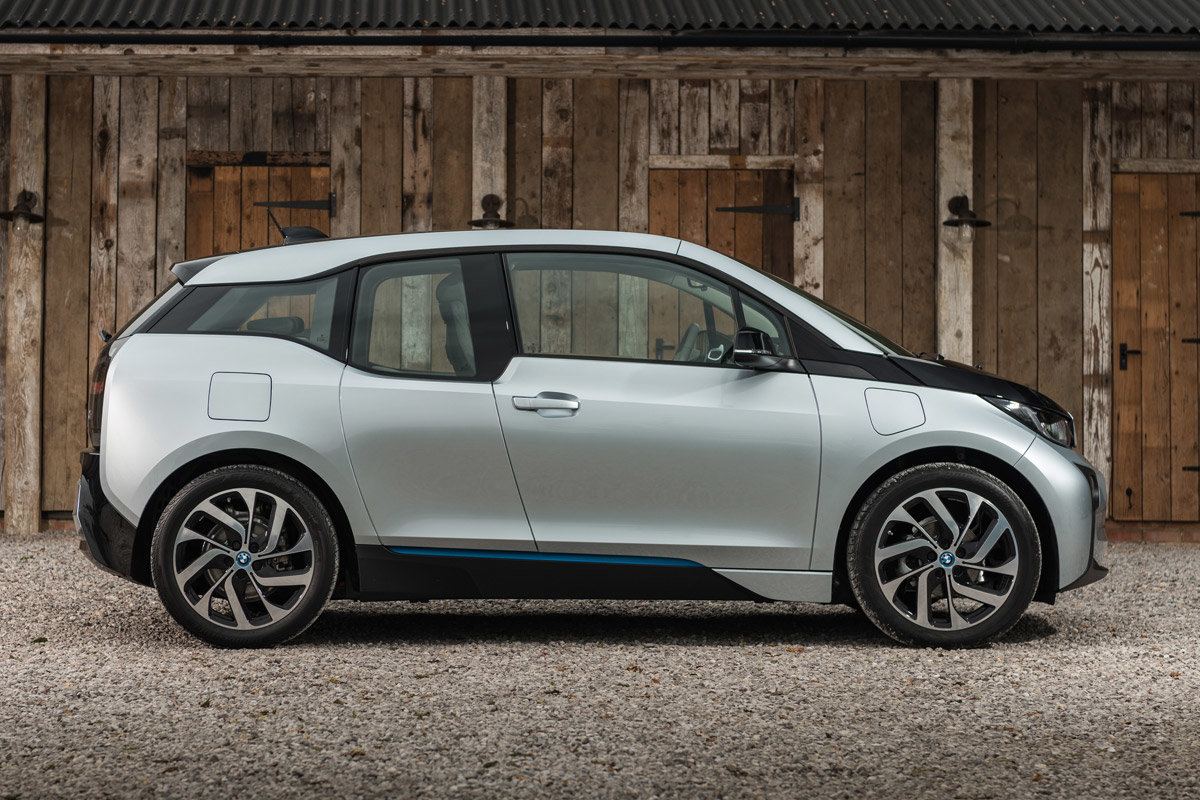
Distinctive looks really stand out
Nimble handling for an EV
Appealing cabin design
Cons
Early versions have a short range
Stiff and unsettled ride
An expensive car to buy

The CarGurus verdict
The BMW i3 is an appealing, upmarket and beautifully finished electric car that’s engaging and easy to drive. It’s also an interesting piece of design and engineering, and it’s packed full of modern and useful technology, all of which bolsters its desirability further.
It has its flaws, however, ranging from those annoying rear doors to its occasionally stiff and unsettled ride. What’s most problematic, however, is the fact that the i3 often costs far more than comparable rivals with a much longer range. When new, a BMW i3 with a WLTP range of up to 188 miles, for example, cost almost £10,000 more than a more practical Renault Zoe with a 245-mile range.
These issues will probably prove moot to those who just love the BMW’s distinctive looks and design, however, and even though the car is not without fault, they’ll still be getting a bold and enjoyable premium electric car. Otherwise, if you just want a small electric car, there are plenty of other alternatives that could save you a hefty stack of cash.
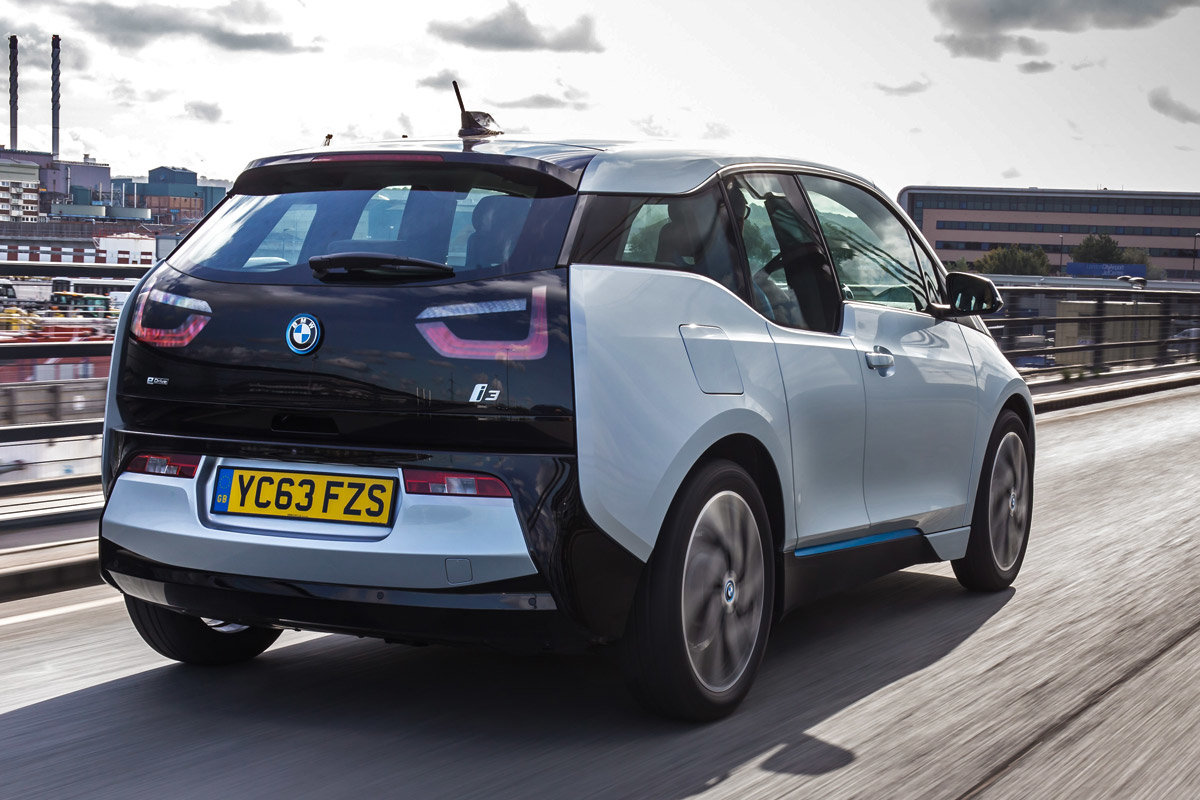
What is the BMW i3?
BMW’s i3 is a distinctive, forward-looking and captivating electric city car that was launched in 2013. Despite its age, it still feels and looks modern, and a series of battery improvements helped to improve its range and sustain its appeal over time. It remains an interesting option as a used car, but it’s a relatively expensive one that’s often bettered by more practical and longer-range alternatives.
One of the many interesting things about the i3 is that it is available in both pure electric and range extender (REX) forms. The latter includes not only the electric motor and battery, but also a two-cylinder petrol engine that acts as a generator for the car's battery, thus boosting its range by about 70 miles per (small) tank of petrol.
When launched, the i3 (along with the i8 plug-in hybrid sports car) formed a founding part of the then-new BMW i sub-brand, which aimed to offer environmentally friendly and sustainable motoring. And, unlike many electric cars of the time, the i3 was designed from the ground up as a zero-emissions vehicle. In therms of market positioning, the i3 is a compact premium EV that rivals mainstream offerings such as the Renault Zoe, Nissan Leaf, Honda e and Volkswagen e-Up.

How practical is it?
At its core is an innovative carbon-fibre passenger cell, draped in thermoplastic panels, which sits on an aluminium chassis. The electric motor, battery and energy management system are integrated into a drive module, which is embedded in the i3’s chassis, resulting in a handling-improving low centre of gravity.
There are a few practicality issues, however; there’s space for four adults inside but with no middle seat in the rear you don’t even have the option of squeezing in a fifth person. The rear-hinged doors also have their quirks. On the face of it they make access to the rear seats incredibly easy – but only if you have enough space around the car to open the front doors first. For those who park in tight spaces and regularly intend to carry passengers the unusual door arrangement may get frustrating.
Space in the front is excellent, however, with enough room for tall drivers to stretch out and a useful amount of in-car storage, too. BMW’s bold design and clever use of materials also ensure that the i3 still feels contemporary today, almost a decade after it was launched.
The boot is quite small at 270 litres, although if you don’t have passengers using the back seats you can fold down the backrests to extend the load bay. Thankfully there’s room under the front bonnet to store the charging cable, although we’d recommend investing in a waterproof back to store it in.
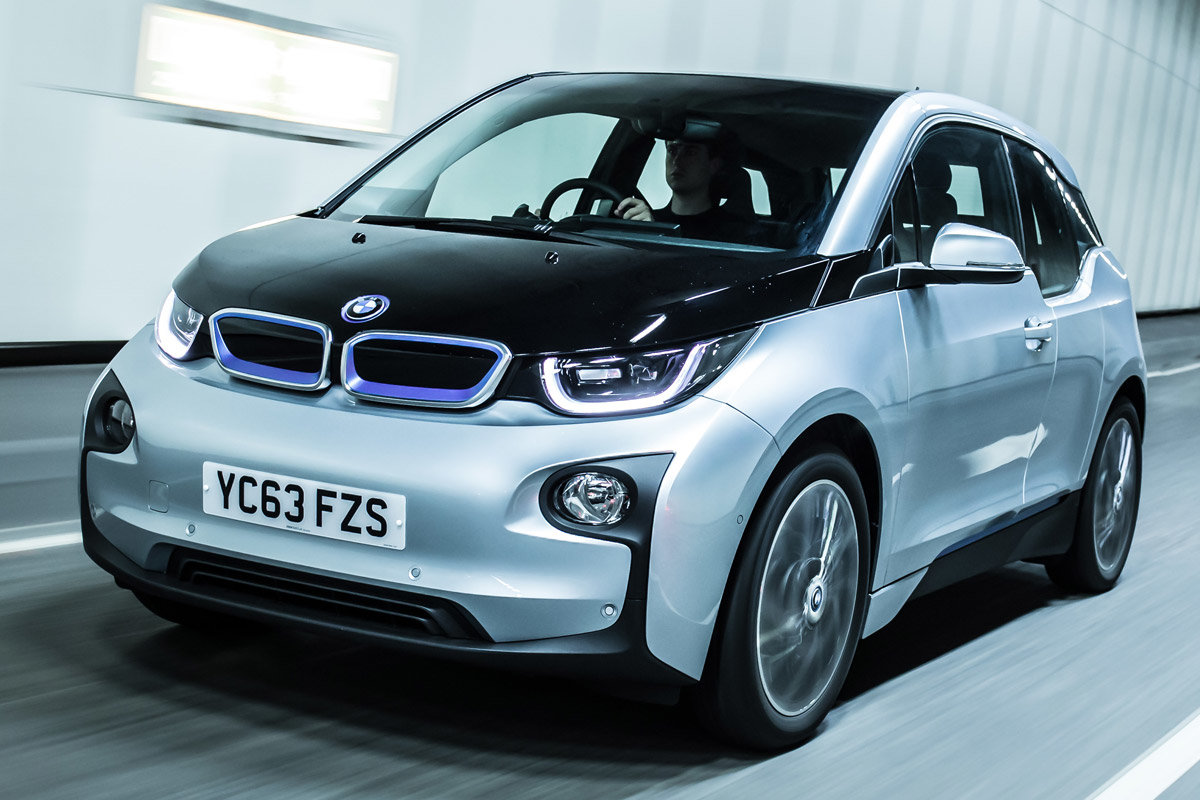
What's it like to drive?
The i3’s rear wheels are driven by an electric motor that delivers 168bhp and 184lb ft, which is enough to propel the lightweight BMW from 0-62mph in some seven seconds, although there are some slight variations in the numbers depending on model and year.
Initially, the i3 had a 22kWh battery that permitted a range of 80-100 miles, while a petrol-assisted Range Extender model granted travel beyond that. Later, battery upgrades resulted in a far better EV-only range of up to 192 miles.
As you’d hope for a BMW, even the basic i3 is a more compelling car to drive than most alternatives. It’s fun, thanks in part to slick, accurate steering and the typical responsiveness of an electric powertrain, and its low weight bolsters its agility further. The ride can be a bit stiff and nervous-feeling at times, which can make it tiring on longer journeys, but its manoeuvrability and size make it easy to drive around town.
Ride aside, it is an otherwise comfortable car and the stylish, well-equipped interior certainly matches the premium price.
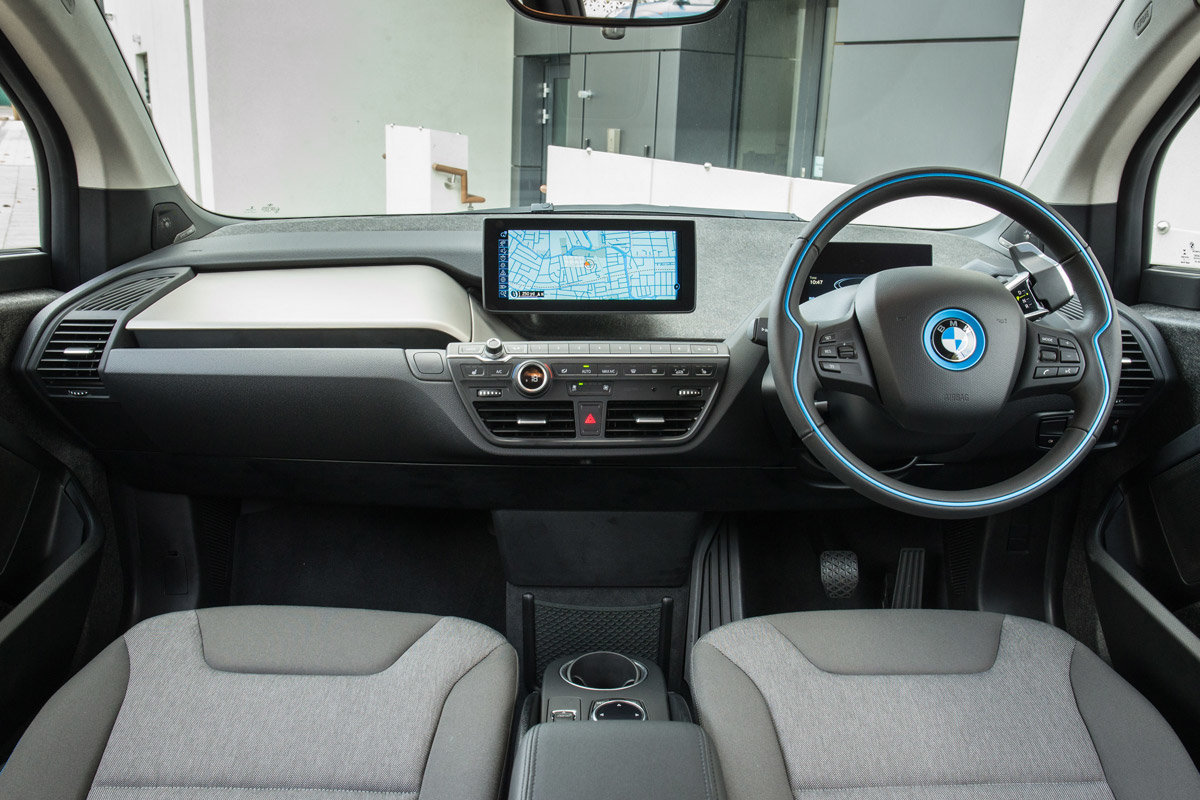
Technology, equipment & infotainment
The i3 certainly delivers high-end design inside, with it featuring an appealing cabin that makes use of natural fibres. The i3 is also well equipped; even at launch, standard features included LED daytime running lights, automatic wipers and lights and a media system with navigation, DAB radio and Bluetooth connectivity.
BMW would further build on the i3’s design and driver appeal with the introduction of the i3s in 2017, which delivered higher performance and a more sporting driving experience. An extensive array of options is offered as well, including a Harmon Kardon sound system and a range of what BMW calls ‘Interior Worlds’.
While the BMW i3 has its charms, such as its elegant interior and innovative engineering, it remains a relatively costly option on the used market, and one that has limited practicality and range compared with other less expensive all-electric rivals. It’s consequently a little difficult to recommend but, if you are smitten by its styling and substance, you’ll find plenty to like about the ownership experience.

BMW i3 running costs
A BMW i3 might not be a particularly affordable car, particularly compared with other all-electric offerings that often have a longer range, but its running costs should prove low.
In terms of VED, the standard i3 is a pure electric zero-emissions vehicle, so there is no annual tax to pay. The now-defunct Range Extender model also benefitted from no-cost VED, as it was claimed to emit just 13g/km of CO2.
The cost of charging the i3 will vary depending on your electricity supplier if charging at home, or the cost of the charging point you’ve hooked up to; in any case, the cost is unlikely to cause any concern. BMW, as a case in point, currently claims that 10,000 miles a year in an i3 would cost just £135, based on standard electricity costs and a WLTP range of 182-188 miles.
Fortunately, there are a variety of guides and tools out there that can help you calculate your annual charging costs. Similarly, with the previous Range Extender model, BMW claimed a heady average of 470.8mpg, so fuel costs, provided you keep the battery topped up, should prove negligible.
What’s also useful is that the i3, like all electric cars, is less complicated than its conventional petrol and diesel counterparts. This means potentially improved reliability and lower servicing costs which, when coupled with good residual values, can help take some of the sting out of the initial purchase price.
Older Range Extender models will require a little more attention than the pure electric i3, including oil changes and very intermittent spark plug changes, but servicing costs should not be a problem.
Do check insurance costs before taking the plunge, though, as some i3s sit in a higher insurance group than some might expect. Tyres can be quite costly, too, with most name-brand offerings coming in at around £140 a corner. And, of course, you may have to consider the cost of fitting a home charging point.
BMW i3 reliability
When new, the BMW i3 came with a three-year, unlimited-mileage warranty. It will also came with an eight-year, 100,000-mile battery warranty, which should serve to quell the concerns of buyers worried about that facet of electric car ownership. BMW i Mobile Care was included as well, which provides benefits such as roadside or home assistance in the UK.
Unfortunately, many rival electric cars offer far better warranties than the i3. A Kia e-Niro or Soul EV, for example, will come with a seven-year, 100,000-mile warranty, although that does admittedly include the battery.
The lack of a lengthy main warranty is an annoyance and compounded by the fact that BMW can be a mixed bag when it comes to reliability and customer satisfaction. Some owners do report problems with i3s, too, particularly early ones. Given the nature of the cars, it’s best to ensure that you have a decent warranty on any used example if possible.
One saving grace is that even the earliest cars came with the eight-year, 100,000-mile battery warranty. Independent specialists are also starting to pop up, which could serve to make dealing with problems less costly and time-consuming. Recalls have also been few and far between but, regardless, it’s worth considering a warranty extension on the rest of the car if possible for peace-of-mind. Note that the BMW-backed option can be very expensive.
An approved used BMW i3 could be a good route for some, as they are comprehensively inspected and serviced before resale and given a 12-month, unlimited-mileage warranty and 12 months’ roadside assistance cover.
- When the BMW i3 was introduced, it featured a 22kWh battery that granted a range of 80-100 miles. In 2016, BMW launched a revised model that packed a 33kWh battery that boosted the range to a far more useful 195 miles. Then, in September 2018, BMW unveiled another revised i3 with a 42.2kWh battery that unlocked a maximum range of 223 miles in NEDC testing, or 192 miles on the more realistic WLTP test cycle, which was also introduced in late 2018. Unlike some manufacturers, BMW refers to these variants using amp-hour ratings; they were dubbed, as a result, the 60Ah, 94Ah and 120Ah models.
- The Range Extender version of the i3, which was available until late 2018, features a 650cc two-cylinder petrol engine that is used to maintain the battery charge while on the move. The engine, which is mounted above the rear axle, extends the i3’s range significantly. It also means that owners can just refuel the tank if they need to quickly continue with their journey, if a charging point is not available or if they can’t wait. BMW initially claimed a range of up to 186 miles, but that later increased to a claimed 276 miles as the i3’s battery was upgraded. Aside from being more complicated, the Range Extender is also heavier than the standard all-electric i3, and not as quick.
- The sporty i3s, which was introduced in 2017, benefits from upgraded suspension and a high-performance electric motor which delivers 182bhp and 199lb ft, which was enough to propel it from 0-62mph in 6.9 seconds. It also features a host of bespoke details but it does have a slightly shorter range than the standard i3. Like the i3, the i3s received a battery upgrade in September 2018 and, similarly, it was also offered in a range-extending form initially.
- The best all-rounder: If you’re buying a late model i3, you can only pick between the i3 120Ah or the i3s 120Ah. The i3 is an expensive option already so, unless you really want the sportier i3s, just stick with the standard model.
- For the longest range: The standard late-model i3 has the longest range. If you’re looking at older i3 models, however, you could consider going for the Range Extender model. As well as giving you a longer driving distance, it could also be worth considering if you often drive in remote areas or regularly encounter detours.
- For the best performance: If you’re set on an i3 and want it to be a bit swifter and more engaging, go for the i3s. It builds on the standard car’s specification with a range of performance upgrades, including sports suspension and more power, which makes the BMW more capable and entertaining to drive.
- The best used buy: We’d aim for a later used 94Ah model, which arrived on the market in 2016. Its significantly increased range makes it a far more usable and practical choice and, being newer, it’s less likely to suffer from problems. In any case, try and find a used BMW i3 with some warranty remaining in order to avoid any nasty surprises.


