BYD Seal U Review (2024-present)
Byd Seal U cars for sale
4.0
Expert review
Pros
Impressive value for a well-equipped PHEV SUV
Generous electric-only range (up to 77 miles in Comfort trim)
Interior feels upmarket
Cons
Poor boot space compared with rival SUVs
Fiddly infotainment system
Lacklustre ride and handling
The CarGurus verdict
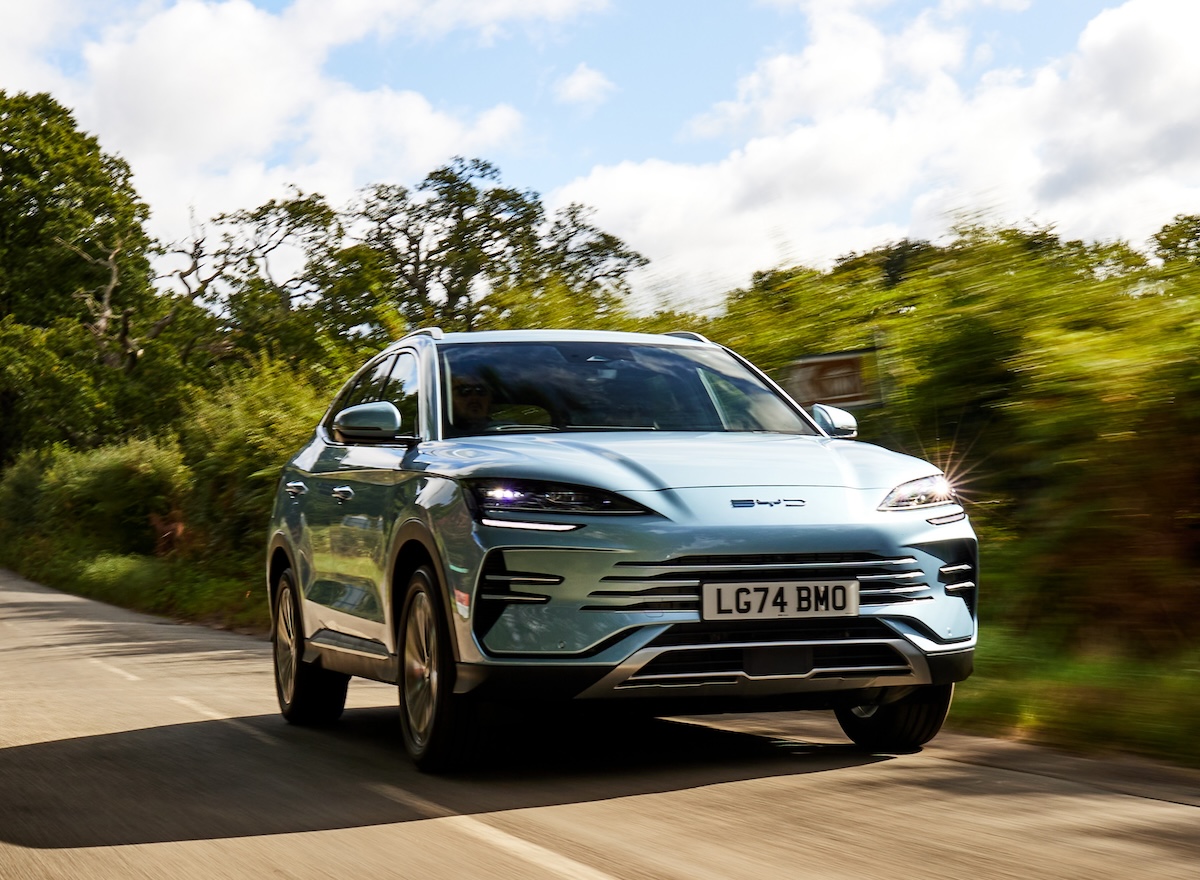
The BYD Seal U DM-i represents one of the best value propositions in the plug-in hybrid SUV market. While it falls short in areas like boot space and driving dynamics, it makes up for these shortcomings with its impressive electric range, generous standard equipment, and low price.
If you’re after a PHEV that undercuts the competition and yet still feels upmarket, the Seal U DM-i is hard to ignore.
What is the BYD Seal U DM-i?
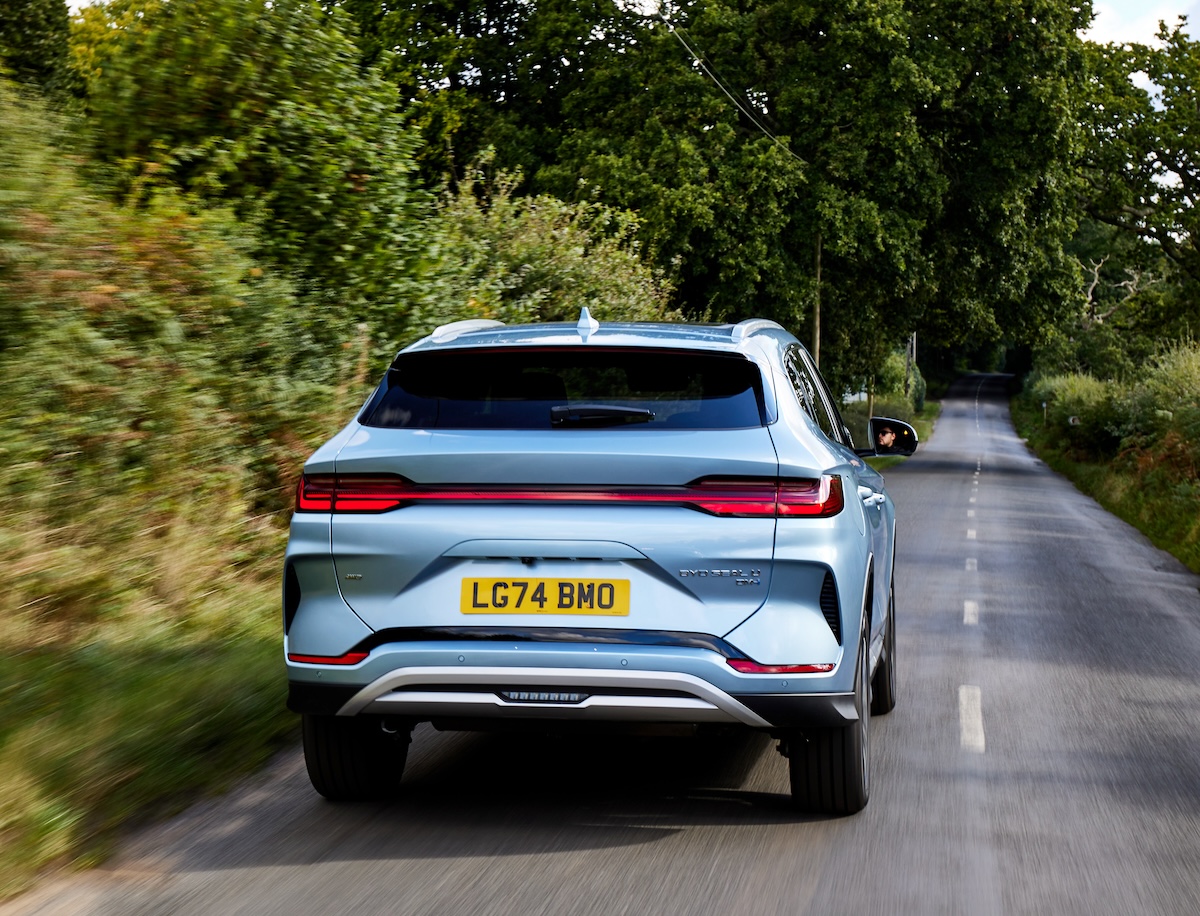
The BYD Seal U DM-i is a family-sized SUV. It’s manufactured by BYD (Build Your Dreams), a Chinese firm that started out producing mobile phone batteries before moving into the automotive sector around in the mid-2000s. The other acronyms in its name are as follows: “U” for Utility (indicating that this is the more practical, SUV offering of the Seal, rather than the electric saloon with which it shares very little other than its name); DM-i for “Dual Mode Intelligent", which is BYD’s way of referring to its plug-in hybrid drivetrain.
That drivetrain is an important part of the the Seal U’s value offering, too, because it is standard equipment in all models. Buyers can choose from three trims: Boost, Comfort, and Design, each with different battery sizes and power outputs. With a starting price of just over £33,000, the Seal U provides a lot of features and technology for the money, making it one of the most affordable PHEV SUVs on the market, and arguably the best value outright when standard equipment is factored in.
Similarly sized rivals include plug-in hybrid versions of the Kia Sportage, Hyundai Tucson, Volkswagen Tiguan, Ford Kuga and more. The Seal U’s styling might be rather bland compared with those cars, but it feels every bit a match for them in terms of quality.
How practical is it?
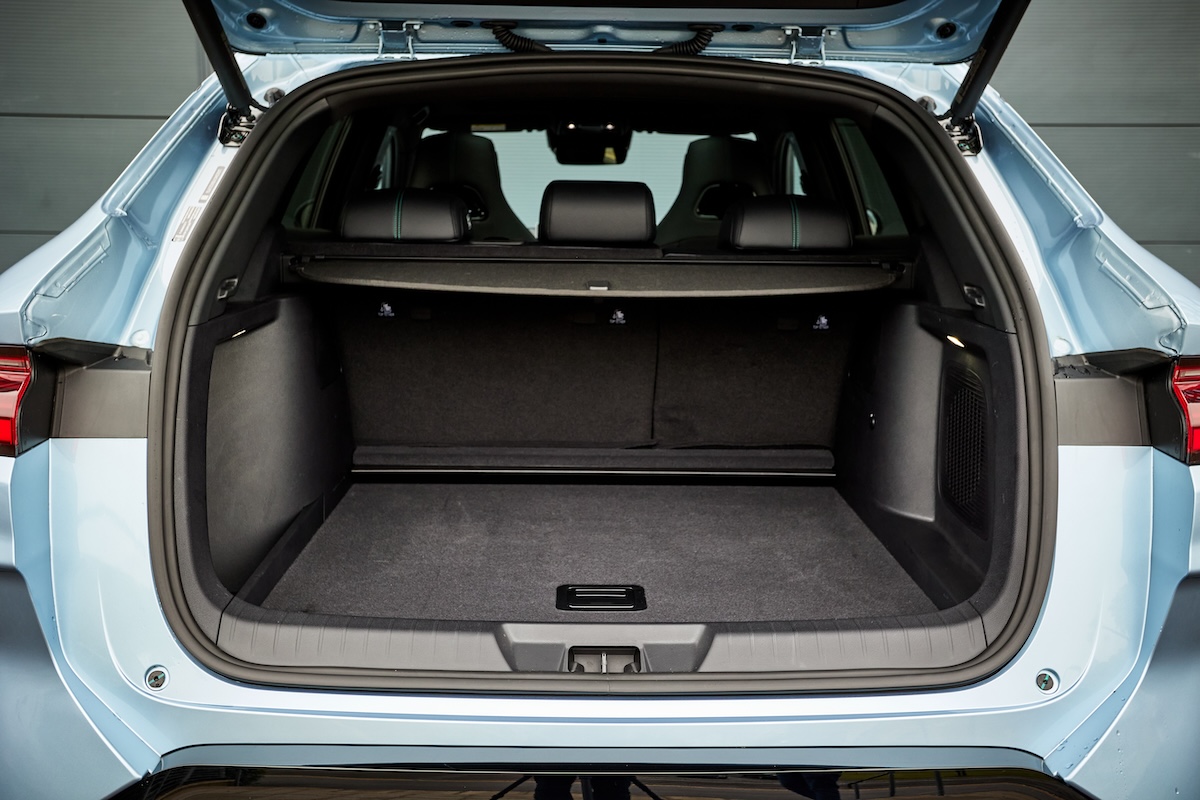
Despite its 4.8-meter length (which incidentally means the Seal U is bigger than most if not all of its direct rivals), BYD’s family SUV falls short in terms of boot space, offering just 425 litres. This is significantly less than its competitors, such as the Volkswagen Tiguan PHEV, which offers 490 litres, never mind the Hyundai Tucson PHEV with 577 litres. The boot shape is also slightly awkward because it is high off the ground and doesn’t benefit from much adjustment to the height of the boot floor, and while the rear seats fold down, they do so in a 60/40 split rather than the more flexible 40/20/40 split seen in some rivals.
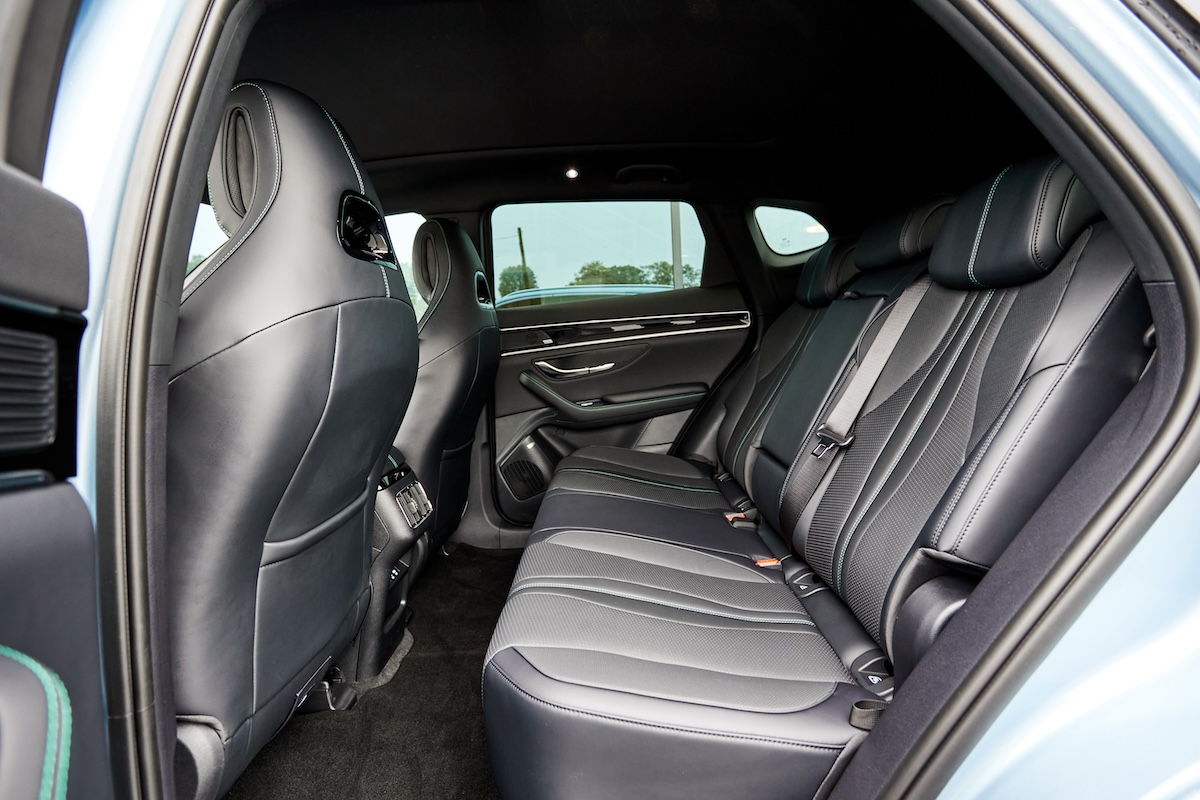
However, the cabin space is more promising. Rear passengers will find generous room to sit comfortably, as well as backrests that recline in several positions. Both legroom and headroom are excellent, and the Seal U’s plush materials make it feel like an upmarket place in which to travel. Getting three people in the rear seats is no problem at all.
Up front there’s plenty of front-seat storage, including two wireless charging pads and a large centre console. Overall, while the Seal U isn’t perfect for carrying large loads (owners of big dogs take note), it still has more boot space than a regular hatchback such as a Volkswagen Golf, and lots of room for passengers.
What’s it like to drive?
The Seal U DM-i offers three different configurations of its plug-in hybrid powertrain, starting with the Boost trim, which pairs a 1.5-litre petrol engine with an 18.3kWh battery and a single electric motor for 214bhp and an electric range of 50 miles. It is front-wheel drive and will get from 0-62mph in a respectable 8.9 seconds.
The mid-range Comfort trim also uses a 1.5-litre petrol engine and single electric motor, but ups the battery size to 26.6kWh, extending the EV range to a claimed (and impressive) 77 miles.
The top-spec Design model meanwhile combines a more powerful 1.5-litre petrol engine with the smaller 18.3kWh battery and a second electric motor to the rear axle for all-wheel drive, producing 319bhp and reaching 0-62mph in 5.9 seconds. While that might sound impressive, the Design model doesn't ever feel as quick as the on-paper numbers suggest it might.
All trims come with two driving modes: full EV and hybrid. Full EV does what it says on the tin, with the Seal U feeling every bit as smooth and as quiet as an electric car. In hybrid mode, the petrol engine’s role is mostly to act as a generator for the electric parts of the drivetrain, although it can provide direct drive to the wheels when needed (for example at higher speeds or under hard acceleration). As such, even when running in hybrid mode, the Seal U still has an electric car feel to the way it operates, and the transition between engine on and engine off is impressively smooth.
The lack of a traditional automatic gearbox might sound odd, but the single-speed transmission used in the Seal U is all part of what helps it to feel more like a fully electric vehicle in day-to-day driving.
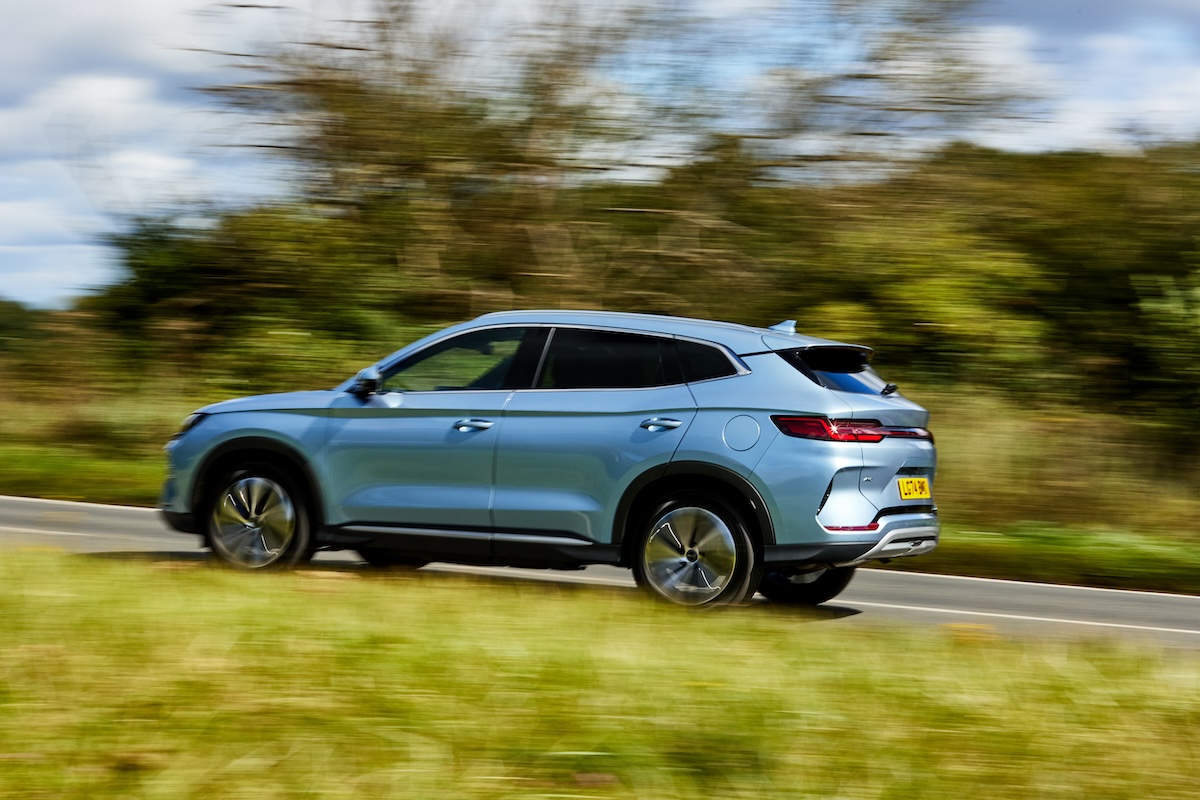
On the road, the Seal U is impressively quiet and comfortable, with suspension tuned more for comfort than sportiness. However, it’s not as dynamic or responsive as some of its European rivals, feeling a bit more detached from the road, and quite floaty over crests and dips. For sedate driving it’s OK, but pushing on even moderately will have the Seal U’s tyres squealing in protest.
Technology, equipment and infotainment
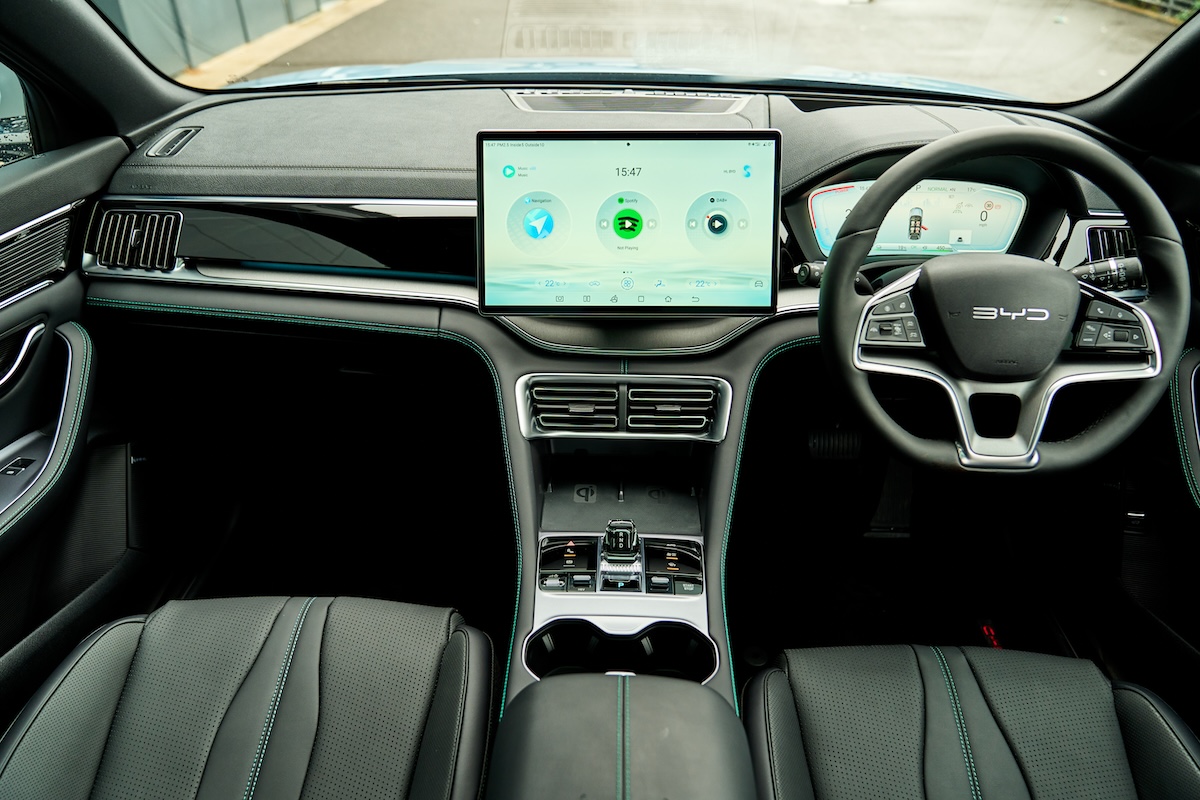
BYD has packed the Seal U with technology as standard, starting with its 15.6-inch infotainment touchscreen that can rotate between landscape and portrait orientations. While the screen is visually impressive, its tablet-like interface doesn’t always feel optimised for use while driving. Apple CarPlay and Android Auto are standard, as are voice commands through BYD’s "Hey BYD" system, though these features sometimes feel a bit clunky in practice. Amusingly, there’s a built-in karaoke function that can be used when the car is stationary.
The interior quality is good for the price, with vegan 'leather' seats, soft-touch materials, and plenty of tech to keep you connected on the move. Digital dials are standard across the range, with a 12.3-inch display providing lots of (arguably too much, in fact) information.
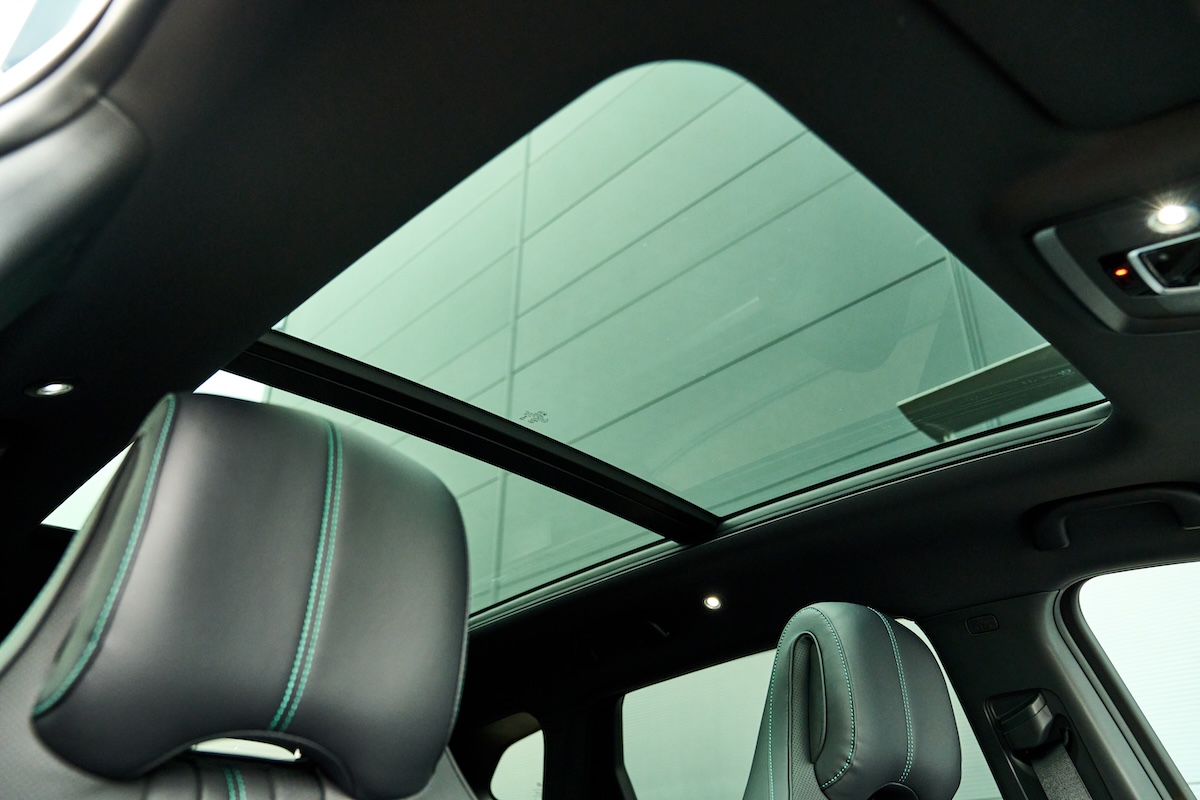
Perhaps most impressive of all is that every version of the Seal U comes with the same outstandingly high level of equipment, meaning that the kind of extras many manufacturers charge a small fortune for (think 19-inch alloy wheels, a panoramic sunroof, powerful audio system, head-up display, V2L vehicle-to-load charging, and a full suite of additional safety tech) comes as standard.
BYD Seal U DM-i running costs
In terms of purchase price, the only plug-in hybrid SUV that comes close to matching the BYD Seal U at the time of writing is the MG HS, although even that can’t match the BYD’s generous roster of equipment.
For those who can charge at home or at work, running a BYD Seal U can potentially be very cost effective indeed, particularly if the majority of their driving falls within the car’s EV-only range. What’s more, even when the petrol engine is running, the way BYD has tuned its hybrid system makes for decent fuel economy considering the size of the vehicle. On our test drives we’ve seen that more than 50mpg is relatively easy to achieve. Being a plug-in hybrid with a generous EV-only range (particularly the Comfort model) helps to keep Benefit-in-Kind rates for company car drivers competitive, too.
A full battery charge on a 7kW home wallbox will take around 2-3 hours depending on which battery size you have.
BYD Seal U DM-i reliability
Being a new model, there’s not much to go on in terms of reliability data for the BYD Seal U. It does, however, come with a competitive six-year or 93,750-mile warranty on the car, or eight-year, 125,000-mile warranty on the battery, which should provide good peace of mind.
While BYD’s dealer network in the UK is currently small relative to more established European brands, it is growing quickly.
- While BYD is still a relatively unknown brand in the UK, it is a fast-growing presence in European markets. Its other models, including the Dolphin, Atto 3 and Seal, are all-electric, but the Seal U has plug-in hybrid power to increase its driving range (up to 699 miles from a single tank of fuel and full battery charge, says BYD) and broaden its appeal.
- BYD employs more than 700,000 people worldwide, including more than 70,000 engineers. It claims to make 32 patent applications per day and builds everything from cars to buses and phone batteries to solar panels.
- Unlike many other car brands, BYD owns its full supply chain, including batteries and semi-conductors, which is one of the ways it is able to be so competitive on price. It is opening a production facility in Hungary in 2025 to supply models for Europe.
- For value-conscious buyers: The entry-level Boost trim offers an affordable way into the PHEV market, with a solid 214bhp and a respectable 50-mile EV range. It’s well-equipped and priced just over £33,000, making it a good deal for those looking for a budget-friendly option.
- For maximum EV range: The Comfort trim offers the best electric range at 77 miles, thanks to its larger battery. It maintains the same 214bhp as the Boost model but is the most efficient choice for those who prioritize EV driving.
- For power and performance: The top-spec Design model is the one to go for if you want the best performance. With 319bhp and all-wheel drive, it’s much quicker than the other trims, accelerating to 62mph in just 5.9 seconds. It’s also reasonably priced at under £40,000, making it a great choice for those who want power without breaking the bank. Just keep in mind that the power delivery and very soft ride and handling mean this is still no performance car.


