Citroen DS4 Review (2011-2018)
Citroen DS4 cars for sale
3.0
Expert review
Pros
The DS4 is good value on the used market
Family-friendly boot capacity
Impressive economy if you choose a diesel
Cons
Short on space for rear-seat passengers
Older versions have an over-firm ride
Not a car to excite keen drivers

The CarGurus verdict
Used Citroen DS 4s are extremely affordable, and easy to recommend on the basis that they represent huge savings over the competition, but it’s hard to promote the car purely on merit.
It’s a stylish thing, but the odd mix of coupe styling, a raised SUV ride height, and traditional hatchback elements means the DS 4 never really excels in any particular area.
The coupe looks gives it a sporty and purposeful appearance, but the steering is vague, but isn’t especially practical, and even the most potent petrol engines aren’t enough to make it fun to drive. The slightly raised ride height isn’t enough to give it any sort of competence off road, and the ride quality doesn’t even benefit that much from the extra suspension travel.
Fundamentally, the DS 4 missed its brief, which makes it a difficult choice over traditional and more accomplished rivals. However, this lack of popularity from launch means it is possible to pick up a used bargain, and it that respect, a second-hand DS 4 is a lot of family car for the money.
Citroen decided to head upmarket in the late 2000s, and attempt to lure in buyers after something more luxurious than its mainstream cars. To pinch sales from BMW, Audi, and Mercedes-Benz, all of which were busy with their own stylish superminis, Citroen took the wraps off its DS3 in 2009. It was basically a jazzed up C3, with a bling interior and posh fabrics, and it followed that up with the larger DS4 hatchback.
Launched in the UK in 2011, the Citroen DS4 boasted an amalgamation of styles, stealing elements from SUVs and blending them with a sleek coupe roofline, all of which was packaged up in a car the size of a traditional hatchback.
DS became a brand in its own right in 2015 – it still belonged to the same manufacturing group, but it the cars were sold separately from Citroen – and the Citroen DS3 and DS4 became the DS 3 and DS 4 from then on. And yes, that is confusing.
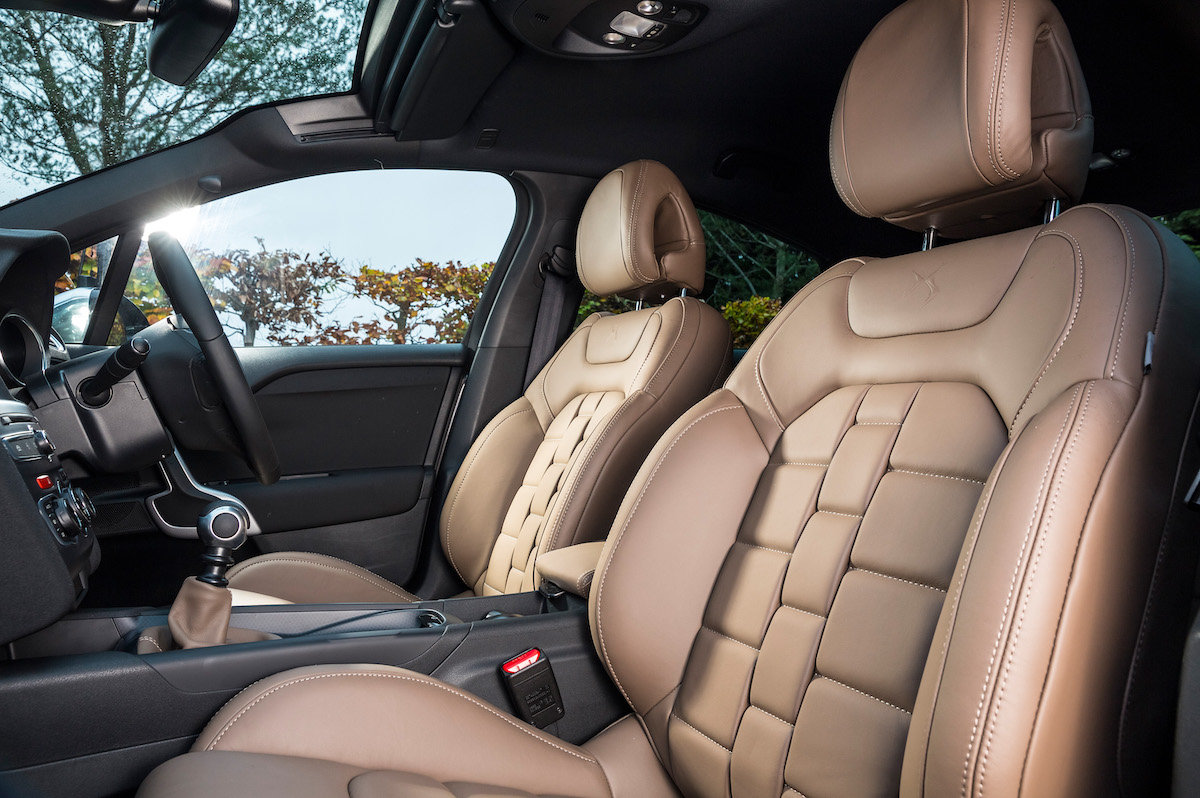
Citroen decided to head upmarket in the late 2000s, and attempt to lure in buyers after something more luxurious than its mainstream cars. To pinch sales from BMW, Audi, and Mercedes-Benz, all of which were busy with their own stylish superminis, Citroen took the wraps off its DS3 in 2009. It was basically a jazzed up C3, with a bling interior and posh fabrics, and it followed that up with the larger DS4 hatchback.
Launched in the UK in 2011, the Citroen DS4 boasted an amalgamation of styles, stealing elements from SUVs and blending them with a sleek coupe roofline, all of which was packaged up in a car the size of a traditional hatchback.
DS became a brand in its own right in 2015 – it still belonged to the same manufacturing group, but it the cars were sold separately from Citroen – and the Citroen DS3 and DS4 became the DS 3 and DS 4 from then on. And yes, that is confusing.

There was a choice of petrol and diesel engines from new, and the most powerful of the former was the 1.6-litre THP, which started off with 197bhp and was later bumped up to 208bhp. The diesel units are naturally the most fuel efficient, with the 1.6-litre BlueHDi 100 delivering up to 72.4mpg, although was according to the old and often unrealistic NEDC test. Both five/six-speed manuals and a six-speed semi-automatic transmission were available.
Despite the bigger petrol engine’s punch, the driving experience really lets the DS 4 down. The lower powered petrol lacks grunt and, due to the short gearing in manual versions, you’ll be up and down the gearbox a lot in town or other congested areas. The Citroen is never particularly engaging, with vague and uninspiring steering, while an overly firm ride in older models means even low-speed journeys can be uncomfortable.
This was addressed to a point when DS split from Citroen in 2015, as the DS 4 was offered as a standard model or as a taller, SUV-style model known as the Crossback, and the latter was much more comfortable due to its higher ride height.
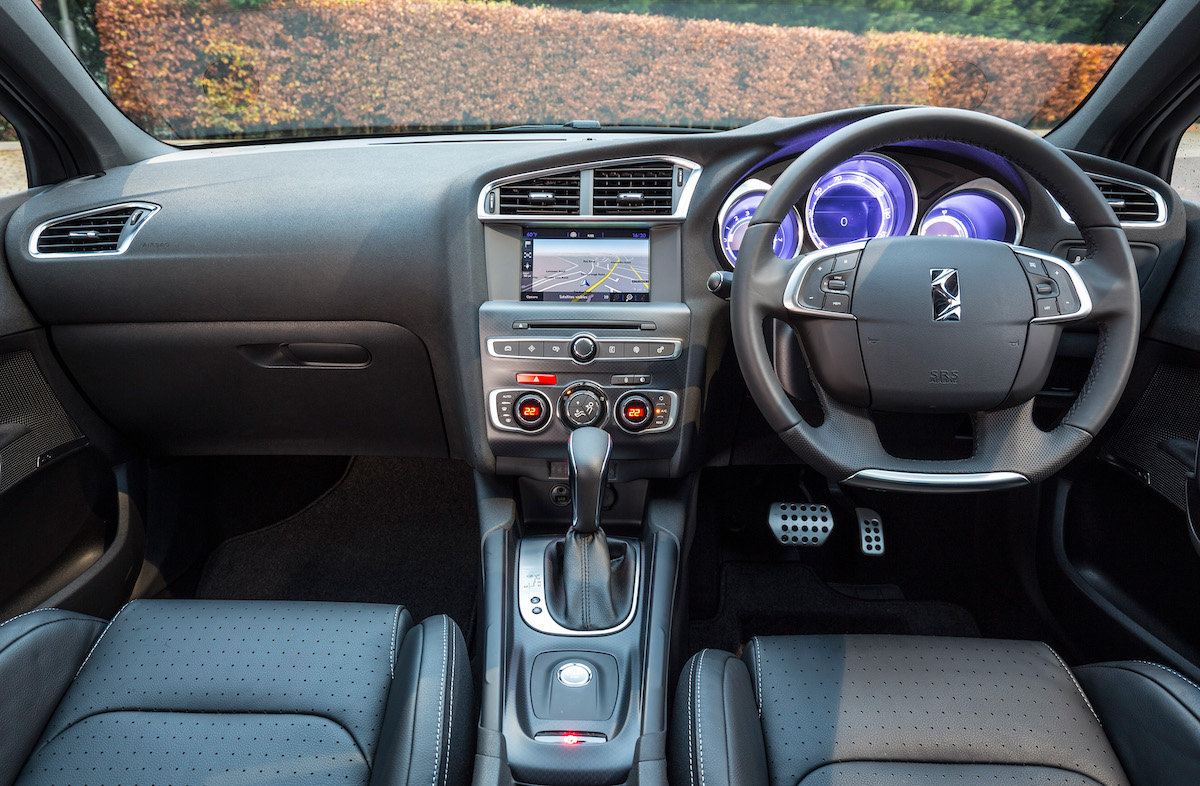
Original Citroen DS 4s were split into three trim levels. The range started with the entry-level DSign and increased to the most expensive DStyle Nav. There was also a DSport option, with racier styling and bigger alloys. All cars came with cruise control, alloy wheels, and Bluetooth connectivity as standard.
Those trim levels were later replaced by Elegance, Prestige and Performance Line trims, while a separate Crossback model was also available.
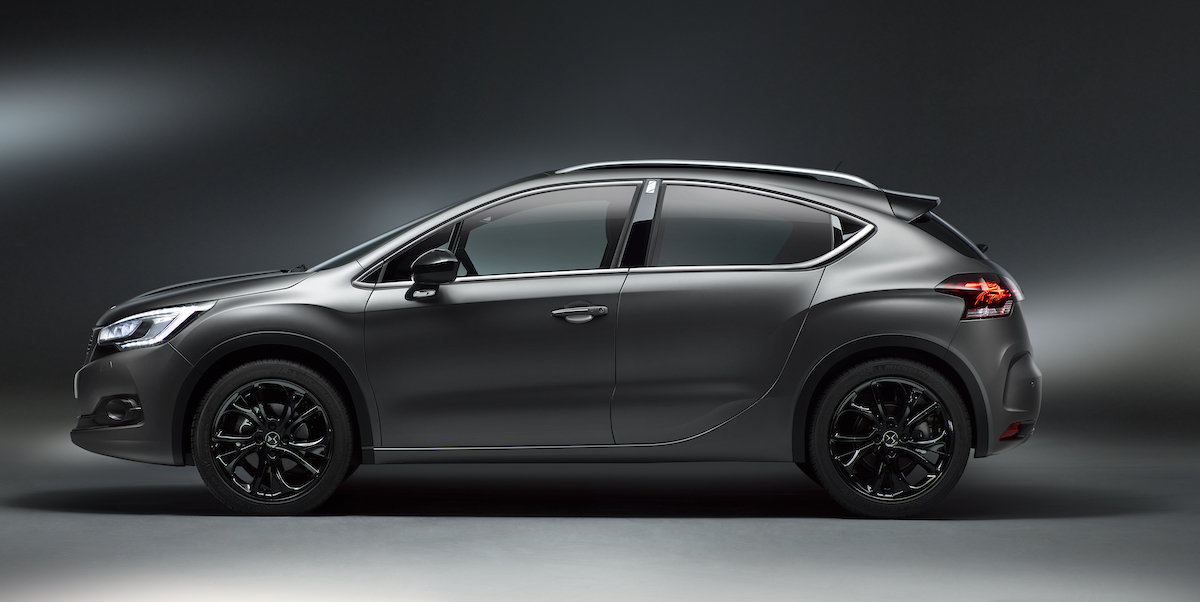
The Citroen DS 4 is more expensive than the C4 on which it’s based, but the engines offer reasonable fuel economy. The most efficient are the post-2017 DS models with the 1.6-litre BlueHDi 120 engine, which would return an average of 72.4mpg, according to the NEDC test. Expect something more like high 50s in real-world driving.
The more powerful 150 or 180 2.0-litre BlueHDi engines are better to drive – the have a lot more mid-range pull – and the official MPG figure still hovers around the 65-70 mark.
Citroens often depreciate heavily, and the DS 4 is no different. The earliest models can now be found for well under £5,000, and you may even come across the larger 2.0-litre diesel engine and/or top-of-the-line Style trim at that price.
Even the more recent post-2017 DS models, with low mileage satellite navigation and plenty of toys, don’t tend to be advertised for much more than £10,000. This has long been the downfall of luxury sub brands but is obviously great news for those looking to snap up a used car bargain.
Service intervals are quite long, with 24-month and 48-month cycles, and Citroen is known for affordable maintenance costs. All cars will now be out of the manufacturer’s original three-year, 60,000-mile warranty, it could be worth looking into extended warranties if you’re buying from a dealer. Citroen parts are easy to come by and cheap enough, but there have been a number of reported issues over the years.
As much as Citroen wanted to distance the DS 4 from mainstream hatchbacks and SUVs, it still competes with established competition, such as the Volkswagen Golf and the Nissan Qashqai rivals. That’s stiff competition in terms of reliability and overall customer satisfaction. Several satisfaction surveys placed the car in a lowly position, with a Car Buyer survey ranked the original Citroen DS 4 123rd out of 200 models.
There have been numerous recalls since 2012, ranging from the worryingly vague “braking performance may decrease” to the highly concerning “seatbelt may fail”. Recalls are natural during a vehicle’s life cycle and these should have been covered by the manufacturer. Make sure previous owners of used examples have covered off these issues before you buy.
- The frugal 110 e-HDi model had an early micro-hybrid powertrain, or at least that what it was called at the time. It was more of a modified stop-start system than anything to rival a Toyota Prius, but it included regenerative braking and, at the time, was alleged to cut fuel consumption and emissions by up to 15 percent.
- The hidden rear door handles and coupe-like styling might be easy on the eye but the rear windows in earlier Citroen DS 4 models don’t open, which could be a big deal for those transporting queasy kids.
- Despite being on sale since 2011, the second-generation DS 4 only arrived in 2021. It was been thoroughly redesigned as a more luxurious modern SUV and there’s an DS 4 E-TENSE plug-in hybrid variant.
- If you’re on a budget: The cheapest used examples are older (pre 2015) DSign models, particularly the lower-powered Blue HDi 120 diesels, which cost just shy of £20,000 ought to be around a quarter of that today.
- If you want comfort: The later DS 4 Crossback is by far the most comfortable car of the bunch, because its raised height and tweaked suspension sort out the regular hatchback’s harsh ride.
- If you want a sporty drive: The 1.2-litre PureTech turbo engines have plenty of poke, but the 2017-onwards THP 210 Performance Line model has the raciest petrol engine of them all. The 1.6-litre engine develops 208bhp and will hit 62mph in a respectable 8.5 seconds. Top speed is pegged at 146mph.
- If you want the height of luxury: The DStyle Nav models in the older cars come with, as the name suggests, satnav, while the most expensive Crossback trim line model in later cars is fully loaded. Similarly, Prestige models have full leather interiors, large touchscreen infotainment systems, and Apple CarPlay and Android Auto in later facelifted versions.


