Mazda3 Review (2013-2018)
Mazda Mazda3 cars for sale
4.0
Expert review
Pros
Handsome styling really stands out
Offers both sporty handling and a comfortable ride
Roomy for people and luggage
Cons
The saloon is less practical than the hatch
Rear headroom could be more generous
The materials in the cabin look low-rent
The CarGurus verdict
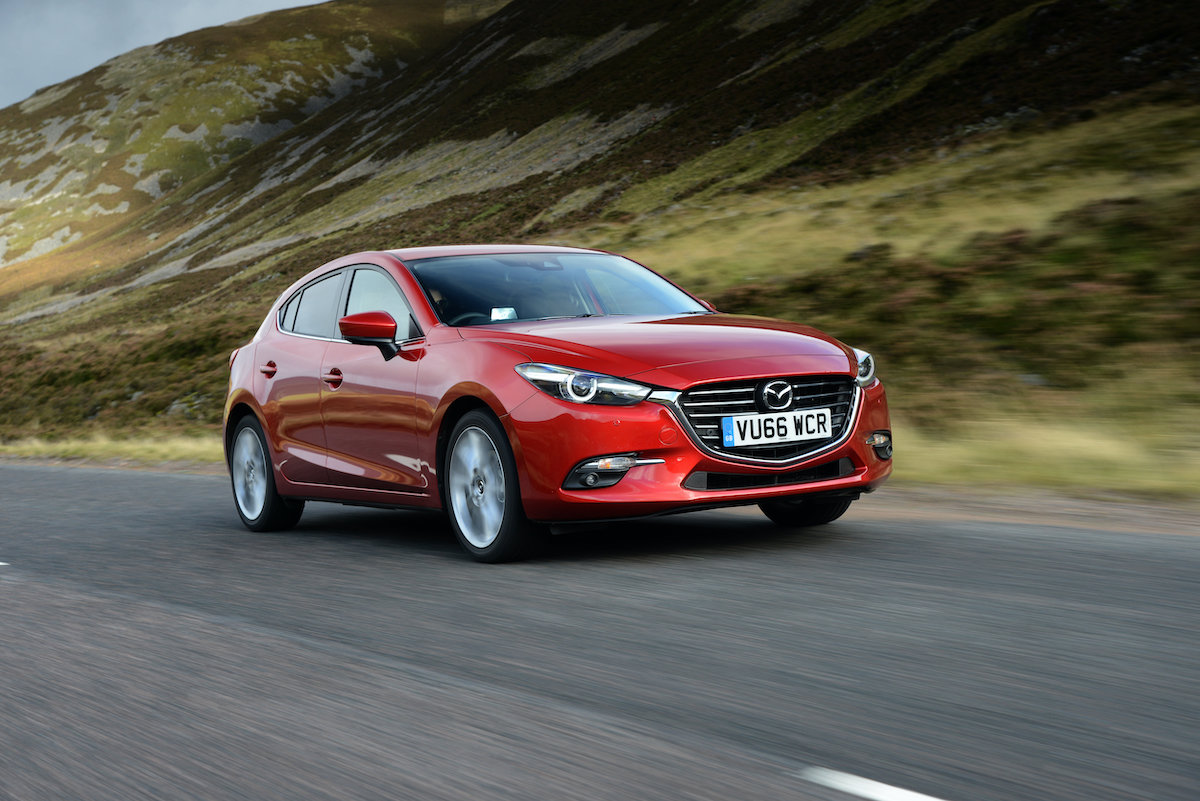
The Mazda3 was never a huge seller compared with its more predictable rivals, but this shouldn’t put you off its merits as a used car, because it stands out in several areas, not least its design, which still looks fresh today. Decent performance and a chassis that’s engaging, enjoyable, and comfortable, makes it even more appealing.
Throw in Mazda’s strong reliability record, and the 3 makes even more sense as a used purchase. We’d suggest it’s right up there among the best buys, and the fact that it’s not a Golf, a Focus or an Astra only works in its favour.
What is the Mazda3?
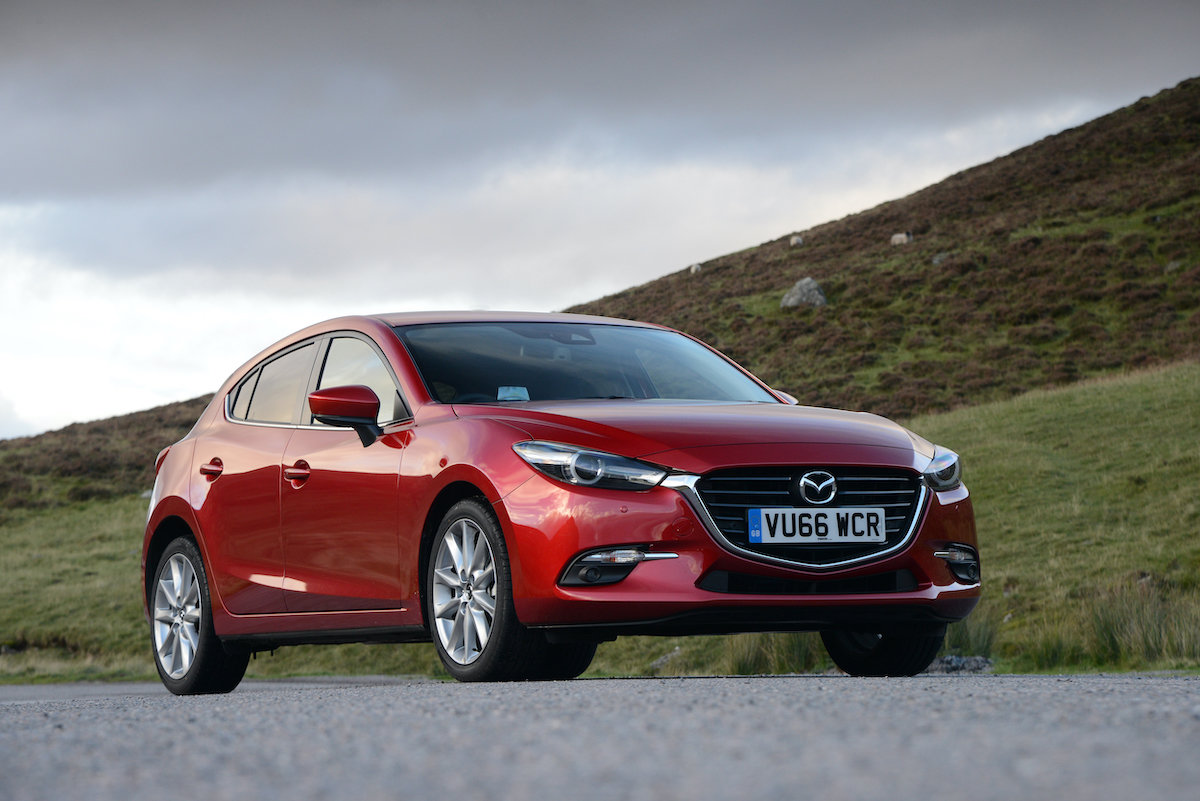
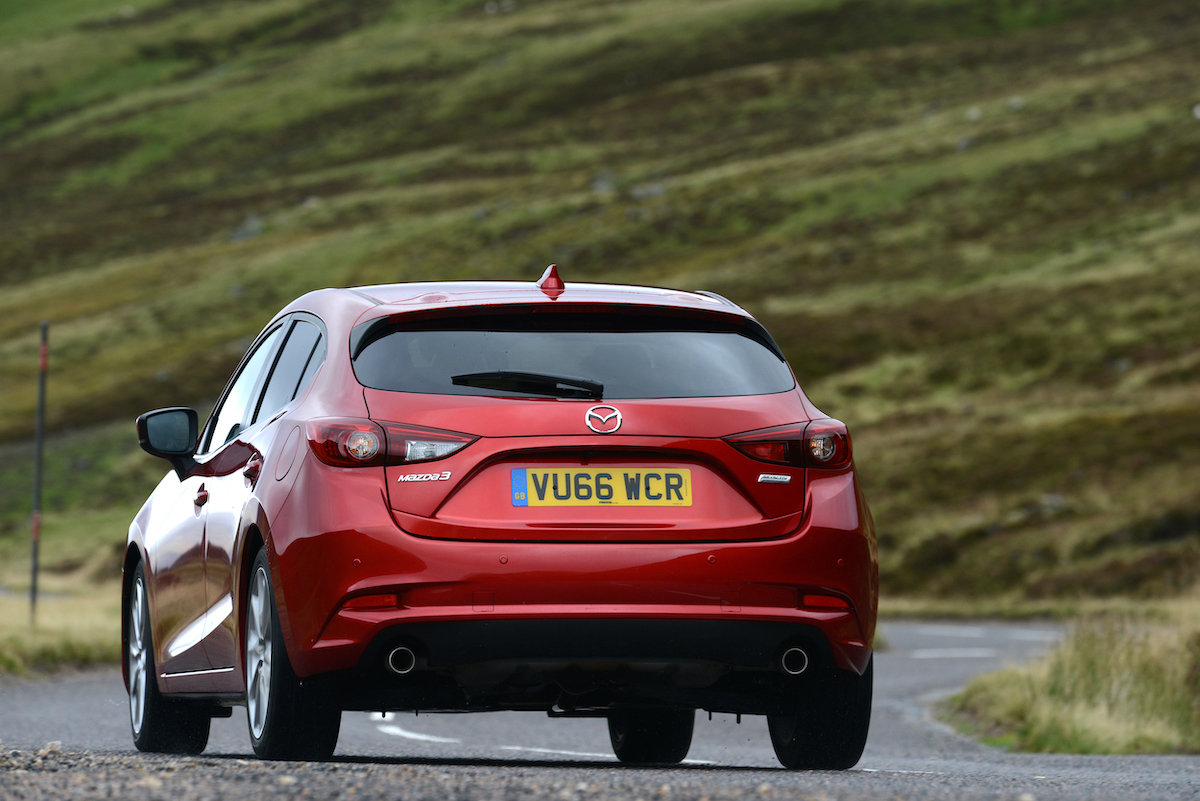
Mazda has long had a competitor in the mainstream family hatchback class, previously badged as the 323 before becoming the Mazda3 in 2003. This third generation Mazda3 was produced between 2013-2018, in both five-door hatchback and four-door saloon (dubbed fastback) guises.
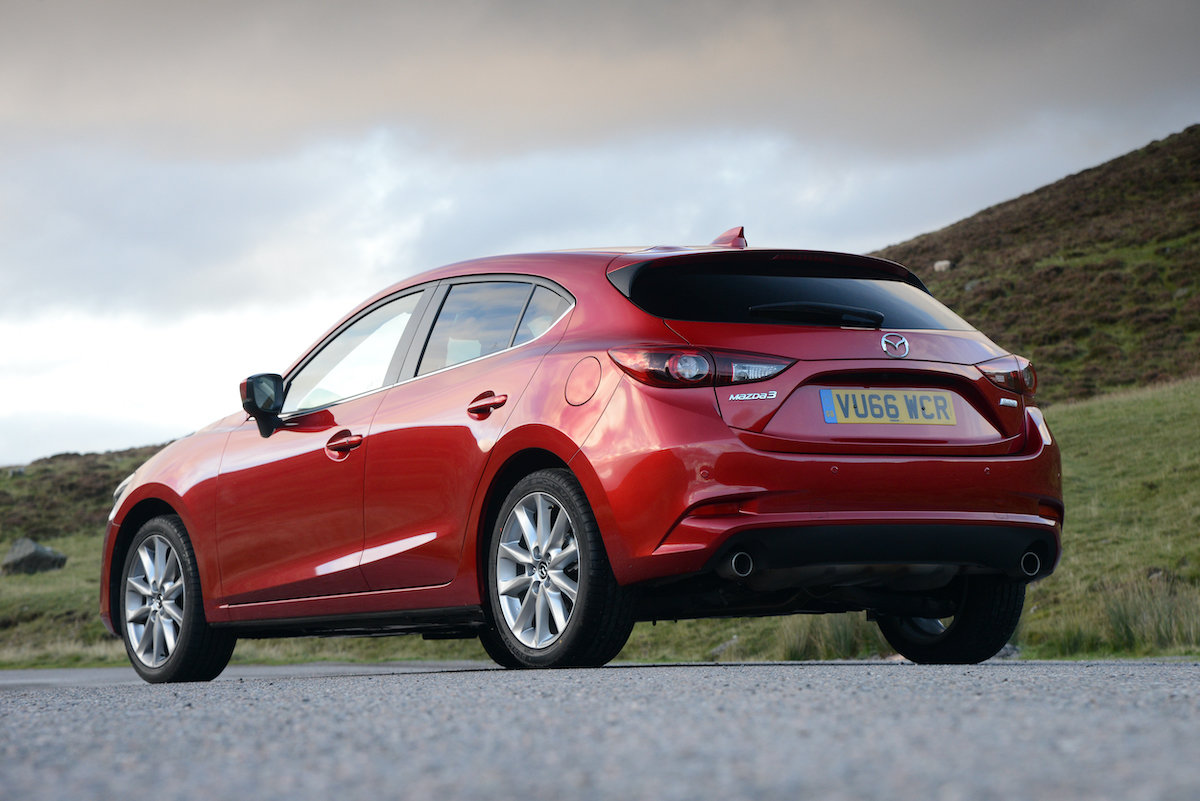
The company has a long and proud history of stylish and cleverly engineered cars, and the Mazda3 exemplifies this with its stand-out looks. Mazda refers to its design philosophy as ‘KODO: Soul of Motion’. The moniker might be confusing, but it makes for a car that stands out in a class that’s frequently mired in conservatism.
With a spacious cabin and equipment levels often greater than those of its rivals, the Mazda3 should have made a bigger impact in the sales charts. But its corner of the market is dominated by Ford, Vauxhall, and Volkswagen, which meant the Mazda was more likely to be considered alongside the likes of the Honda Civic, the Toyota Auris or the Seat Leon. It was replaced by the fourth-generation model in 2019.
How practical is it?
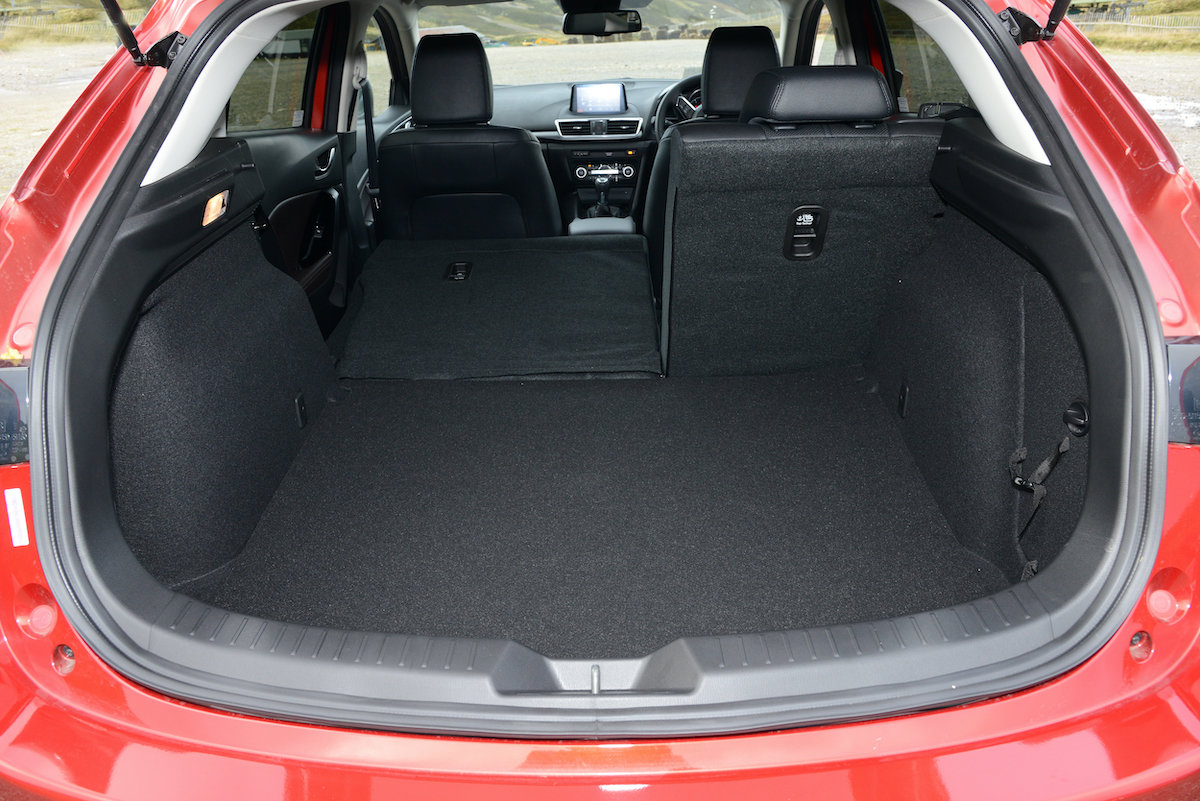
The engineers pushed the wheels out right to the corners of the Mazda3, which improved stability and sharpened its handling, but it had the knock-on benefit of creating a more spacious interior. Front seat occupants have plenty of space, and while there’s excellent legroom and shoulder room in the rear seats, headroom is tight due to the 3’s rakish roofline.
The 364-litre boot is a decent size, too, though the hatchback’s space is easier to access than that of the saloon. If there’s a shortcoming, it’s the quality of some of the interior plastics, which are below the class best, and by a significant margin in some areas.
What's it like to drive?
Mazda has bucked the growing trend for smaller capacity turbocharged engines, instead applying its SkyActiv technologies, which aim to reduce consumption, increase power, and reduce weight. The results make for some excellent engines and keen drivers will love them, especially private buyers. However, in the number-crunching fleet world, fuel economy and emissions are pipped by rivals with smaller, turbocharged engines.
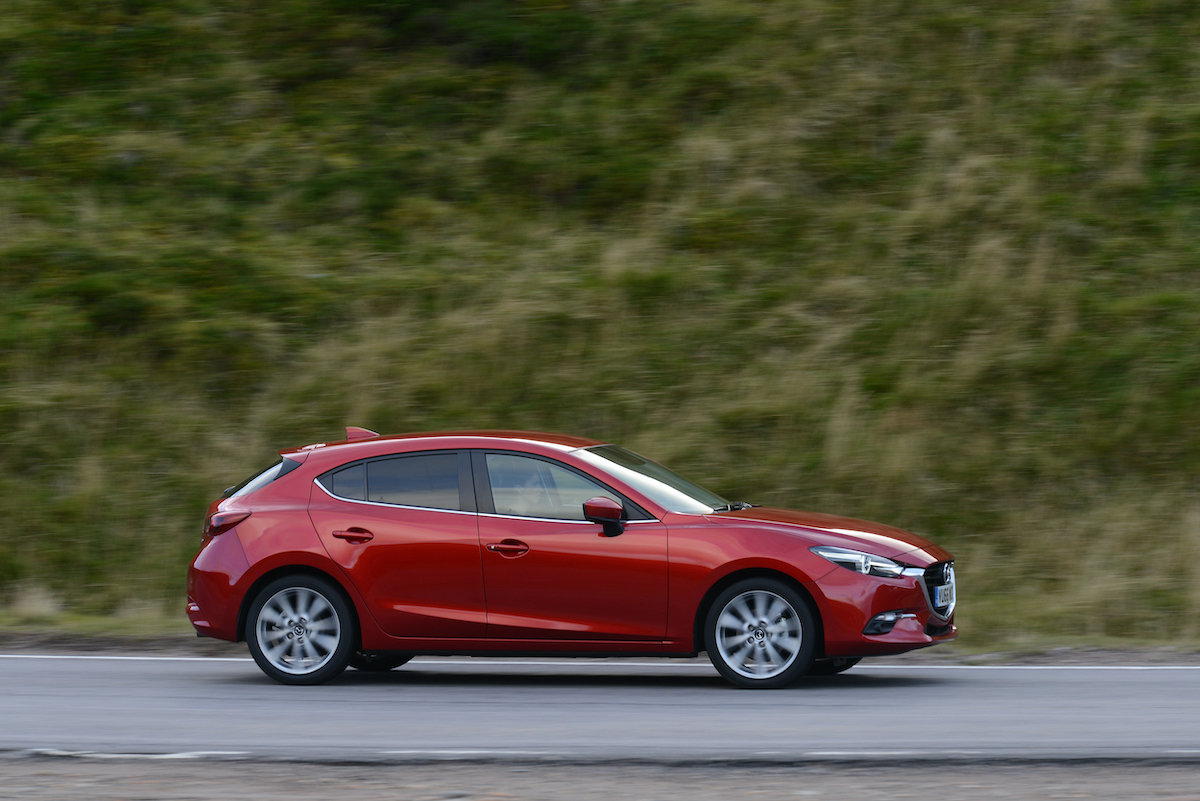
The company is famous for producing the most accessible of driver’s cars – see the MX-5 sports car for details – and put a great deal of effort into making the Mazda3 enjoyable to drive. It’s right up among the class leaders in this regard, the engines revvy and responsive, the steering nicely weighted and accurate, and the chassis surefooted and agile, but with a supple ride.
Technology, equipment & infotainment
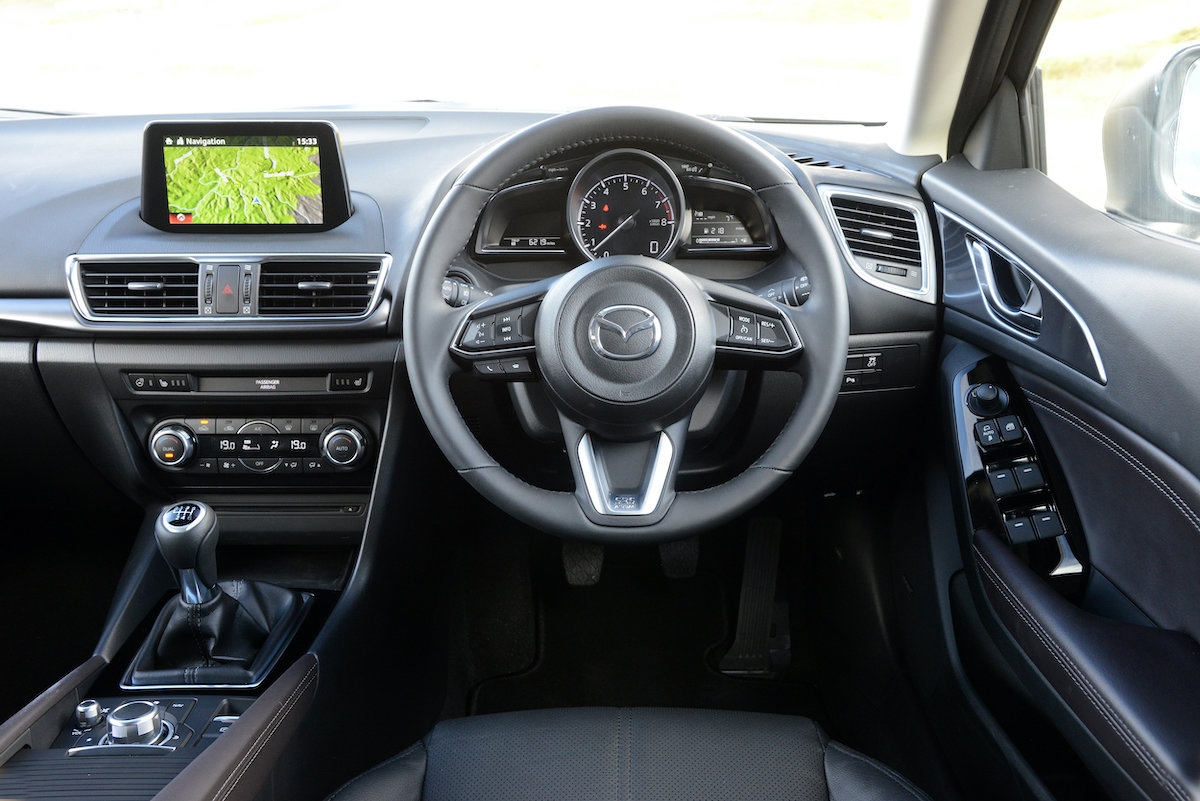
All models of this generation came with air conditioning, alloy wheels, and a Bluetooth connection, which was generous for an entry-level family hatchback of the time. The infotainment system is decent, too; it’s not a touchscreen, but with plenty of connectivity and some steering wheel controls, it works well.
Mazda3s further up the trim level range could be had with equipment such as a head-up display, and options such as a lane departure warning system, which were relatively new to the class back when it was introduced.
Mazda3 running costs
The Mazda3 might not quite have offered the super-competitive fuel consumption and CO2 emissions with its diesel engines that would rocket it to the top of fleet buyer’s charts, but neither was it so far behind that it should be ignored by private second-hand buyers.
Tested on the old (and often unrepresentative) NEDC combined cycle, the Mazda3 in its most economical form – the 2.2d saloon – achieved fuel consumption of 72.4mpg and CO2 emissions of 104g/km. The hatchback uses a little more fuel, at just under 70mpg, with emissions of 107g/km. You won’t achieve that in reality, but it’s not unreasonable to expect the 2.2-litre turbodiesel to return in excess of 45mpg, and a bit more than that on a long steady motorway cruise.
A 103bhp 1.5-litre turbodiesel was offered later in the Mazda3’s life, but the 45bhp deficit over the 2.2-litre turbodiesel only brought a slight improvement in economy, with 74.3mpg and emissions of 99g/km. An improvement, but you pay for it with sluggish performance.
The petrol engines – a 118bhp and a 163bhp 2.0 – couldn’t hope to match the economy of the diesels. Their quoted figures are in the region of 48-55mpg but expect more like 30-35mpg in reality.
Mazda3 reliability
Japanese brands generally have an enviable reputation when it comes to reliability, although Mazda came a middling eighth out of 31 manufacturers in What Car?’s 2024 reliability survey.
This generation of the Mazda3 has been subject to a few recalls and has some noted faults. None of which, we should add, are catastrophic, but it’s worth being aware of them. A recent recall highlighted the build-up of soot in the intake shutter valve, which requires cleaning and a software update. Other recalls include inoperable window wipers, loose injector mounting nuts, and a software glitch controlling the fuel injectors. The government’s online checking tool will tell you whether or not any car has been subject to a recall.
Those few small problems aside (and this sort of thing isn’t uncommon among rivals) the Mazda3 should be reliable. Save for the aforementioned low-rent plastics, the cabin is well built, and it will take the daily abuse of family car life in its stride. In short, the Mazda3 is likely to be more reliable than any of the big three alternatives from Ford, Volkswagen and Vauxhall, so in that regard, it’s a strong contender.
- Mazda reckons it ‘right-sized’ the engines, with the bulk of powerplants Mazda3 being 2.0-litre petrols or 2.2-litre diesels. That was when the rest of the world was putting 1.6-litre turbocharged petrol or diesel engines in their hatchbacks or going one step further and hybridising them. The 2.2-litre turbodiesel produces 148bhp and is surprisingly keen to rev, though doing so doesn’t impact too much on its fuel economy.
- The Mazda3 was, unusually, offered in both saloon and hatchback forms from new. Those with a keen eye for economy would be better served by the saloon, its svelte shape meaning the CO2 and mpg figures are marginally better than for their equivalent hatchback. Good luck finding one, though, because the majority of Mazda3s sold in the UK were five-door hatchbacks.
- Given how striking it looks from the outside, the interior is a bit of a disappointment. The styling is plain, while the materials aren’t in the same league as something wearing a Volkswagen badge, and miles away from premium opposition such as an Audi A3 or a BMW 1 Series. The centre armrest, in particular, is made of plastics you’d think twice about putting in the recycling bin, and the dash top, too, is finished in a curiously tacky material, and it’s a magnet for dirt.
- The diesel: Mazda offered a pair of diesels, a 1.5 and a 2.2, but curiously, both cost roughly the same amount when new and delivered pretty much the same economy. The bigger engine is the one to have then, because it’s more powerful and it doesn’t need working as hard as the smaller diesel. It’s fitted with a sweet six-speed manual gearbox, so throw in decent fuel economy and it’s a sensible but fun choice.
- The fully loaded one: All Mazda3s came were specified as standard but climbing the specification ladder is worthwhile if you’re after lots of equipment. The Sport Nav model came with a head-up display, though the satellite navigation system looks a bit old-hat these days.
- For the safety conscious: Among the impressive list of standard equipment is an admirable suite of passive and active driver and safety aids. If you want more, be sure to look out for any Mazda3s specified with the safety pack, which added rear vehicle monitoring, a lane departure warning system, and automatic high beam headlights.

