Mitsubishi Shogun Sport Review (2017-2021)
Pros and cons
What we like
Genuinely capable off road
Tough and reliable
Generously equipped
What to consider
Expensive to fuel
No manual gearbox
Bouncy ride
The CarGurus verdict
For most SUV buyers, there are better buys than the Mitsubishi Shogun Sport. The way it drives is too rough and ready compared with the polished driving experience enjoyed by Kia Sorento and Land Rover Discovery Sport owners. It's also an expensive car to run, with poor fuel economy being one of the worst ownership aspects.
For the right buyer, though, the Mitsubishi does have some important strengths. Whether you choose the '3' or '4' spec car, it's very well equipped. And if you need a 4x4 rather than wanting one for their rugged image, the Shogun Sport will prove itself more capable than most rivals.
out of 5 expert review
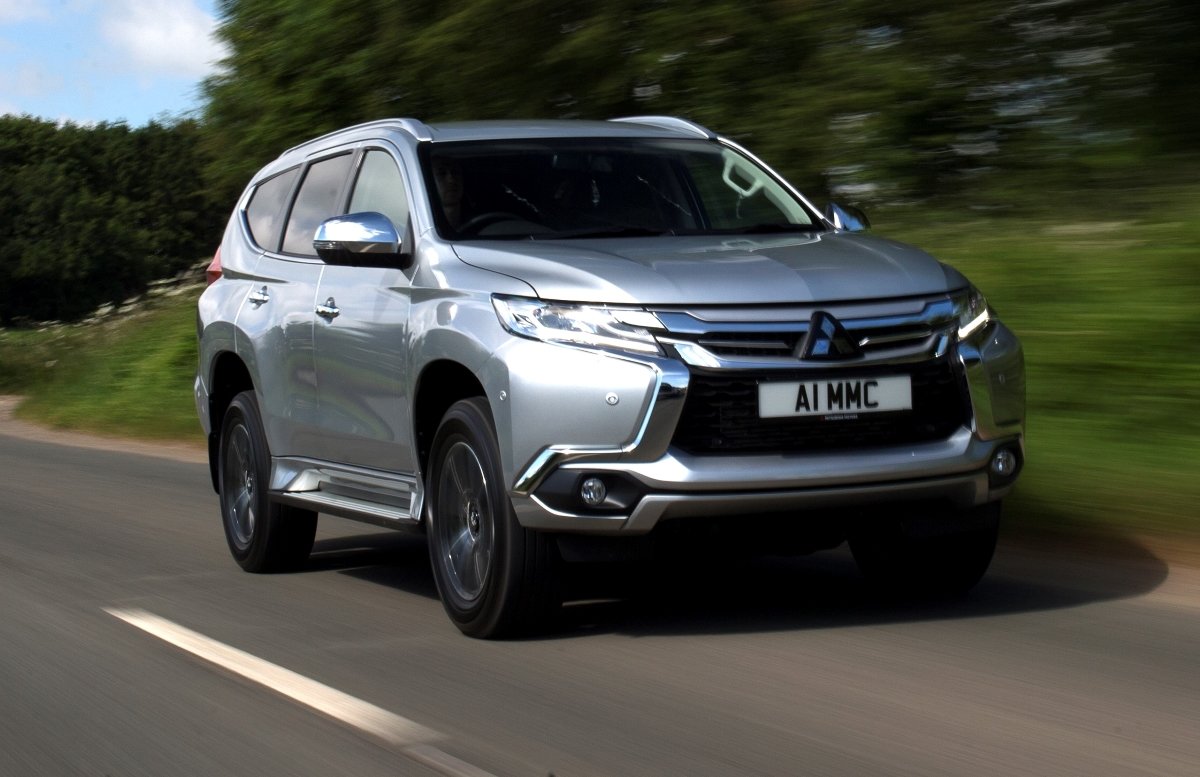
Mitsubishi might call this model the Shogun Sport, but you'd be hard-pressed to find anything very sporty about it. 'Sport' in this case means this Mitsubishi is a little brother to the full-fat, larger Shogun.
Even so the Shogun Sport is still a big car, with space for seven inside, a pickup-rivalling 3.1-tonne towing capacity and a hefty kerbweight of around two tonnes.
Although it was only on sale for a relatively short time before Mitsubishi announced its withdrawal from the UK market, the Shogun Sport looks relatively good value as a second hand buy. Plus, the company has pledged to continue to provide servicing and aftersales support through its dealer network.

Practicality
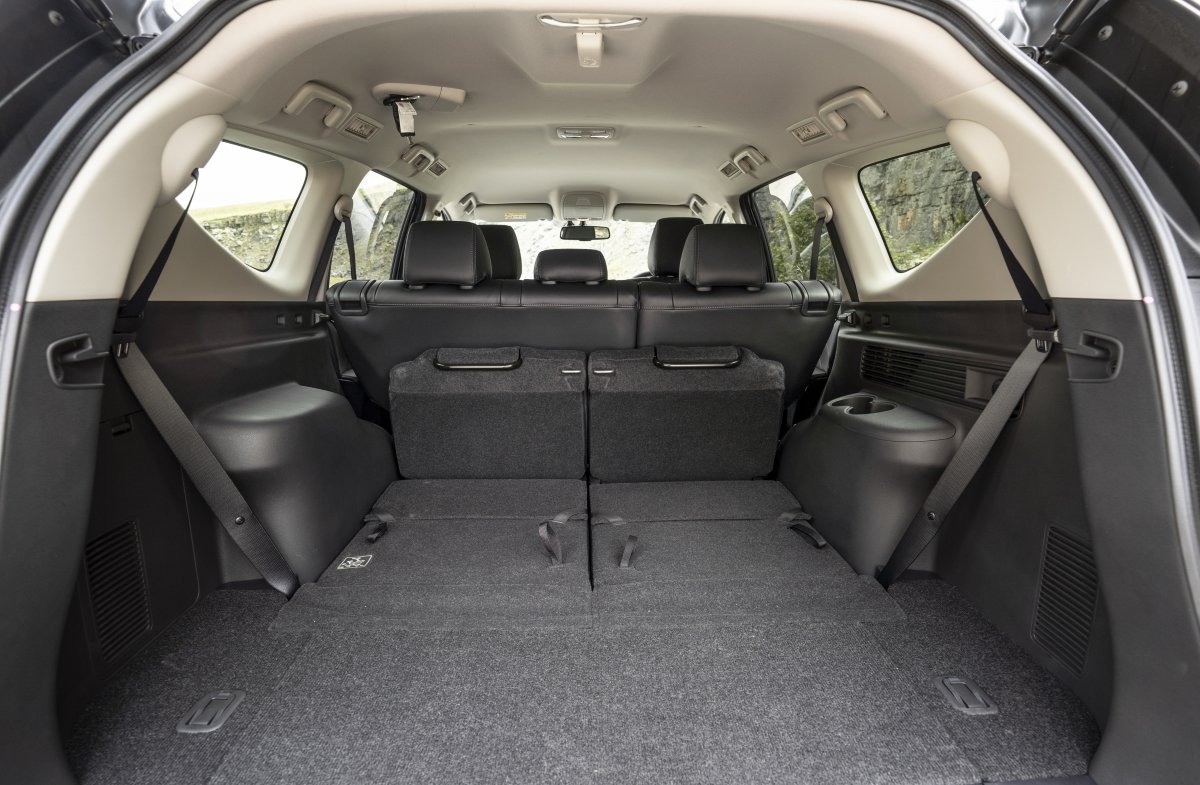
Every Shogun Sport has seven seats, and there's plenty of space in the first two rows. The rearmost seats are cramped, although handy for occasional use.
With all the seats upright boot space is tight, with room for a handful of shopping bags rather than a family's holiday luggage. With the third row stowed away the boot is a much more useful 502 litres, although that's still smaller than you'd find in a Kia Sorento or Land Rover Discovery Sport.
Driving
Launched in 2018, the Shogun Sport has always been sold with the same engine, a 2.4-litre turbodiesel with 178bhp and 317lb ft of torque.
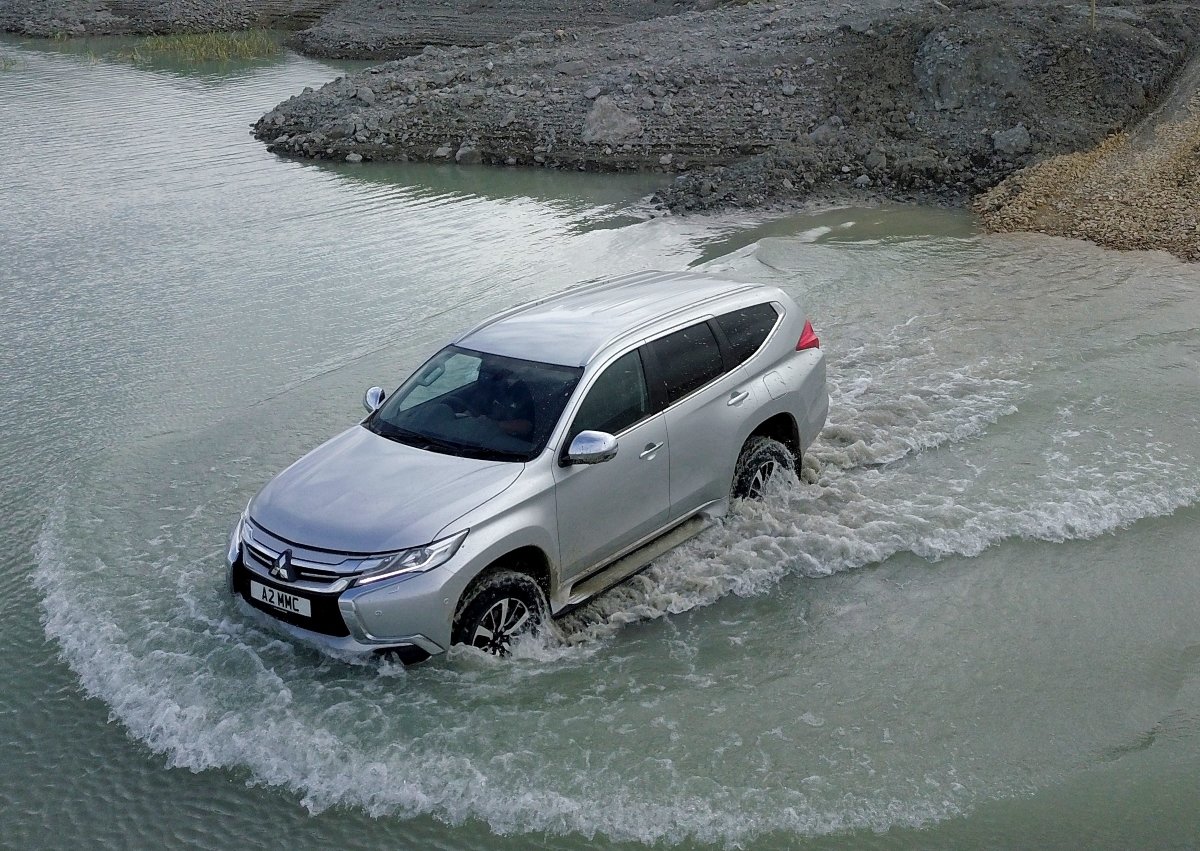
If you want a manual gearbox, you're out of luck. Every Shogun Sport has an eight-speed automatic gearbox, and Mitsubishi's advanced Super Select II 4x4 system. Along with impressive approach and departure angles and electronic aids like Hill Descent Control, this contributes to the Shogun Sport's excellent mud-plugging ability.
Unfortunately, the Shogun Sport is less at home on tarmac. The steering is vague and takes lots of arm-twirling to negotiate tight bends, and there's a bounciness to the ride unless the road surface is snooker-table smooth. It's not in the same league as a Land Rover Discovery Sport or Kia Sorento on the road, although it holds its own compared with budget 4x4s like the SsangYong Rexton.
The diesel engine may have a healthy power output, but with a car this heavy it has its work cut out. It's noisy when working hard, and because of the Shogun's Sport's bulk it often needs to roll up its sleeves.
Tech and equipment
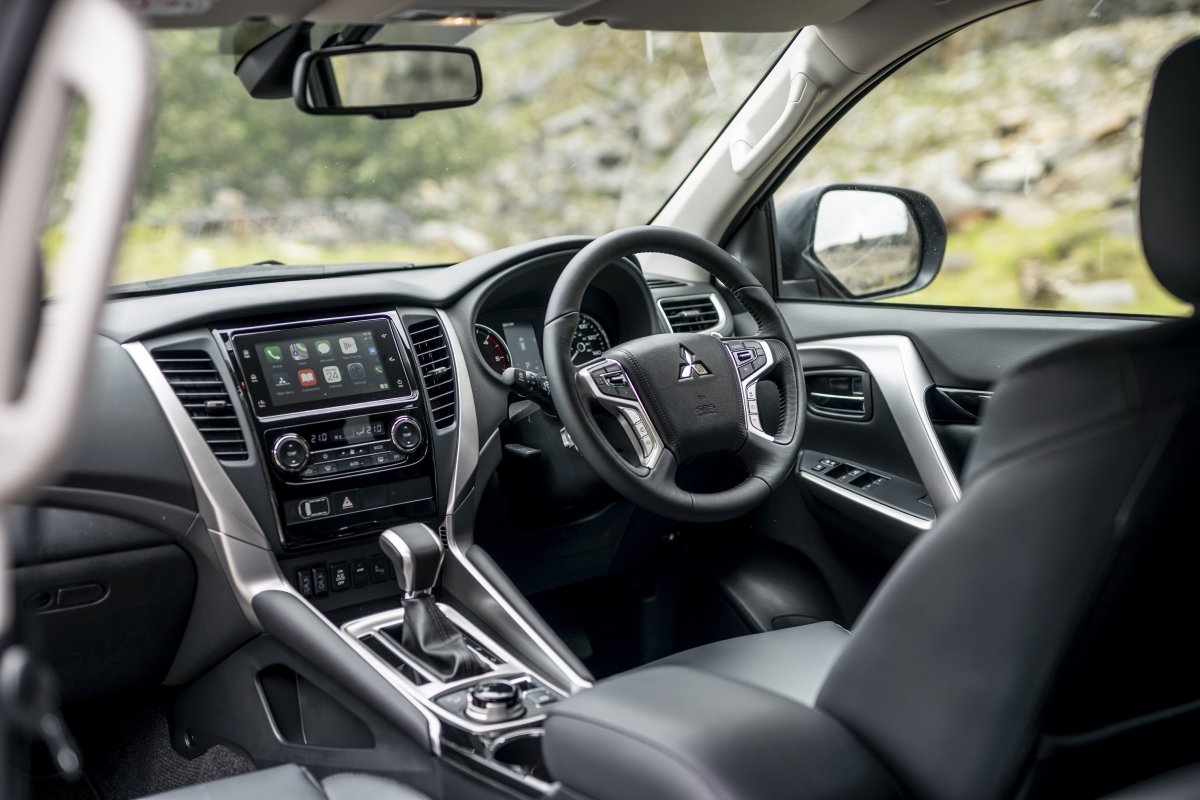
The cabin finish is robust rather than plush, but that's more an observation than a criticism. The Mitsubishi feels like a car that's made to last, and will shrug off whatever an outdoorsy family can throw at it. The 7-inch touchscreen infotainment system isn’t the sharpest to look at or to operate either, but it does the job, and it’s the start of a long list of standard equipment.
There’s no entry-level model as such, as is emphasised by the line up which consists of Shogun Sport 3 or Shogun Sport 4 models (mysteriously omitting trim grades 1 and 2). Go for ‘3’ trim and you get cruise control, leather seats, DAB radio, dual zone climate control and smartphone connectivity that includes Android Auto and Apple CarPlay. Step up to ‘4’ and the goodies includes a 360-degree parking camera, adaptive cruise control, heated front seats and an upgraded 8-speaker stereo system.
Running costs
Go into Shogun Sport ownership with your eyes open. This is a 4x4 of the old school, and that means high running costs.
The diesel engine is tough and strong, but not very economical. Official fuel consumption figures suggest 32.8mpg is possible. We’d always treat these figures with a pinch of salt, but plenty of rivals go through the same test and return an MPG in the 40s. Hitch up a big caravan or trailer, and you can expect fuel consumption in the low 20s MPG or possibly worse.
On the upside, as all Shogun Sports are now pre-owned, someone else will have taken the hit on the first year’s VED payment, which is linked to the car’s CO2 emissions. Instead, you’ll pay the same flat rate fee of £165, irrespective of the year or the spec.
As well as steep fuel bills, the Shogun Sport will be pricey to insure. The more affordable '3' spec car sits in group 43D of 50 (as a rule of thumb, the lower the number the cheaper insurance will be). Choose the '4' instead and that drops to 38D, presumably because of the extra safety kit fitted to the high-spec car reducing the chances of a collision. Again, many rivals will be more affordable to insure. The current-shape Kia Sorento diesel is in group 31D, for example.
The Shogun Sport rides on 265/60 tyres mounted on 18-inch alloy wheels. The cost of replacing these will vary depending on whether you go for a budget or premium brand, but reckon on around £150 or so for a tyre from a big-name maker like Michelin.
Mitsubishi has an excellent reputation for reliability. It's right up with the likes of Toyota and Lexus at the sharp-end of most reliability studies. The Japanese brand also tends to fare better in owner satisfaction studies than in professional car reviews.
These cars are built to take some serious punishment, so there's no reason to expect frequent faults and problems. All the mechanical components should prove robust.
At the time of writing, some Shogun Sports will still be within the warranty period of five years and 62,500 miles. This will continue to be honoured despite the company’s decision to stop selling new cars in the UK.
Similarly, the official Mitsubishi Service Plan (MSP) covers the first 3 full factory scheduled services, includes parts and labour. This is no longer available to purchase, but it will still apply if you buy a used example with an existing MSP contract.

What owners say
extremely good value for money, unfortunately only available in diesel
14 January 2021Brilliant car for off-roading,missing extras ie sat nav heated wing mirrors.Big suv for large families.
23 March 2021Great car, with lots of good features, making it great value for money but unfortunately not very PC being a deisel! + mitsubishi not bringing any more new cars to the UK , long time servicing could become a problem
14 August 2022Three things to know
- Lots of Shogun Sport owners choose the Mitsubishi for towing a caravan, trailer, or horsebox. The two-tonne plus kerbweight certainly helps, as the heavier a car is relative to what it is towing, the more stable car and trailer tend to be. The Mitsubishi's legal towing limit of 3.1 tonnes is also much higher than the maximum towing figures of rivals like the Hyundai Santa Fe and Kia Sorento. Every Shogun Sport comes with Trailer Stability Assist to correct any snaking movements from the caravan or trailer.
- There are no eco-friendly two-wheel-drive versions of the Shogun Sport. Every model is a proper 4x4. However, the Super Select II AWD system does allow the driver to select two-wheel drive for better fuel economy. Twist a control and the Shogun Sport switches back to four-wheel drive. There's also a low-ratio setting for steep slopes, and the centre differential can be locked for really rough terrain. The Shogun Sport is a very capable car off-road, especially with the right tyres fitted. There aren't a lot of places where the big Mitsubishi is incapable of going.
- The Shogun Sport hasn't been tested by the safety experts at Euro NCAP. However, the Mitsubishi L200 pick-up is closely related to the Shogun Sport and achieved a respectable four out of five stars when tested in 2015. There's extra safety kit on the range-topping '4' model, with Forward Collision Mitigation (FCM), which uses radar sensors in the front grille to judge whether there is risk of a collision with the vehicle in front. Top-spec cars also come with Blind Spot Warning (BSW) and a Multi-around Monitor System (MMS) that uses cameras at the front, rear and in the door mirrors to show a bird’s eye view around the Shogun Sport.
Which one to buy
- If you want good value: Stick with the '3' spec. It includes leather upholstery, electrically adjustable front seats, powered-folding mirrors, LED lights, dual-zone climate control, and a reversing camera with rear parking sensors are standard. Keyless entry with push-button start, privacy glass, and automatic headlamps and wipers are also fitted, along with Bluetooth connectivity, a touchscreen, and Apple CarPlay and Android Auto.
- If you want more toys: Try the '4'. If you discount the commercial version, there are only two specification levels to choose between when shopping for a Shogun Sport. Pay the extra for a '4' over a '3' and you get heated front seats, an uprated sound system with additional tweeters and a 510W amplifier, headlamp washers, and adaptive cruise control. The top model also comes with more driver aids and safety equipment.
- If you want a manual gearbox: Tough. Sorry. All Shogun Sports come with an eight-speed automatic gearbox, and there's no option to add a clutch pedal.


Pricing trends
Starting RRP
£29,650
Current avg. market price
£21,430
Trending down by 3.5% this month
April 2026 - October 2026

