Seat Leon Review (2005-2012)
Seat Leon cars for sale
4.0
Expert review
Pros
Ecomotive diesels impressively economical
Swoopy styling helps it stand out
Performance versions great fun to drive
Cons
Interior can feel a bit gloomy in some versions
Ride is a little harsh
Audi and VW cousins offer more badge appeal
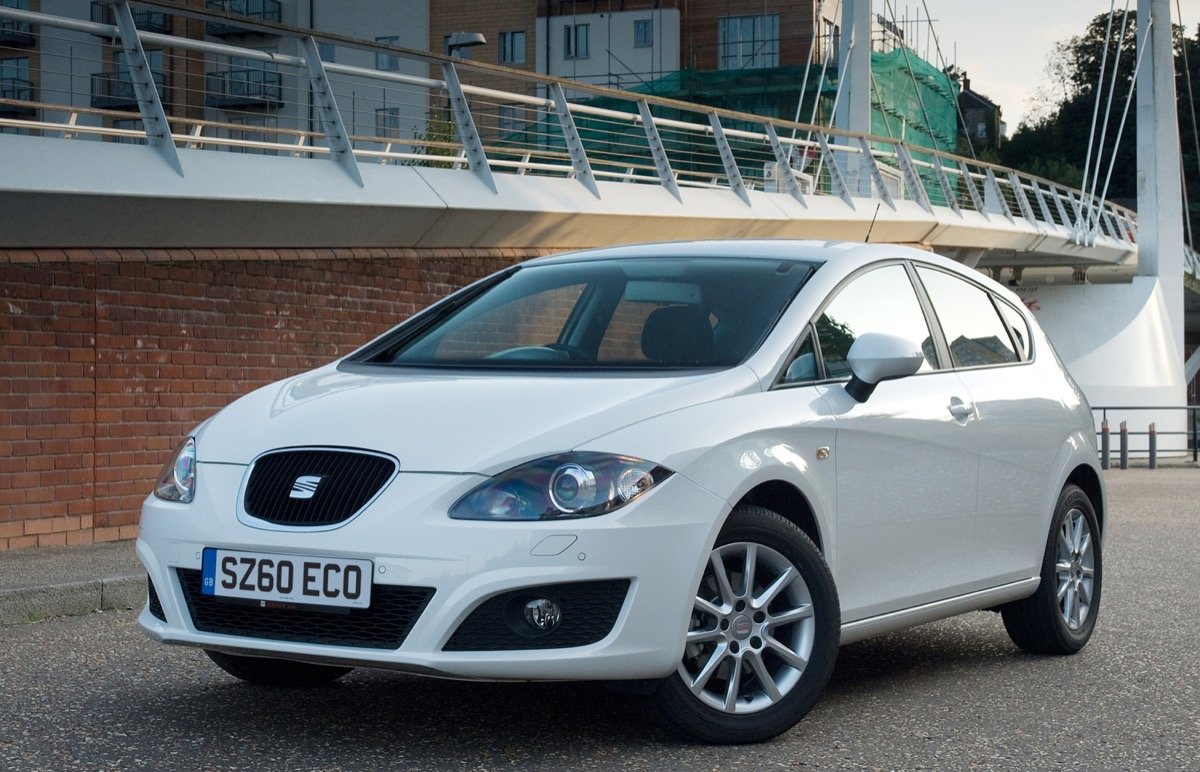
The CarGurus verdict
While the Seat Leon has some very worthy family car rivals in the form of the Volkswagen Golf, Ford Focus and Vauxhall Astra, it remains an attractive choice, especially at the prices that used examples have fallen to. It’s a solid all-rounder and majors on striking looks and a sporty drive, whatever model you go for. If you just want a stylish runaround then you’re in luck, and if you’re after a proper hot hatch then there are several to choose from, and they’re all very good. Plus, with plenty of examples in the used market, you should be able to find a decent example of the model that best suits your needs.
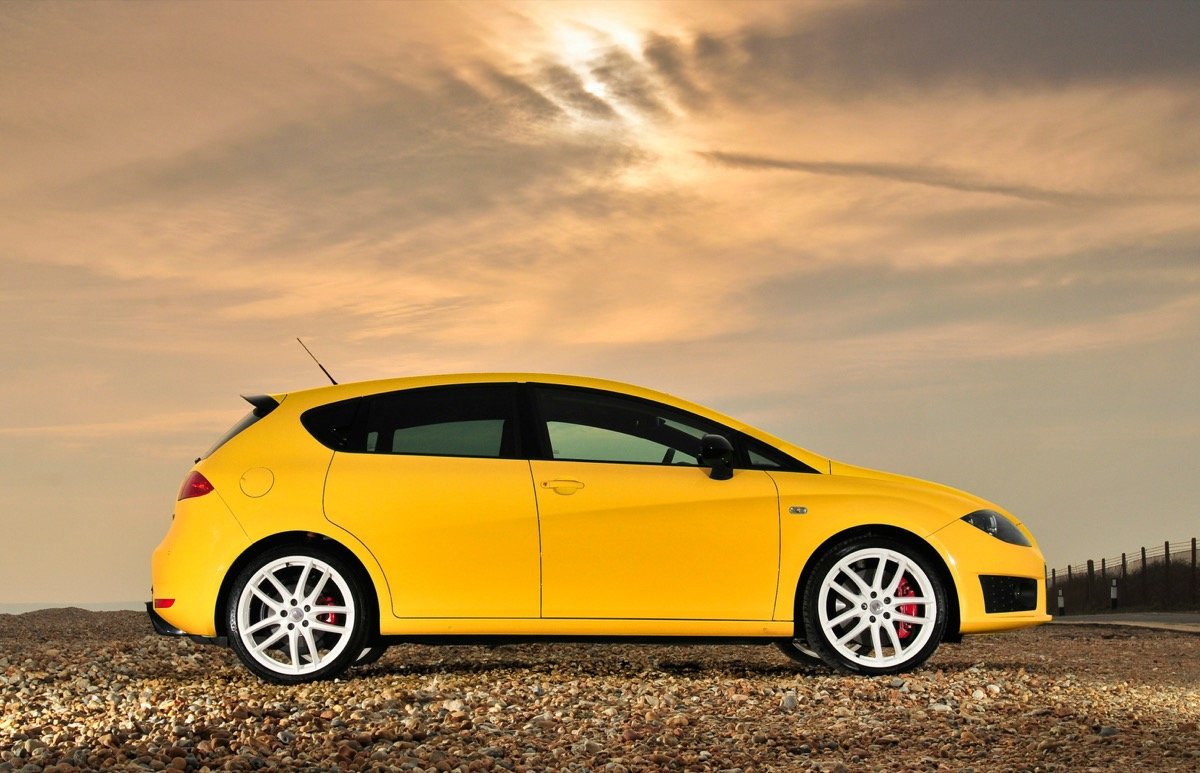
What is the Seat Leon?
For those that don’t know, Seat is a Spanish brand that’s owned by the Volkswagen Group. As a result, it often releases cars that are mechanically very similar to VWs, but Seat has a bit more of whatever the Spanish for joie de vivre is. The cars are engineered for a sporty, zippy driving experience and have more expressive, flamboyant styling.
The Seat Leon Hatchback is a great example. Underneath, it’s very similar to the Golf of the same era, but it makes the VW look quite conservative in comparison, both in styling and the experience behind the steering wheel.
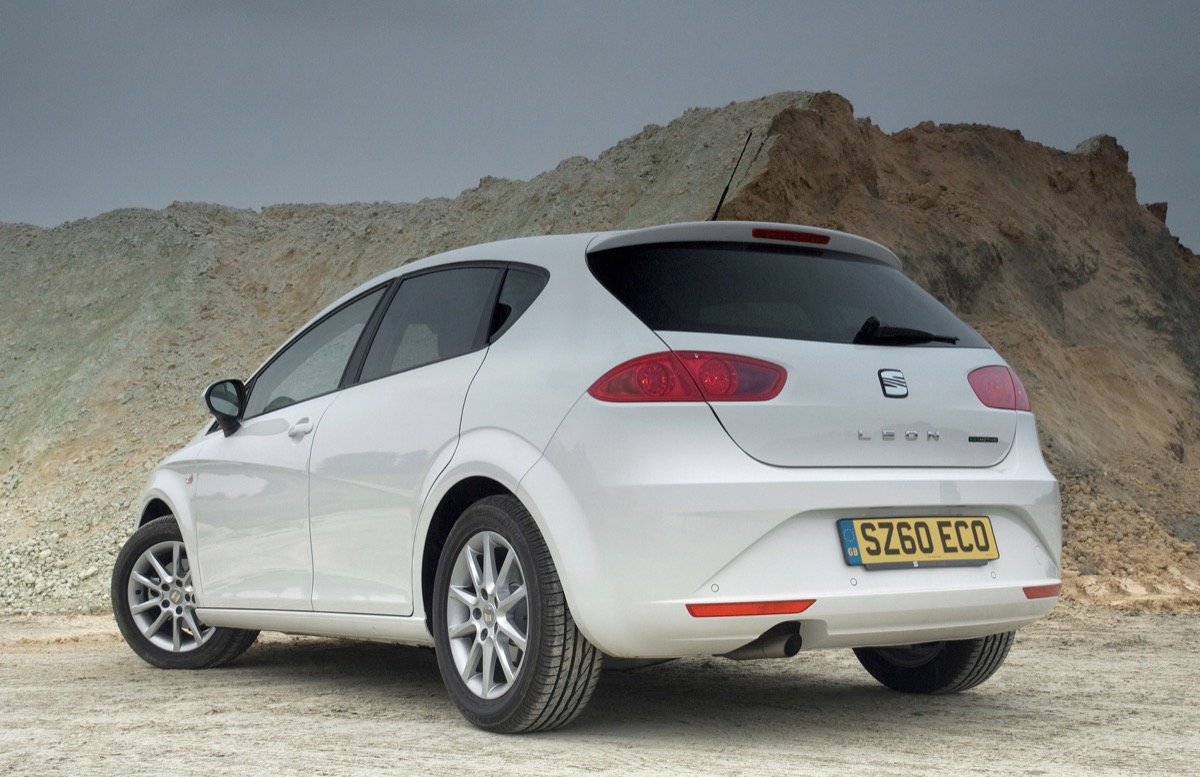
This is the second generation of Leon and was introduced in 2005. It’s got some swoopy styling that was quite avant-garde for the time, and keeps its curves clean with a few neat tricks, such as the cleverly hidden rear door handles. Even the best part of a decade after the mk2 Leon was sold new, it remains a stylish-looking car, especially as the new Leon mk3 that followed it wasn’t quite so daring with its looks.
It’s available in a range of trims and with a wide choice of petrol and diesel engines, meaning there’s a Leon for a wide range of customers. Just want a little around-town runabout? Not a problem with one of the entry-level models. After a smile-inducing hot hatch? Take a look at the Cupra models.
This version of the Leon was replaced by the third-generation model in 2012.
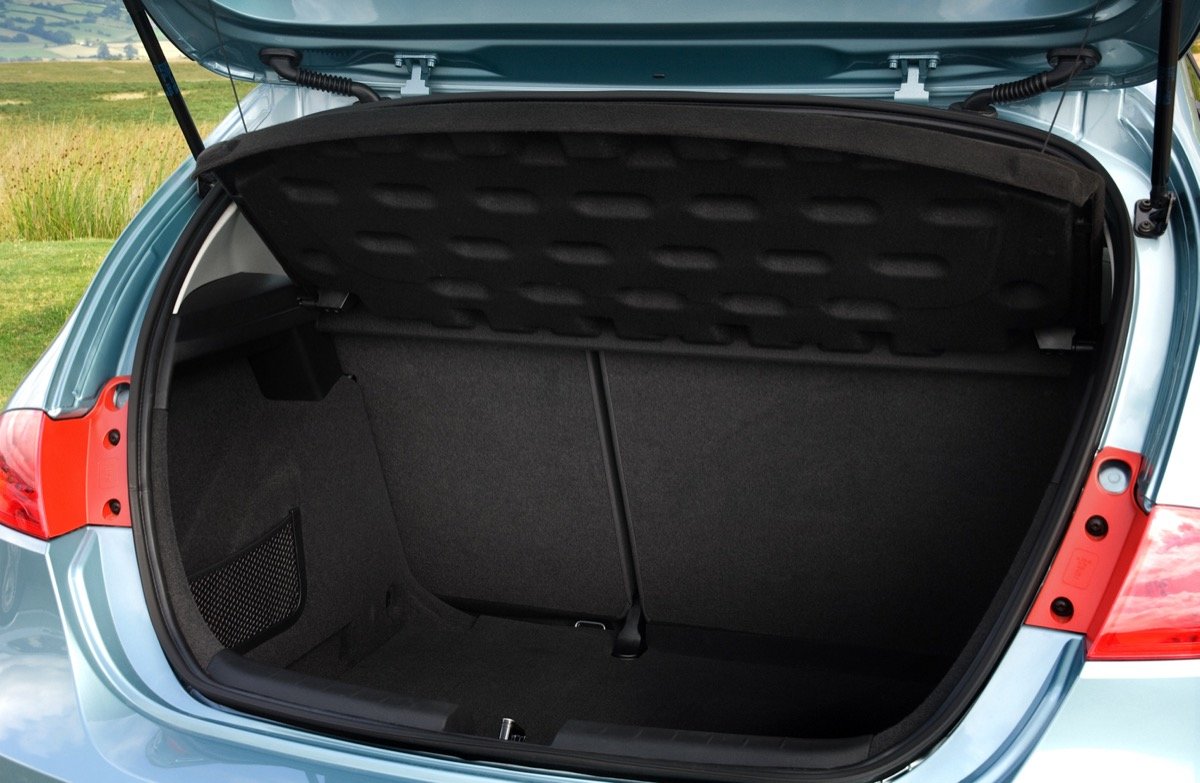
How practical is it?
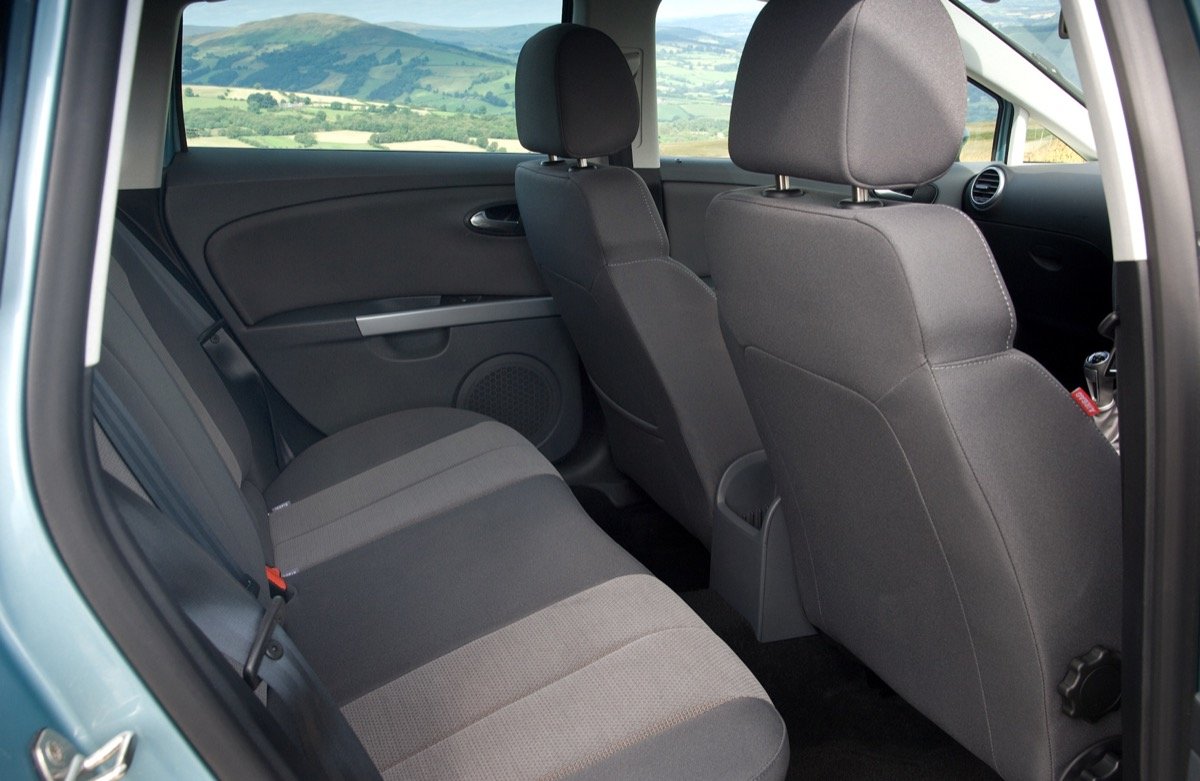
Inside, there are plenty of elements that will be familiar if you’ve spent time in a Golf, although the quality of plastics is a notch below. It’s still a step above a Ford Focus or Vauxhall Astra, though. Both the Focus and Astra are also available as three-door models, unlike the Seat.
However, the five-door-only approach (the later mk3 Leon would also be offered as three-door Leon SC and a five-door Leon ST Estate) means good access and space for rear-seat passengers, and a bigger boot than the Focus, so practicality was strong in all versions.

What's it like to drive?
The Focus is another worthy rival, as both have engaging handling across the range, and although the Ford perhaps has the edge in non-sporty models, the performance of the Cupra Leons is right up there.
To drive, all models have direct, nippy steering feel and hold the road well around corners. The Leon feels like a solid, composed and eager machine, but it does ride pretty harshly in comparison to some rivals, and the sportier the model, the firmer the experience. The Cupra models don’t feel as rounded as the VW Golf GTI or Focus ST or RS, but they’re still great fun.
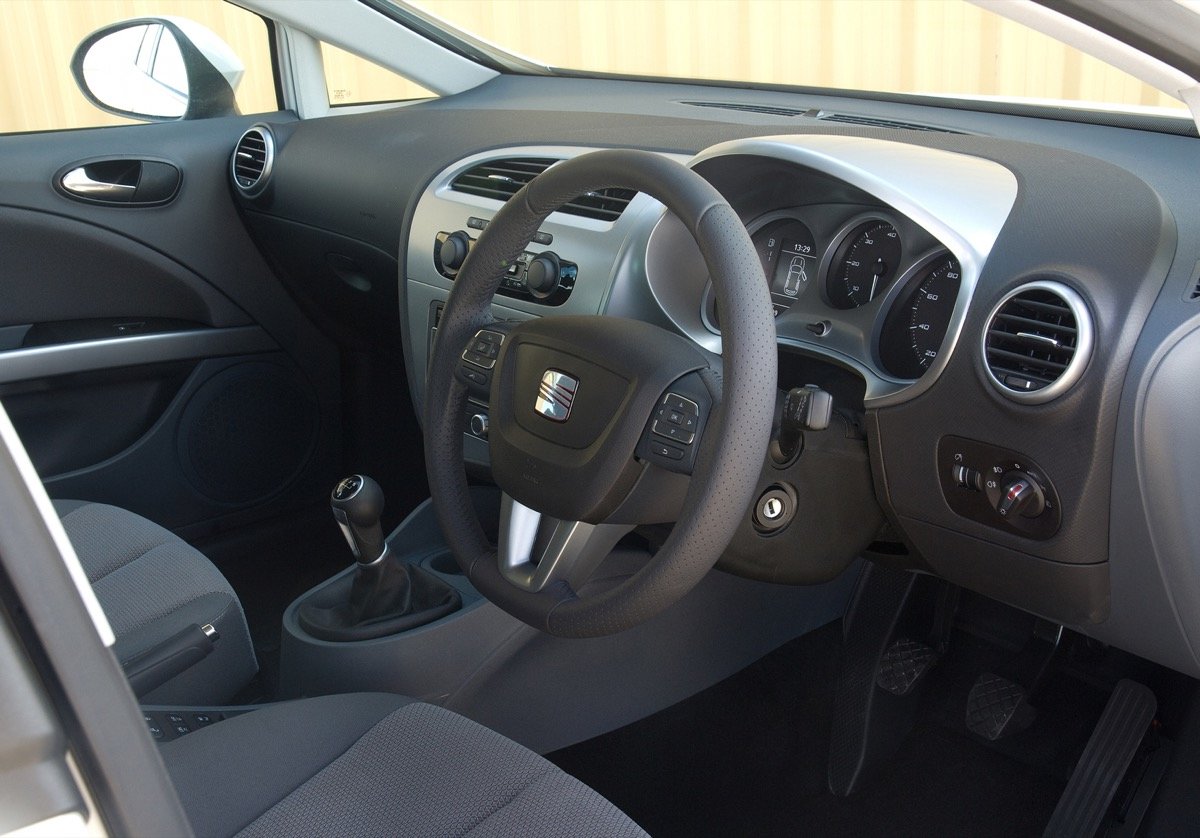
Technology, equipment & infotainment
The Leon was facelifted in 2009, with external tweaks and new trim levels. Initially, you could choose from Essence, Reference, Stylance, Sport and Reference Sport, while after the facelift the choice was S, S Emocion, SE, Sport, FR, Cupra and Cupra R, with the latter three being reserved for more performance-focused engines.
All this means there were lots of different versions sold when the Leon was a new car, so there’s a huge variety on the used market, too.
Seat Leon running costs
As the name suggests, the TDI Ecomotive diesel gets the best fuel economy of the range, and the 1.6-litre will officially give you 74.3mpg, which should translate to a real-world mpg in the mid-60s. All the diesels are pretty frugal, so if you’re doing regular long motorway journeys, they’re worth looking at.
It almost goes without saying that the sportier the model, the less focus there’ll be on fuel economy, so if you've got your eyes on a Leon Cupra, be prepared to splash out more cash at the pumps. The official fuel economy is 34mpg (or 35mpg in post-2009 models), which should translate to high 20s in the real world.
Insurance costs will be cheapest for the Leon 1.6 petrol models, which sit in insurance group 9 of 50, while the hot hatch Cupra models sit in group 34.
When it comes to VED (vehicle excise duty), lower-powered diesel versions will cost the least due to low CO2 emissions, with the 1.6-litre TDI costing only £20 a year. Expect to pay some £300 a year for the Cupra R, though, and earlier petrol cars will be even higher. The 2.0-litre FSI model from 2005 to early 2007, for example, will set you back £330 a year. It’s worth carefully checking the manufacturer date of the car you’re looking to buy, as some models were improved during their life and will attract smaller VED bills.
Servicing will be needed annually or every 10,000 miles. Seat dealers will offer fixed-price service deals, but it might be worth looking for local Volkswagen Group specialists, as they may well be cheaper. It’s worth noting that all the diesel models, as well as the 2.0-litre petrol cars, will need the cambelt replacing in the engine every five years, which will cost you a few hundred pounds.
Seat Leon reliability
Many of the Leon’s oily bits are shared with similar models across the Volkswagen Group - such as the Golf, Audi A3 and Skoda Octavia - and so are pretty well bedded in when it comes to reliability. Seat as a brand has a middling reputation, sitting mid-table in Warranty Direct’s Reliability Index.
Things to watch out for in a potential purchase include condensation inside the light clusters, which are a sign of failed seals, and water behind the offside boot trim panel, which means the rear washer tube has come off. That’s easy to fix, but won’t do any good if you leave it. The boot lid gas struts can fail, too, so check they’re working, and there’s a wire that can come adrift from the bonnet lock, which will stop the wipers from operating. That’s easily fixed, too, but you don’t want to be caught without wipers.
More important is to watch out for a fault with the ABS (anti-lock brakes) and ESP (stability control) systems. If the car you’re testing has warning lights on the dashboard, walk away, because this can be expensive to sort out.
There have been two recalls for the second-generation Leon, with 2008 and 2009 cars affected by a sensor issue in the automatic gearbox, which could cause loss of drive. Then in 2011, a handful of cars were recalled for a potential fuel leak. Check with a dealer - or on the gov.uk website - that the car you’re looking at has had the necessary remedial work carried out.
The Leon's three-year/60,000-mile warranty wasn't a patch on the arrangement provided by rivals such as the Kia Ceed, but the Mk2 Leon is sufficiently old now that cover on both models will have long since expired.
- When it comes to engines, early Leons were available with 1.6-litre or 2.0-litre petrol engines, badged FSI, or 1.9 or 2.0-litre diesels, badged as TDI. A 2.0-litre, turbocharged petrol engine with 182bhp was introduced shortly afterwards, badged as TFSI.
- The more frugal customer was served with a 1.4-litre TSI petrol engine with 123bhp from 2008, as well as a 1.9-litre TDI engine badged Ecomotive to show its reduced CO2 emissions. These were 119g/km on release, but cars from the second half of 2010 saw that reduced to 99g/km by a new a 1.6-litre diesel. Both versions had 104bhp, and a petrol-powered 1.2 TSI, also introduced in 2010, had similar power. Another diesel – a 138bhp 2.0-litre – was introduced at the end of that year. In fact, diesel Leons were particularly popular during the car’s life, and so represent the bulk of the used cars on sale today.
- Later, sporty Seat Leon FR models were introduced with a choice of two new engines; a 2.0-litre TDI diesel with 168bhp and a 2.0-litre TFSI petrol with 208bhp. While this was the same engine fitted to the Volkswagen Golf GTI of the time, Seat decided to out-hot hatch its sister brand and introduced a Cupra model, with 237bhp, later in 2006. An even hotter Cupra R followed in 2010 with 261bhp. You could get a Leon with an automatic gearbox when it was new, but take-up was relatively low, so it could be hard to find the one you want on the used market. Most will be manual.
- If you want to save fuel: Try and find a Leon with an Ecomotive badge, as this signifies a particular focus on economy. The later 1.6-litre diesel version will be the most economical, and should get close to 70mpg in the real world.
- If you want sporty but frugal: Check out the diesel version of the Leon FR, which mixed great performance with sporty handling and snazzy looks, while maintaining really impressive fuel economy. You should be able to push 50mpg on the motorway without too many problems, but the car will then spread a big grin on your face when you hit country roads.
- If you want ultimate performance: The Cupra R is the fastest of the mk2 Leons, and it’s a hoot to drive. With 261bhp and front-wheel drive (unlike the four-wheel drive Volkswagen Golf R), it’s a scrabbly puppy of a hot hatch, and while it’s not the most polished machine to drive it’s guaranteed to raise a smile. With an in-your-face bodykit it’s not one for the shy-and-retiring buyer, especially in signature yellow paint.
- If you want a rarity: Keep an eye out for the limited edition Leon Supercopa, which was released in 2012. It was based on the FR- model and celebrated the Leon Supercopa race series. Buyers could choose between petrol or diesel 2.0-litre engines, and either a manual or automatic gearbox.

