Ssangyong Korando Review (2010-2019)
Ssangyong Korando cars for sale
2.0
Expert review
Pros
A lot of car for your cash
Tough and rugged off road
Plenty of pulling power for towing
Cons
Dour and dated interior
Noisy diesel engine
Bouncy ride and sloppy handling
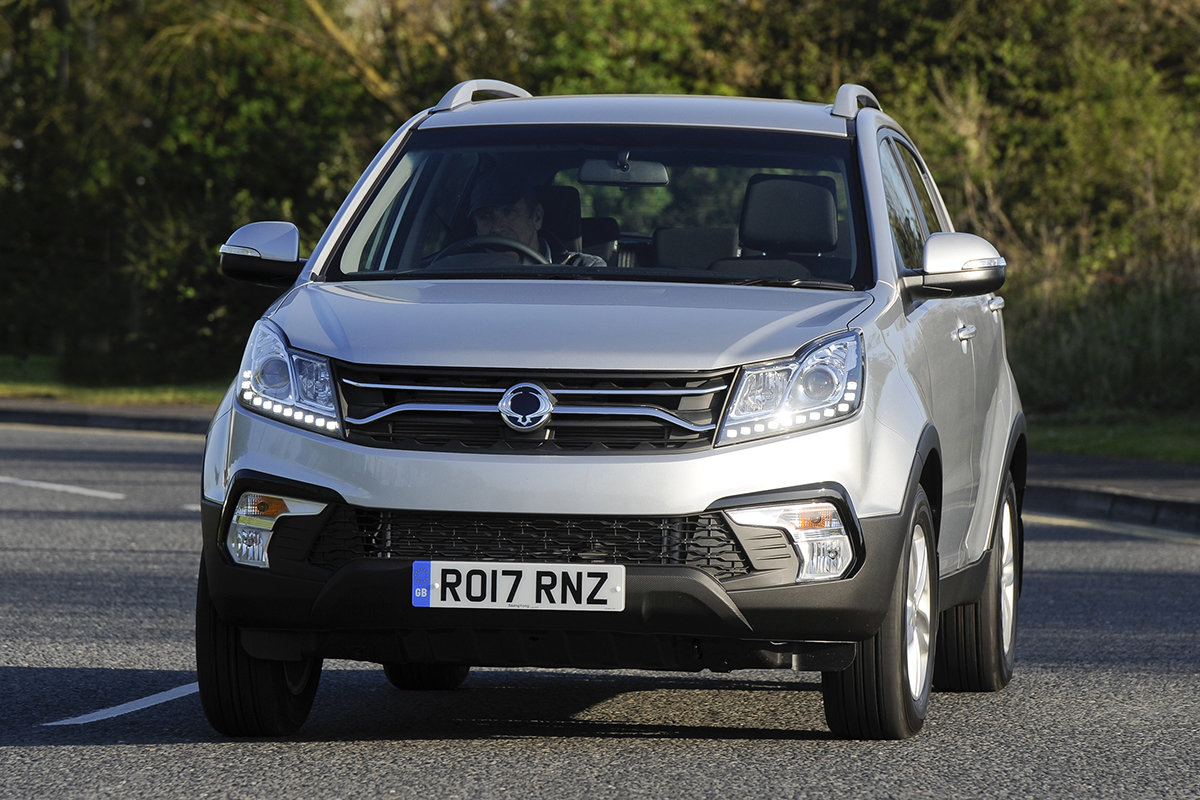
The CarGurus verdict
It’d be wrong to describe the SsangYong Korando as being without merit, especially in four-wheel drive form. It’s rugged and roomy, comes with a long warranty and, most of all, it costs you buttons to buy.
But of course, you get what you pay for, and that idiom has never been more true than with the Korando. For while it works well for a select group of people, for most of us it falls down due to its sloppy road manners, cheap interior and noisy engine.
If all you’re after is a family SUV for the school run and weekend days out, then, we’d advise you look elsewhere. Because while the Korando’s rivals are more expensive to buy, you’ll probably find they’re worth the extra cost.
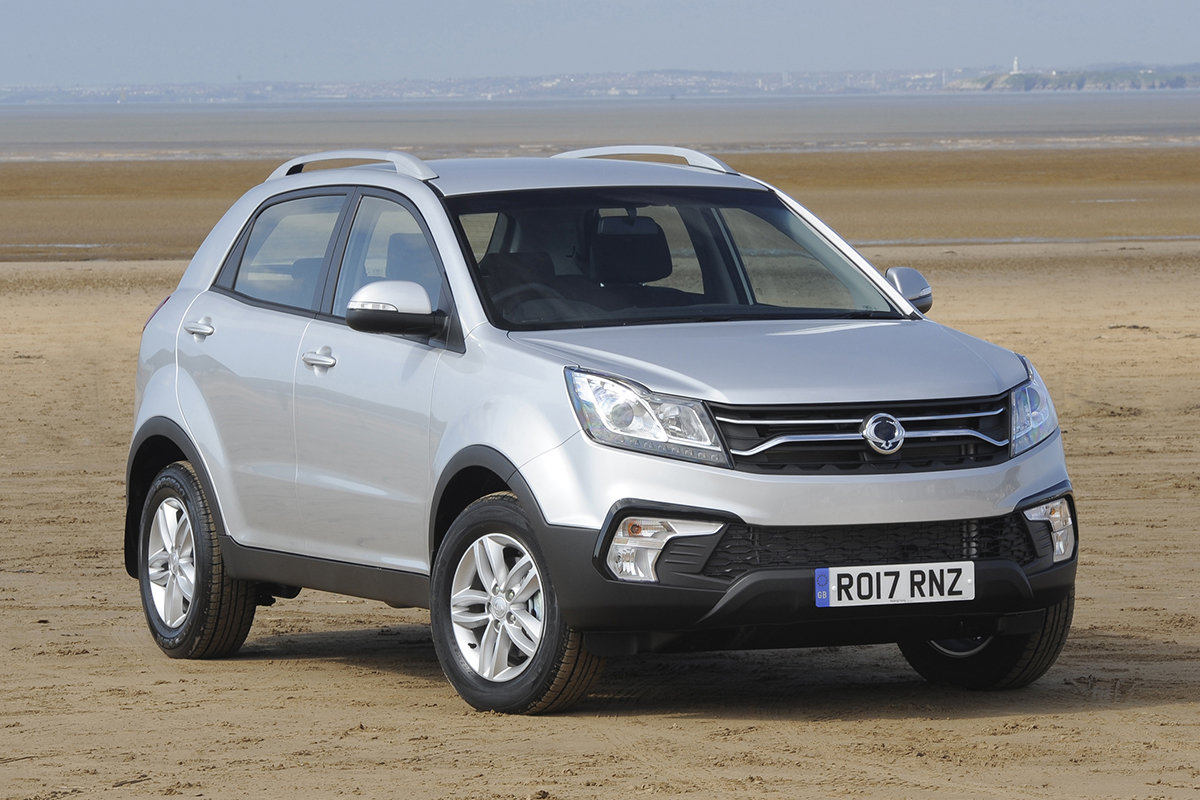
What is the Ssangyong Korando?
If you haven’t heard of SsangYong, don’t feel daft, you’re not alone. It’s fair to say the Korean manufacturer isn’t quite as well known as its compatriots Kia and Hyundai. But if you have, you’ll probably be aware it specialises in hardy 4x4s and pick-up trucks with low price tags and long warranties.
The Korando is its medium-sized SUV, sitting above the compact Tivoli and below the full-sized Rexton in its range, and it’s pitched against both crossovers like the Nissan Qashqai and Seat Ateca, and larger family SUVs like the Kia Sportage and Hyundai Tucson.
Its price, however, is more akin to that of a smaller SUV like the Ford Puma or Vauxhall Mokka, which makes it look rather tempting, on paper at least. The third-generation Korando reviewed here was replaced by the latest version in 2019.
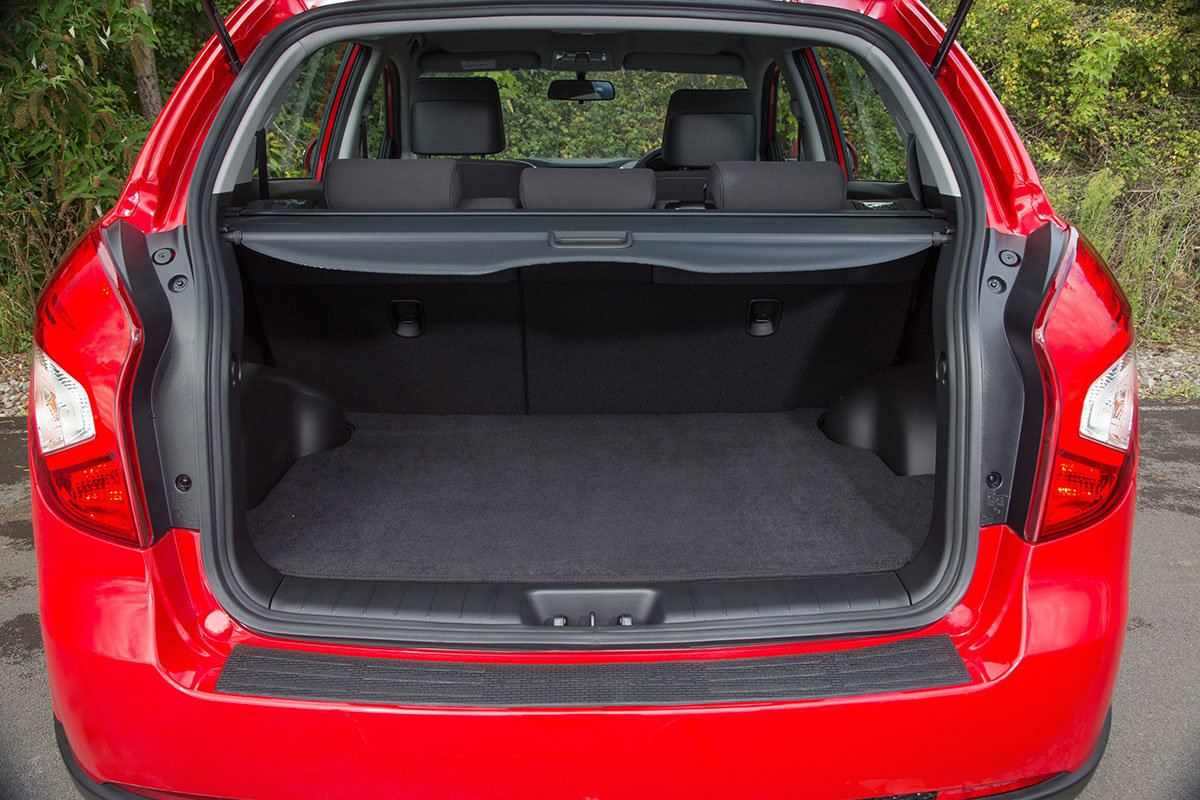
How practical is it?
You get a decent amount of boot space at 486 litres, and there's plenty of legroom in the rear seats, too, although the way the roof curves inward means head and shoulder room are a little less generous.
The front seats are spacious enough for most people, so the Korando does the job overall, but as in many other areas, it isn't what you'd call class-leading in terms of practicality. As an example, the third-generation Kia Sportage – which was on sale at a similar time to the Korando – has a 564-litre boot.

What's it like to drive?
Start the Korando up and you soon work out the reason it’s so cheap. The 2.2-litre diesel engine is pretty vocal, and if you choose the six-speed automatic gearbox, it’s sluggish, and holds the engine at high revs whenever you accelerate, which just exacerbates the engine noise. The engine does at least offer lots of low-down shove, which makes the Korando feel quick; it also makes the Korando handy for towing and gives it the guts to get up muddy inclines. Granted, it's no Land Rover, but the Korando's abilities outstrip those of most crossovers.
The suspension is poor, though, causing the Korando to bounce and shimmy over bumps and then crash its wheels into potholes, and of course this trait is emphasised on bumpy tracks and rough, rutted terrain. As you might imagine from this performance, it’s also far from adept on twisty roads, leaning over quite noticeably even at modest speeds.
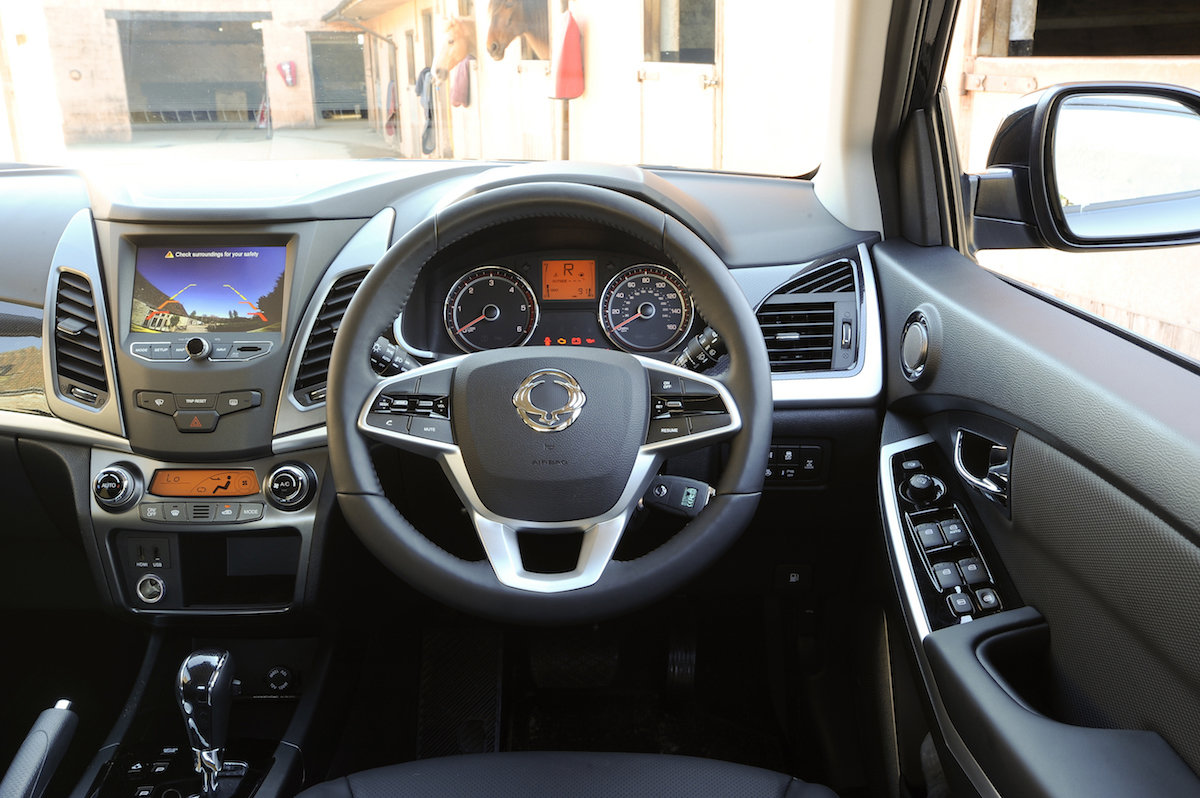
Technology, equipment & infotainment
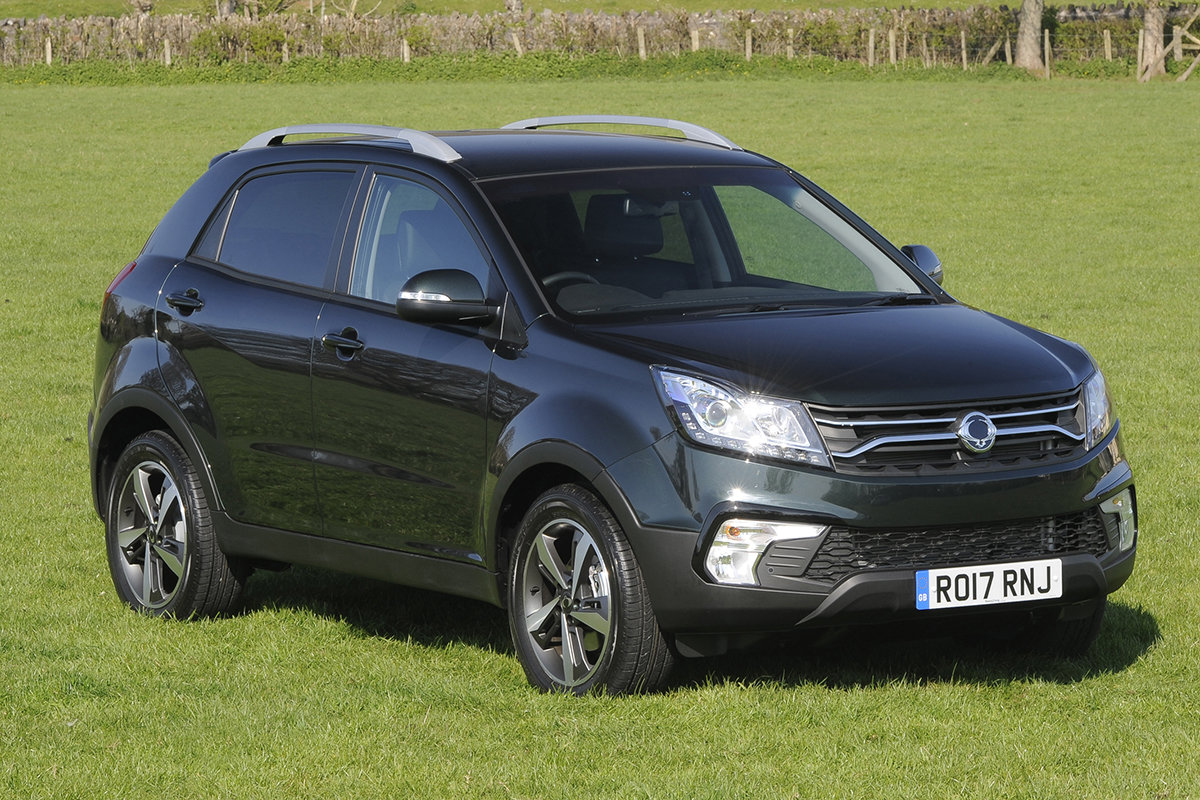
Inside, there’s a sea of dour grey plastic as far as the eye can see; some of it attempts to look like metal, but fails. As a result, the dashboard looks like a 1990s hi-fi, and not a high-end one at that. What's more, the steering wheel is an odd shape that's flatter at the bottom, which doesn't just look weird, but makes it feel slightly disconcerting in your hands.
LE models get a touchscreen entertainment system, but it’s rather small and the software is slow and looks dated. You do get Bluetooth, but there's no Android Auto or Apple Carplay.
Ssangyong Korando running costs
All models come with a diesel engine and you might imagine that means good fuel economy, but this is not a particularly efficient powerplant. Even two-wheel-drive models with a manual gearbox will struggle to break 40mpg; throw an automatic transmission into the mix and add four-wheel drive and you’ll be looking at low 30s on your mpg indicator.
High fuel consumption goes hand-in-hand with high CO2 emissions, and so it goes with the Korando; as a result, it’s an expensive option as a company car, even though P11D values are so low.
Servicing costs are at least relatively affordable, and Ssangyong offers fixed-price service plans, which should help you to spread the cost through the year. And because the wheels are sensible sizes, tyre costs are reasonable, too.
What’s more, the Korando has a timing chain, which won’t need changing every few years like a rubber timing belt does. Instead, the chain should last for the lifetime of the car.
Ssangyong Korando reliability
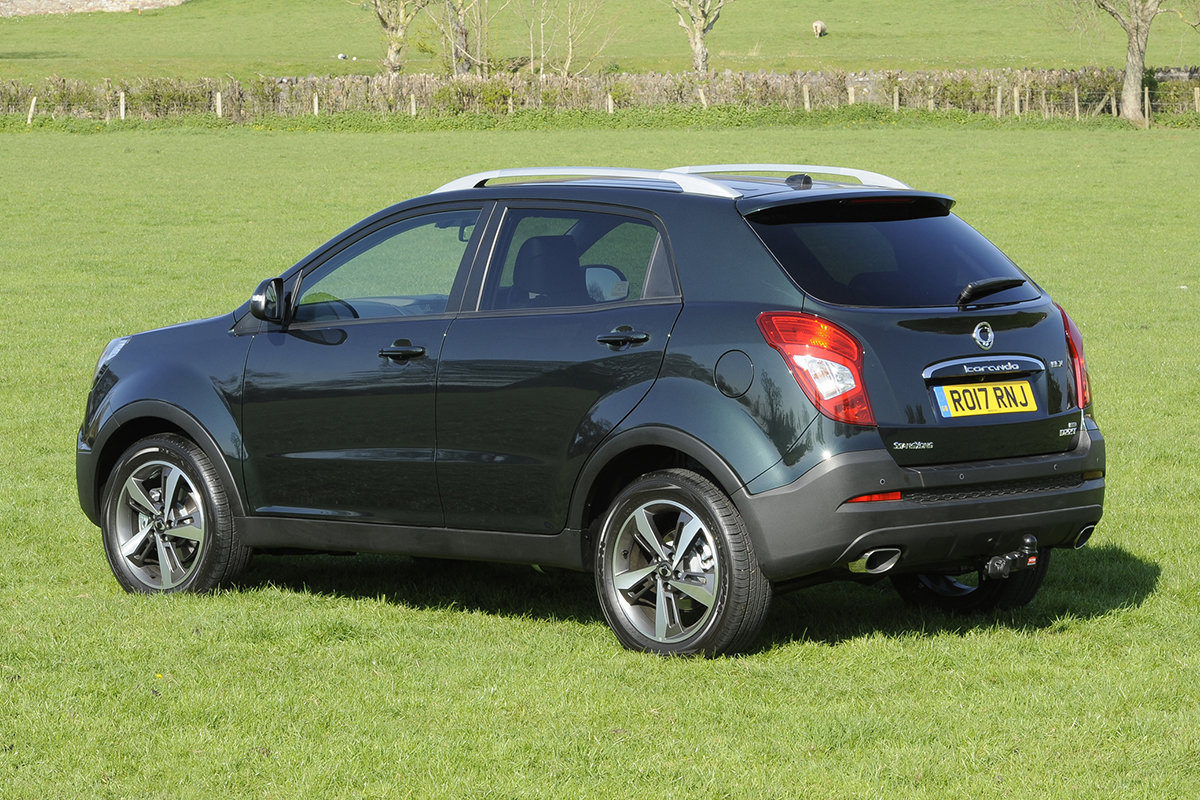
Working out how reliable the Korando will be is tricky, as they’re such rare cars that they don’t really feature in reliability surveys. That said, we haven’t heard any horror stories about them; in fact, owners are generally a pretty satisfied bunch.
What’s more, all Ssangyong Korandos came with a five-year, unlimited mileage warranty, and in October 2018, Ssangyong upgraded this to a seven-year warranty with a 150,000-mile cap. Buy a newer Korando, then, and even if something does go wrong, you should be covered.
- You get a choice of two trim levels of the Ssangyong Korando, and both offer plenty of equipment for the price. SE is more utilitarian, but still gets air-conditioning, alloy wheels and cruise control, while LE adds heated seats, that touchscreen infotainment, climate control and a reversing camera. Until recently, you could also get a top-of-the-range ELX model; this ultimate Korando gave you heated leather seats all-round and automatic headlights and wipers, but this is no longer available. It’s worth noting, though, that no Korando is available with automatic emergency braking, a feature proven to reduce the likelihood of a crash that now comes as standard on almost every new car.
- The Korando is nearing the end of its life now; in fact, it’s been facelifted twice, though while its looks and interior were refreshed each time, the basic car has remained the same under the skin. Earlier Korandos are available very cheaply on the used market, though they suffer from similar flaws to the new model; in fact, replete with drab grey plastics, their interiors are even less appealing.
- One reason you might want to buy a used Korando instead of a new one is because it’s no longer available with four-wheel drive. Until recently, this was one of the Korando’s most important USPs, and lent it an ability to bound up muddy inclines in a way most of its rivals crossovers simply couldn’t contemplate. It also made the Korando a great tow car, with a whopping maximum braked trailer weight of two-tonnes.
- Given how cheap the Korando is, we recommend buying as well-equipped an example as you can afford; at the moment, that means the LE, though don’t rule out a nearly-new ELX for the additional toys it gives you.
- If you’re on a budget, though, and merely looking for a workhorse to use on rugged ground, an SE with the six-speed manual gearbox is probably your best bet. After all, you don’t want to spend more than you need to. You’ll need to buy used, though, as you’ll want a four-wheel-drive version.
- The same logic applies if it’s a tow car you’re after, though we’d recommend upgrading to the top-spec ELX model. That way, you at least get those leather seats and plenty of other creature comforts to make up for the fact the Korando feels quite agricultural on the road.


