Subaru Outback Review (2020-present)
Subaru Outback cars for sale
3.0
Expert review
Pros
Aggressive prices and generous standard equipment
Masses of safety kit provided
Impressive practicality and quality
Cons
Very thirsty on fuel
High CO2 emissions make it an expensive company car
Only so-so to drive

The CarGurus verdict
For the right sort of buyer, there is a lot to like about the Subaru Outback. It’s an enormously practical car, with a roomy interior and a big boot, it’s very solidly made and the cabin quality is good enough to cut it alongside premium competition. Prices are competitive, too, and every version is absolutely stuffed with luxury and safety kit, so it looks like good value for money.
Okay, so it’s no great shakes to drive, but it is still entirely adequate on that score. No, what really undermines the Outback’s appeal is an engine that’s way behind the curve for power, fuel efficiency, CO2 emissions and refinement. That makes it annoying to live with on the one hand, and costly to run on the other. Which is a great shame, because in virtually every other respect, the Outback is a compelling and likeable car.
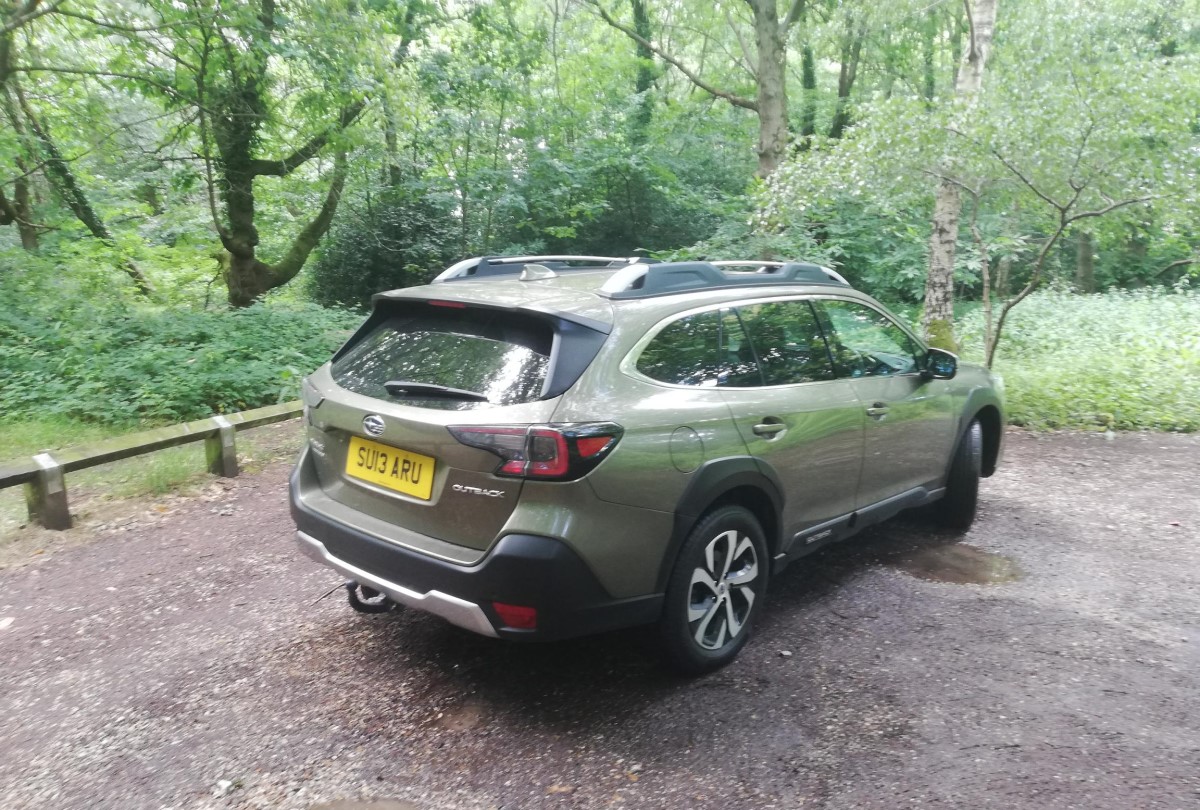
What is the Subaru Outback?
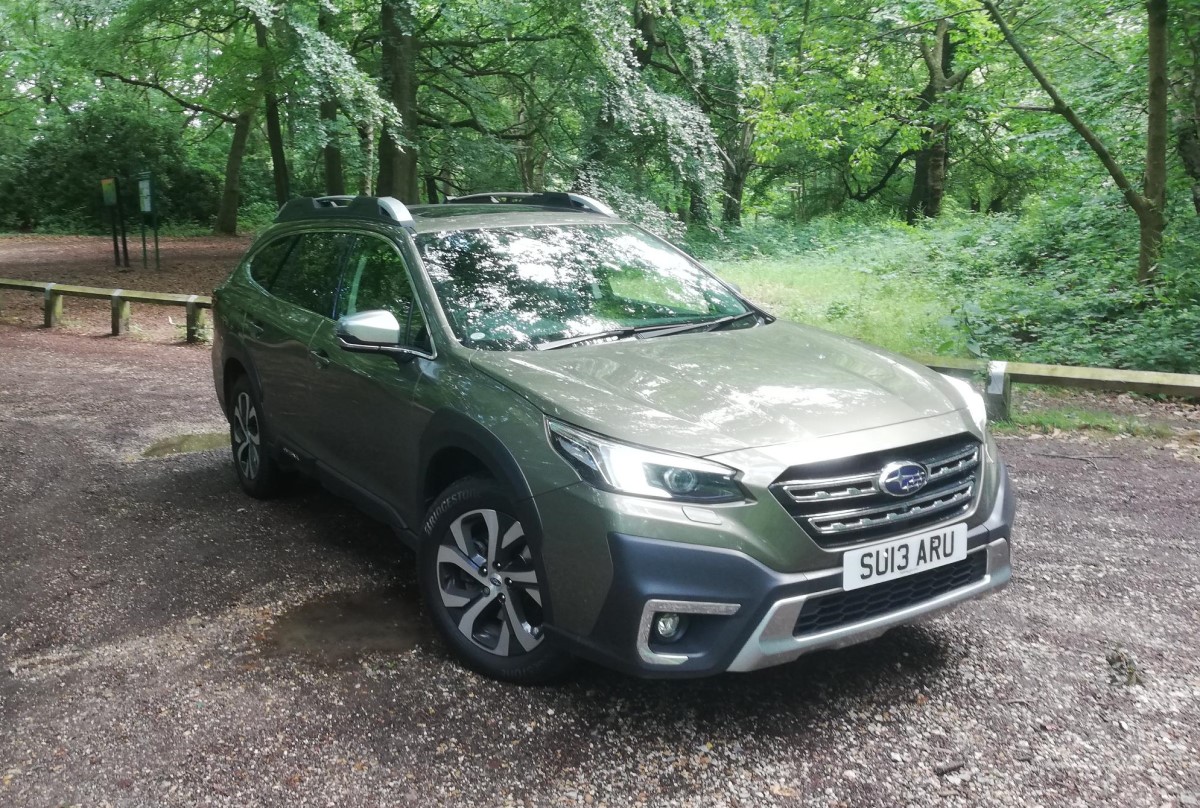
In years gone by, before the UK’s roads became awash with faux-by-fours and SUVs, the Outback was merely a derivative of the four-wheel-drive Legacy Estate that was given a jacked-up suspension and chunkier styling to make it look - not to mention, behave - more like an off-roader. This slightly oddball approach made it a rather niche offering, but it also helped win the car, and Subaru brand, a small but staunchly loyal following.
Fast-forward several years, and the Legacy Estate is no longer with us, but the Outback’s following is still large enough and staunchly loyal enough that this version has endured as a standalone model. Now, it’s not alone in being a part-estate-car-part-SUV-part-off-roader mash-up: cars like the Volkswagen Golf Alltrack, Audi A4 Allroad and Volvo V60 Cross Country also provide similar appeal in the modern-day car market. However, alongside these slightly niche rivals, the Outback will be competing with more conventional family SUVs such as the Toyota RAV4, Skoda Karoq and Ford Kuga, as well as other SUVs from the same company in the form of the similarly sized Subaru Forester.
How practical is it?
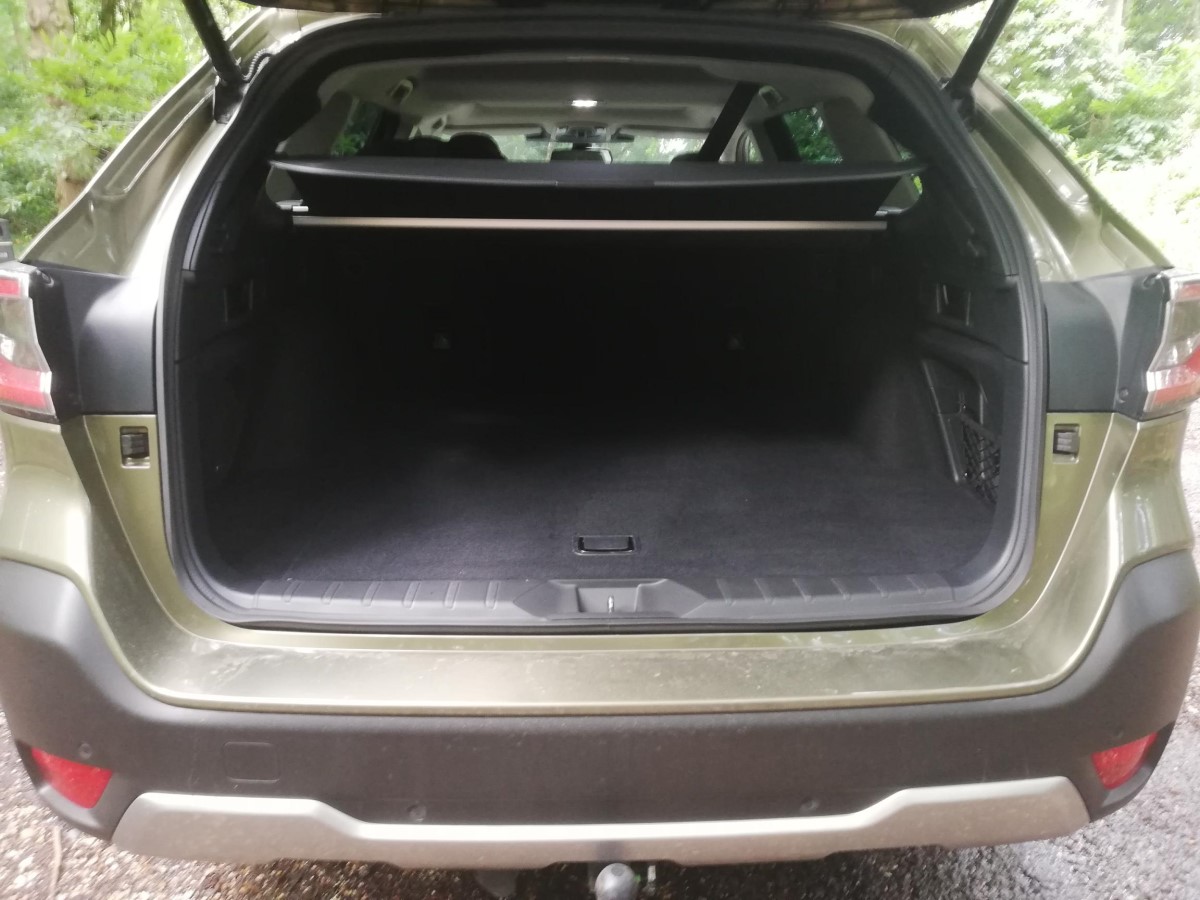
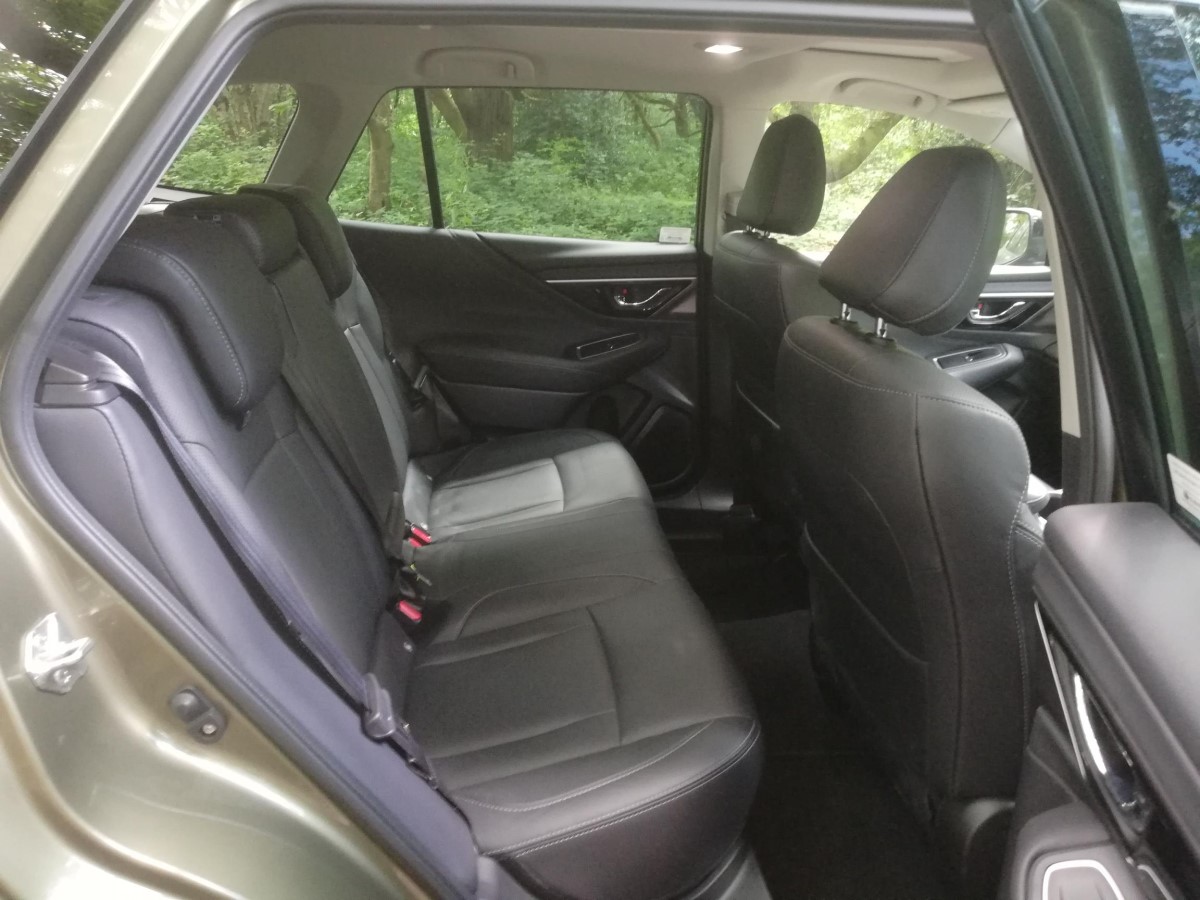
Whether you see the Outback as an estate or an SUV, it simply has to be a practical family car first and foremost, and happily, it really is. Even with the front seats set up for folk who are six-foot-plus, there’s still absolutely bags of legroom and headroom in the back, so that similarly-sized passengers can stretch out in comfort. You can squeeze three people across the rear bench, too, but you’ll probably only want to do this for short journeys, because the cabin is too narrow to comfortably accommodate three sets of shoulders for long periods. There’s also a transmission tunnel in the floor in front of the middle seat, which itself is a little harder and more raised up than those either side, but it’s not too uncomfortable.
Unsurprisingly given the car’s shape, the boot is suitably massive at 561 litres, and there’s extra storage space beneath the floor, plus a flush opening with no lip to get in the way. The 60/40 split-folding rear seats may not be quite as versatile as the 40/20/40 items found in some rivals, but they do leave a perfectly flat and level load area when you drop them, which you can do with either a button on top of the backrest, or with a lever in the boot. There’s also an additional level on the rear seat allowing passengers to recline them for extra comfort.
The Outback’s rugged feel is reflected in the build quality on show. Everything feels chunky and substantial and solidly assembled, making the car feel like it’ll last a lifetime. There are one or two slightly scratchy surfaces here and there in the lower reaches of the cabin, but this is a criticism you could also level at the vast majority of rivals, and there are enough touchy-feely finishes in the places you interact with most to make the car feel as posh as it should.
What’s it like to drive?
The Outback is available with just one engine offering, and it’s a 2.5-litre petrol ‘boxer’ engine (that means that the four cylinders are horizontally opposed for a lower centre of gravity in an effort to aid handling ability), mated to a continuously variable automatic transmission - or CVT - that Subaru calls Lineartronic. That extravagant capacity might have you expecting the Outback to be a proper powerhouse, but in fact, it only develops a distinctly average 167bhp. That makes it slow compared with rivals that have either a turbo and/or electric assistance, with a 0-62mph dash time of 10.2 seconds. That in itself probably won’t be too much of an issue for the folk most likely to consider an Outback, but it does mean that joining motorways or nipping into a gap in traffic is more of a chore than it should be.
Some folk will see the CVT moniker and immediately fear that any request for acceleration will be met by soaring engine revs and ear-splitting noise, but those folk will probably be pleasantly surprised by the Outback. Artificial steps have been programmed in to give the impression that a gearchange has been made, and it's actually quite effective at keeping things calm within the engine bay. However, while the engine revs are kept sedate most of the time, the unit does sound rather strained and raucous on the rare occasion that those revs escalate too far.
The gearbox does, however, help make the Outback an easy and relaxing car to drive, as does the light steering and the strong, easy-to-modulate brakes. Decent all-round visibility from the driver’s seat helps on that score, too. The Outback isn’t the most comfortable car you’ll ever drive, and nor is it the sharpest: there’s a slight patter to the ride - particularly at low speeds - that you don’t get in the smoothest family cars, while corners induce a fair amount of body roll. However, it’s good enough in both departments that the vast majority of customers will have zero cause for complaint.
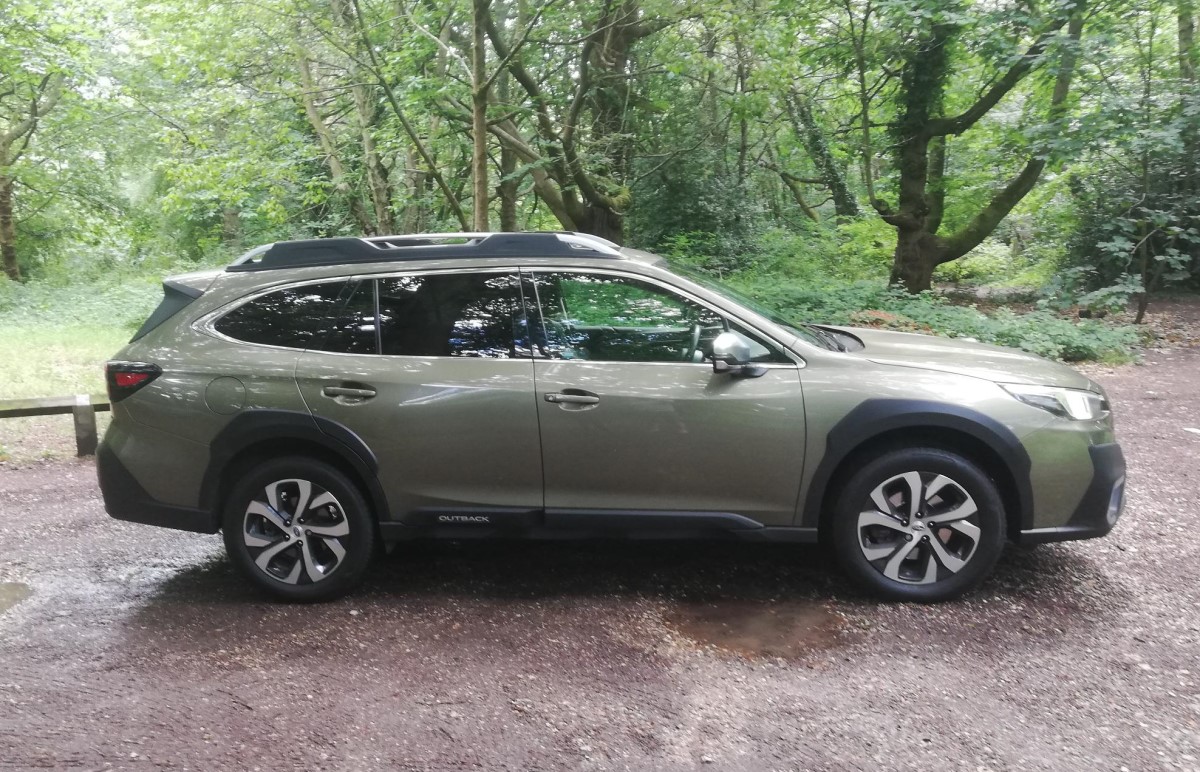
And while being merely average on-road, being a Subaru, of course, the Outback sets itself apart when taken off the beaten track. The sophisticated X-Mode four-wheel-drive system has a variety of modes to help maintain traction in slippery conditions, while the jacked-up suspension also gives pretty good ground clearance, meaning it’ll go further into the wilderness than most rivals. As well as all-wheel drive, you also get hill descent control to help you back to civilisation. And, if you plan to be towing on a regular basis, the 2,000kg limit is quite handy for this automotive class.
Technology, equipment & infotainment
All versions of the Outback come very generously equipped. The entry-level trim is called Limited, but it’s anything but, with automatic LED headlights and wipers, dual-zone climate control, 18-inch alloy wheels, electrically adjusting front seats, heated front and rear seats, keyless entry and go, USB ports, reversing sensors and a reversing camera. All versions also get an extensive set of driver assistance and safety features, which we’ll talk more about in a moment.
Next up of the trim levels is the mid-range Field trim, which adds synthetic leather upholstery, a hands-free powered tailgate, a heated steering wheel and aluminium pedals. The range-topper of the Outback models is known as the Touring, and that has genuine Nappa leather upholstery and an 11-speaker Harman & Kardon sound system, uprated from the six speakers you get in the other versions. It also has a novel memory function for the electrically adjusting seats.
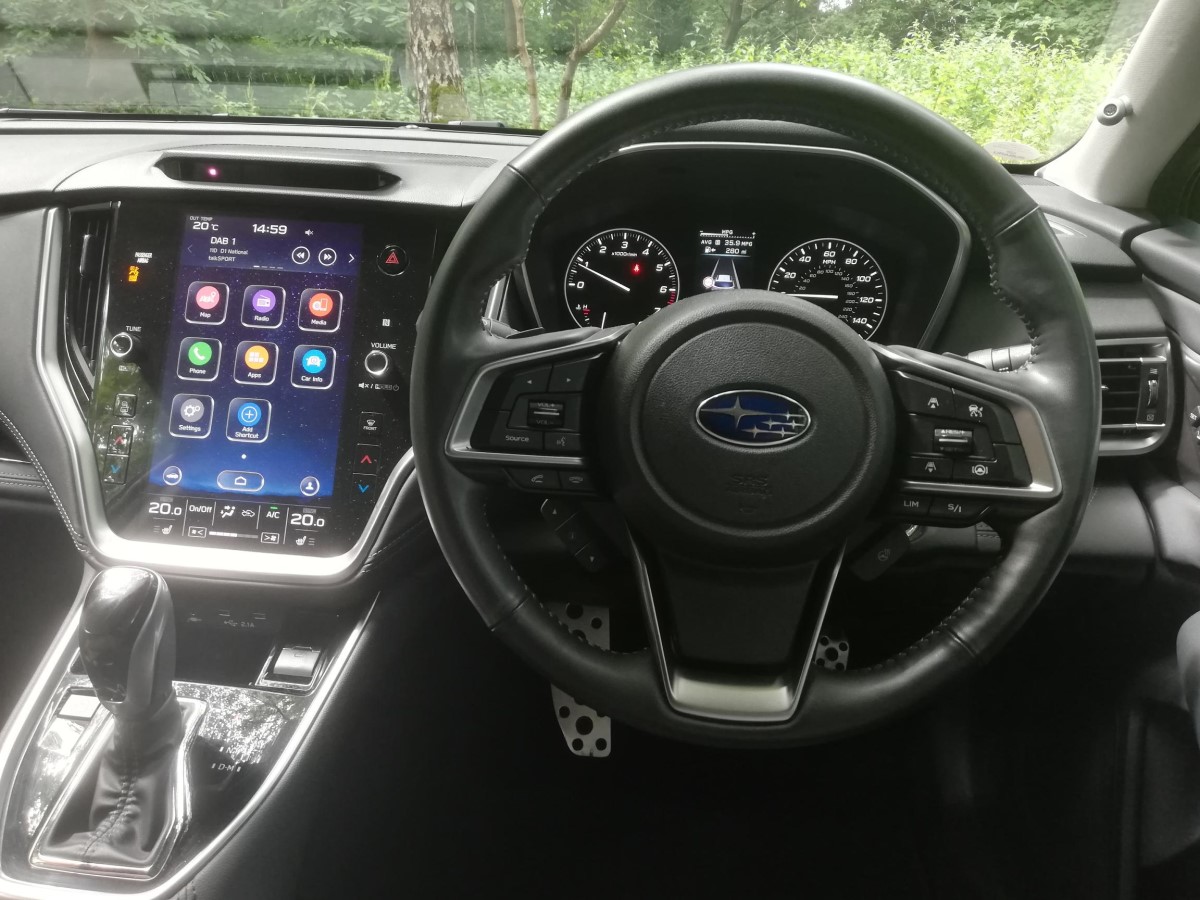
All specs get the same 11.6-inch portrait-orientated central touchscreen infotainment system to operate most of the car’s various functions, and the system also comes with DAB and wireless Apple Carplay and Android Auto connectivity across the board. Field and Touring trims also get built-in satnav, but it’s not all that good, so it’s not worth the upgrade on its own: you’re better off using the car’s smartphone mirroring functionality to let your favoured mobile app take care of navigation duties through the central screen.
While the screen is large and reasonably responsive to jabs of your finger, the layout of the various menus and on-screen icons isn’t very intuitive or logical, so finding your way around can be tricky, while the graphics also look dated. One more irritation is that there are physical buttons to adjust the cabin temperature, but doing anything else with the ventilation system requires using the touchscreen. At least those controls are permanently displayed at the bottom of the screen.
Subaru Outback running costs
A large engine and permanent four-wheel drive may come in very handy when you’re blundering through the wilderness on slippery terrain, but it comes at a cost. An average WLTP fuel economy figure of 32.8mpg is pretty poor in isolation, and way behind the figures achieved by various turbocharged petrol-, diesel- and hybrid-powered rivals.
Hefty CO2 emissions of 193g/km also make the Outback a fairly hopeless company car due to very steep company car tax bills.
That said, prices do look very reasonable indeed, especially when you consider the generous amount of standard equipment provided. Importantly, the Outback will cost you a good slice less than most comparable rivals, most of which have an inferior kit list.
Subaru Outback reliability
Reliability data on the Outback itself is in short supply, but it’s rather more plentiful on Subaru as a brand, which should give some pointers on how reliable its cars are likely to be. Look at pretty much any reliability survey going, and you’ll find Japanese manufacturers on or near the top of the standings.
Although Subaru can’t match the stellar performances of some of its domestic colleagues in this regard, it far from disgraces itself. In the 2022 What Car? Reliability Survey, for example, Subaru placed 14th out of 32 carmakers considered, and you can’t get much more mid-table than that (it didn't appear in the latest survey, likely due to low overall sales).
The three-year, 60,000-mile warranty is about the bare minimum you can expect on a new car these days, so many rival manufacturers are considerably more generous on that score.
- Subaru has a very well-deserved reputation for safety, and true to form, the Outback comes with just about every electronic driver aid you can think of, wrapped up in a package that Subaru calls EyeSight. Automatic emergency braking, adaptive cruise control, lane keep assist, lane departure warning, blind spot monitoring, rear cross traffic alert: it’s all present and correct. No surprise, then, that the Outback scored the full five-star rating when tested by Euro NCAP in 2021.
- There are eight paint colours available, all of which are fairly conservative. A white pearl finish is the only one that comes free of charge, while the rest - a collection of mainly greys and blacks - will cost you around £600 extra. Paint is about the only optional extra available, though.
- We mentioned in the Technology and Equipment section that the range-topping Touring-trimmed Outback has a novel memory function for the electrically adjusting seats. And it is very novel indeed. Facial recognition technology is used to figure out which of the car’s regular drivers you are, and automatically adjusts your seat according to your preselected settings.
- If you want the best value: The base-level Limited trim is so well equipped that we can’t see much point in spending the extra four grand or so it costs to upgrade to Field trim. The faux-leather does give the cabin a slight lift and the powered tailgate is a nice-to-have, but if you can live without those, then save your cash and stick with the Limited.
- If you want all the toys: If you are prepared to spend the extra on the Field version, then you might as well go the whole hog and upgrade to the range-topping Touring version. The jump up in price is much smaller (around £1,500), but it brings some very desirable upgrades, such as the Harman & Kardon stereo.
- If you want a slightly smaller alternative: The Volkswagen Golf Alltrack is another one of these jacked-up estate cars, but it occupies a rather smaller footprint on the road. Despite the size deficit, choosing the VW won’t save you much in terms of purchase price, though.
- If you want a classier alternative: Volvo is another company that has traditionally operated in this kind of market with the V60 and V90 Cross Country models. In our view, the Cross Country is the best version of the V90 due to its more supple suspension, which gives a plusher ride. It also has the measure of the Subaru for interior quality. Volvo has now discontinued the V60 and V90 as new cars, but both will make cracking used car choices.

