Suzuki Alto Review (2009-2014)
Suzuki Alto cars for sale
3.0
Expert review
Pros
Running costs don't get much lower
Easy to drive and park
Should be enormously reliable
Cons
Limited space and versatility
Cabin feels rather low-rent
Not flush with equipment
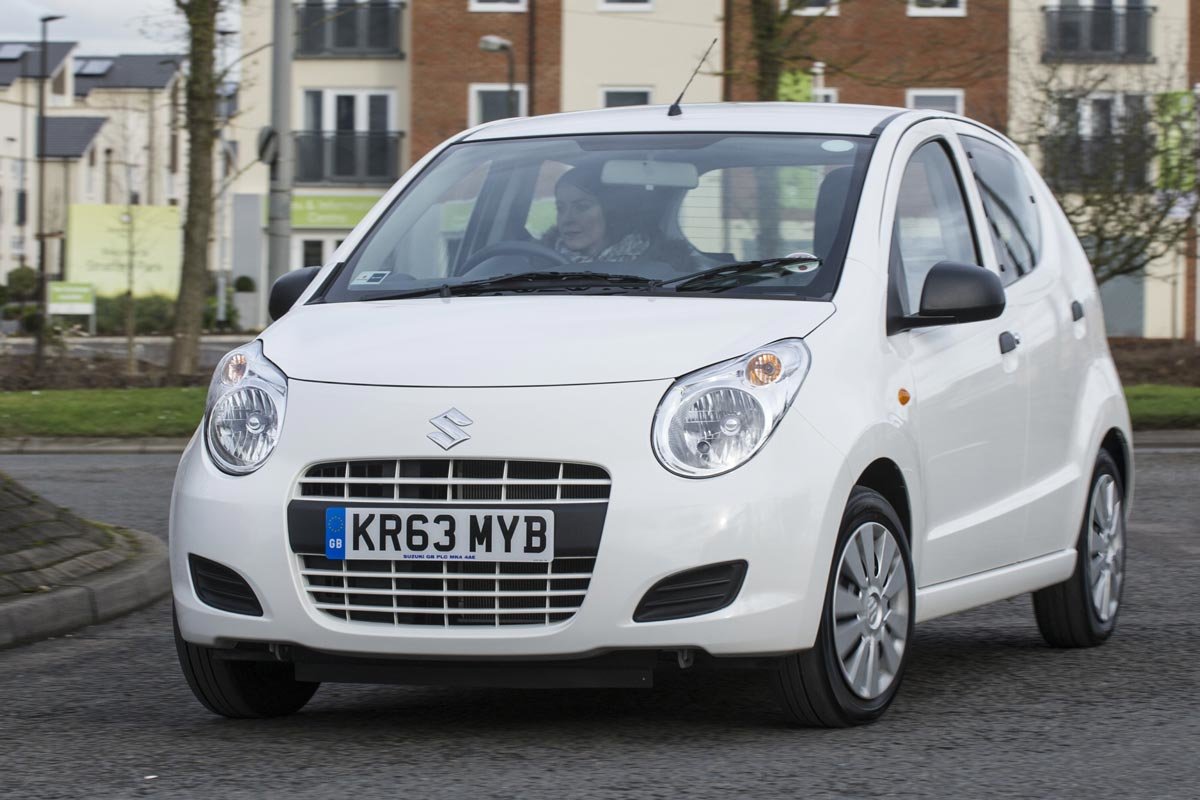
The CarGurus verdict
Some small cars transcend their packaging and price and offer great around-town capabilities in conjunction with surprisingly competent motorway manners. The Volkswagen Up, and its Seat and Skoda counterparts, for example, don’t feel skittish, strained or unhappy at higher speeds. The Suzuki Alto, however, feels most content in urban environments. If you want a small car that can more readily tackle longer trips and motorway journeys, and not leave you feeling tired and uncomfortable, you should consider a car such as the Skoda Citigo or Seat Mii.
Many alternatives are also safer and less crude, lending them further appeal. But, that all said, the Alto is very reliable, cheap to run and more affordable than some competitors. Consequently, if you don’t want to spend much, and you just need a durable car for short trips and around-town work, the straightforward Suzuki is worth a gander.
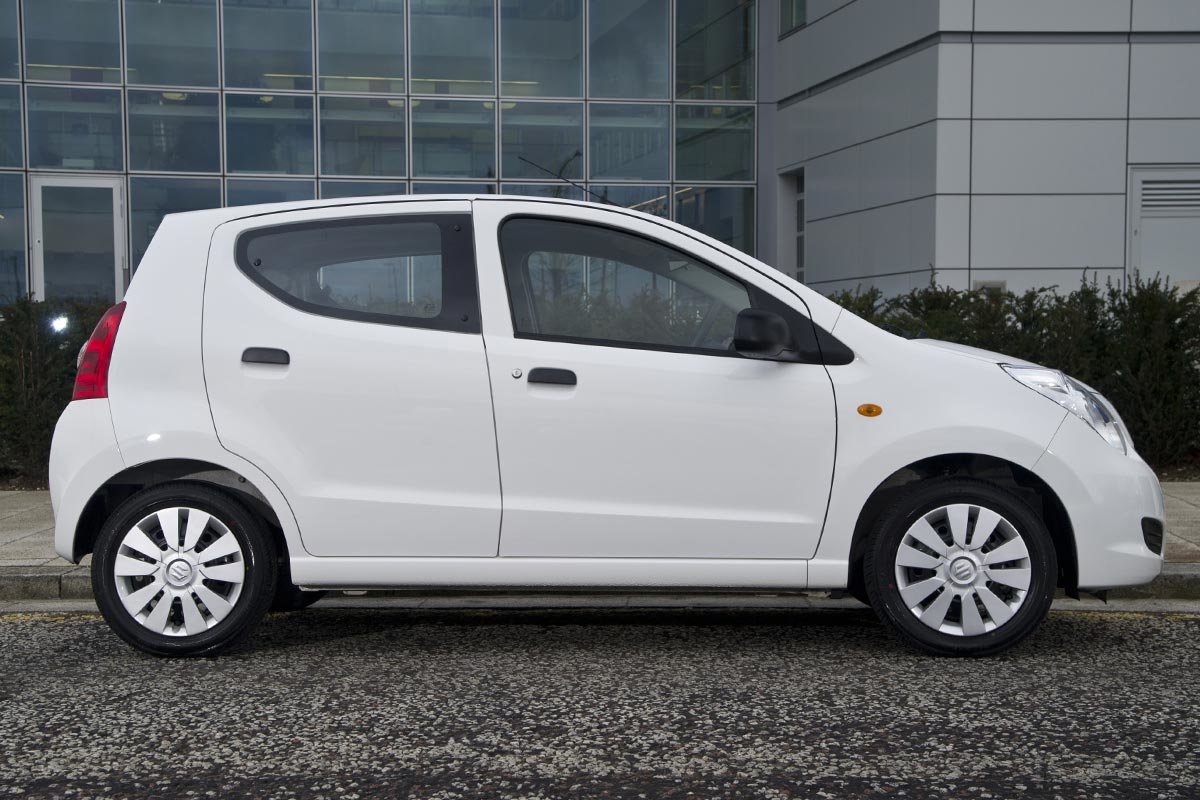
What is the Suzuki Alto?
The seventh-generation Suzuki Alto is a small, light and frugal city car that competes with alternatives such as the Hyundai i10, Nissan Pixo, Kia Picanto, Citroen C1 and Ford Ka.
It was first offered in the UK in March 2009 and had a strikingly low starting price of just £6,795. Power came from a three-cylinder, 1.0-litre petrol engine and customers could pick from a five-speed manual gearbox or a four-speed automatic. The Alto was discontinued in the UK in 2014, although later versions were sold in other countries.
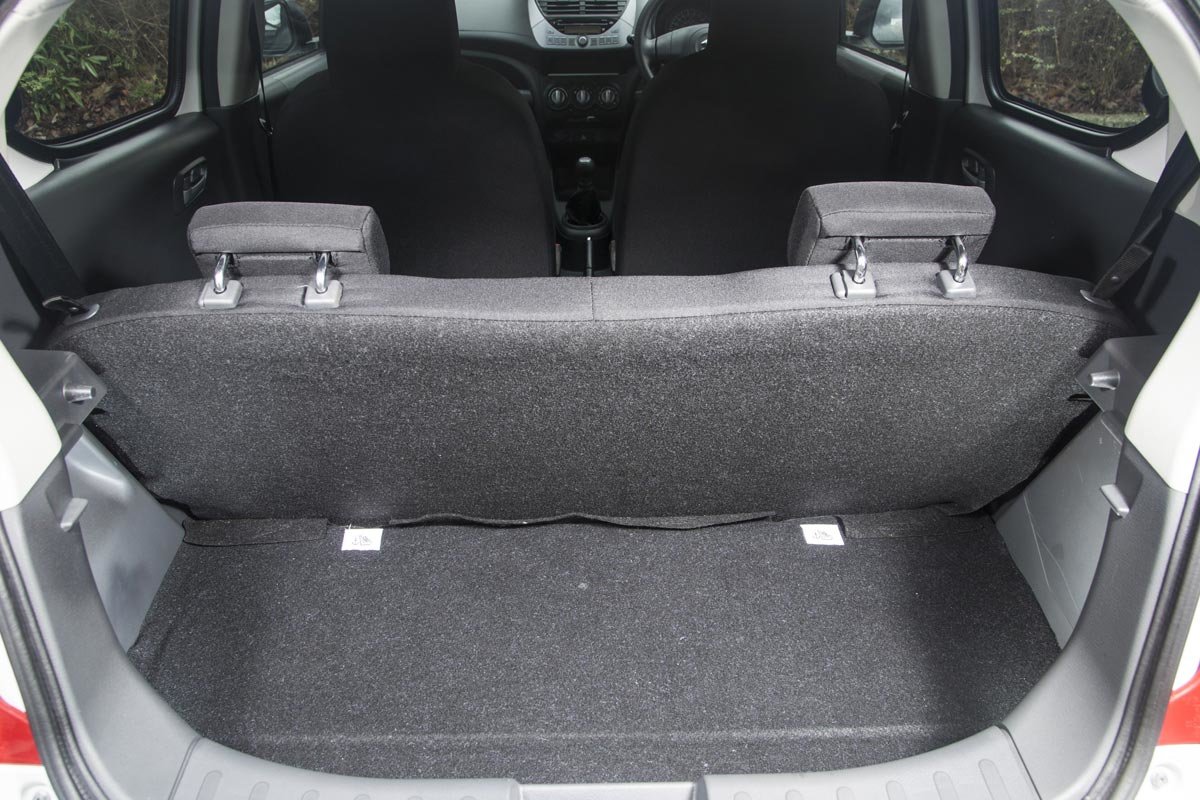
How practical is it?
The five-door Alto offers 129 litres of boot space with the rear seats in place. A first-generation Toyota Aygo, for comparison, has 139 litres of boot space. A more modern VW Up, on the other hand, serves up a more practical 251 litres. The rear seatback isn’t split in lower-specification versions of the Suzuki, either, which can pose additional practicality challenges.
There’s only room for four adults inside, too, whereas rivals like the i10 and Picanto can seat five (though admittedly, this is at a push). The small boot can prove problematic, too. The Alto also scored three stars in Euro NCAP crash testing, which was a passable but underwhelming rating, particularly given that many rivals serve up four- and five-star ratings.
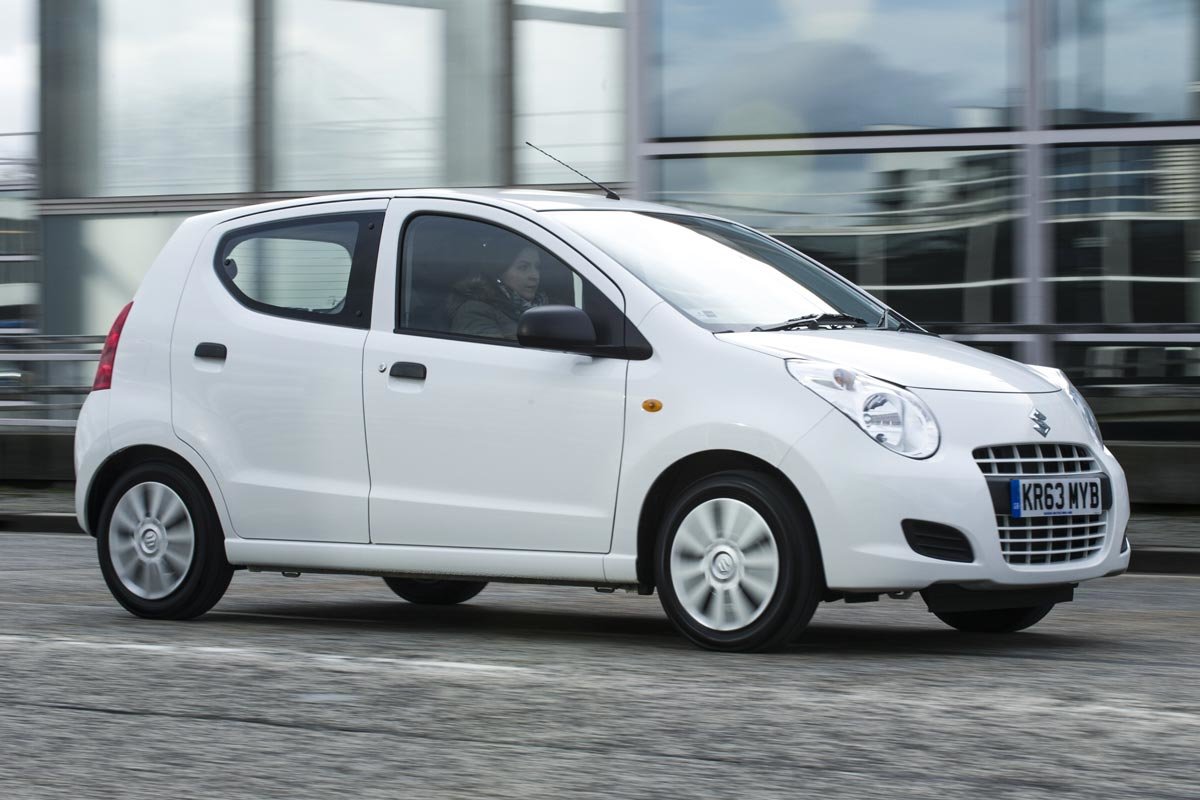
What's it like to drive?
Any Alto is an easy, uncomplicated and comfortable car to drive, at least in urban and low-speed environments. Traits such as light steering and a tiny footprint make it effortless to manoeuvre and park, and manual models are adequately peppy.
On longer trips on higher-speed routes, however, the Alto’s shortage of power, refinement and comfort make it tiring to drive. In corners, the car's tiny footprint can make it feel rather top-heavy, but there's a decent amount of grip to call upon despite the skinny tyres.
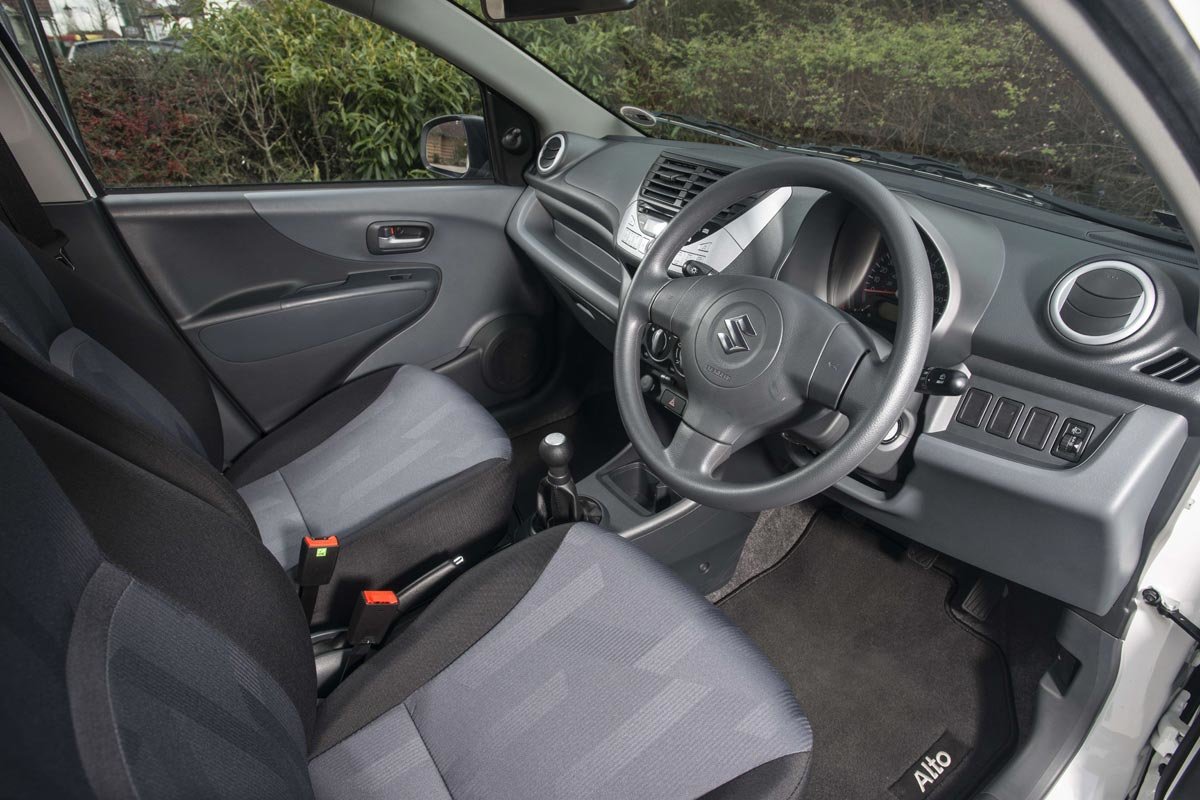
Technology, equipment & infotainment
You could hardly call the Alto well equipped but, even in entry-level form, you did get remote central locking, front electric windows, ABS, front- and side airbags and a stereo. Higher-specification models were available, though, with the SZ3 model benefitting from air-conditioning, while the range-topping SZ4 came with alloy wheels, electronic stability control and curtain airbags.
The Alto didn’t change dramatically over the years, but Suzuki did later introduce an SZ-L model, positioned above the SZ3 in the range, which featured upgraded trims, detail parts and front fog lamps. A lightly revised version of the Alto was also launched in 2012. The changes were minor, with tweaks including a new metallic grey exterior colour, but it was also fractionally more flexible and efficient thanks to some engine upgrades.
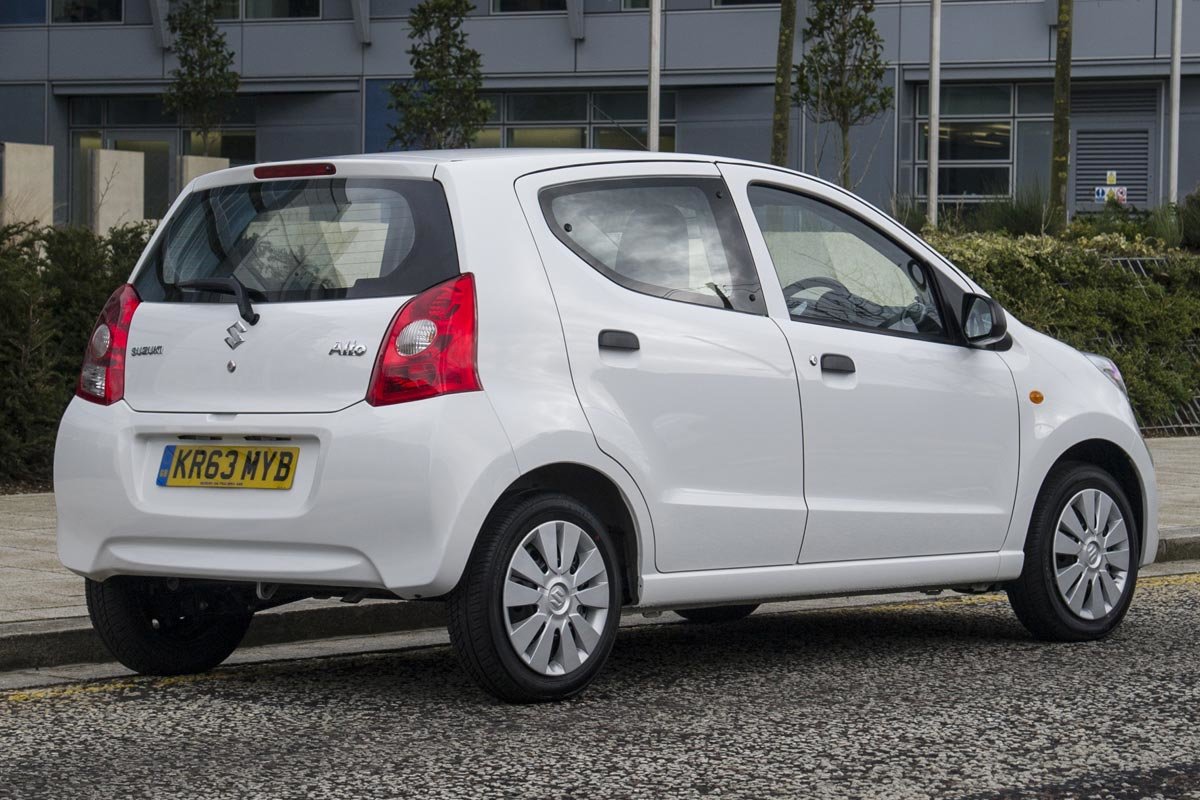
Suzuki Alto running costs
Suzuki is well known for making frugal, reliable and affordable cars, and the compact Alto is no exception. It’s a light and small city car, with an economical petrol engine, and it’s also cheap to maintain and insure. Running costs should be low.
Even the early pre-facelift cars can average up to 64.2mpg in manual form, while CO2 emissions of 103g/km grant low VED rates. Expect some 50-odd MPG in the real world, though.
The automatic models are less efficient and emit more CO2, however, and the pre-facelift model is noticeably more expensive to tax than the manual iterations or later facelifted version, so do check the specifications and associated costs of the specific model you’re looking at to avoid any surprises.
Automatic models will, however, often deliver MPG figures in the mid-40s in daily use, so fuel costs are still unlikely to be a major issue. The Alto has a small but sufficient 35-litre fuel tank, too, so you won’t be forced to refill it infuriatingly often unless you’re racking up serious daily mileage.
Servicing the Alto won’t break the bank. The K10B engine used in the Suzuki, for starters, uses a timing chain instead of a belt. As a result, you’ll only have to trouble yourself with routine fluid and filter changes, as well as the occasional ancillary belt and set of spark plugs. Proper servicing will bolster reliability and fuel economy as well, minimising your expenditure further.
Parts are inexpensive as well and, because the Alto weighs so little, brakes, suspension components and tyres last a long time. Its wheels are also shod with tiny 155/65 R14 tyres, further helping keep costs down. Even tyres from a mainstream brand can be had for around £40 a corner.
Do watch out for used cars that have been neglected and driven into the ground, though. They might be temptingly cheap but the cost of bringing them up to scratch could still prove significant. The total of the purchase price and repairs could, for example, easily be more than just buying a better car in the first place.

Suzuki Alto reliability
When new, the Alto came with a conventional three-year, 60,000-mile warranty and a 12-year anti-corrosion warranty. Suzuki also provided 24-hour roadside cover for UK and European use, further helping to calm concerns about problems.
Any original warranty on an Alto will have expired ages ago, but fortunately, the Suzuki is a reliable and fuss-free car. A used Suzuki Alto, provided it has been maintained properly, should serve up no unpleasant surprises as a result.
The brand itself has an excellent reputation for reliability, and there’s a sizeable dealer network to fall back on if you have issues. The Alto is a straightforward and uncomplicated car, that said, and any independent garage should have no problem working on it.
It’s worth bearing in mind that versions with air-conditioning are slightly more complicated, so running costs could be slightly higher as a result. Be wary of cars with inoperable air-conditioning, because restoring the system’s function could prove more costly than expected.
There have been some recalls on Altos, including one for a potential fire risk stemming from electrical issues with the cabin blower motor. You can use the government’s “Check vehicle recalls” website to see if the car you are considering is one of those affected, and a dealer should be able to help clarify whether updated parts have been fitted.
- The Alto is powered by a 1.0-litre, three-cylinder petrol engine. It’s the only engine available in the range and produces 67bhp. Manual models will accelerate from 0-62mph in 13.5 seconds, while automatic versions take a slower 17.0 seconds. Consequently, unless you really need an automatic, it’s best to stick to the manual versions. They’re also more efficient and cleaner.
- Suzuki revised the Alto in 2012, adding new technology to boost the engine’s flexibility and efficiency, new trims and a grey metallic paint finish. One small but beneficial change worth noting was the addition of a dippable rear-view mirror, whereas earlier cars had a fixed rear-view mirror. The dipping mirror reduces dazzle from headlights, which reduces strain and stress during drives in darker conditions.
- After the 2012 update, manual models dipped into the 99g/km of CO2 emissions bracket, meaning no annual VED (road tax) bills. No Alto will be expensive to run, though, with even the earliest and least efficient automatic model reputedly averaging 54.3mpg and emitting 122g/km of CO2.
- If you want the best all-rounder: We’d suggest going for a manual Alto, due to its better efficiency and performance than the automatic model. SZ3 trim is worth opting for as it adds air-conditioning. Don’t worry if you can’t stretch to a facelifted version, because the vast majority of differences are minor and unlikely to be that beneficial in the grand scheme of things. You could always add a dipping rear-view mirror yourself, for example.
- If you want the best fuel economy: The most economical Suzuki Alto is the facelifted manual model, which officially averaged 65.7mpg and emitted 99g/km of CO2. No Alto is thirsty, though, with even the least efficient early automatic model averaging a claimed 54.3mpg and emitting 122g/km of CO2.
- If you need an automatic: A four-speed automatic transmission was offered in the SZ4 version of the Alto, so that’s the one to go for if you need an automatic car. It’s noticeably slower and less efficient than the manual alternative, but it still won’t cost much to run and it’s a serviceable choice if you’re just driving around town.


