Tesla Model 3 Review (2018-present)
Pros and cons
What we like
Affordable to buy for a premium electric car
Brilliant Tesla Supercharger network
Even better to drive since 2024 update
What to consider
A little cramped in the back and boot
No head-up display
Latest version lacks physical stalks for major driving controls
The CarGurus verdict
On balance of price, driving range and ownership experience, the Tesla Model 3 is one of the very best premium electric cars out there at the moment. That's not to say that the Model 3 is faultless; many drivers will find the dearth of physical buttons and stalks extremely off-putting, while those after a more fun driving experience or a more stylish appearance may prefer the BMW i4 or Polestar 2.
Even so, the Model 3 is a remarkable car that’s efficient, sets the standard for semi-autonomous driving aids, and is more affordable than almost all of its close rivals. Whether you’re buying new or used, it promises to be a great experience.
out of 5 expert review
What is the Tesla Model 3?
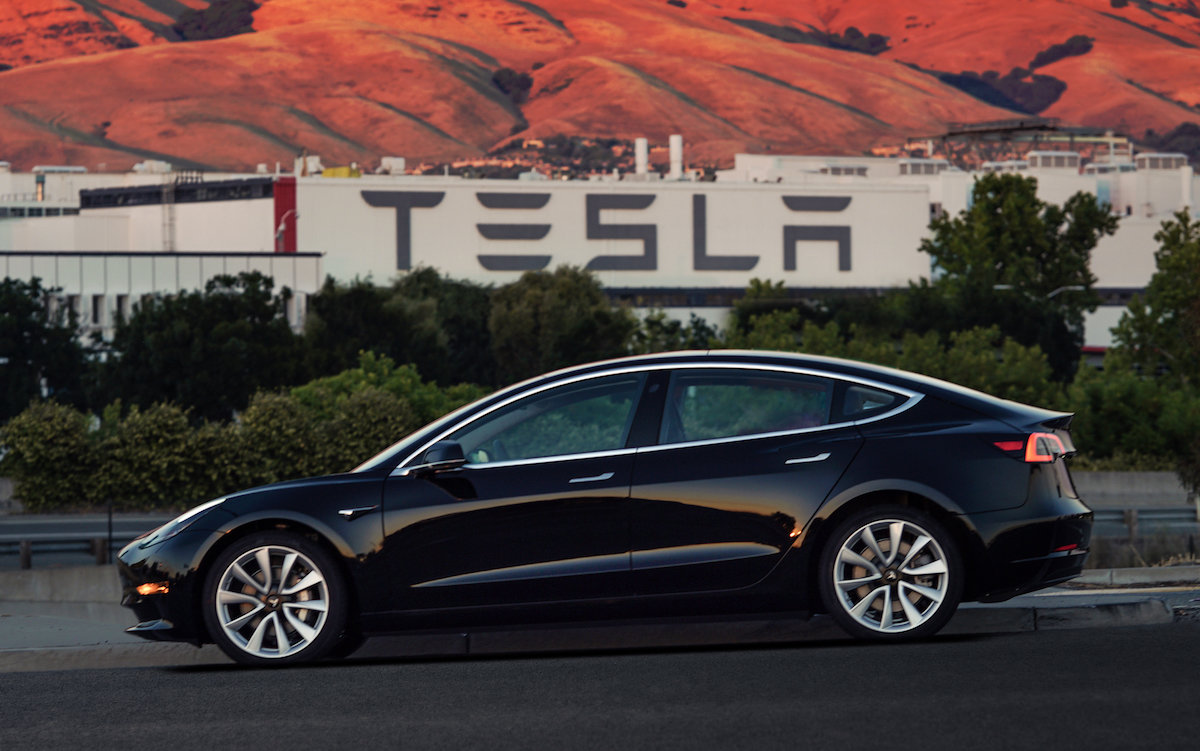
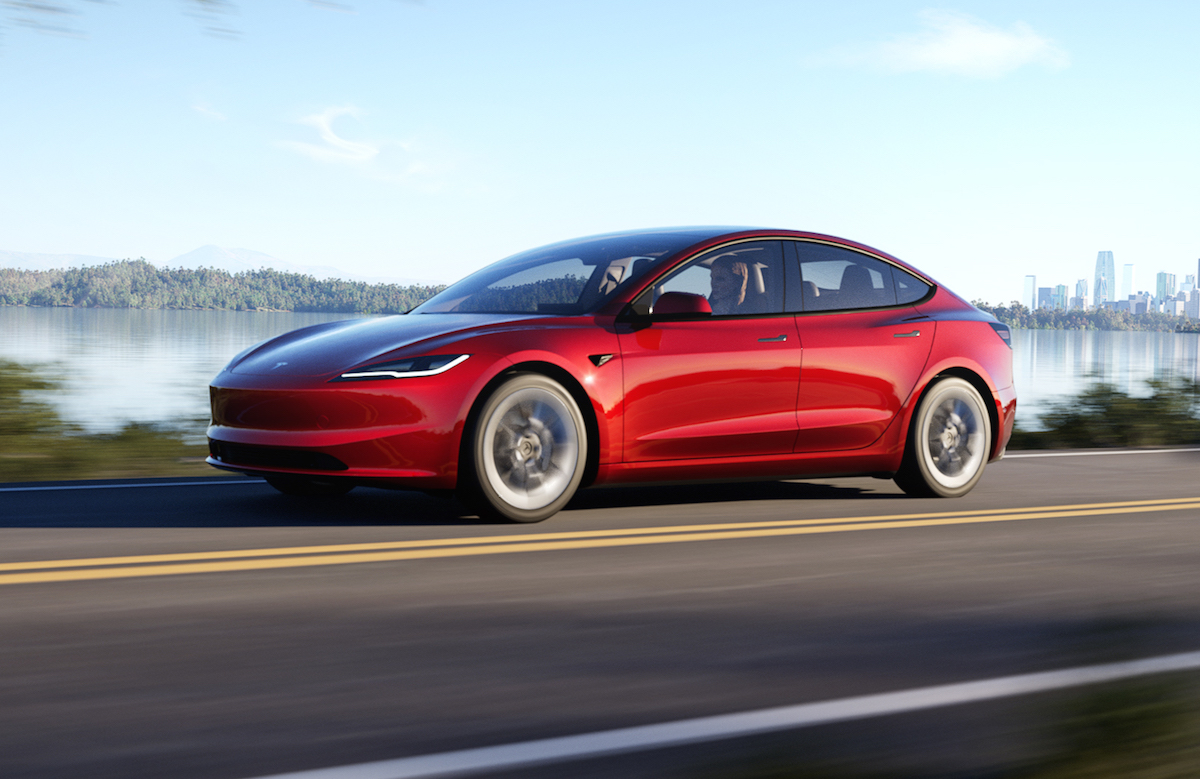
The Tesla Model 3 is a pure-electric alternative to the BMW 3 Series, and also rivals electric alternatives including the Polestar 2, BMW i4 and Hyundai Ioniq 6. It was first launched in 2018, and received a heavy update in 2024, which increased the official WLTP driving range to between 344 and 421 miles – from 278- to 360 miles before the update.
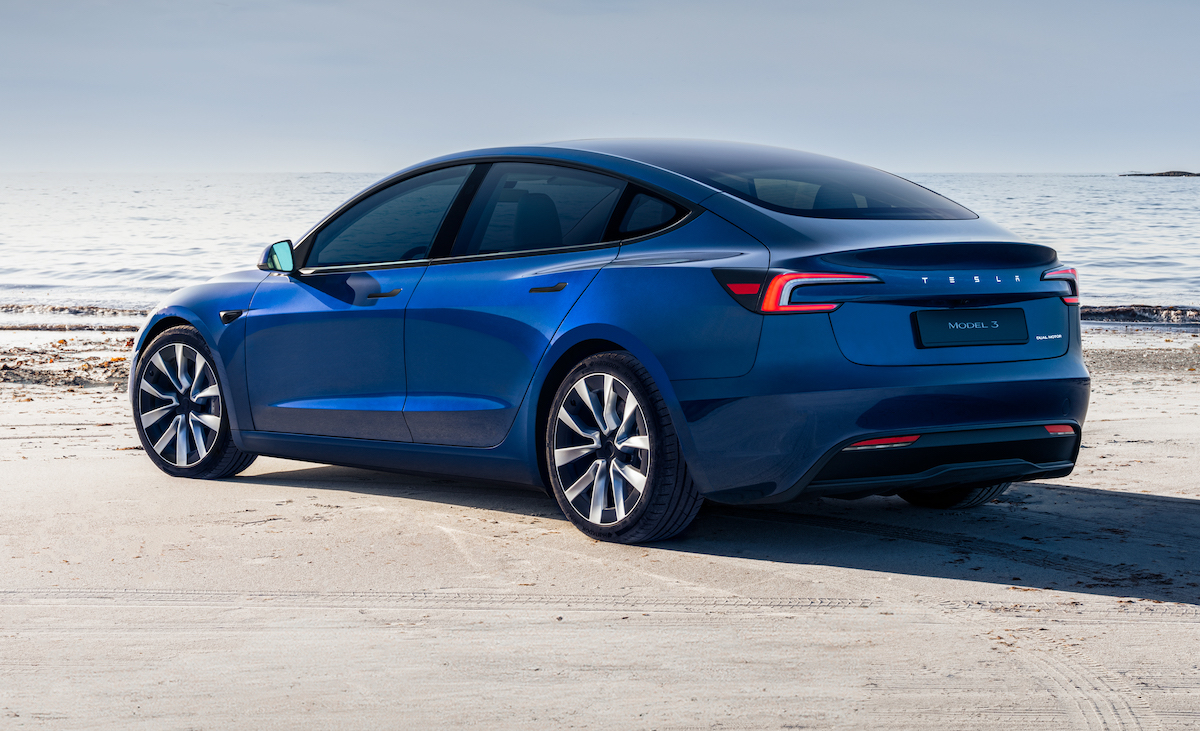
Other significant changes for the 2024 Tesla Model 3 include indicator controls that are now buttons on the steering wheel, and you even put the car into drive, park or reverse using the touchscreen. It makes for a startlingly minimal interior, and the way you have to re-learn where basic functions like windscreen-wipers are, may not be to everyone’s taste. The Model 3 has always been compatible with Type 2 and CCS sockets, meaning that you can charge it at the vast majority of public chargers including, of course, the excellent Tesla Superchargers.
You can get the 2024 Tesla Model 3 in either Rear-Wheel Drive Motor or Dual Motor All-Wheel Drive models. The rear-wheel drive model charges at up to 170kW, while the dual motor manages 250kW, which is faster than most rivals and means that both will manage a 100 mile top-up in 10- to 15 minutes provided you’ve plugged into a fast enough charging station. If you get ideal charging conditions, you could see the Dual Motor manage a 175-mile top-up in just 15 minutes.
Most owners will do the routine charging at a standard 7kW home wall box, which will deliver a full charge in around 10- to 12 hours.
Practicality
How practical is it?
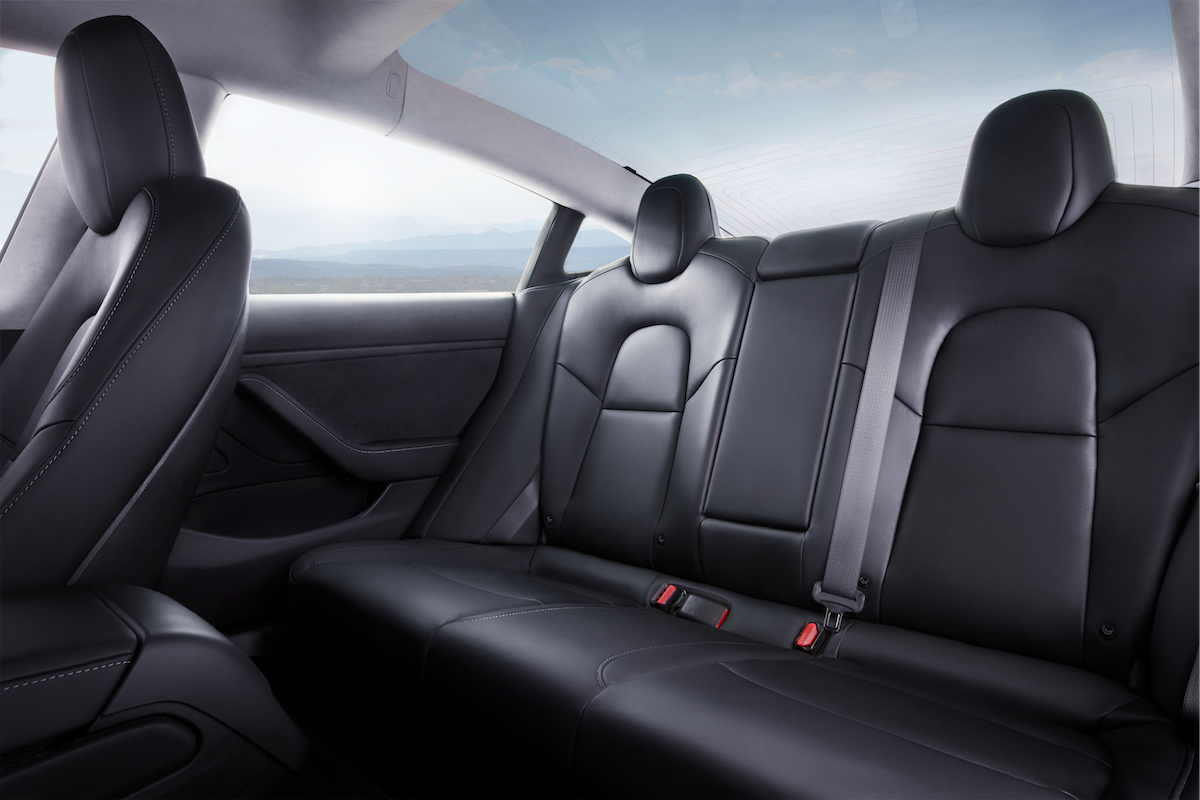
Practicality is adequate, with enough space in the rear seats for two average-sized adults to sit comfortably, although you’ll have more passenger space in the back of a BMW 3 Series, Audi A4, Mercedes C-Class or Lexus ES.
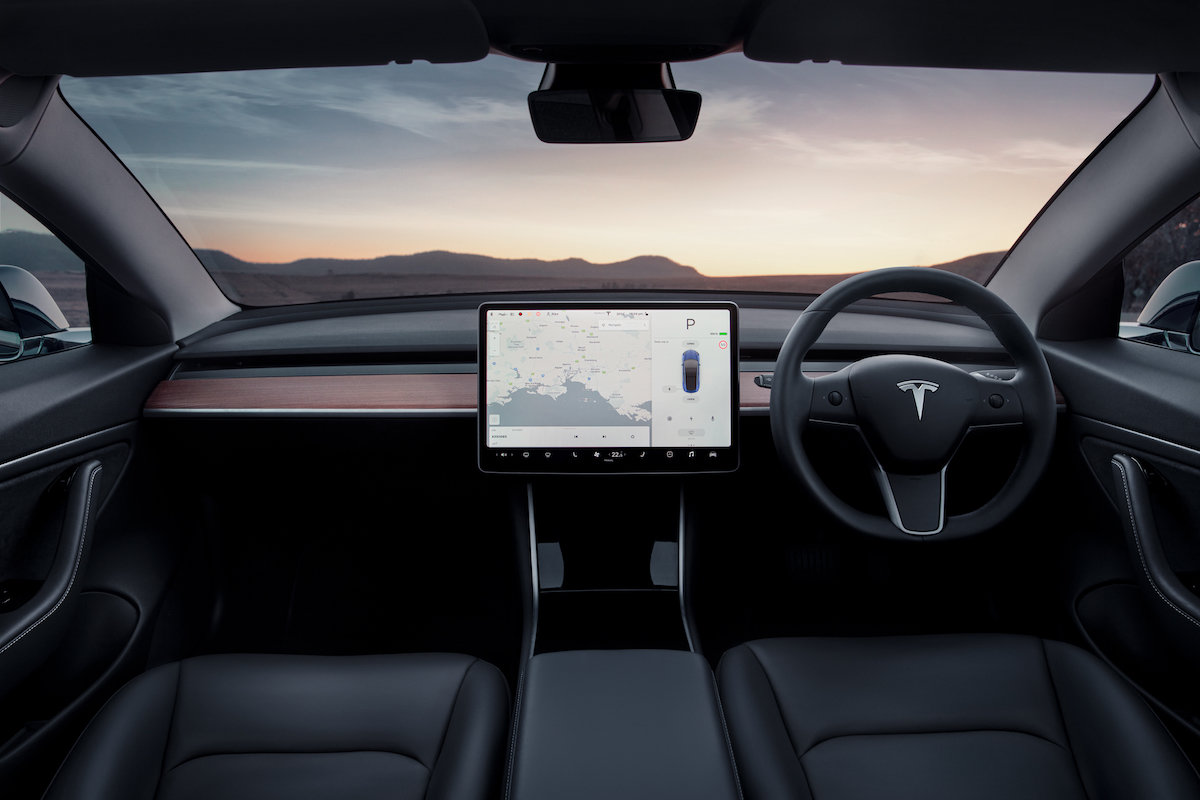
It’s comfortable up front, though, where you get a low-set driver’s seat and plenty of adjustment. What will be a challenge for some drivers – especially those coming to the Model 3 from a traditional saloon – is that there’s no driver’s display for the speed etc, no stalk for windscreen wipers and no gearstick. The speed is displayed on the top corner of the central touchscreen, so you have to look to the left – as you do in the Volvo EX30. We’d really prefer it if Tesla would include a head-up display, even as an option, so that you could have the speed in your eyeline. A more tactile steering wheel would be very welcome, too.
Windscreen wiper settings are in the touchscreen menus, but you can turn them onto auto via the steering wheel. You even put the car into drive or reverse via the screen, which is weird, and will take some getting used to. Only time will tell whether the total dependence on the car’s screen will cause issues, but Tesla seems confident.
Rear passenger room is one area where the Model 3 is a little compromised, as it's a touch cramped by class standards. The boot is on the small side, too – even combined with the extra cubby you get where the engine would normally be, the total luggage space is less than most petrol or diesel rivals’.
If you do want more space in an executive electric saloon-style car, the Polestar 2 is a bit better for passenger comfort and gets a useful hatchback boot opening. Or, there’s an array of hatchback and SUV alternatives at Model 3 prices, ranging from the Volvo EX30 and Volkswagen ID.3 to the Renault Scenic E-Tech. The bigger and much more practical Tesla Model Y SUV is also surprisingly close to the Model 3 on monthly finance costs.
Driving
What's it like to drive?
If you want a really fun, rewarding drive then you’re better off with the BMW i4, but the Tesla is confident and feels balanced and satisfying even in faster corners and down a twisty country road. The updates in 2024 included tweaks to the suspension, which helped to make the Model 3 a little more entertaining but also improved the ride comfort. You still notice bigger bumps and scruffy surfaces – particularly at low speed – but the Model 3 is a comfy, composed executive car that is enjoyable to drive.
Refinement is very decent in the post-2024 car, too (this update is often called the Tesla Model 3 Highland). Tyre- and wind-noise are still more noticeable than in the Hyundai Ioniq 6, BMW i4 or Polestar 2, but they’re not too intrusive and the Model 3 makes for a calm and relaxing long distance car.
It's fast, too, although the supercar-rapid Tesla Model 3 Performance hasn’t returned since the 2024 updates and there’s no word on if- or when it will be brought back. For now, the Rear-Wheel Drive Model 3 will hit 62mph from a standstill in 5.8sec, or the Dual Motor will do the same in 4.2sec, and that’s more than fast enough for us.

Tech and equipment
Technology, equipment & infotainment
In terms of real-world range, we’d expect to see more like 270- to 330 miles from the Tesla Model 3 Rear-Wheel Drive, while the Long Range should manage more like 360- to 410 miles. Cold weather and faster driving will always see any electric vehicle’s range drop noticeably, but the Model 3 will go further in the real world than most rivals thanks to its efficiency, as well as being easier to charge thanks to the availability of the Tesla-only Supercharging network.
As you’d expect of Tesla, the Model 3’s interior is all about the tech. This is the most minimalist interior you’ll find; there are no dials for the driver, and even the glovebox opening, steering wheel and side mirror adjustment, and windscreen controls are within the huge 15-inch touchscreen. The air vents (also controlled on the screen) are hidden in a horizontal crevice bisecting the dashboard. It’s a very simple design but a very effective one, as it looks smart and feels of solid build quality (particularly since the 2024 update, when interior materials were improved). It’s still not of BMW and Mercedes levels, but it’s certainly good enough to keep you happy at the price of the Model 3.
Every Tesla Model 3 gets keyless entry (including a function that allows you to use your phone as the key) as well as satnav, four USB inputs, a panoramic glass roof, heated seats with electric adjustment and leatherette upholstery. There’s no Apple CarPlay or Android Auto, but the Tesla’s in-built features are very good and you can still stream music from your phone or from various apps on the system. Over-the-air software updates are, of course, standard.
The Model 3 doesn’t have many options to choose from, but you can upgrade to a brighter black- and white interior, bigger wheels and metallic paint. A tow hitch is also optional (you can tow up to 1,000kg).
Overall, the Tesla Model 3 remains one of the most advanced cars on sale when it comes to tech and safety assistance systems.
Running costs
Tesla Model 3 running costs
The Model 3 is one of the cheapest executive electric cars you can buy, and undercuts rivals from Polestar and Hyundai – particularly if you stick with the Rear-Wheel Drive model. Tesla’s finance deals tend to be very keen, too, and typically the Model 3 is cheaper on monthly PCP payments than most other comparable electric vehicles.
It'll be one of the cheapest executive cars you can run, too, whether you’re a company car user or retail buyer. Many tariffs allow for much cheaper charging overnight, and this is easy to do using the Tesla’s timed charging function. You could also use the phone app, which gives control of the charging, pre-set cabin temperatures and more. Even without cheaper off-peak charging, ‘fuelling’ the Model 3 costs at home will cost around half of what you’ll pay to fuel a petrol car doing 40mpg. Just be aware, however, that charging at a public rapid charger will cost a lot more.
The Model 3 is free of Vehicle Excise Duty and gets free entry into the London Congestion Zone until the end of 2025.
Insurance costs will be high on the Tesla Model 3, though. It falls into insurance groups between 48 and 50 (50 being the highest there is) so you’ll pay more to insure the Tesla than you will most rivals. Service intervals are variable in the Model 3, and the car will tell you when it needs attention.

Tesla Model 3 reliability
Electric cars are typically more reliable than petrol and diesel cars because they have far fewer moving parts, and the batteries and motors in Tesla cars have a great reputation for reliability. Less great is a reputation for slightly questionable build quality and software issues. It did okay in the What Car? 2023 Reliability Survey, though, where the Model 3 came 8th out of 20 electric models that were rated (covering cars aged up to five years old).
Ultimately, the best thing to assume is that it’s unlikely that a Tesla Model 3 is going to leave you stranded, but it does seem that you’re more likely to experience niggling issues with door seals, glovebox and other ancillary frustrations.
Tesla’s standard warranty covers the Model 3 for four years with no mileage limit, while the battery is covered by an eight-year, 120,000-mile warranty that also protects against loss of performance if the battery drops below 70% of its as-new capacity.
Don’t fret about having to replace batteries in the future after the warranty expires; EV batteries have proven very durable over the last decade or so of mainstream use, and Tesla batteries are widely thought to be among the best on the market for retaining performance over high mileage. You’ll find Tesla Model Ss out there with 200,000 miles and counting on the original battery pack, typically with around 80% of the as-new driving range still on offer.


What owners say
Great to drive but can't use Tesla supercharge network until the v5 arrives
27 July 2025Superb is not enough to describe this car, very well put together, comfortable seats all round, fantastic to drive, performance to rival the very best of other cars, battery range is again best in a range of other ev,s. No ICE cars can beat this real pocket rocket.
15 September 2021Car is easy to drive and has a really good basic autopilot mode. Stereo is excellent and with connectivity on monthly subscription Spotify can be accessed. Reversing takes a bit of getting used to but sensors and camera help. USB Samsung drive bought for data storage of sentry mode. Needs to be formatted first but live sentry mode is good if you are worried about parking somewhere dubious. Drains about 6-9 miles for overnight. I have not driven any other model of Tesla but will buy accessories for boot and floor mats in due course. Handles well and acceleration is second to none. Very important to get it connected to WiFi as soon as purchased otherwise you cannot add payment method, identity and updates. I bought a small WiFi booster for my house for this. connection of car to phone makes access easier than card.
24 May 2023What owners say
Great to drive but can't use Tesla supercharge network until the v5 arrives
27 July 2025Superb is not enough to describe this car, very well put together, comfortable seats all round, fantastic to drive, performance to rival the very best of other cars, battery range is again best in a range of other ev,s. No ICE cars can beat this real pocket rocket.
15 September 2021Car is easy to drive and has a really good basic autopilot mode. Stereo is excellent and with connectivity on monthly subscription Spotify can be accessed. Reversing takes a bit of getting used to but sensors and camera help. USB Samsung drive bought for data storage of sentry mode. Needs to be formatted first but live sentry mode is good if you are worried about parking somewhere dubious. Drains about 6-9 miles for overnight. I have not driven any other model of Tesla but will buy accessories for boot and floor mats in due course. Handles well and acceleration is second to none. Very important to get it connected to WiFi as soon as purchased otherwise you cannot add payment method, identity and updates. I bought a small WiFi booster for my house for this. connection of car to phone makes access easier than card.
24 May 2023Very well put together, High quality seats and door surrounds, exceptionly good carpets, Quiet when driving, its only tyre noise one can hear. Tesla have gone over the top on the electrics, the power of these batteries and drive units really do outpace all other cars, and so easy to charge, advice is to get on the Economy 7 tariff it really does make for the lowest cost per mile driving.
16 September 2021Good drive but essentially a very basic car built around not particularly good software. No Apple support, poor sat nav. The Interior is drab... Seats are awful,
7 October 2021Three things to know
- The Model 3 boasts an impressive array of safety aids including adaptive cruise control, lane-keep assist and low-speed autonomous emergency braking. Enhanced Autopilot is a £3,400 option, which adds autonomous lane-change and stop-start in traffic. Or, you can step up to ‘Full Self-Driving Capability’ for a punchy £6,800, which means that the car (after a few forthcoming software updates) will read and respond to traffic lights, and it’s said that it will be able to steer the car autonomously around town roads with a forthcoming software upgrade. A word of warning here: the Tesla Model 3 does not truly drive itself, even if you add the misleadingly named Full Self-Driving Capability. The driver must still be in charge of the car at all times according to European and UK law, and if our experience of even the most modern cars (Teslas included) reading speed limits and road markings incorrectly is anything to go by, you’d be very wise not to get overly complacent about any vehicle assistance systems.
- Tesla is famous for hiding ‘Easter eggs’ in its cars, and the Model 3 is no different. Look deep enough in the big touchscreen infotainment system and you’ll find classic arcade games to play that’ll keep you entertained for far longer than the car will take to charge. It also has some other neat tricks, like a dog mode that keeps the air-conditioning on so that you can leave the dog in the car for a few minutes, and also displays a message on the screen so that passers-by know that the car is air-conditioned and the dog is comfortable.
- The Model 3 recovers energy through its brakes, but with the 2024 update there’s only one regen’ mode, which is fairly moderate and is easy to predict. There’s no one-pedal driving mode as there is with the Nissan Ariya. There are also driving modes for the steering weight and throttle response, which can be adjusted independently.
Which one to buy
- If you’re on a budget: Then the Rear-Wheel Drive is the one for you. It’s a great price for such a well-equipped, long range electric car, and finance deals are good, too.
- If you want outright pace: The Dual Motor All-Wheel Drive is for you if buying new. It’s not got the scorching pace of the Model 3 Performance that helped to make the Tesla something of a global phenomenon and regular drag race stalwart, but 4.2sec to 62mph in the new Model 3 AWD isn’t too shabby, either.
- If you're driving for business: Stick with the Rear-Wheel Drive, unless you’re worried about struggling in poor winter conditions, when the All-Wheel Drive may be worth the substantial hike in price. Don’t forget that winter tyres can be far better at providing traction in winter conditions than four-wheel drive and normal road tyres - even in cold, wet conditions.
- If you want the car to take over: Whether the expensive Full Self-Driving Capability option is for you depends on how you’re going to use your Model 3. If you spend a lot of time on the motorway then it could well be something you’ll use and appreciate. Right now, given how expensive the Full Self-Driving Capability is, we’d be tempted to give it a miss, especially since the Model 3 does still have advanced adaptive cruise and lane-keep assist system as standard.


Pricing trends
Starting RRP
£37,000
Current avg. market price
£20,382
Trending up by 20.2% this month
April 2026 - October 2026
More on the Tesla Model 3 (2018 - 2026)


Compare 2025 Tesla Model 3 Trims
The 2025 Tesla Model 3 offers a range of trims from budget-friendly RWD to performance-oriented AWD, catering to various preferences and budgets.
- Starting at £29,803
- Most Popular: Long Range Awd 4dr Auto
Trim Overview
Prices updated weekly from CarGurus listings.
| Rwd 4dr Auto | Long Range Rwd 4dr Auto | Long Range Awd 4dr Auto (Most Popular) | |
|---|---|---|---|
| Starting MSRP | £39,000 | £44,000 | £49,000 |
| Avg. Market Price | £29,803 | £32,995 | £44,046 |
| Positioning | Best value | Standard | Trail-ready |
| Standout Features | Climate control, Heated Seats | Bluetooth, Alloy Wheels | Bluetooth, Adaptive Cruise Control |
| Drivetrain | RWD | RWD | AWD |
| Listings Available | 96 | 32 | 192 |
Quick Compare Table
Listing prices sourced from CarGurus — updated weekly. OEM specs from manufacturer data.
| Rwd 4dr Auto | Long Range Rwd 4dr Auto | Long Range Awd 4dr Auto | |
|---|---|---|---|
| AI Summary | Best value option for budget-conscious buyers | Solid choice with added features | Most powerful and feature-rich trim |
| Avg. Market Price | £29,803 | £32,995 | £44,046 |
| MSRP | £39,000 | £44,000 | £49,000 |
| Engine | 0.0cc 54.0 hp | 0.0cc 320.0 hp | 0.0cc 351.0 hp |
| Drivetrain | RWD | RWD | AWD |
| MPG/MPGe (City/Hwy) | 0.0/0.0 | 0.0/0.0 | 0.0/0.0 |
| Climate control | ✓ | ✓ | ✓ |
| Heated Seats | ✓ | ✓ | ✓ |
| Heated Steering Wheel | ✓ | ✓ | ✓ |
| Cruise Control | ✓ | ✓ | ✓ |
| Bluetooth | ✓ | ✓ | ✓ |
| Navigation System | ✓ | ✓ | ✓ |
| Backup Camera | ✓ | ✓ | ✓ |
| isofix | ✓ | — | — |
| Keyless Entry/Start system | ✓ | ✓ | — |
| Adaptive Cruise Control | ✓ | — | ✓ |
| AUX/USB connectivity | — | ✓ | ✓ |
| Active Listings | 96 | 32 | 192 |
Missing data displayed as "—".
Trim Deep Dives
Rwd 4dr Auto — "Who It's For"
The Rwd 4dr Auto is the pick for shoppers who want an affordable entry into the Model 3 lineup without sacrificing essential features.
- Avg. market price: £29,803 (updated weekly)
- MPG/MPGe: 0.0 city / 0.0 hwy
- Inventory: 96 listings — lower availability; may limit negotiating room
- View Rwd 4dr Auto listings
Long Range Rwd 4dr Auto — "Who It's For"
The Long Range Rwd 4dr Auto is the pick for shoppers who want more power and features without stepping up to the AWD variant.
- Avg. market price: £32,995 (updated weekly)
- MPG/MPGe: 0.0 city / 0.0 hwy
- Inventory: 32 listings — lower availability; may limit negotiating room
- View Long Range Rwd 4dr Auto listings
Long Range Awd 4dr Auto — "Who It's For"
The Long Range Awd 4dr Auto is the pick for shoppers who want the best performance and features in the Model 3 lineup.
- Avg. market price: £44,046 (updated weekly)
- MPG/MPGe: 0.0 city / 0.0 hwy
- Inventory: 192 listings — lower availability; may limit negotiating room
- View Long Range Awd 4dr Auto listings
Trim Recommendations
Most Popular — Long Range Awd 4dr Auto
With 192 active listings, the Long Range Awd 4dr Auto is the clear volume leader in the lineup.
Browse Long Range Awd 4dr Auto listings
Best Budget Option — Rwd 4dr Auto
At £29,803 avg market price — below the lineup median of £32,995 — it's the most accessible entry point.
These recommendations are based on CarGurus' proprietary market data from October 22, 2026, CarGurus experts' opinions, and generative AI.

