Toyota GT86 Review (2012-2021)
Toyota GT86 cars for sale
4.0
Expert review
Pros
Raw and engaging character
Entertaining handling
Increasingly affordable to buy used
Cons
Noisy at speed
The engine needs to be thrashed
Cheap and not-so-cheerful cabin
The CarGurus verdict
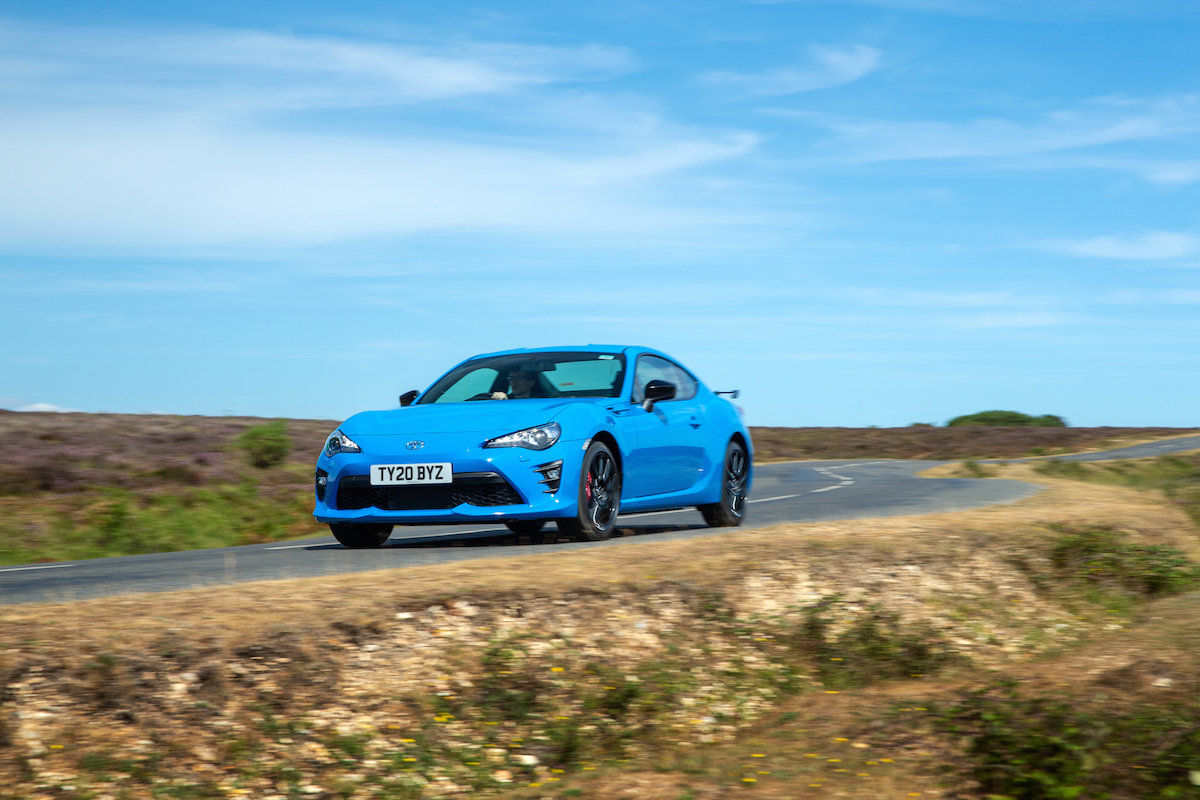
If you’re after a refined, rapid sports car with a tailored interior and refined road manners, then the GT86 isn’t for you. However, if you’re drawn to the more visceral aspects of motoring, and the crunch of the tyres on the tarmac and the mechanical mayhem of a flat-four petrol engine being thrashed are an intrinsic part of the driving buzz you’re seeking, then the GT86 will deliver in spades.
Sure, you will have to put up with an interior as basic as a can of spam, and often it will sound like you’re driving around in an empty can of the stuff, but for some people, that'll only add to the character.
As for performance, you’ll need to push the engine close to detonation to keep pace with your mates’ turbo hatchbacks, but you will enjoy high-jinks engagement at relatively modest speeds. In a world gone crazy with speed and horsepower, there’s undoubtedly something appealing about that.
What is the Toyota GT86?
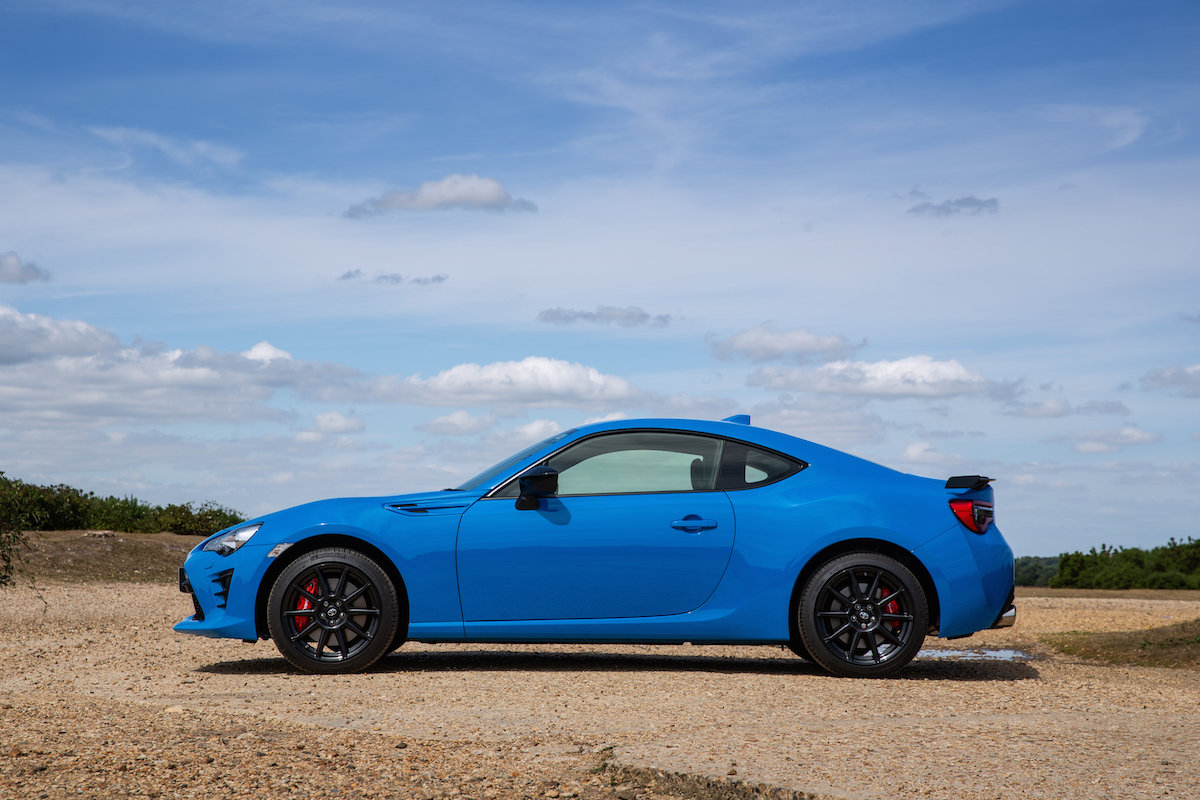
When the Toyota GT86 first burst on to the scene, it was instantly acclaimed by motoring journalists as the car they had been begging Toyota to build for decades. As much as we understand where they were coming from, even the engineers responsible for the GT86 must have thought it was all a bit sugar-coated.
Yes, the GT86 has all the aspects you’d want to see in a sports coupe covered, including a low-slung flat-four engine driving its power via a short-shift six-speed manual gearbox to the rear wheels.
Keeping weight to a bare minimum also sounds like a recipe for thrills on an epic scale, but as it turns out, the results are more leggy than legendary.
How practical is it?
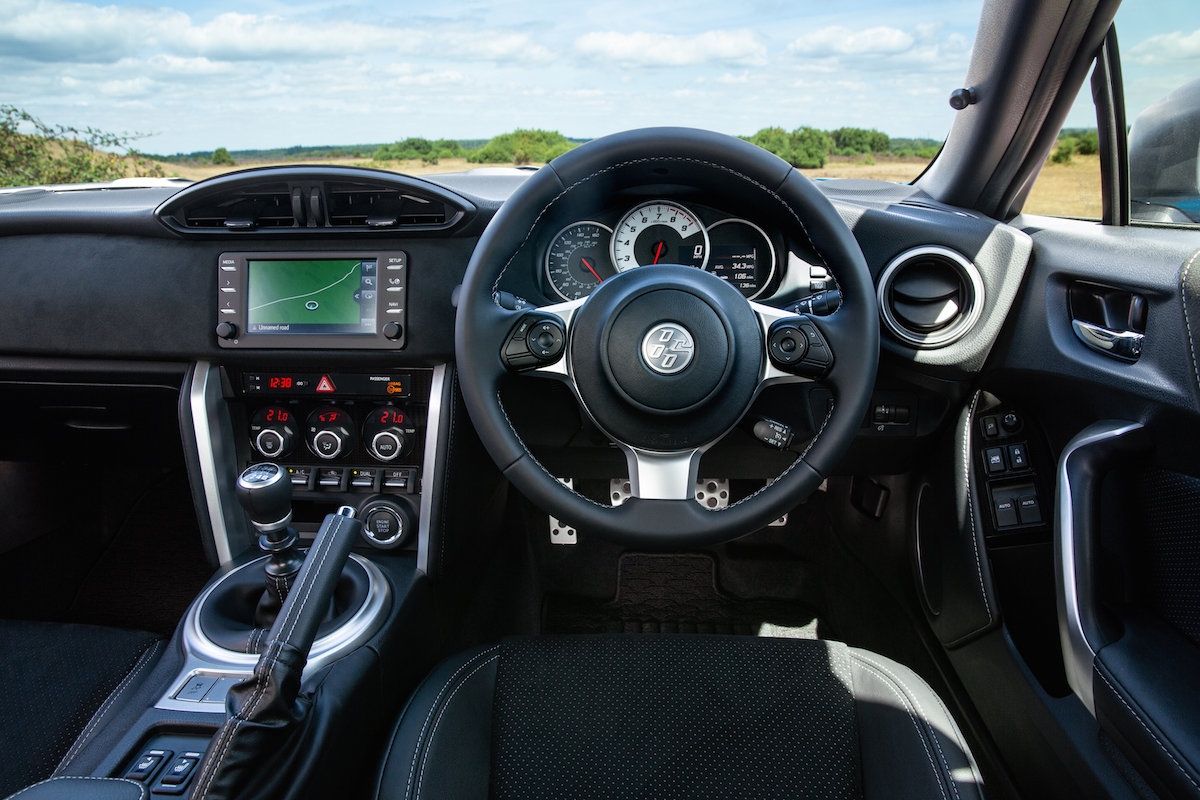
Inside, there are figure-hugging sports seats, a neat leather-covered steering wheel, gear knob and handbrake lever, emboldened by contrasting red stitching, but that’s effectively where the good news ends.
The cabin looks and feels so cheap, it only serves to emphasise the vast gulf between the Toyota and the super-slick Audi TT.
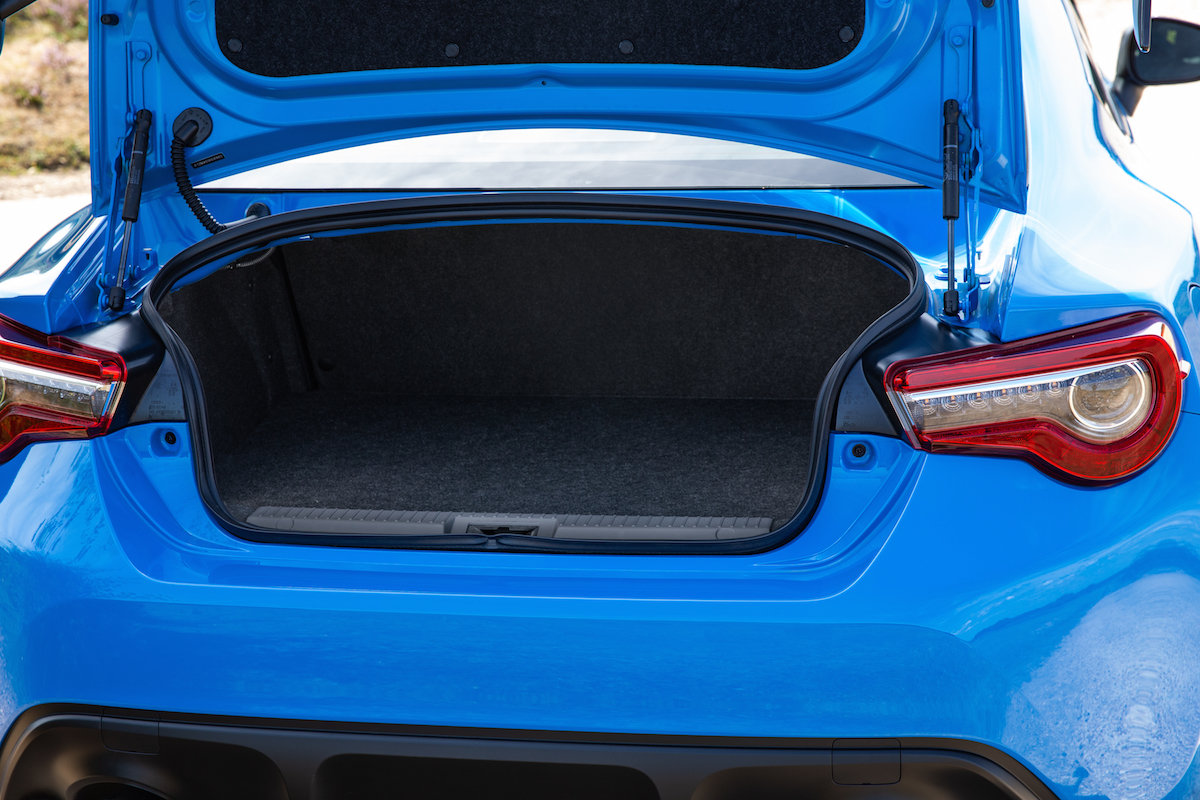
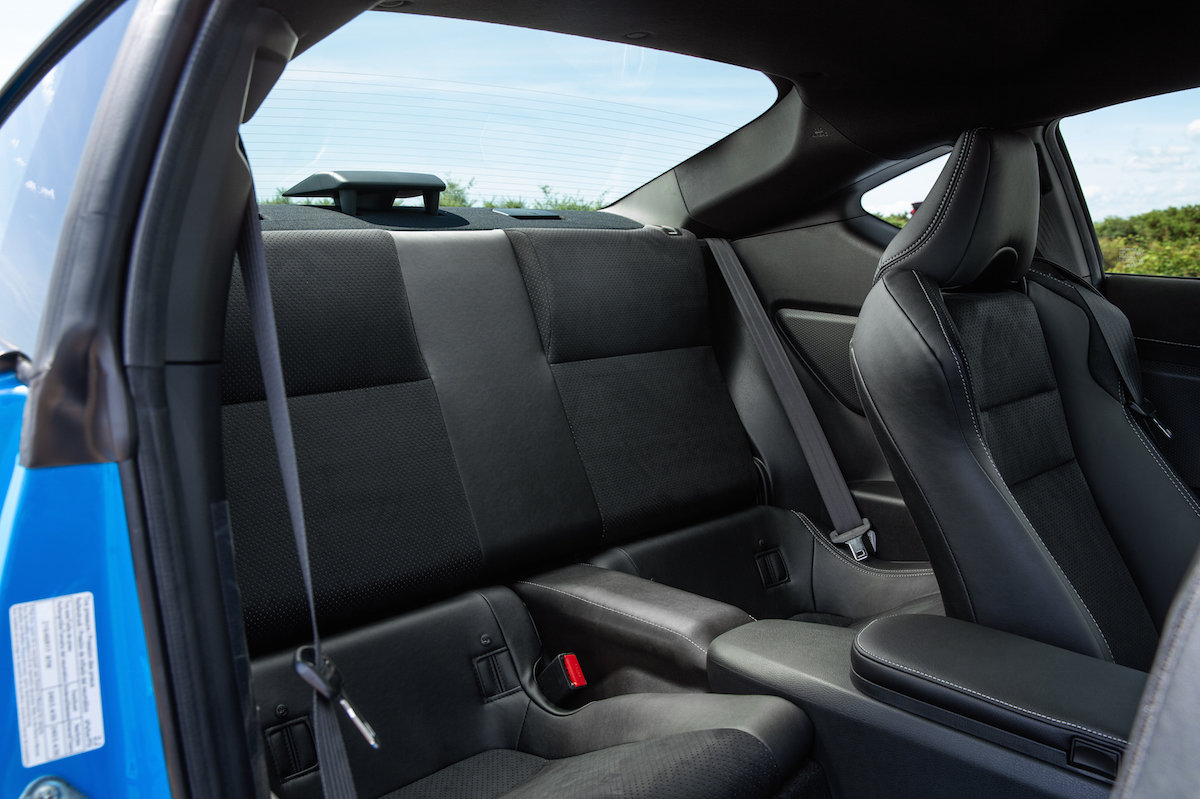
If you’re thinking of buying a GT86 because it’ll give you a bit more practicality than a Mazda MX-5, then you wouldn't be entriely wrong – but it's still not what you'd call roomy. That sloping styling means rear headroom and legroom are incredibly tight, although to be fair, you can always use the rear seats for extra luggage space. At 243 litres, the boot is reasonable for a compact sports car and far bigger than the current MX-5's 130 litres, but it's still not what you'd call cavernous.

What's it like to drive?
The fuel-injected 2.0-litre boxer engine’s 197bhp output may look pretty fresh, but because the engine is not turbocharged, it needs to be thrashed mercilessly to generate its power. Consequently, it's a bit of a slowcoach compared to a similarly priced Audi TT and the majority of the hot hatches of the same era, including crazy cats like the Renault Megane RS and the Vauxhall Astra VXR.
Granted, if you turn the stability control to Sport, you can star in your own personal remake of Tokyo Drift, peering out the side window at every roundabout, but this is more to do with the skinny low-rolling-resistance tyres Toyota pinched from the Prius, rather than any unbridled, rip-snorting power output.
Supporting its ‘all our yesterdays’ performance, the engine also sounds like it has come from a bygone era. In eccentric flat-four fashion, it fires into life with a pronounced bark, rocking on its mountings like a clown on a playground swing, before settling into an uneasy burble.
Things don’t get much better once you pick up the revs, either. With no turbocharger to gee things along, the rev needle hones in on the red zone via several throat-clearing pauses along the way and creates so much vibration in doing so, the gear stick blurs and buzzes like a breakfast blender. This vibration and thrashy mechanical racket aren’t the only interlopers. Once speeds rise above 50mph, wind- and tyre noise join the party in shouty unison, along with chunks of road gravel pinging against the flimsy-steeled wheel arches.
Of course, many will consider these flaws all part of the 86’s nostalgic charm, and if analogue involvement over mechanical integrity and cabin sophistication is your bag, then few - if any - sports coupes provide a more authentic, warts-and-all experience.
Technology, equipment & infotainment
At the bottom end of the scale sits the standard GT86, which gives you 17-inch alloy wheels, air-conditioning, cruise control, central locking, electric mirror adjustment, Toyota’s touchscreen satnav infotainment system and keyless entry.
This is followed by GT86 Pro, giving you leather and Alcantara, heated seats, LED headlights and a rear spoiler. On top of this, there are several special editions, such as Gallio, TRD, Blanco Edition, Blue Edition and Orange Editions.
As the names suggest, the latter trio recognisable by their body colour, and although the specification remains basically the same, stylistic upgrade includes a bespoke alloy wheel design and added aero courtesy of black rear spoiler.
A few cars were also specified with the Performance Pack, featuring Sachs performance dampers and Brembo brakes.
Toyota GT86 running costs
As we mentioned, the GT86’s pricing strategy when new was a bit optimistic to say the least, making used examples seem like proper bargains. Extremely tidy low-mileage cars can be had for around £15K, some £10K less than they were when new. What’s more, depending on exactly when the car was registered, it may well come with the last knockings of Toyota’s excellent five-year warranty included. Regardless of the warranty, at this sort of money, the car should present and perform as new.
In terms of fuel economy, the flat-four engine donated by Subaru (Toyota has more than a passing interest in Subaru), complete with cylinder heads ported and polished by either Toyota or Yamaha, depending on who you believe, should be capable of returning mid-thirties mpg, according to official figures. According to those who have spent any length of time with a GT86, though, the reality is quite different. Basically, if you want to extract any sort of meaningful performance from the engine, you’ll spend much of your time dancing around the red line and quite a lot of your downtime with a fuel hose in hand, as consumption drops into the low- to mid-twenties.
At least servicing should be pretty reasonable, even at a Toyota main dealer, and there are also fixed price deals on offer, both for intermediate and full services. At today’s prices, you should reckon on £180 for an intermediate service and £300 for the full monty. After the initial 5,000-mile service, the next pit stop comes at 15,000 miles, and subsequently every 15,000 thereafter.
As there is only one engine to consider, insurance groupings for the GT86 fall into just two groups, 34 for the manual and 35 for the automatic version.

Toyota GT86 reliability
The thing about cars like the GT86 is that they are sold in relatively low numbers and they are far from fleet favourites, so they don’t tend to crop up in reliability surveys.
Despite being a bit of a hybrid product, owing more to Subaru for its mechanical componentry than Toyota, the GT86 came with the same excellent five-year, 100,000-mile new car warranty as every other Toyota. What’s more, as a brand, Toyota’s record is second to none, as year-in-year-out, it tops every reliability survey going.
Given the GT86’ s reputation for tail-happy antics, you should definitely check the rear alloys and rear quarters for any sign of incident damage. Also, check under the carpet in the boot for any accident damage repairs. What's more, it is probably best policy to walk away from any cars adorned with Nurburgring bumper stickers.
Also, check the mileage of the car marries with what is in the service book and inspect the wear on the seat bolsters and steering wheel. Saggy seats and shiny steering wheels are telltale signs of disguised mileages. The materials used in the cabin may look and feel pretty uninspiring, but they are as tough as old boots so they wear the miles surprisingly well.
Additionally, check for smoke from the exhaust pipes - some early cars were known to have suffered from headgasket failure - but don’t necessarily be put off by rattles or a coarse engine note, as they do this even when they are new. In general, Toyota forums are full of praise for the GT86 with just a few complaints regarding short battery life and expensive spark plug changes, which are required at 60,000 miles Apparently, the engine’s flat-four configuration makes this quite a tricky - and as a result, quite expensive - job to carry out.
- The GT86 ended production in late 2020 and probably fell well short of the sales number Toyota had hoped for but it was up against it from the get-go, due to the strength of the Yen. Built in Japan, on the same production line as the near-identical Subaru BRZ, the 86 arrived in the UK with an artificially inflated price tag, placing it smack bang in the sights of the far more sophisticated Audi TT. Just looking at the cabin quality should have been enough to confirm to anyone and everyone that the GT86 was more a Mazda MX-5 than a cost rival for the TT.
- Of course, the market will always determine true values, and as a used buy, tidy cars with relatively modest mileages can now be had for under £10K.
- Other than a subtle facelift in 2017, which included a redesigned front bumper and the addition of Alcantara trim to the doors and dash, along with audio control switches to the steering wheel, there’s not an awful lot differentiating the various incarnations.
- If you’re buying on a budget: You can find early, high-mileage cars for as little as £8K and there’s no reason why these motors shouldn’t prove to be solid buys. Don’t be put off by the mileage, or the fact the engine is made by Subaru rather than Toyota, but we would recommend you find a car that has been regularly serviced by a Toyota dealer. If this is the case, then there’s no reason why it shouldn’t have loads of life left in it. Equally, there’s no reason to avoid the base model as the higher specification cars brings very little additional equipment to the party.
- If you want the rarest special edition: The GT86 TRD is a very limited edition - only 250 cars were made - and although its upgrades are mainly cosmetic, you do get a louder, big-bore exhaust, larger 18-inch alloys and extended body sills and bumpers. The interior also features full leather diamond-stitched front seats.
- If you can’t be doing with chopping and changing: A small number of models were sold with an automatic gearbox, but part of the joy of owning a GT86 is revving it for all its worth and spanking it through the sweet, short-shifting manual gearbox. The auto' does come with steering wheel-mounted paddles, and it blips the throttle on downshifts, but the engine’s lack of low-end torque, means the additional drain of the auto' 'box is readily felt, so both the performance feel and fun factor are dialled down a notch.
- Alternatively, you could go totally off-piste and seek out a Subaru BRZ. Although the badges are different, the two cars are all but identical mechanically. That said, the Subaru doesn’t benefit from the same extensive dealership network or get the same five-year, 100,000-mile warranty as the GT86. Instead, the BRZ came with three-year, 60,000-mile cover when new.

