Toyota Yaris Review (2011-2020)
Pros and cons
What we like
Super-low running costs
Tremendous reliability record
Good safety equipment on later examples
What to consider
Poor infotainment systems
Dull in a variety of areas
High prices compared with rivals
The CarGurus verdict
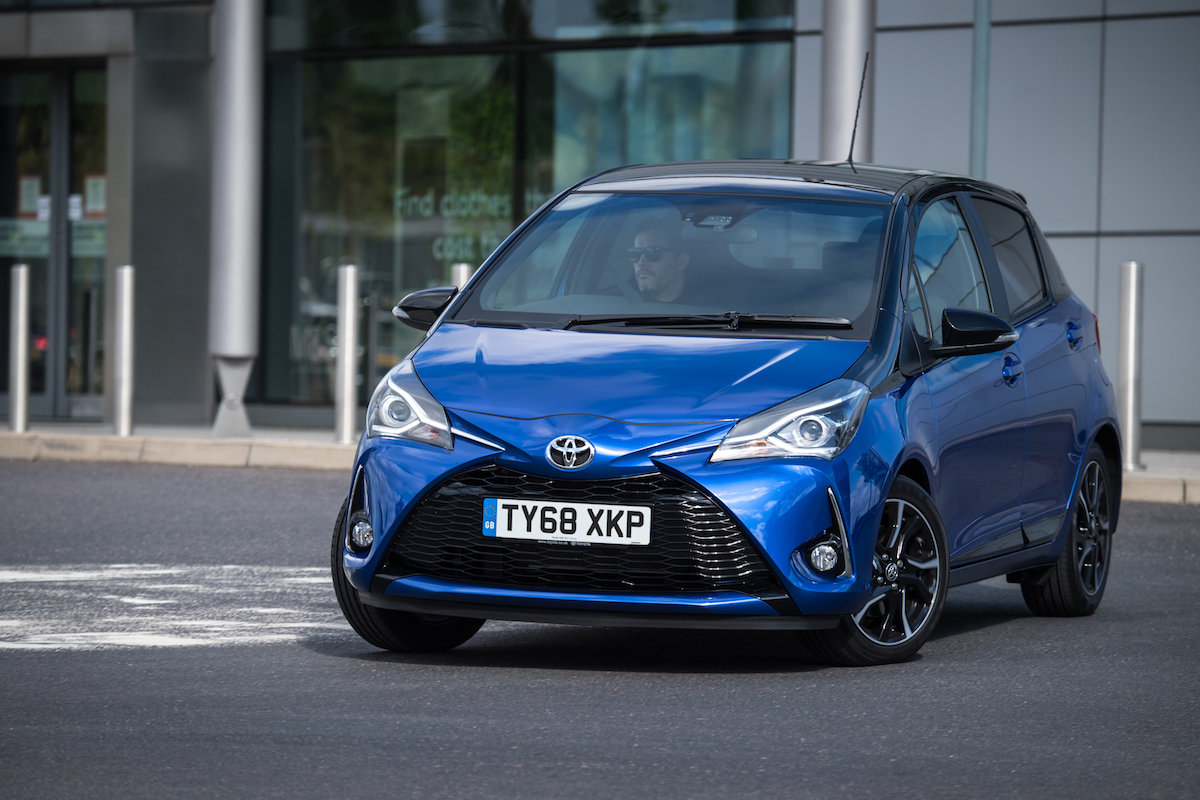
The Toyota Yaris is practical, reliable and about as cheap to run as any car can be. So it’s not surprising that it’s a popular choice, though we’d point you towards the Renault Clio or Ford Fiesta if you want something that’s a bit more fun and a bit cheaper to buy. You could also consider an Audi A1 or Mini hatch if you want something classier and cooler, or the Honda Jazz if you want something that’s similarly reliable and efficient, yet even roomier. That’s the problem with the Toyota Yaris, really; it’s very good at the basics, but struggles to offer a single area where it excels over others. Even the hybrid isn’t as economical as you might hope, although low CO2 emissions made it a popular company car choice. Since it launched, several better rival hybrid models have been launched.
For all that, we would say that the Toyota Yaris produced between 2017 and 2020 makes an absolutely brilliant car for learners and first time drivers, thanks to its standard advanced driver aids and rock-bottom insurance costs, as well as the option of three-door or five-door bodies, and manual or automatic gearboxes. It even looks smart, especially in the brighter colours on offer.
out of 5 expert review
What is the Toyota Yaris?
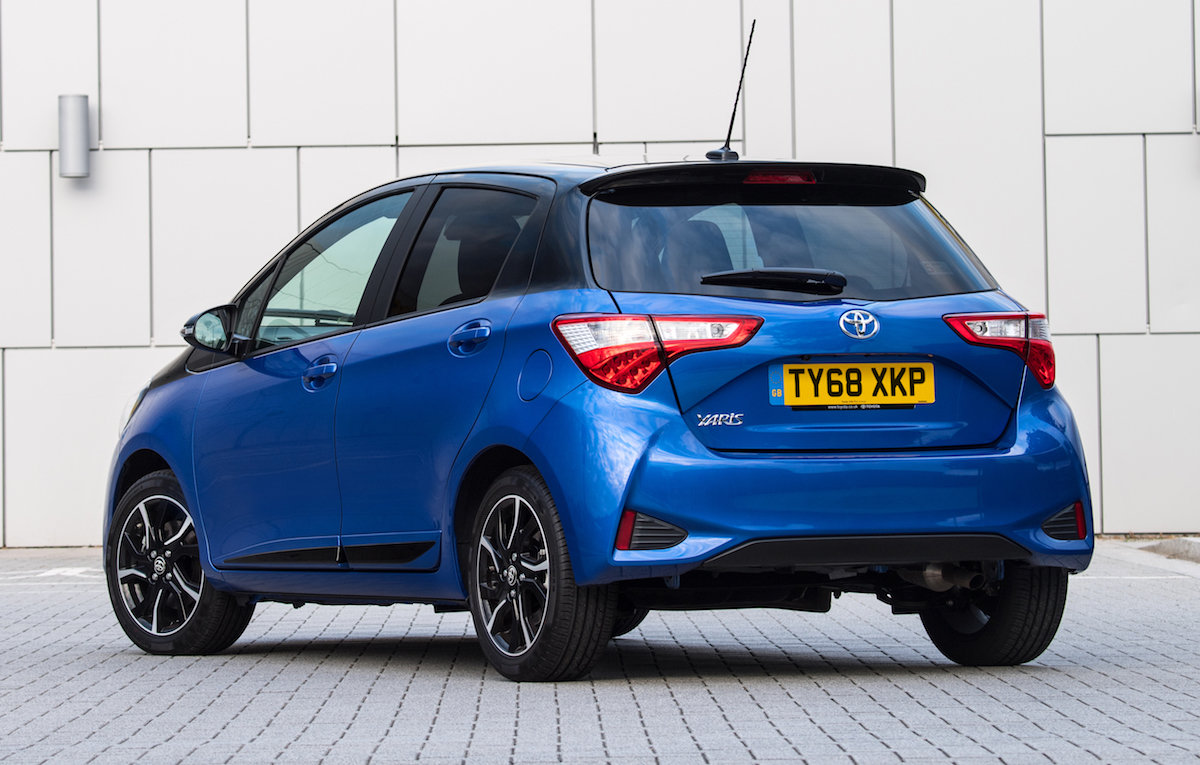
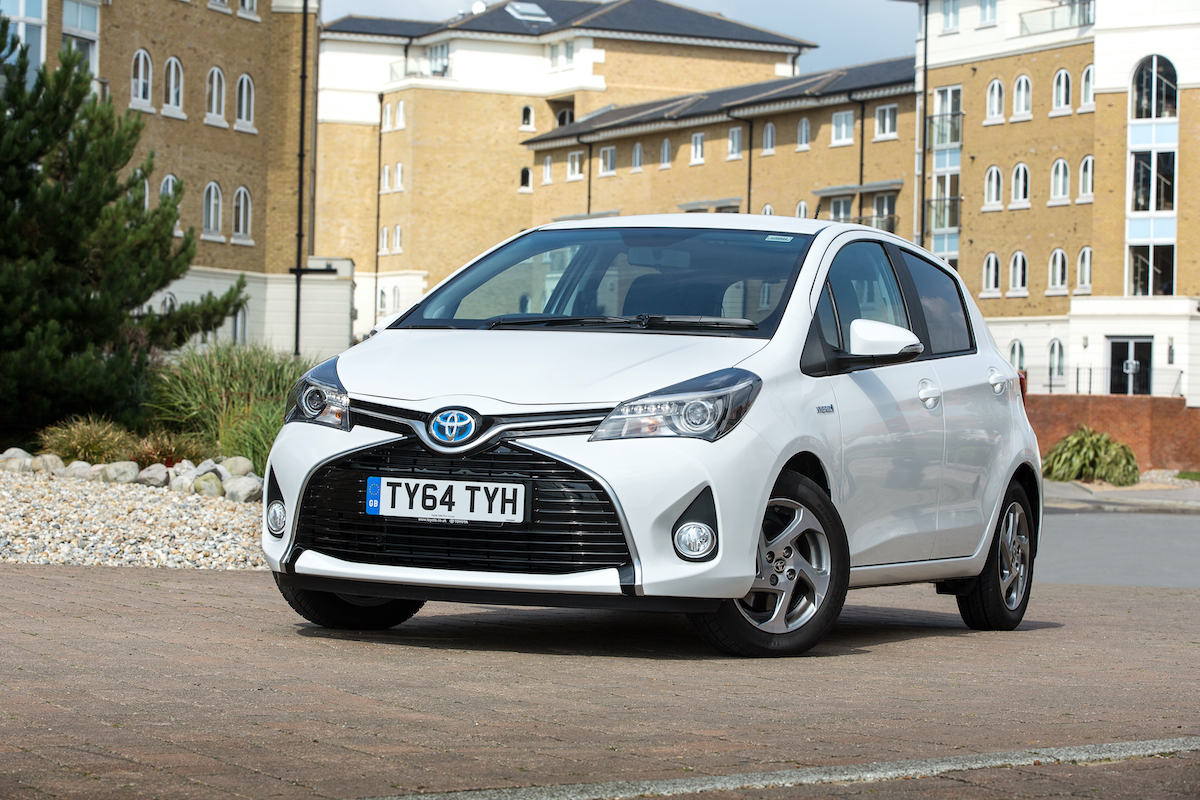
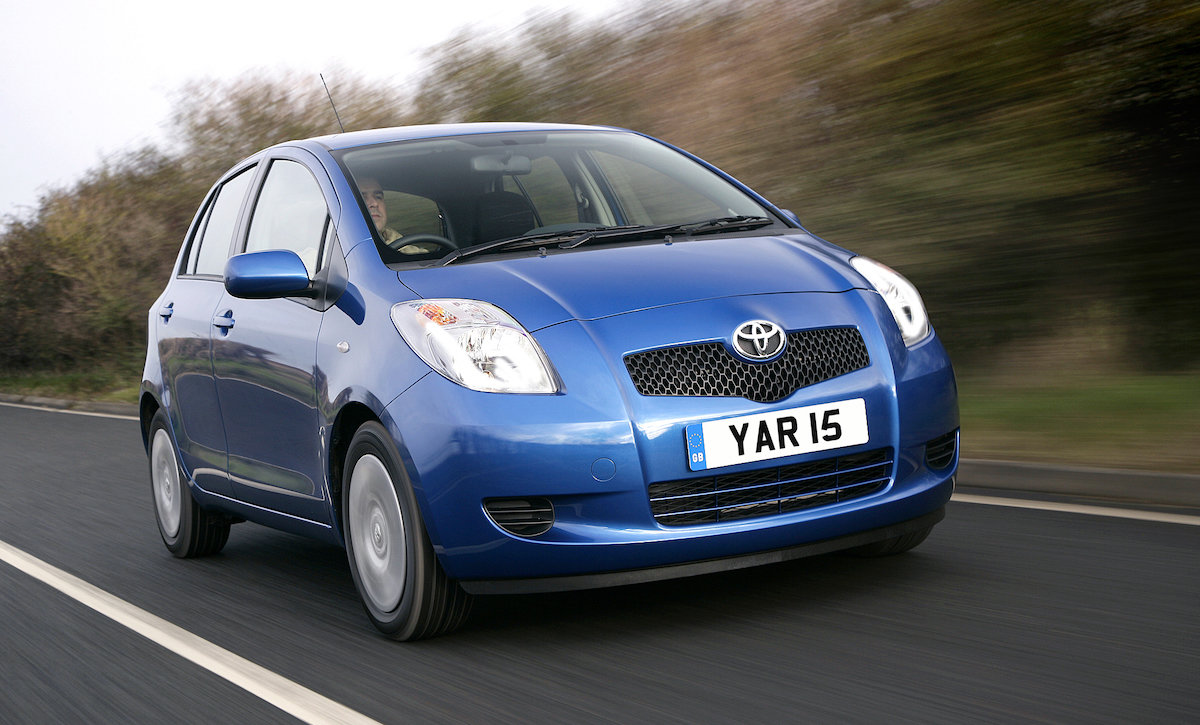
Introduced in 2011, the Yaris supermini has gone through a number of facelifts and revisions over its nine-year run, but it’s most well known for offering a hybrid powertrain in the supermini class, unlike any rival from the era other than the Honda Jazz.
Beyond the hybrid powertrain, it's known for being a sturdy and dependable small car, if not the most exciting supermini to drive (look to rivals such as Ford Fiesta and the Renault Clio for a laugh behind the wheel). Toyota's excellent reputation for reliability and customer service go a long way, too.
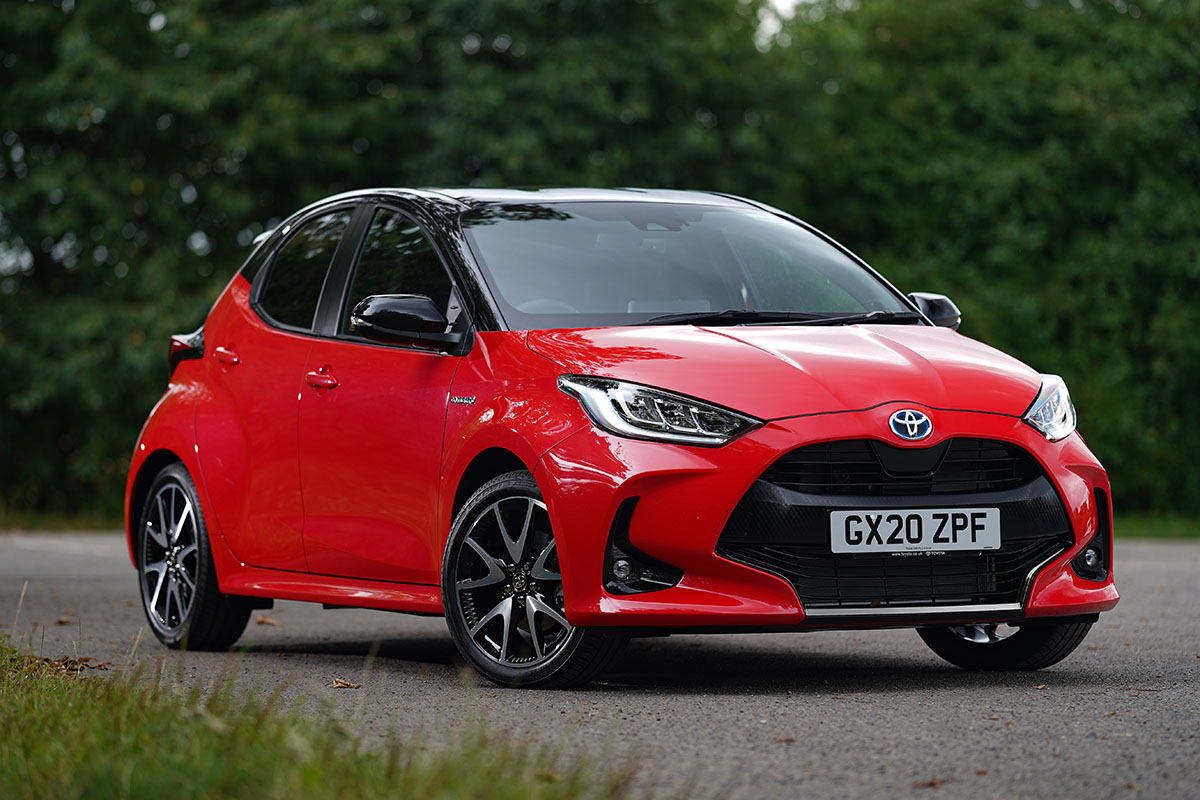
The third-generation Yaris reviewed here was produced between 2011 and 2020 and replaced by the fourth generation in 2021.

Practicality
How practical is it?
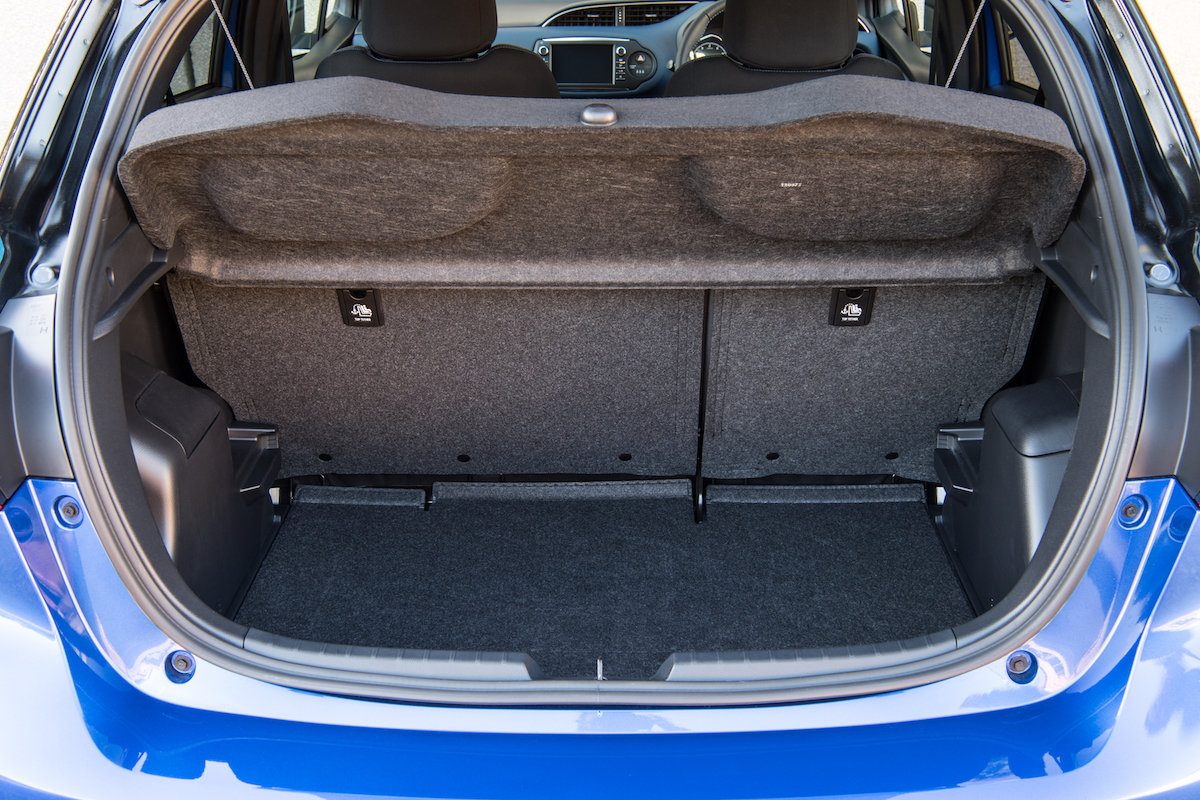
The mk3 Yaris was one of the best small cars of its day in terms of interior practicality, with a 286-litre boot that extends to 768 with the rear seats folded flat, so it will serve you well if you want a compact car that can still do an occasional tip run.
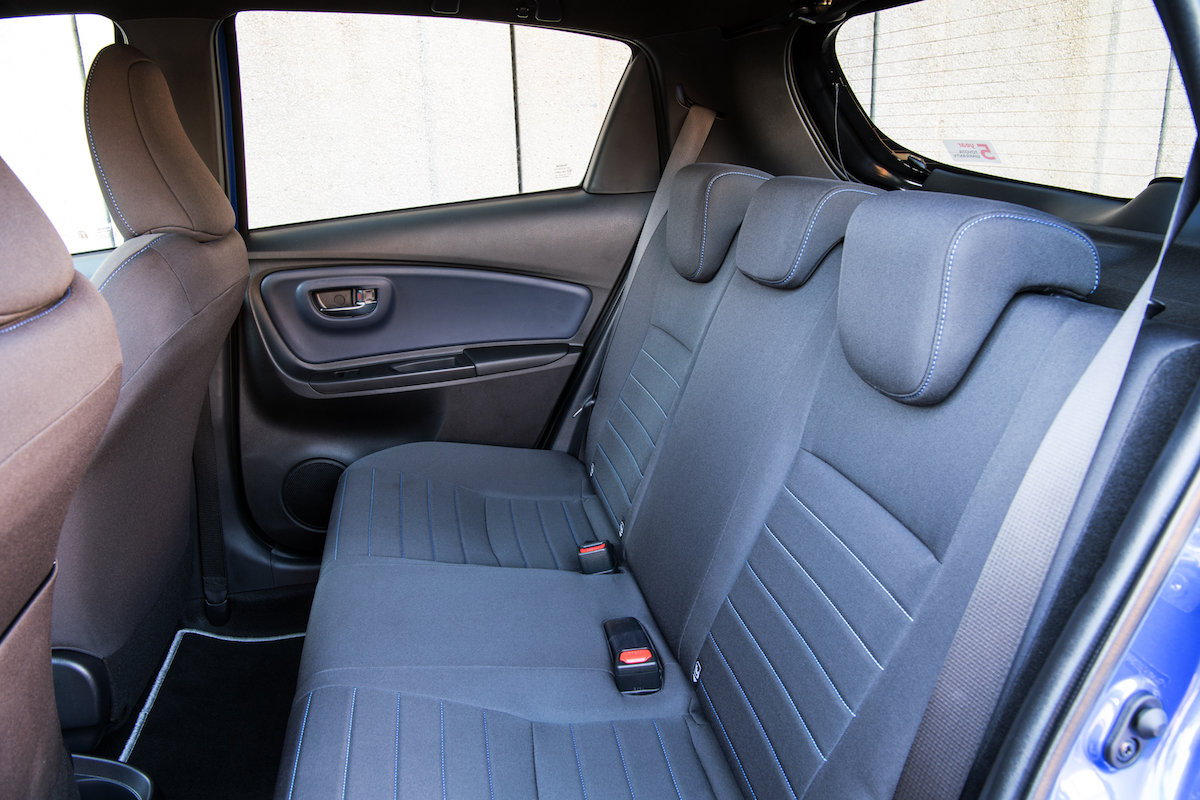
Granted, the Honda Jazz is roomier still, and the latest generations of the Seat Ibiza and VW Polo also have bigger boots. However, interior space and usability in the Yaris isn’t likely to be an issue for anyone after a compact used car at this sort of money.
Driving
What's it like to drive?
At launch the Yaris was offered with 68bhp 1.0-litre and 99bhp 1.3-litre petrol engines, or a 90bhp 1.4-litre diesel, while the 1.5-litre hybrid arrived in 2012 with 98bhp. The 1.3-litre petrol with the five-speed manual makes the best choice if you’re not fussed about the additional efficiency of the hybrid; it’s a sweet-revving engine that’s economical enough to see you well beyond 40mpg on a routine basis. A 1.5-litre petrol joined the range in 2017 and brought more power, but still doesn’t feel fast.
The Toyota Yaris Hybrid gets a 1.5-litre petrol engine and a small battery that allows pure-electric running when there’s very low or no load on the throttle: basically, when you’re manoeuvring, crawling through traffic or coasting. You won’t get more than a minute or so of electric propulsion at any one time, since the Yaris’ battery is small and the system is there to relieve or boost the petrol engine whenever possible, rather than to deliver significant pure-electric mileage.
Most will consider the Toyota Yaris – hybrid version or not – alongside conventional rivals like Volkswagen Polo and Ford Fiesta, both of which are more fun and have a broader range of engines to choose from whether you’re buying new or used.
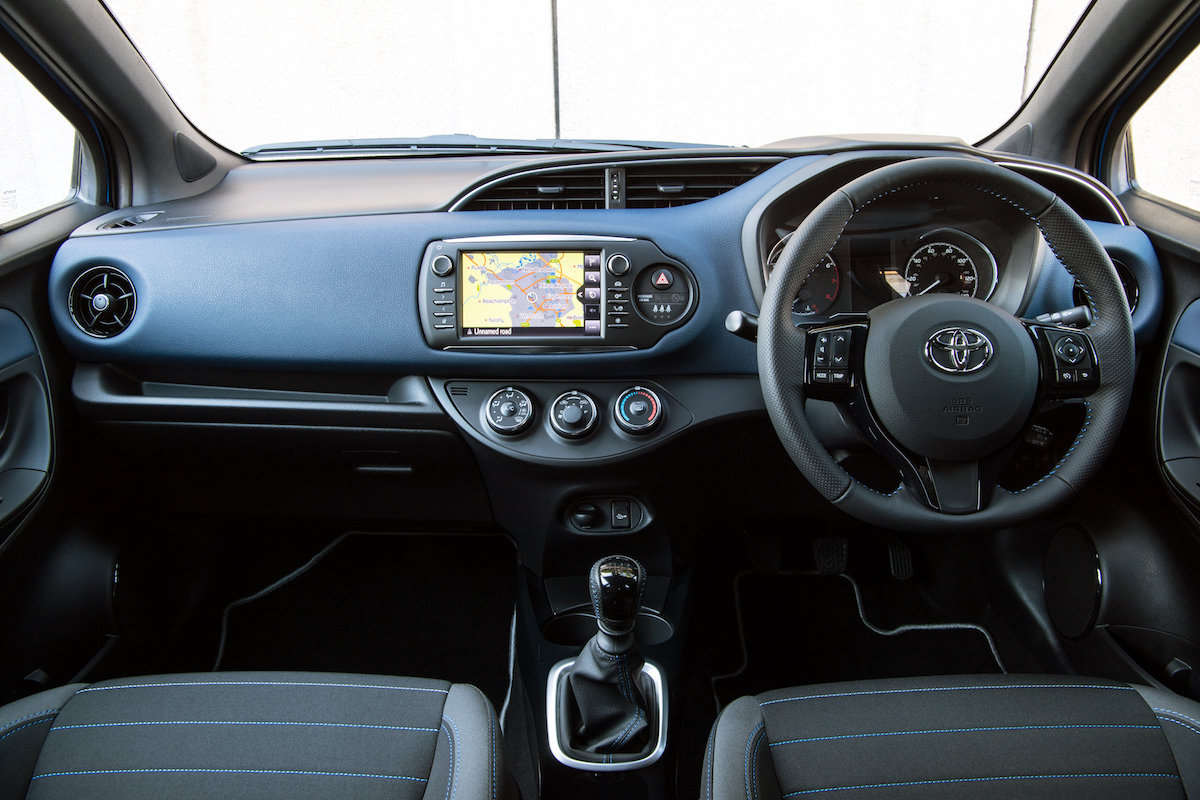
Herein lies the problem with the Yaris; it’s roomy enough to sit four adults in moderate comfort, promises decent economy and low running costs, but it is mostly a joyless experience to drive. The CVT automatic gearbox in the hybrid allows the engine to rev noisily, the interior feels cheap next to many alternatives, and it is just a rather dull car to drive, to sit in and to own.
Tech and equipment
Technology, equipment & infotainment
The infotainment system in the Yaris doesn’t help the car’s appeal, either. You have to go for a top-spec model (trim lineups changed in 2014 and again in 2017, but the colour touchscreen was only ever standard on more expensive trims) to get a touchscreen system, but it was dated and fairly clunky to use when new, so it’ll feel really old fashioned in no time at all, especially as there’s no Apple CarPlay or Android Auto on any model. You’re better off settling for a cheaper, lower-spec car with a more basic system.
On that note, initial trim levels included T2, TR, SR and T Spirit. The entry-level T2 didn’t even get air-conditioning, so it’s worth avoiding. The TR was a good bet as it added electrically controlled door mirrors and a reversing camera. An update in 2014 changed the trims to Active, Icon and the short-lived Icon Plus and Trend models, which then became Sport and Excel trims a few months later. A more affordable Active version of the hybrid was introduced in 2015 and isn’t a bad choice as it included some of the comforts you’d expect, including climate control. Further changes to the Yaris range came in 2017, including the option of Bi-Tone models, which feature contrast roof colours.
Running costs
Toyota Yaris running costs
It’s no exaggeration to say that the Toyota Yaris is one of the cheapest cars you can run. It’s very affordable to insure, with even the 1.3 and 1.5 petrol sitting in low insurance groups, and no Yaris is likely to wear through tyres or brakes very quickly so basic maintenance will be very cheap.
Servicing is also affordable; you’ll need to get the car serviced once a year or every 12,000 miles but it costs from as little as £165 to do that at a main Toyota dealer.
Fuel economy is very respectable across the board, although the hybrid likely won’t get quite as good an mpg figure as you might hope. It’ll still do around 45mpg quite easily, but you have to drive it very carefully to get better economy than that. The 1.0-litre and 1.3-litre petrols won’t be far off that same economy, while the 1.5-litre petrol will do more like 35-40mpg in real-world driving. The diesel will do well over 50mpg, so is the best bet for high mileage drivers that spend a lot of time on the motorway.
The Yaris also holds on to its value well, but the flipside of that is inevitably that there are other excellent small cars that cost less as a used buy: do check out the comprehensively excellent Seat Ibiza for a great, modern and well-equipped small car that doesn’t cost much to buy.
Toyota Yaris reliability
The Toyota Yaris has an excellent reputation for reliability, as does the brand as a whole. Toyota and Lexus routinely top reliability surveys for new and used cars, and have done so for decades now. It’s not a hollow rumour; they really are up there as the most reliable brands you can buy.
However, there have been a number of recalls on the Toyota Yaris, including for a possible loose wheel hub on cars manufactured between September 2014 and January 2015, as well as for potential leaking brake fluid on cars manufactured in April and May 2013, or April 2014. If you’re worried about whether a car you’re looking at has had the relevant recall work done, just take the car’s details to your local Toyota service garage and ask them to check, or it's very easy to do an online search.
All Yaris models came with a five-year, 100,000-mile warranty, which is much better than the warranties offered on most rivals; typically three years and 60,000 miles. However, the Kia Rio with its seven-year, 100,000-mile warranty, or the Hyundai i20 with its five-year unlimited mileage warranty both better the Yaris and are also usefully cheaper to buy (regardless of whether you’re looking at new, nearly-new or used).

What owners say
"The Toyota Yaris consistently stands out for its excellent fuel economy, reliability, and overall driving comfort. Owners appreciate its roomy interior and quality features, although some have noted issues with steering responsiveness and storage options in certain models. Across all years, the Yaris is favored for its value and efficient performance, making it a solid choice for budget-conscious drivers who don’t want to compromise on safety or enjoyment."
Great value. Quite modern features for its age and very economical
16 June 2026Compact outside but remarkably spacious inside. I am 6 6 and can drive it comfortably. Reasonably well equipped and drives very nicely.
11 December 2024Good value for money. Reliable Toyota at a low price due to its older model status.
9 February 2026What owners say
Great value. Quite modern features for its age and very economical
16 June 2026Compact outside but remarkably spacious inside. I am 6 6 and can drive it comfortably. Reasonably well equipped and drives very nicely.
11 December 2024Good value for money. Reliable Toyota at a low price due to its older model status.
9 February 2026If you are budget conscious but still want a reliable car, this would be an ideal car for you. It is good for new drivers to practice on older cars like this to save on insurance as well as maintenance costs.
3 August 2025Nice little car, with good engine, nice steering, very smooth on the road. Toyota is Toyota. The minute I got in, I was comfortable.
14 July 2025The car is good for daily commuting and economical to manage. It will be better if the car can have Air Conditioning. It is best of it kind.
8 October 2025Bodywork in good nick, reasonable mileage for its age. My last Yaris (Spirit) got nicked and I think this will be a good replacement. Can't wait to pick it up.
14 September 2025I wouldn't recommend 1.3 manual Yaris. Slow acceleration despite 1..3. 1.5 hybrid is the variant to go for.
11 February 2026This model benefits from a larger interior boot and rear passenger room space then the newer models, whilst getting the benefits of Toyotas hybrid system.
24 November 2024This car is in very good condition and I think it is priced well. The coulour was wrong for me
16 June 2025Three things to know
- Another part of that update in 2017 was the introduction of a suite of safety aids – called Toyota Safety Sense – as standard across the whole Yaris range. This includes lane-keep assist, autonomous braking if a collision is sensed at low town speeds, and automatic high-beam function for the headlights.
- The exception to rule that Yarises are boring to drive is the Toyota Yaris GRMN hot hatch, which got a high-revving supercharged engine and bombastic, junior rally car handling. It was a fantastically exciting oddity, like finding out that your tedious great aunt once had a night out with Lady Gaga before going back to collecting teapots and cats. But while hilariously brilliant, the Yaris GRMN was also hilariously expensive and only a handful made it to the UK, so don’t expect to find many on the used market.
- If you’re considering a Yaris Hybrid for the purposes of saving fuel, do consider diesel alternatives too: often, they’re just as fuel efficient as the Yaris. You could even look at pure electric small cars like the excellent Skoda Citigo-e iV, which is a similar price to the Yaris Hybrid. Mind you, the bigger (and much more expensive) Peugeot e-208 and Renault ZOE are closer in size to the Toyota Yaris Hybrid.
Which one to buy
- If you’re not fussed about the hybrid: The 1.3-litre petrol is the one to go for. In fact, we’d recommend it over the hybrid since used examples of the Yaris 1.3 are much cheaper to buy and the economy gains in the hybrid aren’t as great as you might imagine.
- If you do high mileage: Those looking for a small car offering decent economy on the motorway should plump for the 1.4 diesel Yaris. Don’t expect to get anywhere near the 70mpg-plus that official figures peg it at, but it will do well over 50mpg, or even close to 60mpg in moderate use. It’s also much cheaper to buy than the hybrid, so offers a low purchase price as well as bargain running costs. However, be aware that only the later 2016 and 2017 diesel Yaris models were exempt from London’s Ultra Low Emission Zone charge, and there aren’t many around since the diesel was dropped altogether with the big 2017 facelift. Honestly, the diesel Yaris is really only recommendable for those who do a lot of mileage outside the city yet want a small, cheap and economical car.
- If you do a lot of urban driving: Look to the hybrid as it offers clean tailpipe emissions and an automatic gearbox that makes life easy in constant traffic. However, don’t discount the 1.3 and even the 1.0-litre petrol; the latter is slow, but both have a light gearshift and clutch mated to quiet engines that help to take the stress out of muddling through the city. Just be aware that no Toyota Yaris is exempt from the London Congestion Charge, even the hybrid. However, all Yaris models except the pre-2016 diesels are exempt from the ULEZ charge.
- If sporty looks are a priority: The Bi-Tone cars offered from 2017 onwards look really good, and you can get them with a nicely-proportioned three-door body as well to complete the kerbside appeal. Inevitably, the three-door model made accessing the rear seats much trickier, so they’re not as common as the five-door. The hybrid powertrain was only ever offered in the five-door body.
- If you're a new driver: The Toyota Yaris makes a fantastic car for a learner and first-time driver. If you can stretch to it, go for a 2017 or later car, since they got additional driver aids including lane-keep assist and autonomous emergency city braking. You also get a reversing camera on all but base Active trim, so it’s easy to find a used Yaris with all the advanced safety and driver aids that make you feel better about sending your teenager out onto the roads. Not only that, but the 2017 Toyota Yaris 1.0-litre petrol model ranks in insurance groups 2 or 3, and it doesn’t get much cheaper to insure than that.


More on the Toyota Yaris (2011 - 2020)




Compare 2020 Toyota Yaris Trims
The 2020 Toyota Yaris offers a range of trims from budget-friendly options to well-equipped hybrids, catering to various shopper needs.
- Starting at £8,845
- Most Popular: 1.5 Hybrid Design 5dr Cvt
Trim Overview
Prices updated weekly from CarGurus listings.
| 1.5 Vvt-i Icon 5dr | 1.5 Hybrid Y20 5dr Cvt [bi-tone] | 1.5 Hybrid Icon 5dr Cvt | 1.5 Hybrid Design 5dr Cvt (Most Popular) | 1.5 Hybrid Excel 5dr Cvt | |
|---|---|---|---|---|---|
| Starting MSRP | £15,589 | £19,614 | £22,749 | £23,664 | £26,264 |
| Avg. Market Price | £8,845 | £13,057 | £12,218 | £12,723 | £13,655 |
| Positioning | Best value | Standard | Standard | Standard | Fully loaded |
| Standout Features | Bluetooth, Backup Camera | Keyless Entry, Climate Control | Apple CarPlay, Adaptive Cruise Control | Privacy Glass, Android Auto | Keyless Entry, Apple CarPlay |
| Drivetrain | FWD | FWD | FWD | FWD | FWD |
| Listings Available | 25 | 12 | 240 | 256 | 123 |
Quick Compare Table
Listing prices sourced from CarGurus — updated weekly. OEM specs from manufacturer data.
| 1.5 Vvt-i Icon 5dr | 1.5 Hybrid Y20 5dr Cvt [bi-tone] | 1.5 Hybrid Icon 5dr Cvt | 1.5 Hybrid Design 5dr Cvt | 1.5 Hybrid Excel 5dr Cvt | |
|---|---|---|---|---|---|
| AI Summary | Best value for budget-conscious shoppers | Stylish hybrid with bi-tone options | Efficient hybrid with great features | Most popular choice with solid features | Fully loaded with premium options |
| Avg. Market Price | £8,845 | £13,057 | £12,218 | £12,723 | £13,655 |
| MSRP | £15,589 | £19,614 | £22,749 | £23,664 | £26,264 |
| Engine | 1496.0cc 111.0 hp I4 | 1497.0cc 100.0 hp I4 | 1497.0cc 100.0 hp I4 | 1.5l I3 Petrol/electric Hybrid | 1497.0cc 100.0 hp I4 |
| Drivetrain | FWD | FWD | FWD | FWD | FWD |
| MPG/MPGe (City/Hwy) | 43.5/65.7 | — | 80.6/78.5 | — | 76.3/65.7 |
| Bluetooth | ✓ | ✓ | ✓ | ✓ | ✓ |
| Backup Camera | ✓ | ✓ | ✓ | ✓ | ✓ |
| Cruise Control | ✓ | ✓ | ✓ | ✓ | ✓ |
| DAB Radio | ✓ | ✓ | ✓ | ✓ | ✓ |
| isofix | ✓ | ✓ | ✓ | ✓ | ✓ |
| Alarm/Immobiliser | ✓ | ✓ | ✓ | ✓ | ✓ |
| AUX/USB connectivity | ✓ | — | ✓ | ✓ | ✓ |
| Air Conditioning | ✓ | ✓ | ✓ | ✓ | ✓ |
| Parking Assist | ✓ | — | — | — | — |
| Navigation System | ✓ | ✓ | — | — | — |
| Privacy glass/Tinted windows | ✓ | ✓ | — | ✓ | ✓ |
| Keyless Entry/Start system | — | ✓ | — | — | ✓ |
| Climate control | — | ✓ | — | — | — |
| Apple CarPlay | — | — | ✓ | ✓ | ✓ |
| Adaptive Cruise Control | — | — | ✓ | — | — |
| Android Auto | — | — | ✓ | ✓ | — |
| Active Listings | 25 | 12 | 240 | 256 | 123 |
Missing data displayed as "—".
Trim Deep Dives
1.5 Vvt-i Icon 5dr — "Who It's For"
The 1.5 Vvt-i Icon is the pick for shoppers who want essential features at an accessible price without paying for hybrid technology.
- Avg. market price: £8,845 (updated weekly)
- MPG/MPGe: 43.5 city / 65.7 hwy
- Inventory: 25 listings — lower availability; may limit negotiating room
- View 1.5 Vvt-i Icon listings
1.5 Hybrid Y20 5dr Cvt [bi-tone] — "Who It's For"
The 1.5 Hybrid Y20 is the pick for shoppers who want a stylish hybrid with unique bi-tone options without stepping up to pricier trims.
- Avg. market price: £13,057 (updated weekly)
- Inventory: 12 listings — lower availability; may limit negotiating room
- View 1.5 Hybrid Y20 listings
1.5 Hybrid Icon 5dr Cvt — "Who It's For"
The 1.5 Hybrid Icon is the pick for shoppers who want a well-rounded hybrid with advanced tech features without going fully loaded.
- Avg. market price: £12,218 (updated weekly)
- MPG/MPGe: 80.6 city / 78.5 hwy
- Inventory: 240 listings
- View 1.5 Hybrid Icon listings
1.5 Hybrid Design 5dr Cvt — "Who It's For"
The 1.5 Hybrid Design is the pick for shoppers who want a popular hybrid with a balance of features and efficiency without the highest price tag.
- Avg. market price: £12,723 (updated weekly)
- Inventory: 256 listings
- View 1.5 Hybrid Design listings
1.5 Hybrid Excel 5dr Cvt — "Who It's For"
The 1.5 Hybrid Excel is the pick for shoppers who want a fully loaded hybrid experience without compromising on comfort and tech.
- Avg. market price: £13,655 (updated weekly)
- MPG/MPGe: 76.3 city / 65.7 hwy
- Inventory: 123 listings — lower availability; may limit negotiating room
- View 1.5 Hybrid Excel listings
Trim Recommendations
Most Popular — 1.5 Hybrid Design 5dr Cvt
With 256 active listings, the 1.5 Hybrid Design is the clear volume leader in the lineup.
Browse 1.5 Hybrid Design listings
Best Budget Option — 1.5 Vvt-i Icon 5dr
At £8,845 avg market price — below the lineup median of £12,723 — it's the most accessible entry point.
Browse 1.5 Vvt-i Icon listings
These recommendations are based on CarGurus' proprietary market data from October 22, 2026, CarGurus experts' opinions, and generative AI.

