Vauxhall Astra Mk6 Review (2010-2015)
Vauxhall Astra cars for sale
4.0
Expert review
Pros
Great value as a used car
Even high-spec models are inexpensive
Comfortable and smart interior
Cons
No match for a Ford Focus from the driver's seat
Below-average reliability
Ordinary looks
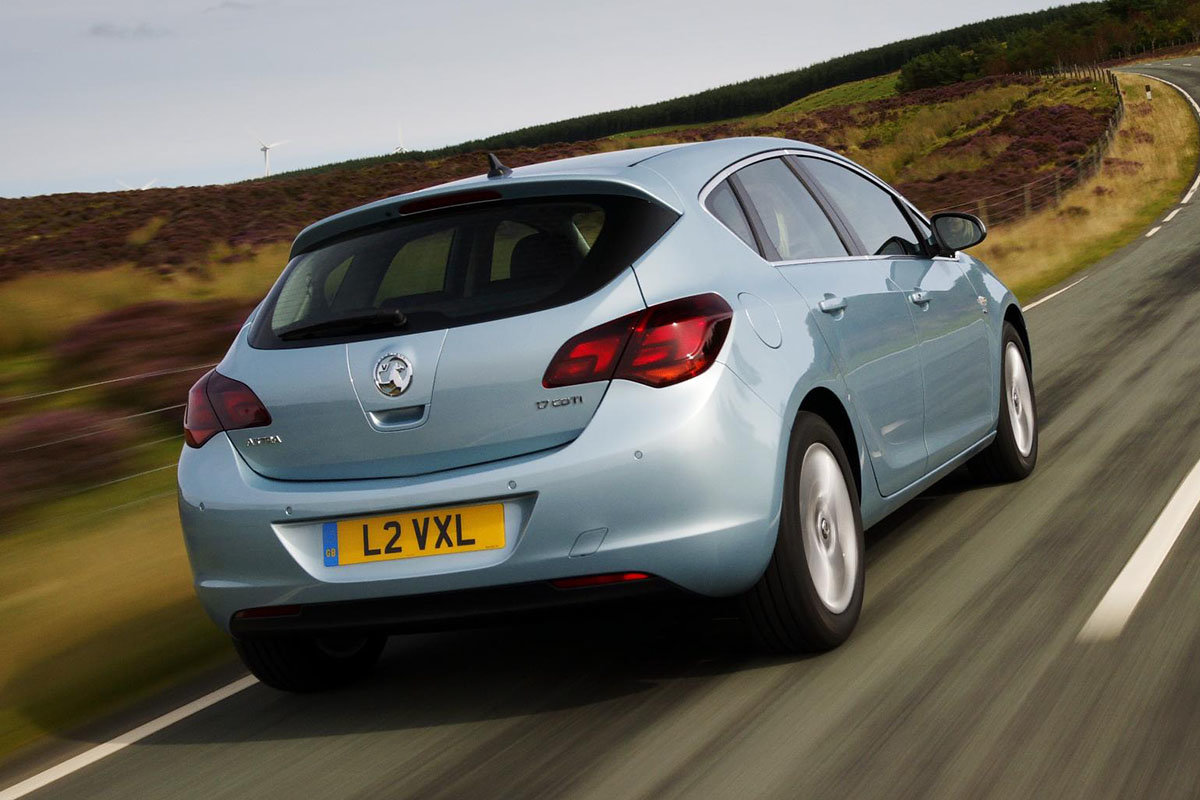
The CarGurus verdict
You might not aspire to own a Vauxhall Astra, but there’s no denying just how cheap used examples are. Pick the right engine and specification, and you get a whole lot more car for your cash than you do with most of its rivals.
Downsides? The most significant is a less-than-glowing reputation for reliability. It isn’t the best car in its class to drive, either, but it is comfortable, smart inside, offers plenty of space for both driver and passengers, and has a large, flexible boot. Choose the Sports Tourer estate model, and you get even more practicality to play with, so there’s a lot going for it besides its low price.
What is the Vauxhall Astra?
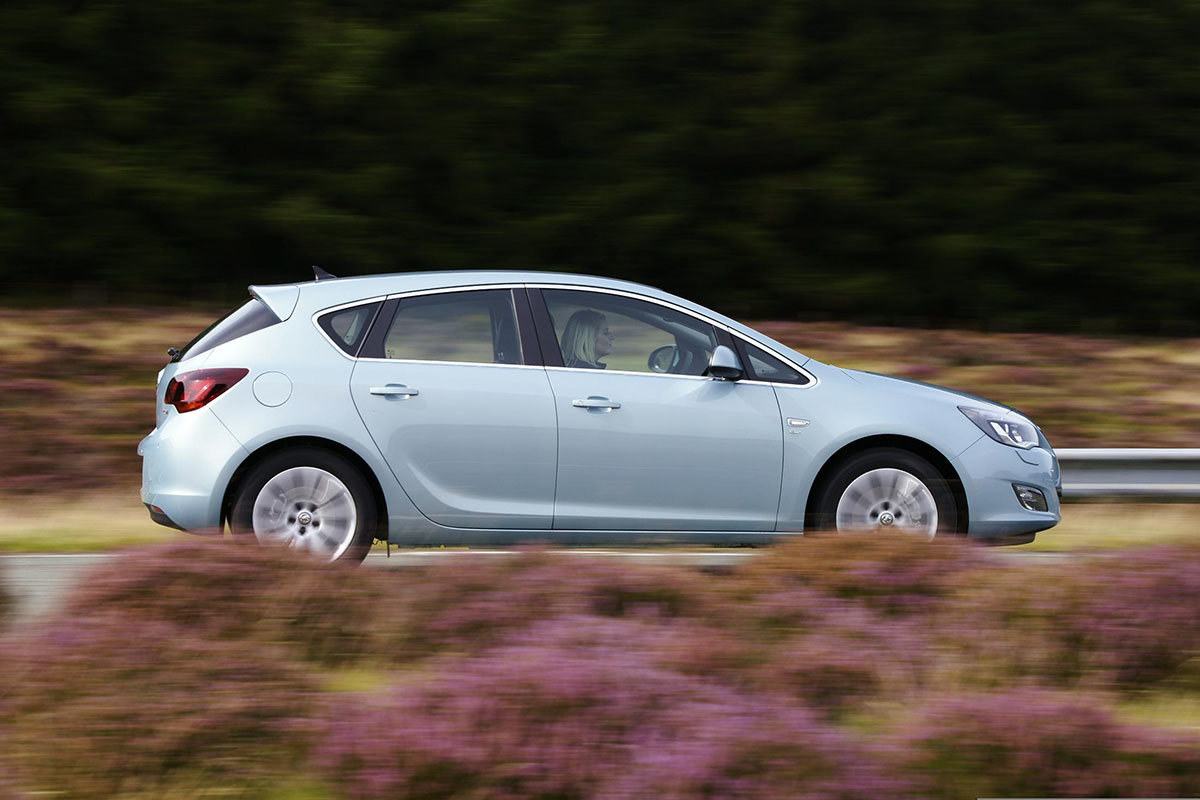
No family car is really bedroom wall poster material, but even among medium-sized hatchbacks, the Vauxhall Astra’s is a little bland. Suffice it to say, its reputation as a steady, sensible, middle-of-the-road family car means that, while few people loathe it, relatively few people love it. But canny used car buyers know the Astra is worth a look, because it is such good value.
As a new car, the Astra was hamstrung by its resale values, which were far more savage than those of rivals such as the Volkswagen Golf.
But buy one that’s a few years old – as this sixth-generation car now is – and you’re on the opposite end of those economics. In other words, you get a car that’s much cheaper than its direct rivals.
How practical is it?
There’s plenty of space inside in the standard five-door hatchback. Again, not quite as much as you’ll find in a VW Golf, but more than enough for two adults up front, and two children in the rear seats. A sleeker three-door version, called the GTC, was also available, but that’s a little more cramped inside.
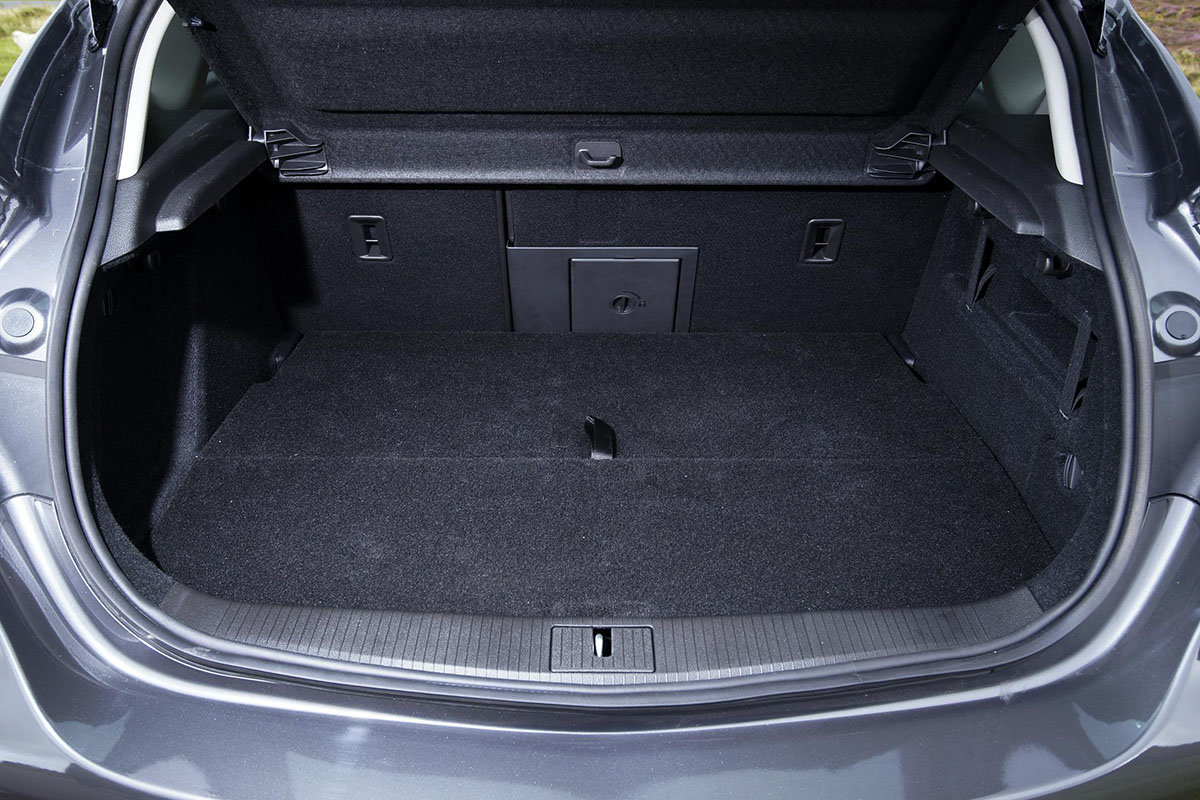
The 370-litre boot’s a good size, too, and the estate – badged Sports Tourer – offers a big, square, 540-litre luggage compartment, with a low load lip and seats that fold flat, which makes it easier to accommodate bulkier loads.
Vauxhall has long prided itself on its versatile interiors, and this generation of Astra was fitted with what the manufacturer calls a Flexfloor system; this is a moveable boot floor, which can be mounted in a choice of three positions. Flexfix was an optional bicycle carrier (it can handle up to two bikes) that slides out of the rear bumper like a drawer.
What's it like to drive?
Inside, the Astra mk6 isn’t quite as smart as the pricier Volkswagen Golf, but it gets closer than you might think. There are cheaper plastics lower down in the interior, but the bits you touch – the switches, the stalks, the steering wheel, and the gear stick – all feel slick and pretty classy. There are lots of buttons, though, so finding your way around can be a bit of a challenge until you’re used to it.
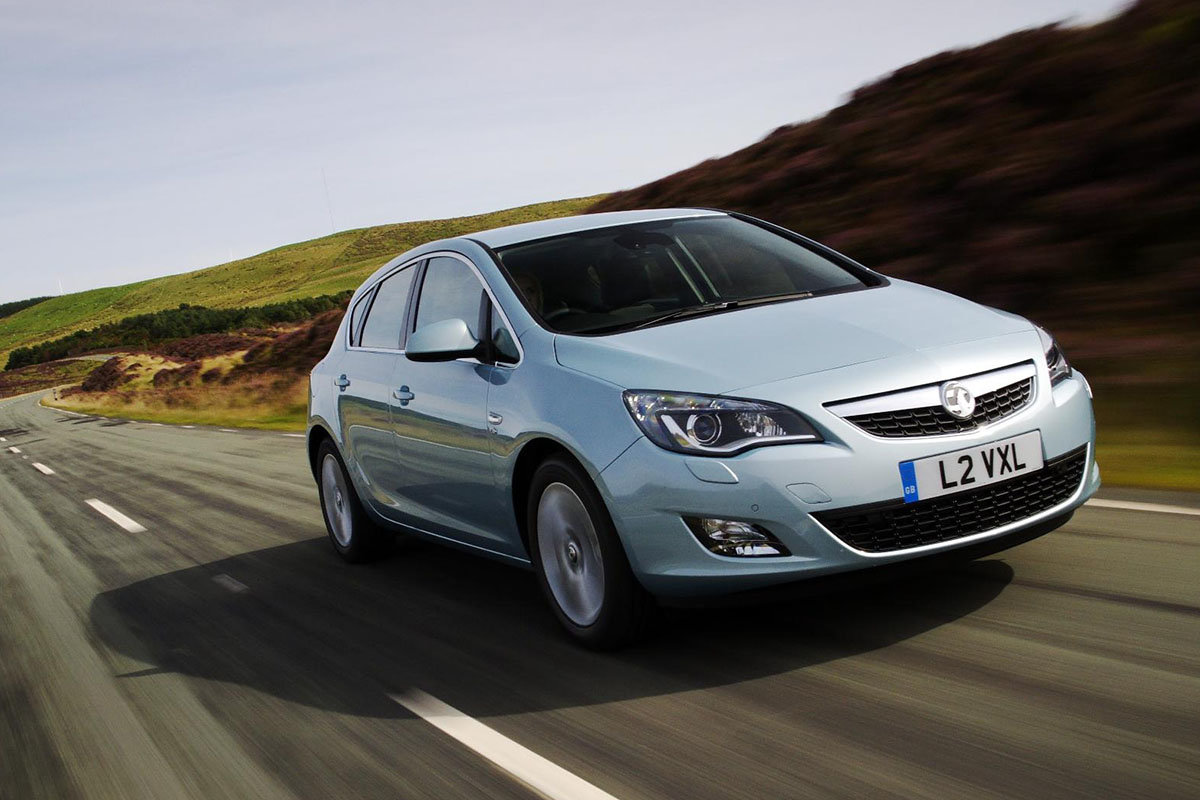
It’s also true that the Astra isn’t quite as much fun to drive as the Ford Focus; it just lacks that extra level of involvement and adjustability in the chassis. But it is at least safe, predictable, and comfortable, taking the sting out of potholes and coping well with bumps. It’s stable, secure, and quiet on the motorway, too.
There’s a huge range of engines – from the bargain-basement 1.4-litre petrol up to the fire-breathing 2.0-litre turbo fitted to the hot VXR model. In between, you’ll find fuel-sipping diesels, badged CDTi, and a lovely, but rare, 1.4-litre turbo that’s punchy and surprisingly efficient.
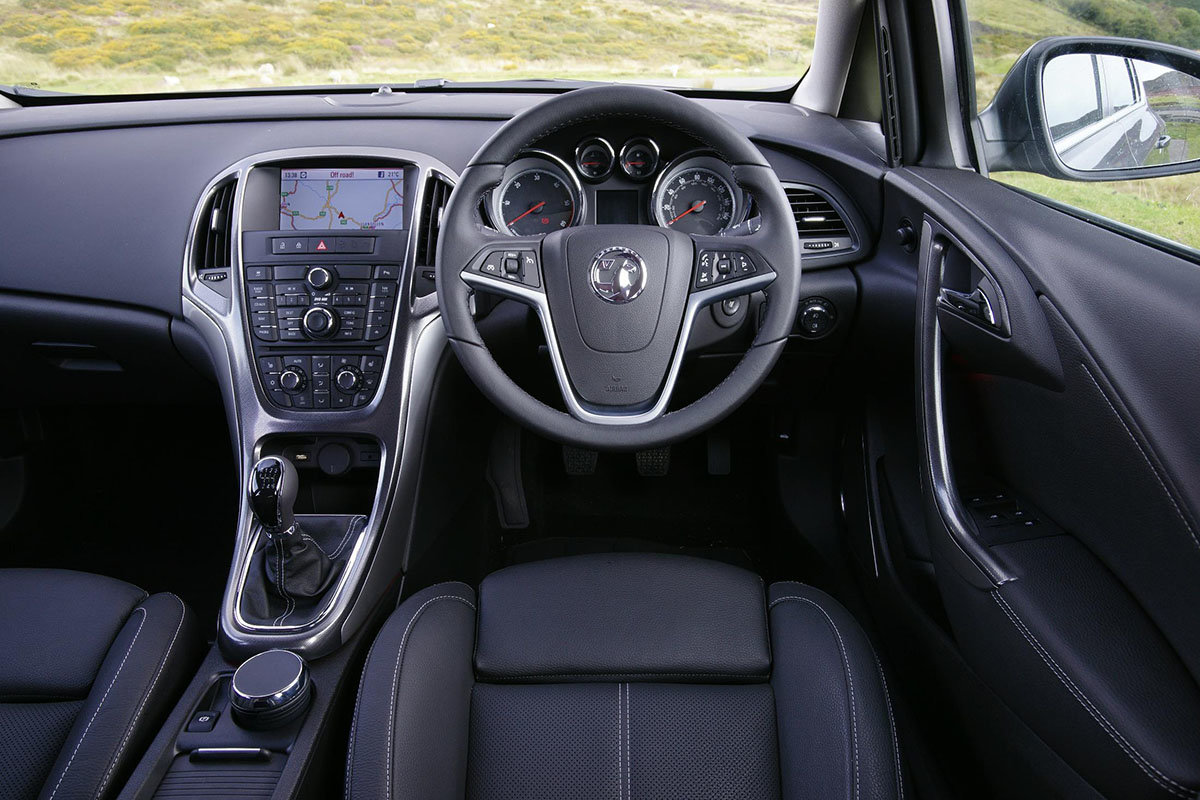
Technology, equipment & infotainment
The trim levels are even more bewildering than the engines. Briefly, Expression is the most basic, and best avoided; Design and Excite come next, and then Tech Line, a well-equipped version designed for fleet buyers.
After that comes the sporty-looking SRi, which was among the most popular versions, and the range tops out with the plush Elite model.
You’ll find variations on these versions and several limited editions scattered throughout the Astra’s lifetime, too.
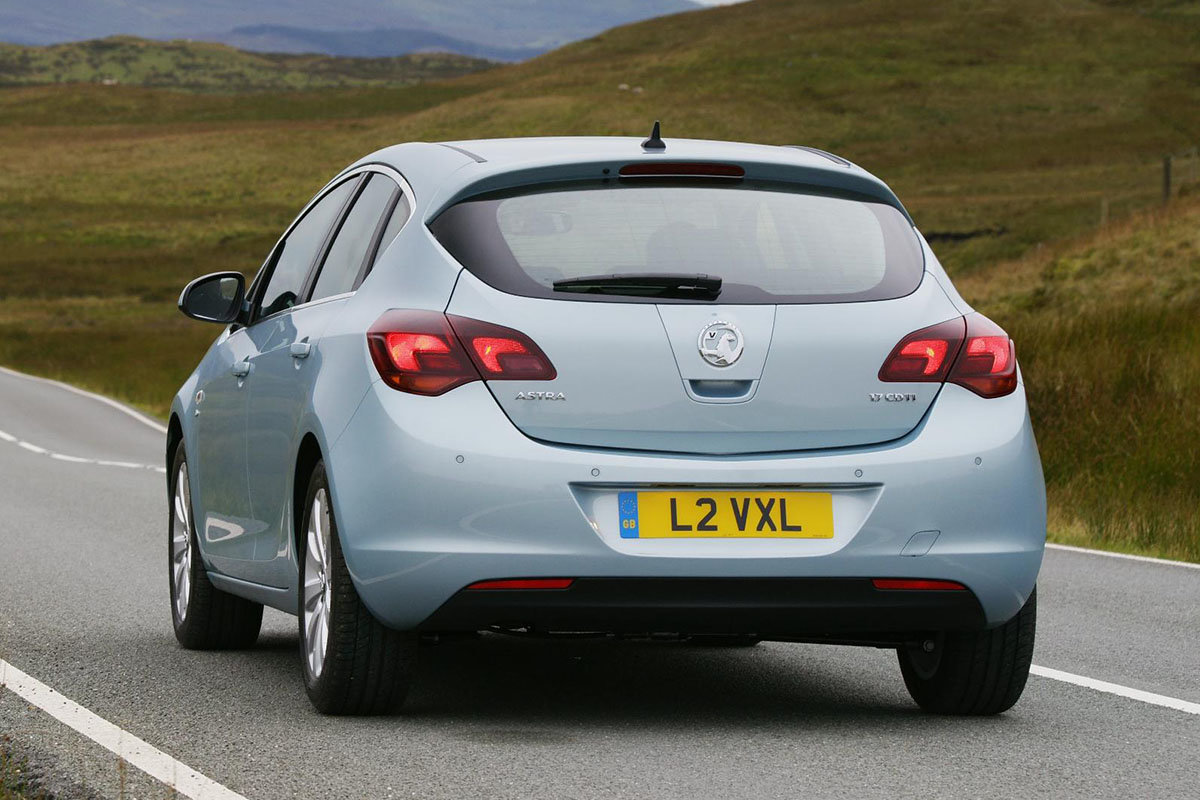
Vauxhall Astra running costs
The Astra with the best fuel economy is the 1.6 CDTi 110 Ecoflex, with the optional start-stop function. It should be able to achieve well over 50mpg on average in daily use, if not more. That’s impressive by any measure, even more so given that it’s actually more efficient than the weedier 1.3-litre CDTi Ecoflex.
If it’s a petrol you’re after, then the basic 1.4-litre is the most frugal and should manage about 40mpg on average. However, keep in mind that the 1.4-litre turbo comes close to that figure while offering a lot more power. Also worth noting is the fact that the automatic petrol – only available on the 1.6-litre engine – is pretty poor, and considerably increases fuel consumption, sp don’t expect to see much more than 30mpg on average.
High fuel consumption equals high CO2 emissions, so it’s no surprise that, except for the high-performance VXR, the petrol auto is the most expensive Astra on road tax. Conversely, all of the diesel models should be very cheap when it comes to tax – the 1.6 CDTi 110 in particular falls below the 100g/km threshold for free tax.
Vauxhall offers a competitive, fixed-price servicing scheme for older cars, which covers the Astra. But one of the good things about owning a Vauxhall is that they’re so common, and the mechanicals so tried-and-tested, that independent garages can easily look after one.
Astras with 1.4-litre petrol engines and 1.3- and 1.6-litre diesel engines are fitted with a timing chain, which shouldn’t need changing for the entire life of the car. However, the timing belts fitted to all other engines need changing every 10 years or 100,000 miles.
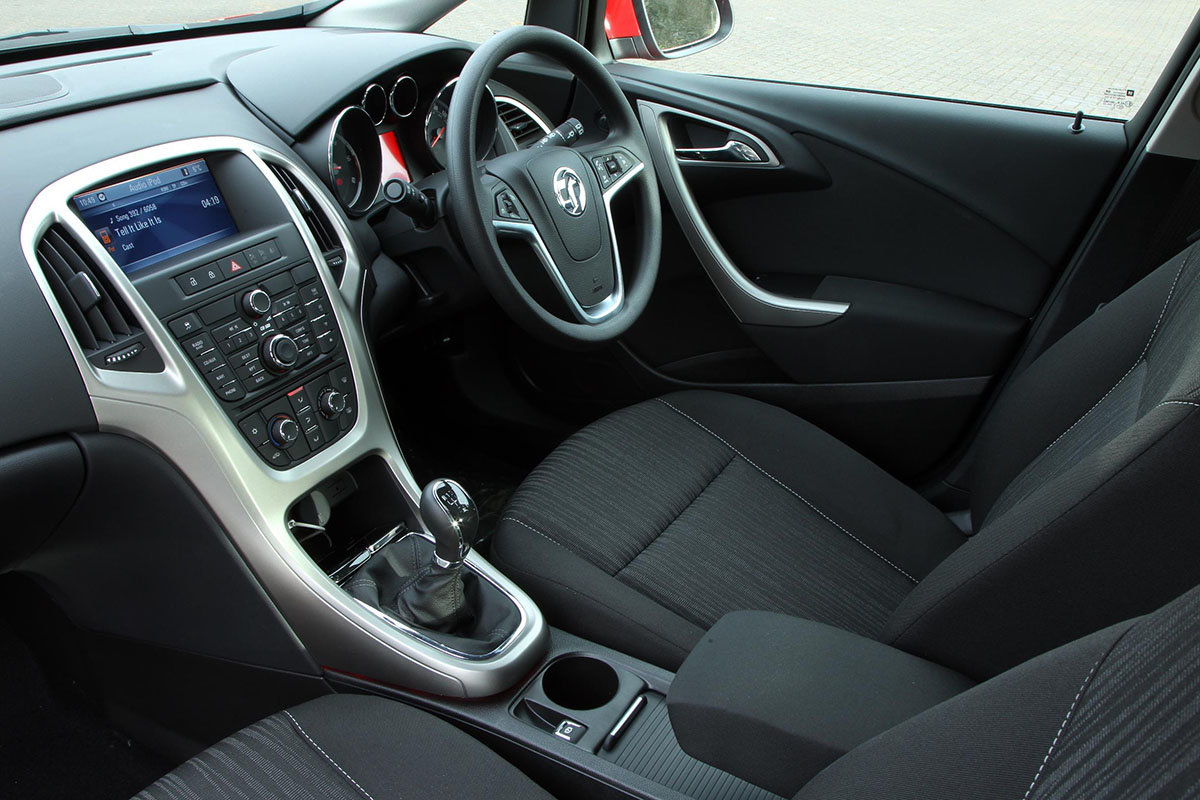
Vauxhall Astra reliability
The Astra isn’t the most reliable of family hatchbacks, and consistently received below-average scores in reliability surveys.
Common problems to watch out for include failed gearboxes – both the six-speed manual used on the 1.4-litre turbo and any automatic. On the manual, listen out for whines and check it slips into gear smoothly; for the auto, make sure it changes gear when it should and there’s no jerky or erratic behaviour.
Diesel Astras have been known to suffer from clutch and dual-mass flywheel problems, so listen out for any strange noises when you press the clutch pedal, and beware of any cars that seem hesitant to start.
Check the alloy wheels of any prospective purchase carefully. The top layer of lacquer can peel off, resulting in an untidy look, reducing the protection of the paint finish, and potentially causing corrosion over time.
Astras are known for suffering with little niggling issues, which can manifest with lights on the dashboard or strange behaviour from the electrics. Go over any prospective purchase a fine-tooth comb and be sure to check that all the dashboard lights illuminate, and then go out, when you start the car.
- At the top of the Astra range sits the storming VXR hot hatchback. Launched in 2012, its thumping 2.0-litre turbo engine gives it 276bhp, enough power to sling it from standstill to 62mph in just 5.9 seconds. Adaptive suspension is standard and means that you don’t have to endure a harsh ride; set it to ‘Normal’ mode, the VXR is surprisingly comfortable. However, stiffen things up in ‘Sport’ or ‘VXR’ modes, and the Astra’s firmer edge works together with its standard limited-slip differential to enable you to blast down B-roads at an incredible pace. While not quite as subtle as rivals such as the Renault Megane 265, the VXR is still extraordinarily capable, and somewhat underrated.
- Vauxhall tried to sell the Astra GTC as a sportier coupe variant, but a largely identical nose belies the fact that it’s little more than a three-door version, albeit particularly good-looking one. Its swooping roofline and pert hind quarters set it apart from most three-door hatchbacks, so if you’re after a great value alternative to the Volkswagen Scirocco, it’s worth a look.
- In 2014, Vauxhall replaced the 1.7-litre diesel engine, which was by then feeling rather dated and noisy, with two versions of a new 1.6-litre called the ‘whisper diesel’. The name was over-egging it a tad, but the new engine was undoubtedly smoother and quieter than the old one. If you’re after a diesel and your budget stretches to a later model, this one is worth having.
- The best all-rounder: We’d go for the 1.4T Elite. This pairs the best engine with the top specification; an Elite will cost you barely any more than an SRi, so you might as well upgrade. However, the 1.4T came out very late in the Astra’s life, so it’s hard to come by, and it has a questionable reputation for reliability. If that puts you off, or you can’t find one, the 1.6i petrol or 1.6 CDTi diesel are good substitutes.
- If you’re on a budget: We’d go for a 1.6i Design. The driving experience isn’t much to get excited about, but the specification is at least reasonably generous, and there are plenty of them around.
- For thrill seekers: There’s nothing for it but the VXR. Its sheer pace and grippy handling make it deeply exciting to drive, and it’s still usable enough to feel at home on the daily grind.
- If you want an estate: A 1.6 CDTi 136 Tech Line is a great way to go. You get satnav and cruise control as standard, and the gutsy diesel engine should be more than enough to cope with hauling whatever you’ve got in the boot.


