Vauxhall Mokka Review (2012-2019)

Pros and cons
What we like
Affordable to buy and run
Practical for such a small car
All versions of the Mokka are well equipped
What to consider
Lacklustre driving experience
4x4s are heavier and less efficient than front-wheel-drive models
Mediocre cabin finish
The CarGurus verdict
Vauxhall’s Mokka and Mokka X face a lot of heavy-hitting competition, from the Skoda Yeti to newer competitors such as the Volkswagen T-Roc and the Seat Ateca.
Although the Vauxhall is not without its merits, rivals are often more compelling. They frequently have nicer interiors, they’re better to drive, more refined, and more comfortable. That’s not to say a Mokka won’t fulfil your needs, just that spending a little more on a rival might be worth it.
If you’re trying to keep your spending to a minimum, however, an inexpensive Mokka could be worth checking out. Otherwise, we’d recommend paying a premium and buying one of its many rivals.
out of 5 expert review
What is the Vauxhall Mokka?
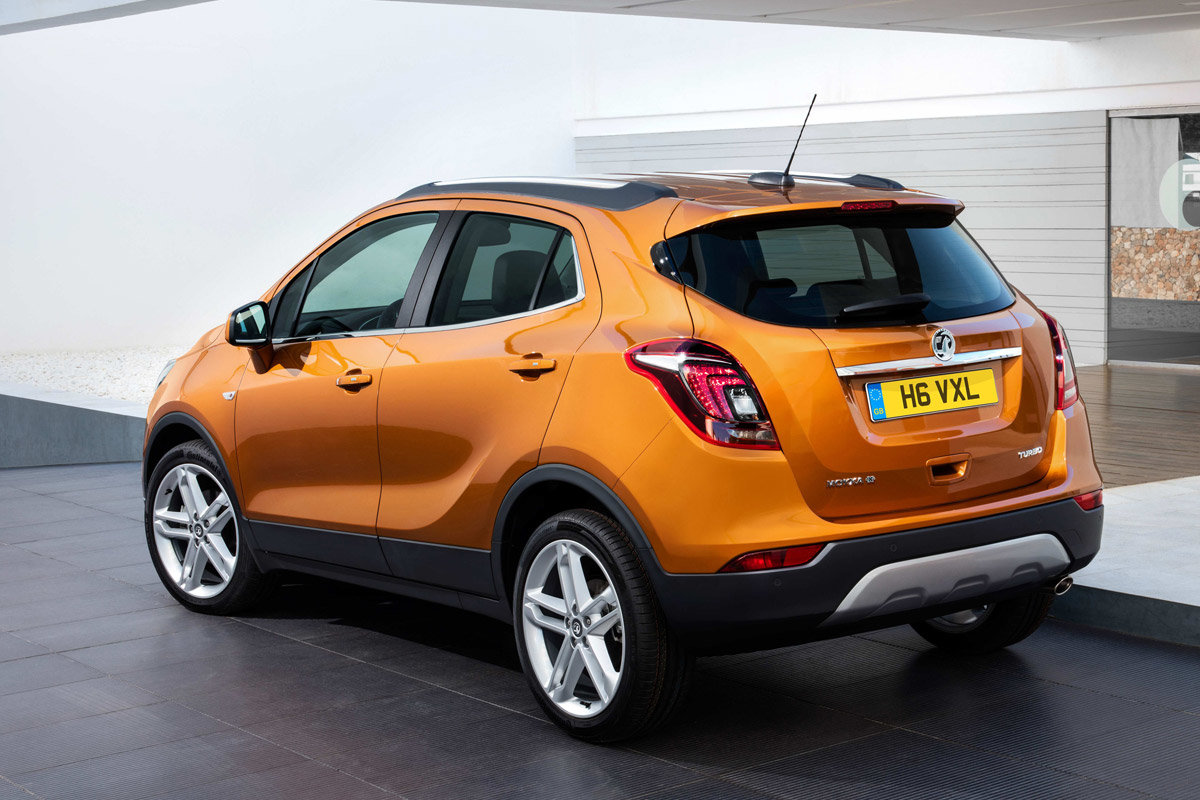
The Mokka was Vauxhall’s first attempt at netting itself a slice of the burgeoning compact SUV and crossover market. Unveiled in 2012, it was designed to sit above the Corsa and take on popular competitors such as the Nissan Juke, the Renault Captur, the MINI Countryman, and the Skoda Yeti. As the years passed, newer rivals such as the Peugeot 2008, the SEAT Ateca, and the Suzuki Vitara would also enter the fray, while Vauxhall bolstered its SUV range with the larger Crossland X and Grandland X.
Tough competition, no doubt, but the Mokka had some things going for it. Its initial starting price was just £15,995, it had lots of standard equipment and a series of petrol and diesel engines, the latter of which could be had in conjunction with an automatic transmission. Buyers could also choose front- or four-wheel drive.
Practicality
How practical is it?
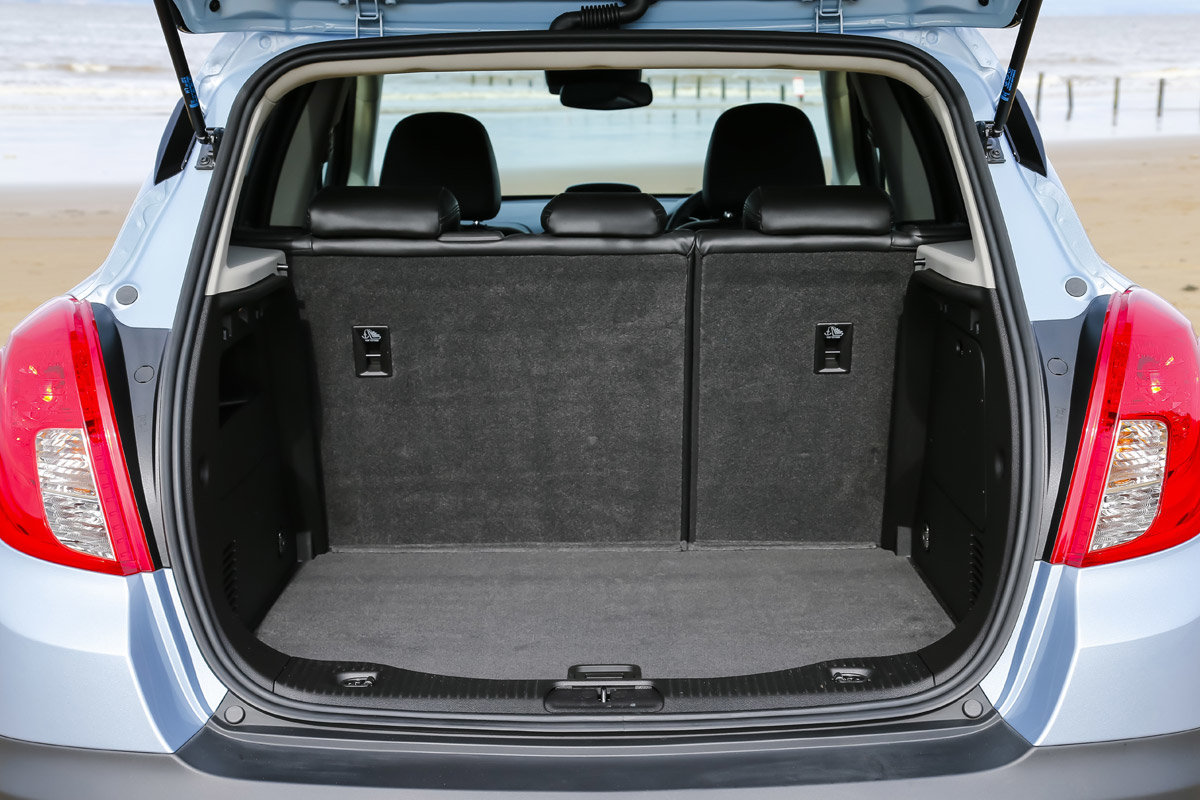
As small SUVs go, the Mokka is spacious, thanks in part to its height – it’s a good bit taller than the Corsa supermini on which it’s based. It also has more room than you’d find inside, say, a first-generation Nissan Juke. Taller adults might find legroom on the tight side, but again, there’s a decent amount of space in the back by the standards of the class.
The boot can swallow 360 litres of luggage, which is good for a smaller SUV and, again, more than you can fit in the cargo area of a Nissan Juke. That being said, some more modern rivals offer more boot space – the Ford Puma holds 456 litres of stuff, for example
Driving
What's it like to drive?
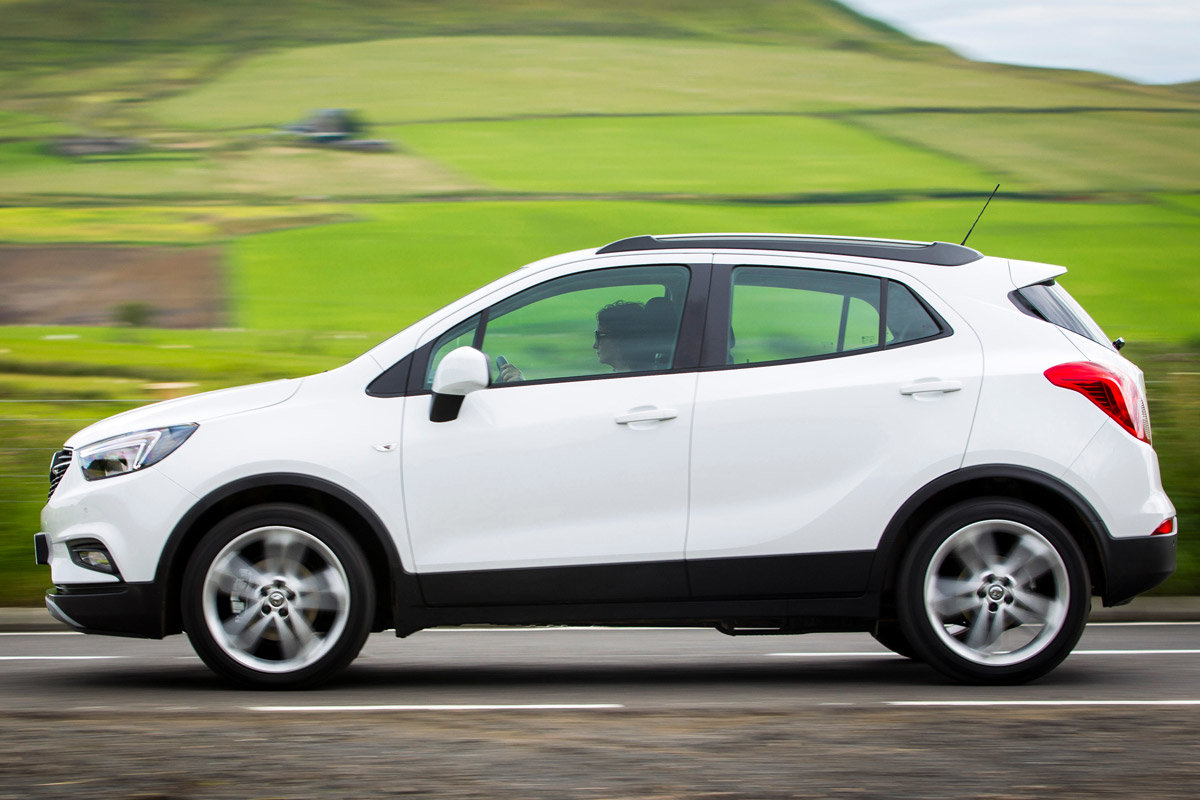
The driving experience is the Mokka’s biggest failing. Its steering is practically devoid of information or feedback other than the basic direction of travel, the ride is really quite bumpy, and the early diesel engines are noisy and strained – and so best avoided.
This lack of dynamic polish, coupled with its humdrum interior and near-total absence of character, meant it was easily outshone as a new car. However, it’s a much better prospect second-hand, because lofty depreciation means a mk1 Mokka is often significantly cheaper than the competition.
Tech and equipment
Technology, equipment & infotainment
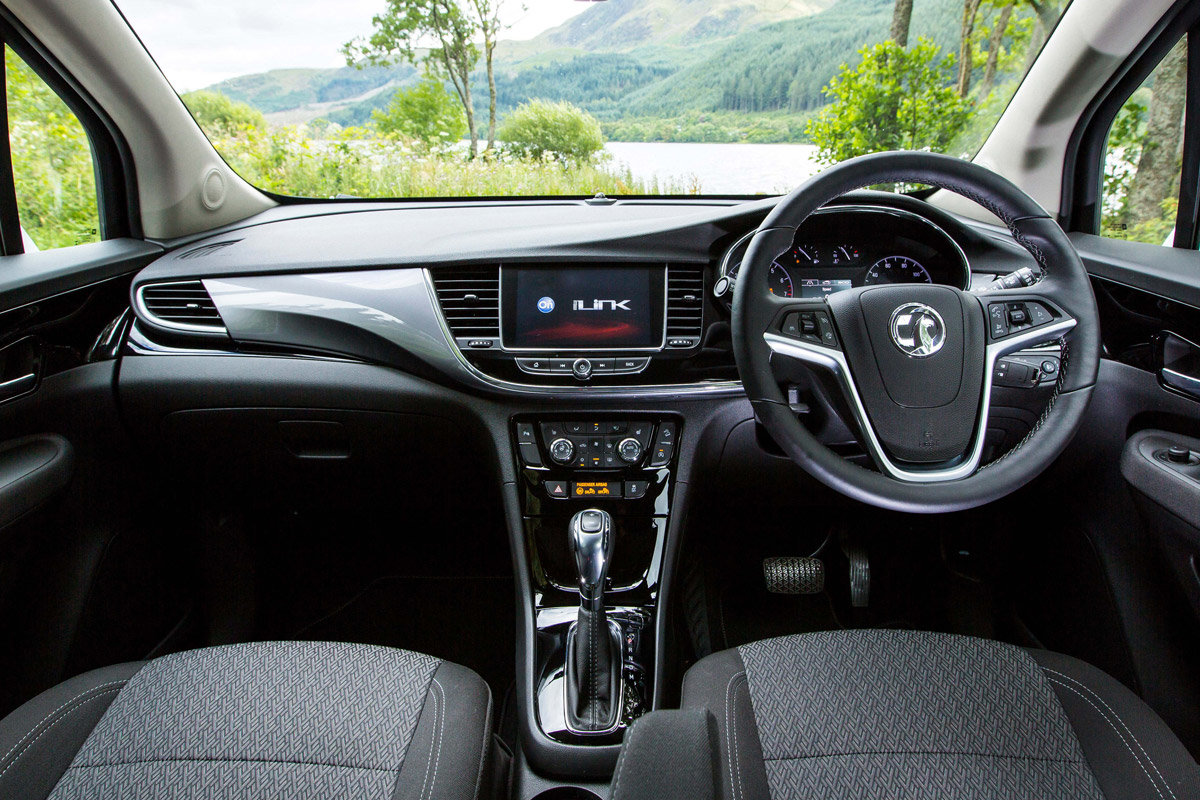
The initial line-up comprised S, Exclusiv, and SE trim levels. The Mokka's interior wasn’t as neatly executed as alternatives such as the Skoda Yeti, but the kit levels did go some way to compensate for that, because even the entry-level S model came with the likes of air conditioning, cruise control, a trip computer, and daytime running lights.
A well-equipped Tech Line diesel variant, aimed at company car drivers, was also offered early in the Mokka’s history, while the later Mokka X dramatically boosted equipment levels. You can read a little more on that below, in the 'Three Things to Know' section of this review.
Running costs
Vauxhall Mokka running costs
A Vauxhall Mokka will not prove expensive to run, thanks in part to decent fuel economy and sensible servicing costs. Most of the first-generation cars will now have been through the worst of their depreciation, which will further help keep costs down.
There are some factors worth considering outside of depreciation, though. Road tax, for example, can vary significantly between the engine options and model years, so check what you’re getting an exactly how much it will cost. The ecoFLEX diesels have the lowest CO2 levels, so those are the ones to go for if low VED costs are vital.
The diesels are also the best in terms of outright economy. The 1.6-litre CDTi ecoFLEX front-wheel drive Mokka X has an official fuel economy figure of 72.4mpg, but don’t expect that in the real world. Most diesel versions of the Mokka should return north of 50mpg, while the heavier 4x4 and automatic models are a little thirstier. The petrols aren’t grossly inefficient, but stick to the manual front-wheel drive models to keep mpg figures up.
Servicing won’t break the bank, because all models have a one-year, 20,000-mile service interval. Some models do have a timing belt – the 1.7-litre diesel and the basic 1.6-litre petrol – which will bump up your annual servicing costs. Also watch out for models with larger wheels, because their bigger tyres are more expensive to replace.
All-wheel drive might seem a worthwhile option but, as is often the case, there are downsides. An all-wheel drive Vauxhall will be heavier, more complicated, and less efficient. A front-wheel-drive Mokka, on winter or all-season tyres, will also perform better in poor conditions than an all-wheel drive Mokka on summer tyres. If you’re regularly tackling more challenging conditions and routes, however, there’s some justification for the all-wheel drive model.
Vauxhall Mokka reliability
When Vauxhall introduced the Mokka, it came with a ‘lifetime’ warranty that was valid up to a maximum of 100,000 miles – for the first owner. It also came with 12 months’ roadside assistance and a six-year anti-corrosion warranty. In January 2015, the scheme was replaced by a more conventional three-year, 60,000-mile warranty.
Extended warranties were available, but plenty of competitors out there offering longer warranties, used equivalents of which may still have some original cover. Toyota, Kia, and Hyundai are the best examples.
Vauxhall doesn’t have an outstanding reputation for reliability or customer satisfaction, but most Mokkas appear relatively trouble-free. Nevertheless, you may want to consider an aftermarket warranty to minimise the chance of unforeseen bills. There have been a few recalls, so enter the details of any potential purchase on the government recall and faults website.
Most Vauxhall Mokkas will have probably spent their life around town, instead of tackling country trails, so you will need to make sure the clutch is okay in manual versions, that the oft-overlooked transmission fluid isn’t burned in automatics, and that the body isn’t coated with car park-related scrapes and dents. Find one that’s been looked after and serviced regularly, and it should stand you in good stead.


What owners say
"The Vauxhall Mokka has garnered positive feedback from drivers over the years for its comfortable driving experience, spacious interior, and value for money, making it an appealing choice for families. Many owners appreciate its unique style and features, particularly in models with electric amenities. However, some drivers have pointed out concerns regarding the rear space and handling, particularly with heavier clutches in earlier models."
It’s comfortable, layout is really good and drives very well
7 April 2026The car is good value for money had a stick change before which was best car had in a long time but vauxhall mokka automatic is better for me can't fault the it's great
4 October 2025Great value, has all the features you need such as heated seats, revers camera etc plus filly electric. The Mokka E I bought was great value for money and cheaper than a petrol version.
7 March 2024What owners say
It’s comfortable, layout is really good and drives very well
7 April 2026The car is good value for money had a stick change before which was best car had in a long time but vauxhall mokka automatic is better for me can't fault the it's great
4 October 2025Great value, has all the features you need such as heated seats, revers camera etc plus filly electric. The Mokka E I bought was great value for money and cheaper than a petrol version.
7 March 2024I Love the look of this car but the lack of space in rear made my decision to not buy this car. Its is too small for teenagers or adults to sit comfortably on long journeys
9 February 2023Good size overall, big boot for the size of car. Very comfortable to drive.
14 August 2024Very nice Mokka with all leather interior. Just felt too big to handle for me and clutch a bit heavy. Bought fiat 500 X instead and very pleased
9 February 2022Car was in excellent condition, great value! All round lovely car, cant fault it.
28 February 2021Perfect family car: spacious, and a great size. Overall recommend
17 January 2023My wife has a Mokka and its so good, I am currently looking to get myself one. Lovely car.
15 January 2021The car is very comfortable to drive and it is easy to get and out
4 December 2023Three things to know
- The basic S trim was only available with a 113bhp 1.6-litre petrol engine, but others were offered with a more powerful 138bhp 1.4-litre turbo petrol or a 128bhp 1.7-litre CDTi diesel. These engines were available with all-wheel drive, and it was initially standard with the Turbo, although front-wheel drive came later. Manual transmissions were standard, and the range-topping engines got six-speed manuals instead of the base model’s five-speed transmission. The front-wheel drive diesel could be specified with a six-speed automatic transmission, too.
- An updated version of the Mokka, called the Mokka X, arrived in late 2016. It featured revised styling, a new grille, and a new interior inspired by the Astra of the time. A 1.6-litre ‘Whisper Diesel’ engine had been introduced to the Mokka the year before, which remained, but Vauxhall also added a new 150bhp 1.4-litre turbocharged engine, which was also available with a six-speed automatic transmission and all-wheel drive. Other new features included adaptive LED headlights and a new IntelliLink infotainment system with Apple CarPlay and Android Auto. These updates, predominately the overhauled interior, represented a big improvement for the Mokka.
- The Mokka X was first offered in Active, Design Nav, Elite and Elite Nav grades. As with the original Mokka, even Active specification came with a lot of kit – including a 7.0-inch touchscreen infotainment system, dual-zone climate control, cruise control, a speed limiter, electric heated mirrors, and LED daytime running lights. Design Nav added an 8.0-inch infotainment system with navigation, while Elite models benefitted from upgrades such as leather trim, electric heated seats, an electric heated steering wheel, and tinted rear windows. Vauxhall later introduced variants such as the Griffin, which came with bespoke styling and 18- or 19-inch alloy wheels.
Which one to buy
- The best all-rounder: We’d go for the turbocharged 138bhp 1.4-litre petrol, in front-wheel drive and mid-spec Exclusiv trim or Design Nav specification, if you’re looking at a later Mokka X. Consider a diesel if you cover a lot of miles, though.
- The cheapest: Take to the classifieds and you’ll find a mix of high-mileage 1.7 CDTi and 1.6i VVT Mokkas on offer. The naturally aspirated petrol is the safe bet if you’re just looking for a runabout, because it’s a less complicated engine, but it’s quite sluggish.
- The most economical: The front-wheel drive diesels are, unsurprisingly, the most efficient, but the 1.4i Turbo petrol can also be quite frugal. A 134bhp 1.6 CDTi Mokka X, for example, is reputed to average 68.9mpg, making it ideal for high-mileage commuters. The 1.4i Turbo FWD, however, can average a decent 47.1mpg.
- The best performance: You’ll want a 1.4i Turbo Mokka or Mokka X, as all variants are claimed to hit 60mph in 9.3-9.4 seconds. They’re swift for a conventional compact SUV and more refined than the diesels with reasonable economy.


Pricing trends
Starting RRP
£12,720
Current avg. market price
£4,877
Trending down by 6.9% this month
April 2026 - October 2026
More on the mk1 Vauxhall Mokka (2012 - 2019)
Compare 2016 Vauxhall Mokka Trims
The 2016 Vauxhall Mokka offers a range of trims from budget-friendly options to fully loaded models, ensuring there's something for every shopper's needs.
- Starting at £4,494
- Most Popular: 1.4t Se 5dr Auto
Trim Overview
Prices updated weekly from CarGurus listings.
| 1.6i Tech Line 5dr | 1.4t Tech Line 5dr | 1.6i Exclusiv 5dr | 1.4t Exclusiv 5dr | 1.4t Exclusiv 5dr Auto | 1.6i Se 5dr | 1.4t Se 5dr | 1.4t Se 5dr Auto (Most Popular) | |
|---|---|---|---|---|---|---|---|---|
| Starting MSRP | £15,849 | £16,624 | £17,914 | £18,624 | £19,539 | £20,414 | £21,124 | £22,039 |
| Avg. Market Price | £5,272 | £5,220 | £4,681 | £5,032 | £7,024 | £4,494 | £5,046 | £7,533 |
| Positioning | Best value | Standard | Standard | Standard | Standard | Standard | Standard | Fully loaded |
| Standout Features | Bluetooth, Navigation System, Parking Assist | Bluetooth, Parking Assist, Climate control | Bluetooth, Parking Assist, Air Conditioning | Bluetooth, Parking Assist, Cruise Control | Bluetooth, Parking Assist, Heated Seats | Bluetooth, Heated Seats, Leather Seats | Bluetooth, Heated Seats, Privacy glass/Tinted windows | Bluetooth, Heated Seats, Leather Seats |
| Drivetrain | FWD | FWD | FWD | FWD | FWD | FWD | FWD | FWD |
| Listings Available | 29 | 22 | 67 | 24 | 22 | 50 | 38 | 78 |
Quick Compare Table
Listing prices sourced from CarGurus — updated weekly. OEM specs from manufacturer data.
| 1.6i Tech Line 5dr | 1.4t Tech Line 5dr | 1.6i Exclusiv 5dr | 1.4t Exclusiv 5dr | 1.4t Exclusiv 5dr Auto | 1.6i Se 5dr | 1.4t Se 5dr | 1.4t Se 5dr Auto | |
|---|---|---|---|---|---|---|---|---|
| AI Summary | Best value for budget-conscious buyers | Solid features at a reasonable price | Affordable with essential features | Good performance with decent features | Automatic convenience with luxury touches | Budget-friendly with premium features | Well-equipped for the price | Fully loaded with tech and comfort |
| Avg. Market Price | £5,272 | £5,220 | £4,681 | £5,032 | £7,024 | £4,494 | £5,046 | £7,533 |
| MSRP | £15,849 | £16,624 | £17,914 | £18,624 | £19,539 | £20,414 | £21,124 | £22,039 |
| Engine | 1598.0cc 115 hp I4 | 1364.0cc 140 hp I4 | 1598.0cc 115 hp I4 | 1364.0cc 140 hp I4 | 1364.0cc 140 hp I4 | 1598.0cc 115 hp I4 | 1364.0cc 140 hp I4 | 1364.0cc 140 hp I4 |
| Drivetrain | FWD | FWD | FWD | FWD | FWD | FWD | FWD | FWD |
| MPG/MPGe (City/Hwy) | 32.1/49.6 | 36.2/53.3 | 32.1/49.6 | 36.2/53.3 | 33.6/52.3 | 32.1/49.6 | 36.2/53.3 | 33.6/52.3 |
| Bluetooth | ✓ | ✓ | ✓ | ✓ | ✓ | ✓ | ✓ | ✓ |
| AUX/USB connectivity | ✓ | ✓ | ✓ | ✓ | ✓ | ✓ | ✓ | ✓ |
| Navigation System | ✓ | ✓ | — | — | — | — | — | — |
| Parking Assist | ✓ | ✓ | ✓ | ✓ | ✓ | ✓ | ✓ | ✓ |
| Climate control | ✓ | ✓ | ✓ | ✓ | ✓ | ✓ | ✓ | ✓ |
| Cruise Control | ✓ | ✓ | ✓ | ✓ | ✓ | ✓ | ✓ | ✓ |
| DAB Radio | ✓ | ✓ | ✓ | ✓ | ✓ | ✓ | ✓ | ✓ |
| isofix | ✓ | ✓ | ✓ | ✓ | ✓ | ✓ | ✓ | ✓ |
| Alarm/Immobiliser | ✓ | ✓ | ✓ | ✓ | ✓ | ✓ | ✓ | ✓ |
| Privacy glass/Tinted windows | ✓ | ✓ | ✓ | ✓ | ✓ | ✓ | ✓ | ✓ |
| Air Conditioning | ✓ | — | ✓ | ✓ | ✓ | — | — | — |
| Parking Sensors | — | ✓ | ✓ | ✓ | ✓ | — | — | — |
| Heated Seats | — | — | — | — | — | ✓ | ✓ | ✓ |
| Leather Seats | — | — | — | — | — | ✓ | — | ✓ |
| Heated Steering Wheel | — | — | — | — | — | — | ✓ | — |
| Active Listings | 29 | 22 | 67 | 24 | 22 | 50 | 38 | 78 |
Missing data displayed as "—".
Trim Deep Dives
1.6i Tech Line 5dr — "Who It's For"
The 1.6i Tech Line is the pick for shoppers who want a well-equipped vehicle without breaking the bank. It offers solid features at a reasonable price.
- Avg. market price: £5,272 (updated weekly)
- MPG/MPGe: 32.1 city / 49.6 hwy
- Inventory: 29 listings — lower availability; may limit negotiating room
- View 1.6i Tech Line listings
1.4t Tech Line 5dr — "Who It's For"
The 1.4t Tech Line is ideal for those seeking a balance of performance and features without a hefty price tag. It’s a solid choice for everyday driving.
- Avg. market price: £5,220 (updated weekly)
- MPG/MPGe: 36.2 city / 53.3 hwy
- Inventory: 22 listings — lower availability; may limit negotiating room
- View 1.4t Tech Line listings
1.6i Exclusiv 5dr — "Who It's For"
The 1.6i Exclusiv is perfect for buyers who want essential features at an affordable price. It combines practicality with comfort for daily use.
- Avg. market price: £4,681 (updated weekly)
- MPG/MPGe: 32.1 city / 49.6 hwy
- Inventory: 67 listings — lower availability; may limit negotiating room
- View 1.6i Exclusiv listings
1.4t Exclusiv 5dr — "Who It's For"
The 1.4t Exclusiv is for those who desire a bit more power without sacrificing comfort. It’s a great option for those who enjoy driving.
- Avg. market price: £5,032 (updated weekly)
- MPG/MPGe: 36.2 city / 53.3 hwy
- Inventory: 24 listings — lower availability; may limit negotiating room
- View 1.4t Exclusiv listings
1.4t Exclusiv 5dr Auto — "Who It's For"
The 1.4t Exclusiv 5dr Auto is for buyers who want the convenience of an automatic transmission with added luxury features. It’s a comfortable ride for daily commutes.
- Avg. market price: £7,024 (updated weekly)
- MPG/MPGe: 33.6 city / 52.3 hwy
- Inventory: 22 listings — lower availability; may limit negotiating room
- View 1.4t Exclusiv 5dr Auto listings
1.6i Se 5dr — "Who It's For"
The 1.6i Se is the choice for those who want a blend of comfort and technology without a premium price. It’s a practical option for families.
- Avg. market price: £4,494 (updated weekly)
- MPG/MPGe: 32.1 city / 49.6 hwy
- Inventory: 50 listings — lower availability; may limit negotiating room
- View 1.6i Se listings
1.4t Se 5dr — "Who It's For"
The 1.4t Se is for those who want a well-rounded vehicle with modern features at a competitive price. It’s a solid choice for tech-savvy drivers.
- Avg. market price: £5,046 (updated weekly)
- MPG/MPGe: 36.2 city / 53.3 hwy
- Inventory: 38 listings — lower availability; may limit negotiating room
- View 1.4t Se listings
1.4t Se 5dr Auto — "Who It's For"
The 1.4t Se 5dr Auto is the pick for shoppers who want a fully loaded experience with advanced features. It’s the most popular trim for a reason.
- Avg. market price: £7,533 (updated weekly)
- MPG/MPGe: 33.6 city / 52.3 hwy
- Inventory: 78 listings — lower availability; may limit negotiating room
- View 1.4t Se 5dr Auto listings
Trim Recommendations
Most Popular — 1.4t Se 5dr Auto
With 78 active listings, the 1.4t Se 5dr Auto is the clear volume leader in the lineup.
Browse 1.4t Se 5dr Auto listings
Best Budget Option — 1.6i Se 5dr
At £4,494 avg market price — below the lineup median of £5,133 — it's the most accessible entry point.
These recommendations are based on CarGurus' proprietary market data from October 22, 2026, CarGurus experts' opinions, and generative AI.

