XPeng G6 2026 review | Tech-heavy electric SUV from China
XPENG G6 cars for sale
3.0
Expert review
Pros
Lots of cabin space
Pleasant-feeling interior
Lots of kit for a competitive price
Cons
Way too reliant on the complex touchscreen
Not brilliant on the road
You’ll constantly be explaining what it is
The CarGurus verdict
The XPeng G6 is a very curious machine, and how appealing it is will depend very much on your outlook. If you’re a gadget-loving tech-head, you’ll probably love its seemingly endless array of gizmos and features, and because we all love a bargain, you’ll probably like what you’ll be asked to pay for it all, too. You’ll also love the fact that it’ll charge up quicker than almost anything else on the road (well, it will once the technology of the charging network catches up), and you’ll likely have no complaints over its quality, space, practicality, performance, range, or road manners.
However, even the most die-hard techno-geek might well struggle to decipher the hugely complicated touchscreen system that holds the key to all that tech, and find it frustrating and distracting in equal measure. And anyone who enjoys their driving, and considers cars to be more than mere devices, will find very little here to satisfy them. As a technological showcase, then, the G6 is fairly impressive, and if that’s what you're after, then go ahead and fill your boots. If you’re not all about the gadgets, however, you might feel a bit like it’s all tech for tech’s sake.
What is the XPeng G6?
In order to properly understand what the XPeng G6 is, you need to first understand its maker. XPeng was founded in 2014 in Guangzhou, China, and considers itself to be not a car company, but a tech company that happens to make cars. It has 27,000 employees worldwide, with 40% of those working in R&D. And thus, alongside its forthcoming passenger-carrying models, the firm is also currently working on launching a spooky AI-powered humanoid robot assistant called ‘IRON’ (we thought they said ‘Ian’ at first…), and a ‘flying car’ solution that appears to be a six-wheeled MPV with a helicopter inside it (for which the firm has already taken 7,000 orders, apparently).
Fair to say that, even among the vast new wave of Chinese car makers entering the European market, XPeng is something a bit different.
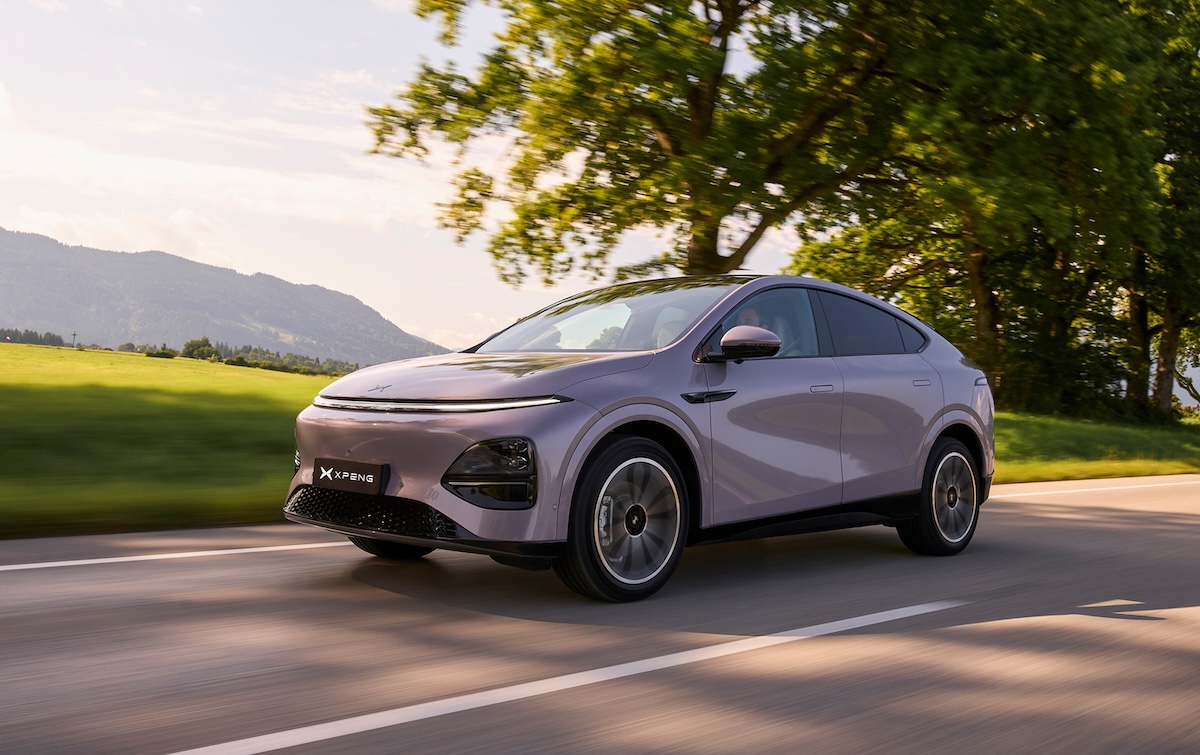
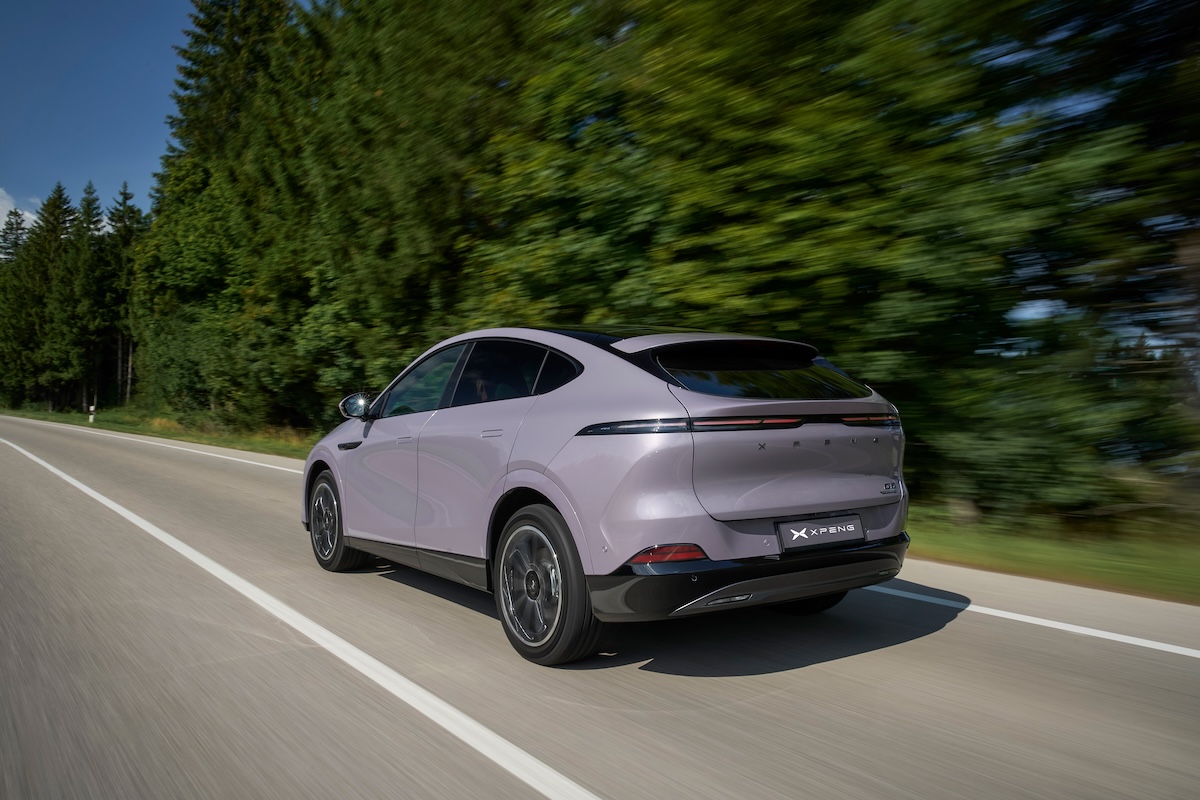
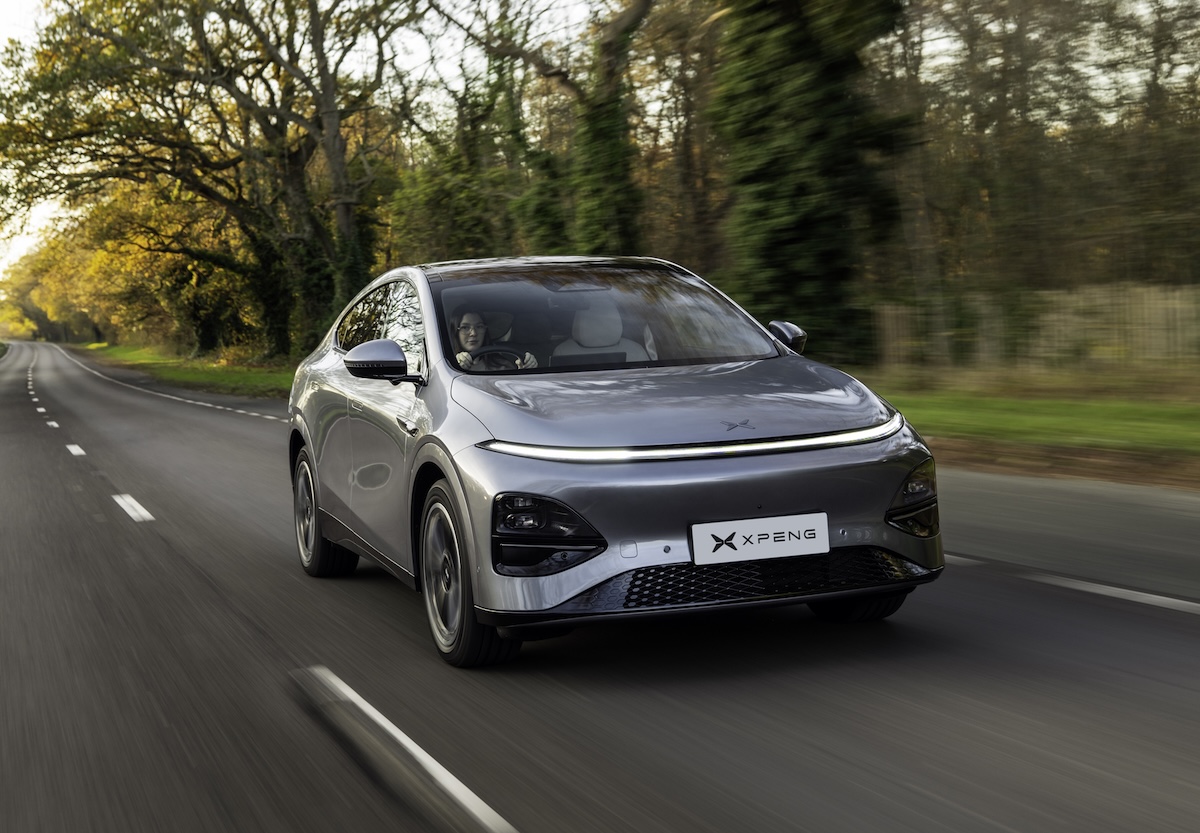
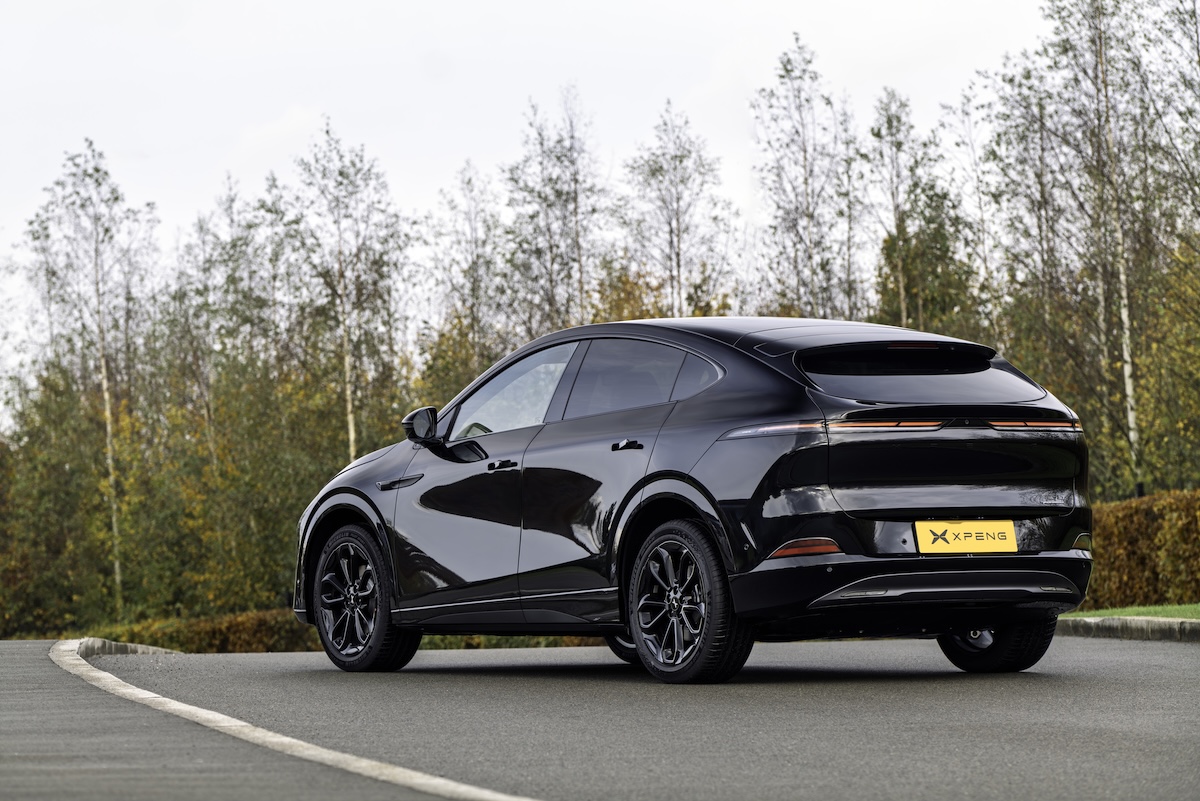
The company landed in the UK in 2025, and not long after, launched the G6. It’s a mid-size all-electric SUV that we’d suggest may have taken some ‘inspiration’ from the Tesla Model Y, and as such, it’s all swoopy lines, full-width light bars, frameless windows, and hidden door handles.
In fact, the car you see in our pictures is already the second-generation G6 to be sold in the UK. After first going on sale in 2025, the car received an extensive facelift in February of 2026 that included no fewer than 20,000 incremental updates. Some are more obvious than others, and those on the outside are especially subtle. However, the interior was extensively overhauled, and some super-whizzo new battery tech was also introduced, along with tweaks to the powertrain, suspension, steering, software, and countless other areas.
Like many Chinese brands, value-for-money is a considerable part of XPeng’s offering, so although the G6 is piled high with geek-gratifying gadgetry, the price is still low enough to undercut many of the rival models - and brands - that XPeng has in its sights.
How practical is it?
As we’ve said, the G6 is roughly the same size as a Tesla Model Y, and happily, it does just as good a job on interior space. Predictably, there’s loads of space up front, and with plenty of distance between the chairs, you won’t be banging elbows with your front passenger. There’s also plenty of storage, with pockets and cubbies dotted about the place, while the centre console houses a pair of cooled wireless phone chargers.
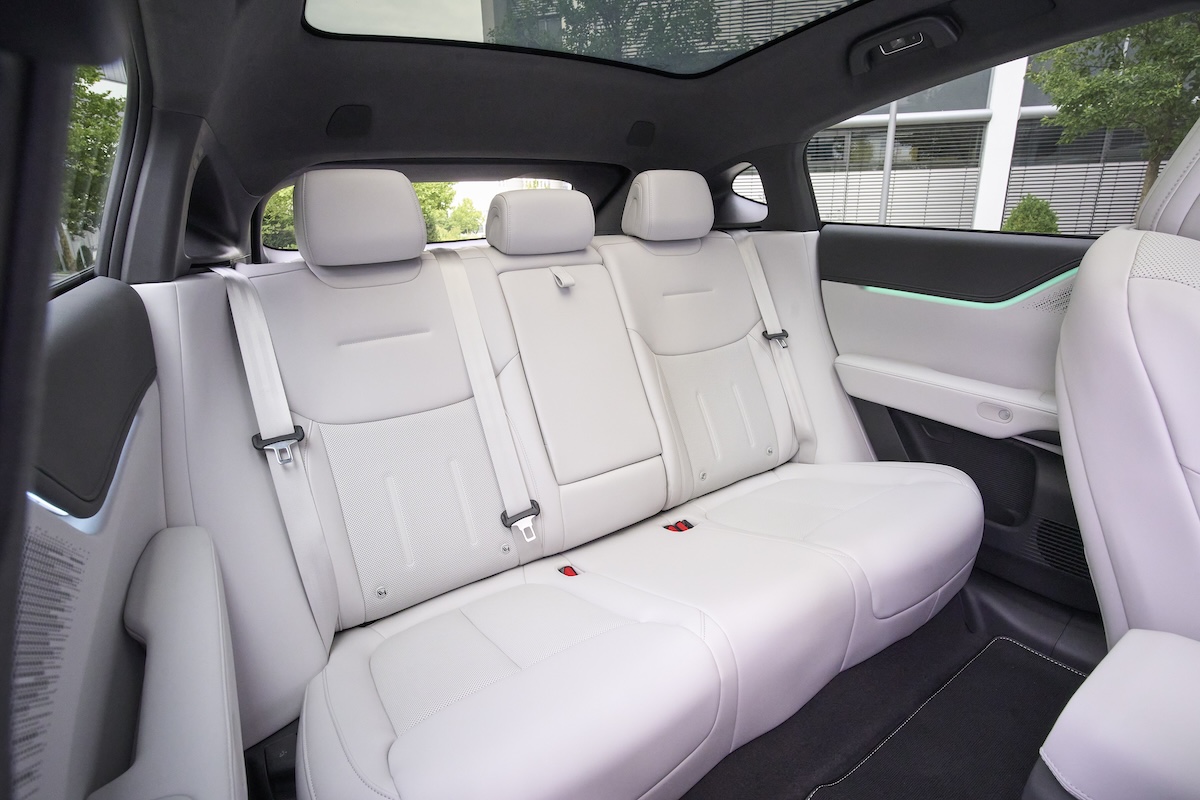
Your rear passengers, meanwhile, also get an impressive amount of space. There’s bags of legroom for tall adults, and despite the standard panoramic roof, those same tall adults will find plenty of clearance above their heads, too. As always, the rear of the cabin is more comfortable for two folk rather than three, but there’s enough width that a third person will fit without too much complaint, plus the middle seat is fairly wide and has a flat floor in front of it.
The backrest of the rear bench reclines by up to 11 degrees to allow some lounging capability, but it does so in a 60/40 split, so if you’re three-up back there and you’re sitting on the wider portion, you’ll need the agreement of your co-sitter before making any adjustment.
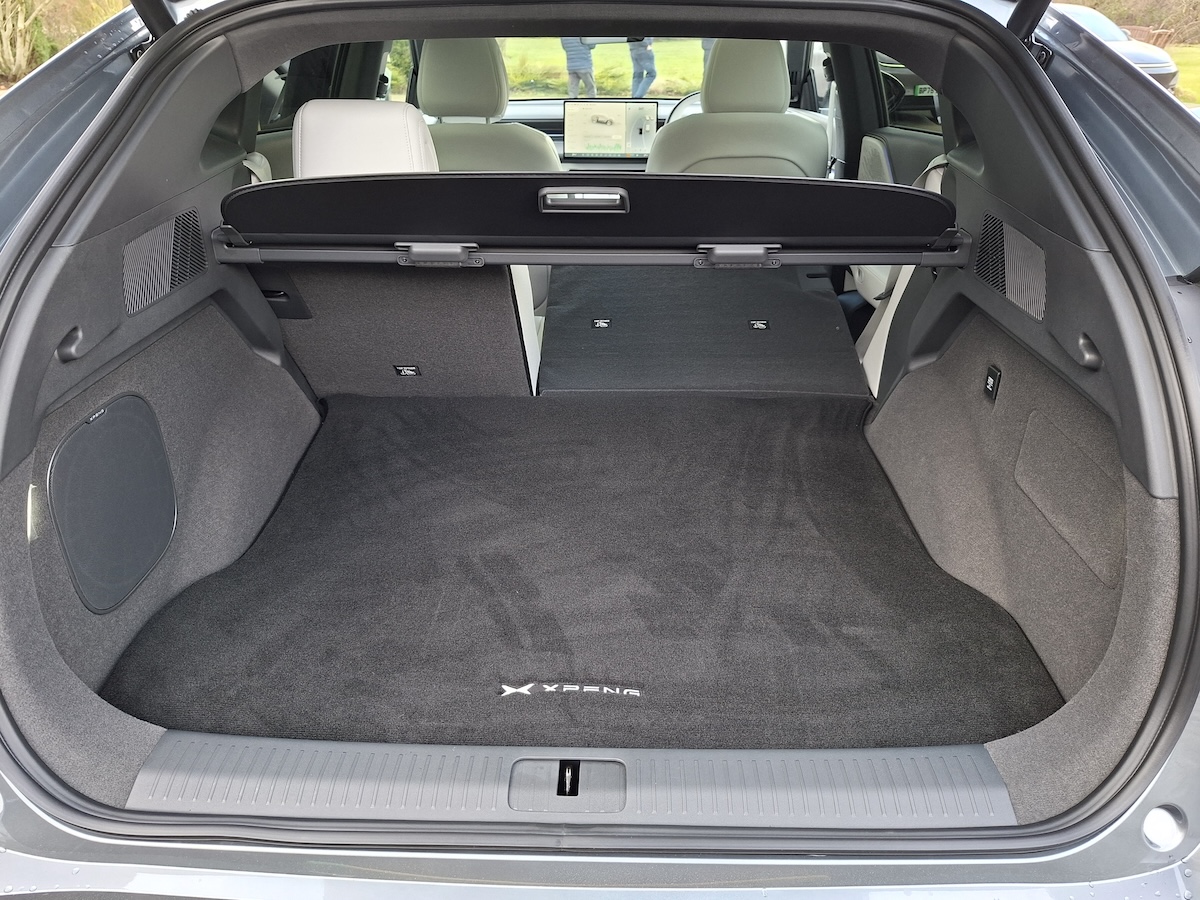
The rear seats fold down in the same format, opening up the already-sizeable 571-litre boot to 1,374 litres of maximum boot space. Either way, there’s quite a clunky lip at the entrance of the loadbay that you’ll need to muscle heavy items over. The folded rear-seat backrests lie level with the boot floor, but they don’t lie completely flat, so your extended loadbay has a slight slope in it. There is a bit of underfloor storage in the G6’s boot, but not a huge amount, so you might have to be quite precise with how you pack away your charging cable. There’s no under-bonnet ‘frunk’ area to serve as an alternative, either.
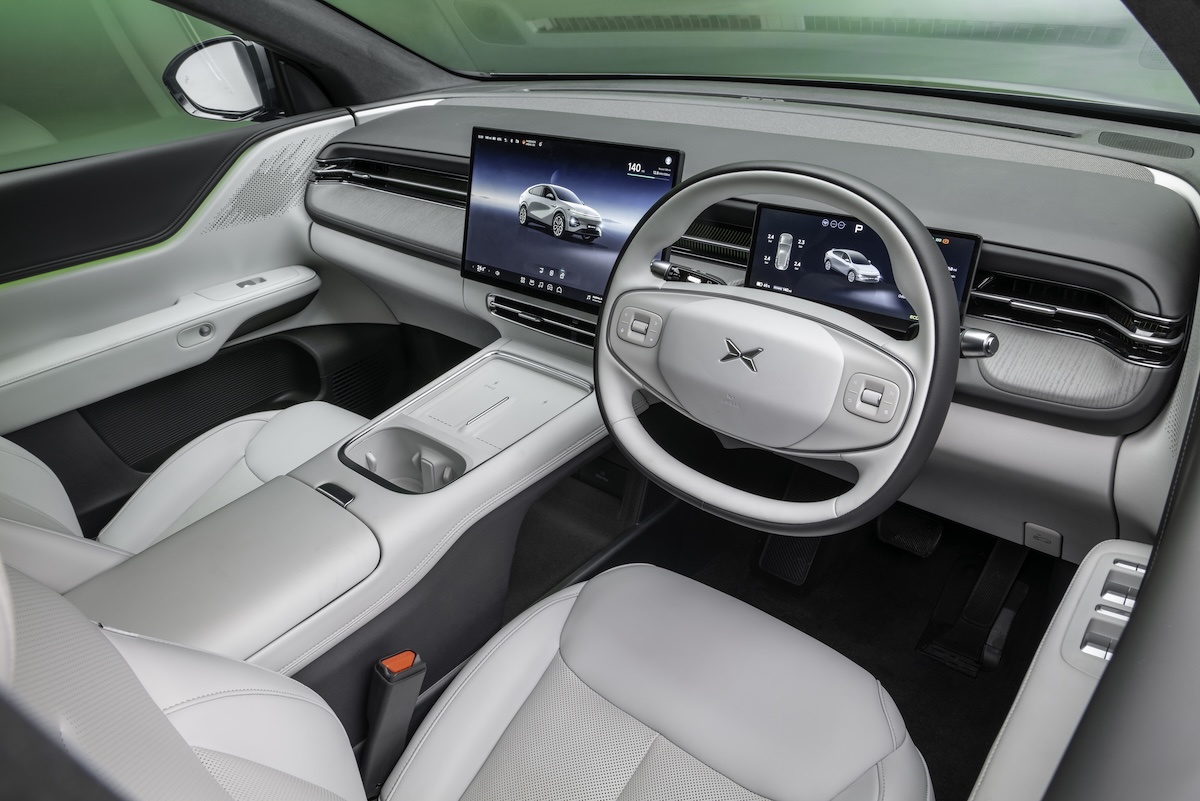
In terms of interior quality, the G6 felt a touch chintzy and unsubstantial before its 2026 facelift, but it’s much better now, with denser materials and more cohesive finishes. It’s actually a really nice place in which to spend time, and it doesn’t feel like a poor relation in the class, even when compared with most premium brands. The vibe is extremely modern, giving a classy and innovative feel, although we’ll discuss the ramifications of the car’s minimalist interior design later on in our ‘Technology, equipment and infotainment’ section.
One thing we will discuss at this point, though, is the G6’s rear visibility, which is borderline abysmal. The rear window is small, steeply angled, and flanked by bulky bits of bodywork, and if any of the rear headrests aren’t set to their very lowest position, the tiny aperture you have to look out of becomes even more obscured. Things get even worse when it rains, because the comically small rear wiper only clears a fraction of the rear screen.
What’s it like to drive?
There are three distinct flavours of the G6. The entry-level car is the Standard Range, which has a rear-mounted motor delivering 248bhp, fed by a 68.5kWh battery. XPeng say it’ll do the 0-62mph dash in 6.9 seconds, but we’ll have to take their word for that, because we haven’t yet had the chance to try it. Its official WLTP range is given at 292 miles.
Then there’s the RWD Long Range. As the name suggests, it still has rear-wheel drive, but this time with a larger battery of 80.8kWh, extending the range to 326 miles. There is also, however, a touch more power at 292bhp, bringing the 0-62mph time down to 6.7 seconds. And we’d say that figure feels about right in reality. Put your foot down from a standstill, and the pickup is of the brisk-but-certainly-not-ballistic variety, while the on-the-move acceleration is a little tamer still. It’s every bit as fast as you’ll ever need it to be, though.
At the top of the range sits the AWD Performance, which shares the larger battery pack. Again, the name is the giveaway here, because a second motor is added, this time to the front axle, giving all-wheel-drive, while the combined power output is hiked all the way up to 480bhp, slicing the 0-62mph figure down to 4.1 seconds.
You might feel that there’s a bit of a shortfall between those numbers and your real-world sensations, though. Yes, there’s an appreciable uptick in the accelerative behaviour of the car in all situations, and it’s a fairly significant one, too, but the range-topper just doesn’t feel as fast as the numbers suggest. Don’t get us wrong: again, it has as much poke as you’ll ever want or need, but if you’ve paid an extra five grand for the version with ‘Performance’ in its name, it’s entirely possible that you might be expecting a bit more in the way of sensation.
There isn’t much sensation to be found anywhere else in the way the G6 drives, either. It goes, stops and turns, and does so capably and safely, but with very little in the way of flair. Grip levels are strong enough and the body control is fairly decent, but the car feels heavy and unwieldy when changing direction.
The touchscreen gives you a portal to various driving modes and variable settings for things like the steering weight and regenerative braking, but no matter how much you play with the settings, the car feels inert and anaesthetised. The steering is devoid of any feel and is rather slow to react at the straight-ahead position, and the throttle response also has a similar Johnny-Come-Lately quality. The brakes don’t give you much, either, although they’re strong enough and pretty easy to modulate. The regen’ modes have various stages that range from very weak to very strong, although the strongest mode won’t bring you to a complete standstill, so it’s not the one-pedal experience that a lot of EV drivers enjoy.
Of course, a lack of engagement isn’t really a problem as long as the car is quiet and comfortable. And quiet, it most definitely is, with the frameless side windows - double-glazed in the front - doing a good job of shutting out wind noise, and not much road noise to be endured, either. The motors stay quiet, too, although there is a synthetic space-age humming noise - albeit a faint one - as you accelerate, which we found slightly cheesy. You can probably turn it off, and we did try, but we never managed to find out how.
And the comfort? Well again, the ride is fine, but lacks any sparkle. The car feels plush and settled at higher speeds, and rides urban speed bumps well enough, but churned-up, grainy urban surfaces cause a distinct patter, while potholes and sunken drain covers can give you a bit of a whack from underneath.
Technology, equipment & infotainment
Like we’ve said, XPeng considers itself to be a tech company that just happens to make cars, so it’s no real surprise that the G6 is absolutely rammed with features. All of them are standard, with the one addable option being your paint colour (there are four shades to choose from if you don’t like the standard white, although the AWD Performance Black Edition predictably comes in black as standard).
The kit list is huge, then, with 20-inch alloy wheels, a panoramic glass roof, electric side mirrors with heating and memory, a powered tailgate, LED headlights with automatic high-beam, automatic wipers, ambient lighting, dual-zone climate control, two wireless phone chargers, 360-degree cameras and parking sensors, remote parking, a heat pump, and a heated steering wheel with power adjustment, heated- and ventilated front seats with power adjustment, and heated rear seats. The Standard Range has leatherette upholstery, while the Long Range and Performance models get massaging front seats in Nappa leather.
The car has 12 ultrasonic sensors and cameras helping to power a truly vast range of driver assistance features, which we’ll talk about in more depth in our ‘Three things to know’ section.
The infotainment roster, meanwhile, includes wireless Apple CarPlay and Android Auto, wifi, 18 speakers (including two built into the driver’s seat), mobile app remote control, over-the-air-software updates, and voice control that can tell which seat whoever’s talking is sitting in. We think you get the idea: there’s a vast amount of tech.
Trouble is, the majority of all that stuff is controlled - at least partially - through the huge 15.6-inch central touchscreen in the middle of the dashboard. It has to be, because there’s so little other switchgear in the G6, all in the pursuit of minimalistic interior design, of course. You get electric window switches, electric seat adjustment controls on the side of your chair (although even these can be moved with the screen as well), and buttons above your head for the hazard lights and SOS function, and that’s about it.
With the sheer amount of functionality that the screen has to control, the interface is immediately bamboozling. The arrangement of the menus isn’t actually all that daft, but the sheer amount of them, and their seemingly endless length, mean that performing most functions - even some relatively basic ones - is not the work of a moment.
Adjusting the sensitivity of your automatic wipers? Screen. Turning on your windscreen defogger? Screen. Adjusting the angle of your door mirrors? Well, you first have to find the right menu on the screen, and then make your inputs with the rollers and touchpads on the steering wheel (these controls have myriad functions depending on which menu is selected at the time). All stuff that could traditionally be done in a second with a physical button or switch now takes several taps and/or swipes, and that’s assuming you already know your way around the system. And to make matters worse, those taps and swipes often need repeating because the system’s screen sensitivity is rather hit-and-miss.
Things could be worse still. It’s good that there’s a smaller 10.25-inch display behind the steering wheel to serve up your main driving information, so at least the central screen isn't further cluttered up with that stuff, like we’ve observed in some cars. And at least the air-con menus can permanently be accessed through icons in the bottom corners of the screen, and there are configurable widgets along the bottom that you can set up as shortcuts to your most-used functions. But outside of those elements, navigating the system is very difficult, and when you’re driving, pretty distracting, too.
And while we say things could be worse, they have actually already been worse. The G6’s 2026 facelift has brought physical tabs on the air vents that allow you to manually control the direction of the airflow. Guess how that was done before the facelift? Bingo. Screen.
XPeng G6 running costs
Like many emerging Chinese brands, XPeng is looking to disrupt the established pace-setters in the European car market by combining its strong quality and massive tech levels with keen pricing. As such, the Standard Range car stands at around £40,000, the RWD Long Range version costs around £45,000, while the AWD Performance Black Edition costs around £50,000.
These are by no means cheap-as-chips offerings, then, but they do represent a significant saving over many of the models and brands that XPeng has in its sights. And when you factor in that level of quality and tech on board, the value proposition starts to look even more compelling.
In terms of range, the three different versions offer three different figures. The smaller 68.5kWh battery in the Standard Range delivers an official figure of 292 miles, while the larger 80.8kWh alternative in the mid-spec RWD Long Range version achieves up to 326 miles despite having slightly more power. The range-topping AWD Performance Black Edition also has the larger battery, but its higher-still power output trims the range figure to 316 miles.
If you have a 7kW home wallbox charger, expect a full home charge of the smaller battery to take around nine hours and cost you around £19. For the larger battery, you’re looking at more like 11 hours and £22. However, both those sums can easily be cut in half if you get yourself on a variable power tariff that allows you to charge overnight on heavily discounted off-peak electricity.
The G6’s real party-piece comes with DC rapid charging, though. Since the 2026 facelift, the car has been able to accept charging speeds of up to 451kW on the larger battery, and 382kW on the smaller one. Those speeds are nothing short of phenomenal, and in theory, both batteries are capable of a 10% to 80% top-up in just 12 minutes. Such times will remain as theory for a while yet, though, because those charging speeds are so phenomenal that we don’t currently know of any DC charging station in the UK capable of supplying power at a rate to match the larger battery’s ability to accept it.
All versions of the car sit below the £50,000 price threshold for the Expensive Car Supplement on VED road tax for EVs, but the range-topping version is only a few quid away from the threshold (we're talking a tenner here), so any future price rises will likely take the car over, saddling you with liability for the extra charge. This will add another £440 per year on top of the £200-per-year flat rate for a five-year period between years two and six of the car’s life.
XPeng G6 reliability
This is one area we can’t really help you with, sadly. The brand has only existed in the UK since early 2025, and there simply isn’t yet the data on UK cars to build a picture of what potential reliability might look like.
In the scheme of things, XPeng is one of the younger Chinese car companies that has entered the UK market, which might worry you, but the products appear to be very solidly assembled, and there’s no questioning the brand’s ambition.
When you buy an XPeng G6, you get a main warranty package of five years or 75,000 miles, whichever happens first, and a battery warranty of eight years, 100,000 miles. The service intervals on the car are one year or 12,500 miles.
- The XPeng G6 has 12 ultrasonic sensors and cameras helping to power a huge range of driver assistance features including - ahem, ready? - adaptive cruise control, traffic sign recognition, automatic speed limiter, lane centring control, lane keeping assist and warning, active lane change, automatic emergency braking, blind spot detection, front- and rear cross traffic alert, and driver monitoring.
- As usual with such systems, you can turn them off by trawling through hopelessly long and convoluted touchscreen menus, but if you’re so minded, you have to do that every time you set off because the systems are reinstated whenever you restart the car. The saving grace here is that the XPeng’s systems feel far more polished - and as a result, far less intrusive - than the systems we've encountered in many similar cars recently, so there’s every chance you’ll be happy to keep them on.
- When the car was facelifted extensively in early 2026 after less than a year on sale, it was actually given a smaller battery. The Long Range car previously had an 87kWh nickel-manganese-cobalt (NMC) battery, which has now been swapped out for an 80.8kWh lithium-ion phosphate one. The newer battery is said to be more robust and durable, as well as allowing a huge uptick in charging speeds. Where the old battery could accept DC rapid charging at up to 280kW, the newer one ups that figure to a mind-boggling 451kW. The battery improvements were part of more than 20,000 incremental changes brought by the facelift in a wide variety of areas.
- If you want the cheapest one: The most affordable G6 is the Standard Range car. We haven’t tried it, yet, but it’s only fractionally slower on paper than the mid-range version, which is absolutely fine for pace. Its range isn’t quite as long either due to its smaller battery, but an official figure of 292 miles is still decent.
- If you want the longest-legged one: As its name suggests, the RWD Long Range has the biggest battery, and its single-motor powertrain gives it the ability to eke out 326 miles of range on a full charge according to official WLTP figures.
- If you want the fastest one: The AWD Performance Black Edition is the one for you, with a 480bhp dual-motor powertrain and 0-62mph in 4.1 seconds. It doesn’t feel quite as fast as those numbers suggest, though. It still does well on range, however, with a figure of 316 miles.
- If you want the American alternative: The Tesla Model Y is very similar to the G6 in size and ethos, and it’s so popular that you probably won’t be ignoring it. It costs quite a bit more than the XPeng, although the Supercharger network is some compensation for that.


