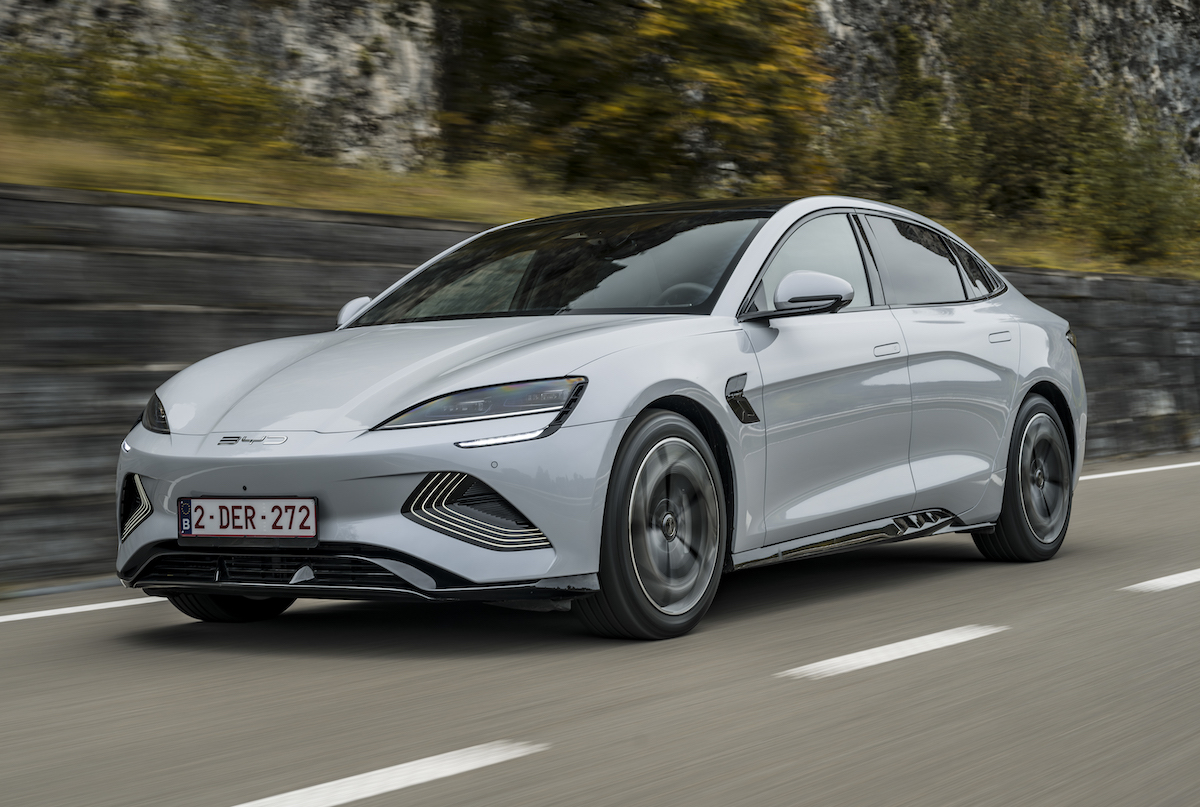
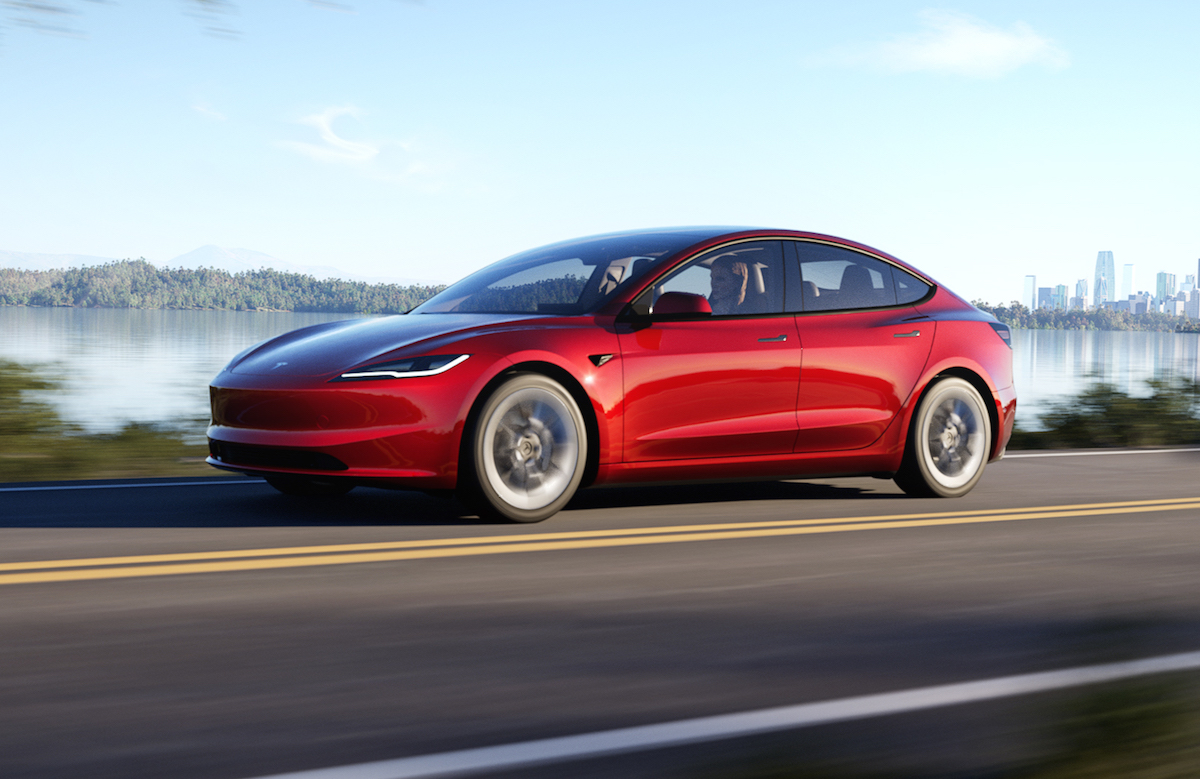
If you're in the market for a sharp-suited electric saloon, two cars stand out from the crowd: the BYD Seal and the Tesla Model 3. One is a newcomer from China, aiming to disrupt the market with generous equipment levels and a premium feel. The other is the established benchmark that redefined the EV landscape.
The BYD Seal arrived in 2023, offering a comfortable ride and a cabin packed with standard kit. It's a clear shot at buyers who might traditionally look at a BMW 3 Series. Meanwhile, the Tesla Model 3, first launched in 2018 and significantly updated for 2024, continues to trade on its minimalist design, cutting-edge software, and access to the superb Supercharger network. Both offer impressive range and performance, but which one is the better buy?
BYD Seal vs Tesla Model 3
Practicality
BYD Seal practicality score: 4/5
Tesla Model 3 practicality score: 3/5
When it comes to passenger comfort, the BYD Seal has a clear advantage. There's more legroom for those in the back, meaning even taller adults will be reasonably comfortable on longer trips. The Tesla's rear seats, by comparison, feel a bit cramped for an executive car. Both cars get a panoramic glass roof as standard, which helps the cabins feel light and airy.
For luggage, the roles are reversed. The Model 3's boot offers 425 litres of space, edging out the Seal's 400 litres. However, the Seal has some useful underfloor storage to claw back some ground. Both cars also feature a handy 'frunk' (front trunk) under the bonnet, which is perfect for stowing charging cables. Neither can match the outright practicality of a hatchback like the Polestar 2, but for a saloon, the Seal is the more passenger-friendly option.
Driving Impressions
BYD Seal driving score: 4/5
Tesla Model 3 driving score: 4/5
Both of these electric saloons are quick off the line. The entry-level Seal gets from 0-62mph in 5.9 seconds, while the dual-motor version does it in a blistering 3.8 seconds. It's more engaging to drive than you might expect, with responsive steering, though the inconsistent feel of the brake pedal takes some getting used to. The Seal's ride is generally comfortable and composed, making it a relaxing long-distance cruiser.
The Tesla Model 3 has always been good to drive, and the 2024 update brought improved suspension that delivers a more balanced and satisfying experience on a twisty road. It feels sharp and agile, though it can't quite match the pillowy ride of the BYD over bigger bumps. While road noise is more noticeable in the Tesla, it remains a fun and capable car. It's a choice between the Seal's comfort and the Model 3's sharper handling.
Technology and Equipment
BYD Seal technology and equipment score: 4/5
Tesla Model 3 technology and equipment score: 5/5
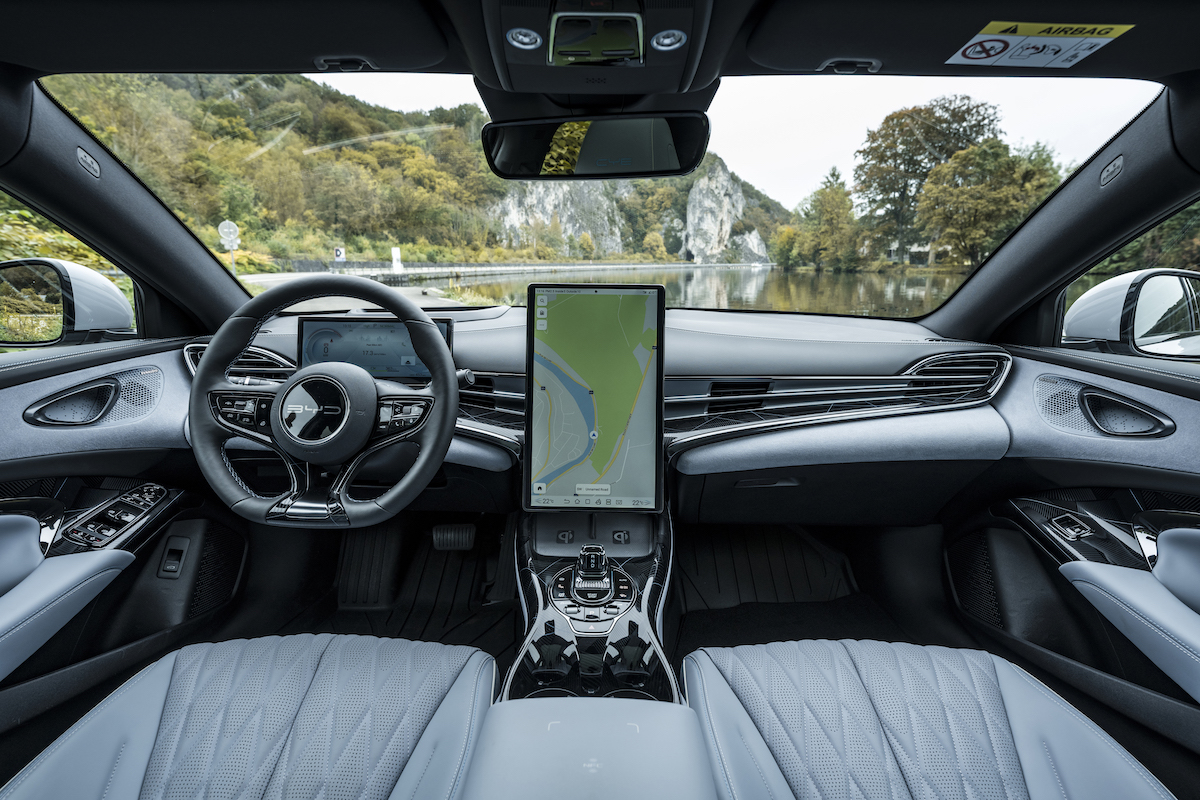
BYD has taken a 'kitchen sink' approach to equipment. Every Seal comes with a head-up display, heated and ventilated seats, a 360-degree camera, and a 12-speaker sound system as standard. The Tesla is also well-equipped, but it misses out on some of the goodies that are standard on the Seal.
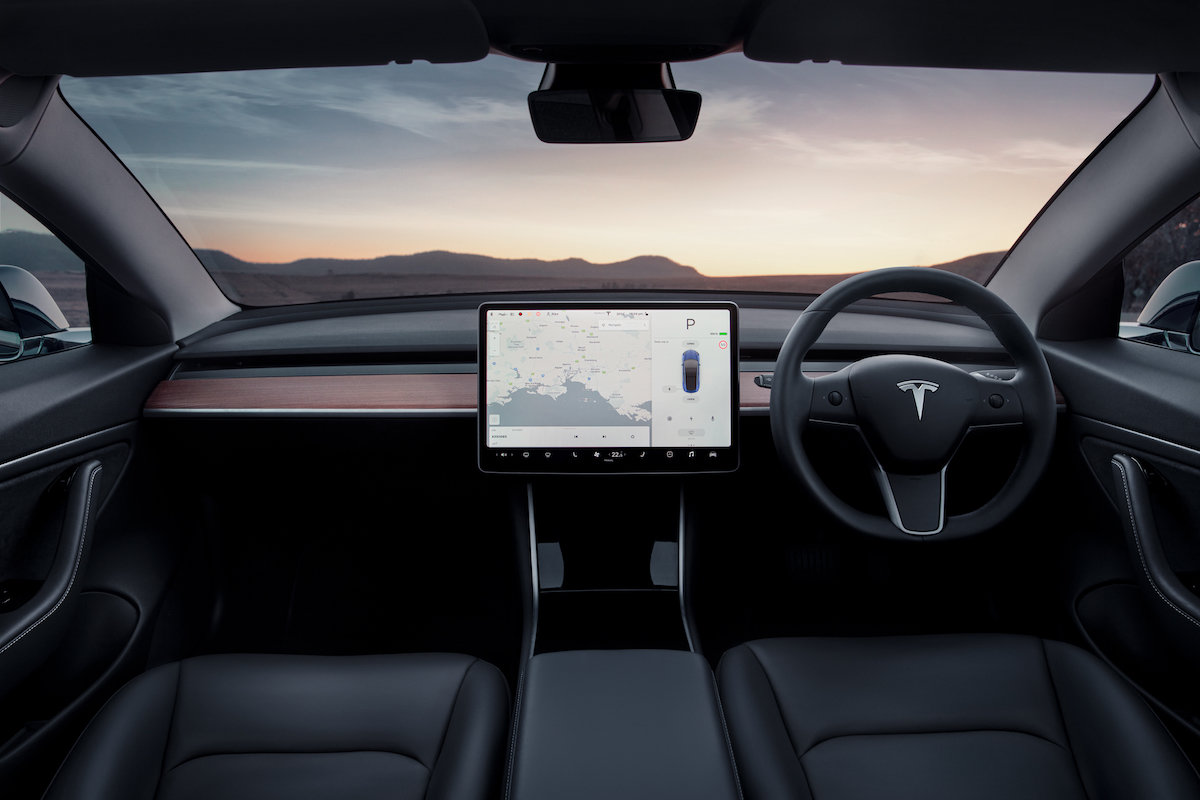
The cabins are dominated by huge touchscreens, but the philosophies are different. The BYD's 15.6-inch screen can rotate, which is a bit of a gimmick, and some simple functions are buried in menus. The Tesla's 15-inch screen is the minimalist ideal, controlling everything from the wipers to the glovebox. Some will love it, others will find it frustrating. Crucially, the Seal has Apple CarPlay and Android Auto, which the Tesla lacks, forcing you to use its own (admittedly good) built-in system.
Running Costs
BYD Seal running costs score: 3/5
Tesla Model 3 running costs score: 5/5
While list prices are similar, the Tesla Model 3 is often cheaper on monthly finance deals. The BYD Seal's PCP costs can be surprisingly high, sometimes matching more premium rivals like the BMW i4 and costing more per month than the Tesla.
For day-to-day running, there's little to separate them if you're charging at home. A full charge will cost around £25 on a standard tariff, or half that on a cheap overnight rate. The Model 3's trump card is its real-world efficiency and access to the excellent Tesla Supercharger network. This network of fast, reliable, and easy-to-use chargers makes long journeys simpler and can often be cheaper than other public charging options.
CarGurus Buyer Insights
|
BYD Seal |
Tesla Model 3 |
| CarGurus expert rating |
4 out of 5 |
5 out of 5 |
| CarGurus user rating |
0.0 out of 5 |
4.2 out of 5 |
| Percentage of good/great deals available on CarGurus* |
47.3% |
28.6% |
| Overall CarGurus rating |
3.9 out of 5 |
4.4 out of 5 |
The Verdict
BYD Seal Overall CarGurus rating: 3.9/5
Tesla Model 3 Overall CarGurus rating: 4.4/5
While the BYD Seal makes an impressive debut, it's the Tesla Model 3 that takes the win in this comparison. Our CarGurus Buyer Insights show the Model 3 has a higher overall rating, scoring better with both our experts and with owners.
The Tesla's victory comes down to a few key areas. It's typically better value on monthly finance deals, it's more efficient in the real world, and its access to the Supercharger network remains a major advantage for anyone who does regular long-distance drives. The 2024 updates have also addressed earlier criticisms, making it a more refined and comfortable car than ever.
This doesn't mean you should dismiss the BYD Seal. If you prioritise rear passenger space and want a car loaded with standard luxury features like ventilated seats and a head-up display, it's a worthwhile alternative. However, the Tesla Model 3's superior combination of technology, efficiency, and overall value makes it the better all-round electric saloon.
BYD Seal Pros and Cons
| Pros |
Cons |
| Generous standard equipment |
Less competitive on finance deals |
| Spacious rear passenger seats |
Infotainment can be complex |
| Comfortable and refined ride |
Inconsistent brake pedal feel |
Tesla Model 3 Pros and Cons
| Pros |
Cons |
| Access to Supercharger network |
Minimalist interior isn't for everyone |
| Strong performance and handling |
No Apple CarPlay or Android Auto |
| Good value on monthly finance |
Rear seats are a bit cramped |
*The Overall CarGurus rating that informs these recommendations is based on CarGurus' proprietary market data from June 2026, CarGurus expert reviews, and CarGurus user reviews.
Read Our Full Reviews: