Mazda6 Review (2007-2012)
Mazda Mazda6 cars for sale
4.0
Expert review
Pros
Much more sporty to drive than most family cars
Large boot, whether you choose the hatch or the estate
Wide choice of petrol and diesel engines
Cons
Firm ride
The 2.5-litre petrol is thirsty
Too many hard and cheap-looking plastics in the cabin
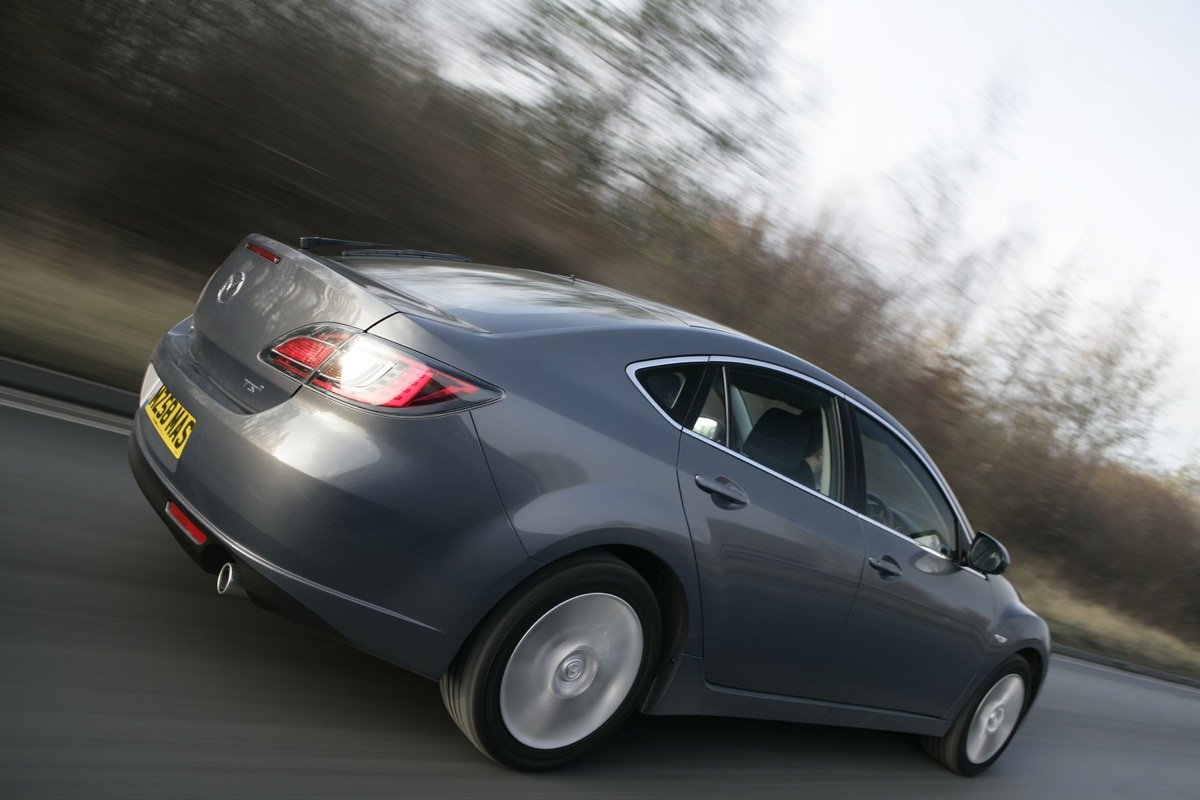
The CarGurus verdict
Rivals have smarter interiors, but the Mazda6 makes up for that with an engaging driving experience that doesn’t sacrifice comfort on long journeys. It also has plenty of space and a good choice of engines, and there are lots of good examples on the used market for very attractive prices.
We wouldn’t advise that you buy one without also checking out the Ford Mondeo and the Honda Accord, but the Mazda6 should definitely be on your shortlist for this type of car.

What is the Mazda6?
Mazda is a brand that prides itself on adding some spice to its cars, no matter what it’s making. It has the little MX-5 sports car, which is known for being brilliant to drive, and that ethos has been injected into everything else it makes, from MPVs to SUVs and, in this case, mid-size family cars.
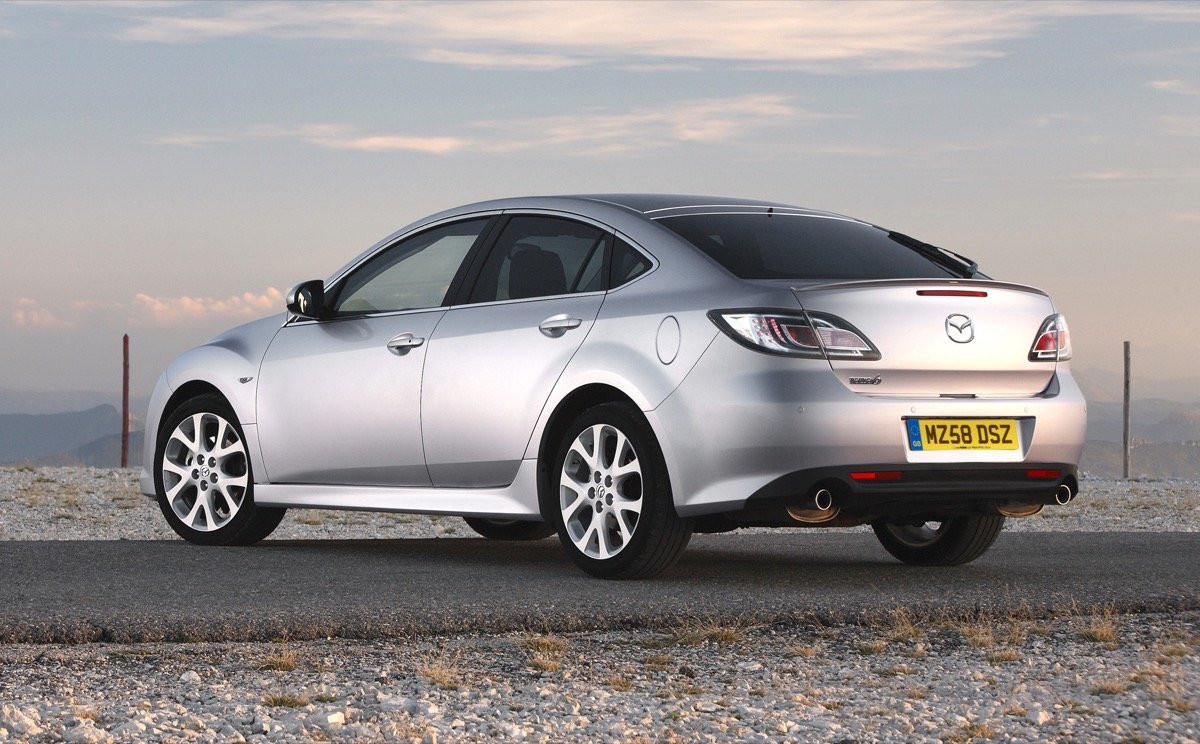
The Mazda6 is a Ford Mondeo rival and a car that, in the mid-2000s, was aimed squarely at company car drivers who would spend countless hours on motorways and use their vehicle as a family wagon at the weekends. This is the second-generation Mazda6, launched at the end of 2007 and replaced in 2012, and it continued its predecessor’s approach, with a zippy driving experience mixed with comfort and plenty of space.
You can find a used Mazda6 in saloon, hatchback, or estate guise, although the saloon didn’t sell particularly well and was taken off the market in 2010, when the range was also given a facelift. The hatchback was the biggest seller of the three so it’s also the most common second-hand.
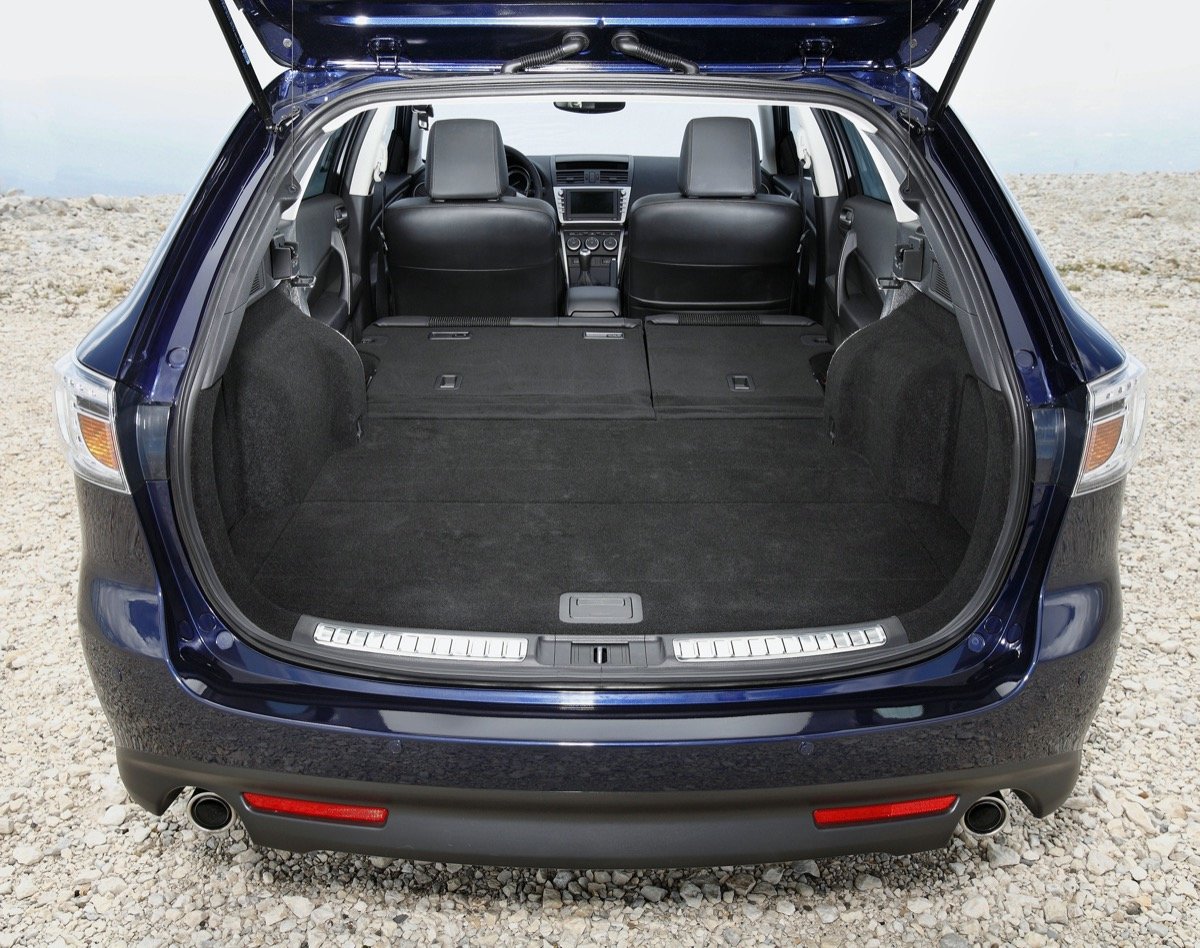
How practical is it?
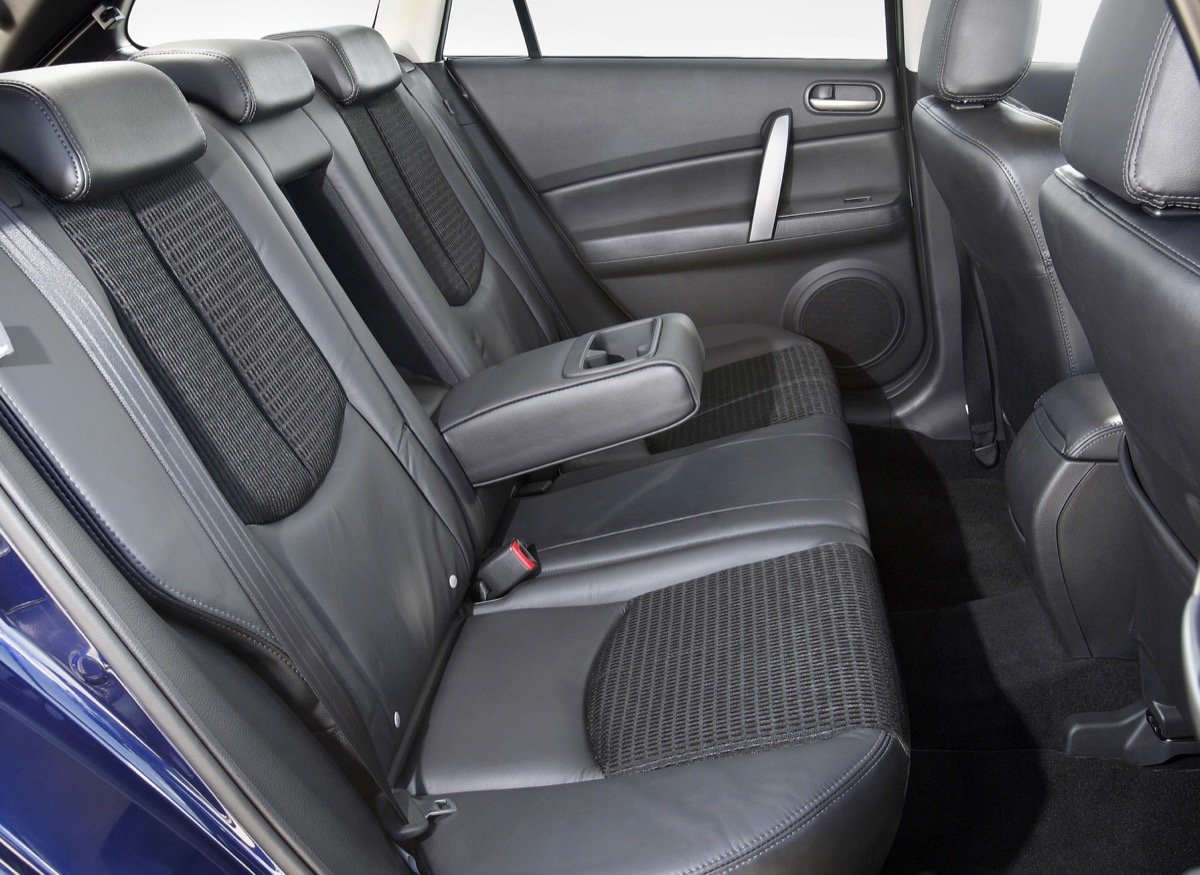
Boot space in the hatchback is impressive – there’s nearly as much as there is in the estate. If you need to transport larger items, the estate will hold up to 1,751 litres of luggage with the rear seats folded down. That’s a lot. There’s a decent among of room in the cabin, but while legroom is fine, taller adults might find headroom is a bit tight in the rear seats.
Practicality and comfort aside, the interior can’t quite match some of the Mazda6’s rivals in terms of build quality and design. In contrast to the smart exterior and sharp driving experience, the cabin is rather conservative and doesn’t feel particularly upmarket. It got little bit better in cars from 2010 onwards, it’s just lacking in any kind of pizazz.
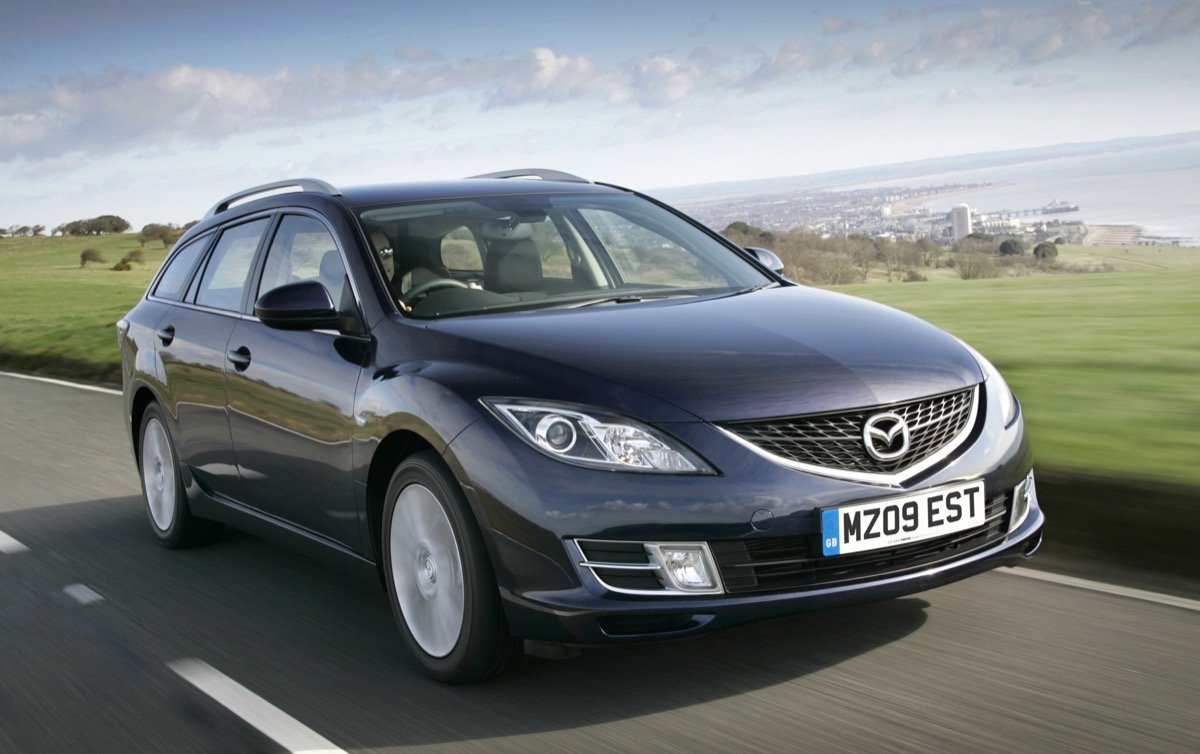
What's it like to drive?
The main thing to be aware of is that the firm suspension, designed to keep the car stable through corners, makes for what some might consider an uncomfortable ride. It’s not harsh, but you’re aware of the road surface beneath you, especially in the top-spec Sport model, which has even stiffer and lower suspension.
The payoff, though, is a composure and agility that few cars of this type can match, and very communicative steering. It’s a car that rewards you for getting off the motorway and taking the twisty route home, but it’s still absolutely fine for a long-distance cruise.
The 2.2-litre diesel engine is the best of the bunch by far, particularly if you can find one with a higher power output of 161- or 177bhp. Both are really punchy but will also cruise along effortlessly at low revs on the motorway.
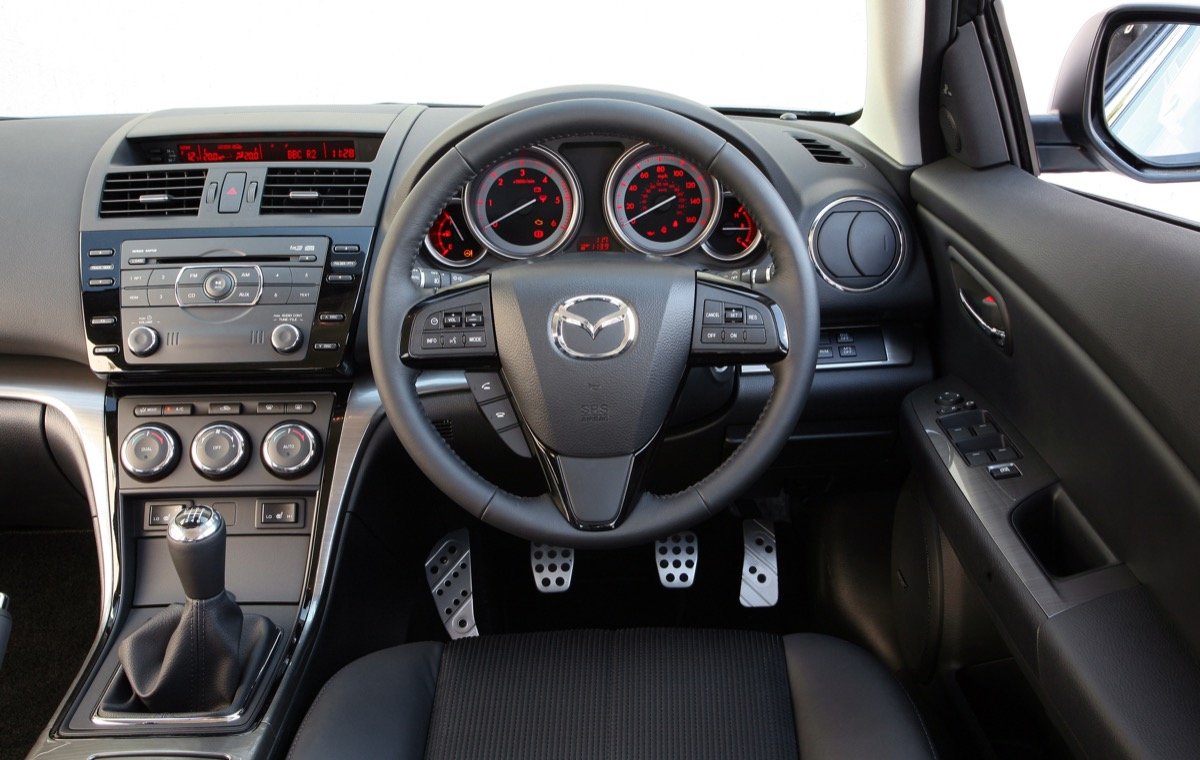
Technology, equipment & infotainment
The entry-level model is the S, which includes 16-inch alloys, a CD player, and air-con but not much more, and it wasn’t available with the estate. TS models add electric door mirrors, cruise control, and a trip computer as well as dual-zone climate control, and a couple of extra speakers for the sound system.
TS2 adds 17-inch alloy wheels and automatic lights and wipers, as well as Bluetooth, which could make it particularly desirable for modern drivers. Sport gives you keyless entry and start, a sporty body kit and 18-inch alloys, while SL, which stands for Sport Luxury, includes 18-inch alloy wheels, full leather seats (heated in the front), a Bose sound system, and rear parking sensors.
Mazda6 running costs
The diesels are a much better bet when it comes to fuel economy, and the later 2.2-litre models are more efficient than the early 2.0. Even the most powerful 2.2 has an official fuel consumption figure of 51mpg. That’s not bad, although some Mazda6 rivals are even more efficient.
Of the petrols, the 1.8 has an official mpg figure of 42, and the 2.0 is pretty close with 39mpg. The 2.5 falls to 34mpg. All of these figures were based on the old NEDC fuel test, which was known for being optimistic, so expect less in the real world.
You’ll need to service your Mazda6 every year or 12,500 miles, whichever comes first. As the cars are no longer under warranty, you may be better off with a good independent mechanic, who will be considerably cheaper than franchised Mazda dealers, which tend towards newer cars anyway.
Insurance groups are between 16 and 28 out of 50, with the newer and more powerful models costing more. Generally, that’s more expensive than equivalent Ford Mondeos.
Mazda6 reliability
Mazda has a strong reputation for reliability going back many years, so customers can be fairly confident that a Mazda6 won’t throw up too many issues. That said, high mileage is very common, because many saw service as company cars. This isn’t necessarily a bad thing, providing the car has been well looked after, so make sure that’s the case.
Things to check include stretched timing chains on 2.2-litre diesel models, which can require a replacement at a cost of more than £1,000. Watch out for a flashing DPF light on the dashboard or check the vehicle’s service history to see if it’s been affected and/or remedied. Diesel cars can suffer from stiff manual gearboxes, and the aircon system can leak coolant.
At the time of writing there had only been one recall for this generation of Mazda6, which covered the airbag inflators on early cars and required the replacement of the airbag assembly. This work should have been carried out by now, but if you’re looking at a car made before 2010, it’s worth checking the government’s online recall tool and asking a Mazda dealer.
- Diesels made up a huge chunk of sales, so they’re by far the most common type of Mazda6 on the used car market. Early models had a 2.0-litre diesel with 138bhp, but it was replaced with a 2.2-litre unit with three different power outputs: 123-, 161- and 177bhp. The 2.2 is a much smoother and quieter engine than the 2.0, so it’s definitely the one to go for. If you want a petrol, there’s a 1.8-litre unit with 118bhp, but it’s underpowered; the 145bhp 2.0-litre has more poke. There was also a 167bhp, 2.5-litre petrol engine, but that’s thirsty and, if you’re after performance, the fastest diesel is a better bet.
- The Mazda6 didn’t come with a spare wheel as standard, rather a kit to patch up any punctures so you can get to a garage and change the tyre. Check to make sure it’s actually there and still operational – or see if previous owners have invested in a spare wheel. The last thing you want is to be caught short with neither.
- There were several special edition Mazda6s during its life, which stand out from the crowd. They generally were available in small numbers and came with unique paint options or a few extra features over and above the standard trim levels. Ones to watch out for include the sporty-looking Tamura, the equipment-packed Takuya and the Venture Edition, which was based on the TS2 but added 17-inch alloys, a different grille, tinted windows, and new paint options.
- If you want the best all-rounder: We think the best balance of price, spec, and power is the 161bhp 2.2-litre diesel model, in hatchback guise and TS2 trim. That gets you enough features to keep up with more modern cars, including Bluetooth, which the lower-spec models lack. It also provides strong performance and reasonable fuel economy.
- If you want the most space: Although the Mazda6 hatch isn’t far behind, the Estate version has the biggest boot and, because it’s a slightly longer car, there’s a bit more space for rear passengers, including extra headroom.
- If you want the most power: Go for the 2.2-litre diesel. It may be a shade smaller than the big 2.5-litre petrol, but it’s far more economical and has more low-down grunt, so it feels muscular when you put your foot down.

