Mercedes-Benz A-Class (2013-2018) review | Still in the shadow of the competition
Mercedes-Benz A-Class cars for sale
3.0
Expert review
Pros
Stylish, high-quality interior
Mighty performance from AMG hot hatch
Diesels are very fuel efficient
Cons
Tight rear headroom
Uncomfortable ride
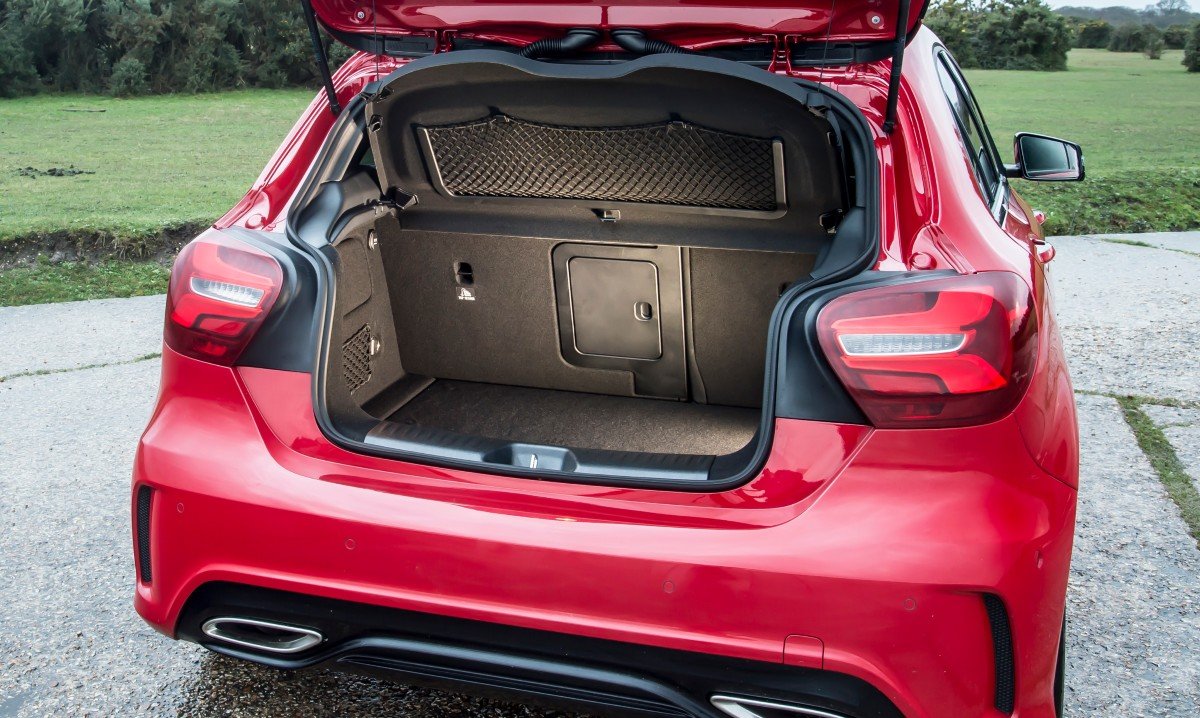
Awkward boot opening

The CarGurus verdict
The third-generation Mercedes A-Class was an immensely popular car thanks to its smart looks and desirable badge, and it had plenty more going for it besides. Its interior was high in quality, and a plethora of luxury and safety equipment was included. The car does have some fairly fundamental flaws, though, such as a firm ride, unremarkable handling and below-average refinement. Although reasonably spacious, its practicality is also undermined by clumsy design.
All things considered, the A-Class isn’t a bad car. If you have your heart set on one, we wouldn't urge you to reconsider. However, an Audi A3 or BMW 1 Series do most things better for similar money, while there are plenty of other, more humble family hatchbacks that will do a better job overall for significantly less.
What is the Mercedes-Benz A-Class?
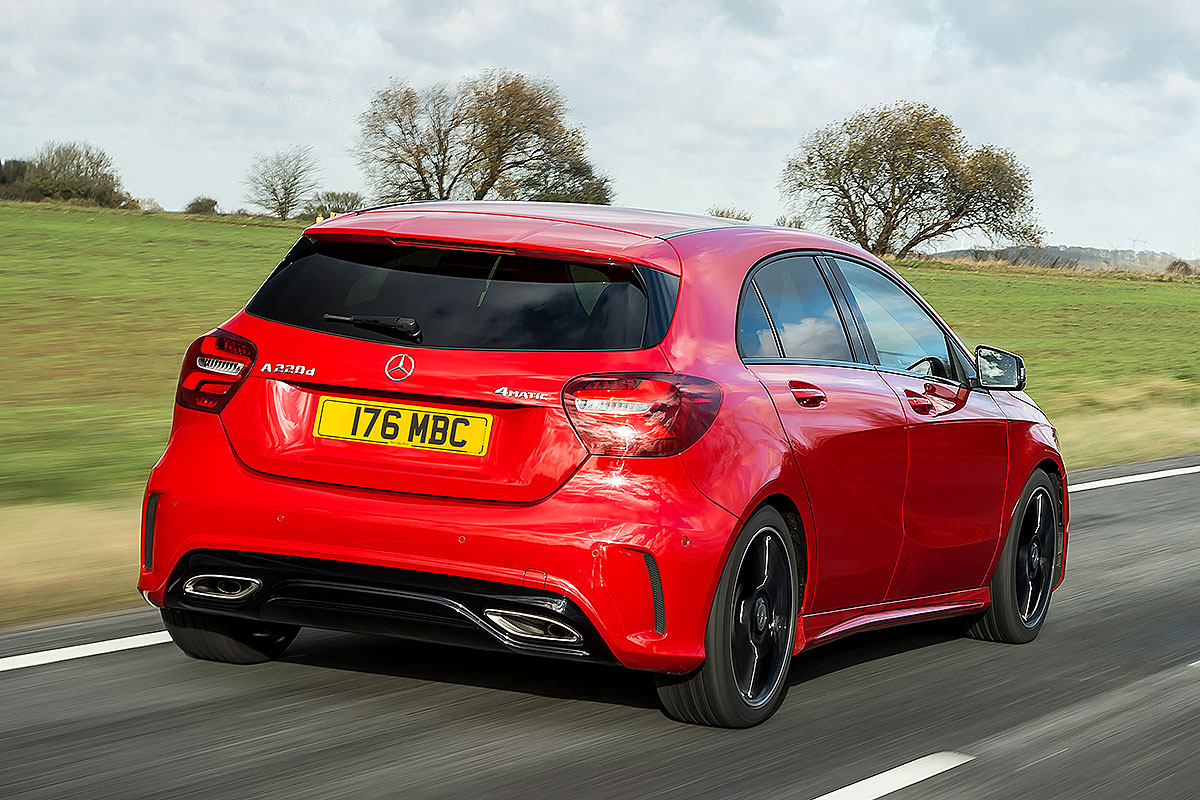
The first Mercedes-Benz A-Class arrived in 1997, and it was a rather curious car. It resembled a scaled-down MPV, rather than the more conventional family hatchbacks that it competed against. And it was the same story with the second-generation A-Class in 2005. But with the third-generation car, codenamed the W176, Mercedes rethought the A-Class entirely, resulting in the more traditional-looking hatchback you see here.
Offered as a five-door only, this A-Class was better able to compete with prestige-badged rivals such as the BMW 1 Series and Audi A3, along with other members of the traditional hatchback fraternity like the Volkswagen Golf and Ford Focus.
How practical is it?
While undeniably sophisticated and civilised, the Mk3 A-Class had several flaws in the practicality department, some more frustrating than others.
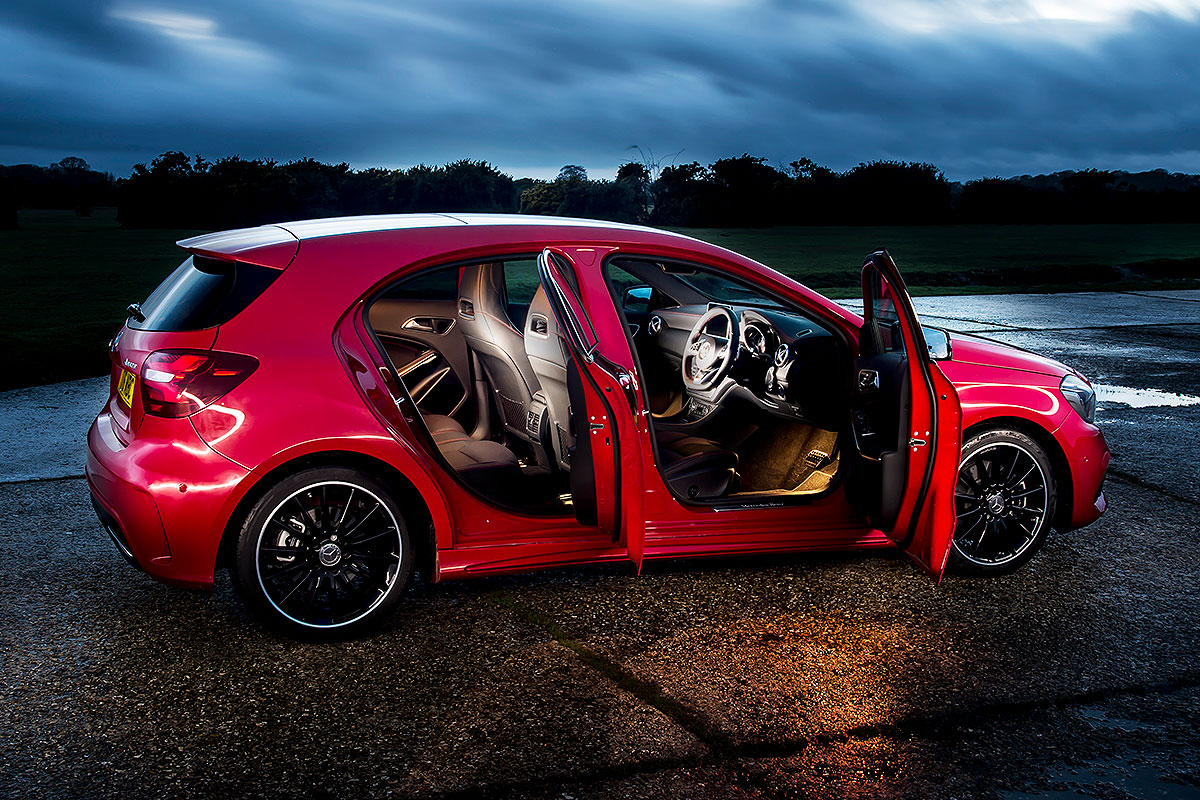
Because it was sleeker than its predecessor, headroom was much tighter, and because the roof curved downwards at the sides, taller passengers travelling in the back seats can feel rather hemmed in. The shape and size of the rear wheelarch also leaves quite a large lip to clamber over as you slide into the back seat.
The boot was a good size, at a respectable 341 litres. But a narrow and awkwardly shaped opening make it difficult to access the space; a similarly aged Volkswagen Golf has a much more useful boot, with 380 litres of storage capacity. You do at least get 60:40 split-folding rear seats, which are a necessity to get the right angle for anything large to be manoeuvred inside.
Mercedes-Benz offered plenty of practical accessories for the W176 A-Class. You could buy rubber floor and boot mats, a multi-compartment storage tub, a fold-out boot sill protector and a 400-litre roof box. Some sellers may well include these with their car, but you can always hunt around online for these handy accessories if not.
Towing capacities vary depending on the model year and engine. Broadly speaking, the less power you have, the less you can tow. The A180 petrol, for example, is rated for 685kg unbraked and 1,200kg braked, but the A220d is rated at 740kg and 1,500kg respectively (when fitted with an automatic gearbox). If you think you’ll need to use your third-gen A-Class for towing, be sure to check the car’s specification carefully to ensure it is suitable.
What's it like to drive?
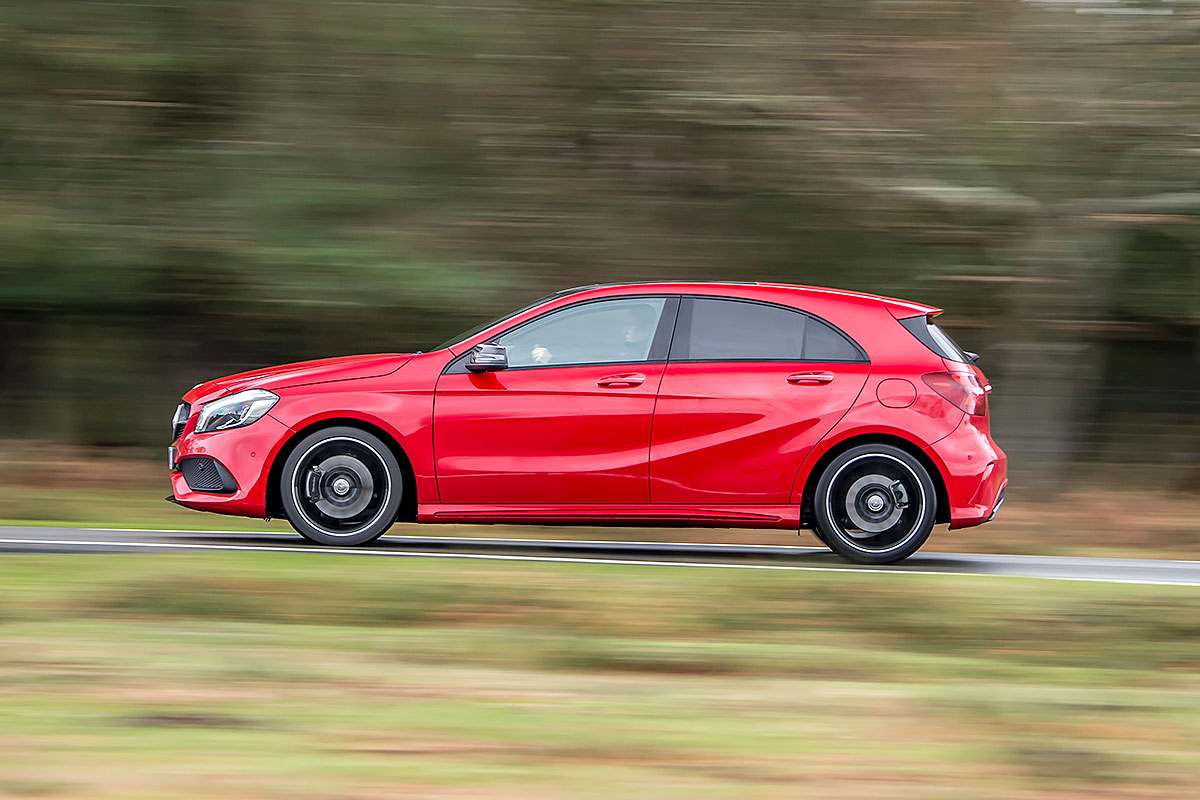
Perhaps the biggest problem with the Mk3 A-Class is ride comfort, or the lack of it. Its firm suspension causes the car to judder over craggy urban surfaces, while bigger bumps and potholes really jolt into the cabin. That’s on the standard suspension, too – some models came with a lowered sports setup, which was even less comfortable. Neither delivered the serene experience you’d expect from a Mercedes, and as such, we’d recommend you try a period Audi A3 or Volkswagen Golf if you’re likely to cover a lot of miles.
Firm suspension would have been more forgivable if the car delivered pin-sharp handling, but it doesn’t. Body-roll is well contained once you are settled into a bend, but there’s an initial sideways lean beforehand that makes the car feel more cumbersome than it really is. Its steering is rather remote and inconsistently weighted, too. Both the A-Class’s main rivals – the Audi A3 and BMW 1 Series – are considerably more enjoyable to drive, the 1 Series in particular. Road and wind noise are further issues (the BMW, Audi and Volkswagen all do a better job of managing this), and the A-Class’s engines – especially the diesels – are appreciably more vocal.
The performance the A-Class delivers is adequate, but its key rivals feel more eager. As a general rule, and like other Mercedes models, the lower the number in a car’s boot badge, the less power and performance you will get. An early A180 CDI, for example, will hit 62mph in 11.3 seconds with a six-speed manual gearbox or 11.6 seconds with the seven-speed automatic. An A180 petrol of the same vintage will hit the 62mph benchmark in 9.2 or 9.1 seconds, again with either a manual or auto ’box.
The exception to this decidedly average performance, however, is the A45 AMG, which is scintillatingly quick and unflappably capable. In fact, it was one of the finest cars of its type, and certainly the fastest. Unlike most other A-Class models, which are front-wheel drive, the A45 AMG uses 4Matic all-wheel drive. Pre-2015 facelift cars have a 2.0-litre turbocharged engine with a seven-speed dual-clutch gearbox. Developing 355bhp and 332lb ft of torque, they will hit 62mph in 4.6 seconds and reach 155mph.
Post-facelift cars get 374bhp and 350lb ft, resulting in a rapid 0-62mph time of only 4.2 seconds. You also get sticky tyres on 18-inch wheels and AMG-specific suspension, while facelift models could be optioned with adaptive dampers and a clever locking front differential. A styling package with an aggressive front bumper and hefty rear wing was available, too.
Technology, equipment & infotainment
There were five trim levels to choose from at launch: SE, Sport, AMG Sport, Engineered by AMG and, above the rest, the 250 AMG. Base-spec SE models came with electrically adjustable and heated door mirrors, air conditioning, electric windows, a multi-function steering wheel, automatic headlights, Bluetooth connectivity, a USB port, automatic emergency braking, part faux-leather upholstery and 16-inch alloy wheels.
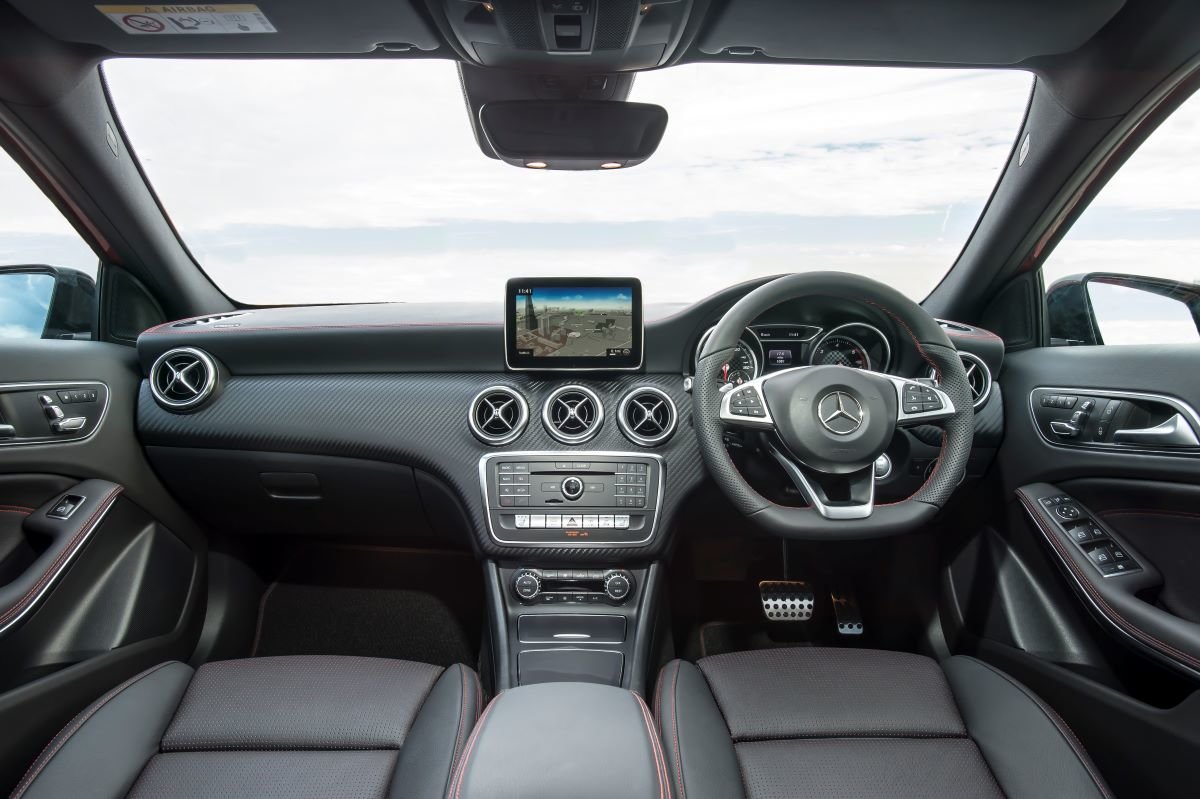
Sport trim added cruise control, chrome exhaust tips, automatic wipers and ambient interior lighting, while AMG Sport cars have more aggressive styling, a lowered suspension setup, 18-inch wheels, a flat-bottomed steering wheel and some carbon-effect trim. The Engineered by AMG model, meanwhile, came with xenon headlights, LED tail lights, tinted rear windows, red seatbelts and a diamond-pattern radiator grille. All of these could be optioned with a 5.8-inch central display screen, but it was a £160 extra that not everyone went for. On top of that, navigation cost another £500 or so.
After the 2015 facelift, SE and Sport specs remained, while the AMG Sport and Engineered by AMG morphed into AMG Line, with the 250 AMG above that. There was a lot more variation based on the engine you went for, but all cars had engine stop-start, a 180-degree reversing camera, air conditioning, two USB ports, Bluetooth, a CD player, attention assist and automatic headlights. With the SE as the entry-level trim, you got 16-inch alloy wheels and a seven-inch central infotainment display, while the Sport gained 18-inch wheels, an eight-inch central screen, automatic wipers, four driving modes (Eco, Comfort, Sport and Individual) and dual-zone climate control with its own small display. AMG Line cars also had 18-inch wheels, but benefitted from sportier-looking seats, a more distinctive exterior design and perforated brake discs. The 250 AMG added a Garmin navigation system, Parktronic with active park assist (which could parallel park the car for you), recalibrated steering, LED headlights, lowered suspension and heated front seats.
At the top of the pecking order was the A45 AMG. Pre-facelift examples got a seven-speed double-clutch gearbox with three settings (Comfort, Sport and Manual, plus paddles behind the steering wheel), launch control, AMG-specific sports suspension, an AMG exhaust, performance tyres, xenon headlights and LED rear lights, figure-hugging sports seats, an AMG instrument cluster, a DAB radio, navigation and a 5.8-inch central screen. Post-facelift cars, meanwhile, also had a seven-speed gearbox but benefitted from five drive modes – including an Individual setting. Sports seats were standard, as was a three-stage electronic stability programme, allowing you a little more wiggle room if driving on a track.
Various specials also came and went during the car’s life, so don’t be surprised to discover a Motorsport Edition, WhiteArt Edition or others. Each will have unique trim, tech and colour combinations, but they won’t cost you any more to buy today than a regular A-Class.

Mercedes-Benz A-Class running costs
Being a premium product, prices for this generation of A-Class are higher than those for an average hatchback of a similar vintage. They’re very close to those of the Audi A3 and BMW 1 Series, though, due to the similarity between the three in original prices and residual value.
According to official figures, your fuel economy in the regular versions could be anywhere between 40mpg and 80mpg. Predictably, the highest figures belong to the cleanest versions of the 1.5-litre diesel, while the worst belong to the A45 and the A250 petrol with all-wheel drive. Most of the diesels will beat 60mpg, while most of the other petrols should return in excess of 50mpg.
In terms of Vehicle Excise Duty (commonly known as road tax), the amount you pay will largely depend on when your car was registered. If a car you’re looking at was first registered after 1st April 2017, then at the moment you’ll pay £200 per year due to the introduction of a flat rate for all petrol and diesel cars. Pre-April 2017 cars will be charged depending on their CO2 emissions, and while these costs often change year to year, expect to pay between £20 and £275.
The exception is the A45 AMG, of course. It isn’t subject to the Expensive Car Supplement any more because it’s too old, a good thing as it was another £325 per year from years two to five of ownership. Nonetheless, you’ll still pay between £325 and £365 per year in road tax, depending on the size of your car’s wheels (18-inch wheels were standard, but optional 19-inchers bump up CO2 emissions to the next road tax bracket).
Insurance costs should be pretty reasonable on most versions, ranging between groups 13 and 34 (for reference, cars in group one are the cheapest to insure and cars in group 50 are the most expensive). The versions most people will buy sit in the mid- to late teens. You’ll need deep pockets to insure the AMG, though, with groups between 43 and 45. You’ll also need to budget quite a bit more for tyres.
Mercedes-Benz A-Class reliability
If you’re expecting your premium German car to guarantee reliability, you will be disappointed. The three German prestige brands sit towards the bottom of the table in various reliability surveys.
Thankfully, the common problems we’ve heard of with the A-Class seem to be relatively minor. For example, the most regularly reported is one of rattly seatbelts, which isn’t exactly an engine-out job to fix. We’ve also heard various reports from buyers about water leaking into the cabin in a variety of different places, so have a thorough check of the carpets in the footwells and boot (don’t forget to look inside the spare wheel well, too) for any signs of moisture or mould. This can cause electrical problems if it doesn’t get sorted.
Several recalls were issued during the car’s life, a number of them involving the airbags either not going off, or going off at the wrong time. The starter and the brake booster vacuum line also needed recall work, so check that this has all been carried out before you buy.
In any case, be sure to check the service history of any car you’re looking at. Regular maintenance can never guarantee trouble-free motoring, but you’ll put yourself in a much stronger position if you can find a used A-Class that has been cared for.
- Despite its many flaws, the Mk3 A-Class was an incredibly popular car. This was largely down to its smart styling and desirable badge, while impressive cabin quality also made it feel upmarket and aspirational. A comparatively generous amount of clever safety and luxury equipment did the feeling of class no harm whatsoever, and neither did low finance rates. Whatever the reason, as a result, there are plenty of examples on the used market today. If you decide you want one, you can afford to be choosy.
- In 2015, the A-Class underwent a facelift. The visual differences were of the blink-and-you-miss-them variety, but changes under the bonnet were more extensive. New engines were added to the range, and some of the existing ones gained more power and better efficiency. Also, it was at this point in time that Mercedes dropped the ‘CDI’ tag for its diesel engines, so the A220 CDI, for example, became known as the A220d. Inside, the facelift also brought a larger infotainment screen and smartphone integration.
- The A45 AMG was the fastest, most powerful hot hatchback of its day, with a mighty 374bhp from its 2.0-litre turbocharged engine in post-facelift form. That also endowed it with the most powerful four-cylinder engine in series production at the time. You feel every ounce of that power, too; the way it accelerates is truly brutal.
- If you’re on a budget: The cheapest version was the A160, which has a 1.6-litre petrol engine with 101bhp and a manual gearbox. It’s just about up to the job of hauling the A-Class around, and is fine in town. But you might find yourself wanting a bit more urgency when overtaking or joining the motorway. This version also arrived later in the A-Class’s life, so a pre-facelift A180 with 122bhp may be less expensive and more powerful.
- If you want extra urgency: We’d advise the A180. It’s still not exactly quick, but the extra performance does make your progress less laboured. The engine was available in both pre- and post-facelift models.
- If you want a diesel: We’d recommend the A180d. Its Renault-sourced 1.5-litre engine has 107bhp, and as well as very impressive fuel economy, it delivers presentable performance. You could upgrade to one of the more powerful diesels (both the A200d and A220d use 2.1-litre engines) but these are noisier and thirstier. Alternatively, the earlier A180 CDI is only marginally less efficient (74mpg, rather than 80mpg) and will be cheaper to buy used.
- If you want speed: It simply has to be the A45 AMG. Not only was it the quickest car of its type in a straight line, it was also incredibly capable in the bends thanks to taut body control and sure-footed traction from its standard all-wheel-drive system. Early examples felt a little bit detached, regardless of their speed, but the facelift brought suspension tweaks that made the car more involving. It’s worth hunting down a later example if you can.


