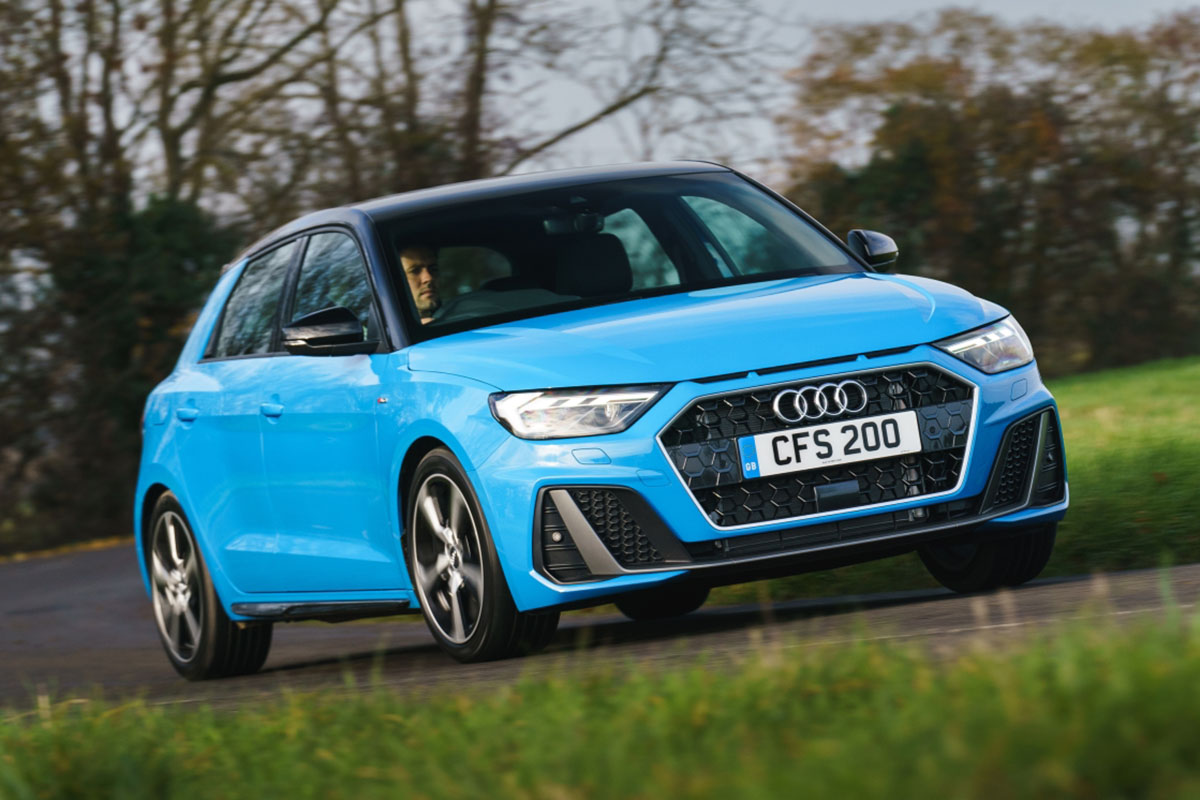
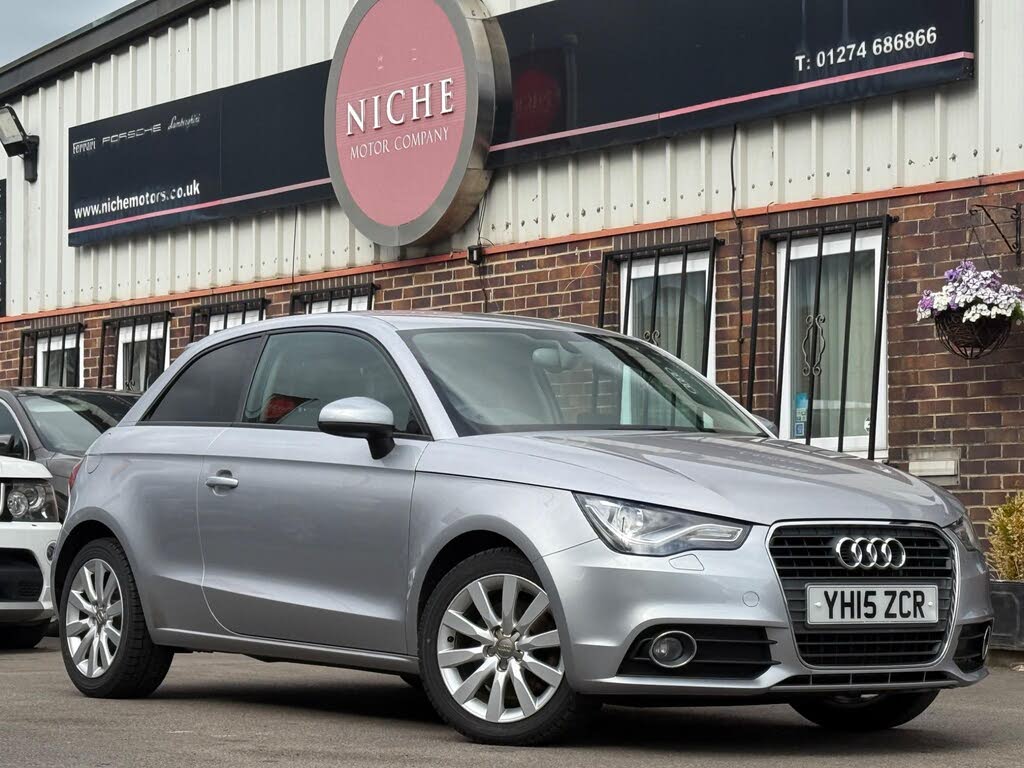
If you're looking for a premium hatchback, you might find yourself weighing up two of Germany's finest, even if they don't compete in exactly the same class. The Audi A1 is a top-tier supermini, while the BMW 1 Series is a larger family car. Yet both promise a high-quality interior, a desirable badge, and a more engaging drive than their mainstream counterparts.
The A1, now in its second generation, offers five-door practicality and the sophisticated feel Audi is known for, all in a compact package. The latest 1 Series, meanwhile, uses a front-wheel-drive layout to maximise interior space, while still aiming to deliver the driving fun BMW is famous for. So, which of these premium hatches is the smarter choice for your money?
Audi A1 vs BMW 1 Series
Practicality
Audi A1 practicality score: 3/5
BMW 1 Series practicality score: 2/5
This is where things get interesting. Although the 1 Series is the larger car, the Audi A1 is surprisingly practical for a supermini. It has enough room in the back for a couple of adults on shorter journeys, and its 335-litre boot is a good size for the class.
The BMW 1 Series should have a clear advantage, but its packaging lets it down. While non-hybrid models have a useful 380-litre boot, the popular mild-hybrid versions see that shrink to just 300 litres, which is less than you get in the smaller A1. The BMW's rear seats are more accommodating for adults than the Audi's, but considering its larger footprint, the 1 Series isn't as spacious as you might expect, giving the cleverly packaged A1 the edge in this category.
Driving Impressions
Audi A1 driving score: 4/5
BMW 1 Series driving score: 5/5
If driving enjoyment is high on your list, the BMW 1 Series is the one to have. Despite moving to front-wheel drive, it retains the sharp, engaging handling that the brand is known for. The steering is precise and the car feels agile and composed on a twisty road. Even the entry-level 120 model is lively, while the range-topping M135 is properly quick.
The Audi A1 is no slouch, however. It's an enjoyable car to drive, with a well-judged ride that balances comfort and control. It feels composed around town and on the motorway, offering a good blend of driver appeal and everyday usability. While it can't quite match the outright fun of the BMW, it's a sophisticated and capable performer.
Technology and Equipment
Audi A1 technology and equipment score: 4/5
BMW 1 Series technology and equipment score: 3/5
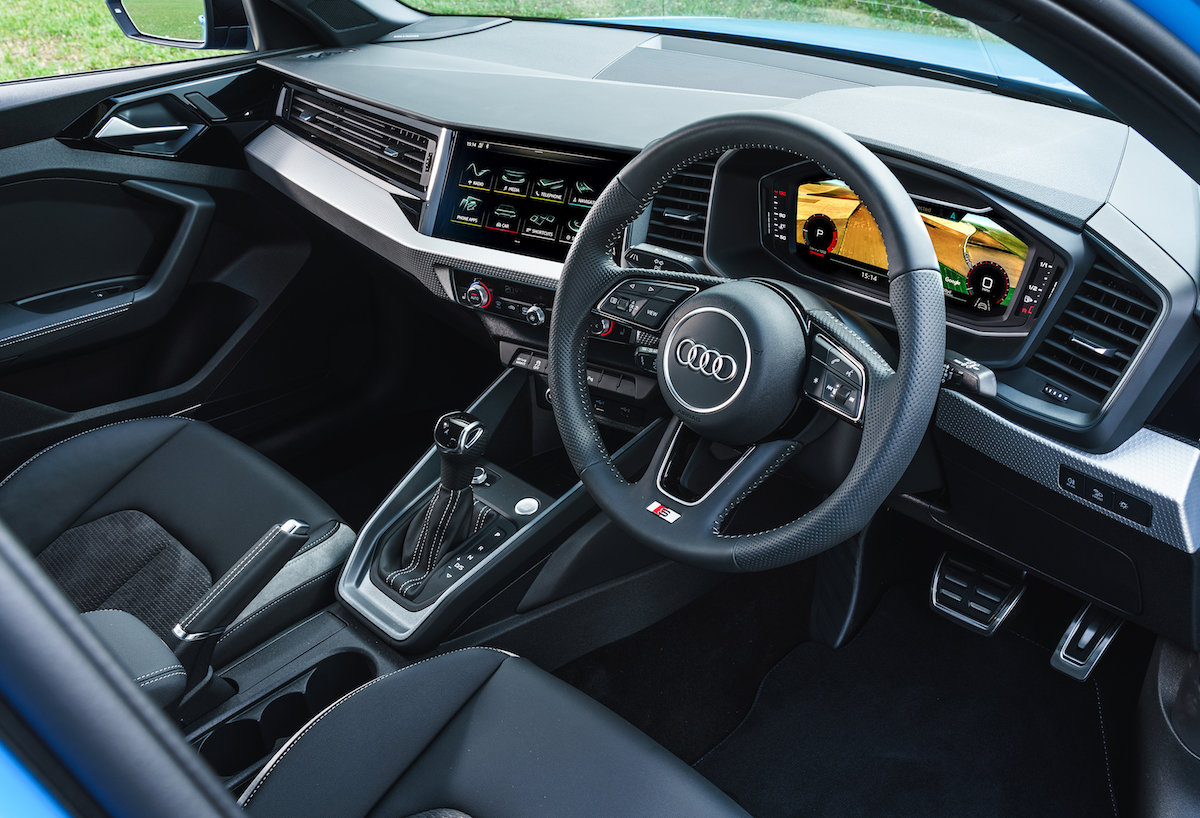
Both cars come with the kind of in-car tech you'd expect from a premium brand. The Audi A1 is well-equipped from the start, featuring a 10.3-inch digital driver's display and an 8.8-inch touchscreen as standard. The system is straightforward to use, and higher trims add features like a larger central screen and wireless phone charging.
The latest BMW 1 Series features a slick-looking curved display that combines a 10.25-inch driver's screen with a 10.7-inch central touchscreen. While it looks modern, the decision to remove the physical iDrive rotary controller has made the system less intuitive to use on the move than in previous BMWs. The A1's simpler, more user-friendly setup, combined with its strong standard equipment list, gives it the win here.
Running Costs
Audi A1 running costs score: 3/5
BMW 1 Series running costs score: 4/5
Thanks to efficient engines and strong resale values, neither of these premium hatches should be too expensive to own. The A1's 1.0-litre and 1.5-litre petrol engines are frugal, capable of returning more than 45mpg with a gentle right foot.
The BMW 1 Series pulls ahead thanks to the mild-hybrid technology fitted to its 120 and 123 xDrive petrol models. This system helps to improve fuel economy, giving it an official figure of up to 53.2mpg. While real-world figures may be lower, this technology gives the BMW an advantage in day-to-day running costs. Insurance groups are broadly similar, though some A1 models can be slightly cheaper to cover.
CarGurus Buyer Insights
|
Audi A1 Review (2018-present) |
BMW 1 Series 2026 review | Still the best family car for those who love driving |
| CarGurus expert rating |
4 out of 5 |
4 out of 5 |
| CarGurus user rating |
4.6 out of 5 |
4.4 out of 5 |
| Percentage of good/great deals available on CarGurus* |
33.8% |
39.1% |
| Overall CarGurus rating |
4.3 out of 5 |
4.3 out of 5 |
The Verdict
Audi A1 Overall CarGurus rating: 4.3/5
BMW 1 Series Overall CarGurus rating: 4.3/5
Choosing between the Audi A1 and the BMW 1 Series is a tough decision, as both cars offer a strong blend of premium quality and driving appeal. They trade blows across the board, with the Audi excelling in practicality and user-friendly tech, while the BMW delivers a more engaging drive and lower running costs.
This closeness is reflected in our CarGurus Buyer Insights, where both cars achieve an identical Overall CarGurus rating, resulting in a dead heat. There is no outright winner here, so the best car for you will depend on your priorities.
If you want the sharpest handling and the most efficient engine, the BMW 1 Series is the clear choice. However, if you value a cleverly packaged and practical interior for the car's size, combined with a well-equipped and intuitive cabin, the Audi A1 makes an equally strong case for itself.
Audi A1 Pros and Cons
| Pros |
Cons |
| Practical and spacious for a supermini |
Cabin quality not as high as the BMW |
| Good level of standard technology |
Less efficient than mild-hybrid 1 Series |
| Comfortable and composed ride |
Not as fun to drive as the BMW |
BMW 1 Series Pros and Cons
| Pros |
Cons |
| Engaging and fun driving experience |
Boot space reduced on mild-hybrid models |
| Efficient mild-hybrid engines |
Infotainment lacks a physical controller |
| High-quality interior feel |
Less practical than its size suggests |
*The Overall CarGurus rating: that informs these recommendations is based on CarGurus' proprietary market data from May 2026, CarGurus expert reviews, and CarGurus user reviews.
Read Our Full Reviews: