
Choosing between two cars from the same manufacturer can be a tough decision, and that's certainly the case when looking at the Audi Q3 and Q5. Both offer the German brand's signature blend of build quality, technology, and understated style. However, they are aimed at different buyers; the Q3 is a compact premium SUV, while the Q5 is a larger, more family-focused vehicle.
The Q3 has established itself as a strong contender in the popular small SUV market, while the newer Q5 is Audi's latest offering in the larger premium SUV segment. Both models come with a range of engine options and trim levels, but they differ in size, practicality, and price. The choice between them will likely come down to your specific needs and budget.
Audi Q3 vs Audi Q5
- Practicality
- Driving Impressions
- Technology and Equipment
- Running Costs
- CarGurus Buyer Insights
- Verdict
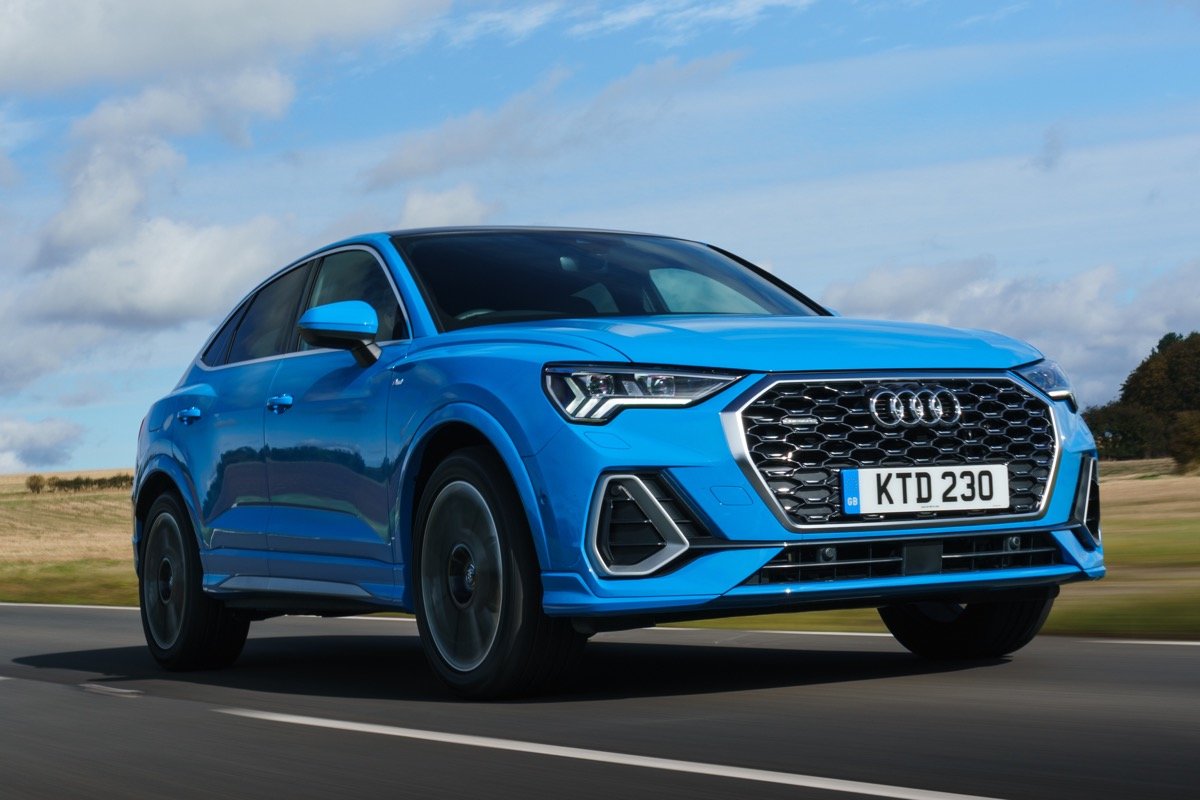
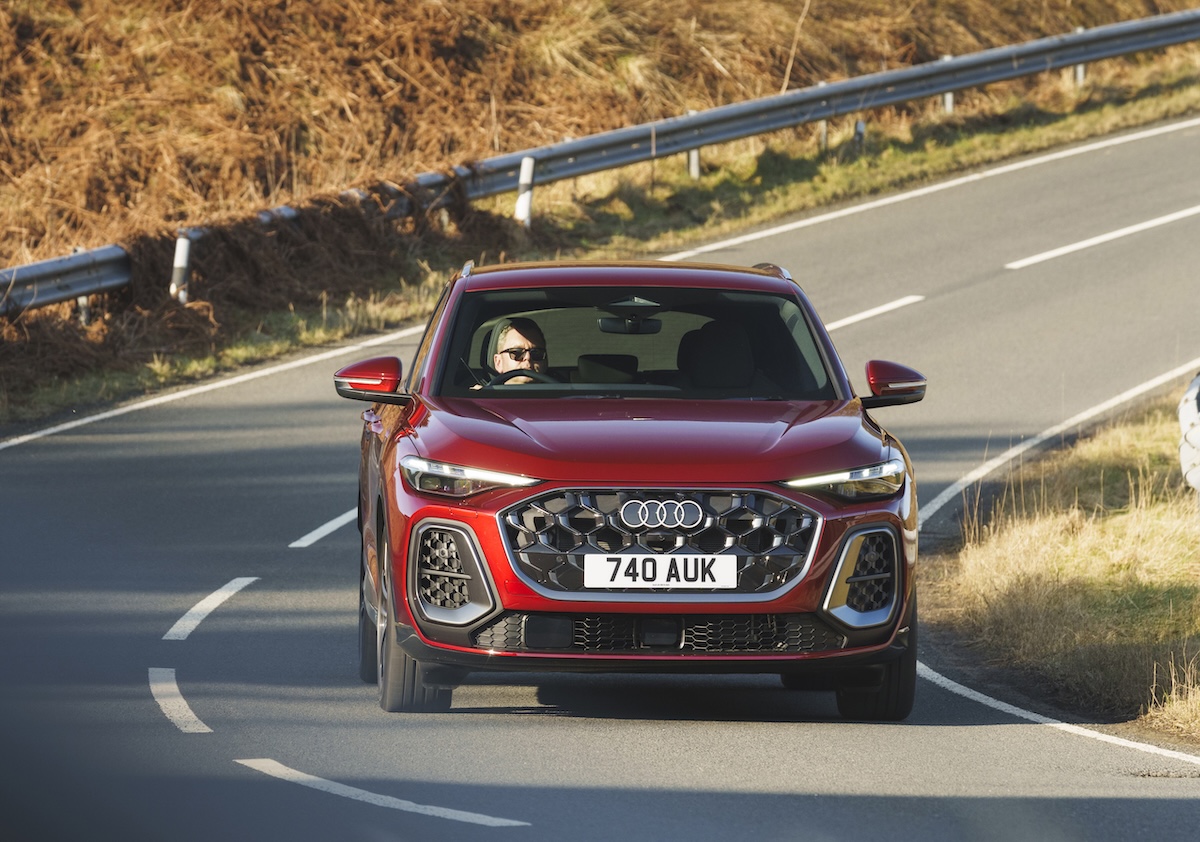
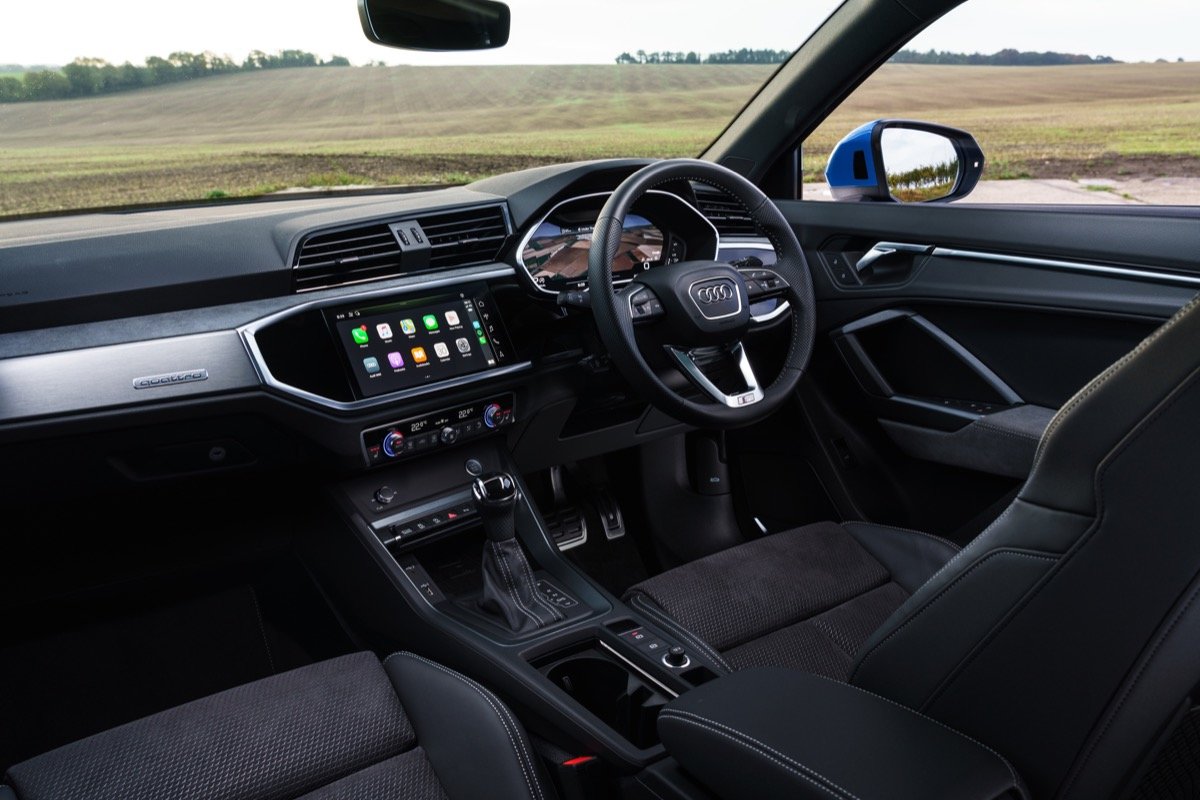

Practicality
Audi Q3 practicality score: 3/5
Audi Q5 practicality score: 4/5
Given its larger size, it’s no surprise that the Q5 has an advantage in practicality. Its longer wheelbase translates to more interior space, particularly for rear-seat passengers. The rear seats also slide and recline, adding to the flexibility. While the middle seat is best for occasional use, overall passenger comfort is a step up from the Q3.
The Q3 is still a practical car for its size, with decent head and legroom in the back. A clever feature is that its rear seats also slide, allowing you to prioritise boot space or passenger legroom. Speaking of boot space, the Q3 actually has a slightly larger boot on paper, at 530 litres to the Q5's 520 litres. However, the Q5's more generous cabin space and better interior storage options give it the edge for family life.
Driving Impressions
Audi Q3 driving score: 3/5
Audi Q5 driving score: 4/5
Both the Q3 and Q5 offer a competent rather than thrilling driving experience. The Q3's ride quality depends heavily on the model you choose. Entry-level cars are comfortable, but S line models with their firmer sport suspension can feel unsettled on bumpy roads. The best ride is found in top-spec Vorsprung models, which feature adaptive suspension.
The Q5 is more polished and refined on the move. With the optional air suspension, it delivers a cosseting yet well-controlled ride, and it’s quiet at motorway speeds, making it a superb long-distance cruiser. While it's not as engaging as a BMW X3 in the corners, it feels secure and the steering is nicely weighted. For overall comfort and refinement, the Q5 has the advantage.
Technology and Equipment
Audi Q3 technology and equipment score: 4/5
Audi Q5 technology and equipment score: 3/5
Audi is known for its high-tech interiors, and both cars deliver. The Q3 has a premium-feeling cabin, with Audi’s Virtual Cockpit digital driver’s display and a central touchscreen as standard. The system looks sharp and includes features like Amazon Alexa, though it’s not quite as easy to use on the move as some rivals’ systems that use a rotary controller.
The Q5’s interior is dominated by large screens, with the central touchscreen controlling almost everything, including the climate controls. While it looks modern, having to navigate menus for simple tasks can be distracting. The Q5 does come with a generous amount of standard equipment, but the Q3’s more user-friendly layout gives it a slight edge in day-to-day usability.
Running Costs
Audi Q3 running costs score: 4/5
Audi Q5 running costs score: 3/5
As you’d expect, the smaller and cheaper Q3 is the more affordable car to run. It has a lower starting price and its smaller engines return better fuel economy. The popular 1.5-litre petrol (badged 35 TFSI) can achieve over 40mpg.
The Q5 starts at a much higher price point, often tipping it into a higher tax bracket. Fuel economy is respectable for its size, with the diesel model managing up to 47mpg. A key advantage for the Q5 is the availability of a plug-in hybrid model, which offers around 60 miles of electric range. For company car drivers or private buyers who can charge at home, this could significantly reduce running costs, but the Q3’s lower purchase price and better general economy make it the cheaper option for most.
CarGurus Buyer Insights
| Audi Q3 Review (2018-2025) | Audi Q5 review (2025-present) | |
|---|---|---|
| CarGurus expert rating | 4 out of 5 | 4 out of 5 |
| CarGurus user rating | 4.1 out of 5 | 4.2 out of 5 |
| Percentage of good/great deals available on CarGurus* | 34.0% | 35.1% |
| Overall CarGurus rating | 4.3 out of 5 | 4.3 out of 5 |
The Verdict
Audi Q3 Overall CarGurus rating: 4.3/5
Audi Q5 Overall CarGurus rating: 4.3/5
After looking at all the data, the Audi Q3 and Audi Q5 are tied, with both achieving an identical Overall CarGurus rating. This isn't a surprise, as both are strong contenders in their respective classes and the best choice really depends on your individual circumstances.
There is no outright winner here. The Q3 is a stylish, practical, and well-made small SUV that offers a premium badge with more accessible running costs. If you don't need the extra space of the Q5, it’s a sensible and desirable choice.
The Q5, on the other hand, is the more complete family package. It justifies its higher price with more passenger space, superior refinement, and a more comfortable ride. If you need a practical and polished SUV for covering long distances with the family, the Q5 is the better option. Ultimately, your decision will come down to balancing your budget against your need for space.
Audi Q3 Pros and Cons
| Pros | Cons |
|---|---|
| More affordable to buy and run | Less rear passenger space |
| User-friendly technology | Ride can be firm on S line models |
| Agile size for town driving | Lacks a plug-in hybrid option |
Audi Q5 Pros and Cons
| Pros | Cons |
|---|---|
| Spacious and comfortable cabin | High purchase price |
| Refined and quiet ride | Infotainment can be distracting |
| Available as an efficient plug-in hybrid | Less agile than the Q3 |
*The Overall CarGurus rating: that informs these recommendations is based on CarGurus' proprietary market data from January 2026, CarGurus expert reviews, and CarGurus user reviews.