
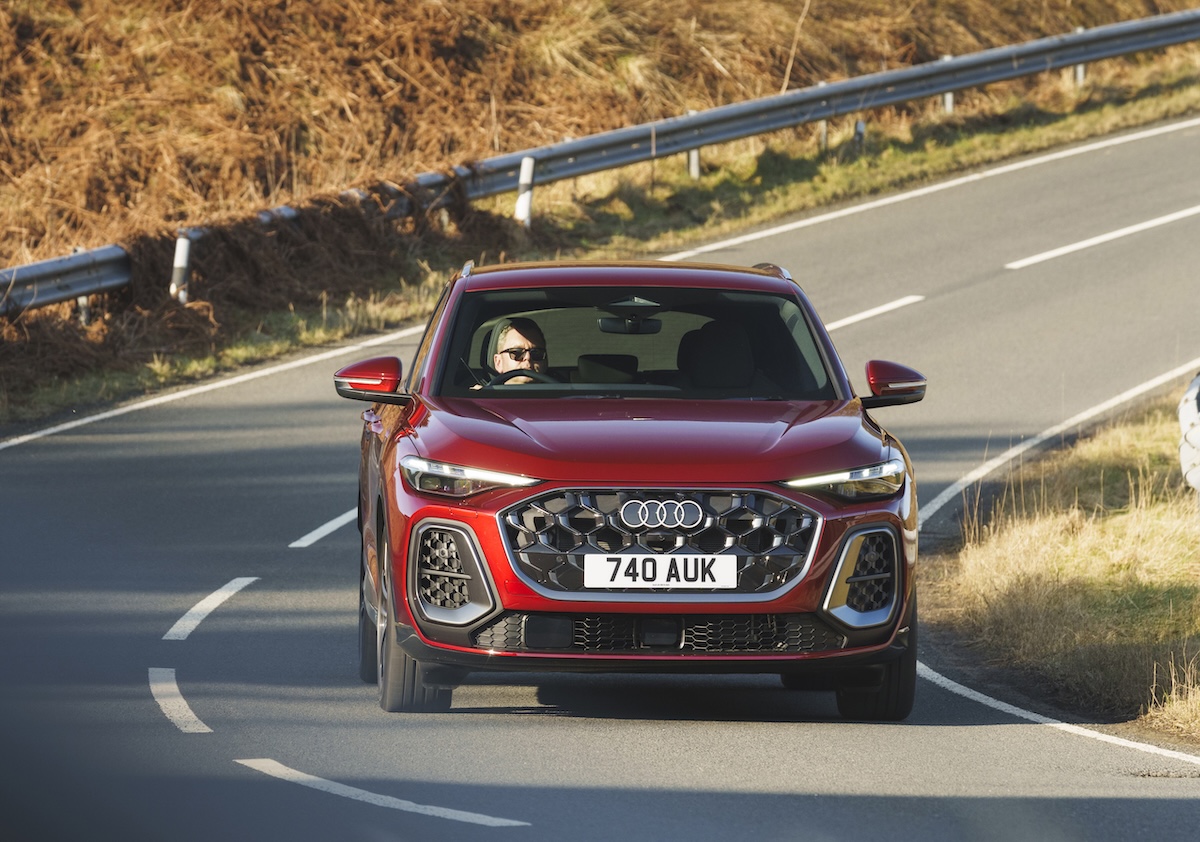
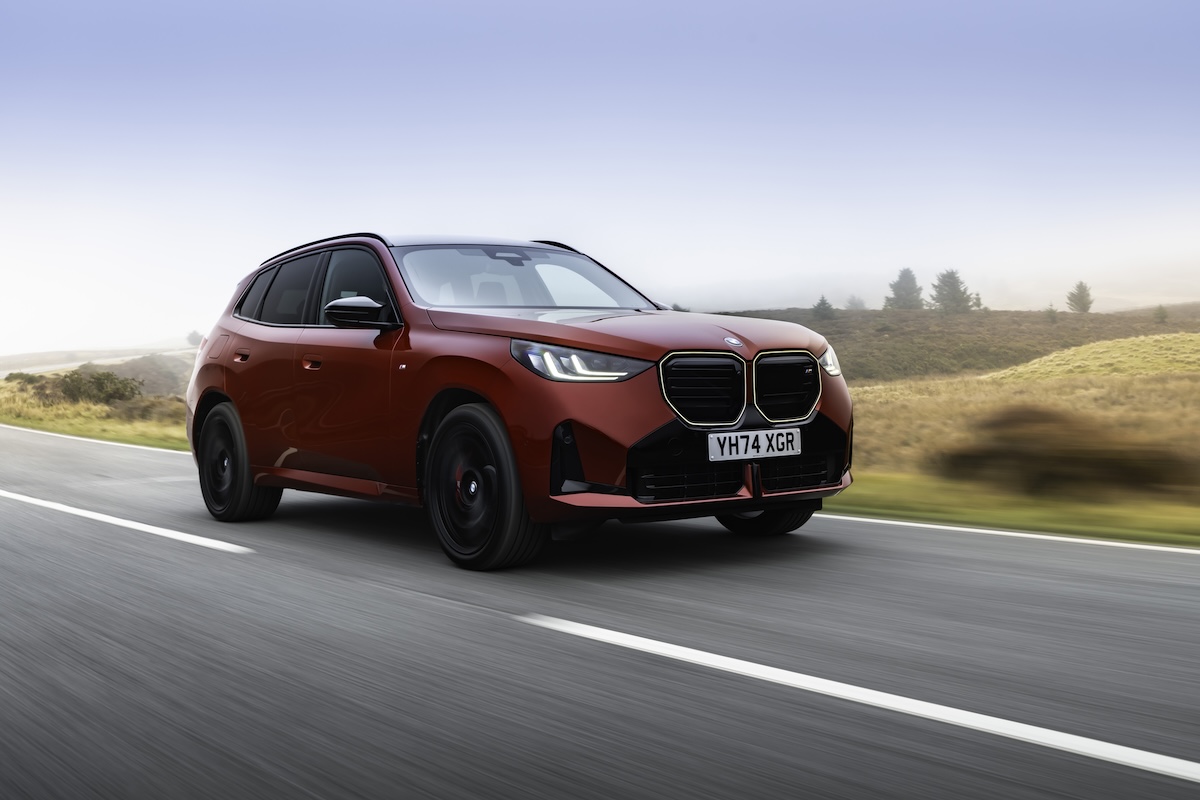
If you're in the market for a premium mid-size SUV, two names likely sit at the top of your list: the Audi Q5 and the BMW X3. These German rivals have been battling for class honours for years, each offering a distinct take on the luxury family car.
The Audi Q5 has built its reputation on understated style, a high-quality interior, and a refined, comfortable driving experience. In contrast, the BMW X3 has always championed a sportier character, promising a more engaging drive to go with its practicality. With both now available with efficient petrol, diesel, and plug-in hybrid power, choosing between them is tougher than ever. So, which one is the right fit for you?
Audi Q5 vs BMW X3
- Practicality
- Driving Impressions
- Technology and Equipment
- Running Costs
- CarGurus Buyer Insights
- Verdict

Practicality
Audi Q5 practicality score: 4/5
BMW X3 practicality score: 4/5
When it comes to family duties, both of these SUVs are highly capable. The BMW X3 gets an early lead with a larger boot, offering 570 litres of space compared to the Q5's 520 litres. That extra 50 litres could be the difference between leaving a bag behind or fitting everything in for a family holiday. Both cars have low loading lips and useful underfloor storage.
For passengers, it's a closer contest. Both have generous rear legroom and headroom for adults. The Q5 has a clever trick up its sleeve, with sliding and reclining rear seats (on S line models and above) that add a layer of versatility. However, if you often carry three people in the back, the X3's wider and more comfortable middle seat makes it a slightly better choice. Up front, both offer comfortable and highly adjustable driving positions.
Driving Impressions
Audi Q5 driving score: 4/5
BMW X3 driving score: 4/5
This is where the traditional brand characteristics come to the fore. The Audi Q5 prioritises comfort and refinement. It's a quiet and polished performer, especially on the motorway, where its smooth ride and excellent noise insulation make it a relaxing long-distance cruiser. The engines are smooth, and the automatic gearbox is seamless.
The BMW X3, true to form, offers a more engaging and sporty drive. The steering is sharper and it feels more agile and composed on a twisty road. While it's still a comfortable car, it communicates more of the road surface to the driver, which some will prefer. Engine choices are similar, with 2.0-litre petrol and diesel units, plus potent plug-in hybrid and high-performance models in both line-ups. If you value a serene journey, the Q5 has the edge. If you enjoy driving, the X3 is the more rewarding choice.
Technology and Equipment
Audi Q5 technology and equipment score: 3/5
BMW X3 technology and equipment score: 4/5
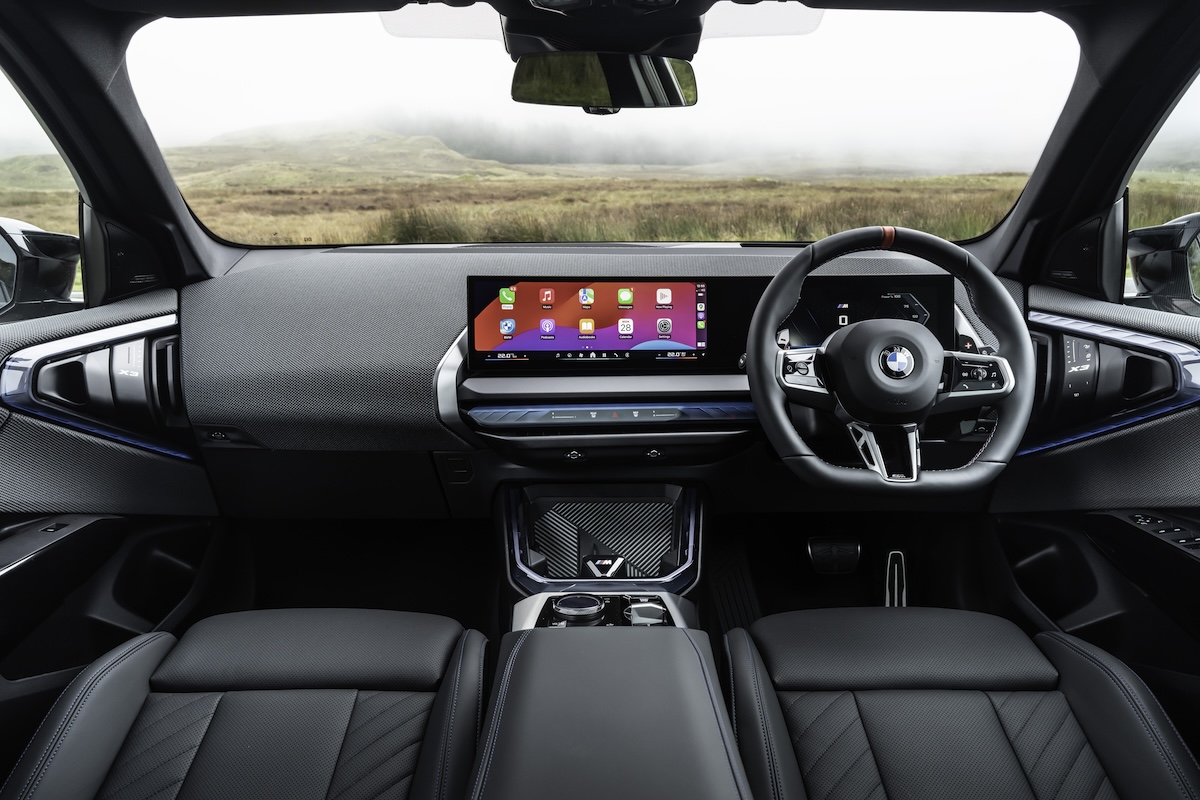
Both cars are packed with the latest technology, but they take different approaches to how you interact with it. The Q5 features a visually striking curved display that houses both the driver’s instruments and the central touchscreen. It looks modern, but relying on the screen for functions like adjusting the fan speed can be distracting on the move.
The X3 uses a similar curved screen but retains BMW’s excellent iDrive rotary controller and physical shortcut buttons on the centre console. This combination of touchscreen and physical controls is more user-friendly and safer to use while driving. Standard equipment is generous on both, with heated seats, three-zone climate control, and large alloy wheels included from the entry-level trims. While the Q5’s cabin looks futuristic, the X3’s system is simply easier to live with.
Running Costs
Audi Q5 running costs score: 3/5
BMW X3 running costs score: 3/5
With starting prices around the £50,000 mark, both of these premium SUVs will incur extra luxury car tax for the first five years of ownership. Fuel economy is competitive and closely matched across the board. The 2.0-litre diesel engines in both will return figures in the mid-to-high 40s mpg, while the petrols sit in the high 30s.
The plug-in hybrid (PHEV) models offer the lowest running costs, provided you can charge them regularly. The Q5 e-hybrid has an official electric range of around 60 miles, while the X3 30e manages a similar 56 miles. In the real world, your fuel bills will depend entirely on your journey types and access to charging. Both cars are expected to have strong resale values, which helps to offset the high initial purchase price.
CarGurus Buyer Insights
| Audi Q5 | BMW X3 | |
|---|---|---|
| CarGurus expert rating | 4 out of 5 | 4 out of 5 |
| CarGurus user rating | 4.2 out of 5 | 4.5 out of 5 |
| Percentage of good/great deals available on CarGurus* | 35.1% | 33.0% |
| Overall CarGurus rating | 4.3 out of 5 | 4.3 out of 5 |
The Verdict
Audi Q5 Overall CarGurus rating: 4.3/5
BMW X3 Overall CarGurus rating: 4.3/5
This is one of the closest contests in the premium SUV class, and our Overall CarGurus ratings confirm it's a dead heat. Both the Audi Q5 and BMW X3 score an identical 4.3 out of 5, proving that both are exceptional choices. Your decision could easily come down to brand loyalty or simple personal preference.
However, when we dig into the data, a narrow winner emerges. While our experts rate them equally, the BMW X3 scores higher with owners, earning a 4.5 out of 5 user rating compared to the Q5's 4.2. This, combined with its more engaging driving dynamics, more practical boot, and more user-friendly infotainment system, gives the X3 the slightest of edges.
The Audi Q5 remains a superb choice, particularly if you prioritise a serene and comfortable ride and love its minimalist, tech-forward interior. But as a complete package, the BMW X3’s blend of driver appeal and family-friendly practicality makes it our winner by the slimmest of margins.
Audi Q5 Pros and Cons
| Pros | Cons |
|---|---|
| Refined and comfortable ride | Smaller boot than the X3 |
| High-quality, stylish interior | Less engaging to drive |
| Versatile sliding rear seats | Touchscreen-heavy controls can be distracting |
BMW X3 Pros and Cons
| Pros | Cons |
|---|---|
| Engaging and agile handling | Ride can be firmer than the Q5's |
| User-friendly iDrive infotainment | Design is less subtle than the Audi's |
| Larger boot and better rear middle seat | High-end models are expensive |
*The Overall CarGurus rating: that informs these recommendations is based on CarGurus' proprietary market data from January 2026, CarGurus expert reviews, and CarGurus user reviews.