If you're in the market for a premium SUV, the German brands are likely at the top of your list. But deciding which one is right for you can be tricky, especially when you're weighing up different sizes and priorities. Two popular choices are the Audi Q3 and the Mercedes-Benz GLC-Class.
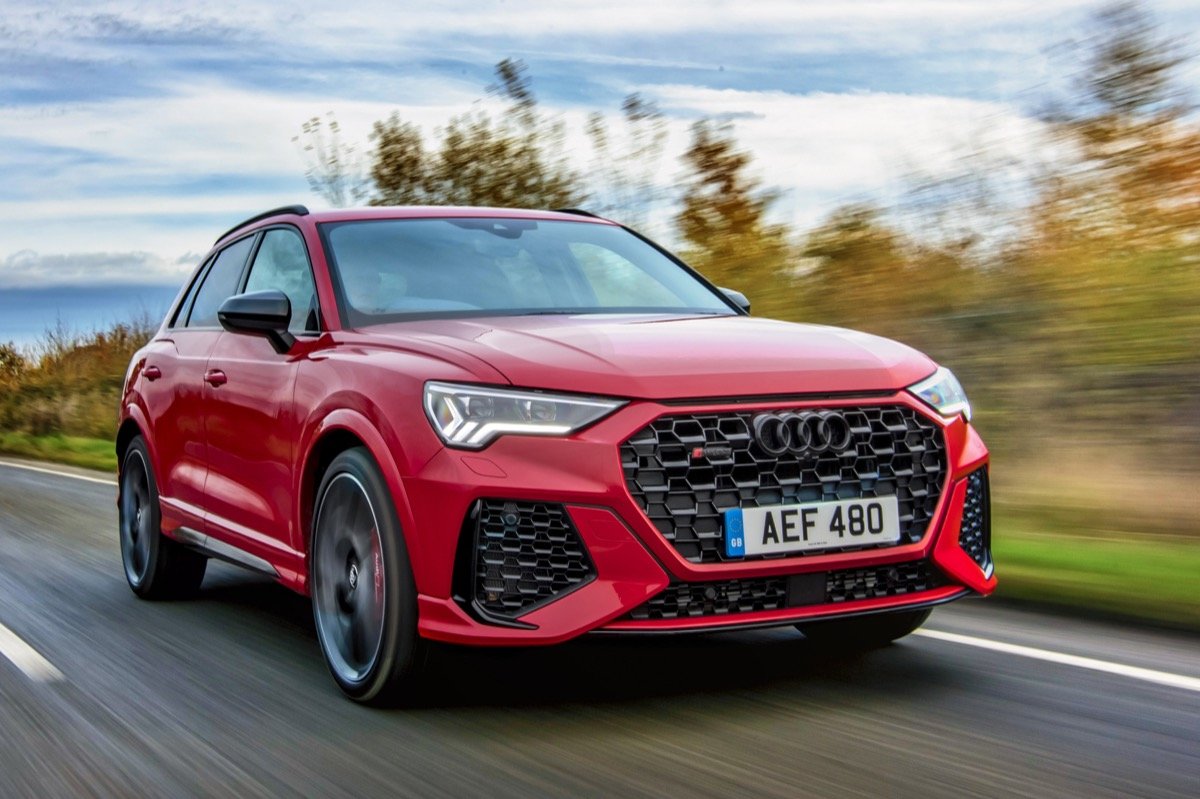
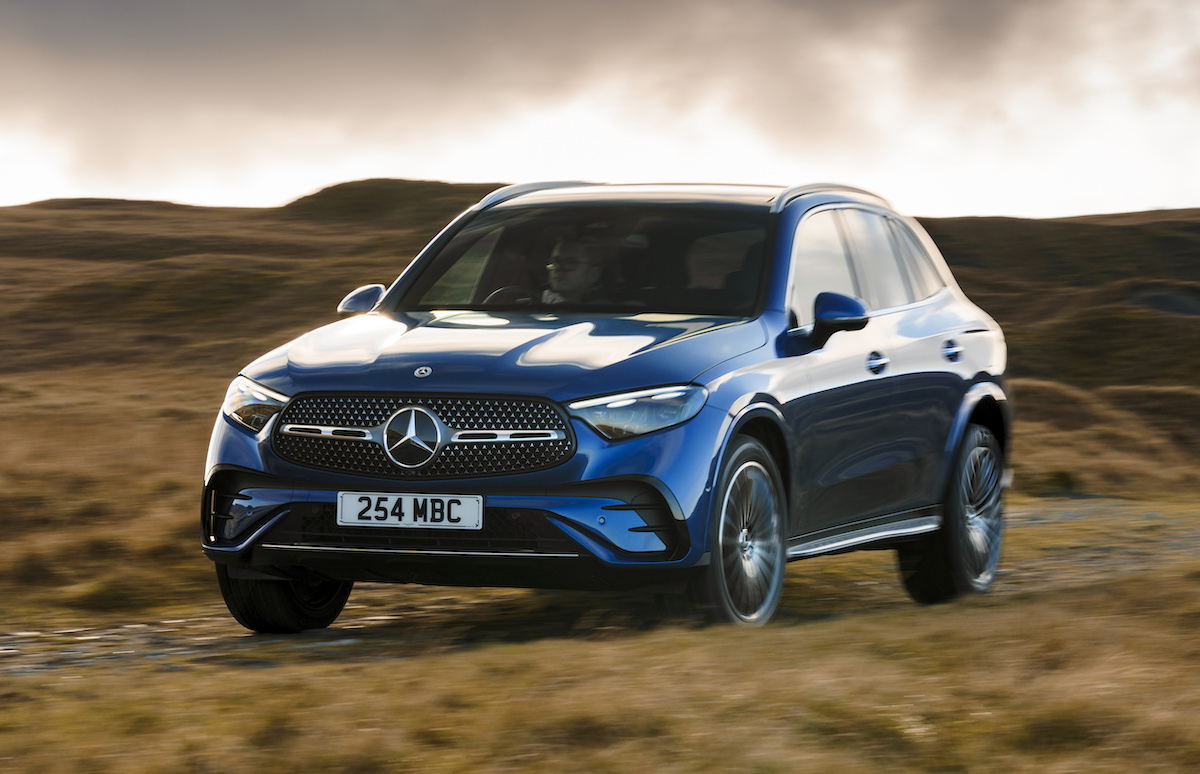
The Audi Q3 is a sharp-suited compact SUV that packs a high-tech, premium interior into a city-friendly package. It offers the desirable four-ring badge with lower running costs. The Mercedes GLC, on the other hand, is a larger, more traditional family SUV that majors on comfort, luxury, and space. It also offers advanced plug-in hybrid technology. So, should you go for the compact and stylish Audi or the larger, more luxurious Mercedes?
Audi Q3 vs Mercedes-Benz GLC-Class
Practicality
Audi Q3 practicality score: 3/5
Mercedes-Benz GLC-Class practicality score: 4/5
This is where the size difference between these two SUVs becomes most apparent. The Audi Q3 is practical for a compact SUV, with enough space for a small family. Rear seat space is adequate for adults on shorter journeys, and a clever sliding rear bench allows you to prioritise either passenger legroom or boot space. With the seats slid back, the boot offers 530 litres of space, which is good for the class.
The Mercedes GLC, being a larger car, naturally offers more room. Rear passengers have plenty of head and legroom, making it a more comfortable choice for carrying adults regularly. The boot in mild-hybrid models is also significantly larger than the Q3's, at 620 litres. However, it's worth noting that the plug-in hybrid (PHEV) models have a much smaller 400-litre boot due to the battery placement. For maximum carrying capacity, the GLC is the clear winner, but the Q3 is still a versatile small SUV.
Driving Impressions
Audi Q3 driving score: 3/5
Mercedes-Benz GLC-Class driving score: 4/5
The Audi Q3 offers a driving experience that is neat, tidy, and easy. Its compact dimensions make it a breeze to navigate through city streets and tight car parks. The steering is light and accurate, and while it’s not the most exciting car to drive, it feels secure and composed on the motorway. The ride can be a little firm, especially on larger alloy wheels, but it’s generally a comfortable and quiet car for daily duties.
The Mercedes GLC is engineered for comfort. It feels like a larger, more substantial car on the road, with a suspension setup that does a good job of soaking up bumps. It’s an excellent long-distance cruiser, remaining quiet and refined at motorway speeds. While its size means it's less agile than the Q3, it handles predictably and safely. The GLC's plug-in hybrid models offer silent, smooth electric running, adding to the sense of relaxation, though the extra weight can be felt in the corners. For overall comfort and refinement, the GLC has the edge.
Technology and Equipment
Audi Q3 technology and equipment score: 4/5
Mercedes-Benz GLC-Class technology and equipment score: 4/5
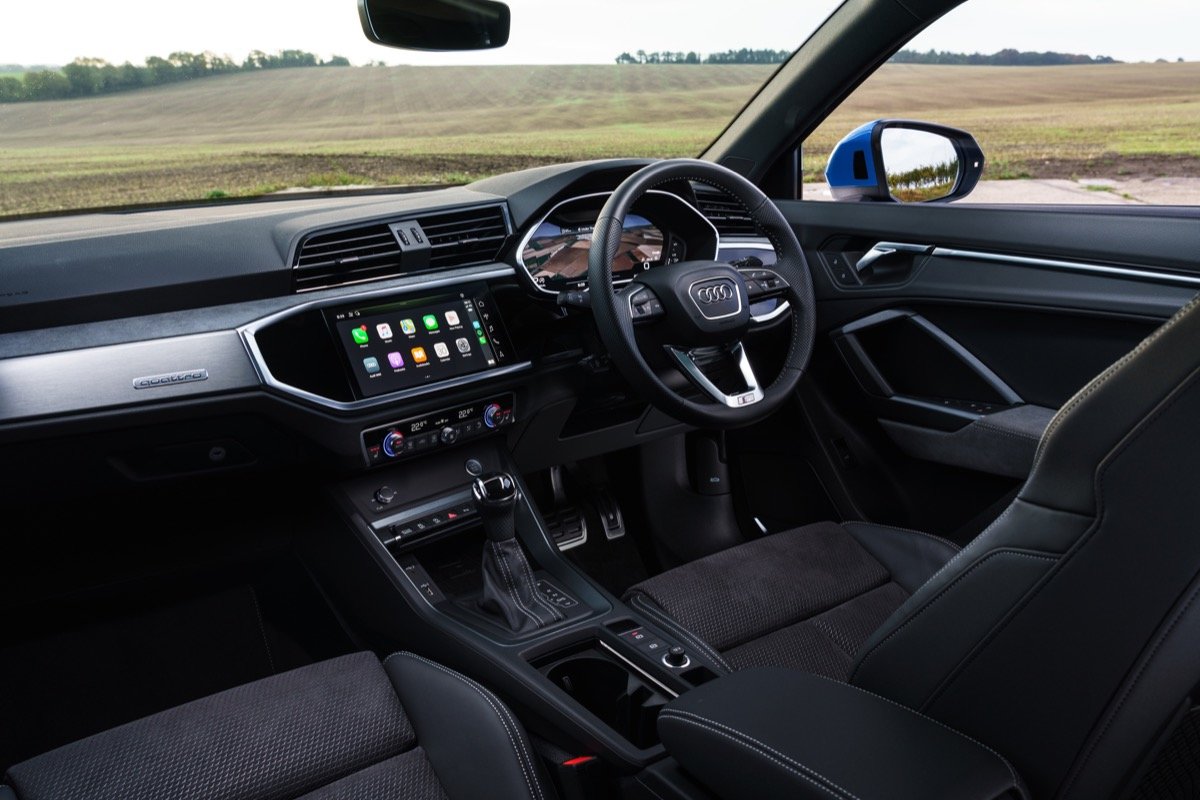
Both Audi and Mercedes are known for their high-tech cabins, and neither of these SUVs disappoints. The Q3 comes as standard with Audi’s impressive Virtual Cockpit digital driver's display and a central MMI touchscreen with Apple CarPlay and Android Auto. The system is slick and the graphics are sharp. The overall cabin design is modern and angular, with a high standard of fit and finish.
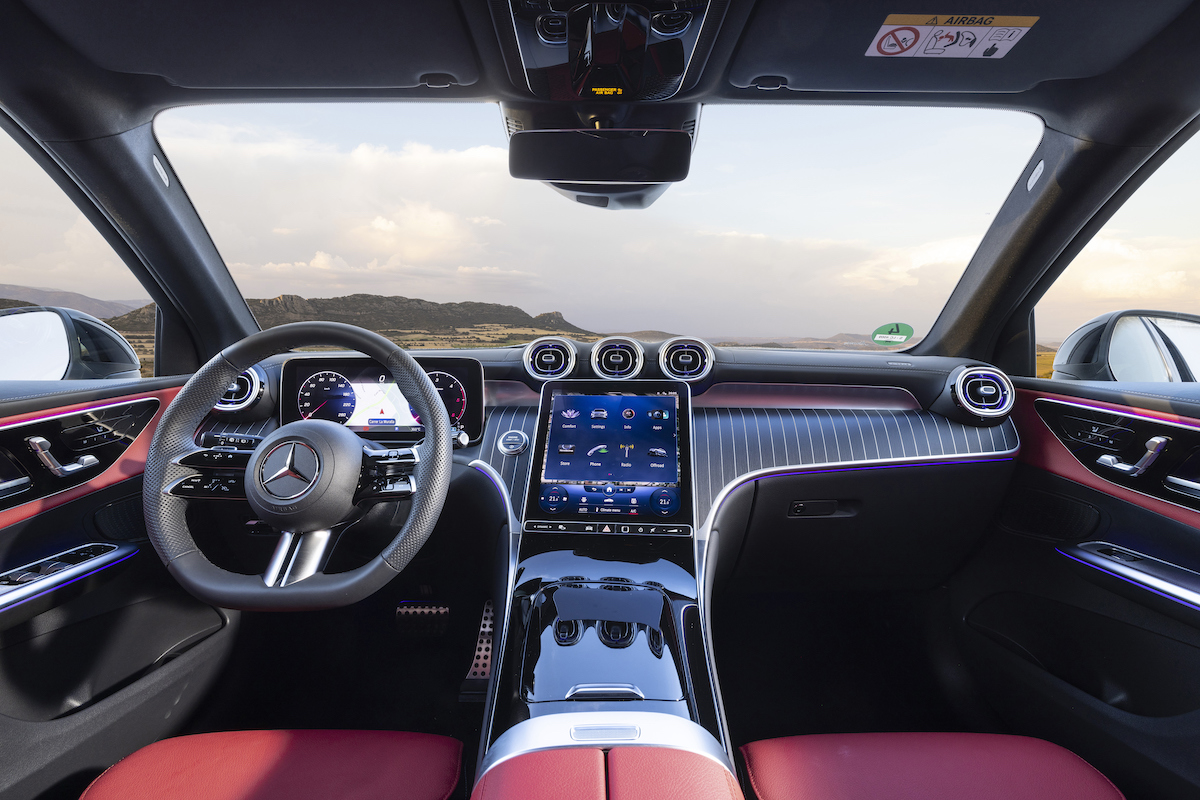
The GLC counters with its own stunning interior, dominated by a large, portrait-oriented central touchscreen running the latest MBUX infotainment software. It also features a configurable digital driver’s display. The system is feature-packed and looks great, though it can take some time to get used to. Standard equipment is generous on both cars, with features like heated seats, climate control, and a reversing camera often included. This is a dead heat; your preference will likely come down to whether you prefer Audi's clean design or the more flamboyant style of the Mercedes.
Running Costs
Audi Q3 running costs score: 4/5
Mercedes-Benz GLC-Class running costs score: 3/5
As smaller and lighter car, the Audi Q3 is the more affordable of the two to run. Its range of petrol and diesel engines generally deliver better fuel economy than the equivalent mild-hybrid GLCs. Purchase prices are also lower, as are insurance group ratings, which all contributes to a lower total cost of ownership.
The Mercedes GLC is a more expensive car to buy and insure. While its mild-hybrid engines are reasonably efficient for a vehicle of its size, they can't match the Q3. The ace up the GLC's sleeve is its plug-in hybrid option. With an official electric range of over 80 miles, it can slash daily running costs for drivers who can charge at home and have a short commute. It's also very attractive for company car drivers due to its low Benefit-in-Kind tax rating. For private buyers covering average mileage, however, the Q3 is the more cost-effective choice.
CarGurus Buyer Insights
|
Audi Q3 (2018-2025) |
Mercedes-Benz GLC-Class (2023-present) |
| CarGurus expert rating |
4 out of 5 |
3 out of 5 |
| CarGurus user rating |
4.1 out of 5 |
4.5 out of 5 |
| Percentage of good/great deals available on CarGurus* |
34.0% |
32.9% |
| Overall CarGurus rating |
4.3 out of 5 |
4.3 out of 5 |
The Verdict
Audi Q3 Overall CarGurus rating: 4.3/5
Mercedes-Benz GLC-Class Overall CarGurus rating: 4.3/5
This is an unusual comparison, pitting a top-end compact SUV against a larger, more expensive mid-size one. Both the Audi Q3 and Mercedes-Benz GLC-Class are excellent cars that deliver on the premium promise, and this is reflected in our CarGurus Buyer Insights, where both cars score an identical Overall CarGurus rating of 4.3 out of 5. With no clear winner on points, the right choice for you comes down to your personal priorities.
The Audi Q3 is the smarter choice if you value a compact, easy-to-drive package and want to keep running costs in check. It offers a high-quality, tech-filled cabin and the prestige of the Audi badge in a more affordable and efficient vehicle. It's perfect for city living or for those who don't need the extra space of a larger SUV.
The Mercedes-Benz GLC-Class is the one to go for if space, comfort, and luxury are at the top of your list. It's a more capable family car and a more refined long-distance machine. If you're a company car user, the plug-in hybrid's huge electric range and tax advantages make it a compelling option. It costs more to buy and run, but for many, the extra space and comfort will be worth the investment.
Audi Q3 Pros and Cons
| Pros |
Cons |
| High-tech and high-quality interior |
Ride can be firm on some models |
| Cheaper to buy and run than the GLC |
Less rear passenger and boot space |
| Easy to drive and park in town |
Not as refined on the motorway as the GLC |
Mercedes-Benz GLC-Class Pros and Cons
| Pros |
Cons |
| Spacious and luxurious cabin |
More expensive to buy and run |
| Supremely comfortable and refined ride |
Plug-in hybrid models have a small boot |
| Excellent electric range on PHEV models |
Less agile to drive than the Q3 |
*The Overall CarGurus rating: that informs these recommendations is based on CarGurus' proprietary market data from January 2026, CarGurus expert reviews, and CarGurus user reviews.
Read Our Full Reviews: