
If you’re looking for a premium seven-seat SUV, the Audi Q7 and Volvo XC90 are two of the most popular and desirable choices on the market. Both offer a compelling blend of space, comfort, and upscale features, wrapped in a sophisticated package.
The Audi Q7 brings a high-tech, beautifully built cabin and a refined driving experience to the table. In contrast, the Volvo XC90 majors on minimalist Scandinavian design, comfort, and an unwavering focus on safety. Both were redesigned around 2015, elevating them to the top of the class. So, which of these upmarket family haulers is the right one for you?
Audi Q7 vs Volvo XC90
- Practicality
- Driving Impressions
- Technology and Equipment
- Running Costs
- CarGurus Buyer Insights
- Verdict
Practicality
Audi Q7 practicality score: 5/5
Volvo XC90 practicality score: 5/5
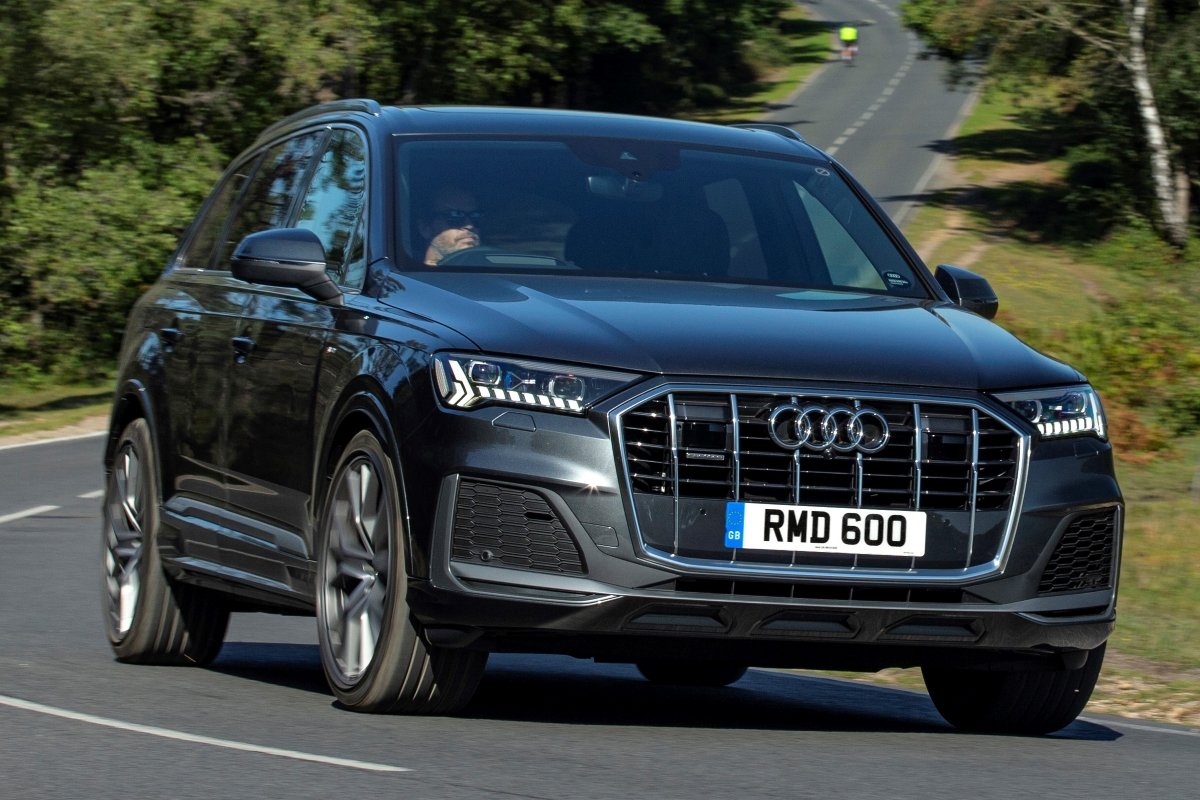
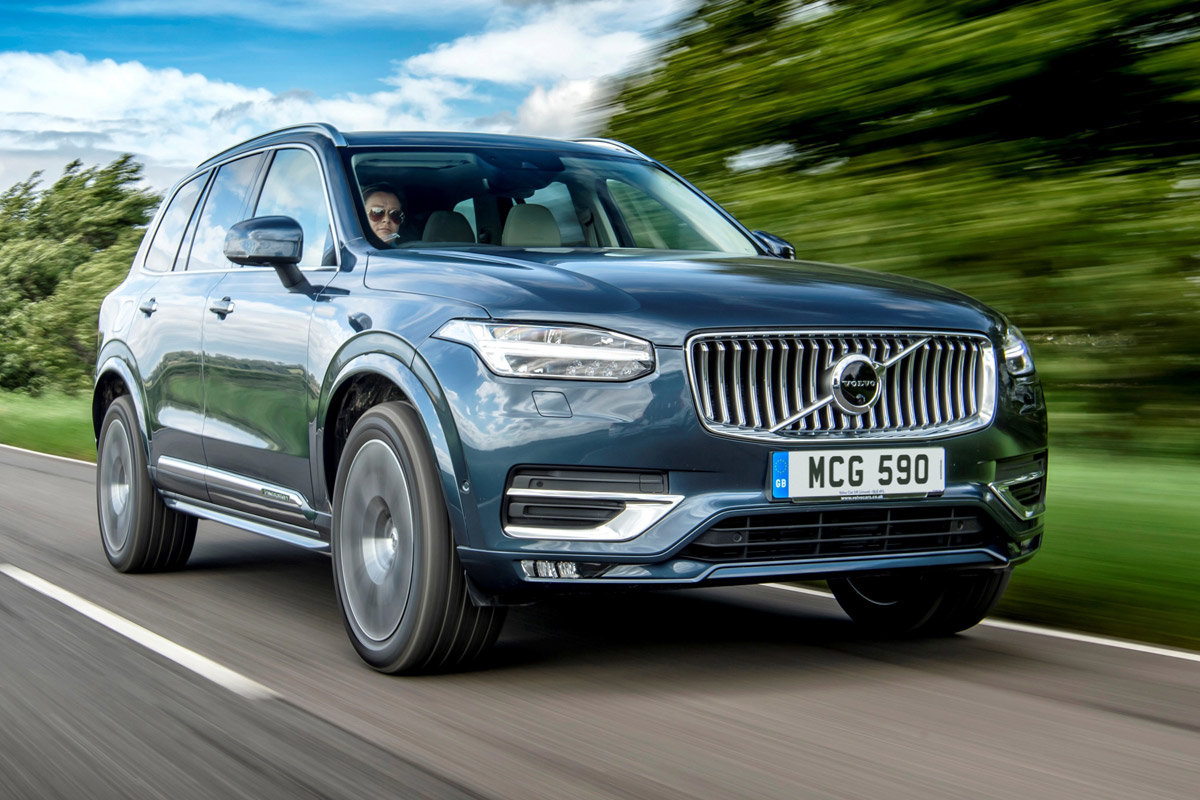
When it comes to practicality, both the Q7 and XC90 are at the top of their game. They are huge inside, with standard seven-seat layouts and plenty of clever storage solutions. The Q7 boasts a massive 780-litre boot with the third row folded, which is one of the largest in the class. The XC90 isn’t far behind, offering a still-generous 680 litres in the same configuration.
Both cars feature a sliding middle row of seats, allowing you to prioritise legroom for either second- or third-row passengers. Adults can fit in the rearmost seats in either car, though they're best reserved for shorter journeys. Models with air suspension offer a useful feature that allows you to lower the rear of the car at the touch of a button, making it easier to load heavy items. It’s a dead heat here; both are exceptionally practical.
Driving Impressions
Audi Q7 driving score: 4/5
Volvo XC90 driving score: 4/5
Neither of these SUVs is designed to be a sports car, but both are accomplished and relaxing cruisers. The Audi Q7, particularly when fitted with optional air suspension, delivers a smooth and quiet ride that isolates you from the road surface. Its powerful 3.0-litre diesel engines provide effortless performance, while the high-performance SQ7 model is genuinely rapid. It feels secure and composed, whether on a motorway or a winding country road.
The Volvo XC90 is also tuned for comfort. It’s a calm and relaxing car to drive, with light steering and a suspension setup that soaks up most bumps well. Its engine range is based around 2.0-litre four-cylinder units, including petrol, diesel, and a plug-in hybrid. While it doesn't feel quite as sharp or engaging as the Q7, the XC90 is a supremely competent long-distance machine. For most drivers, both cars offer a well-judged balance of comfort and control.
Technology and Equipment
Audi Q7 technology and equipment score: 5/5
Volvo XC90 technology and equipment score: 4/5
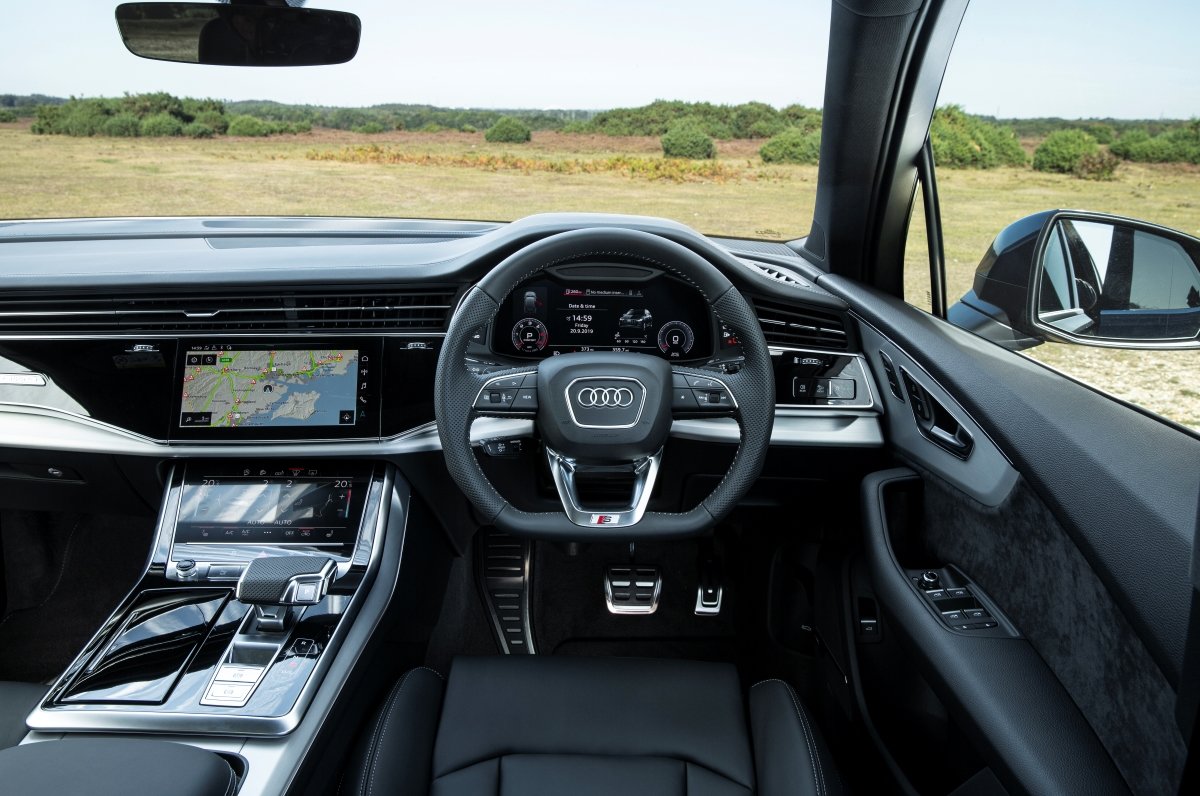
Step inside, and the different philosophies of these two brands become clear. The Audi Q7 wows with its technology, featuring the brilliant Virtual Cockpit digital driver’s display and, on post-facelift models, a slick dual-touchscreen infotainment system. The material quality is first-rate, and the whole cabin feels solid and modern.
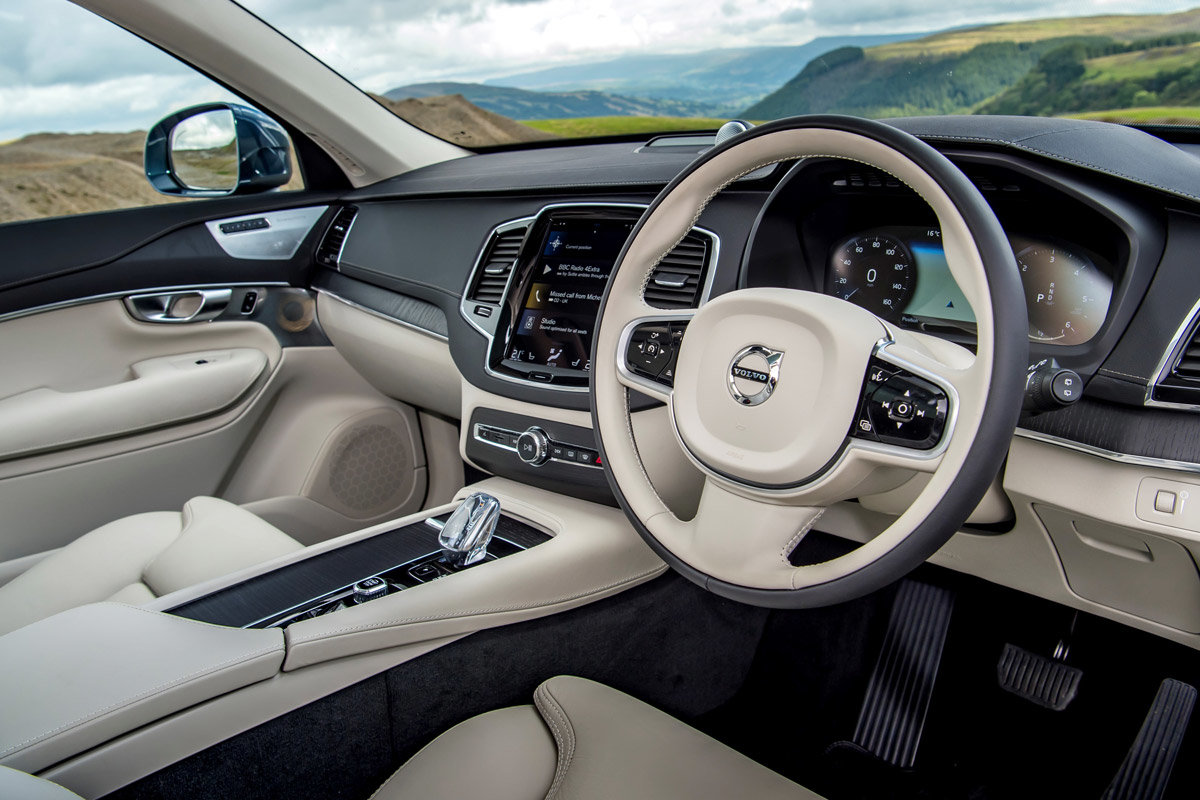
The Volvo XC90 takes a more minimalist approach. Its cabin is dominated by a large, portrait-oriented 9-inch touchscreen that controls most of the car's functions. It creates a clean, uncluttered look, and the interior design feels airy and sophisticated. While the system works well, it isn't quite as responsive or visually impressive as the Audi’s setup. Both cars come well-equipped as standard, but the Q7’s cutting-edge tech gives it the advantage.
Running Costs
Audi Q7 running costs score: 4/5
Volvo XC90 running costs score: 3/5
As large, premium SUVs, neither the Q7 nor the XC90 will be cheap to run. However, they can be more efficient than you might think. The Q7’s 3.0-litre diesel engines can officially return over 40mpg, with real-world figures in the 30s being achievable. The plug-in hybrid model also offers the potential for very low fuel bills if you can charge it regularly.
The XC90’s T8 plug-in hybrid is the star for low running costs, offering a good electric-only range for zero-emission commuting. However, its other petrol and diesel engines aren't quite as economical in the real world as the Q7’s larger diesels, which contributes to its lower running costs score. Insurance and maintenance for both will be in line with other premium rivals, but for many drivers, the Audi will prove to be the slightly more frugal choice over a year of driving.
CarGurus Buyer Insights
| Audi Q7 | Volvo XC90 | |
|---|---|---|
| CarGurus expert rating | 5 out of 5 | 4 out of 5 |
| CarGurus user rating | 4.6 out of 5 | 4.7 out of 5 |
| Percentage of good/great deals available on CarGurus* | 33.2% | 30.0% |
| Overall CarGurus rating | 4.5 out of 5 | 4.4 out of 5 |
The Verdict
Audi Q7 Overall CarGurus rating: 4.5/5
Volvo XC90 Overall CarGurus rating: 4.4/5
This is an incredibly close contest between two of the best large SUVs you can buy. Both the Audi Q7 and Volvo XC90 are spacious, comfortable, safe, and packed with premium appeal. Choosing between them could easily come down to personal preference on style.
However, based on our comprehensive CarGurus ratings, the Audi Q7 takes a narrow victory. It scores a perfect five stars with our experts, boasts superior in-car technology, and offers slightly more consistent real-world running costs from its excellent diesel engines. This combination gives it the edge and makes it our overall winner.
That said, the Volvo XC90 is a hugely desirable alternative. It actually scores higher with CarGurus users, and many buyers will prefer its elegant, minimalist design and calming interior ambience. If style and comfort are your absolute priorities, the XC90 is unlikely to disappoint. But as the slightly better all-rounder, the Audi Q7 just clinches the win.
Audi Q7 Pros and Cons
| Pros | Cons |
|---|---|
| Cutting-edge interior tech | Styling is more conservative than the Volvo's |
| Refined ride and handling | Can get expensive with options |
| Huge boot and practical cabin | Diesel engines may not suit all buyers |
Volvo XC90 Pros and Cons
| Pros | Cons |
|---|---|
| Beautiful minimalist interior design | Infotainment not as slick as the Audi's |
| Supremely comfortable and relaxing | Four-cylinder engines can feel strained |
| PHEV offers low running cost potential | Ride can be firm on larger wheels |
*The Overall CarGurus rating: that informs these recommendations is based on CarGurus' proprietary market data from January 2026, CarGurus expert reviews, and CarGurus user reviews.