
If you're in the market for a premium car with a BMW badge, two of the most popular choices are the 1 Series and the 3 Series. While they share the same desirable propeller logo, they are aimed at different buyers with different priorities.
The 1 Series is BMW's entry into the premium family hatchback class, promising the brand's signature driving fun in a more compact and affordable package. The 3 Series, on the other hand, is the long-standing benchmark for executive saloons and estates, blending space, quality, and an engaging drive. So, should you go for the agile hatchback or its bigger, more sophisticated sibling?
BMW 1 Series vs BMW 3 Series
- Practicality
- Driving Impressions
- Technology and Equipment
- Running Costs
- CarGurus Buyer Insights
- Verdict

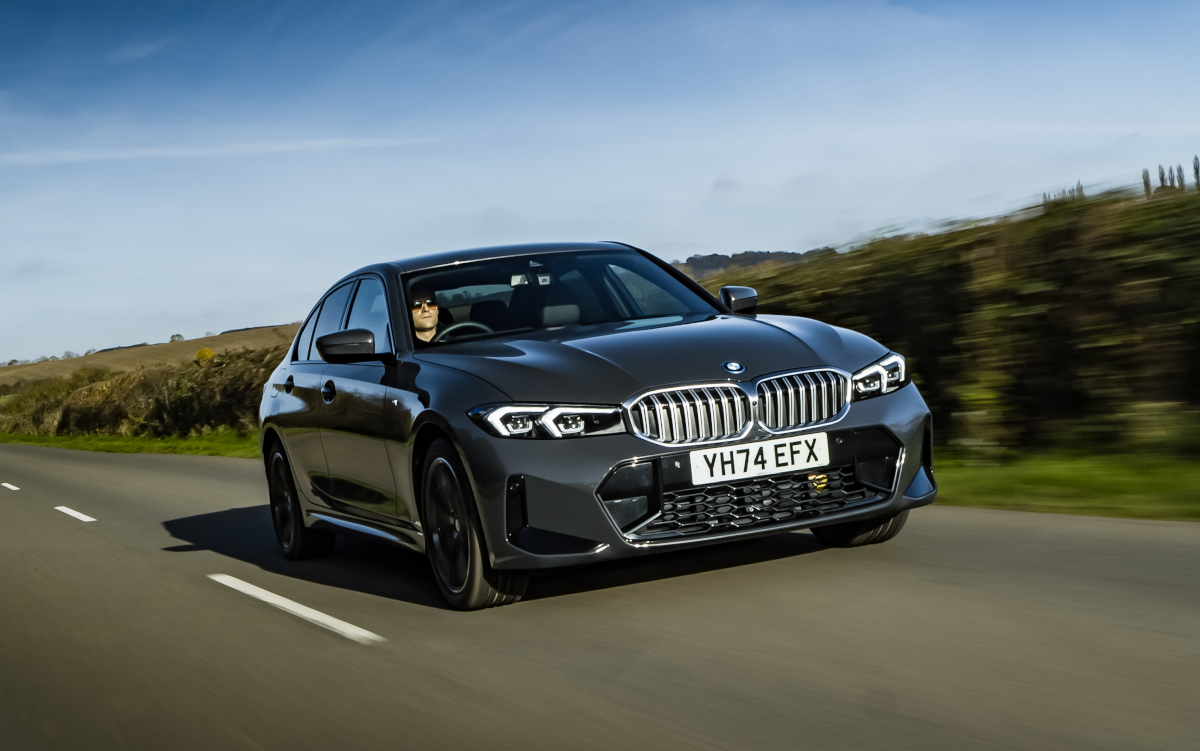

Practicality
BMW 1 Series practicality score: 2/5
BMW 3 Series practicality score: 4/5
This is a clear win for the 3 Series. As the larger car, it naturally offers more room for passengers and luggage. Two adults can sit comfortably in the back, and its 480-litre boot is a useful size for a family, although the saloon opening can be less convenient than a hatchback's. For ultimate practicality, the 3 Series Touring (estate) model increases boot space to 500 litres and adds a much larger tailgate.
The 1 Series is less accommodating. While there's plenty of space up front, rear passengers will find it a bit of a squeeze, especially for taller adults. Its 380-litre boot is competitive for a family hatchback, but it can't match the sheer volume offered by the 3 Series. If carrying people and their luggage is a regular occurrence, the 3 Series is the more sensible choice.
Driving Impressions
BMW 1 Series driving score: 5/5
BMW 3 Series driving score: 5/5
It’s no surprise that both cars are great to drive; it's what BMW is famous for. The 3 Series has long been the benchmark for handling in the executive class, with sharp, direct steering and a balanced feel that makes it enjoyable on a winding road. The trade-off, particularly on M Sport models with their stiffer suspension, is a firm ride that can feel unsettled on broken British B-roads.
The 1 Series, despite now being based on a front-wheel-drive platform, is still one of the most entertaining hatchbacks you can buy. It feels agile and keen to turn in, with plenty of grip. Like its bigger brother, however, the M Sport suspension can be firm. Both cars offer a range of excellent engines, from efficient diesels to powerful petrols. The plug-in hybrid 330e is a standout for company car drivers, while the M135i hot hatch provides serious performance in the 1 Series line-up.
Technology and Equipment
BMW 1 Series technology and equipment score: 3/5
BMW 3 Series technology and equipment score: 4/5
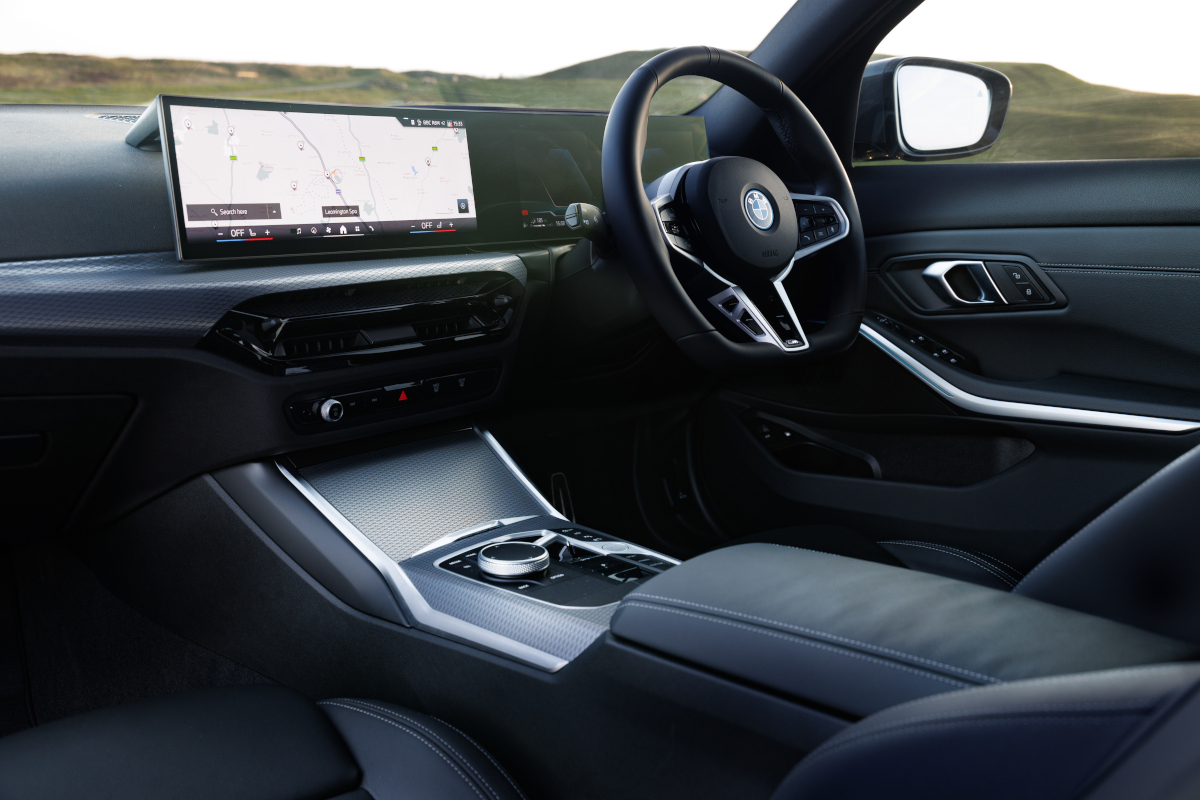
Step inside either car and you're greeted by a high-quality, driver-focused cabin. The 3 Series feels a little more upmarket, with better materials used throughout, but the 1 Series is still impressive for its class. Both feature BMW's excellent iDrive infotainment system, which is displayed on crisp, clear screens.
However, the latest versions of both cars have moved many functions, including the climate controls, onto the touchscreen. This can be more distracting to use on the move than the physical buttons and rotary controller found in older models. Standard equipment is reasonable, with LED headlights and parking sensors included, but you'll need to raid the expensive options list for desirable features like adaptive cruise control and wireless phone charging.
Running Costs
BMW 1 Series running costs score: 4/5
BMW 3 Series running costs score: 4/5
As the smaller, lighter car, the 1 Series is generally the cheaper of the two to run. The entry-level mild-hybrid petrol engines can officially return over 50mpg, which is good for a premium hatchback. The high-performance M135i is naturally thirstier.
For the 3 Series, the plug-in hybrid 330e is the star performer. With an official electric-only range of around 60 miles on the latest models, it can slash fuel bills for those with a short commute and a home charger. For long-distance drivers, the diesel models offer impressive economy, capable of around 55mpg. Servicing costs for both are what you'd expect from a premium brand, sitting on par with rivals from Audi and Mercedes-Benz.
CarGurus Buyer Insights
| BMW 1 Series | BMW 3 Series | |
|---|---|---|
| CarGurus expert rating | 4 out of 5 | 5 out of 5 |
| CarGurus user rating | 4.2 out of 5 | 4.3 out of 5 |
| Percentage of good/great deals available on CarGurus* | 37.4% | 36.2% |
| Overall CarGurus rating | 4.3 out of 5 | 4.5 out of 5 |
The Verdict
BMW 1 Series Overall CarGurus rating: 4.3/5
BMW 3 Series Overall CarGurus rating: 4.5/5
While both cars are excellent examples of what BMW does best, the 3 Series emerges as the winner in this comparison. Our CarGurus Buyer Insights show it scores higher with both our experts and users, and its higher Overall CarGurus rating reflects its status as a more complete and desirable car.
The 3 Series justifies its higher price with more space, better practicality (especially in Touring form), a higher-quality interior, and a slightly more sophisticated driving experience. It remains the benchmark executive car for a reason.
That's not to say the 1 Series isn't a great choice. If you don't need the extra space and your budget is tighter, it offers a huge amount of the 3 Series' driver appeal and premium feel in a more compact and affordable package. For many, it will be all the BMW they need. But as an all-round proposition, the 3 Series is the better car.
BMW 1 Series Pros and Cons
| Pros | Cons |
|---|---|
| Engaging to drive | Limited rear passenger space |
| Premium cabin feel for the class | Firm M Sport suspension |
| Efficient mild-hybrid engines | Not as practical as a 3 Series |
BMW 3 Series Pros and Cons
| Pros | Cons |
|---|---|
| Benchmark driving dynamics | Higher price than a 1 Series |
| More spacious and practical | Firm ride can be uncomfortable |
| Available as a Touring estate | Infotainment lacks physical controls |
*The Overall CarGurus rating: that informs these recommendations is based on CarGurus' proprietary market data from January 2026, CarGurus expert reviews, and CarGurus user reviews.