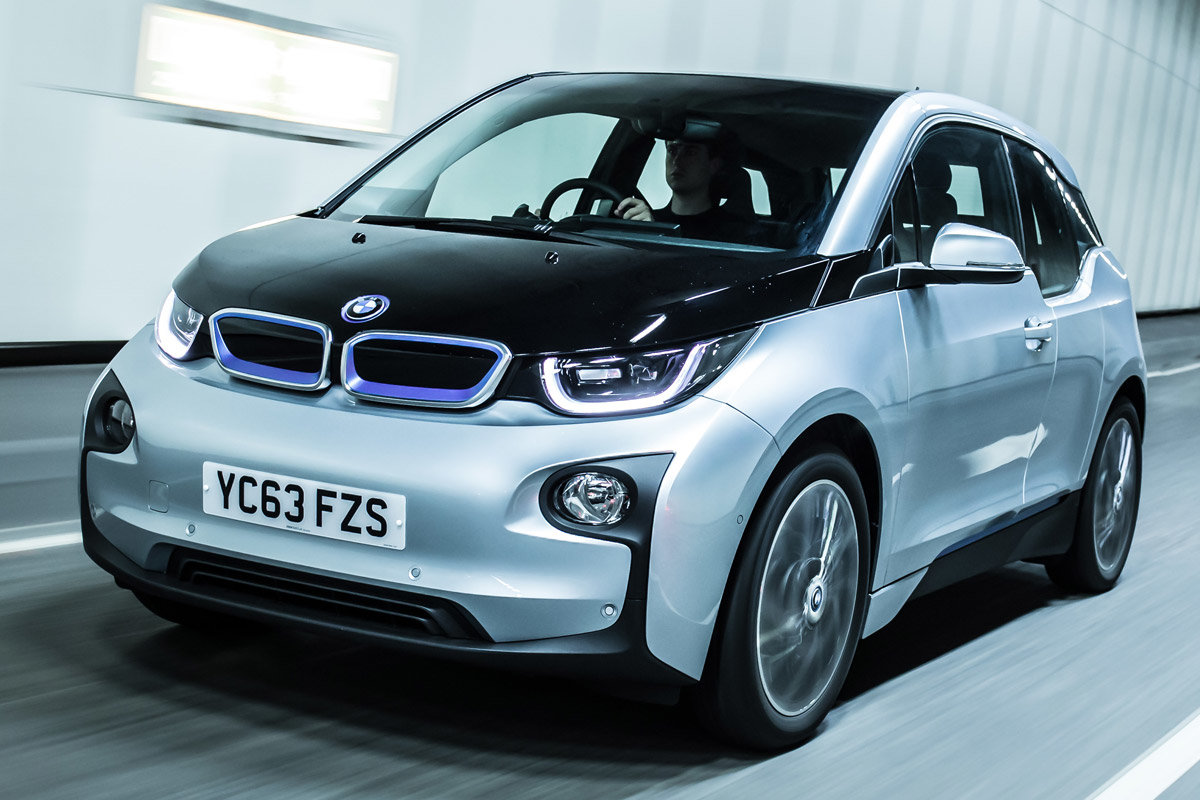
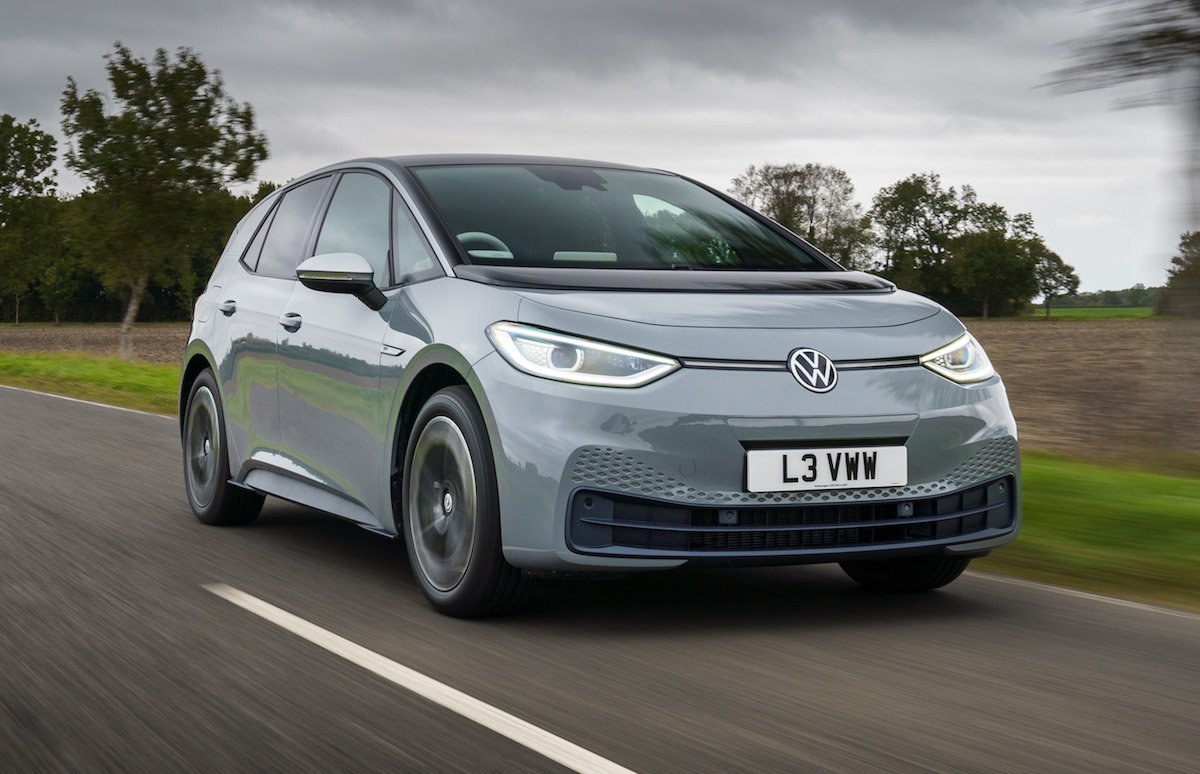
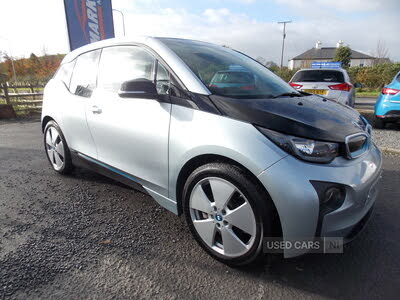
If you're thinking of making the switch to an electric hatchback, two of the most interesting options on the used market come from Germany: the pioneering BMW i3 and the mainstream Volkswagen ID.3. The i3 was one of the first premium EVs, arriving in 2013 with a futuristic design and a focus on fun. The ID.3, launched in 2020, represents VW's all-in push for electrification, designed to be the electric equivalent of the Golf.
One is a quirky individualist, the other is an accomplished all-rounder. So, which of these German EVs is the better buy for you?
BMW i3 vs Volkswagen ID.3
Practicality
BMW i3 practicality score: 3/5
Volkswagen ID.3 practicality score: 4/5
The Volkswagen ID.3 was built from the ground up as an EV, and it shows in its packaging. It offers a spacious cabin with good rear legroom and a 385-litre boot that's a decent size for a family hatchback. The BMW i3, with its unique carbon-fibre construction and coach-style rear doors, is more of a design statement. It's a strict four-seater, and getting into the back isn't as straightforward as in a conventional five-door car. Its 270-litre boot is also noticeably smaller. For everyday family life, the ID.3's more traditional layout gives it a clear advantage in practicality.
Driving Impressions
BMW i3 driving score: 4/5
Volkswagen ID.3 driving score: 4/5
If you enjoy driving, the BMW i3 has a lot to offer. Its lightweight construction and rear-wheel-drive setup make it feel agile and responsive, especially around town. The trade-off is a firm ride that can feel a bit unsettled on rougher UK roads. The Volkswagen ID.3 takes a different approach, prioritising comfort and refinement. The steering is precise and it feels secure, but it's not designed to be a hot hatch. It's quieter on the motorway and its softer suspension makes it a more relaxing car for the daily grind. While the i3 is more entertaining on the right road, the ID.3 is arguably the easier car to live with every day.
Technology and Equipment
BMW i3 technology and equipment score: 4/5
Volkswagen ID.3 technology and equipment score: 3/5
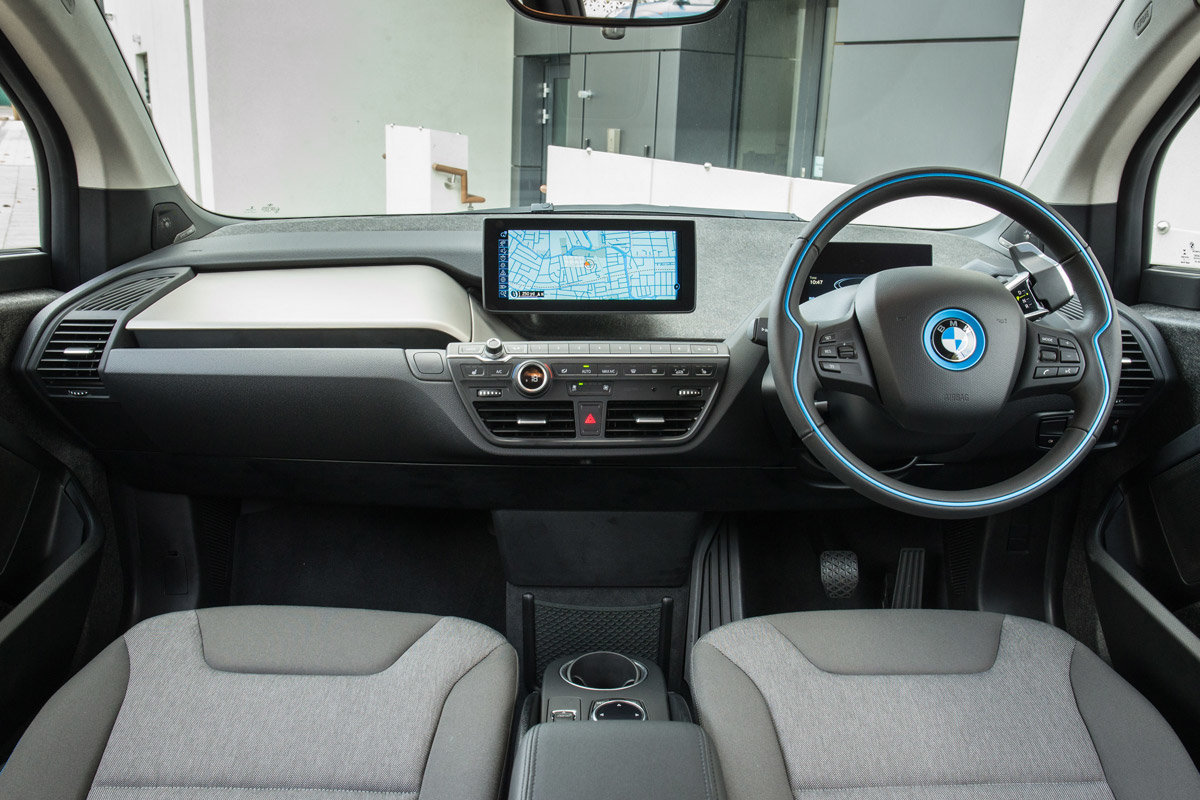
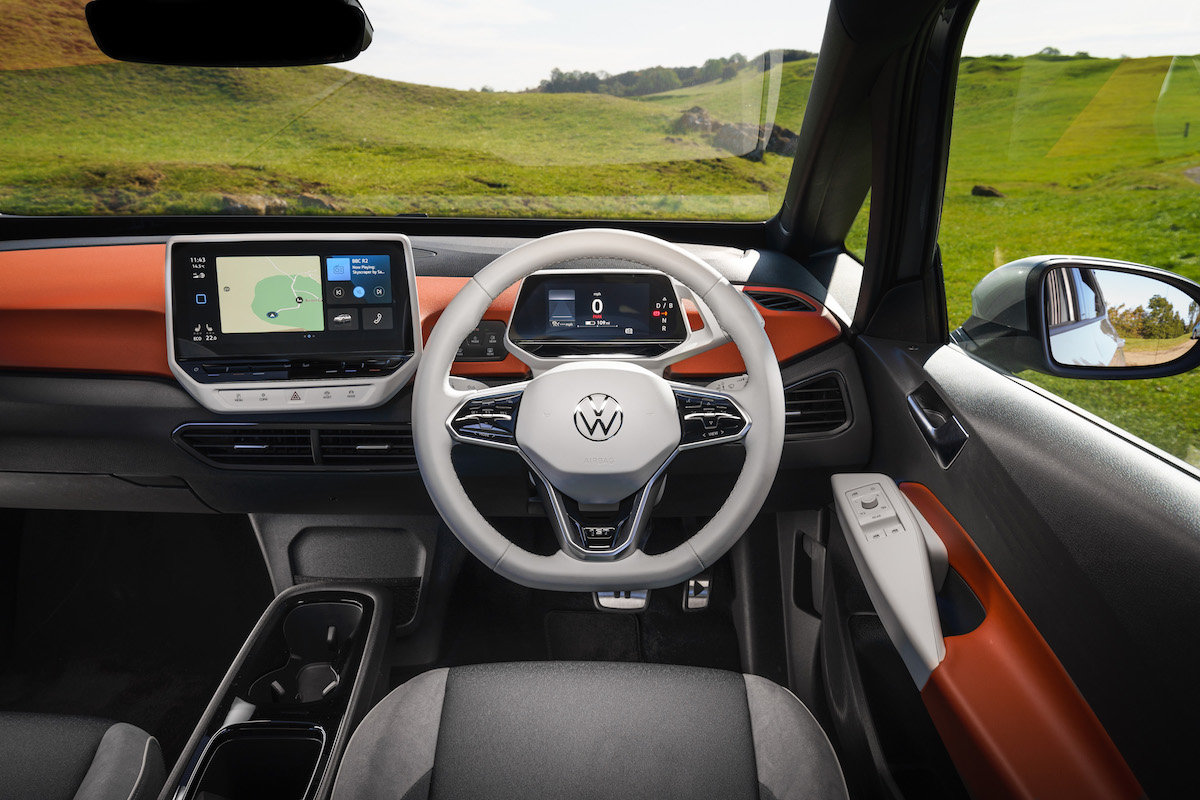
Both cars come with a good level of standard kit, but they have different strengths. The i3's cabin, with its floating screens and use of interesting, sustainable materials, still feels modern. Crucially, its iDrive infotainment system, controlled by a rotary dial, is logical and easy to use on the move. The ID.3 offers a more minimalist interior dominated by a large central touchscreen. While it packs in plenty of features, the system itself can be frustrating. Relying on touch-sensitive sliders and menus for simple functions like adjusting the heating is a step back in usability. For this reason, despite being the older design, the i3 offers a better user experience.
Running Costs
BMW i3 running costs score: 4/5
Volkswagen ID.3 running costs score: 4/5
As pure electric cars, both the i3 and ID.3 offer the potential for low running costs. They are exempt from VED (road tax) and city-centre emissions charges, and charging at home on an off-peak tariff is much cheaper than filling up with petrol or diesel. The i3 is known for being efficient, though it's worth noting that its skinny tyres can be expensive to replace. The ID.3 is also efficient for a car of its size. In reality, there's little to separate them on day-to-day costs, and both make for affordable daily transport.
CarGurus Buyer Insights
|
BMW i3 Review (2013-2022) |
Volkswagen ID.3 Review (2020-present) |
| CarGurus expert rating |
3 out of 5 |
4 out of 5 |
| CarGurus user rating |
4.2 out of 5 |
0.0 out of 5 |
| Percentage of good/great deals available on CarGurus* |
33.7% |
33.9% |
| Overall CarGurus rating |
4.1 out of 5 |
3.9 out of 5 |
The Verdict
BMW i3 Overall CarGurus rating: 4.1/5
Volkswagen ID.3 Overall CarGurus rating: 3.9/5
This is a close contest between two very different takes on the electric hatchback. The Volkswagen ID.3 is the more rational choice on paper; it's more spacious, more comfortable, and ultimately easier to live with as a family's only car. However, its frustrating infotainment system and some cheaper interior plastics hold it back. The BMW i3, despite being the older design, offers a more characterful experience with its unique styling, high-quality cabin, and fun-to-drive nature.
Based on our comprehensive CarGurus Buyer Insights, the BMW i3 takes the win. Its higher Overall CarGurus rating of 4.1 out of 5, combined with strong user reviews, gives it the edge over the ID.3. While the Volkswagen scores higher with our experts, the i3's proven track record with owners and its distinctive appeal make it the better buy. If you prioritise practicality above all else, the ID.3 remains a solid choice, but for most buyers seeking an engaging and well-built electric hatchback, the i3 is the more complete package.
BMW i3 Pros and Cons
| Pros |
Cons |
| Fun to drive |
Limited practicality (four seats) |
| Unique and stylish design |
Awkward rear-hinged doors |
| High-quality interior with user-friendly tech |
Firm ride |
Volkswagen ID.3 Pros and Cons
| Pros |
Cons |
| Spacious and practical cabin |
Frustrating infotainment system |
| Comfortable and refined ride |
Some cheaper interior plastics |
| Good standard equipment levels |
Less engaging to drive |
*The Overall CarGurus rating that informs these recommendations is based on CarGurus' proprietary market data from May 2026, CarGurus expert reviews, and CarGurus user reviews.
Read Our Full Reviews: