If you're in the market for a premium family SUV, BMW offers two strong choices: the X1 and the X3. The lines have blurred recently, with the latest X1 growing in size to become a fully-fledged family car, nipping at the heels of its bigger sibling. This means the choice is no longer just about size, but about value, technology, and what you prioritise in a daily driver.
The X1 packs impressive practicality and the latest tech into a more affordable package. The larger X3, a long-standing favourite, offers more space, a more refined drive, and retains some classic BMW features that enthusiasts love. Both come with a wide range of engines, including efficient plug-in hybrids. So, which of these Bavarian SUVs is the smarter buy?
BMW X1 vs BMW X3
Practicality
BMW X1 practicality score: 5/5
BMW X3 practicality score: 4/5
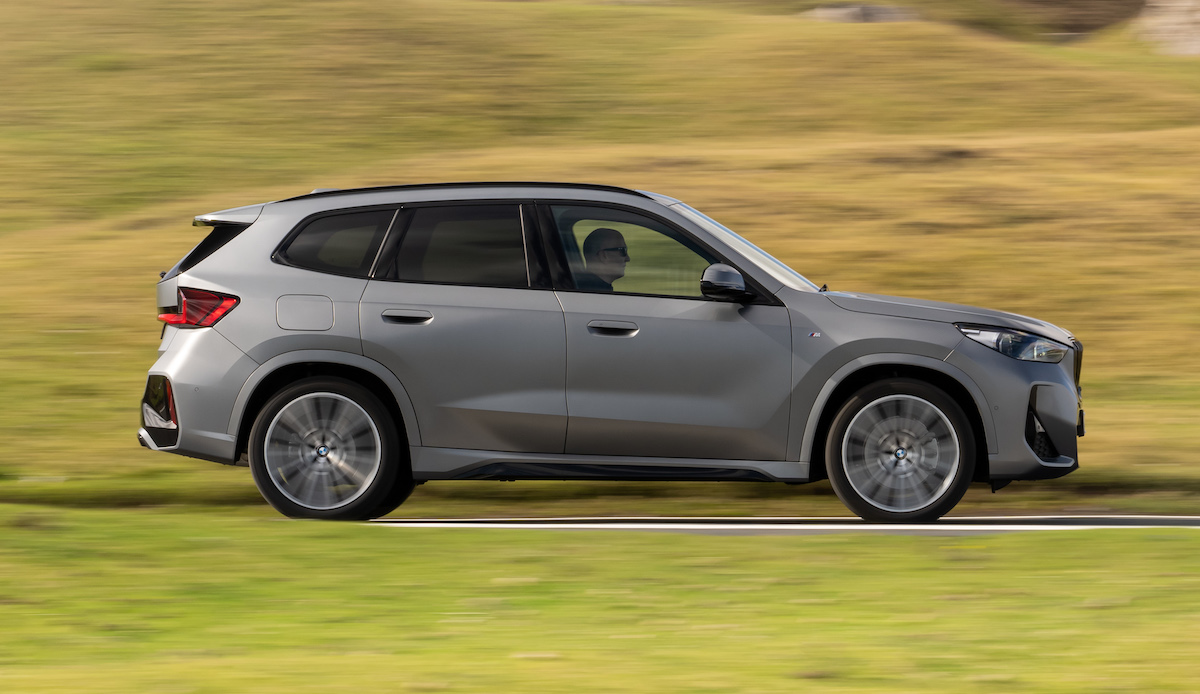
This is where the smaller X1 pulls a surprise victory. While you might expect the larger X3 to walk this, the X1's clever design gives it the edge for family flexibility. Its secret weapon is a sliding rear bench that lets you choose between maximum legroom for passengers or a huge boot. Speaking of which, at 540 litres, the X1's boot is massive for its class, and even the plug-in hybrid models barely lose any space. The 40/20/40 split-folding rear seats add another layer of versatility.
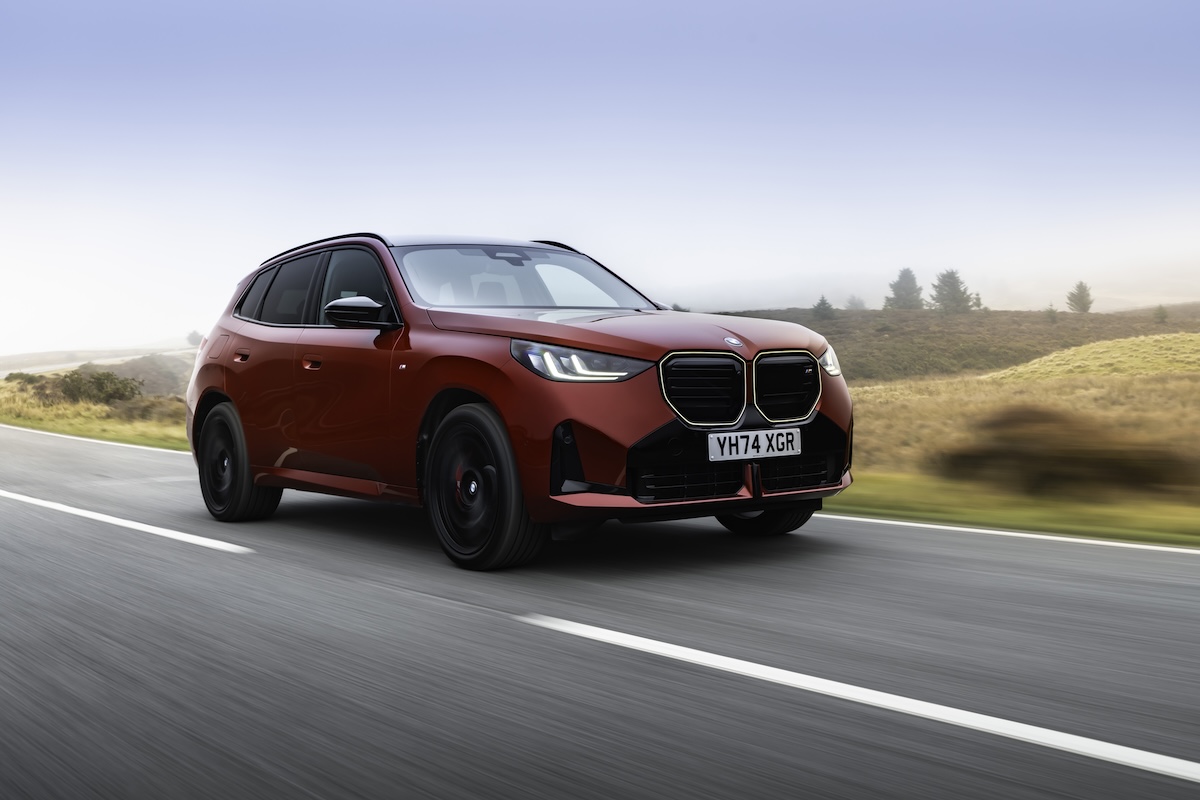
The X3 is by no means impractical. It offers more outright passenger space, especially for three adults in the back, and its standard 570-litre boot is slightly larger than the X1's. However, the plug-in hybrid X3 sacrifices a significant chunk of boot space to its batteries, dropping capacity to 460 litres. While the X3 is roomier for people, the X1's smarter packaging and more flexible interior win it the points for all-round family-friendliness.
Driving Impressions
BMW X1 driving score: 4/5
BMW X3 driving score: 4/5
Being BMWs, both the X1 and X3 are expected to be good to drive, and neither disappoints. They offer a more engaging and sporty feel than many rivals, with sharp steering and impressive body control, especially when fitted with optional adaptive suspension. There's a huge range of engines, from frugal diesels to powerful plug-in hybrids and, in the X3's case, a storming M50 performance model. The all-electric iX1 is also a standout performer in the smaller car's lineup.
The X1 can feel a little firm on its standard suspension, not soaking up bumps quite as smoothly as a Volvo XC40 or Mercedes GLA. The X3, particularly in Comfort mode with the adaptive dampers, feels more polished and refined, delivering a plusher ride on long journeys. However, both cars are competent and even fun on a twisty road. It's a dead heat here; the X3 is slightly more comfortable, but the X1 is just as capable and offers a pure-electric option.
Technology and Equipment
BMW X1 technology and equipment score: 4/5
BMW X3 technology and equipment score: 4/5
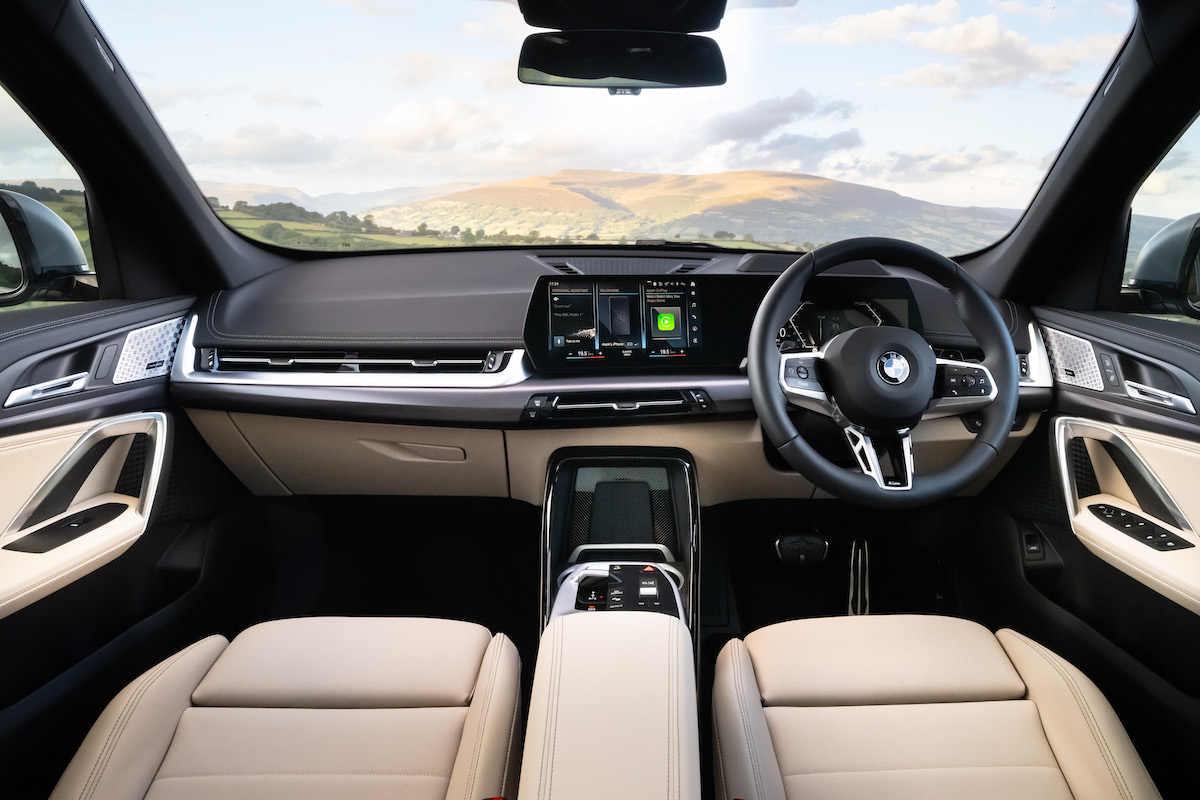
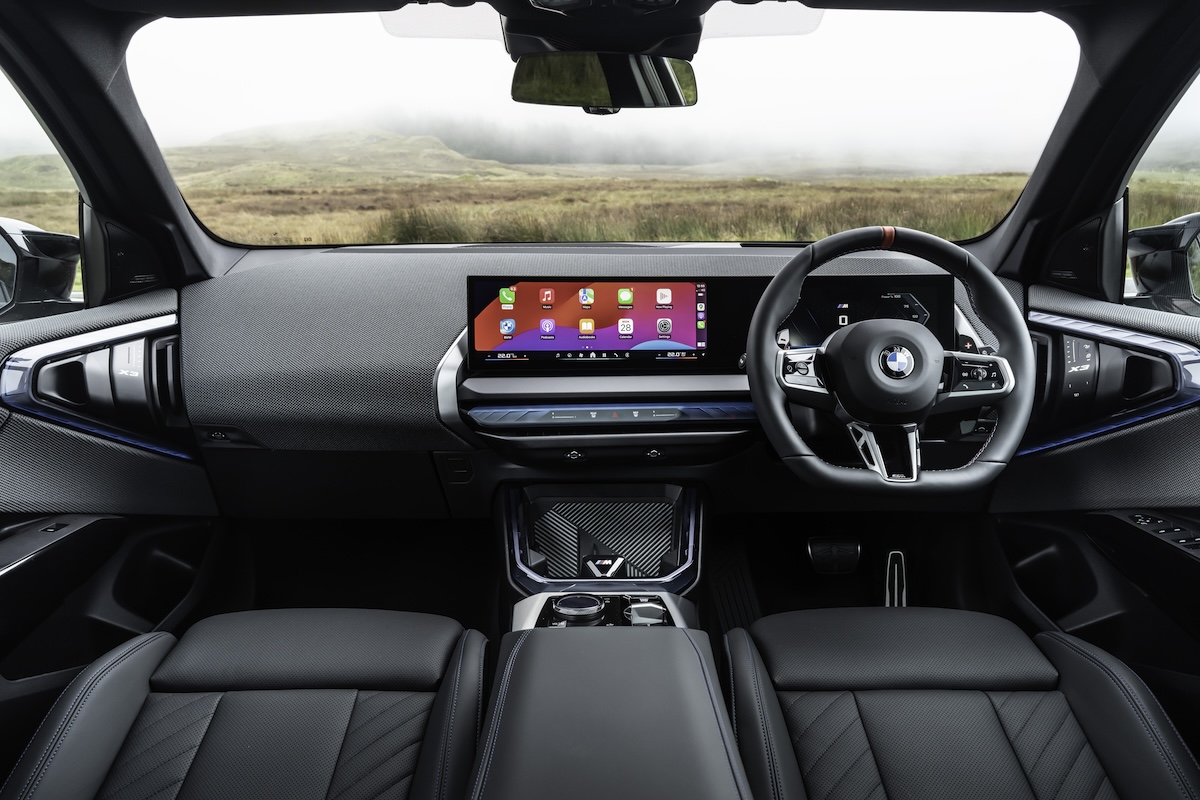
Step inside either car and you're greeted by BMW's latest interior design, dominated by a stunning curved display that merges the driver's instruments and the central infotainment screen. Both systems are packed with features, including sat-nav, wireless Apple CarPlay and Android Auto. Standard equipment is generous on both, with parking sensors, a reversing camera, and a powered tailgate included from the entry-level trims.
However, there's one crucial difference. The X1 relies solely on its touchscreen for most controls, which can be fiddly to use on the move. The X3, thankfully, keeps BMW's brilliant iDrive rotary controller on the centre console. This makes navigating menus while driving much safer and easier. While both cars are high-tech, and both annoyingly hide desirable features in expensive option packs, the X3's more user-friendly interface gives it a slight edge in day-to-day usability.
Running Costs
BMW X1 running costs score: 4/5
BMW X3 running costs score: 3/5
As premium SUVs, neither the X1 nor the X3 is a bargain-basement purchase. However, the X1 offers a much more accessible entry point into BMW ownership. Its lower list price across the range means it represents significantly better value for money. For company car drivers and those able to charge at home, the plug-in hybrid versions of both cars promise low running costs, with over 50 miles of electric range.
The X3's higher purchase price is the main factor here. An entry-level X3 costs about the same as a high-spec X1, making it a considerable financial step up. While the diesel and plug-in hybrid models are efficient, the high-performance M50 model will be predictably thirsty. For most buyers, the X1's lower initial outlay and comparable running costs for equivalent engines make it the clear winner in this category.
CarGurus Buyer Insights
|
BMW X1 |
BMW X3 |
| CarGurus expert rating |
4 out of 5 |
4 out of 5 |
| CarGurus user rating |
4.5 out of 5 |
4.4 out of 5 |
| Percentage of good/great deals available on CarGurus* |
33.9% |
32.8% |
| Overall CarGurus rating |
4.5 out of 5 |
4.3 out of 5 |
The Verdict
BMW X1 Overall CarGurus rating: 4.5/5
BMW X3 Overall CarGurus rating: 4.3/5
This is a close contest between two excellent premium SUVs, but there can only be one winner. Based on our comprehensive CarGurus Buyer Insights, the BMW X1 takes the victory. It manages to deliver a premium experience, a great drive, and class-leading practicality, all while representing much better value for money than its bigger brother.
The X1's clever interior packaging, with its huge boot and flexible sliding rear seats, makes it a fantastically versatile family car. It also scores higher with our users and offers a better chance of finding a great deal on CarGurus. It proves that you don't always need to choose the biggest model to get the best all-round package.
That's not to say the X3 isn't a brilliant car. If you need that extra bit of rear passenger space, value its more refined ride, or simply must have the brilliant iDrive controller, it's a fantastic choice and you won't be disappointed. But for most buyers, the X1's blend of practicality, technology, and value makes it the smarter choice and the winner of this test.
BMW X1 Pros and Cons
| Pros |
Cons |
| Superb practicality and flexible interior |
Ride can be firm on standard suspension |
| Strong value for a premium SUV |
Touchscreen-only infotainment is fiddly |
| Wide range of engines, including electric |
Desirable features are in expensive packs |
BMW X3 Pros and Cons
| Pros |
Cons |
| More spacious for rear passengers |
Significantly more expensive than the X1 |
| More refined ride quality |
PHEV model has a smaller boot |
| Excellent iDrive controller is retained |
No pure-electric version |
*The Overall CarGurus rating that informs these recommendations is based on CarGurus' proprietary market data from May 2026, CarGurus expert reviews, and CarGurus user reviews.
Read Our Full Reviews: