If you're in the market for a premium SUV that doesn't forget how to be fun to drive, BMW's showroom is a great place to start. Two of its most popular models, the X3 and the X5, both promise a blend of luxury, practicality, and that signature BMW driving experience. But they are aimed at slightly different buyers.
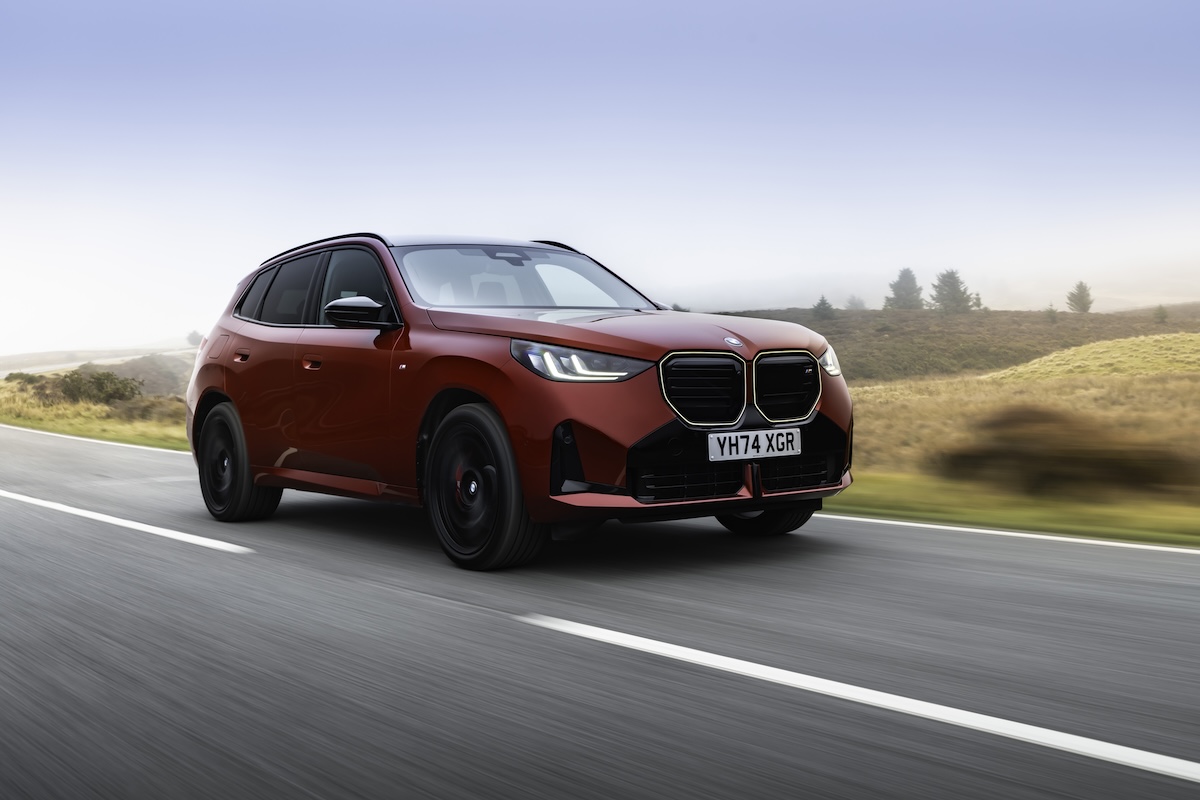
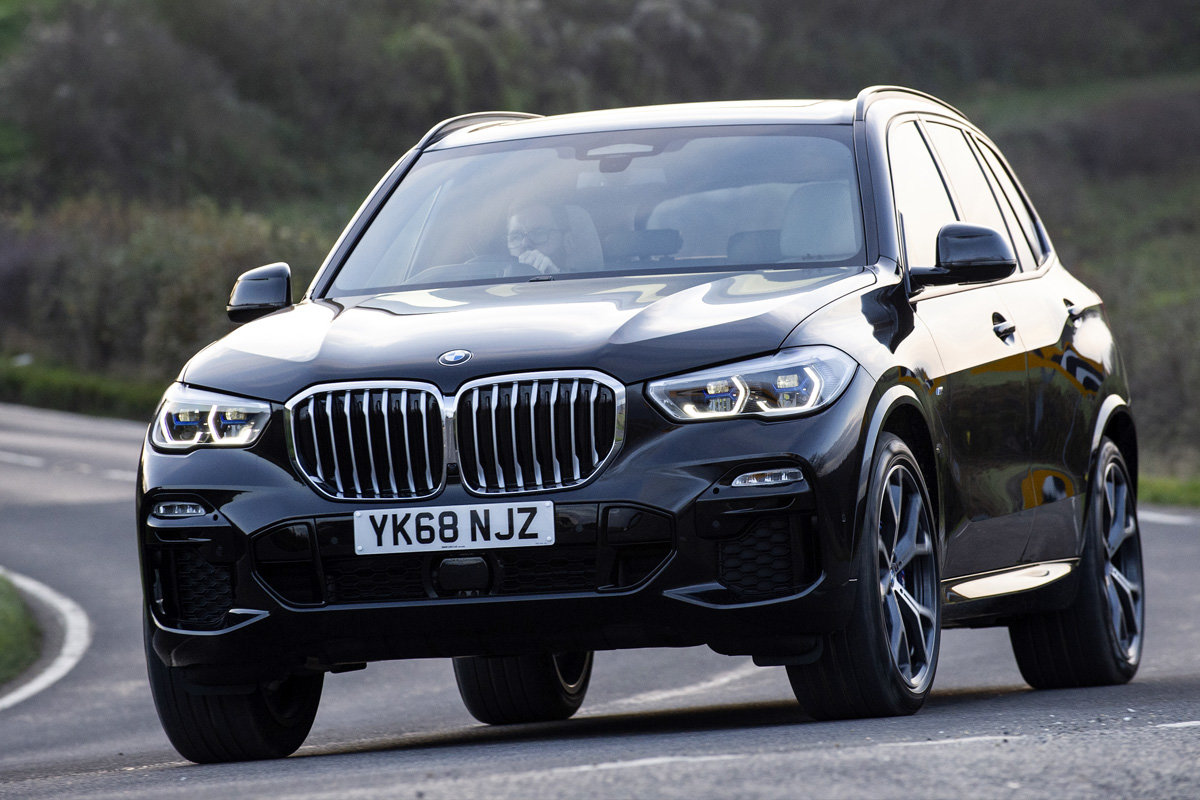
The X3 is the brand's accomplished mid-size SUV, a direct rival to the Audi Q5 and Mercedes GLC. It offers a premium cabin and sharp handling in a package that's manageable around town. The larger X5 steps things up in terms of space, luxury, and road presence, competing with the likes of the Audi Q7 and Volvo XC90. With both offering powerful engines and all-wheel drive, which one is the right fit for you?
BMW X3 vs BMW X5
Practicality
BMW X3 practicality score: 4/5
BMW X5 practicality score: 5/5
The BMW X3 is a practical choice for a family, offering good legroom in the back and a usefully shaped boot that holds 570 litres. The rear seats split 40:20:40, which adds flexibility for carrying long items and passengers at the same time. For a mid-size SUV, it does its job well.
However, the larger X5 is in another league. Its boot is a cavernous 650 litres, and this expands to a van-like 1,870 litres with the rear seats folded down. Crucially, the X5 is also available with an optional third row of seats, turning it into a seven-seater. While these rearmost seats are best for children, they add a layer of versatility the X3 can't match. For outright space and family-hauling ability, the X5 is the clear winner.
Driving Impressions
BMW X3 driving score: 4/5
BMW X5 driving score: 5/5
BMW has a reputation for making cars that are rewarding to drive, and that DNA is present in both of these SUVs. The X3 feels alert and agile for a high-riding vehicle. With its lighter weight and smaller footprint, it's nimble on a country road, and the optional adaptive suspension allows you to choose between a comfortable or a more controlled ride.
The X5 also handles with a precision that defies its size. It feels secure and planted, especially with the optional air suspension, which provides a smooth ride. Where the X5 pulls ahead is with its more powerful engine options, including muscular six-cylinder diesels and the monstrous V8 in the X5 M Competition. While the X3 is arguably more playful, the X5 offers a more commanding and effortless performance, especially over long distances.
Technology and Equipment
BMW X3 technology and equipment score: 4/5
BMW X5 technology and equipment score: 5/5
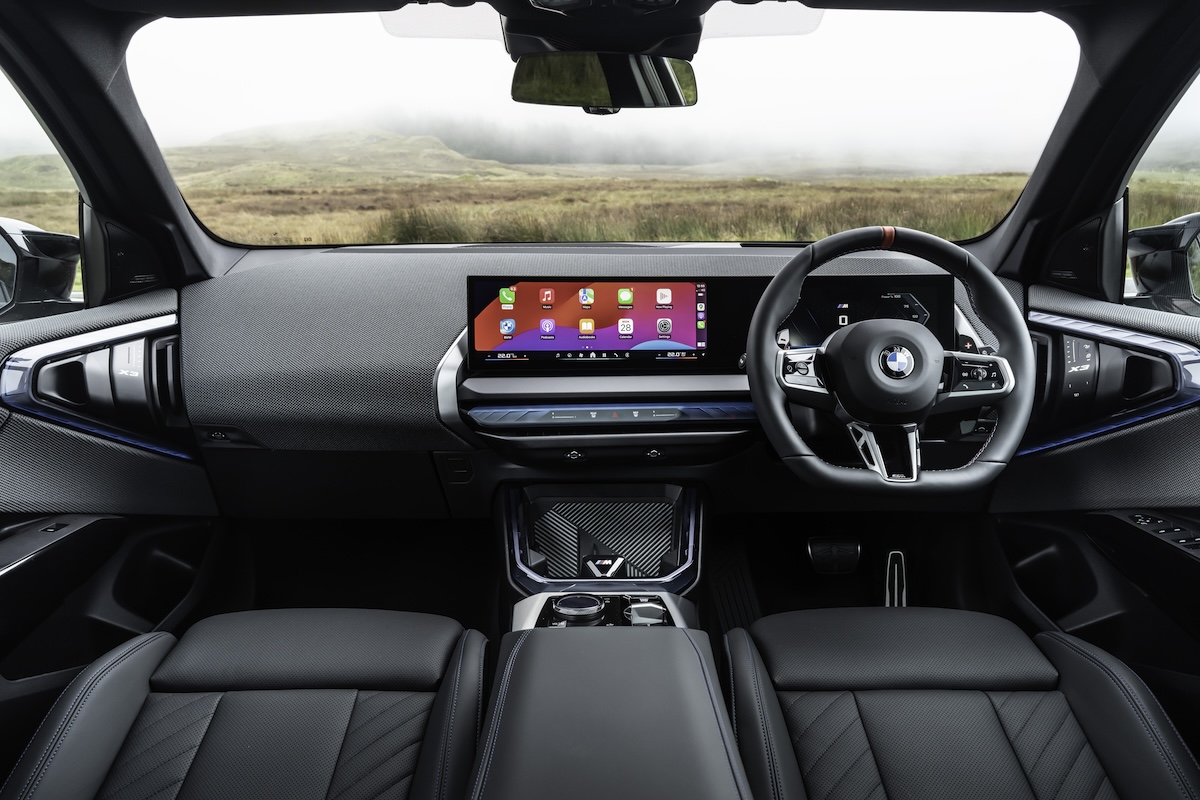
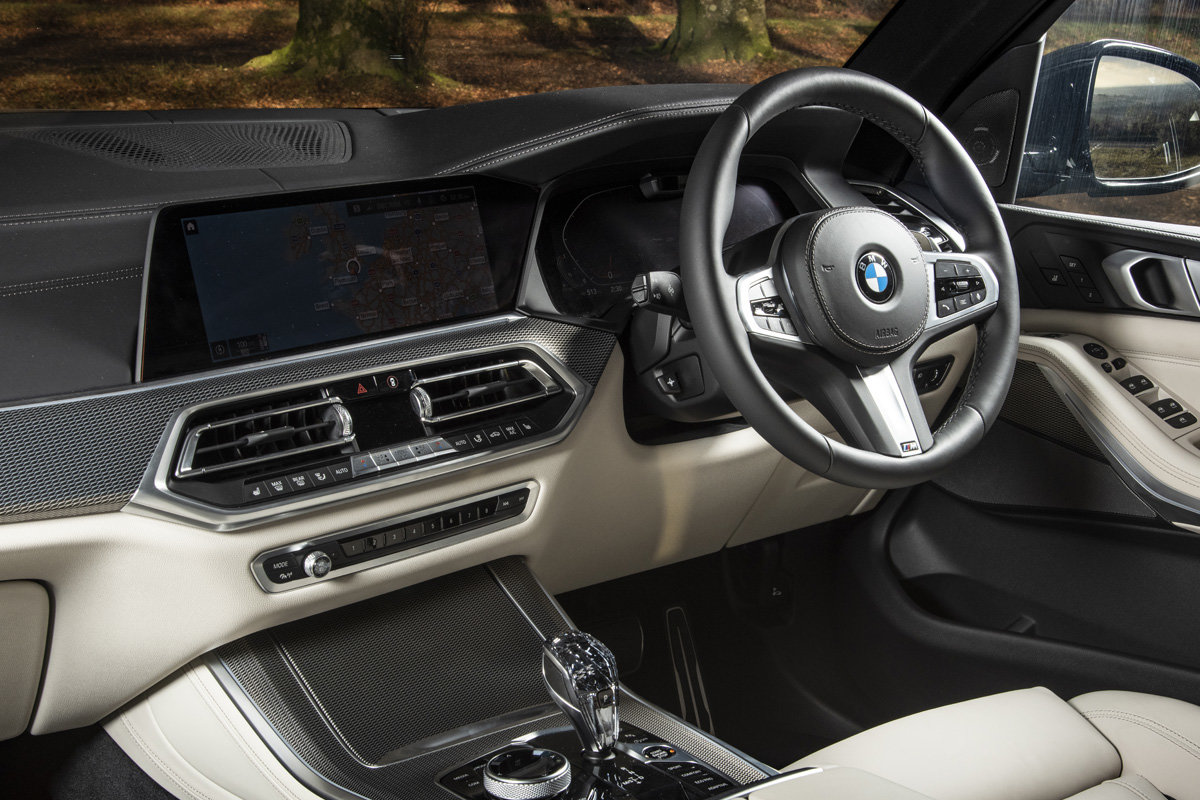
Step inside either model and you're greeted by a high-quality cabin and plenty of standard equipment. Both come with BMW's excellent iDrive infotainment system, which includes a large touchscreen, satellite navigation, and smartphone connectivity. Heated seats, a powered tailgate, and premium materials are also part of the package.
The X3 is well-appointed and feels every bit the premium product. However, the X5 offers a higher level of luxury and a longer list of optional extras. Features like massaging front seats, a panoramic 'Sky Lounge' glass roof, and more advanced driver assistance systems are available on the X5, elevating its cabin to another level. While the X3 is far from spartan, the X5 has the edge for available technology and outright luxury.
Running Costs
BMW X3 running costs score: 3/5
BMW X5 running costs score: 3/5
Neither of these premium SUVs will be cheap to run. Purchase prices, insurance, and maintenance will all be higher than for mainstream alternatives. Fuel economy from the petrol and diesel engines is reasonable, with the most efficient versions returning figures in the 30s for miles per gallon.
For company car users or those with a home charger, the plug-in hybrid (PHEV) models are worth considering. The X3 30e and X5 50e (replacing the older 45e) offer a significant electric-only range, which can dramatically cut fuel bills on shorter journeys. However, as the smaller and lighter car, the X3 will generally be the more frugal of the two, with slightly lower costs for fuel, tax, and tyres.
CarGurus Buyer Insights
|
BMW X3 |
BMW X5 |
| CarGurus expert rating |
4 out of 5 |
5 out of 5 |
| CarGurus user rating |
4.4 out of 5 |
4.3 out of 5 |
| Percentage of good/great deals available on CarGurus* |
32.8% |
33.3% |
| Overall CarGurus rating |
4.3 out of 5 |
4.5 out of 5 |
The Verdict
BMW X3 Overall CarGurus rating: 4.3/5
BMW X5 Overall CarGurus rating: 4.5/5
Both the BMW X3 and X5 are excellent SUVs that successfully blend performance, luxury, and practicality. The X3 is a fantastic all-rounder, offering a sharp drive and a premium feel in a more compact and affordable package. For many buyers, it will be all the SUV they need.
However, in this comparison, the BMW X5 emerges as the winner. Its higher Overall CarGurus rating is backed up by a superior score from our experts and a strong percentage of good deals available on our marketplace. It justifies its higher price tag with significantly more interior space, the option of seven seats, a more commanding driving experience, and access to a higher level of luxury and technology.
If your budget can stretch to it and you need the extra room, the X5 is the more complete and desirable package. It represents the pinnacle of BMW's non-M SUV range for good reason, making it our pick in this head-to-head.
BMW X3 Pros and Cons
| Pros |
Cons |
| Agile and enjoyable to drive |
No seven-seat option |
| High-quality interior |
Not as spacious as the X5 |
| More manageable size for town driving |
Fewer high-end options available |
BMW X5 Pros and Cons
| Pros |
Cons |
| Huge boot and available third row |
Higher purchase price and running costs |
| Commanding driving position and performance |
Large size can be unwieldy in town |
| Luxurious cabin with more tech options |
PHEV is heavy |
*The Overall CarGurus rating: that informs these recommendations is based on CarGurus' proprietary market data from May 2026, CarGurus expert reviews, and CarGurus user reviews.
Read Our Full Reviews: