If you're in the market for a large, premium seven-seat SUV, the BMW X5 and Audi Q7 are almost certainly on your shortlist. These two German heavyweights have dominated the class for years, offering a blend of luxury, space, and performance.
While they compete for the same buyers, they go about their business in different ways. The X5 has always been the driver's choice, while the Q7 majors on comfort and a high-tech feel. With both offering powerful engines and plug-in hybrid options, which one is the better all-rounder?
BMW X5 vs Audi Q7
Practicality
BMW X5 practicality score: 5/5
Audi Q7 practicality score: 5/5
As you'd expect from SUVs of this size, both are hugely practical. The Audi Q7 has a slight edge on paper, with a standard seven-seat layout and a vast 780-litre boot. Its middle row of seats can slide and recline individually, adding to its flexibility. The BMW X5 comes with five seats as standard, but a third row is a common option. Its boot is a little smaller at 650 litres, but it counters with a useful split tailgate, which is great for loading heavy items or for using as a makeshift bench. While the Q7 is marginally more spacious, the X5 is still a cavernous and versatile family car.
Driving Impressions
BMW X5 driving score: 5/5
Audi Q7 driving score: 4/5
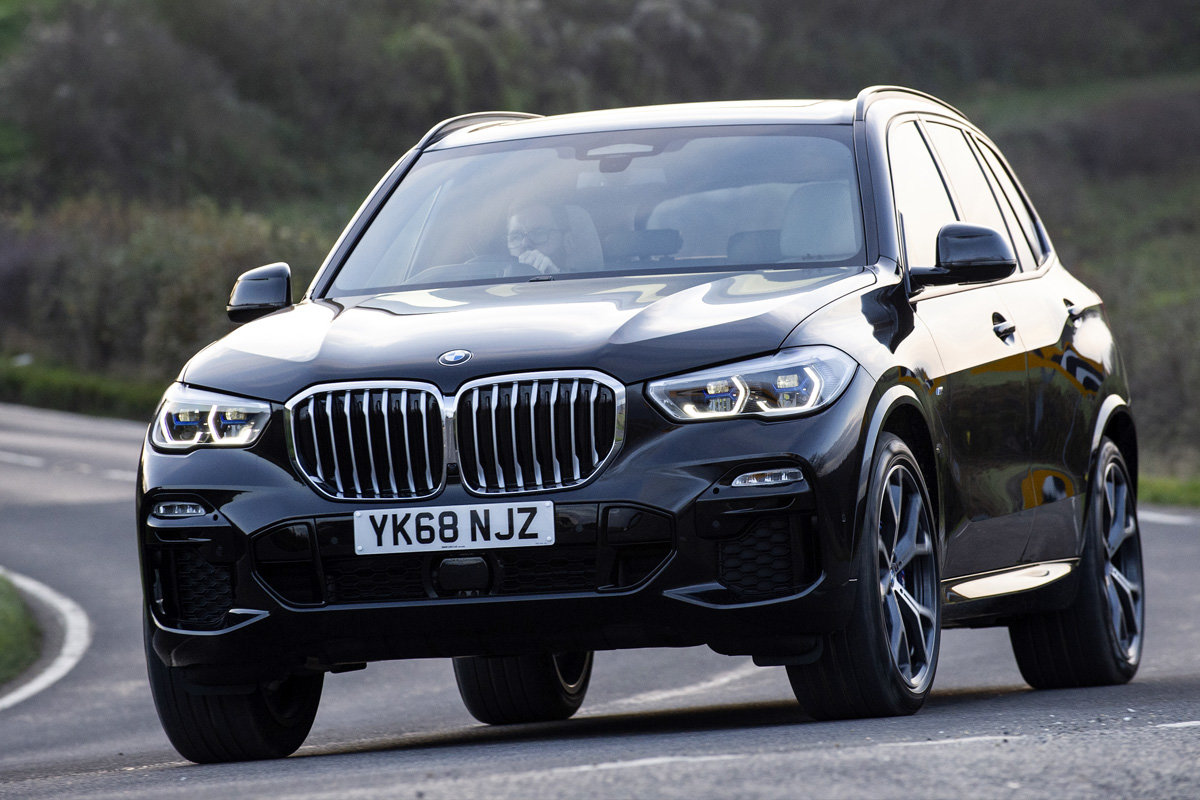
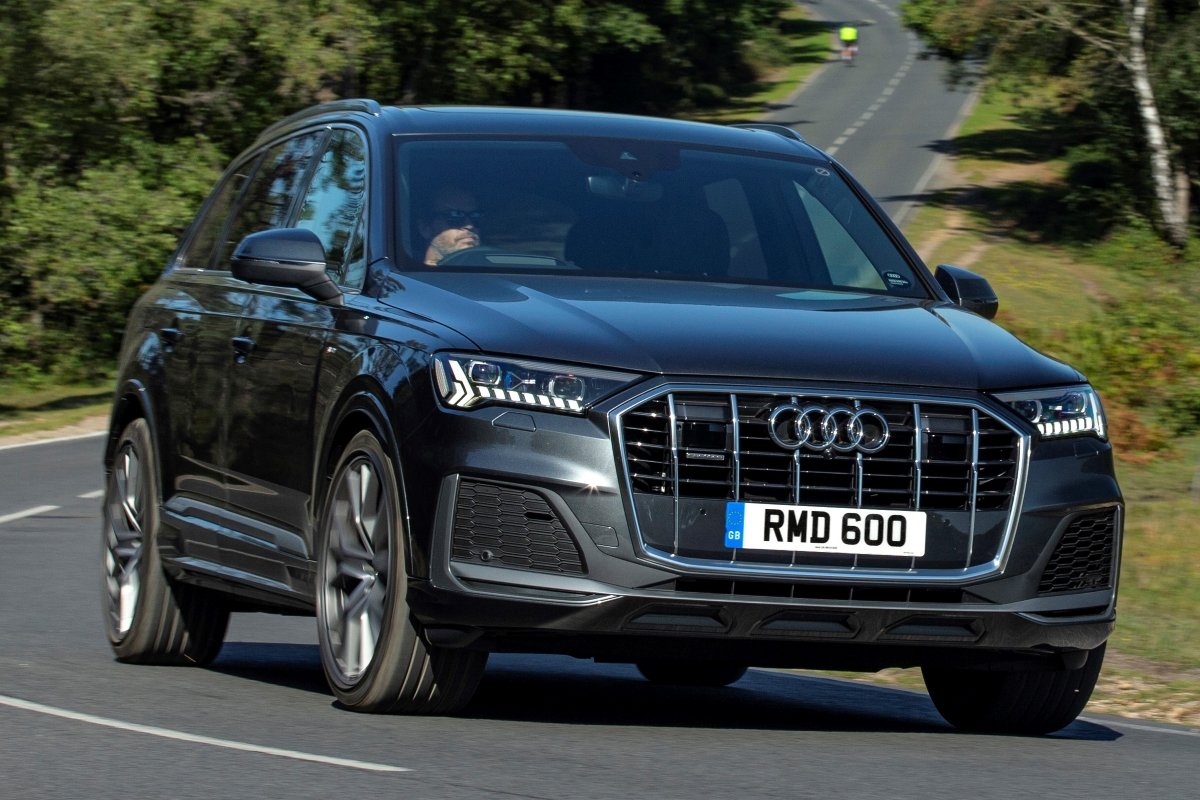
This is where the two cars really show their different characters. The BMW X5 lives up to its brand's reputation for making 'The Ultimate Driving Machine'. For such a large and heavy car, it feels agile and engaging on a twisty road, with precise steering and excellent body control. The engine range is strong, from smooth six-cylinder diesels to a potent plug-in hybrid and the high-performance X5 M. The Audi Q7 is tuned more for comfort. Its standard air suspension delivers a cushioned ride that isolates you from bumps in the road, making it a superb long-distance cruiser. While it handles safely and predictably, it doesn't have the same sense of driver involvement as the X5. For pure driving fun, the BMW has the clear advantage.
Technology and Equipment
BMW X5 technology and equipment score: 5/5
Audi Q7 technology and equipment score: 5/5
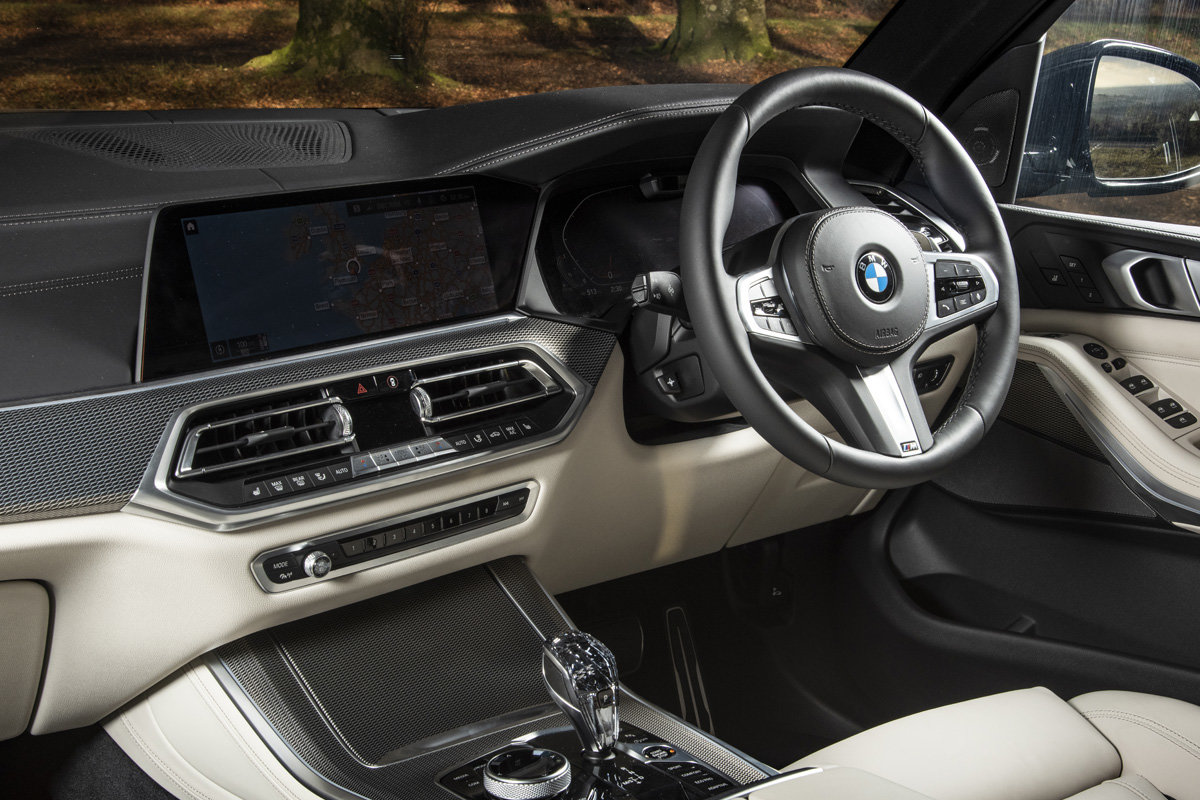
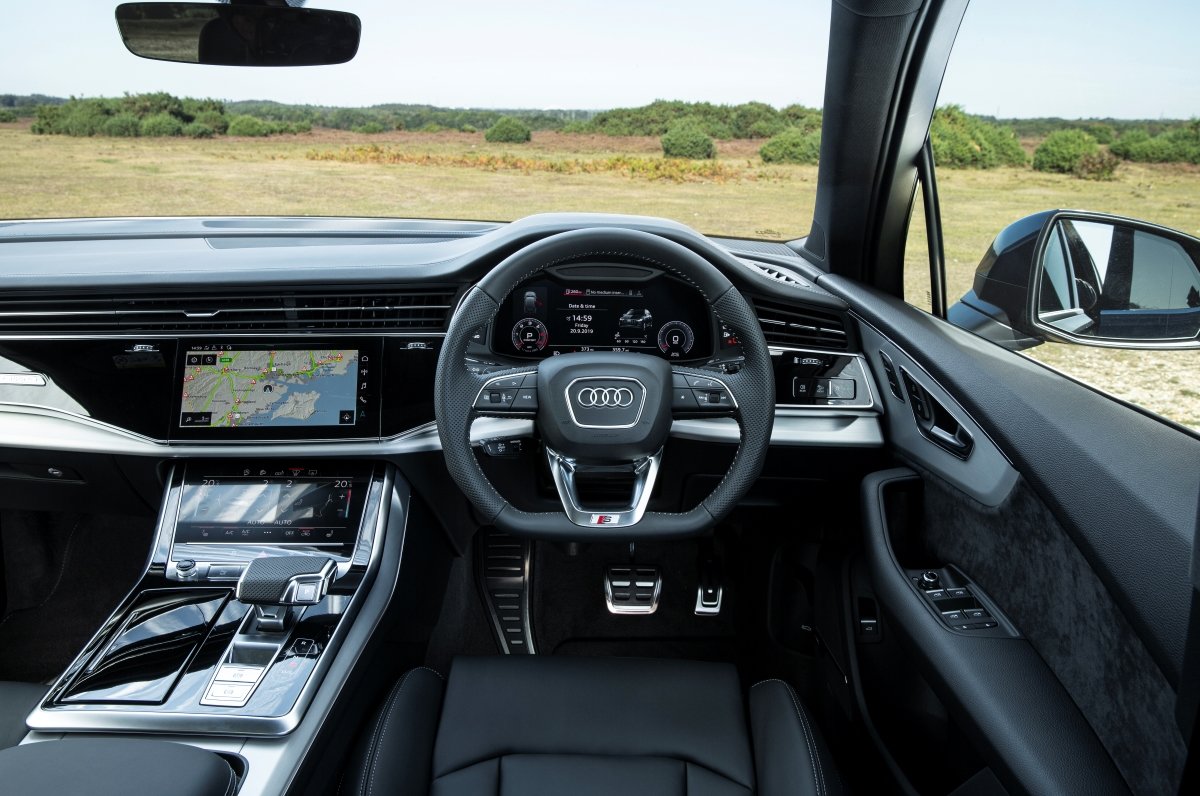
Step inside either cabin and you're greeted by a wall of high-quality materials and technology. The Audi Q7 has a more minimalist, tech-focused feel, dominated by its dual-touchscreen infotainment system and the excellent Virtual Cockpit digital driver's display. It looks slick, though some may find the reliance on touchscreens a bit distracting to use on the move. The BMW X5 has a more traditional layout, but it's no less advanced. It features a large central screen controlled by the intuitive iDrive rotary dial, which is easier to use without taking your eyes off the road. Both cars come loaded with standard equipment, including leather, heated seats, and a full suite of safety aids. There’s no clear winner here; it comes down to whether you prefer Audi's futuristic approach or BMW's more user-friendly ergonomics.
Running Costs
BMW X5 running costs score: 3/5
Audi Q7 running costs score: 4/5
Neither of these premium SUVs will be cheap to run, but there are ways to keep costs down. The Audi Q7 has an advantage here, primarily thanks to its efficient 3.0-litre diesel engines, which can return respectable fuel economy for such a large car. The BMW X5's diesel and petrol engines are a little thirstier in comparison. Both models are available as plug-in hybrids (PHEVs), which are the pick of the range for company car drivers due to low BIK tax rates. With a potential for over 50 miles of electric-only range in the latest X5 xDrive50e, you could see very low fuel bills if you can charge at home and have a short commute. However, for those doing higher mileages, the Q7's diesels give it the edge for overall running costs.
CarGurus Buyer Insights
|
BMW X5 |
Audi Q7 |
| CarGurus expert rating |
5 out of 5 |
5 out of 5 |
| CarGurus user rating |
4.6 out of 5 |
4.6 out of 5 |
| Percentage of good/great deals available on CarGurus* |
33.7% |
33.2% |
| Overall CarGurus rating |
4.6 out of 5 |
4.5 out of 5 |
The Verdict
BMW X5 Overall CarGurus rating: 4.6/5
Audi Q7 Overall CarGurus rating: 4.5/5
Both the BMW X5 and Audi Q7 are at the top of the large SUV class, and choosing between them is tough. The Audi is supremely comfortable, slightly more practical, and its diesel engines make it a sensible choice for high-mileage drivers.
However, based on our comprehensive CarGurus Buyer Insights, the BMW X5 emerges as the winner. It earns a higher Overall CarGurus rating, thanks to its combination of expert and user scores. Its superior driving dynamics make it the more enjoyable car to drive, while its interior quality and technology are a match for the Audi. The X5 proves that you can have a practical, luxurious family SUV without sacrificing driver appeal.
While the Q7 is a fantastic choice for those who prioritise comfort above all else, the BMW X5's brilliant all-round ability makes it our champion in this comparison.
BMW X5 Pros and Cons
| Pros |
Cons |
| Superb driving dynamics |
Running costs can be high |
| High-quality and user-friendly interior |
Boot is smaller than the Q7's |
| Powerful engine range |
Third-row seats are an optional extra |
Audi Q7 Pros and Cons
| Pros |
Cons |
| Supremely comfortable ride |
Not as engaging to drive |
| Huge and flexible interior |
Touchscreen-heavy interior |
| Efficient diesel engine options |
Less athletic styling |
*The Overall CarGurus rating: that informs these recommendations is based on CarGurus' proprietary market data from January 2026, CarGurus expert reviews, and CarGurus user reviews.
Read Our Full Reviews: