
If you're in the market for a large, luxurious SUV, the BMW X5 and Range Rover Sport are two names that are likely at the top of your list. Both offer a compelling mix of performance, prestige, and practicality, but they go about their business in slightly different ways.
The BMW X5 has long been the benchmark for buyers who want a large SUV that still drives with the sharpness of a sports saloon. The Range Rover Sport, on the other hand, majors on opulent luxury and brings with it the legendary off-road capability its badge is famous for. Both offer powerful engines and high-tech cabins, so which of these premium heavyweights is the better all-rounder?
BMW X5 vs Range Rover Sport
- Practicality
- Driving Impressions
- Technology and Equipment
- Running Costs
- CarGurus Buyer Insights
- Verdict

Practicality
BMW X5 practicality score: 5/5
Range Rover Sport practicality score: 4/5
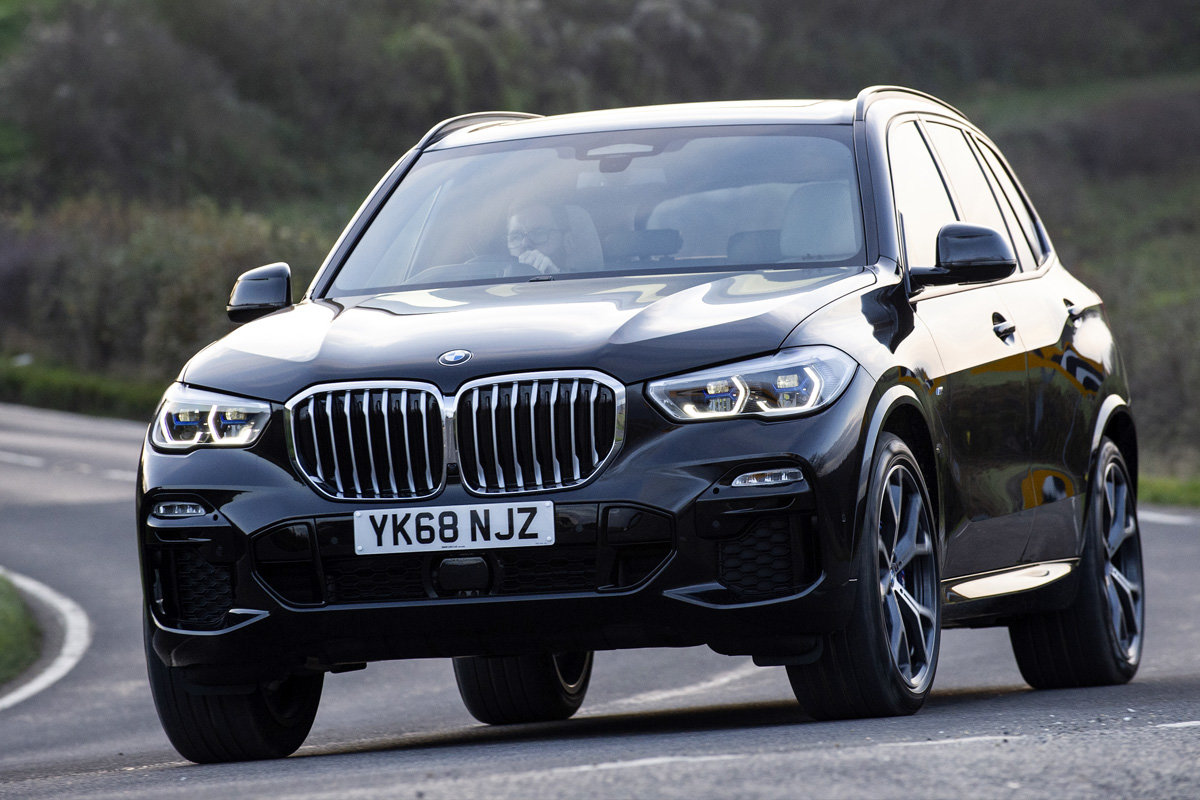
As you'd expect from SUVs of this size, both cars offer plenty of space for passengers and luggage. The BMW X5 is a strong performer, with a large 650-litre boot and a useful split tailgate for easier loading. Its key advantage, however, is the option of a third row of seats, turning it into a versatile seven-seater for larger families.
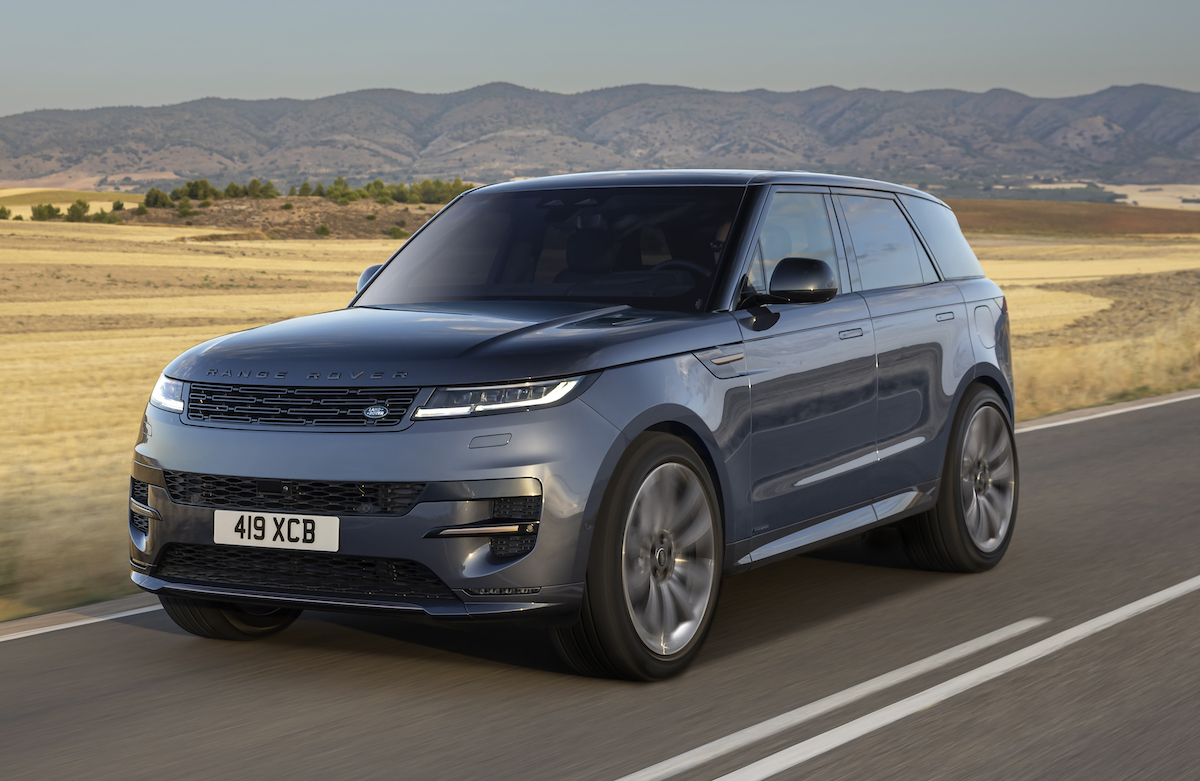
The Range Rover Sport is strictly a five-seater, but it uses that space to create a genuinely limousine-like experience for rear passengers, with vast amounts of legroom. Its 647-litre boot is almost identical in size to the X5's, and the standard air suspension can be lowered to help with loading heavy items. For ultimate flexibility, the X5's seven-seat option gives it the edge in this category.
Driving Impressions
BMW X5 driving score: 5/5
Range Rover Sport driving score: 5/5
This is where the two cars really show their different characters. The BMW X5 is designed to be the driver's choice in this class. With quick steering and excellent body control, it feels surprisingly agile for such a large car, shrinking around you on a winding road. A range of powerful and smooth six-cylinder and V8 engines, including a plug-in hybrid, provide strong performance.
The Range Rover Sport is no slouch, but its main focus is on comfort and refinement. The standard air suspension delivers a cushioned ride that isolates you from the road surface, making it a superb long-distance cruiser. While it handles tidily, it can’t match the X5 for outright driver engagement. Where the Sport claws back ground is off-road; its sophisticated all-wheel-drive systems and adjustable ride height make it far more capable than the BMW when the tarmac runs out.
Technology and Equipment
BMW X5 technology and equipment score: 5/5
Range Rover Sport technology and equipment score: 4/5
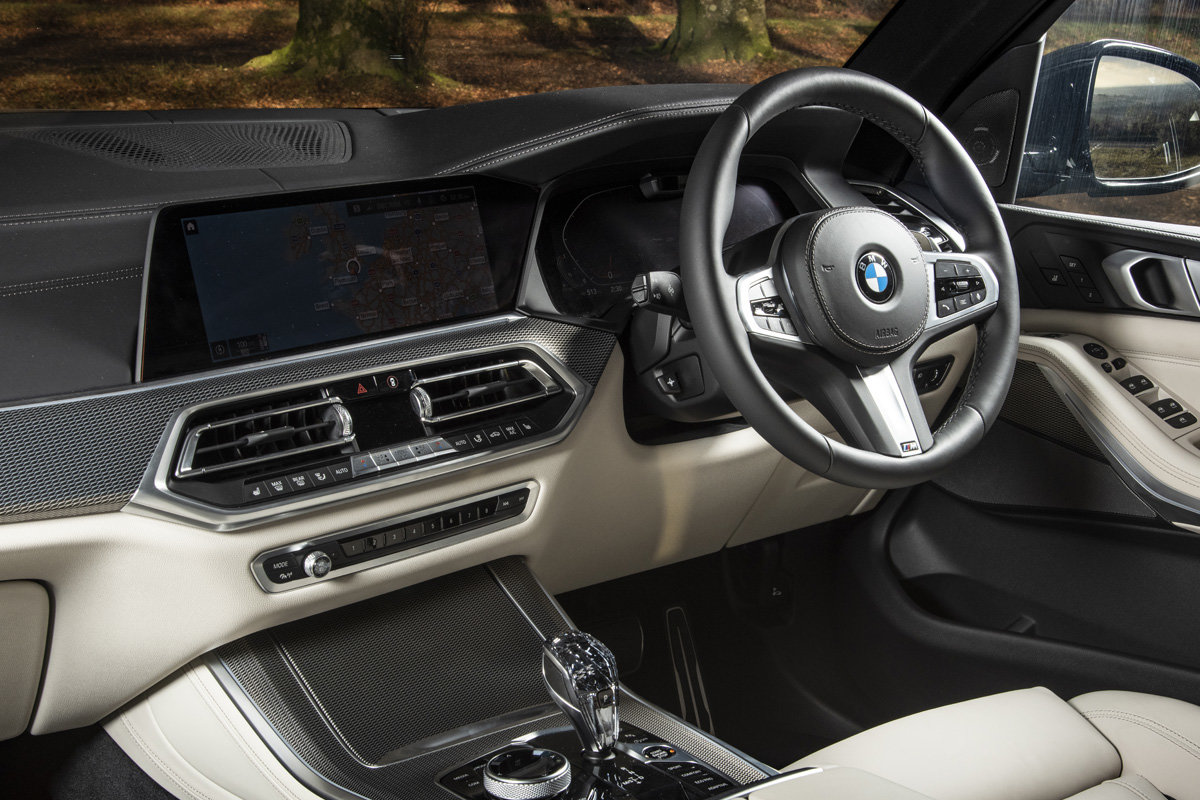
Step inside either car and you're greeted by a cabin filled with high-quality materials and the latest technology. The BMW X5 features a stunning curved display that combines the driver's instruments and the main infotainment screen into one seamless unit. It's packed with features, and even the entry-level models come generously equipped with things like heated seats and air suspension.
The Range Rover Sport's interior has a minimalist, modern design centred around a large 13.1-inch central touchscreen. The material quality is high, and it feels suitably luxurious. However, while base models are well specified, some features you might expect to be standard, like four-zone climate control, are reserved for the more expensive trim levels. Both systems are slick and easy to use, but the BMW's more generous standard equipment list gives it a narrow victory.
Running Costs
BMW X5 running costs score: 3/5
Range Rover Sport running costs score: 4/5
Let's be realistic: neither of these premium SUVs will be cheap to own. However, the availability of plug-in hybrid (PHEV) models can make a significant difference, particularly for company car users. The BMW X5 PHEV offers a good electric-only range, which helps to lower fuel bills and CO2 emissions.
The Range Rover Sport's PHEV models, however, go a step further. With an official electric range of up to 70 miles, many owners will be able to complete their daily commute without using a drop of petrol. This gives it a clear advantage in day-to-day running costs and for benefit-in-kind tax. For non-hybrid buyers, the diesel versions of both cars offer the best fuel economy, returning around 35-37mpg.
CarGurus Buyer Insights
| BMW X5 | Range Rover Sport | |
|---|---|---|
| CarGurus expert rating | 5 out of 5 | 4 out of 5 |
| CarGurus user rating | 4.6 out of 5 | 4.6 out of 5 |
| Percentage of good/great deals available on CarGurus* | 33.7% | 31.4% |
| Overall CarGurus rating | 4.6 out of 5 | 4.5 out of 5 |
The Verdict
BMW X5 Overall CarGurus rating: 4.6/5
Range Rover Sport Overall CarGurus rating: 4.5/5
This is an incredibly close contest between two of the finest large SUVs you can buy. Both the BMW X5 and Range Rover Sport offer a true premium experience, combining luxury, technology, and performance in a desirable package.
However, based on our comprehensive CarGurus ratings, it's the BMW X5 that takes the narrowest of victories. It earns a higher score from our experts and offers a slightly better chance of finding a great deal on the CarGurus platform. Its combination of a class-leading driving experience, a high-tech cabin, and the added practicality of an optional third row of seats makes it a brilliant all-rounder.
This doesn't mean the Range Rover Sport should be overlooked. If your priorities are maximum luxury, a supremely comfortable ride, and genuine go-anywhere ability, it remains a fantastic choice. Its long-range plug-in hybrid model is also a significant plus for running costs. But for the best overall blend of talents, the BMW X5 is our winner.
BMW X5 Pros and Cons
| Pros | Cons |
|---|---|
| Engaging and agile handling | Running costs can be high |
| High-quality, tech-filled interior | Less capable off-road than the RRS |
| Optional seven-seat practicality | Ride is firmer than some rivals |
Range Rover Sport Pros and Cons
| Pros | Cons |
|---|---|
| Supremely comfortable ride | Not as sharp to drive as the X5 |
| Impressive off-road ability | Strictly a five-seater |
| Long electric range on PHEV models | Can get very expensive with options |
*The Overall CarGurus rating: that informs these recommendations is based on CarGurus' proprietary market data from January 2026, CarGurus expert reviews, and CarGurus user reviews.