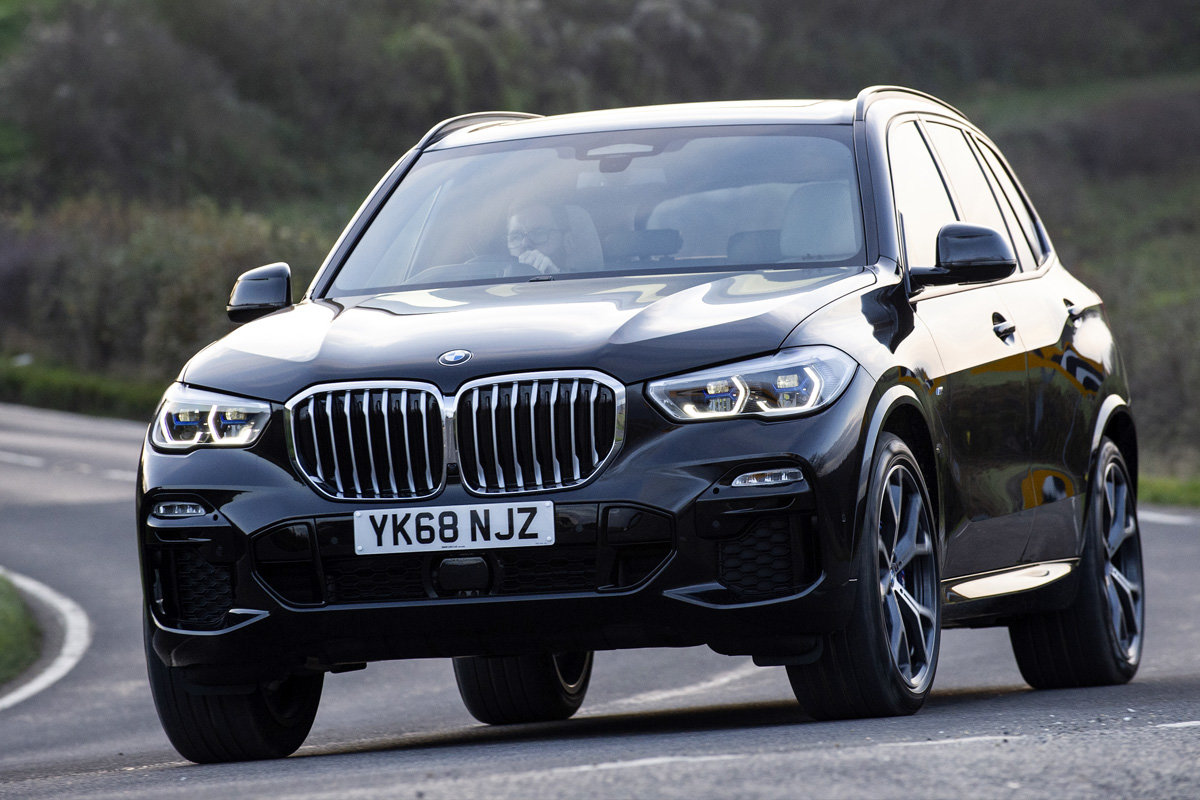
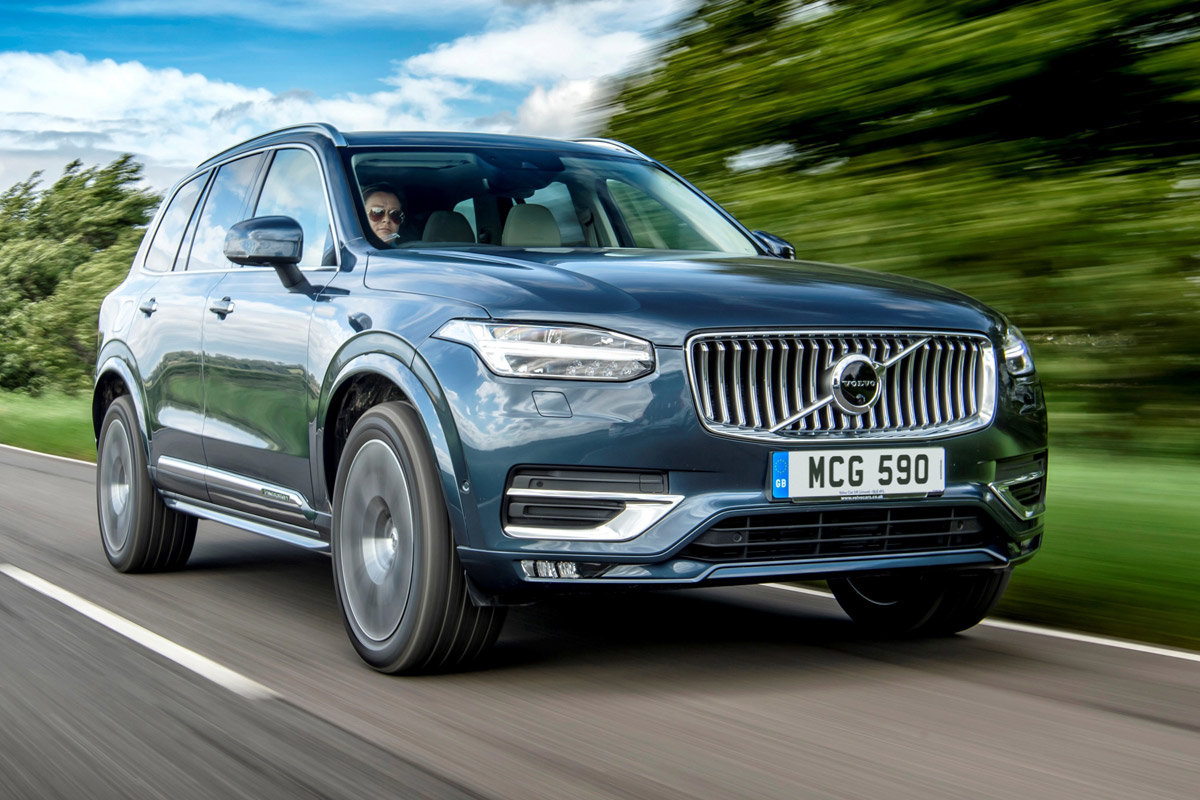
If you’re in the market for a large, premium SUV, you’re not short of options. Two of the most desirable choices are the BMW X5 and the Volvo XC90. Both offer seven-seat capability, luxurious interiors, and a commanding presence on the road, but they go about their business in very different ways.
The BMW X5 has long been the benchmark for those who want a large SUV that’s also rewarding to drive, blending performance and handling with family-friendly practicality. The Volvo XC90, in contrast, champions a different set of values: Scandinavian cool, exceptional comfort, and a laser-focus on safety. So, which of these premium family haulers is the right fit for you?
BMW X5 vs Volvo XC90
Practicality
BMW X5 practicality score: 5/5
Volvo XC90 practicality score: 5/5
Both of these SUVs excel at carrying people and their luggage. The key difference is that the XC90 comes with seven seats as standard, whereas the third row is an optional extra on the X5. In the Volvo, those rearmost seats are usable for adults on shorter trips, and the sliding middle row adds a useful layer of flexibility.
The X5 is still a hugely practical car. With the optional third row folded away, it has a vast 650-litre boot, complete with a handy split tailgate that’s great for loading heavy items or for using as a perch. The XC90’s boot is slightly smaller with five seats in use, but with all seats folded down, both cars offer a van-like loading bay. For ultimate passenger-carrying flexibility straight out of the box, the Volvo has the edge, but the X5 is a very close competitor.
Driving Impressions
BMW X5 driving score: 5/5
Volvo XC90 driving score: 4/5
This is where the two cars really show their different characters. The BMW X5 has built its reputation on being the driver’s choice in the large SUV class, and this latest generation is no different. With precise steering and excellent body control, it feels more agile and engaging on a winding road than a car of this size has any right to. The range of powerful and smooth engines, from efficient diesels to a potent plug-in hybrid, adds to its impressive dynamic abilities.
The Volvo XC90 is all about comfort. It glides over bumps and insulates its occupants from the outside world, making it a wonderfully relaxing car for long-distance travel. The handling is safe and predictable, but it lacks the sharpness and driver involvement of the BMW. The XC90’s engines are perfectly adequate for cruising, but they don't offer the same level of performance as the X5's powertrains. If you prioritise a calm and comfortable journey, the XC90 is superb. If you enjoy driving, the X5 is in a class of its own.
Technology and Equipment
BMW X5 technology and equipment score: 5/5
Volvo XC90 technology and equipment score: 4/5
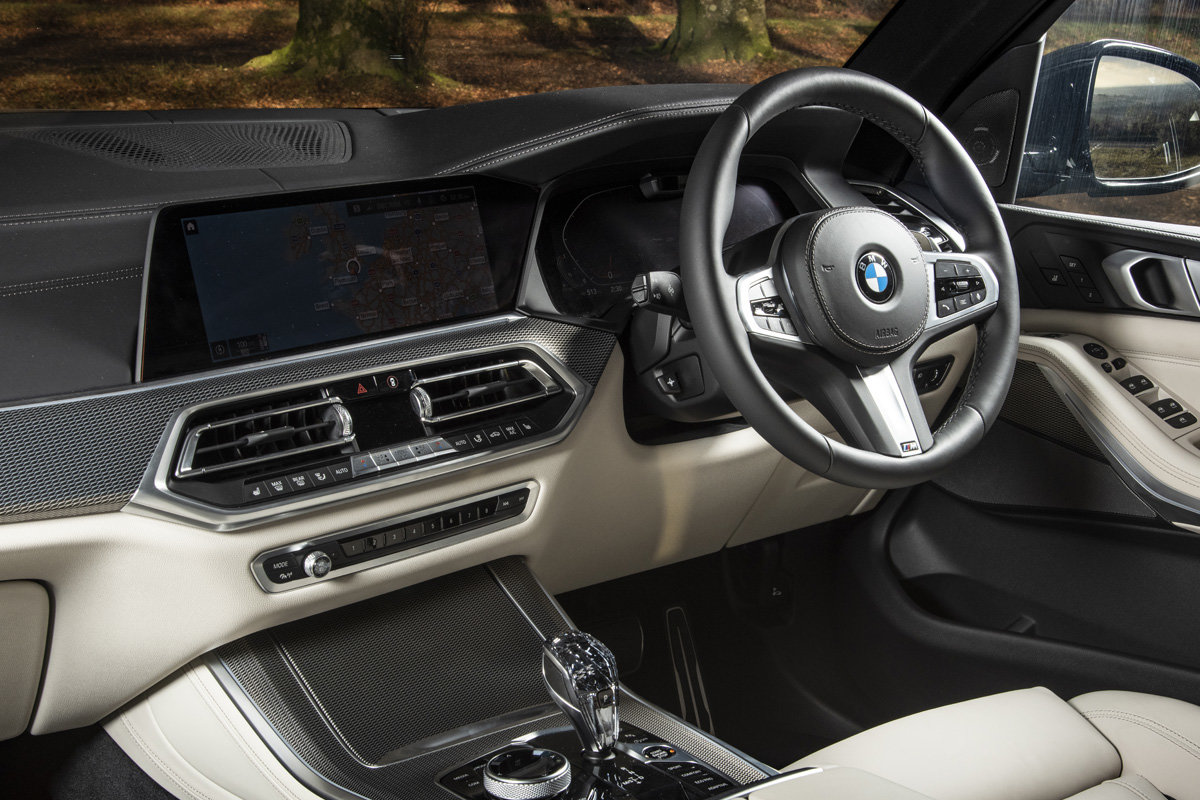
As you’d expect from premium flagship SUVs, both cars come packed with technology. The BMW X5 features the company’s excellent iDrive infotainment system, controlled via a large, crisp touchscreen or a rotary dial between the seats. It’s one of the most intuitive and feature-rich systems on the market. Standard equipment is generous, with even entry-level models getting heated leather seats, adaptive suspension and a large digital driver’s display.
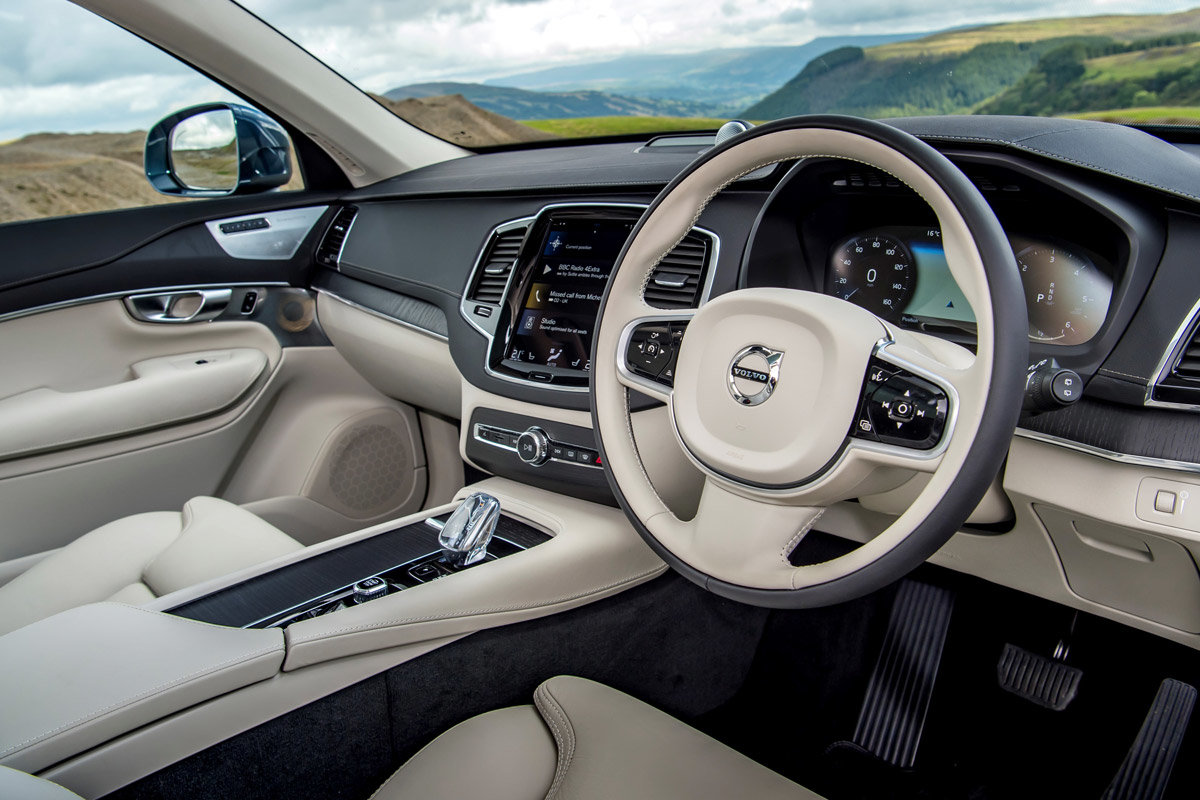
The Volvo XC90’s cabin is dominated by its portrait-oriented Sensus touchscreen. It controls almost all of the car's functions, which gives the dashboard a clean, minimalist look. On newer models, this system is powered by Google, offering built-in Google Maps and Assistant. While it looks slick, it can be more distracting to use on the move than the BMW’s setup. Standard kit is good, with a strong focus on the safety systems for which Volvo is famous. However, the X5 feels a little more generously equipped from the outset.
Running Costs
BMW X5 running costs score: 3/5
Volvo XC90 running costs score: 3/5
No one buys a large, premium SUV expecting it to be cheap to run, but both the X5 and XC90 offer plug-in hybrid (PHEV) versions that can significantly reduce your fuel and tax bills. The BMW X5 xDrive50e PHEV has a large battery that allows for an impressive electric-only range of up to 68 miles, which could cover many daily commutes. The Volvo XC90 T8 Recharge is also a PHEV with a good electric range, making it another attractive option for company car drivers thanks to low Benefit-in-Kind (BIK) tax rates.
Away from the PHEVs, the diesel models offer the best fuel economy, with both cars capable of returning around 35-40mpg on a long run. Insurance, servicing and tyre costs will be high for both vehicles, which is part and parcel of owning a car in this class. Overall, running costs are broadly similar, with the choice of powertrain being the biggest factor.
CarGurus Buyer Insights
|
BMW X5 |
Volvo XC90 |
| CarGurus expert rating |
5 out of 5 |
4 out of 5 |
| CarGurus user rating |
4.6 out of 5 |
4.7 out of 5 |
| Percentage of good/great deals available on CarGurus* |
33.7% |
30.0% |
| Overall CarGurus rating |
4.6 out of 5 |
4.4 out of 5 |
The Verdict
BMW X5 Overall CarGurus rating: 4.6/5
Volvo XC90 Overall CarGurus rating: 4.4/5
Both the BMW X5 and Volvo XC90 are deeply impressive premium SUVs, and the best choice for you will likely come down to your personal priorities. The Volvo is a champion of comfort and calm, with a beautiful, minimalist interior and standard seven-seat practicality that’s hard to fault.
However, in this comparison, the BMW X5 takes the win. According to our CarGurus Buyer Insights, it scores a higher Overall CarGurus rating of 4.6/5, thanks to a perfect expert rating and a higher percentage of good and great deals available on the platform. The X5 manages to blend its outstanding driving dynamics and strong performance with a high-quality, tech-filled interior and excellent practicality. It proves that you can have a versatile family SUV without sacrificing driver enjoyment.
While the XC90 is an exceptional choice for those who value comfort and space above all else, the BMW X5’s broader range of talents, superior infotainment, and more engaging driving experience make it our overall winner.
BMW X5 Pros and Cons
| Pros |
Cons |
| Superb driving dynamics |
Third-row seats are an optional extra |
| High-quality and tech-rich interior |
Firmer ride than the XC90 |
| Powerful and efficient engine range |
Can get expensive with options |
Volvo XC90 Pros and Cons
| Pros |
Cons |
| Supremely comfortable and quiet ride |
Not as engaging to drive as the X5 |
| Standard seven-seat practicality |
Touchscreen can be distracting to use |
| Stylish and minimalist cabin design |
Performance is adequate rather than exciting |
*The Overall CarGurus rating: that informs these recommendations is based on CarGurus' proprietary market data from January 2026, CarGurus expert reviews, and CarGurus user reviews.
Read Our Full Reviews: