Buying a Classic Land Rover Defender: 8 tips to avoid disaster

by Andrew English

Despite Land Rover launching its all-new Defender in 2020, the appeal of the original Defender remains undiminished. There’s certainly a sizeable market for these hardy cars; after all, more than 2 million have been produced since the original was designed in the sand of Red Wharf Bay in Anglesey back in the 1940s.

But is a classic Land Rover really the right car for you? We’ve pulled together top tips and pressing questions that should help to ensure a happy purchase. So, here we go…
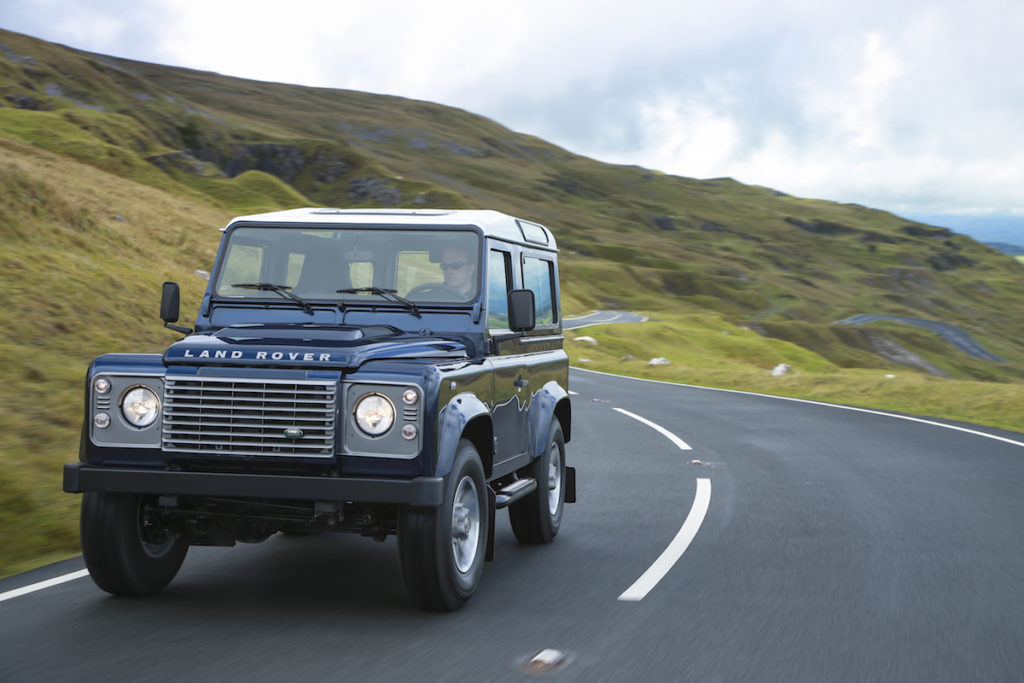
Buying a Used Land Rover Defender: 8 tips to avoid disaster Land Rover Defender 2013 Front Drive

Buying a Classic Land Rover Defender: 8 tips to avoid disaster

Buying a Used Land Rover Defender: 8 tips to avoid disaster Land Rover Defender Generations

1. Land Rover Defender: Know your History

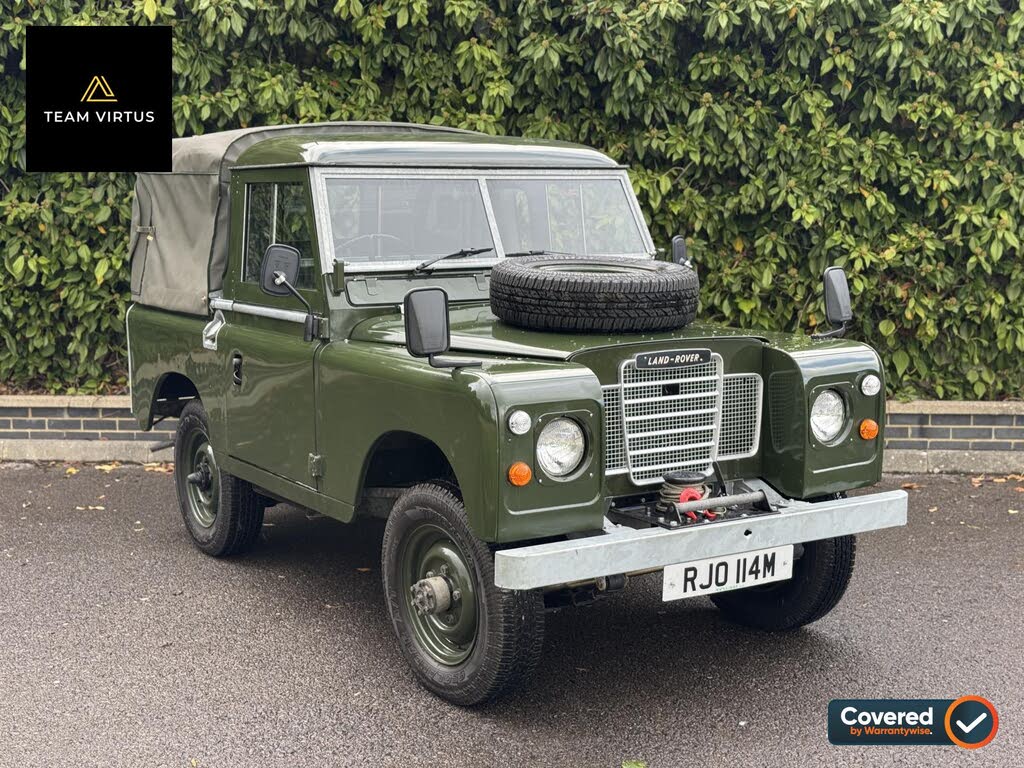
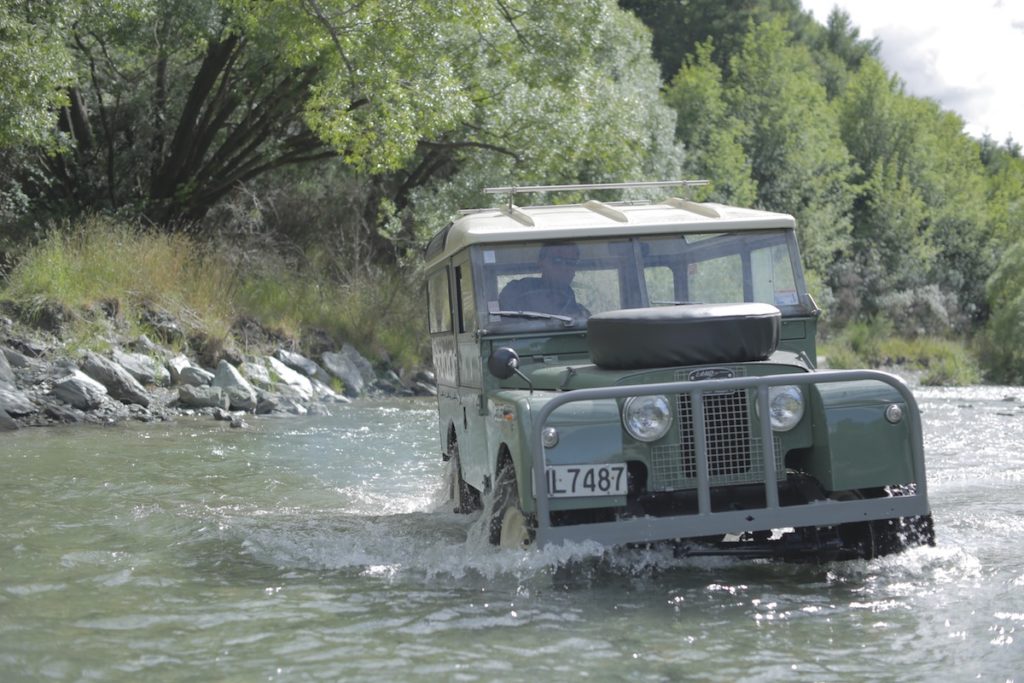
Original Land Rovers were called simply Land Rovers – the Series I only became so after the launch of the Series II. Series I cars went from launch in 1948 to 1958, during which time larger capacity petrol engines were introduced, as well as a diesel option. There was also a long-wheelbase option, and the headlamps were moved from behind the grille.

It was then superseded by the Series II with its rounded side shoulders, which became the Series IIA in 1961, and in 1969 the headlamps moved to the outer part of the front wings.

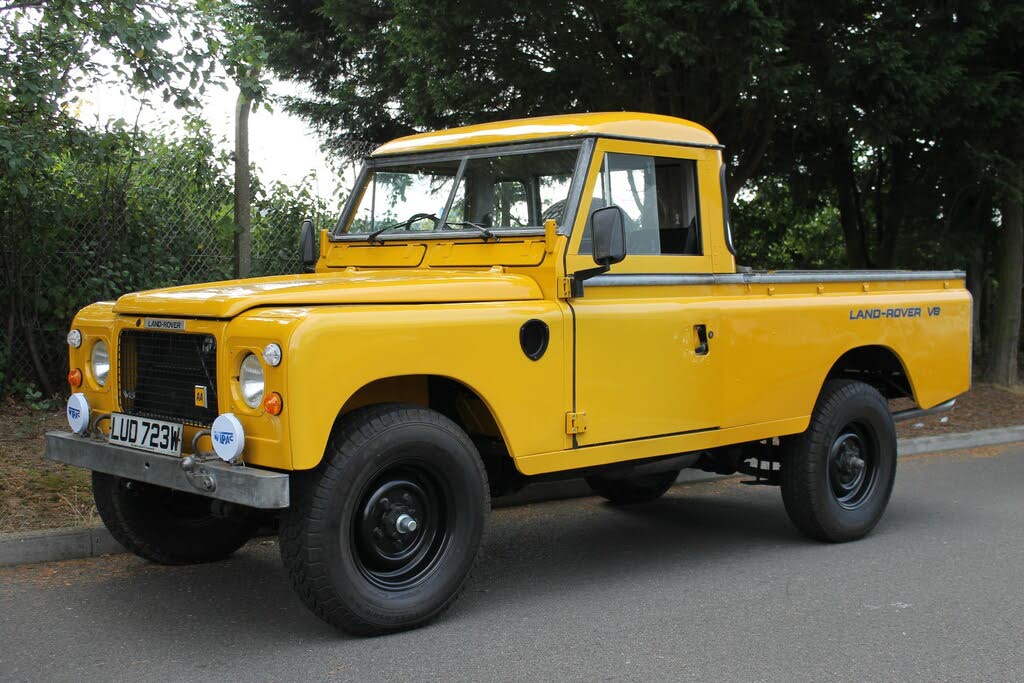
The 1970 Series III had a plastic grille and full-width dashboard and – in 1979, a 3.5-litre V8 petrol engine option and permanent 4×4. Coil springs replaced leaf springs in 1983 and by 1985 Land Rovers were simply known as 90 and 110, which referred to their wheelbase; the 90 had three doors, the 110 had five doors.

The Land Rover Defender was introduced in 1990, initially with a 107bhp 200Tdi turbodiesel. This was replaced by the legendary 111bhp 300Tdi in 1994. The 122bhp five-cylinder Td5 took over in 1998 and in 2007 that was replaced by the 122bhp 2.4-litre four-cylinder Ford turbodiesel. In 2012 the smaller 2.2-litre Ford diesel became standard. In 2015 several special run out editions were produced and Land Rover recreated the original Series I production line at Solihull. And in 2016 it was all over…

You need to know all this and more because parts for used Land Rover Defenders are interchangeable and the older they get the more likely they will have been fitted with non-original parts.
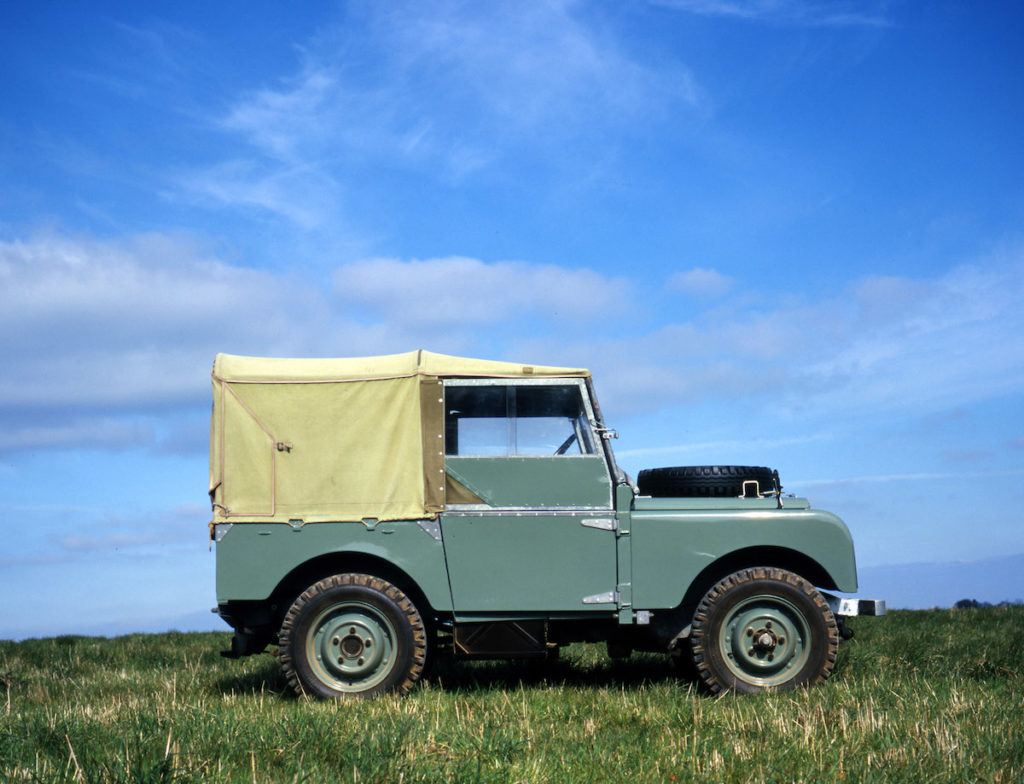
Buying a Used Land Rover Defender: 8 tips to avoid disaster Series 1 Side View

2. Land Rover Defender: Not Always Easy to Live With

A used Land Rover, whether it’s a Series I, II, or III, a 90 or 110, or a Defender, is not like other SUVs. It’s a utility built not for speed, comfort or refinement, but to do a job in tough terrain. The cabin is noisy and cramped and the driving position, crushed up against the door and very close to the flat windscreen, is painful after just a couple of hours.

Solid axles front and rear give superb off-road performance, but a jolting, uncomfortable ride. The body-on-frame construction makes the vehicle tough and resilient, but also heavy and thirsty.

That chassis also means that body shells, even when rusty beyond belief, can carry on long past the point where other vehicles would be scrapped. What’s more, not only is a Land Rover virtually hand-built, but it is also easily repairable; in fact, you can find yourself repairing it rather too often for comfort.
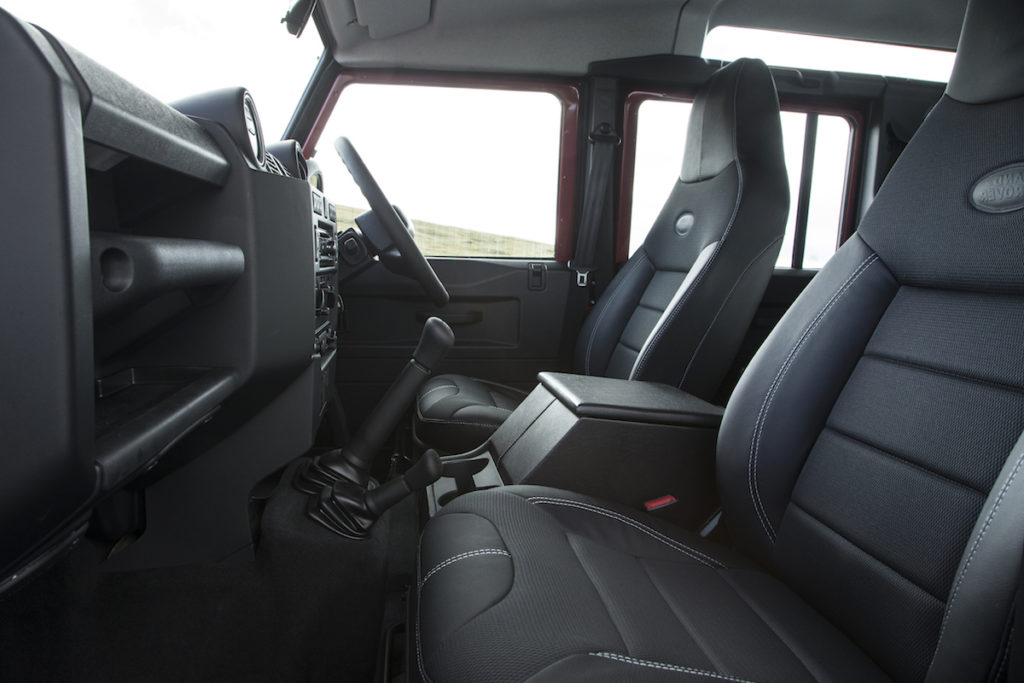
Buying a Used Land Rover Defender: 8 tips to avoid disaster Land Rover Defender 2013 Interior

3. Land Rover Defender: Check Absolutely Everything

Land Rovers are simple beasts that sell for high sums, which is why they are often stolen, as much for the parts as the vehicle. They can then become the subject of ringing, where they are given the identity of another vehicle; sometimes a vehicle built up from a lot of different stolen parts.

Some of these can be incredibly well-done jobs, but it doesn’t matter, you cannot buy good title to stolen goods and your Land Rover can be taken from you by the police at any time with no recompense. So, check the vehicle’s Vehicle Identity Number (VIN) against the VIN number in the windscreen (present from 300Tdi onwards), the V5 document, the registration plate and the chassis number, which is stamped in the frame at the front right of the chassis – they should all match. Ask questions, and walk away if you don’t like the answers. Never buy a vehicle without the V5 and check its MoT records online.

Also check the vehicle is not part of a hire purchase, or vehicle loan and that it hasn’t been the subject of an insurance write off. Written-off vehicles can be safely repaired, but the write-off notification is carried throughout its life and that should be reflected in the price.
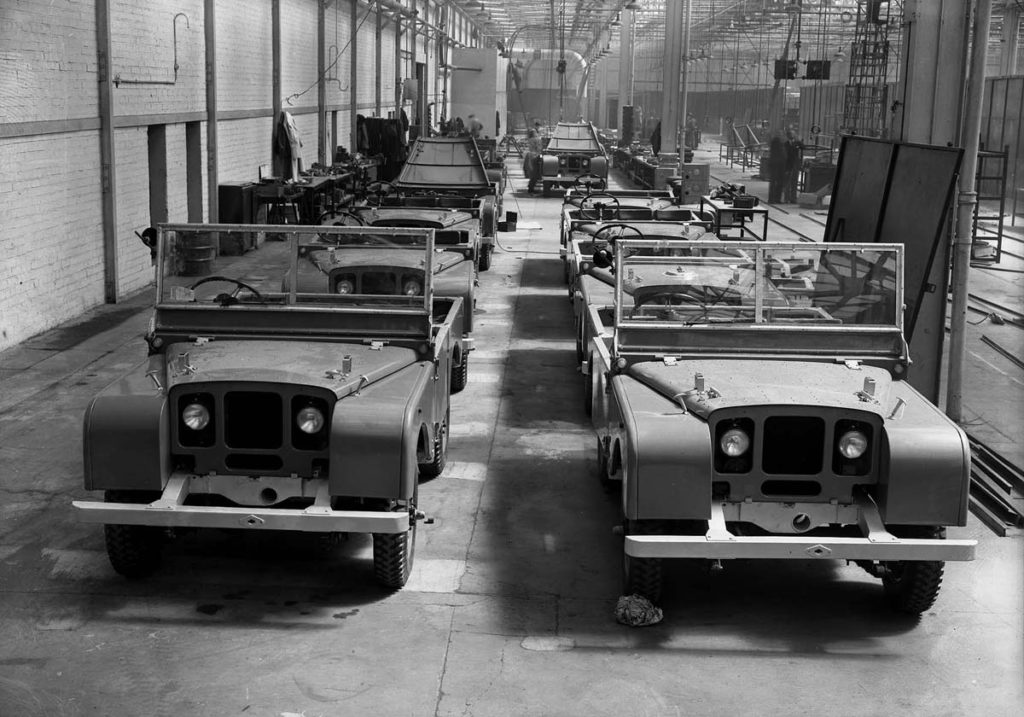
Buying a Used Land Rover Defender: 8 tips to avoid disaster Land Rover Factory

4. Land Rover Defender: Rust

Not every used Land Rover is a lace-work basket case, but lots are. The aluminium body doesn’t rust like steel, but it oxidizes in air and lots of Land Rovers live outside in all-weather with many regularly dunked in sea water.

Problem areas start with the steel bulkhead, particularly at the top, at each end and under the windscreen particularly with vehicles with opening ventilation flaps which leak. The bottom of the bulkhead is also a problem area, particularly where it meets the floors, which can also rot out. The windows leak so the doors corrode (reskinning is time consuming, new doors are expensive) and the early hinges are unreliable.

The chassis is strong and can take a lot of punishment, but it rots on the outriggers, suspension turrets, via rust traps in the rear suspension and the rear cross member. The latter is a fixable part, but it’s expensive and difficult to replace so people bodge it with extraordinary virtuosity. It’s important because it is an anchor for the tow bar so inspect it thoroughly from behind (look at it through the rear-wheel arch).

The bodywork often takes the odd knock, but look for poor repairs, oxidization from underneath glass-fibre repairs and the dreaded checker plate, which is often used to disguise rot.

Buying a Used Land Rover Defender: 8 tips to avoid disaster Land Rover Defender V8 In Water

5. Land Rover Defender: Know Your Engines

Even with the later cars there is a wide variety of engines. The 90/110 2.5-litre diesel was available in naturally aspirated and lightly turbocharged forms along with a V8 petrol option. When the Land Rover Defender was introduced in 1990 it was fitted with a much-improved turbodiesel option, the 200Tdi unit, which allowed fast cruising and towing with reasonable fuel consumption. Ex-army vehicles of this time, however, can be found with the old 2.5-litre naturally aspirated engines and you might even find a repatriated Defender from South Africa fitted with BMW’s M52 straight-six petrol unit.

It’s the 300Tdi which attracts a lot of interest in today’s market as it gives good power and torque and its pumps and timing are all controlled mechanically.

The TD5 five-cylinder engine, which succeeded the 300Tdi is OK, but the electronics, although mostly reliable in use, are now getting on and can be difficult and expensive to maintain. The Ford Puma engine, which replaced it, was from the Transit van and while capable of high trouble-free mileages, it can give problems with exhaust-gas recirculation valves and intercooler and turbo plumbing. The newest 2.2 version of this engine is the cleanest unit, but struggles to give the real-world fuel economy of the early engines.

Buying a Used Land Rover Defender: 8 tips to avoid disaster Land Rover Defender 2013 Rear

6. Land Rover Defender: Tell-tale Signs of Trouble

The 3.5-tonne towing capacity of a Land Rover Defender often means that new and used examples are purchased for towing heavy trailers, horse boxes and boats. This puts a big strain on suspension, transmission and brakes, which will take a pounding even if the vehicle is driven sympathetically.

Similarly, Land Rovers can be spruced-up quite easily with a quick respray and wheel refurbishment. Worn switchgear, pedals, shining trim, worn seat covers and carpets can indicate high mileages. Look under the wheelarches to check for stone damage and also drive the vehicle checking for clunks and free play in the transmission, which if excessive can point to very expensive repair bills ahead.

Engines should start easily and not smoke, which could indicate high mileages or heavy loads. Also check the MoT record online to validate the mileage and indicate any failures, and consider paying for a professional used car inspection.

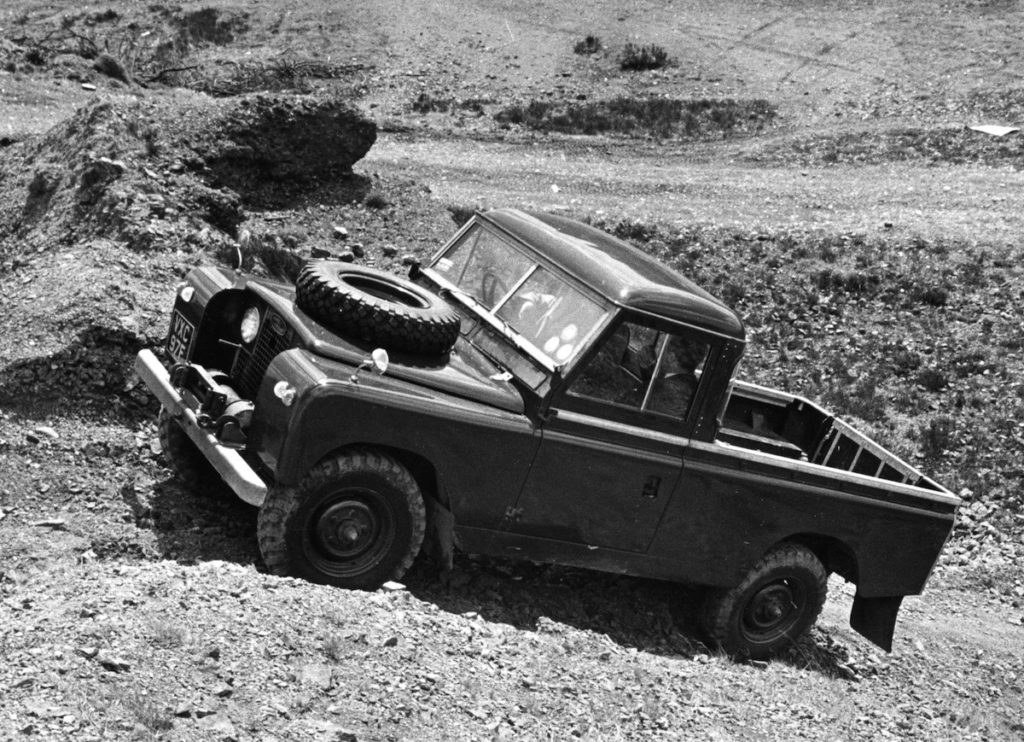
Buying a Used Land Rover Defender: 8 tips to avoid disaster Land Rover Series 2 Pickup

7. Land Rover Defender: The Classics

This is a specialist area in its own right, with aficionados for all sorts of models. The original 80-inch wheelbase Series I with a 1.6-litre engine and ‘grenade-pin’ freewheel cost £450 when new. These days you can add a couple of noughts for the price of a restored model, even more if it’s got known provenance.

The best early cars to drive are the longer 86-inch wheelbase cars with 2.0-litre ‘spread bore’ engines and part-time 4×4. They look the part, but are easier to drive on the road and a lot cheaper to buy. There are some serious bargains with the Series II and III cars which have even better creature comforts and engines, but some can be serious rust buckets and a mechanical headache. It might be worth letting someone else pay for the work by buying a restoration.

Leaf-sprung vehicles, however, aren’t as good off road and are staggeringly uncomfortable on road. An alternative area in which to search is the 90/110 cars from 1985 onwards.

Buying a Used Land Rover Defender: 8 tips to avoid disaster Land Rover Series 1 In Water

8. Land Rover Defender: Find an Expert

A full restoration of a classic Land Rover can cost you between £80,000 and £100,000, so you’re going to want a trusted expert to be doing that work. Read the specialist magazines, join the Land Rover Owners’ Club, answer a few ads, go and see some vehicles and talk to owners… all of this will steer you in the right direction.

Take your time, too – unless you are a farmer or a mountain rescue specialist you don’t actually need a used Land Rover Defender and it’s best not to repent at leisure. Get it right, though, and – old or new – a Land Rover should be one of the most rewarding bits of kit you can own.

Related Topics:

Andrew English is a motoring journalist working across a wide field of outlets most notably CarGurus, The Daily Telegraph, Autoblog and Octane magazine.

Now a regular contributor to CarGurus, Matt Rigby's career has covered everything from road testing and reporting for weekly magazines such as Auto Express and Autocar, to writing for hugely enthusiastic online communities such as PistonHeads.

The content above is for informational purposes only and should be independently verified. Please see our Terms of Use for more details.