With the cost of living still squeezing household budgets, you might think that finding a decent, reliable car for under a grand is a thing of the past. But you'd be wrong. While you won't be getting the latest tech or a gleaming paint job, a budget of £1,000 can still get you a perfectly capable set of wheels. The key is to shop smart, prioritising cars with a reputation for reliability, low running costs, and a solid service history over fancy features or a premium badge.
This guide is here to help you navigate the bargain basement of the used car market. We've rounded up a selection of cars that prove you don't need to spend a fortune to get on the road. From super-reliable superminis and fun-to-drive family hatchbacks to surprisingly practical estates, these are the cars that offer the best blend of value, dependability, and affordability. Read on to find out which sub-£1,000 hero is right for you.
About this guide
The cars in this guide have been selected to represent the best options currently available. Our recommendations are the result of a unique three-part scoring system that takes into account real-world tests from our team of expert reviewers, ratings from real-life owners who live with these cars every day, and an analysis of market data from CarGurus UK to identify which models offer the highest percentage of good and great deals. This combined approach ensures our list highlights cars that are not only great to own but also good value to buy. For more information, scroll to the bottom of this page.
The Best Cheap Cars under £1,000
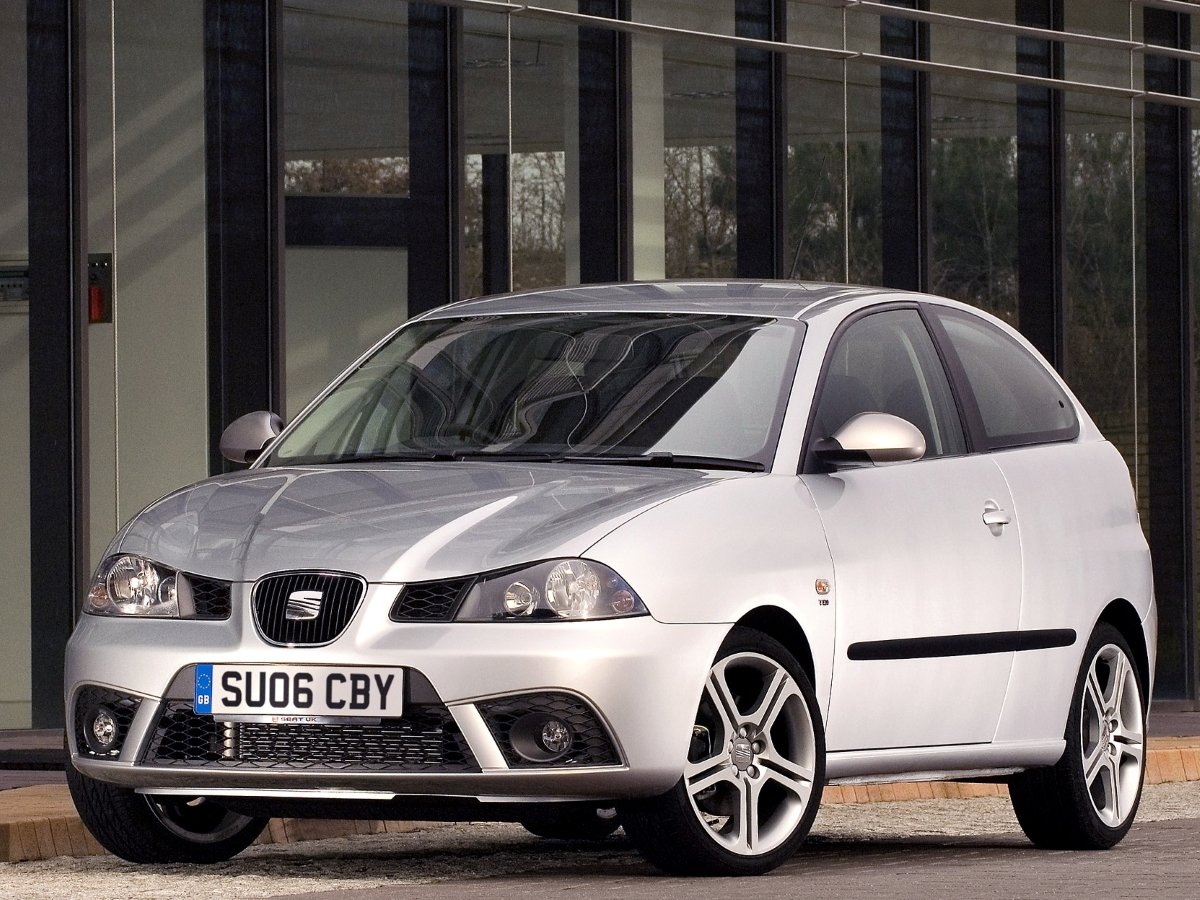
CarGurus expert rating: 4 out of 5
CarGurus user rating: 5.0 out of 5
Percentage of good/great deals available on CarGurus: 33.8%
Overall CarGurus rating: 4.5 out of 5
| Pros |
Cons |
| Sporty driving experience |
Interior build quality not sparkling |
| Sharp styling |
Petrol FR and Cupra models expensive to run |
| Impressively fuel-efficient diesels |
All Ibizas are quite firm-riding. |
The third-generation Seat Ibiza is a cracking choice if you're hunting for a bargain. When it launched back in 2002, it was seen as a big step up, blending sharp styling with great value. Today, that means you can pick one up for peanuts. It's a supermini that still looks good and offers decent practicality for its size, with a 267-litre boot that's big enough for the weekly shop or a couple of small suitcases. While the interior might feel a bit dated, its low purchase price makes it a very compelling option for a cheap runaround.
Running costs are where the Ibiza really shines on a tight budget. The entry-level 63bhp 1.2-litre petrol is surprisingly willing and perfect for town driving, while the diesel engines are the real stars for economy. The 1.4 TDI can achieve 55-60mpg, making trips to the pump a rare occasion. Whichever engine you choose, the Ibiza is good fun to drive, though it's worth noting the ride can be on the firm side. For a car that costs less than a grand, it delivers a blend of low running costs and enjoyable handling that's hard to beat.
The CarGurus Verdict: "The car's smart styling has aged well, and so has the driving experience. We particularly admire the diesels, which are cheap used cars with extremely low running costs." - David Motton, contributor
Read our full Seat Ibiza review
CarGurus expert rating: 4 out of 5
CarGurus user rating: 4.7 out of 5
Percentage of good/great deals available on CarGurus: 33.6%
Overall CarGurus rating: 4.5 out of 5
| Pros |
Cons |
| Broad range of engines and trims means there's a Golf for everyone |
Lower-spec models are a bit basic |
| Sophisticated suspension delivers great handling |
Reliability issues mean you need to buy carefully |
| Plenty of interior space |
Some diesels are a bit noisy |
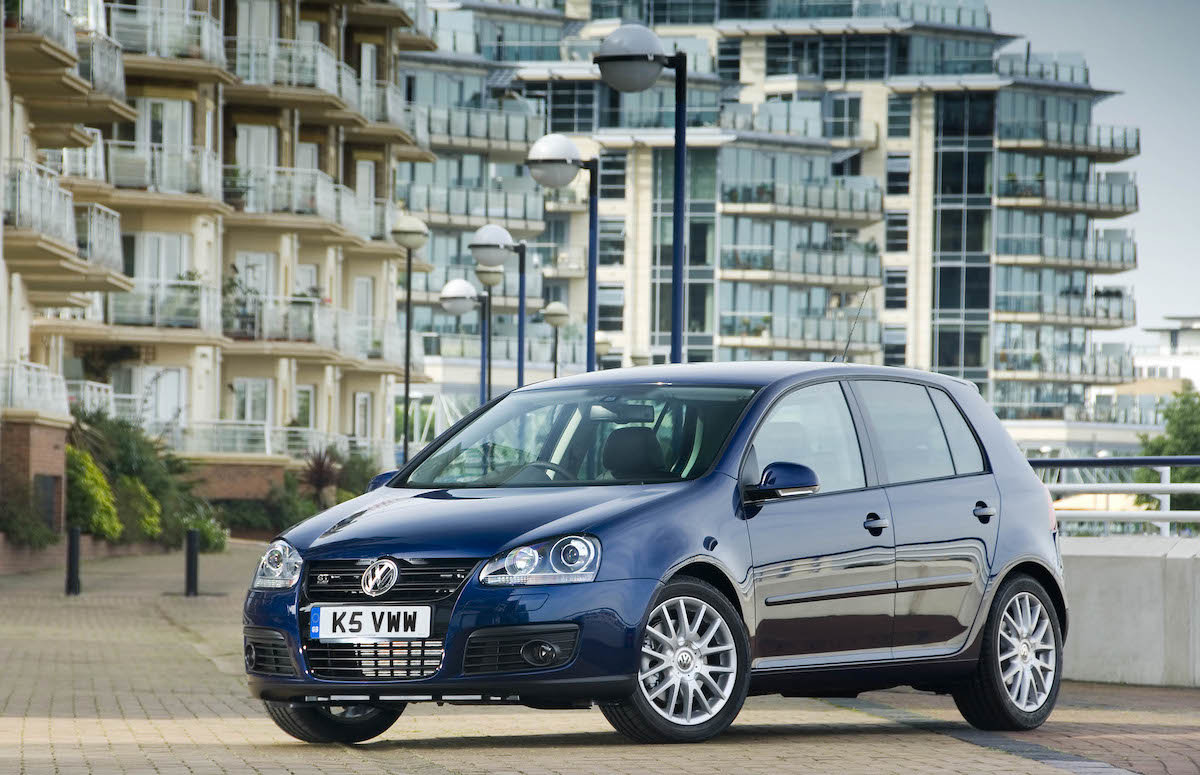
The Mk5 Volkswagen Golf has long been the go-to aspirational family hatchback, and now it's an absolute bargain on the used market. It was a huge improvement over the older Mk4, offering more space, sharper styling, and a much better driving experience. For a car that can be had for under £1,000, its practicality is hard to beat. The cabin is roomy for both front and rear passengers, and the 350-litre boot in the hatchback is more than enough for the weekly shop or a weekend away.
When you're buying on a tight budget, running costs are key, and the Golf delivers here, too. The 103bhp 1.9-litre TDI diesel engine is a frugal workhorse, capable of over 60mpg, while the entry-level 1.4-litre petrol is also easy on the wallet. However, be warned: the Mk5 can have its share of reliability gremlins, particularly with the DSG automatic gearbox and some of the more complex petrol engines. It's vital to look for a car with a thick folder of service history and bills to prove that it has been well looked after.
The CarGurus Verdict: "The Mk5 Golf is pleasant to drive, comfortable, and practical, making it a superb used buy if you find a good one. However, reliability can be an issue, so we can't emphasise enough how important it is to check the car's history and condition thoroughly before you buy." - Brett Fraser, contributor
Read our full Volkswagen Golf review
CarGurus expert rating: 4 out of 5
CarGurus user rating: 4.7 out of 5
Percentage of good/great deals available on CarGurus: 30.8%
Overall CarGurus rating: 4.4 out of 5
| Pros |
Cons |
| Very reliable if you choose a manual car |
Some problems with the MultiMode automatic transmission |
| Good safety standards for a small car of this age |
Uninspiring to look at and to drive |
| Roomy and practical cabin |
Odd centrally positioned dials |
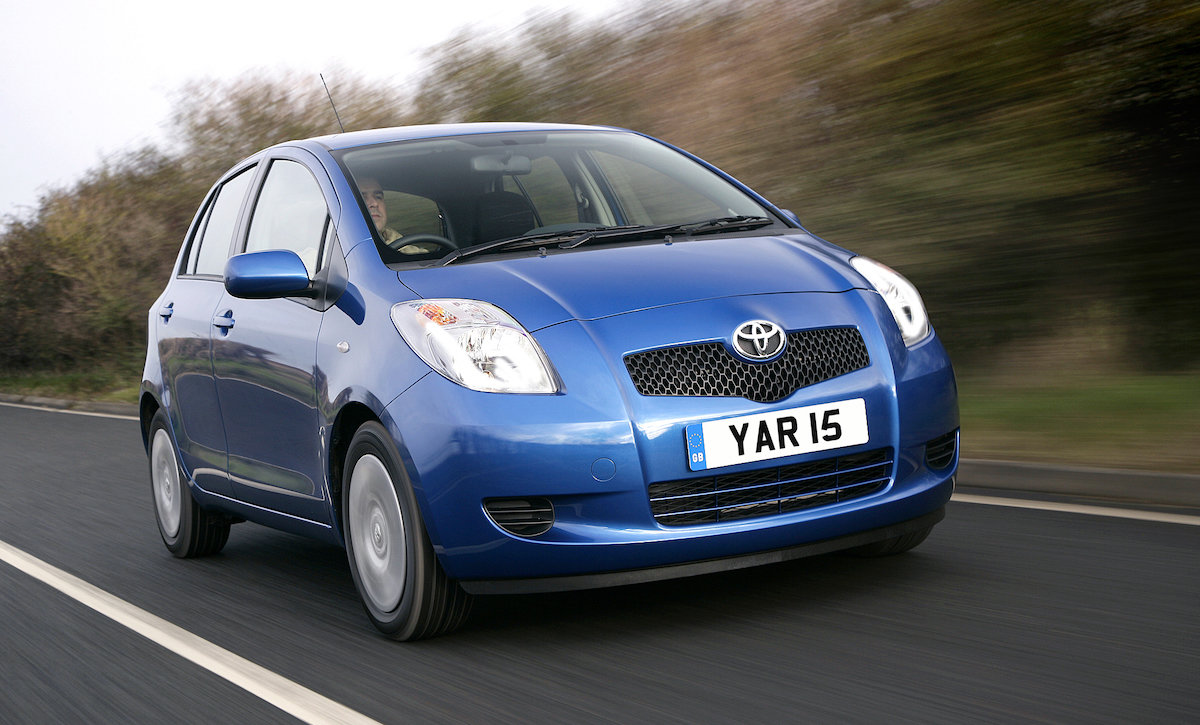
The Toyota Yaris has a rock-solid reputation for reliability, making it a brilliant choice if you're after a dependable runaround for under £1,000. Running costs are impressively low across the board. The 68bhp 1.0-litre petrol engine is perfectly suited for city driving and returns around 50mpg, while the 1.4-litre diesel is the one to go for if you do more motorway miles. Insurance is cheap too, with the smallest engine sitting in group 2, making it a great option for a first car. Just be sure to find a car with a manual gearbox, as the 'MultiMode' automatic can be troublesome.
For a small car, the Yaris is surprisingly practical. It was sold as a three- or five-door, but the latter is far more common and makes life much easier. The real party trick is inside, where the rear seats can slide back and forth. This clever feature allows you to choose between more legroom for passengers or a bigger boot, which varies from a decent 272 litres to a very generous 363 litres. All versions are well-equipped for a car of this era, but we'd look for a T3 or TR model to get essentials like air-conditioning. It's also a very safe car, having scored a full five stars in its 2005 Euro NCAP crash test.
The CarGurus Verdict: "The Yaris makes a very good used car. It's the kind of sensible purchase it's hard to argue against." - David Motton, contributor
Read our full Toyota Yaris review

CarGurus expert rating: 4 out of 5
CarGurus user rating: 4.0 out of 5
Percentage of good/great deals available on CarGurus: 33.9%
Overall CarGurus rating: 4.3 out of 5
| Pros |
Cons |
| Very affordable to buy |
Not the best small family car in any one area |
| Low running costs |
Problems with the 1.9-litre diesel |
| Comfortable and enjoyable to drive |
Watch out for trouble with the electrics |
The fifth-generation Vauxhall Astra is a staple of the used car market, and for good reason. Its sheer popularity when new means there are plenty available for well under £1,000, making it a fantastic choice if you're on a tight budget. It's not just cheap to buy, it's practical, too. While the common five-door hatchback offers a decent 350-litre boot, those needing serious load-lugging ability should seek out the estate version. Its huge 540-litre boot makes it one of the most practical small estates you can find for the money.
Running an Astra won't break the bank, either. The petrol engines offer a good blend of performance and economy, with the 113bhp 1.6-litre version being a particular sweet spot, returning a respectable 43mpg. For ultimate fuel-sipping, the diesel models can push well beyond 50mpg. The Astra is also surprisingly good to drive, with responsive steering and strong grip, and it's comfortable enough for long journeys. Factor in a sturdily built cabin and you've got a car that represents a whole lot of value for very little cash.
The CarGurus Verdict: "The Vauxhall Astra is a solid all-rounder. True, there aren't many areas in which it leads its major rivals, but it is competitive in all of them." - Ivan Aistrop, senior editor
Read our full Vauxhall Astra review
CarGurus expert rating: 4 out of 5
CarGurus user rating: 4.4 out of 5
Percentage of good/great deals available on CarGurus: 33.9%
Overall CarGurus rating: 4.3 out of 5
| Pros |
Cons |
| Fantastic to drive |
Finding good ones is becoming more difficult |
| Modern classic status looming |
Toyota Corolla is likely to be more reliable |
| Cheap to run |
Noisy diesel engines |
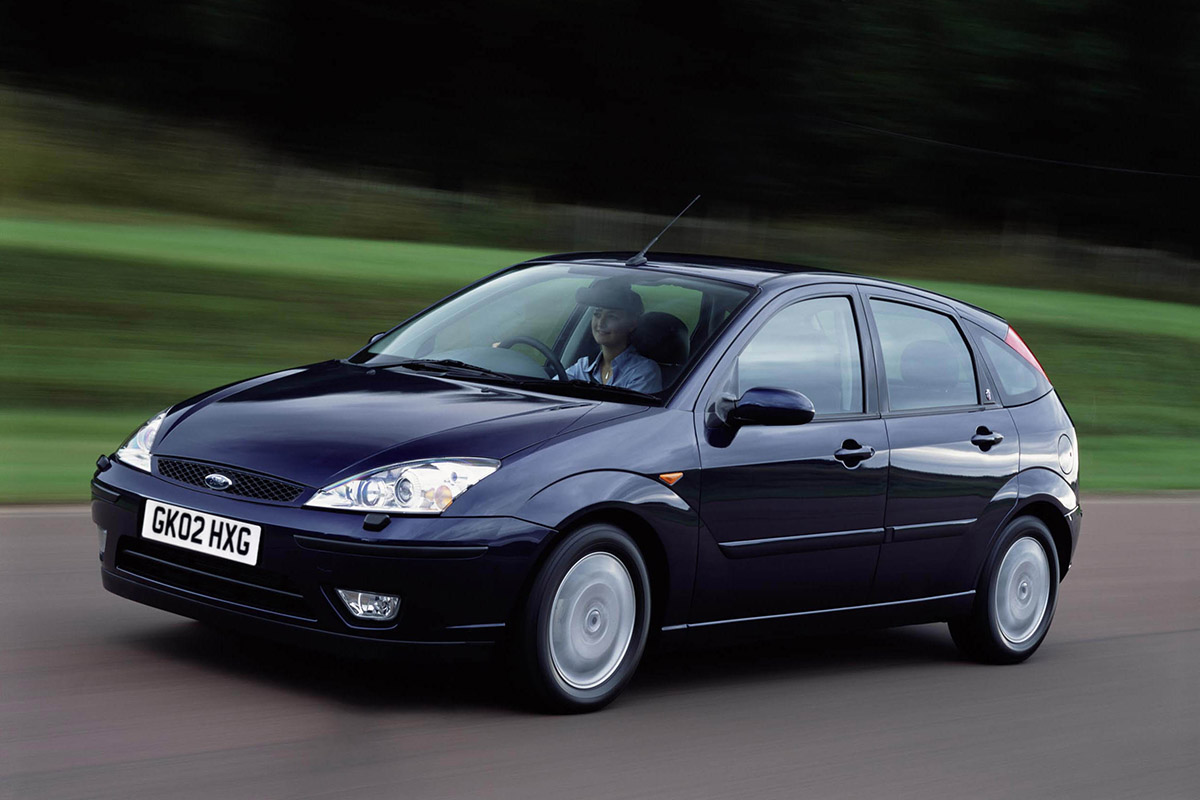
When the Ford Focus first appeared, it was a complete revelation, replacing the deeply underwhelming Escort. Its 'New Edge' styling looked like nothing else on the road, but the real magic was underneath. The Focus was, and still is, fantastic to drive, with sharp, engaging handling that makes even a trip to the shops feel like a bit of an event. It's this blend of radical design and a brilliant chassis that cemented its status as a modern classic, and why it makes such a superb bargain runaround today.
For a car that costs less than a grand, the Focus is surprisingly practical. The hatchback model offers a decent 350-litre boot, but if you need more space, the estate version is the one to go for with a much larger 520-litre capacity. Running costs are reasonable, with the 1.6-litre petrol engine being a popular choice that can return around 35mpg. Just be sure to check when the cambelt was last changed, as this is a key maintenance item that can be costly if it fails.
The CarGurus Verdict: "For the money, you can't do much better than a used Ford Focus. Not only is it an icon and a surefire future classic but, at today's prices, it makes an excellent bargain runaround." - Alex Robbins, senior car reviewer
Read our full Ford Focus review

CarGurus expert rating: 4 out of 5
CarGurus user rating: 4.7 out of 5
Percentage of good/great deals available on CarGurus: 30.6%
Overall CarGurus rating: 4.3 out of 5
| Pros |
Cons |
| Radical styling still looks fresh |
The 1.4 petrol is a tad slow |
| Well deserved reputation for reliability |
Bland to drive, except for the Type R |
| Clever rear seats and a big boot |
The sloping roof compromises rear headroom |
The eighth-generation Honda Civic might be known for its spaceship-like styling, but for anyone hunting for a bargain, its practicality is the real headline. It boasts a massive 485-litre boot, which is more generous than you'll find in key rivals like the Ford Focus or Volkswagen Golf of the same era. What's more, Honda's ingenious 'magic seats' in the back can flip up like cinema seats, creating a tall, secondary load space in the rear footwells. It's a brilliantly clever feature that makes the Civic an incredibly versatile and useful car for the money.
When you're buying a car for under £1,000, reliability is everything, and this is where the Civic truly shines. It has a well-deserved reputation for being mechanically robust, making it a very sound used buy. For most drivers, the 138bhp 1.8-litre petrol engine is the sweet spot, offering a good blend of performance and reasonable fuel economy of around 40mpg. If you cover a lot of miles, the punchy 2.2-litre diesel is also a great choice, capable of returning over 50mpg on a long run.
The CarGurus Verdict: "The big boot, the clever rear seats and excellent reliability make the Civic a sound used buy. For most potential buyers, the 1.8-litre petrol is the one to choose." - Ivan Aistrop, senior editor
Read our full Honda Civic review
CarGurus expert rating: 3 out of 5
CarGurus user rating: 4.5 out of 5
Percentage of good/great deals available on CarGurus: 34.2%
Overall CarGurus rating: 4.3 out of 5
| Pros |
Cons |
| Cheap to buy |
A Ford Fiesta is more fun to drive |
| Plentiful supply |
Finding good examples is getting trickier |
| Grown-up interior |
Lacks new car safety features |
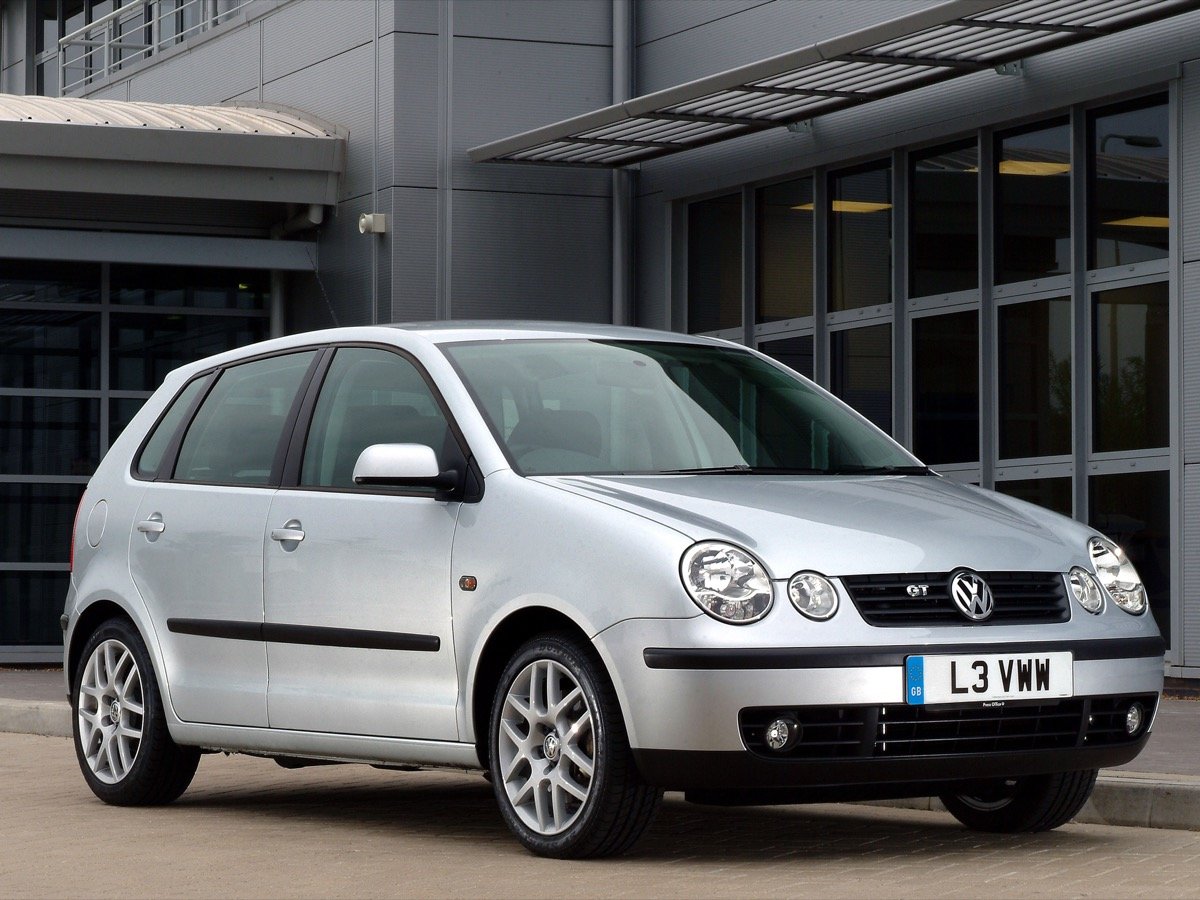
The Volkswagen Polo has always been the supermini for those who want something that feels a bit more grown-up than a Ford Fiesta or Vauxhall Corsa. While you might have once paid a premium for the VW badge, this fourth-generation model has been around long enough for prices to drop well into bargain territory. For your money, you get a car with solid build quality and a surprisingly posh-feeling interior for its age. It's practical, too; the cabin has plenty of room up front, and the 270-litre boot is more than capable of swallowing the weekly shop.
When you're buying a car for under a grand, running costs are king, and the Polo delivers. The small 1.2-litre petrol engines, with either 54bhp or 64bhp, are perfect for city driving and new drivers, thanks to low insurance groups and fuel economy that hovers around 40-43mpg. It's not a car for thrilling B-road blasts; instead, its soft suspension does a great job of soaking up the bumps and potholes on battered British roads, making for a surprisingly comfortable companion.
The CarGurus Verdict: "It may not be the United Kingdom's most exciting or stylish small car, but the Polo is reliable and sensible. The Polo Mk4 is easy to drive, and most versions ride comfortably." - David Motton, contributor
Read our full Volkswagen Polo review
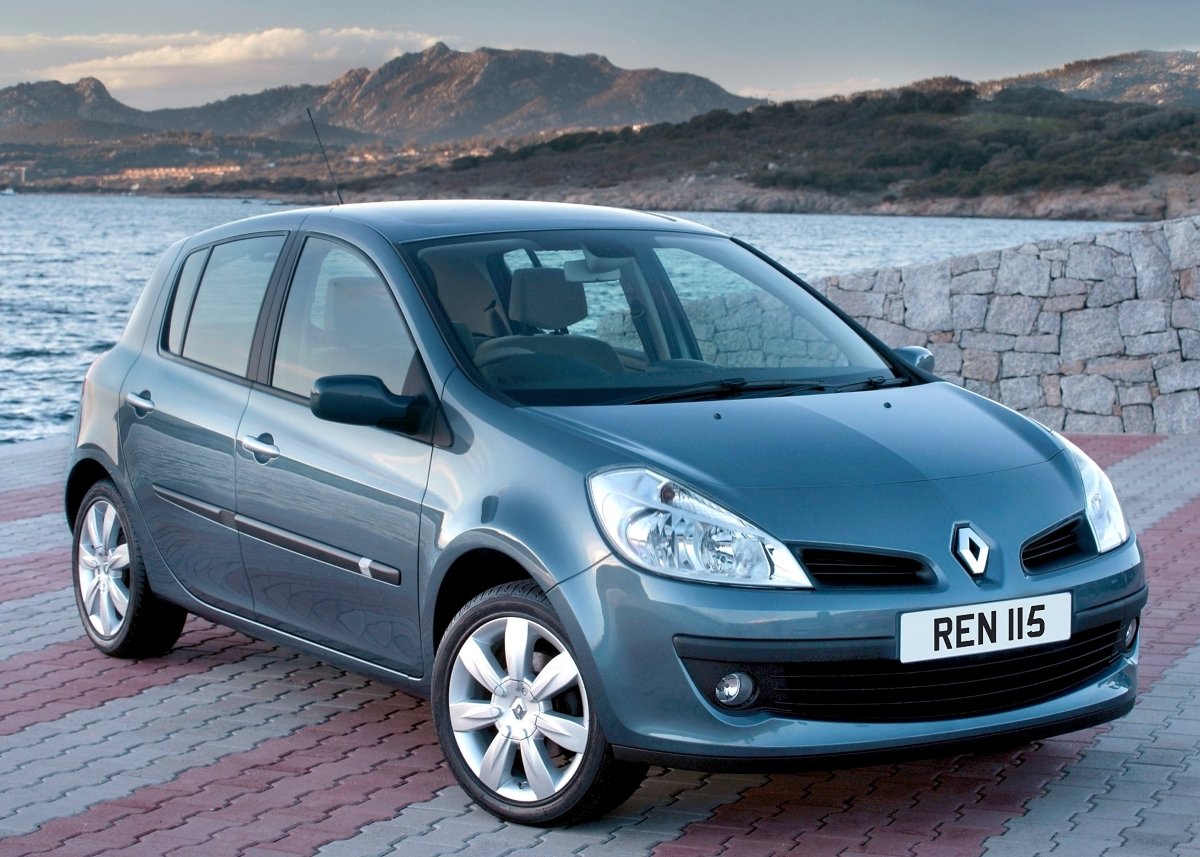
CarGurus expert rating: 3 out of 5
CarGurus user rating: 4.7 out of 5
Percentage of good/great deals available on CarGurus: 34.3%
Overall CarGurus rating: 4.3 out of 5
| Pros |
Cons |
| Much bigger and roomier than earlier generations of Clio |
Not as reliable as the best Japanese and Korean superminis |
| Quiet and refined to drive |
Renaultsport models are expensive to insure |
| A safe car by the standards of the day |
Clios with automatic gearboxes are thirsty |
When the third-generation Clio arrived, it grew up significantly. It's larger and better built than the cars that came before it, offering a surprising amount of space inside for a supermini. There's enough room for four adults to get comfortable, which isn't something you can say for all its rivals from the era. This newfound practicality, especially in the five-door models, makes it a fantastic choice if you're after a cheap runaround that doesn't skimp on space.
Running costs are a huge factor when you're buying on a tight budget, and the Clio delivers here, too. The diesel engines are the stars of the show for frugality, particularly the 1.5-litre dCi 86 eco² version. The petrols are hardly thirsty, though, with the 1.2-litre TCe 100 bhp engine providing a great blend of performance and economy. What's more, insurance is cheap for the entry-level models, and its quiet, refined nature makes it a surprisingly capable motorway cruiser.
The CarGurus Verdict: "While the Renault Clio isn't as much fun as a Ford Fiesta, or as upmarket as a Volkswagen Polo, it strikes a good compromise between the two. It's well finished so long as you avoid the most basic models." - David Motton, contributor
Read our full Renault Clio review
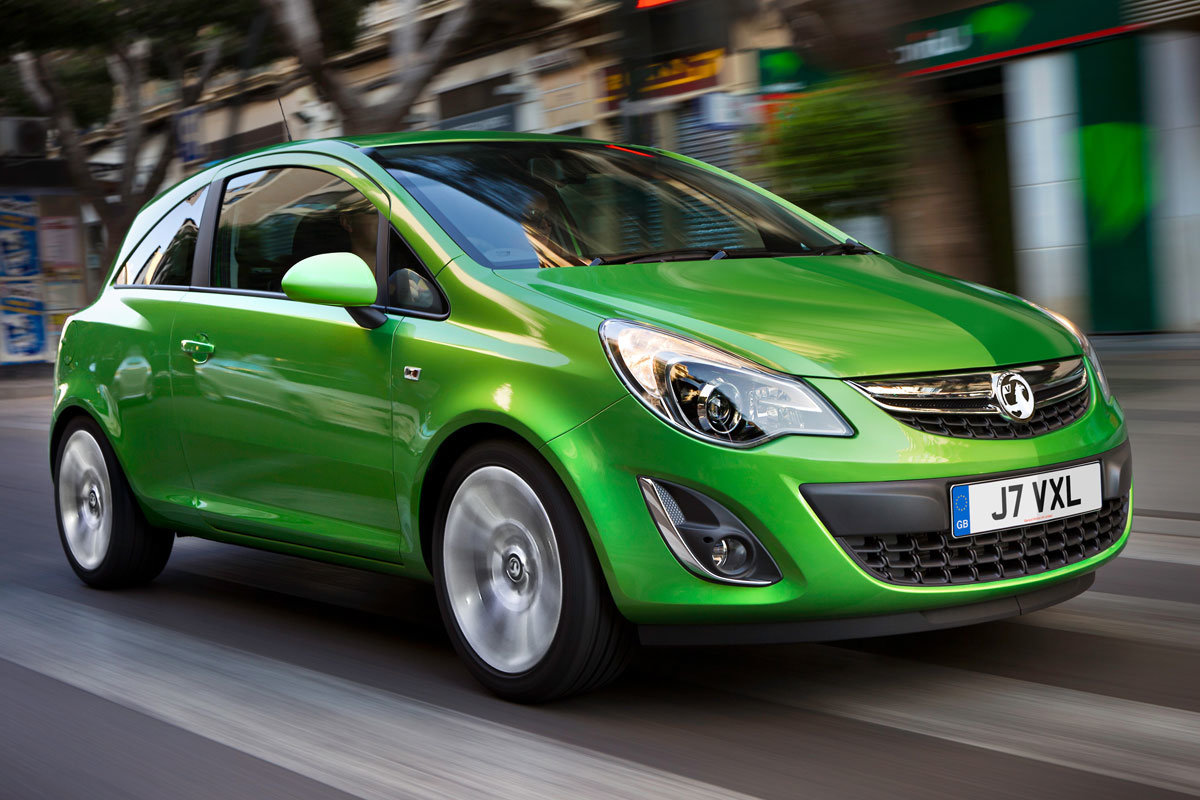
CarGurus expert rating: 3 out of 5
CarGurus user rating: 4.5 out of 5
Percentage of good/great deals available on CarGurus: 34.9%
Overall CarGurus rating: 4.2 out of 5
| Pros |
Cons |
| Good value as a used car |
Lacks the badge appeal of a VW Polo |
| Practical for its size |
Some examples do without air conditioning |
| Lots of models and specs to choose from |
Underpowered 1.0-litre engine |
The Vauxhall Corsa has long been a staple for UK drivers on a tight budget, and for good reason. This generation is particularly appealing as a sub-£1,000 bargain because it's fundamentally cheap to own and run. The popular 1.2-litre petrol engine is a solid choice, officially returning nearly 50mpg, while many of the engines use a timing chain instead of a belt, saving you a costly service down the line. It's the kind of sensible, no-nonsense motoring that keeps money in your wallet.
For a small car, the Corsa is surprisingly practical. The 285-litre boot was competitive for its time, and is more than enough for the weekly shop or a weekend away. It was sold in both three- and five-door body styles, so finding one with easy rear access for passengers is simple. While entry-level Expression models are a bit sparse, hunting down a mid-spec Club or high-spec Design version will get you desirable extras like air conditioning and alloy wheels without breaking the bank.
The CarGurus Verdict: "It shouldn't be overlooked if you're on a budget; a good used example can be a sensible, honest, and practical car that's ideal for families or commuters." - Lewis Kingston, contributor
Read our full Vauxhall Corsa review
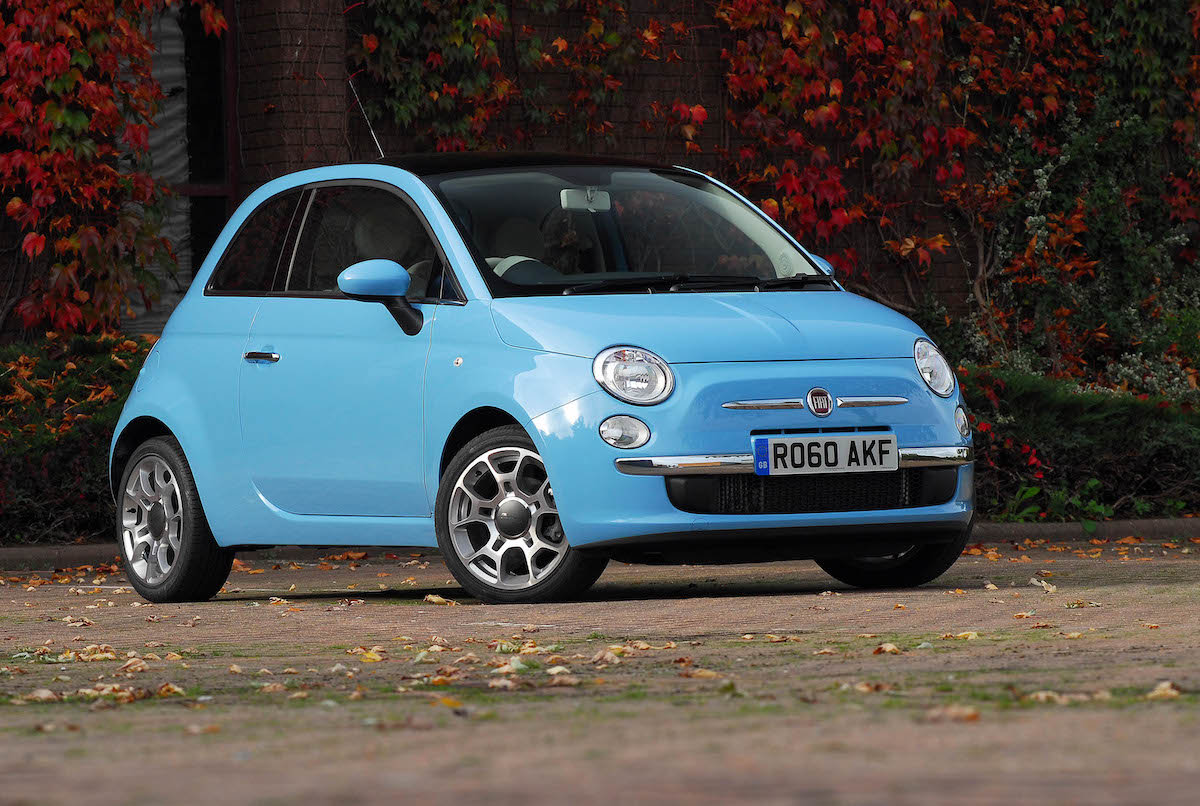
CarGurus expert rating: 3 out of 5
CarGurus user rating: 4.6 out of 5
Percentage of good/great deals available on CarGurus: 33.2%
Overall CarGurus rating: 4.1 out of 5
| Pros |
Cons |
| Cute and cheerful retro styling |
Cramped for people and luggage |
| Lively to drive around town |
Unreliable dual-clutch auto transmission |
| Wide range of colours, upholsteries and finishes |
Noisy on the motorway |
The Fiat 500 has been a smash hit since it arrived in 2008, and it's not hard to see why. Its retro charm and dinky dimensions make it a perfect city car, and its popularity means there are plenty of used examples to choose from, even at this end of the market. Sure, the boot is tiny at just 185 litres and the rear seats are a squeeze, but you don't buy a 500 for practicality. You buy it for the style. For budget motoring, the 1.2-litre petrol engine is a dependable and cheap-to-run option, while the quirky two-cylinder TwinAir offers more character and 84bhp, though its real-world fuel economy often disappoints.
Running a 500 on a shoestring budget is entirely possible. Mainstream models sit in low insurance groups, and if you find a TwinAir model registered before April 2017, you'll pay zero road tax. Servicing is another area where you can save; avoid main dealers and an independent specialist will service the car for a fraction of the price. Do be aware of the timing belt and water pump, which need changing every five years or 60,000 miles at a cost of around £350 – a big expense on a sub-£1,000 car, so check if it's been done. One final tip: steer clear of the troublesome 'Dualogic' automatic gearbox.
The CarGurus Verdict: "Looking for space and practicality? Look elsewhere… Those things are not what the Fiat 500 is about." - Brett Fraser, contributor
Read our full Fiat 500 review
FAQ
What are the most important things to check when buying a car under £1,000?
At this price point, the car's history and condition are paramount. Always check for a full service history, which shows the car has been looked after. Look at the MOT history online to check for recurring issues. Pay close attention to major service items like the cambelt and clutch – if they haven't been replaced recently, you could be facing a big bill. Also check for rust (especially on wheel arches and sills), tyre condition, and make sure all the electrics work.
Which type of car is cheapest to run?
Generally, small superminis with small petrol engines are the cheapest to run. Models like the Toyota Yaris (1.0-litre), VW Polo (1.2-litre) and Vauxhall Corsa (1.2-litre) offer a great combination of low insurance groups, decent fuel economy, and cheaper parts and servicing. Some diesel models, like the Renault Clio 1.5 dCi, can offer even better MPG and low road tax, but can be more expensive to fix if they go wrong.
Are cars under £1,000 reliable?
They can be, but you need to choose wisely. A car's reliability at this age and price is less about the badge and more about how it's been maintained. That said, some models have a better reputation than others; the Toyota Yaris and Honda Civic are renowned for their mechanical robustness. For any car, a comprehensive service history is the best indicator of future reliability.
Should I buy a petrol or diesel car for under £1,000?
It depends on your driving habits. If you mainly do short trips around town, a petrol car is the better choice. They are simpler mechanically and you avoid potential issues with diesel particulate filters (DPFs) getting clogged. If you cover a lot of motorway miles, a diesel will save you money on fuel. However, be mindful of Clean Air Zones (like London's ULEZ), as most older diesels will incur a daily charge.
What are the best cheap cars for new drivers?
For new drivers, low insurance costs are key. Look for cars in low insurance groups, such as the 1.0-litre Toyota Yaris, 1.2-litre VW Polo, and 1.2-litre Vauxhall Corsa. These cars are also easy to drive and park, making them ideal for building confidence on the road. The Fiat 500 is another great choice thanks to its low insurance ratings and chic appeal.
Can I get a practical family car for under £1,000?
Absolutely. You don't have to settle for a tiny supermini. Look for estate versions of popular hatchbacks like the Ford Focus or Vauxhall Astra, which offer huge boots for very little money. The eighth-generation Honda Civic is another standout choice, with a massive boot and clever 'magic seats' that provide incredible versatility for carrying bulky items.
What Makes CarGurus Best Cars Guides Different?
Most car buying websites publish lists of the best cars across a variety of categories, with recommendations generally driven by editorial expertise. Here's what makes our best cars guides different: we combine the insights and verdicts of our team of car-testing experts with other factors that we know matter to buyers - real owner experiences and current market value.
To that end, our expert reviewers come from some of the UK's most trusted automotive publications including What Car?, The Telegraph, Auto Trader, Electrifying.com, and Carbuyer. They put each car through real-world testing, and create detailed reviews noting performance in a range of categories, from practicality and driving manners, to running costs and reliability.
But we don't stop there when it comes to creating our best cars guides; we also analyse hundreds of thousands of used car listings on CarGurus UK to track which models consistently offer the highest percentage of best deals relative to how many are listed for sale. Then we factor in user reviews and ratings gathered on CarGurus to get feedback from people who actually live with these cars every day. Our best cars algorithm then creates a final Overall CarGurus rating that combines expert ratings, user reviews, and the percentage of listings on CarGurus UK rated as good or great deals. This three-way approach reveals not just which cars excel on paper, but which ones deliver satisfaction and value when you're ready to buy.
The CarGurus UK market data in this guide was last updated in September 2026. Values were accurate at the time of publication and should be used as a guide only.
Related Topics: