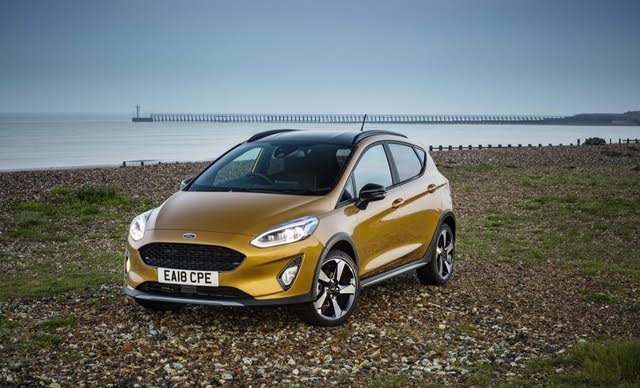
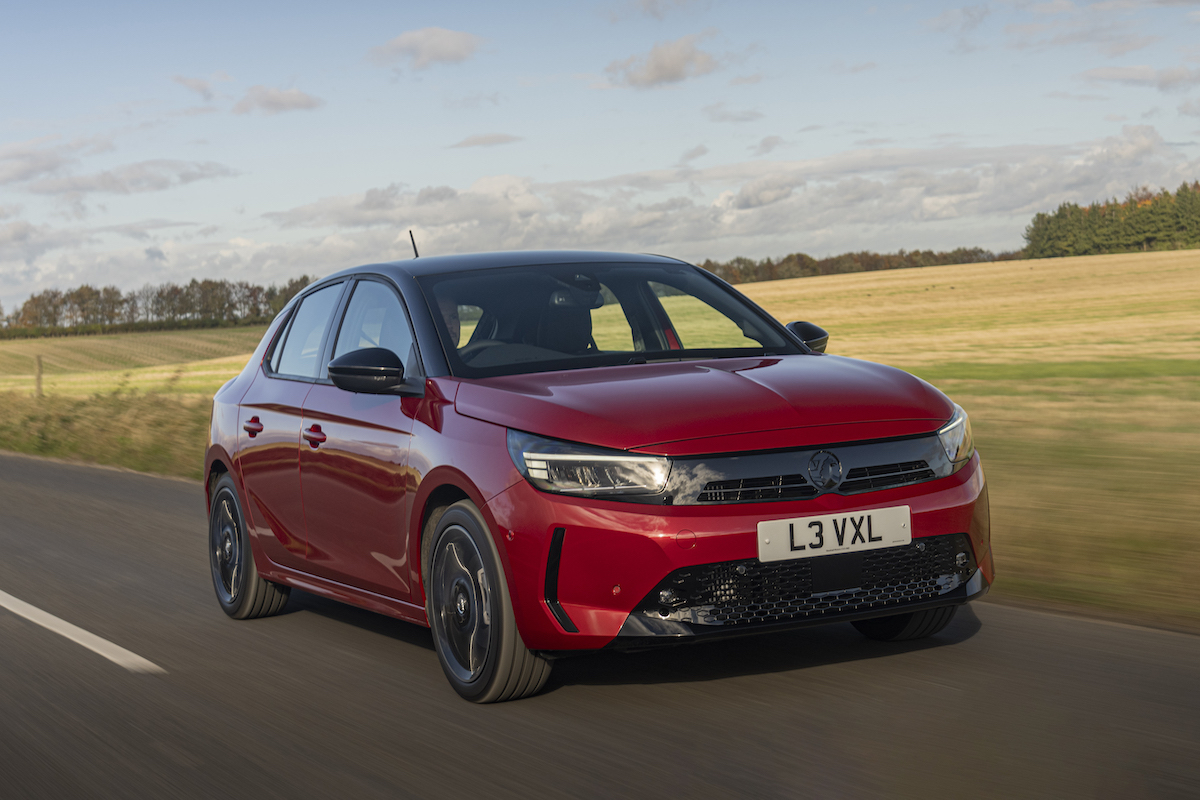
If you're looking for a small, affordable, and dependable hatchback in the UK, two names have likely dominated your search: the Ford Fiesta and the Vauxhall Corsa. For decades, these superminis have been a familiar sight on British roads, battling for the top spot in the sales charts.
The most recent Ford Fiesta, which ceased production in 2023, is widely regarded as one of the best small cars to drive. The latest Vauxhall Corsa, launched in 2020, counters with sharp styling and the option of pure electric power. With both now being hugely popular on the used market, which of these hatchback heavyweights deserves your money?
Ford Fiesta vs Vauxhall Corsa
Practicality
Ford Fiesta practicality score: 3/5
Vauxhall Corsa practicality score: 3/5
For small cars, both the Fiesta and Corsa do a decent job of accommodating passengers and luggage. The Corsa has a slight on-paper advantage, with a 309-litre boot that pips the Fiesta's 292 litres. It also offers a fraction more legroom for rear passengers. However, if you opt for the all-electric Corsa, its boot shrinks to 267 litres due to the battery placement.
The Fiesta's cabin is cleverly designed, and while the rear is best for two adults rather than three, it's usable for short trips. Until 2022, you could get a three-door Fiesta, but the five-door model is the more practical choice for families. Neither car is class-leading for space, but they are evenly matched and perfectly adequate for the daily grind.
Driving Impressions
Ford Fiesta driving score: 5/5
Vauxhall Corsa driving score: 3/5
This is where the Ford Fiesta builds a commanding lead. For years, the Fiesta has been the benchmark for how a small car should drive, and this generation is no exception. The steering is precise, the gearshift is slick, and the chassis feels agile and engaging on a twisty road. It's simply more fun than the Corsa. ST-Line models have a firmer ride, but the payoff is sharp handling, while the Active models offer a more comfortable setup.
The Vauxhall Corsa is by no means a bad car to drive; it's safe, stable, and easy to handle in town. However, it lacks the sparkle of the Fiesta. The steering feels a little numb, and it doesn't feel as composed or quiet at motorway speeds. The 99bhp 1.2-litre turbo petrol is the pick of the engine range, offering a good balance of performance and economy. While the Corsa is a competent daily driver, the Fiesta is the clear choice for keen drivers.
Technology and Equipment
Ford Fiesta technology and equipment score: 3/5
Vauxhall Corsa technology and equipment score: 3/5
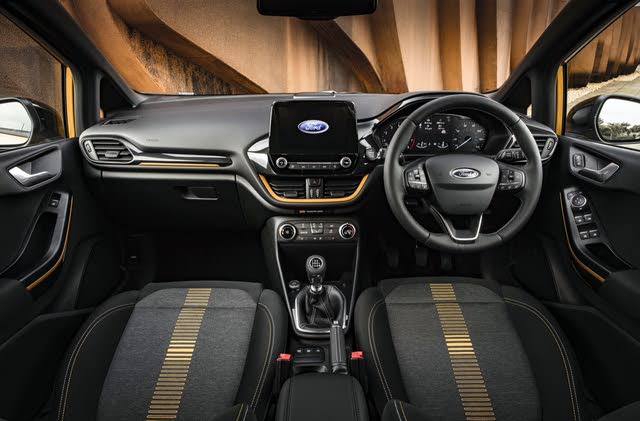
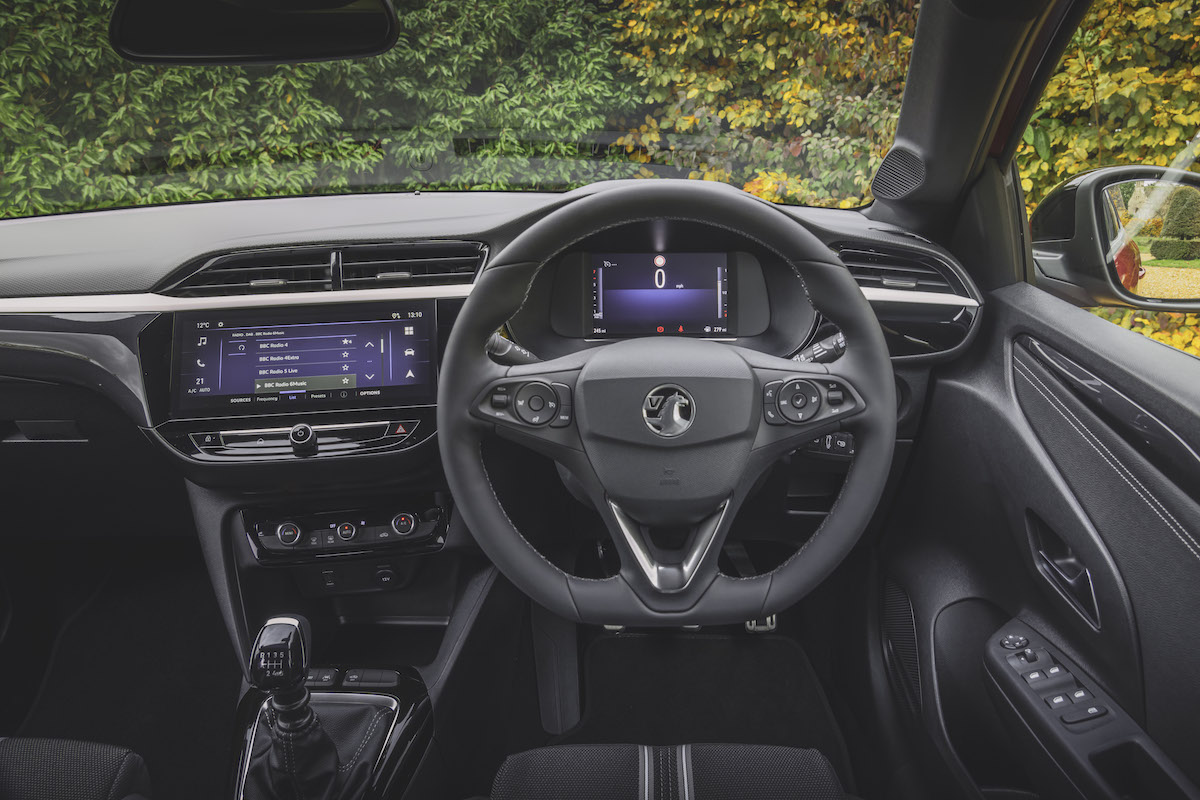
When it comes to gadgets and gizmos, it's another dead heat. Both cars come with a good level of standard kit, including a central touchscreen with Apple CarPlay and Android Auto, air-conditioning, and cruise control on most models. As you move up the trim levels, you'll find features like digital driver's displays, heated seats, and keyless entry.
The Fiesta's SYNC infotainment system is generally straightforward to use, with physical shortcut buttons that are helpful on the move. The Corsa's interior has a more modern design, but its touchscreen can sometimes be a little slow to respond. Ultimately, neither car will leave you feeling short-changed on the tech front, and your preference will likely come down to which dashboard design you prefer.
Running Costs
Ford Fiesta running costs score: 4/5
Vauxhall Corsa running costs score: 4/5
As you'd expect from two of the UK's best-selling cars, running costs are competitive. The Fiesta's 1.0-litre EcoBoost mild-hybrid petrol engines are particularly efficient, capable of returning more than 50mpg in real-world driving. The Corsa's 1.2-litre petrols are also frugal, managing economy in the high 40s.
The ace up the Corsa's sleeve is the all-electric model. While it was expensive when new, high initial depreciation makes it an attractive used buy, offering the potential for low running costs if you can charge at home. On the other hand, the Fiesta has historically held its value better than the Corsa, meaning it could be worth more when you come to sell it on. For most buyers, there's little to separate them on day-to-day expenditure.
CarGurus Buyer Insights
|
Ford Fiesta |
Vauxhall Corsa |
| CarGurus expert rating |
4 out of 5 |
3 out of 5 |
| CarGurus user rating |
4.5 out of 5 |
4.5 out of 5 |
| Percentage of good/great deals available on CarGurus* |
33.4% |
34.9% |
| Overall CarGurus rating |
4.4 out of 5 |
4.2 out of 5 |
The Verdict
Ford Fiesta Overall CarGurus rating: 4.4/5
Vauxhall Corsa Overall CarGurus rating: 4.2/5
This is a close contest between two excellent superminis, and the right choice for you will depend on your priorities. The Vauxhall Corsa is a stylish, comfortable, and well-rounded small car with the added appeal of an all-electric option for those looking to cut their running costs.
However, based on our comprehensive CarGurus Buyer Insights, the Ford Fiesta takes the victory. It scores higher with our experts and offers a strong proportion of good deals on CarGurus. Its superior driving experience is a significant advantage for anyone who values time behind the wheel. While it may no longer be available to buy new, its blend of fun handling, efficient engines, and strong used values makes it a solid package.
The Corsa is a fine choice, particularly if you want the zero-emission electric model. But for the best all-round supermini experience, the Ford Fiesta's enduring talent and driver appeal give it the win.
Ford Fiesta Pros and Cons
| Pros |
Cons |
| Fun and engaging to drive |
Slightly less practical than a Corsa |
| Efficient mild-hybrid engines |
Interior design feels a bit dated |
| Strong used values |
No longer available to buy new |
Vauxhall Corsa Pros and Cons
| Pros |
Cons |
| Available as a pure-electric model |
Dull to drive compared with the Fiesta |
| Stylish and modern interior design |
Infotainment can be laggy |
| Comfortable and easy to drive in town |
Electric model's boot is small |
*The Overall CarGurus rating that informs these recommendations is based on CarGurus' proprietary market data from September 2026, CarGurus expert reviews, and CarGurus user reviews.
Read Our Full Reviews: