
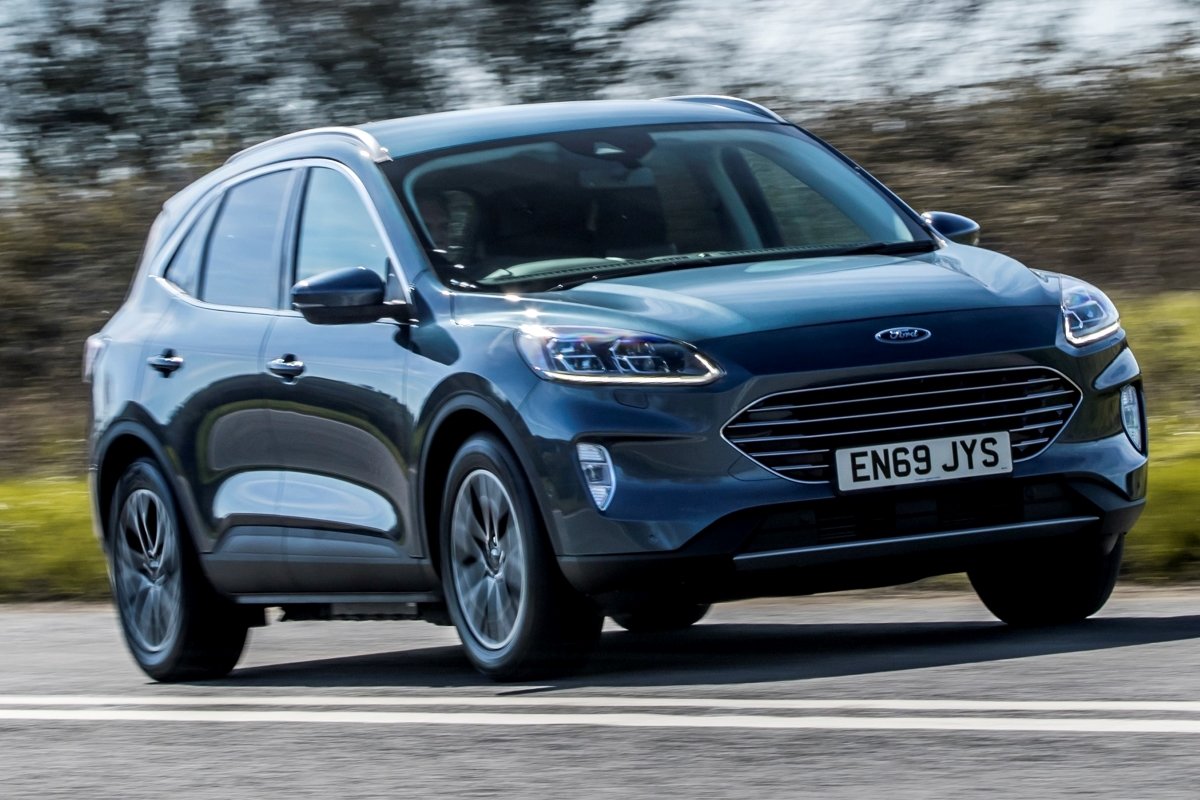
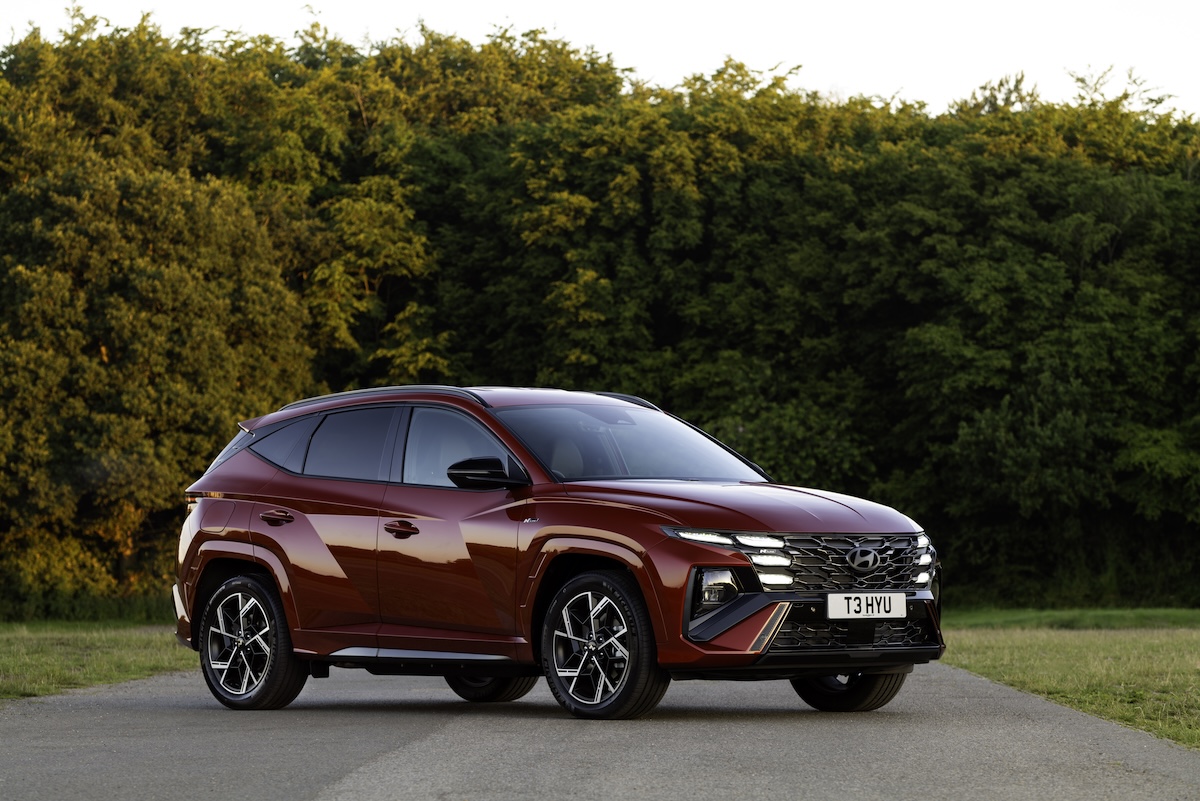
The Ford Kuga and Hyundai Tucson are two excellent choices in the hotly-contested family SUV segment. Both offer a compelling blend of practicality, technology, and value that will appeal to many buyers. This in-depth comparison will examine how these two vehicles stack up across key areas to help shoppers make an informed decision.
The Kuga arrived in its latest generation in 2020, while the current Tucson hit the market in 2021. Both bring fresh styling, efficient powertrains, and cutting-edge features to take on rivals like the Skoda Karoq, Peugeot 3008, and Volkswagen Tiguan. With the Tucson also setting its sights on premium players like the Audi Q3 and BMW X1, this shapes up to be an intriguing head-to-head battle.
Ford Kuga vs Hyundai Tucson

Practicality
Both the Kuga and Tucson offer family-friendly interiors with plenty of space, but the Tucson just about has the edge when it comes to outright practicality. Its 620-litre boot is hugely impressive for this class, outgunning the Kuga's 475 litres. The Tucson also provides a little more rear legroom, making it slightly more accommodating for taller passengers.
However, the Kuga fights back with a versatile sliding rear bench that allows owners to prioritise boot space or legroom as needed. Its 475-litre capacity is still highly competitive, and there's enough head and legroom to keep most families happy. Build quality could be better in some areas, but ergonomics are sound.
While the Tucson takes a slim lead for outright space, the Kuga's sliding seats add valuable versatility. Both will meet the needs of most families, but those who regularly carry taller passengers or lots of luggage may find the Tucson's extra room gives it an advantage.
Driving Impressions
When it comes to the driving experience, the Ford Kuga has a clear edge. It upholds Ford's reputation for building engaging cars, with direct steering and composed body control allowing it to be driven with real enthusiasm. Yet it also soaks up bumps impressively, delivering a cosseting ride.
The Tucson, by contrast, leans more towards comfort and refinement. It's a relaxed cruiser that insulates occupants well, but the light steering and occasionally lethargic transmission sap involvement. In hybrid form it has impressive straight-line pace, though.
Both cars are available with a range of electrified powertrains. The Kuga PHEV promises over 200mpg and a 35-mile electric range, while the Tucson PHEV claims around 40 miles of EV running. There are also mild-hybrid options for improved efficiency.
If you prioritise comfort and refinement, the Tucson will impress. But for those who enjoy driving, the Kuga's dynamic sparkle gives it the advantage. A broad, efficient engine range means both will suit a variety of needs, though.
Technology and Equipment
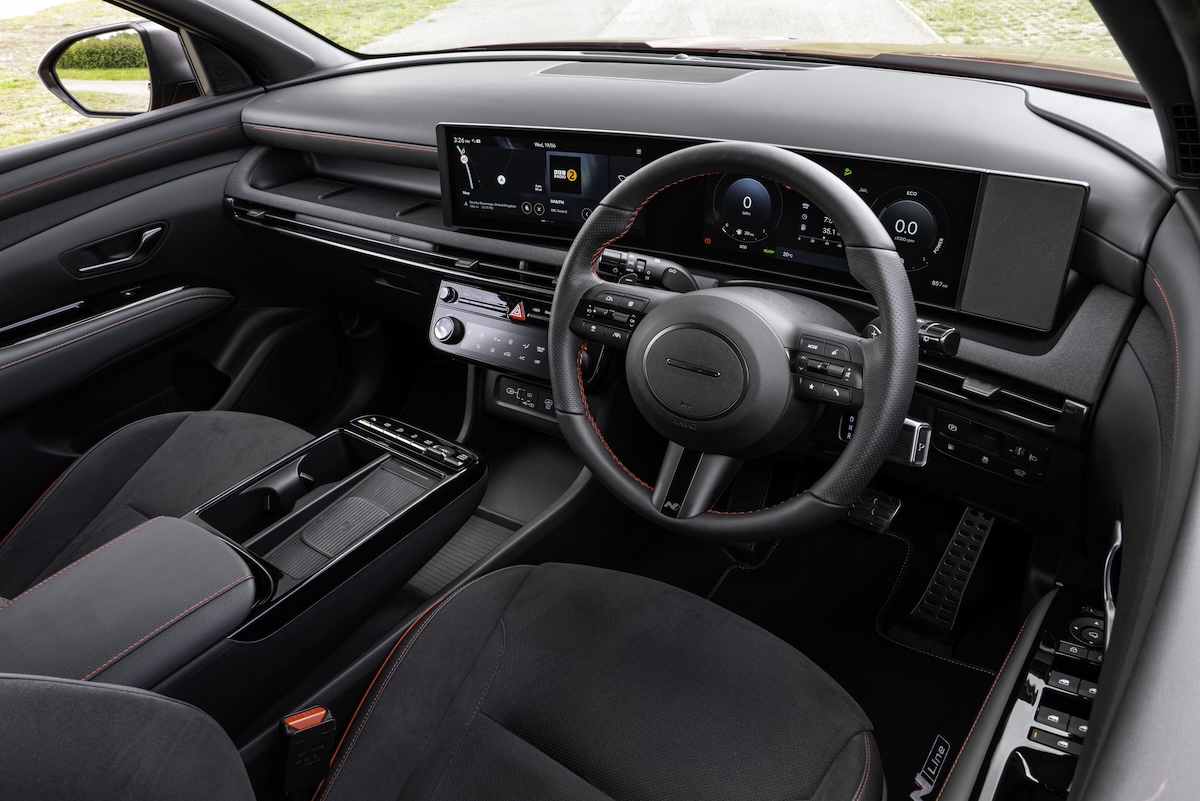
In terms of in-car technology, the latest Tucson has a clear lead. Its eye-catching curved display with twin 12.3-inch screens is slick and intuitive, combining a digital instrument cluster with a modern infotainment system. It looks and functions in a premium way.
The Kuga's 8-inch touchscreen is perfectly functional and easy to use, but does look a little dated compared to the Tucson's setup. Ford's SYNC 3 system is good, but not quite a match for Hyundai's latest tech.
When it comes to standard equipment levels, though, the two are more evenly matched. Even base Kugas get niceties like parking sensors and heated windscreens, while higher trims add luxuries like a powered tailgate and digital dials. The Tucson counters with standard dual-zone climate control and connected services.
Overall, the Tucson just shades it thanks to that brilliant twin-screen setup. But whichever you choose, you'll find a generous level of equipment for the money.
Running Costs
For those covering higher mileages, the Kuga range has an advantage when it comes to running costs. Its efficient diesel engines can return over 50mpg, and even the petrol PHEV promises over 200mpg if used as intended.
The non-electrified Tucson petrol manages only around 40mpg, while the mild hybrids improve to the low 40s. The full hybrid does better, but the PHEV is likely to be the most cost-effective choice for lower-mileage users.
Servicing costs should be acceptable for both, and insurance groups are relatively sensible. Company car drivers will find the low BIK rates of the electrified models appealing.Hyundai's unlimited mileage five-year warranty is superior to Ford's three-year/60,000 mile offering.
So while day-to-day running costs are likely to be similar for many owners, the Kuga's superior diesel economy gives it an edge for higher mileages. The plug-in hybrid models are also highly efficient if you can keep them charged. Both make family transport relatively affordable.
Verdict
This is a very close contest between two talented family SUV contenders. The Tucson impresses with its bold design, exceptional practicality and brilliant infotainment tech. It's also refined and comfortable, if not quite as engaging as the Kuga from behind the wheel.
For its part, the Kuga hits back with slightly sharper driving dynamics and superior efficiency from its diesel engines. It's hugely versatile too, while offering strong value and generous equipment levels across the range.
In truth, there are no obvious losers here. The Tucson's design and technology give it a slight edge in showroom appeal, while the Kuga just shades it for driver engagement. But both represent compelling buys that family SUV shoppers should take the time to evaluate closely.