
If you're after a reliable and efficient family hatchback, the Honda Civic and Toyota Corolla have been default choices for decades. Now, in the hybrid era, these two Japanese titans are still locked in a fierce battle, but the game has changed. Both offer clever 'self-charging' hybrid technology that promises low running costs without the need to plug in.
The latest Civic boasts a premium-feeling interior and a single, sophisticated hybrid powertrain. The Corolla, available as a hatchback or a practical estate, counters with a choice of two hybrid setups and Toyota's legendary reputation for reliability, now backed by a warranty that's hard to ignore. So, which of these established names makes the better used buy?
Honda Civic vs Toyota Corolla
- Practicality
- Driving Impressions
- Technology and Equipment
- Running Costs
- CarGurus Buyer Insights
- Verdict
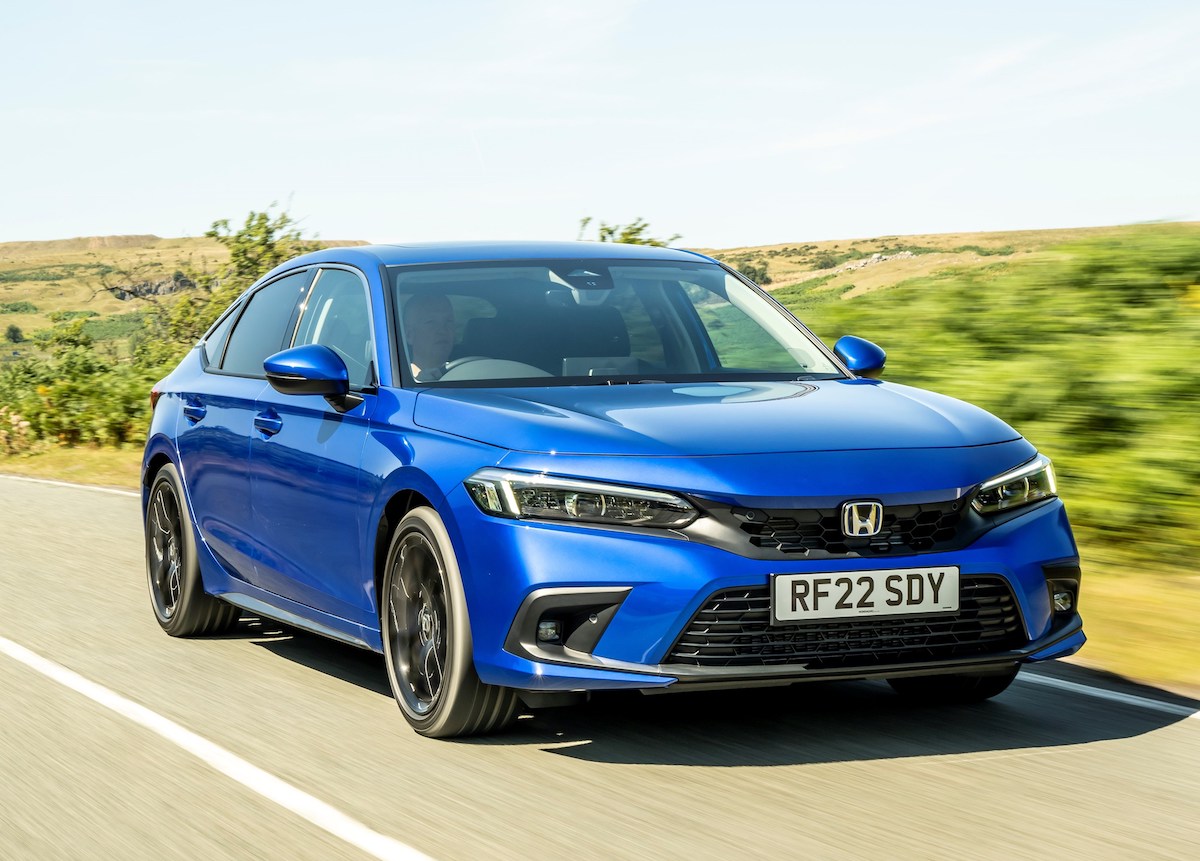
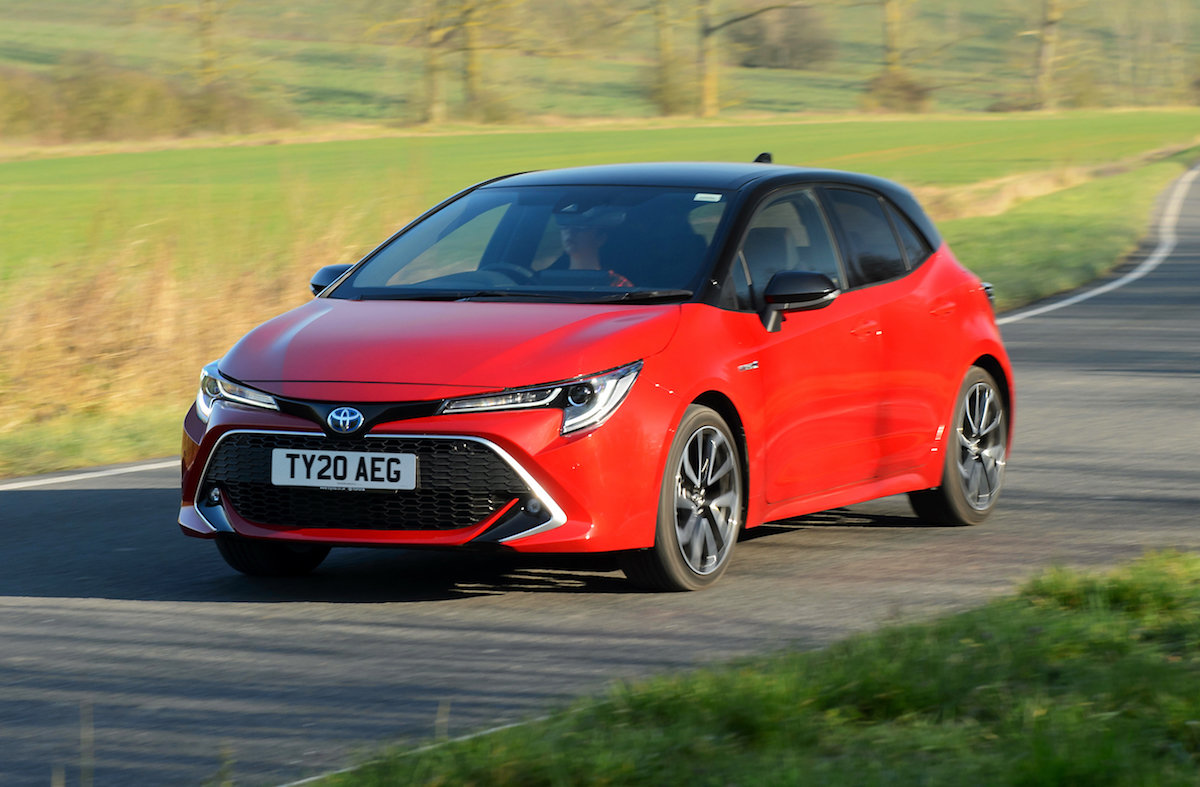

Practicality
Honda Civic practicality score: 4/5
Toyota Corolla practicality score: 3/5
When comparing the hatchback versions, the Honda Civic has a clear advantage in boot space. Its 410-litre capacity is generous for the class and comfortably beats the Corolla hatchback’s 361 litres. In the back, the Civic offers more legroom, making it better for carrying taller passengers. However, its sloping roofline does mean that headroom is tighter than in the Corolla.
The Corolla’s practicality case is transformed if you consider the Touring Sports estate model. Its boot is a huge 596 litres, making it one of the most spacious load-luggers in the class and the obvious choice if carrying capacity is your top priority. For hatchback buyers, though, the Civic is the more practical of the two.
Driving Impressions
Honda Civic driving score: 4/5
Toyota Corolla driving score: 4/5
Neither of these cars is designed to be a hot hatch, but both offer a competent and comfortable driving experience. The Civic comes with a single 2.0-litre hybrid system that feels smooth and refined. Its eCVT automatic gearbox is one of the best of its kind, avoiding the high-revving drone that can afflict some hybrids during acceleration. The ride is comfortable and the handling is tidy and predictable.
The Corolla offers a choice of a 1.8-litre or a more powerful 2.0-litre hybrid. The 1.8 provides adequate performance, but can get a bit noisy when you work it hard. The 2.0-litre is a better match for the car and feels stronger on the move. Like the Civic, the Corolla prioritises comfort, with a supple ride and light, easy steering. There’s very little to separate them on the road; both are relaxing and easy cars to live with.
Technology and Equipment
Honda Civic technology and equipment score: 4/5
Toyota Corolla technology and equipment score: 4/5
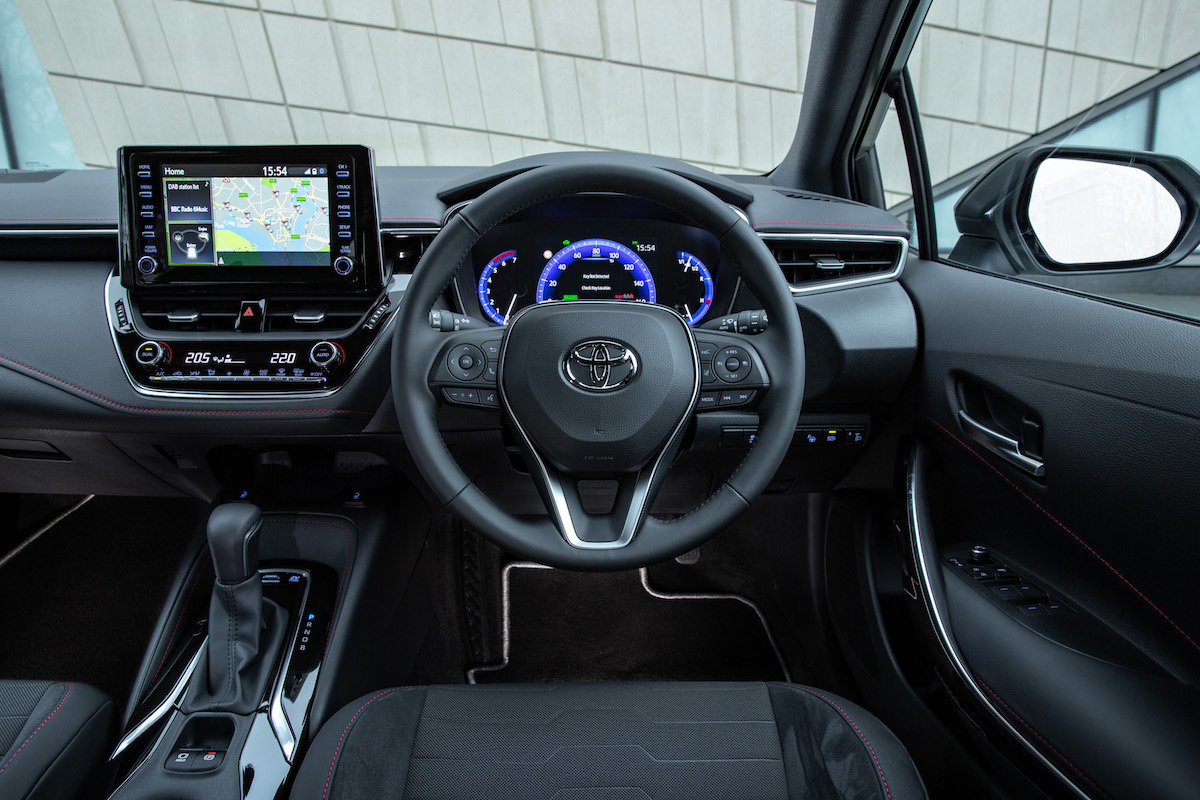
Both cars come well-equipped from the entry-level trim upwards. The Civic gets a 9-inch touchscreen with Apple CarPlay and Android Auto, parking sensors, a rear-view camera and a comprehensive suite of safety aids as standard. The interior feels well put together, with nice materials and a clean, modern design that gives it a slightly more premium ambiance than the Toyota.
The Corolla also gets plenty of standard kit, including dual-zone climate control and heated front seats. Early models used an 8-inch touchscreen that wasn't the slickest system, but cars built from 2023 onwards received a much-improved 10.5-inch screen and a smart digital driver’s display. Whichever you choose, you won't feel short-changed on toys and safety features.
Running Costs
Honda Civic running costs score: 4/5
Toyota Corolla running costs score: 4/5
As you’d expect from two efficient hybrids, day-to-day running costs are a major strength. Both cars are capable of returning around 50mpg in real-world driving, and even more if you spend most of your time in town where the hybrid system can do its best work. Purchase prices, insurance, and servicing costs are all very similar, so there isn’t much to split them on a monthly budget.
The big difference, and a huge selling point for the Toyota, is the warranty. The Civic comes with a standard three-year warranty, which is typical for the industry. However, Toyota offers its ‘Relax’ warranty, which can cover the car for up to 10 years or 100,000 miles, as long as you get it serviced at a Toyota dealer each year. For used car buyers, that potential for long-term, manufacturer-backed peace of mind is a significant advantage.
CarGurus Buyer Insights
| Honda Civic | Toyota Corolla | |
|---|---|---|
| CarGurus expert rating | 4 out of 5 | 4 out of 5 |
| CarGurus user rating | 4.3 out of 5 | 4.3 out of 5 |
| Percentage of good/great deals available on CarGurus* | 30.7% | 34.0% |
| Overall CarGurus rating | 4.4 out of 5 | 4.3 out of 5 |
The Verdict
Honda Civic Overall CarGurus rating: 4.4/5
Toyota Corolla Overall CarGurus rating: 4.3/5
This is an incredibly close contest between two of the best hybrid family cars on the market. The Toyota Corolla makes a strong case for itself, particularly with its outstanding 10-year warranty and the availability of the hugely practical Touring Sports estate version. For many buyers, those two factors alone could be enough to seal the deal.
However, based on our Overall CarGurus rating, it’s the Honda Civic that takes a narrow victory. It feels that little bit more special inside, its hybrid system is impressively refined, and in hatchback form it’s the more practical of the two. While the Corolla is an excellent car, the Civic’s blend of quality, comfort, and efficiency gives it the slightest of edges in this comparison.
Honda Civic Pros and Cons
| Pros | Cons |
|---|---|
| Smooth and refined hybrid powertrain | Rear headroom is tight for tall adults |
| High-quality, premium-feeling interior | Shorter warranty than the Toyota |
| Good boot space for a hatchback | Only one engine choice available |
Toyota Corolla Pros and Cons
| Pros | Cons |
|---|---|
| Up to 10-year/100,000-mile warranty | Hatchback boot is on the small side |
| Available as a very practical estate | 1.8-litre engine can be noisy under load |
| Choice of two hybrid powertrains | Interior doesn't feel as premium as the Civic's |
*The Overall CarGurus rating: that informs these recommendations is based on CarGurus' proprietary market data from January 2026, CarGurus expert reviews, and CarGurus user reviews.