
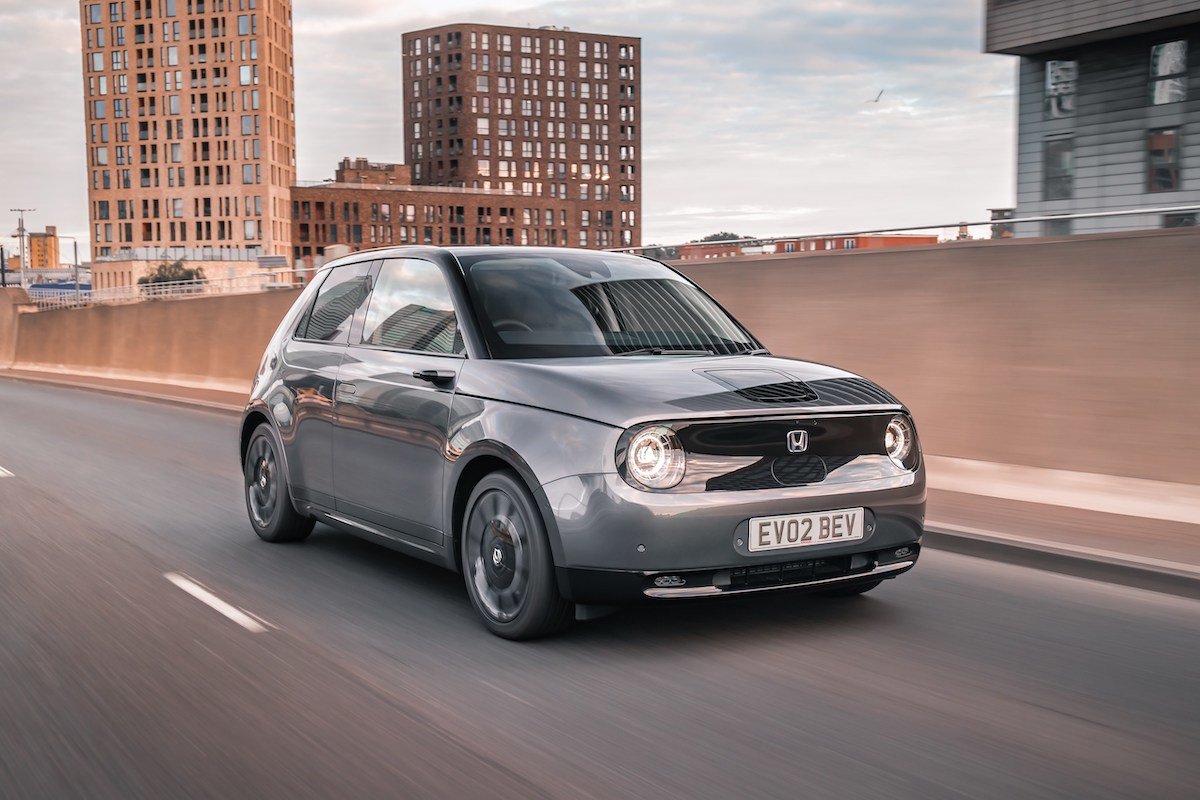
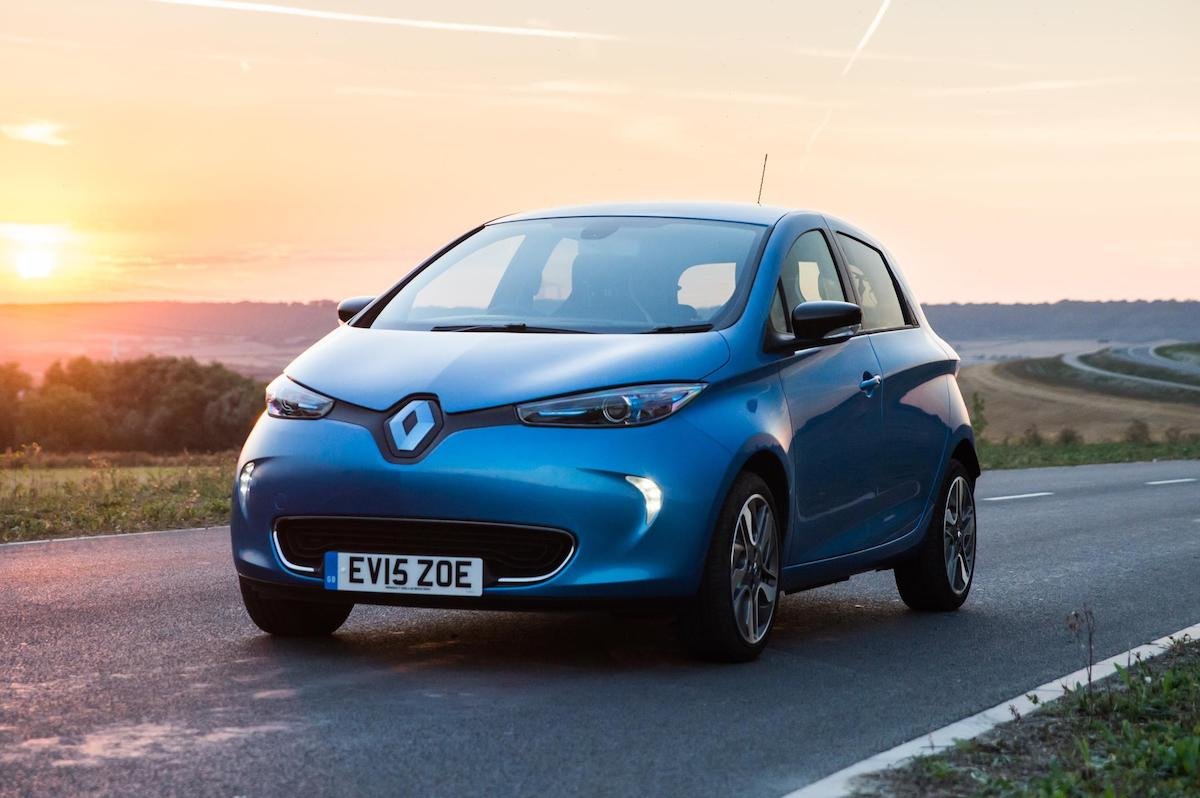
If you’re looking for a small, stylish electric car for zipping around town, you’ve got some great used options. Two of the most interesting are the Honda e and the Renault Zoe, but they couldn’t be more different in their approach.
The Honda e is all about head-turning, retro-futuristic style and an interior packed with jaw-dropping technology. It’s a car you buy with your heart. The Renault Zoe, on the other hand, is the sensible choice. As one of the original pioneers of the affordable EV, it focuses on delivering practical range and usability for the real world. So, should you go for the high-tech fashion statement or the long-legged veteran?
Honda e vs Renault Zoe
- Practicality
- Driving Impressions
- Technology and Equipment
- Running Costs
- CarGurus Buyer Insights
- Verdict
Practicality
Honda e practicality score: 2/5
Renault Zoe practicality score: 3/5
If you need to carry people or things, this is an easy win for the Renault Zoe. Its 338-litre boot is genuinely useful for weekly shops or weekend bags, and it absolutely dwarfs the Honda e’s tiny 171-litre space. The Zoe also has much more room for rear passengers, making it a viable option for the school run.
The Honda e is best thought of as a two-seater with a couple of occasional rear seats for short trips. It’s cramped in the back for adults. However, the Honda does have one clever party trick: its rear-wheel-drive layout gives it an incredibly tight turning circle, making it a dream to park and manoeuvre in tight city streets. For day-to-day usability, though, the Zoe is in a different league.
Driving Impressions
Honda e driving score: 3/5
Renault Zoe driving score: 3/5
Both cars are nippy, quiet, and perfect for darting through urban traffic. The Honda e feels particularly peppy and its rear-wheel-drive setup gives it a fun, agile character. It’s a genuinely enjoyable car to drive around town.
The single biggest difference, however, is electric range. It’s the Zoe’s trump card. With its larger battery, post-2020 models can officially cover up to 239 miles on a single charge. The Honda e, by contrast, manages an official 125 miles, which translates to around 100 miles in real-world driving. This severely limits the Honda to being a city-only car, whereas the Zoe has the legs for longer journeys, making it a much more versatile and less stressful EV to live with.
Technology and Equipment
Honda e technology and equipment score: 5/5
Renault Zoe technology and equipment score: 3/5
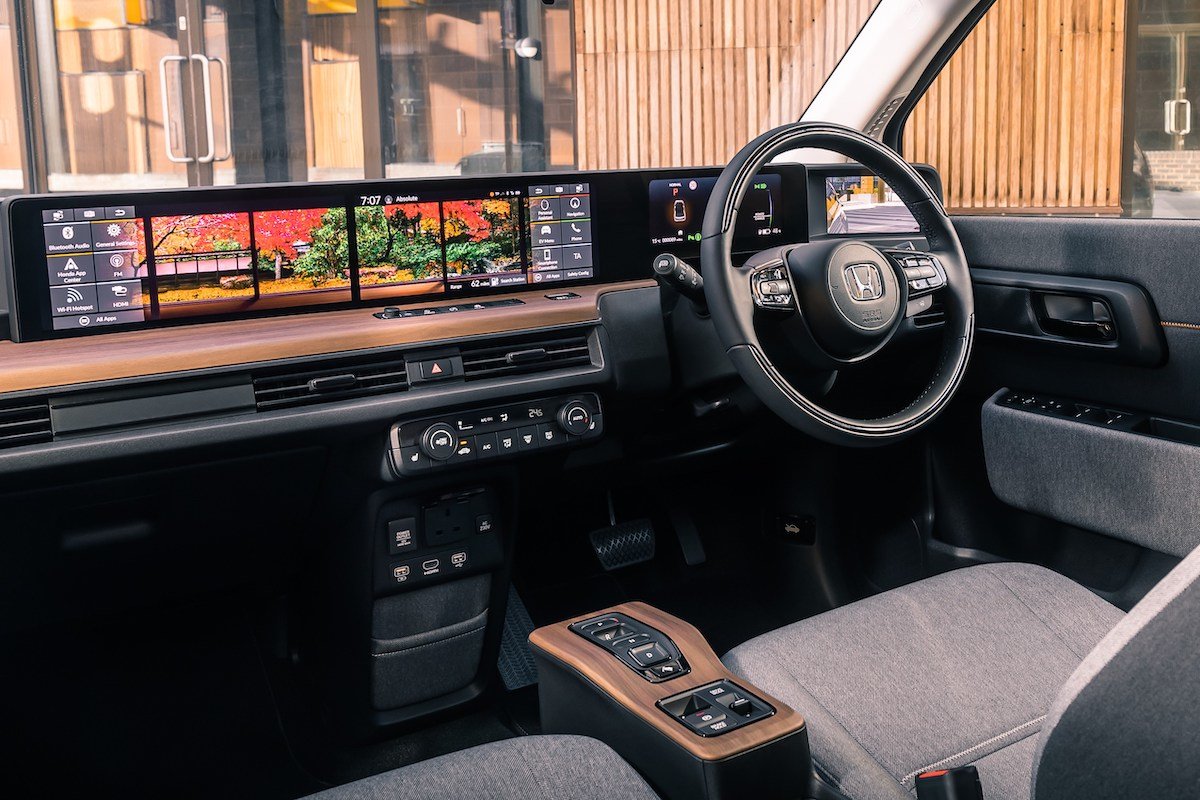
This is where the Honda e really shines. Its interior is a showstopper, dominated by a wall of five digital screens that stretch across the entire dashboard. Combined with the minimalist design and lounge-like materials, it feels like a concept car for the road. It also replaces traditional wing mirrors with cameras, feeding a live video to screens inside the car. It’s a tech-lover’s dream.
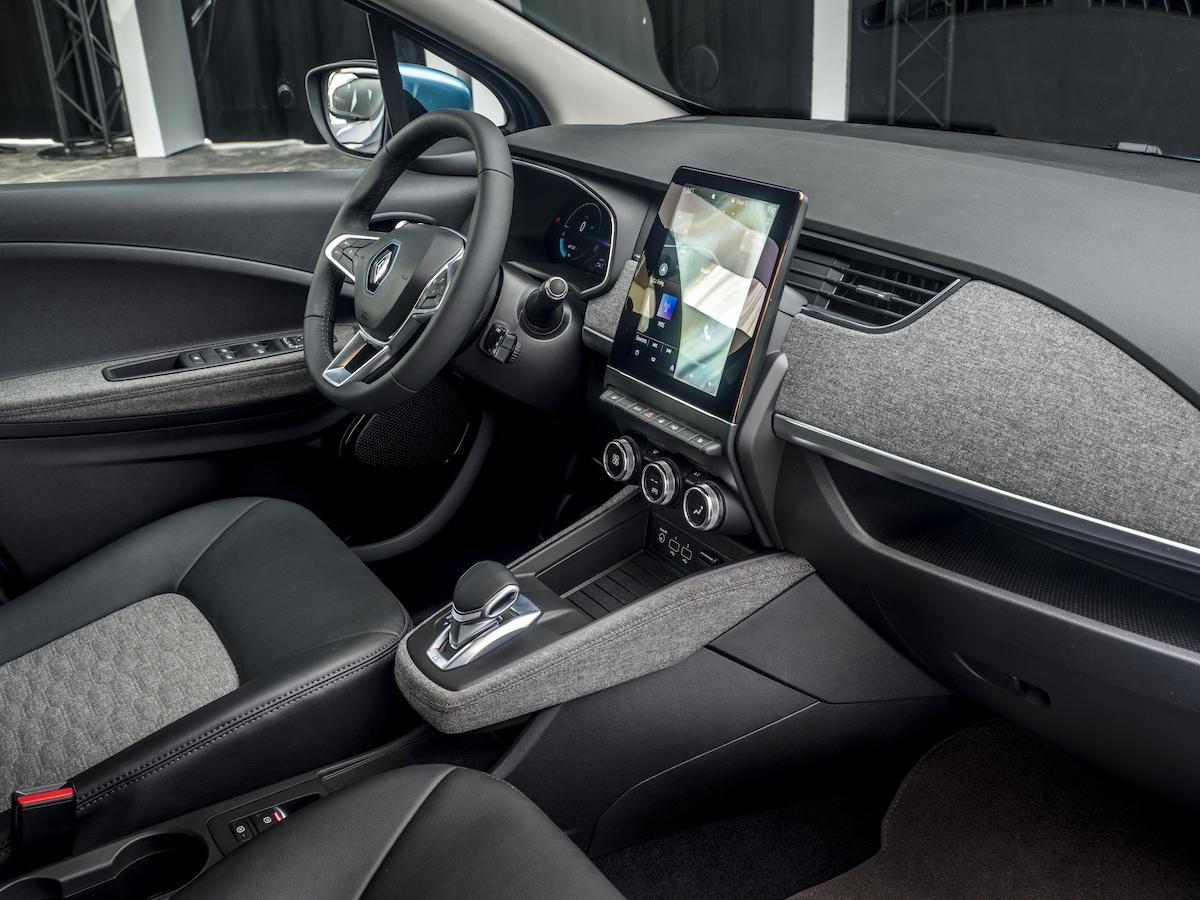
The Renault Zoe’s cabin is far more conventional. It has a central touchscreen and a digital driver’s display, just like most modern cars. It’s all perfectly functional, easy to use, and feels well put together, but it simply can’t compete with the wow-factor of the Honda. If cutting-edge tech is your top priority, the Honda e is the undisputed winner.
Running Costs
Honda e running costs score: 4/5
Renault Zoe running costs score: 4/5
As electric cars, both the Honda e and Renault Zoe offer the potential for very low running costs, especially if you can charge at home on a cheap overnight tariff. Both are exempt from road tax (VED) and are free to enter clean air zones like London's ULEZ.
Where they differ is insurance. The Honda e’s high-tech nature and premium positioning put it in surprisingly high insurance groups (25-29), making it more expensive to cover than you might expect for a small car. The Renault Zoe is much more wallet-friendly, sitting in groups 20-23. Over the course of ownership, this could add up to a significant saving, giving the Zoe the edge for budget-conscious buyers.
CarGurus Buyer Insights
| Honda e | Renault Zoe | |
|---|---|---|
| CarGurus expert rating | 3 out of 5 | 3 out of 5 |
| CarGurus user rating | 3.0 out of 5 | 4.8 out of 5 |
| Percentage of good/great deals available on CarGurus* | 22.2% | 31.3% |
| Overall CarGurus rating | 3.9 out of 5 | 4.1 out of 5 |
The Verdict
Honda e Overall CarGurus rating: 3.9/5
Renault Zoe Overall CarGurus rating: 4.1/5
While the Honda e is a hugely desirable and stylish object, it's a car that comes with significant compromises. Its limited range and lack of practicality make it a niche choice for city dwellers who prioritise form over function.
For almost every other buyer, the Renault Zoe is the clear winner. Based on our comprehensive CarGurus Buyer Insights, the Zoe scores a higher overall rating, driven by vastly better user reviews and a greater availability of good deals. Its superior real-world range removes range anxiety, its bigger boot and more spacious rear seats make it genuinely practical, and it’s cheaper to insure. It’s the smarter, more versatile, and more usable electric car.
If you have a short commute and fall in love with the Honda’s unique design and incredible interior, we wouldn’t blame you. But as a fantastic all-round used EV, the Renault Zoe is the undisputed champion of this contest.
Honda e Pros and Cons
| Pros | Cons |
|---|---|
| Unique, head-turning design | Very limited real-world range |
| Stunning high-tech interior | Tiny boot and cramped rear seats |
| Fun and agile to drive in the city | Higher insurance costs |
Renault Zoe Pros and Cons
| Pros | Cons |
|---|---|
| Excellent real-world range | Conventional interior lacks wow-factor |
| Practical boot and rear seat space | Ride can be bouncy on poor surfaces |
| More affordable to insure | Not as stylish as the Honda e |
*The Overall CarGurus rating: that informs these recommendations is based on CarGurus' proprietary market data from January 2026, CarGurus expert reviews, and CarGurus user reviews.