
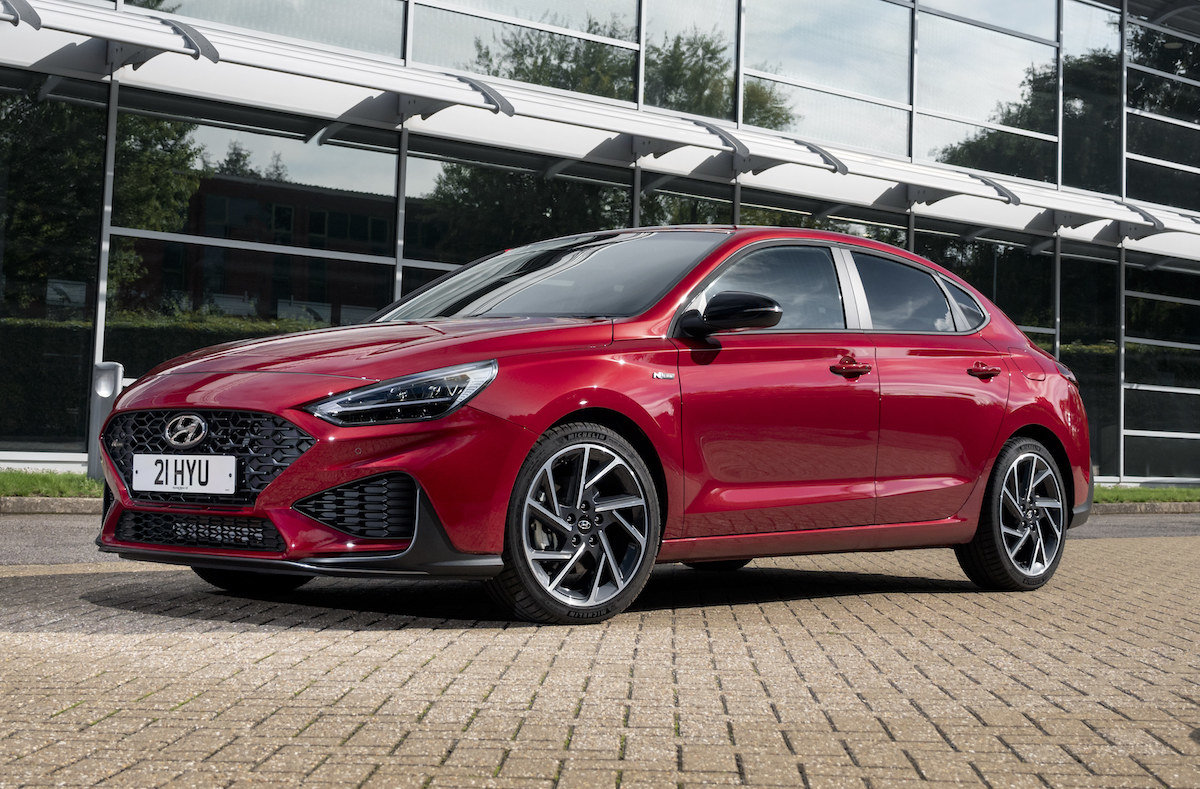
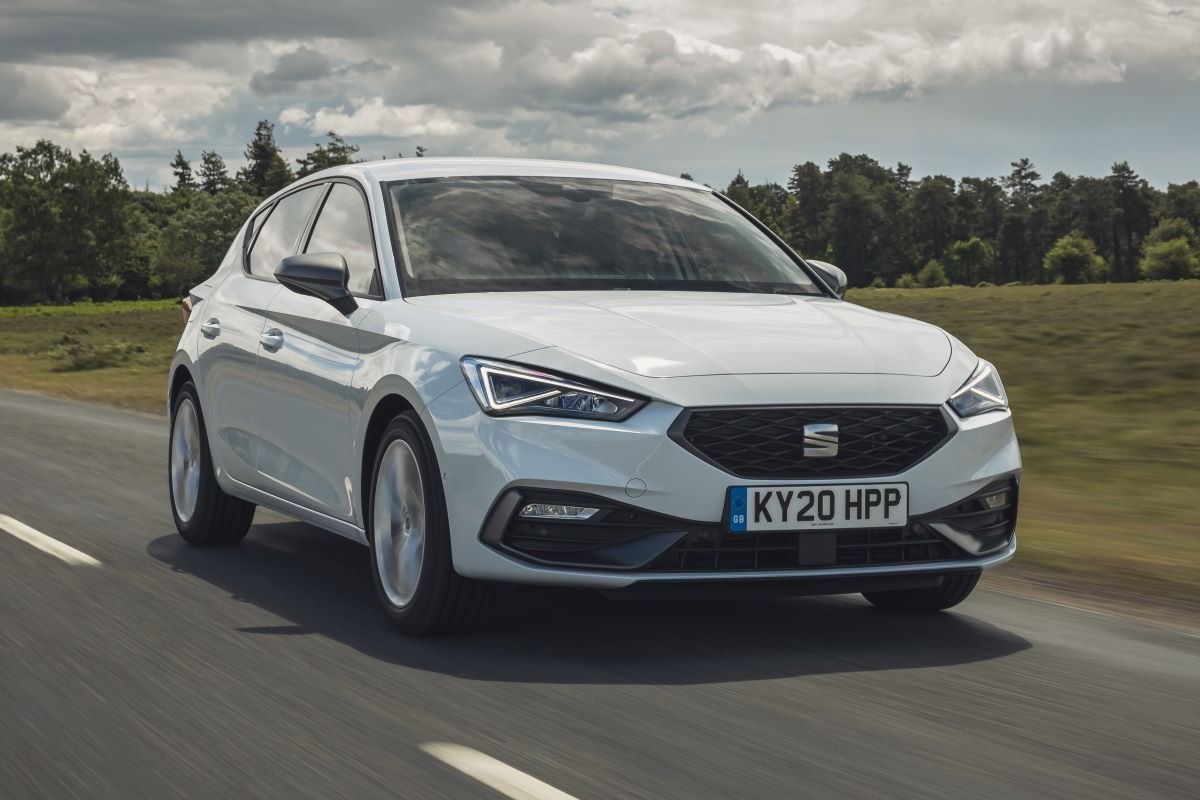
If you're in the market for a family hatchback, you're faced with a classic dilemma: do you go for something sensible and solid, or something with a bit more flair and fun? The Hyundai i30 and the Seat Leon are perfect examples of these two approaches.
The i30 has carved out a reputation as a dependable choice that majors on practicality and value. The Leon, on the other hand, is the sporty member of the Volkswagen Group family, sharing its underpinnings with the VW Golf but wrapping them in a sharper, more stylish package. Both are strong contenders, but which one is the right fit for you?
Hyundai i30 vs Seat Leon
- Practicality
- Driving Impressions
- Technology and Equipment
- Running Costs
- CarGurus Buyer Insights
- Verdict
Practicality
Hyundai i30 practicality score: 4/5
Seat Leon practicality score: 4/5
Both cars are well-suited to family life. The i30 hatchback boasts a 395-litre boot, which is one of the largest in its class and slightly bigger than the Leon's 380 litres. If you need more space, the estate versions are the ones to go for. The i30 Tourer offers a generous 602 litres, but the Leon Estate just edges it with 620 litres and a handy adjustable boot floor.
Inside, passenger space is good in both cars, but the Leon offers a little more rear legroom, making it feel slightly roomier for adults in the back. Both cabins feature useful storage spots, including deep door pockets and cubbies to keep things tidy. It’s a close-run thing, with the i30 offering a slightly larger boot in hatchback form, while the Leon provides more passenger and boot space in its estate guise.
Driving Impressions
Hyundai i30 driving score: 3/5
Seat Leon driving score: 4/5
This is where the different philosophies of the two cars become clear. The i30 is all about comfort. Its suspension is set up to be compliant, soaking up bumps well and making for a relaxed drive, whether you're in town or on the motorway. The trade-off is that it’s not the most exciting car to drive on a twisty road, with some body lean in corners and slow-feeling steering.
The Leon takes a more dynamic approach. Its firmer suspension gives it sharper handling and a better connection to the road, making it one of the more engaging cars in its class. This is especially true of FR models with their sports suspension. While it’s not as comfortable as the i30, it’s far from harsh and remains a perfectly usable daily driver. If you enjoy driving, the Leon has the clear edge here.
Technology and Equipment
Hyundai i30 technology and equipment score: 4/5
Seat Leon technology and equipment score: 4/5
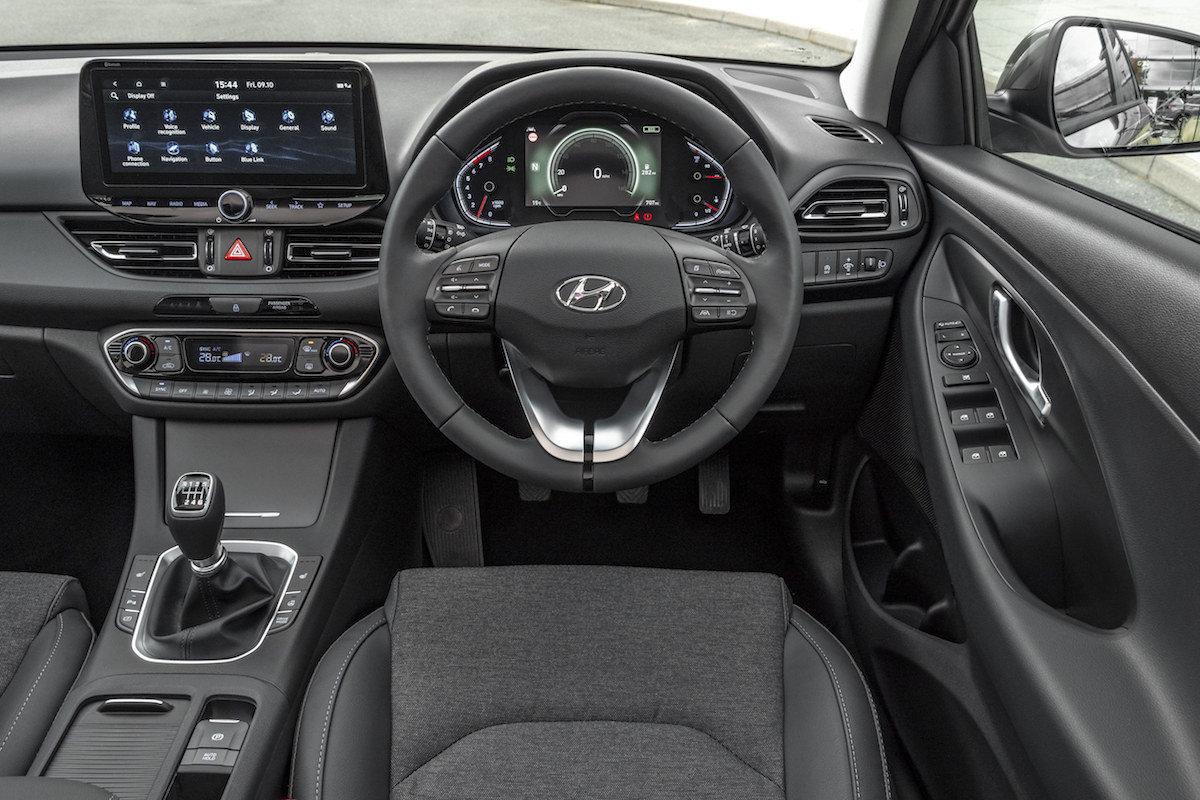
Both cars come with a decent amount of standard kit. Early entry-level i30s were quite basic, but post-2020 facelift models are much better equipped, with most versions getting a touchscreen with Apple CarPlay and Android Auto. Higher-spec models feature an impressive 10.25-inch screen that’s easy to use.
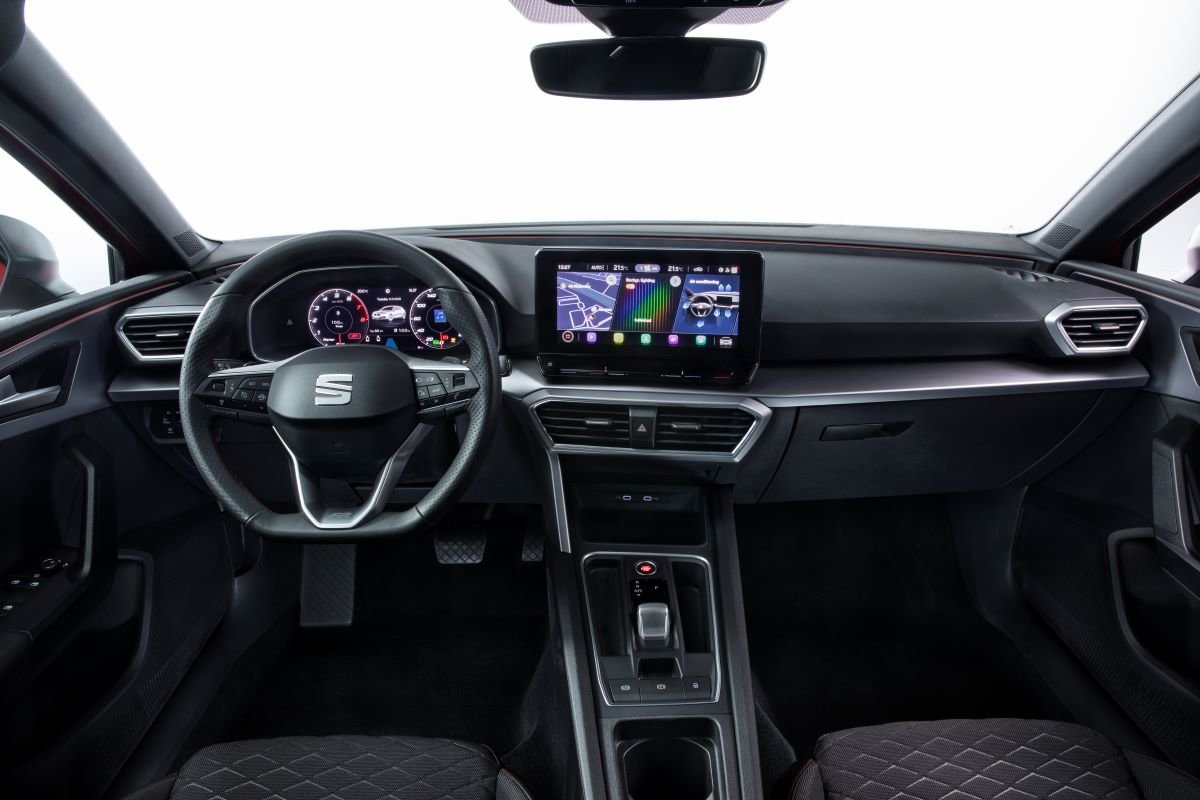
The Leon also comes well-equipped from the get-go. Its infotainment system is slick, though some may find the reliance on the touchscreen for controls a little fiddly compared to the i30’s physical buttons. While the Leon’s cabin is solidly built, some of the plastics don’t feel quite as upmarket as those in its VW Golf sibling, or indeed the i30. Overall, it’s another dead heat, with both cars offering plenty of tech for the money.
Running Costs
Hyundai i30 running costs score: 4/5
Seat Leon running costs score: 4/5
As mainstream family hatchbacks, both the i30 and Leon offer good value compared to premium alternatives. Fuel economy from their respective small petrol and diesel engines is competitive, with both capable of returning around 50mpg in real-world driving. For the lowest fuel bills, the Leon is also available as a plug-in hybrid, which offers a significant advantage if you can charge it at home.
The biggest difference in ownership costs comes down to the warranty. Hyundai’s five-year, unlimited-mileage warranty is one of the best in the business and provides great peace of mind. The Seat, like most rivals, comes with a standard three-year, 60,000-mile warranty. That extra cover from Hyundai is a big plus point, especially for used car buyers.
CarGurus Buyer Insights
| Hyundai i30 | Seat Leon | |
|---|---|---|
| CarGurus expert rating | 4 out of 5 | 4 out of 5 |
| CarGurus user rating | 4.5 out of 5 | 4.9 out of 5 |
| Percentage of good/great deals available on CarGurus* | 30.3% | 31.1% |
| Overall CarGurus rating | 4.2 out of 5 | 4.5 out of 5 |
The Verdict
Hyundai i30 Overall CarGurus rating: 4.2/5
Seat Leon Overall CarGurus rating: 4.5/5
Both the Hyundai i30 and Seat Leon are strong choices in the family hatchback class, but they will appeal to different buyers. The i30 is the sensible, practical option with a comfortable ride and an excellent warranty.
However, based on our comprehensive CarGurus Buyer Insights, the Seat Leon takes the win. It scores higher with our users and has a better Overall CarGurus rating. Its more engaging driving experience, stylish looks, and slightly roomier cabin, combined with the availability of a plug-in hybrid model, give it the edge.
If your priorities are comfort and a long warranty, the Hyundai i30 is a fantastic and rational choice that won’t let you down. But if you want a car that’s a bit more fun to drive and has a slight edge in style and user satisfaction, the Seat Leon is our winner.
Hyundai i30 Pros and Cons
| Pros | Cons |
|---|---|
| Excellent five-year warranty | Unexciting to drive |
| Comfortable and quiet ride | Less rear passenger space than the Leon |
| Large boot in hatchback form | No plug-in hybrid option |
Seat Leon Pros and Cons
| Pros | Cons |
|---|---|
| Engaging and fun to drive | Ride is firmer than some rivals |
| Stylish exterior and interior design | Shorter warranty than the Hyundai |
| Plug-in hybrid version available | Some cheaper-feeling interior plastics |
*The Overall CarGurus rating: that informs these recommendations is based on CarGurus' proprietary market data from January 2026, CarGurus expert reviews, and CarGurus user reviews.