If you're looking for a cutting-edge electric family car, two of the most impressive options come from the same Korean powerhouse. The Hyundai Ioniq 5 and Kia EV6 share the same advanced underpinnings, but they offer distinctly different takes on the modern EV.
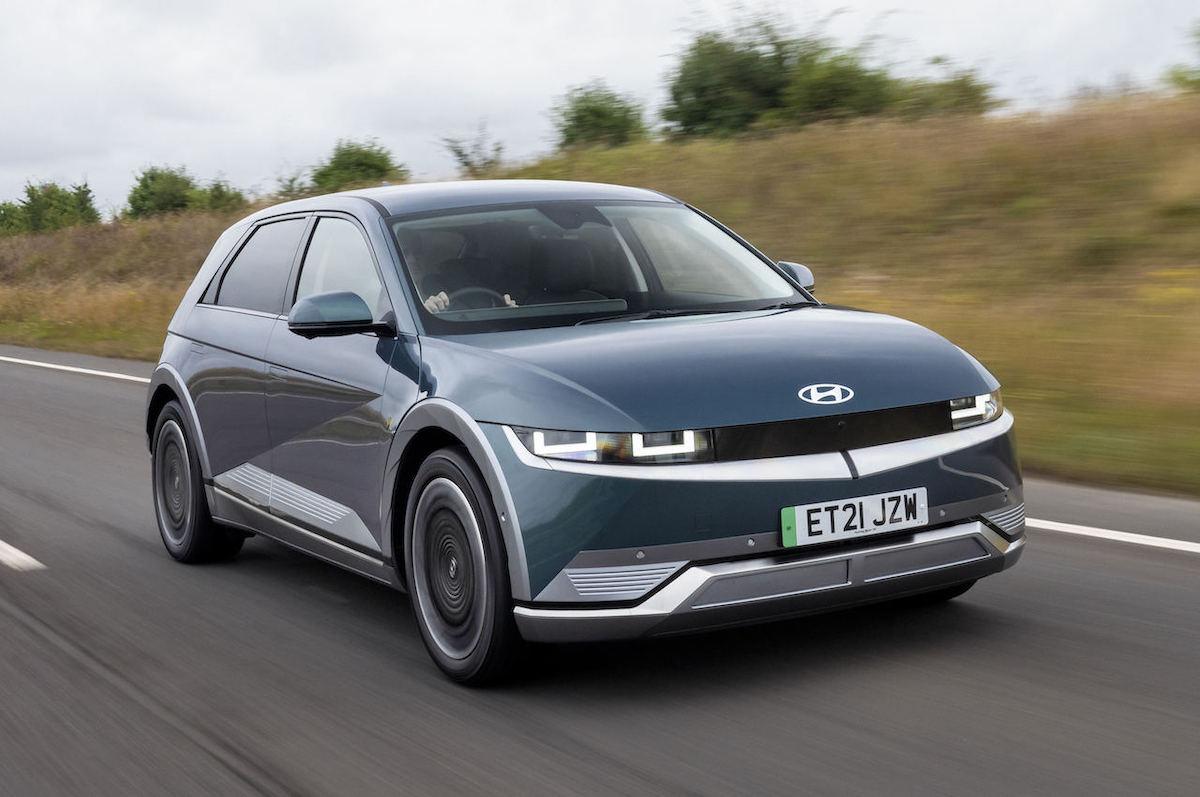
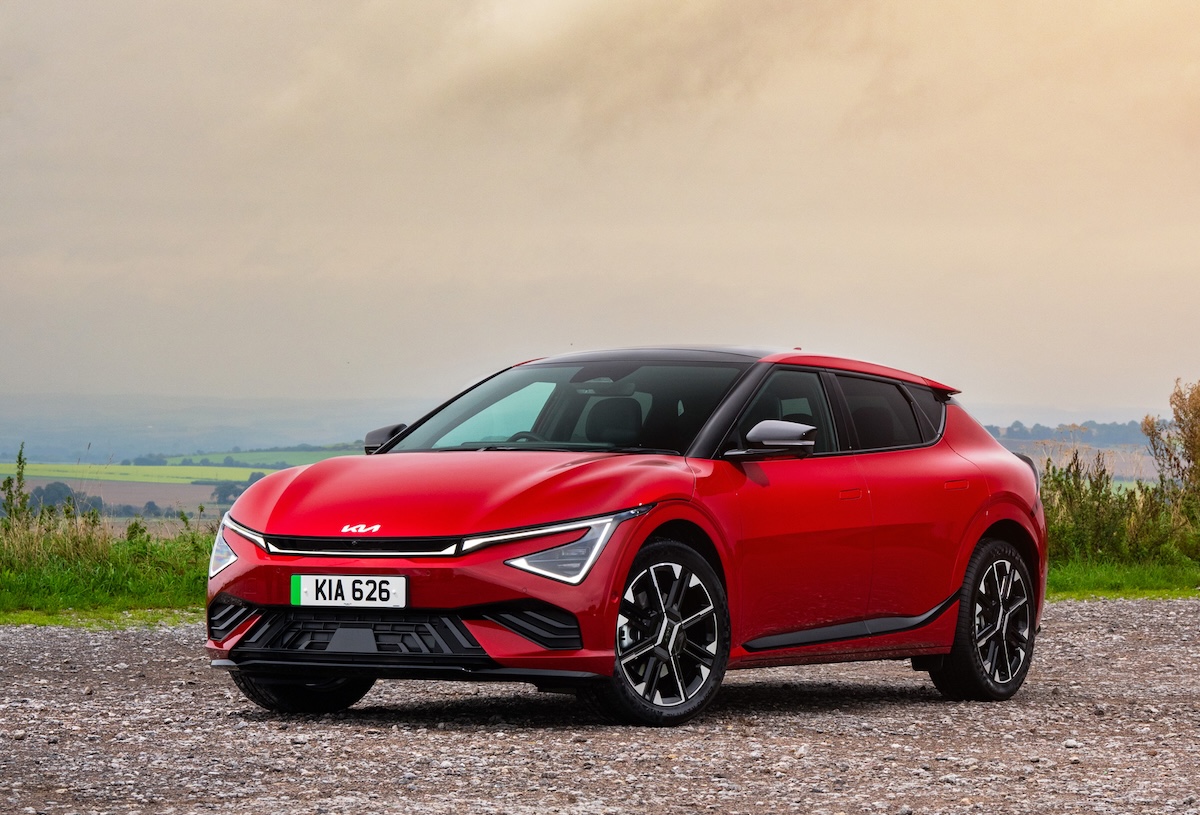
The Ioniq 5 is a masterclass in retro-futuristic design, with a focus on creating a spacious, lounge-like interior. The EV6, on the other hand, wraps the same technology in a sleeker, sportier crossover body that looks like it's driven straight off a motor show stand. Both offer ultra-rapid charging and impressive technology, so which of these electric trailblazers is the right fit for you?
Hyundai Ioniq 5 vs Kia EV6
Practicality
Hyundai Ioniq 5 practicality score: 5/5
Kia EV6 practicality score: 4/5
When it comes to interior space and flexibility, the Hyundai Ioniq 5 has a clear edge. Its 527-litre boot is usefully larger than the EV6's 490 litres, and the cabin feels vast. The party piece is the sliding rear bench seat, which allows you to prioritise either boot space or create limousine-like legroom for passengers. Combined with a completely flat floor, it makes the Ioniq 5 an accommodating car for a family.
The Kia EV6 is by no means cramped, but it feels more compact and driver-focused. Its 490-litre boot is still a good size for family duties, and it claws back some practicality points with a higher 1,600kg towing capacity, compared to the Ioniq 5. The EV6 also features a small storage area under the bonnet, which is handy for stashing charging cables. For pure passenger and luggage space, however, the Ioniq 5 is the winner in this category.
Driving Impressions
Hyundai Ioniq 5 driving score: 4/5
Kia EV6 driving score: 5/5
This is where the two cars reveal their different characters. The Hyundai Ioniq 5 is engineered for comfort, delivering a serene and relaxed driving experience. The ride is soft and does a good job of isolating you from the road, making it a great motorway cruiser. The steering is light and accurate, but it doesn't offer much in the way of feedback, discouraging you from driving it enthusiastically.
The Kia EV6 is the sportier of the two. It feels more agile and composed on a twisty road, with better body control and more responsive steering. While it's not a full-blown sports car in its standard form, it's certainly the more engaging and enjoyable car to drive. The trade-off is a slightly firmer ride than the Ioniq 5, but it remains comfortable enough for daily use. If you prioritise driving fun, the EV6 is the one to have.
Technology and Equipment
Hyundai Ioniq 5 technology and equipment score: 5/5
Kia EV6 technology and equipment score: 5/5
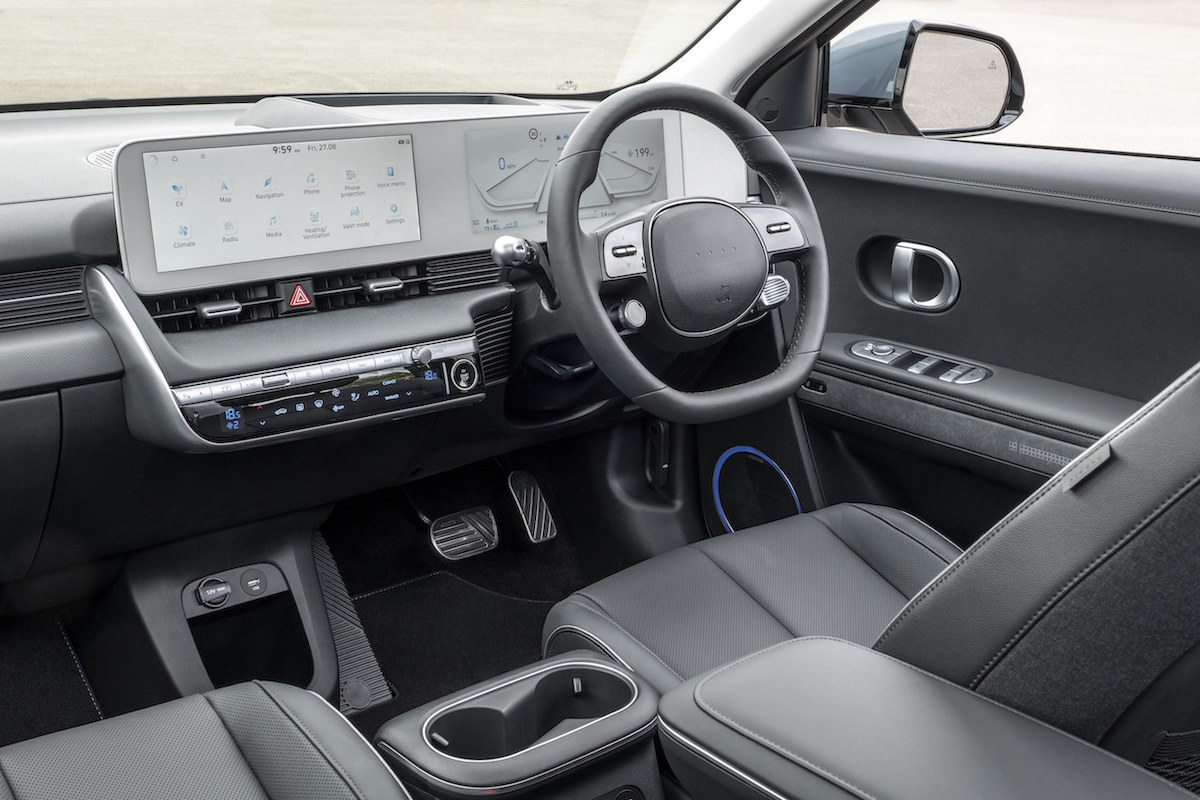
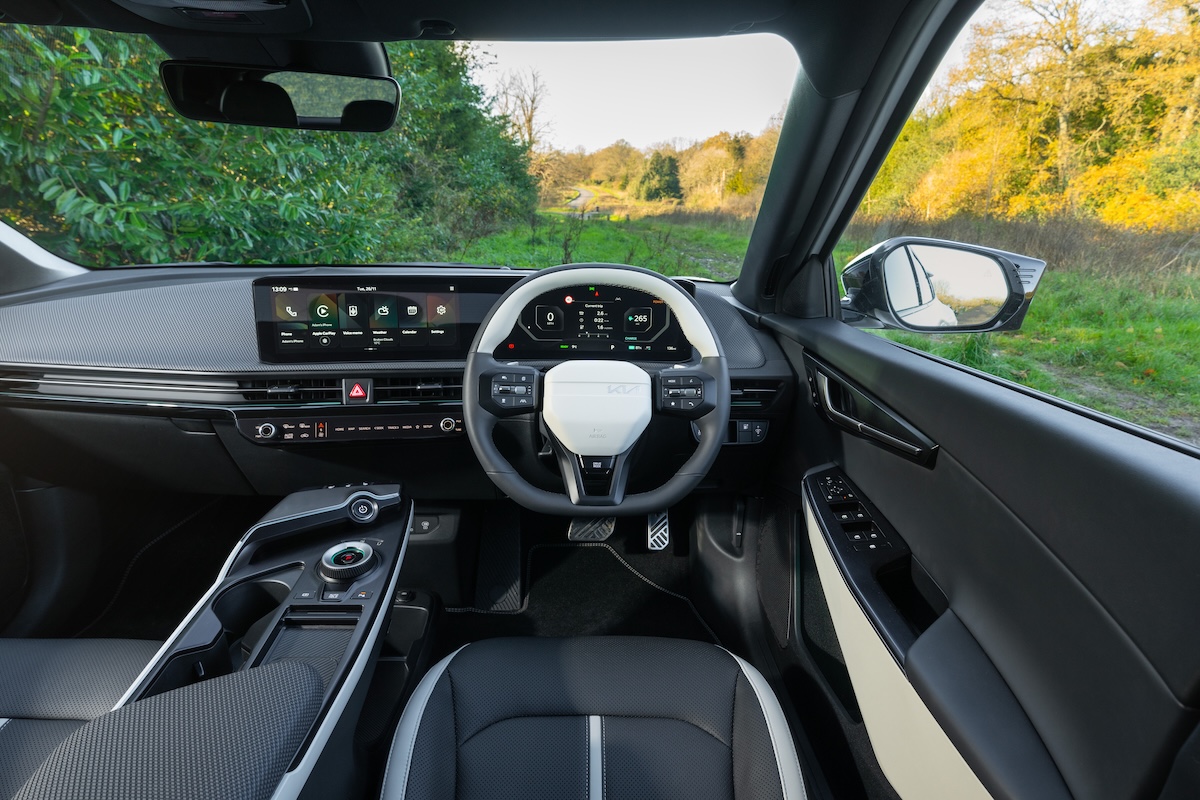
Both cars are packed with technology and come generously equipped right from the entry-level models. Each features a slick dual-screen setup with two 12.3-inch displays for the infotainment and driver's instruments. Apple CarPlay and Android Auto are standard, as is a comprehensive suite of safety and driver assistance systems.
The Ioniq 5's cabin has a minimalist, airy feel, while the EV6's curved screens and wraparound dashboard create a more cockpit-like environment. The Kia also features a clever but occasionally fiddly touch-sensitive panel that switches between media and climate controls. Higher-spec versions of both cars add desirable features like augmented-reality head-up displays, premium sound systems, and advanced driver aids. There's little to separate them here; both feel thoroughly modern and well-appointed.
Running Costs
Hyundai Ioniq 5 running costs score: 5/5
Kia EV6 running costs score: 5/5
As electric cars, both the Ioniq 5 and EV6 offer the potential for low running costs, especially if you can charge at home on an off-peak electricity tariff. Both cars share the same battery technology, including the headline-grabbing 800-volt architecture. This allows for ultra-rapid charging, with a 10-80% top-up taking as little as 18 minutes on a powerful enough public charger.
Post-facelift, both cars are available with similar battery sizes, offering official WLTP ranges of over 300 miles. The EV6 has a slight advantage in maximum range, but in the real world, their efficiency is comparable. The biggest differentiator is the warranty. Hyundai's five-year, unlimited-mileage warranty is good, but it can't match Kia's industry-leading seven-year, 100,000-mile cover. For long-term peace of mind, especially for used car buyers, the Kia's warranty is a significant advantage.
CarGurus Buyer Insights
|
Hyundai Ioniq 5 |
Kia EV6 |
| CarGurus expert rating |
5 out of 5 |
5 out of 5 |
| CarGurus user rating |
5.0 out of 5 |
5.0 out of 5 |
| Percentage of good/great deals available on CarGurus* |
30.6% |
33.8% |
| Overall CarGurus rating |
4.5 out of 5 |
4.5 out of 5 |
The Verdict
Hyundai Ioniq 5 Overall CarGurus rating: 4.5/5
Kia EV6 Overall CarGurus rating: 4.5/5
This is one of the closest contests imaginable. Both the Hyundai Ioniq 5 and Kia EV6 are outstanding electric cars that sit at the top of their class, and both achieve an identical Overall CarGurus Rating of 4.5 out of 5. They share perfect scores from our experts and from CarGurus users, making either one an excellent choice.
With identical Overall CarGurus ratings, this comparison ends in a tie. However, looking at the finer details can help guide your decision. The Kia EV6 currently has a higher percentage of good and great deals available on CarGurus at 33.8%, compared to the Ioniq 5's 30.6%, giving buyers a slightly better chance of finding a well-priced example. The EV6 also benefits from Kia's industry-leading seven-year warranty.
That said, the Hyundai Ioniq 5 remains an equally strong choice. Its combination of striking design, exceptional interior space, and comfortable ride makes it a brilliant family car. If you need maximum practicality and a relaxed driving experience, the Ioniq 5 is hard to beat. Ultimately, both cars deliver on their promises, and your choice may come down to whether you prefer the Ioniq 5's spacious comfort or the EV6's sportier character.
Hyundai Ioniq 5 Pros and Cons
| Pros |
Cons |
| Huge and flexible interior space |
Less engaging to drive than the EV6 |
| Comfortable and quiet ride |
Some interior plastics feel average |
| Striking retro-futuristic design |
Lower towing capacity than the EV6 |
Kia EV6 Pros and Cons
| Pros |
Cons |
| Engaging and sporty driving dynamics |
Boot and rear space not as generous |
| Excellent seven-year warranty |
Fiddly dual-purpose climate controls |
| Sleek and stylish exterior design |
Ride is firmer than the Ioniq 5's |
*The Overall CarGurus rating that informs these recommendations is based on CarGurus' proprietary market data from May 2026, CarGurus expert reviews, and CarGurus user reviews.
Read Our Full Reviews: