
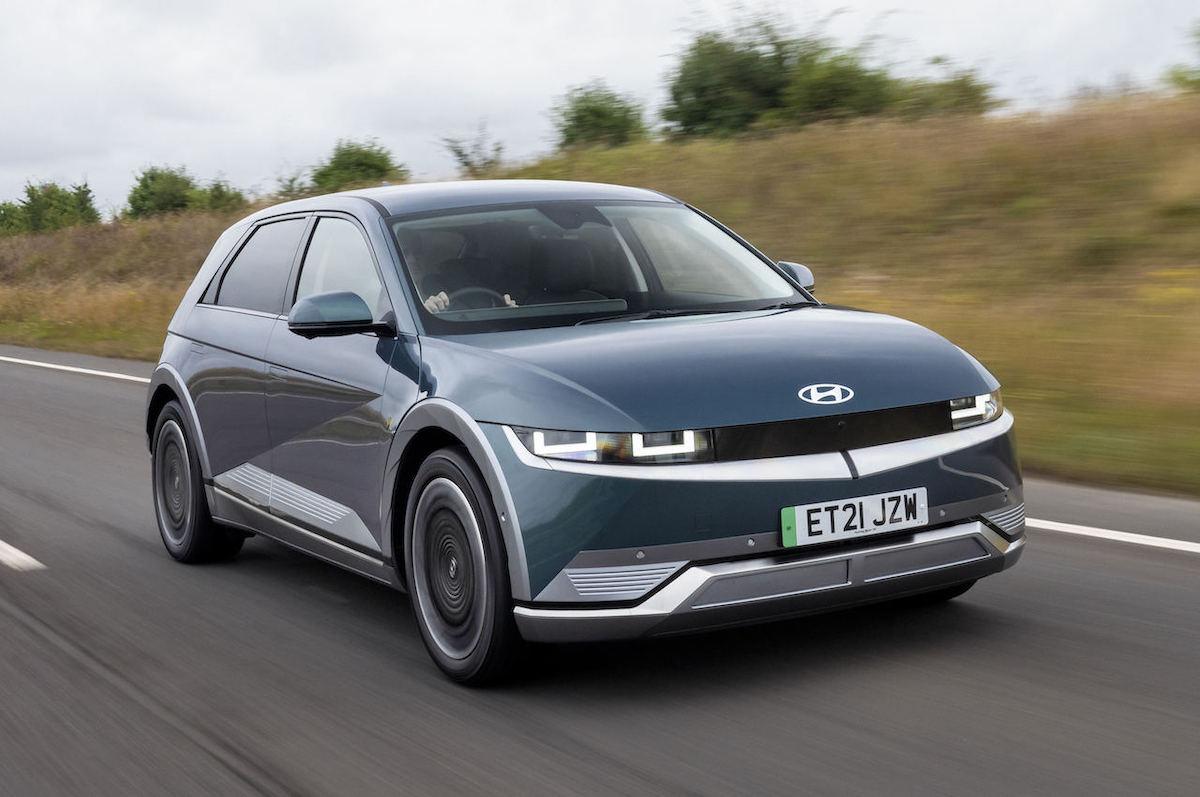
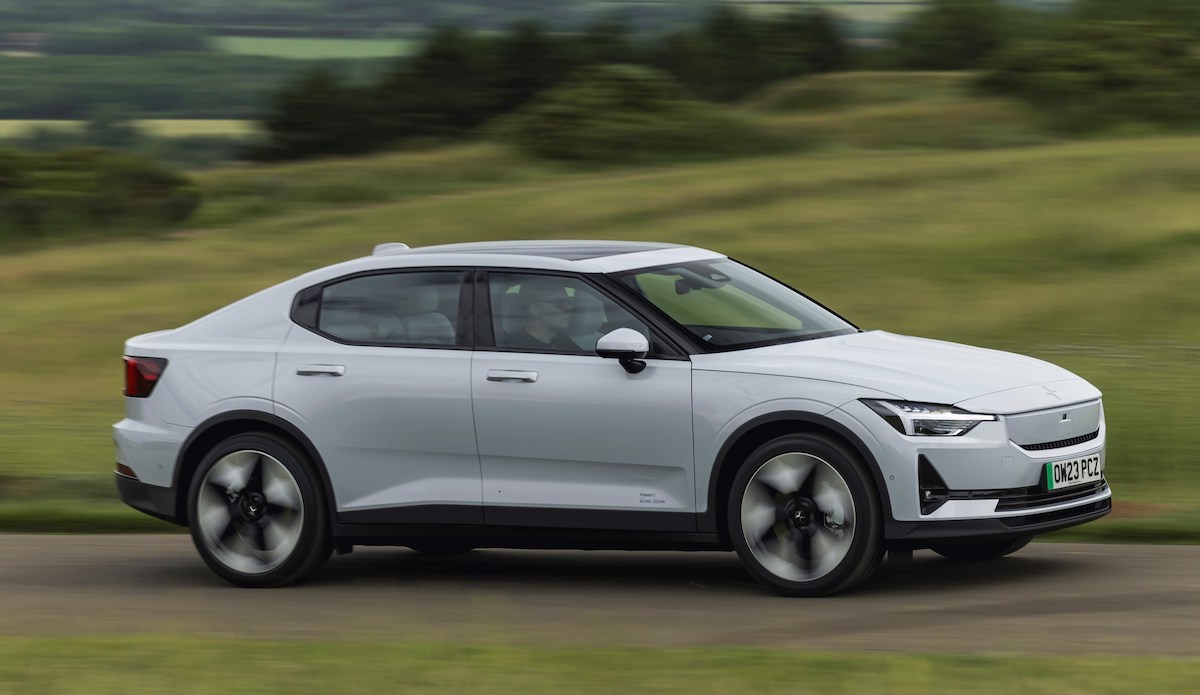
The Hyundai Ioniq 5 and Polestar 2 each represent an unusual alternative to Tesla's dominance in the premium electric vehicle market. The Ioniq 5, launched in 2021 and facelifted in 2024, is a deceptively spacious family SUV disguised as a hatchback, with its 4.7-metre length and striking retro-modern styling. Meanwhile, the Polestar 2, which arrived in 2020 and received significant updates in 2023, is a sophisticated Nordic alternative that emphasises build quality and design integrity over flashy technology.
Both vehicles compete in the £40,000-£55,000 price bracket, targeting buyers who want premium electric performance without the Tesla badge. The Ioniq 5 offers battery options of 63kWh or 84kWh with ranges up to 320 miles, whilst the Polestar 2 provides 69kWh or 82kWh batteries delivering up to 406 miles of range. Each takes a distinctly different approach to the executive EV market, with the Ioniq 5 prioritising space and family practicality, and the Polestar 2 focusing on sophisticated design and driving dynamics.
Hyundai Ioniq 5 vs Polestar 2
Practicality
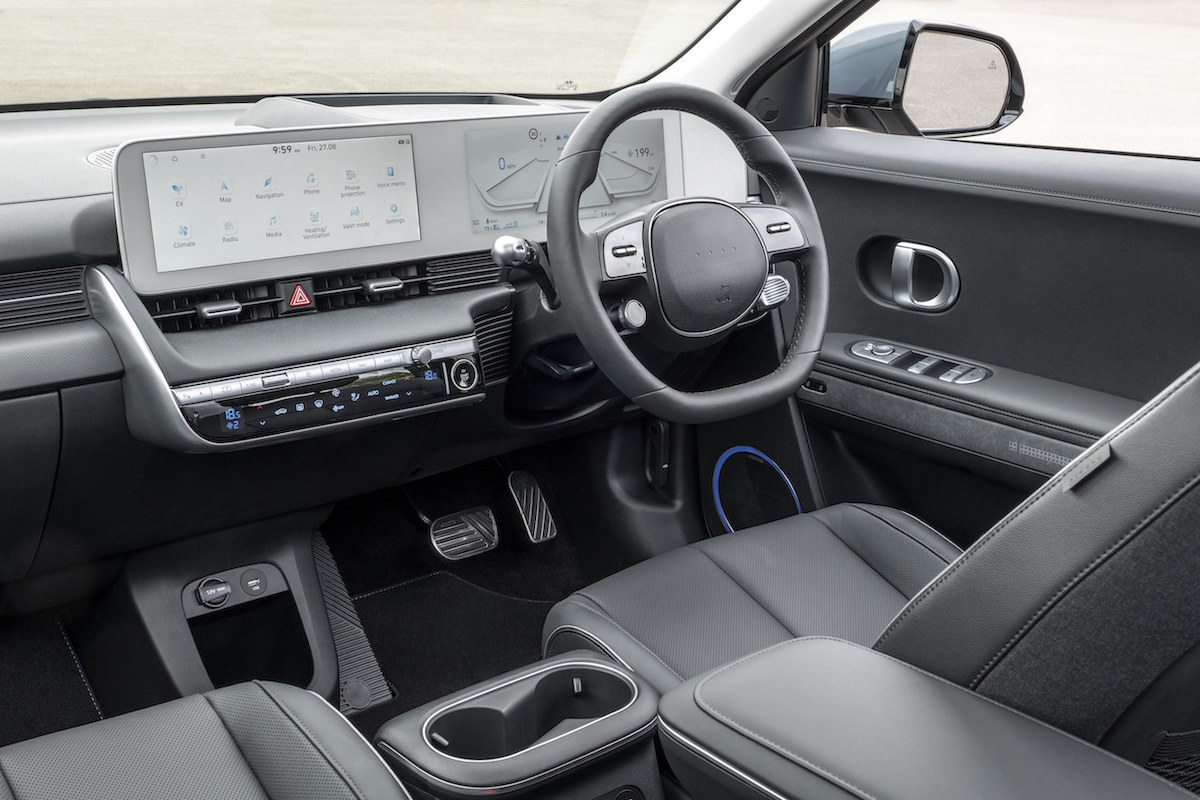
The Hyundai Ioniq 5 takes a commanding lead in terms of interior space and family practicality. Its remarkably spacious cabin benefits from a flat floor and generous dimensions, offering genuinely limousine-like legroom for rear passengers. The rear seats slide forwards and backwards and feature reclining backs for enhanced comfort, whilst the flat floor means a third passenger in the middle seat won't be overly compromised. The front seats can be optionally equipped with premium relaxation function, allowing them to fully recline with leg rests for comfortable charging stops. Twin 12.0-inch screens dominate the minimalist dashboard, though some materials feel slightly cheap compared to premium rivals.
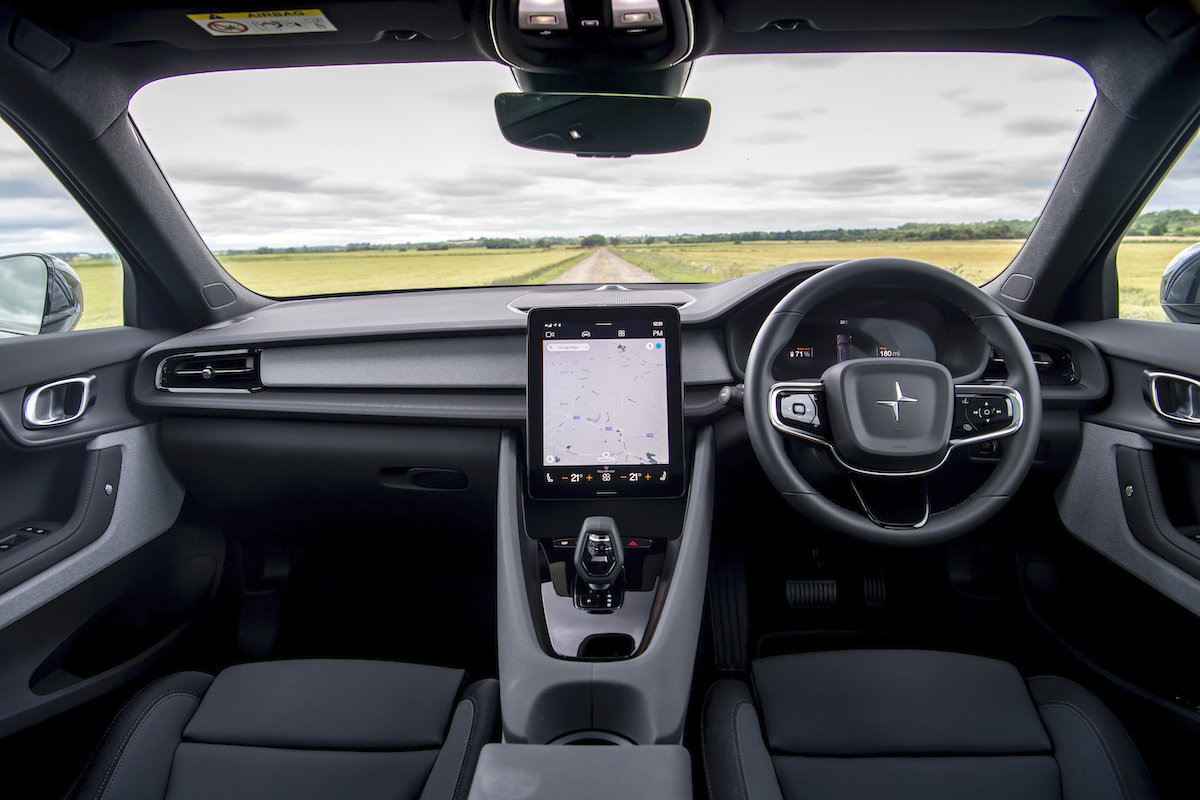
The Polestar 2, whilst undeniably practical for a sleek fastback, operates in a different league when it comes to space. Rear passengers get decent head- and legroom, but the rising window line can feel somewhat claustrophobic, and though three adults can squeeze in, it's not an experience they'd particularly enjoy on longer journeys. The cabin quality, however, significantly exceeds the Ioniq 5's, with exceptional fit and finish throughout. Woven vegan fabrics cover most surfaces, and the minimalist dashboard design feels more sophisticated and premium than the Hyundai's offering.
Boot space clearly favours the Ioniq 5, with its substantial 527-litre capacity dwarfing the Polestar 2's 405-litre boot. The Hyundai's boot is more akin to what you'd expect from a large family SUV, though it's slightly shallower than the capacity figure might suggest. The Polestar 2 compensates somewhat with its large hatchback opening and additional 41 litres of underfloor storage, plus folding the rear seats liberates 1,095 litres.
Both cars offer front storage compartments, with the Polestar's 35-litre frunk slightly smaller than the Ioniq 5's bonnet storage area. For families prioritising maximum space and practicality, the Ioniq 5 has a clear advantage, whilst the Polestar 2 offers adequate space wrapped in superior build quality.
Driving Impressions
The Hyundai Ioniq 5 delivers a serene, comfortable driving experience that prioritises relaxation over engagement. The steering is light and consistent through corners but rather numb, never encouraging spirited driving on twisty roads. Ride comfort is generally decent, feeling very settled on motorways, though it can feel slightly lumpy over rough urban surfaces and exhibits some body float over high-speed undulations on country roads. Performance is more than adequate, with the rear-wheel-drive models achieving 0-62mph in 7.5-8.5 seconds depending on battery size, whilst the all-wheel-drive N Line variant delivers 320bhp and a 0-62mph time that's considerably quicker.
The Polestar 2 offers a more dynamic driving experience with sharper handling responses and crisper steering. The flagship 469bhp twin-motor model feels tremendously fast, achieving 0-62mph in just 4.2 seconds, whilst even the entry-level 268bhp single-motor version manages the sprint in 6.4 seconds. The Swedish car combines this performance with unusually sharp handling for the executive EV segment, though it doesn't quite achieve genuine excitement on flowing B-roads. What impresses most is how the Polestar 2 combines this poised handling with a supple ride quality that's superior to the Ioniq 5's, showing only slight firmness at low speeds before settling into excellent bump absorption.
Both cars offer sophisticated regenerative braking systems, but the Ioniq 5's setup is particularly intuitive. Its i-Pedal one-pedal driving mode uses adaptive technology to react to traffic ahead, and the steering wheel paddles allow easy toggling between different regeneration levels. The Polestar 2's system is equally effective but slightly less flexible in its operation. For those seeking a more engaging driving experience with superior ride quality, the Polestar 2 just about has the edge, whilst the Ioniq 5 better suits drivers who prioritise comfort and serenity over dynamic involvement.
Technology and Equipment
The Hyundai Ioniq 5 comes generously equipped even in entry-level Advance trim, including adaptive cruise control with semi-autonomous driving capability, autonomous emergency braking, and a comprehensive suite of safety features. The infotainment system features over-the-air updates, Bluetooth connectivity, Android Auto, and wireless Apple CarPlay across the range. Wireless phone charging is standard, and the twin 12.0-inch screens offer funky graphics reminiscent of 1990s screensavers. Standard equipment also includes keyless entry, heated seats, rear parking camera, and driver's electric lumbar adjustment. The Premium trim adds adaptive LED headlights, part-leatherette upholstery, and a powered tailgate, whilst the top-spec N Line focuses on style upgrades and the four-wheel-drive option.
The Polestar 2 takes a different approach, offering essentially a single trim level with optional upgrade packs. The standard specification is comprehensive, including dual-zone climate control, LED headlamps, electrically powered and heated seats, and front and rear parking sensors with a reversing camera. The Pilot Pack adds adaptive matrix LED headlamps and a surround-view parking camera, whilst the Plus Pack includes a heat pump, panoramic glass roof, and Harman Kardon sound system. The Performance Pack brings larger brakes, bigger wheels, and manually adjustable Ohlins dampers.
Where the Polestar 2 truly excels is in its infotainment system, being the first production car to feature Android's automotive operating system. The 11.1-inch touchscreen integrates Google Maps, Gmail synchronisation, and Google Assistant voice commands, creating one of the most intuitive systems available. The voice command functionality is particularly impressive, allowing natural conversation with the car.
Overall, the Polestar 2 has a slight edge in technology sophistication, whilst the Ioniq 5 offers more traditional equipment variety across its trim levels.
Running Costs
The Hyundai Ioniq 5 offers competitive running costs within the premium EV segment, though PCP monthly payments could be more attractive compared to some rivals like the Skoda Enyaq iV and Tesla Model Y. Home charging costs approximately £13 for the 63kWh battery or £17 for the 84kWh version, though these figures can halve with cheap off-peak tariffs, potentially delivering mileage costs as low as 3p per mile. Real-world efficiency of around 3.3 miles/kWh translates to practical ranges of 200-270 miles depending on battery size. The high-performance Ioniq 5 N, whilst costing around £64,000, offers remarkable value compared to petrol cars with equivalent performance, though insurance, tyre replacement, and servicing costs will be higher.
The Polestar 2 presents similar running cost advantages over petrol and diesel alternatives, with home charging costs around £30 for a full charge of the Long Range model at average electricity rates. This can be more than halved with off-peak tariffs, making it very economical for drivers with home charging facilities. Public rapid charging costs significantly more, though the Polestar 2's impressive range of up to 406 miles means most drivers won't need to rely on public infrastructure regularly.
Polestar's direct-to-consumer sales model, avoiding traditional dealership networks, theoretically keeps prices lower by eliminating dealer margin costs. The brand also offers innovative subscription services that bundle the car cost with servicing and maintenance into a single monthly payment, appealing to drivers who prefer predictable expenses. Both cars offer substantial savings over equivalent petrol or diesel vehicles, with the Ioniq 5 providing slightly lower entry costs and the Polestar 2 offering more sophisticated financing options. The running cost comparison largely depends on individual usage patterns and charging habits, with both proving economical for their respective market positions.
Verdict
The Ioniq 5 excels as a practical family vehicle, offering exceptional interior space, a useful 527-litre boot, and genuine five-seat comfort that rivals much larger SUVs. Its serene driving experience, intuitive regenerative braking system, and comprehensive standard equipment make it an outstanding choice for families seeking maximum practicality in an electric package. The 2024 facelift improved efficiency and range, with the 84kWh battery delivering up to 320 miles of WLTP range, making it one of the most accomplished family EVs available.
The Polestar 2 appeals to different sensibilities, prioritising sophisticated design, superior build quality, and more engaging driving dynamics over outright practicality. Its exceptional cabin materials, advanced Android-based infotainment system, and sharper handling make it the more premium-feeling choice, whilst the impressive range of up to 406 miles addresses any range anxiety concerns. The Polestar 2's 405-litre boot and adequate rear-seat space suit most families, though it can't match the Ioniq 5's sheer spaciousness. For buyers seeking a more sophisticated alternative to Tesla that emphasises quality and design integrity, the Polestar 2 represents an excellent choice, even if it's not quite as practical as the Ioniq 5.