
If you’re looking to switch to an electric car, two models have consistently dominated the conversation: the Hyundai Ioniq 5 and the Tesla Model 3. Both have scooped up countless awards and won over buyers with their blend of long-range capability, cutting-edge tech, and desirable styling.
The Ioniq 5 brings a dose of retro-futuristic cool, with a design that turns heads and an interior that feels more like a spacious lounge than a car. The Model 3, on the other hand, is the poster child for automotive minimalism, packing its tech into one giant screen and offering a driving experience that can embarrass sports cars. They represent two different visions of our electric future, so which one is the right EV for you?
Hyundai Ioniq 5 vs Tesla Model 3
- Practicality
- Driving Impressions
- Technology and Equipment
- Running Costs
- CarGurus Buyer Insights
- Verdict
Practicality
Hyundai Ioniq 5 practicality score: 5/5
Tesla Model 3 practicality score: 3/5
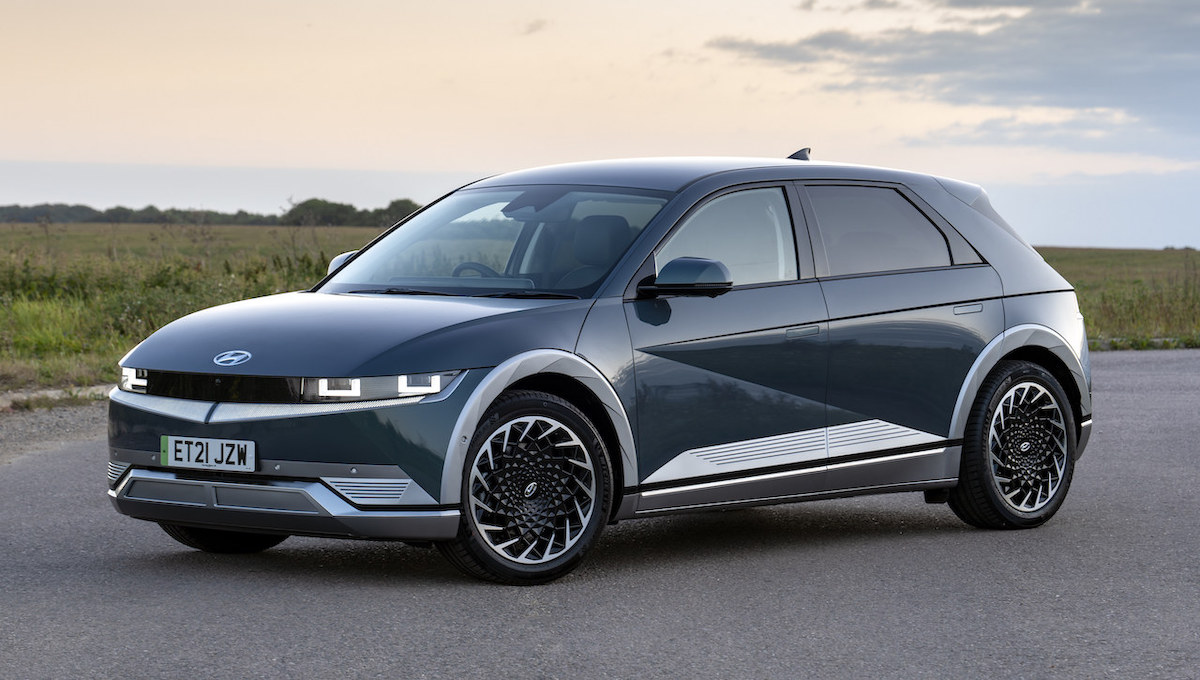
This is where the Hyundai plays its trump card. Thanks to a long wheelbase and a completely flat floor, the Ioniq 5’s interior space is vast. It feels like a car from the class above, with huge amounts of legroom for rear passengers. The boot is a generous 527 litres, and its wide hatchback opening makes loading bulky items a breeze. Add in clever touches like a sliding centre console and you have a car that excels at family life.
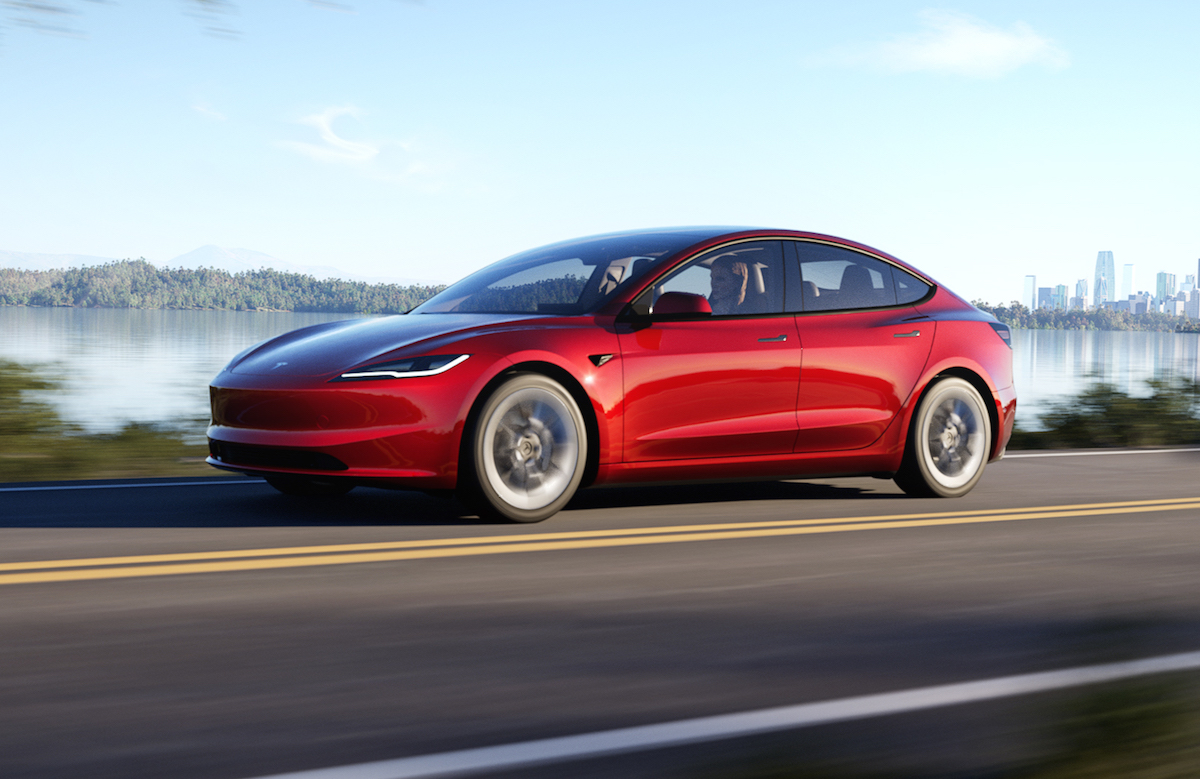
The Tesla Model 3 isn't impractical, but it can't match the Hyundai. As a saloon, its boot opening is much smaller, which can be a pain when trying to load awkward items, even though the total boot space (including a useful 'frunk', or front boot) is large. Rear passenger space is adequate, but it feels noticeably tighter than the airy cabin of the Ioniq 5. For outright space and versatility, the Hyundai is the clear winner.
Driving Impressions
Hyundai Ioniq 5 driving score: 4/5
Tesla Model 3 driving score: 4/5
The Ioniq 5 is engineered for comfort. It’s quiet, smooth, and does a good job of isolating you from road noise and bumps in the tarmac. It’s a relaxing car to drive, whether you’re on the school run or tackling a long motorway journey. It’s not the most engaging car on a twisty road, with steering that feels a little light, but it’s always composed and predictable. Performance is brisk, especially in all-wheel-drive models.
If you want your EV to feel sporty, the Model 3 is the one to have. It feels agile and responsive, with quick steering and a chassis that encourages you to have fun. The ride is firmer than the Hyundai's, but it's well-controlled, and the performance is stunning, with even the entry-level model feeling rapid. It drives less like a family EV and more like a compact executive sports saloon, which will be a huge part of its appeal for many.
Technology and Equipment
Hyundai Ioniq 5 technology and equipment score: 5/5
Tesla Model 3 technology and equipment score: 5/5
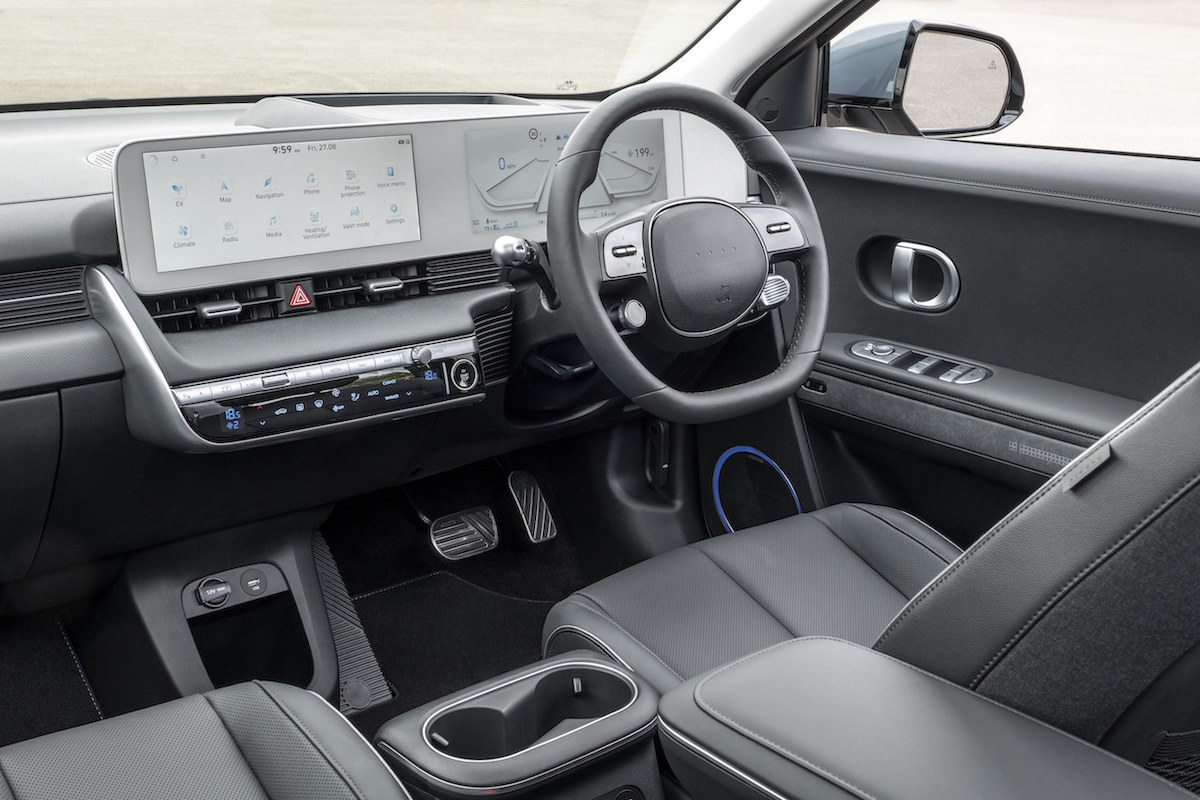
Both cars are packed with technology, but they deliver it in completely different ways. The Ioniq 5 uses a more traditional layout, with two 12.3-inch screens sitting side-by-side for the driver’s display and infotainment. The system is easy to use, has crisp graphics, and includes Apple CarPlay and Android Auto. It also retains some physical shortcut buttons, which are useful on the move.
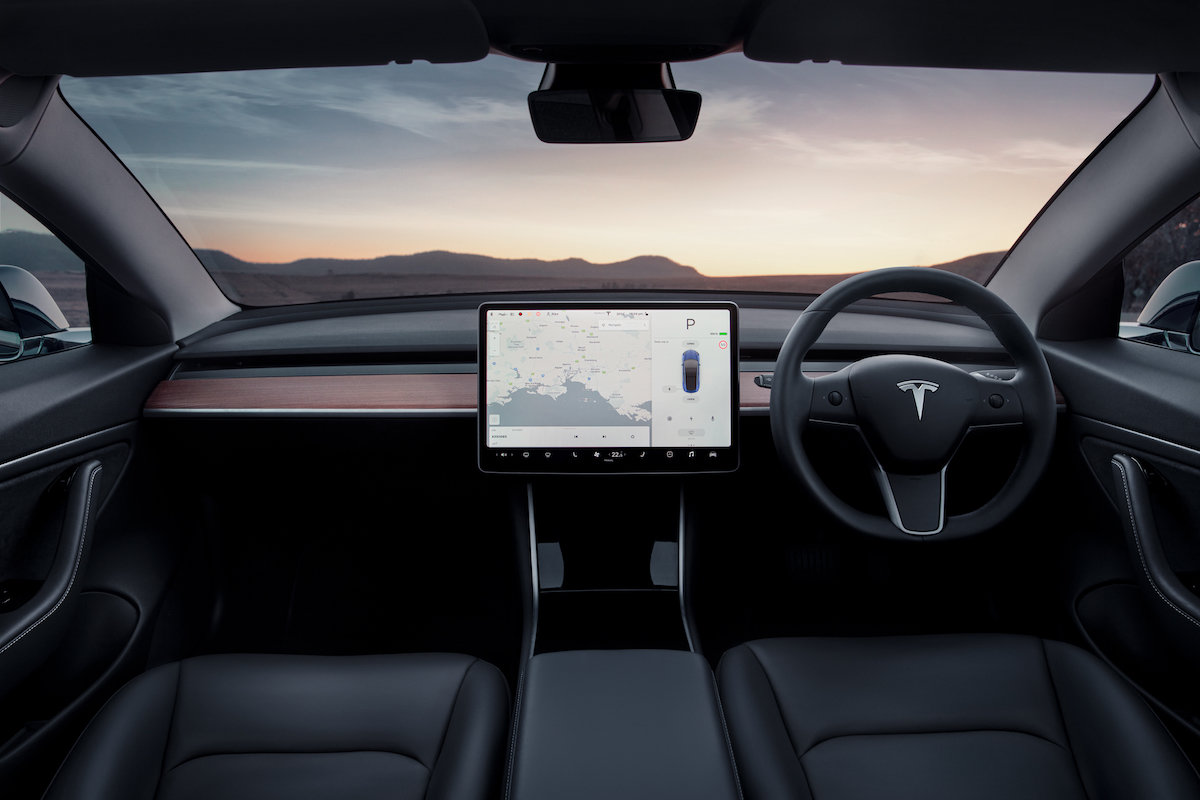
The Model 3 goes for a radical, minimalist approach. Almost every single function is controlled via a huge 15-inch central touchscreen. It’s a slick and responsive system with great navigation and fun features like built-in games and a web browser, but the lack of physical buttons for simple tasks isn't for everyone. It also notably lacks Apple CarPlay and Android Auto, forcing you to use Tesla’s own software. Both are tech showcases, but the Ioniq 5 is arguably the more user-friendly of the two.
Running Costs
Hyundai Ioniq 5 running costs score: 5/5
Tesla Model 3 running costs score: 5/5
As pure electric cars, both the Ioniq 5 and Model 3 offer the potential for low running costs. Charging at home is significantly cheaper than filling a car with petrol or diesel, and both are exempt from road tax and the London Congestion Charge. They are also highly attractive to company car drivers thanks to low Benefit-in-Kind (BIK) tax rates.
When it comes to charging on the go, the Ioniq 5’s 800-volt electrical system allows for incredibly fast charging speeds if you can find a powerful enough charger. However, the Model 3 has a huge advantage in its access to Tesla’s dedicated Supercharger network, which is known for its reliability, coverage and ease of use. For peace of mind, Hyundai’s five-year, unlimited-mileage warranty is better than Tesla’s four-year, 50,000-mile cover, although both cars get a separate eight-year battery warranty.
CarGurus Buyer Insights
| Hyundai Ioniq 5 | Tesla Model 3 | |
|---|---|---|
| CarGurus expert rating | 5 out of 5 | 5 out of 5 |
| CarGurus user rating | 5.0 out of 5 | 4.2 out of 5 |
| Percentage of good/great deals available on CarGurus* | 31.7% | 35.5% |
| Overall CarGurus rating | 4.5 out of 5 | 4.5 out of 5 |
The Verdict
Hyundai Ioniq 5 Overall CarGurus rating: 4.5/5
Tesla Model 3 Overall CarGurus rating: 4.5/5
This is an incredibly close contest between two of the best electric cars you can buy, and that’s reflected in their identical Overall CarGurus ratings. Both cars score a superb 4.5 out of 5, making it impossible to declare an outright winner on points alone.
The choice, therefore, comes down to your personal priorities. If you value a sporty driving experience, minimalist design, and the convenience of the Tesla Supercharger network, the Model 3 is a brilliant choice.
However, for many buyers, particularly those with families, the Hyundai Ioniq 5’s strengths are difficult to ignore. It is significantly more practical and spacious, its ride is more comfortable, and its interior is more user-friendly. Crucially, its perfect 5.0 user rating on CarGurus points to exceptional owner satisfaction. For these reasons, the Hyundai Ioniq 5 takes the narrowest of wins in this head-to-head.
Hyundai Ioniq 5 Pros and Cons
| Pros | Cons |
|---|---|
| Huge, practical and high-quality interior | Not as sporty to drive as a Model 3 |
| Comfortable and refined ride quality | Public charging network less reliable than Tesla's |
| Ultra-fast charging capability | Styling might not be to everyone's taste |
Tesla Model 3 Pros and Cons
| Pros | Cons |
|---|---|
| Engaging handling and rapid performance | Saloon boot opening is less practical |
| Access to the Supercharger network | Firm ride isn't as comfortable as the Ioniq 5's |
| Minimalist, high-tech interior | No Apple CarPlay or Android Auto |
*The Overall CarGurus rating: that informs these recommendations is based on CarGurus' proprietary market data from January 2026, CarGurus expert reviews, and CarGurus user reviews.