
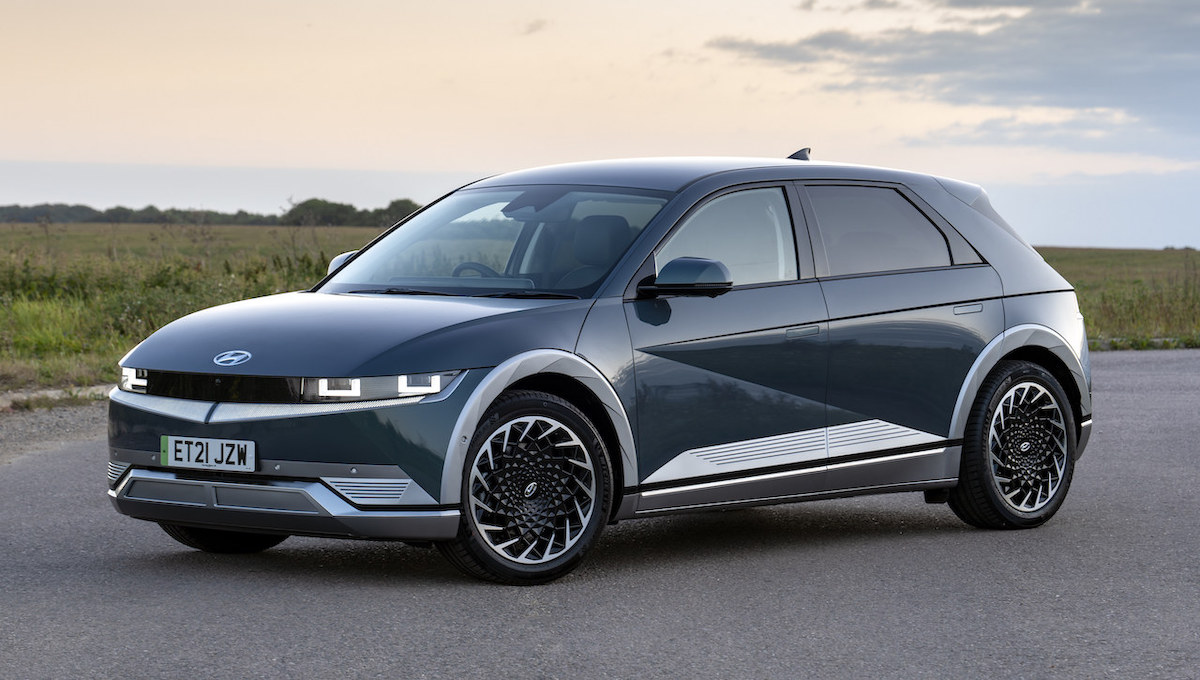
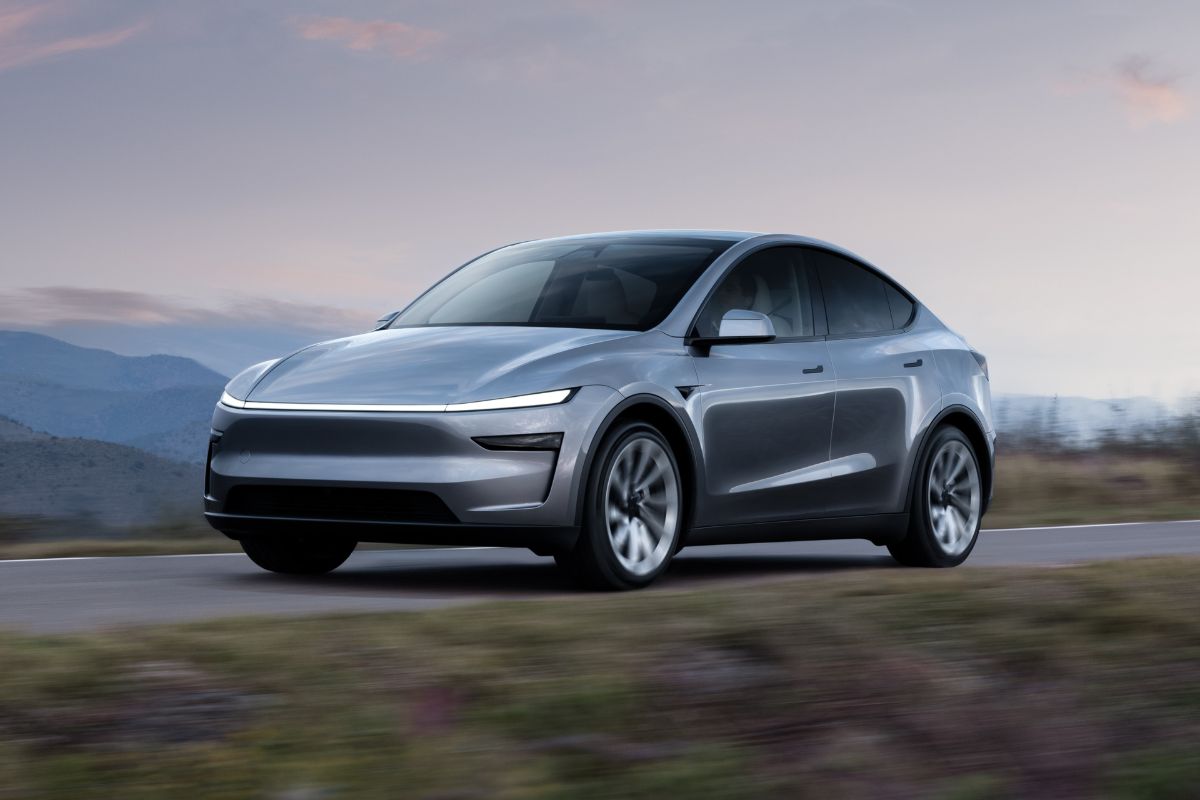
If you're looking to switch to an electric family car, two models stand out from the crowd: the Hyundai Ioniq 5 and the Tesla Model Y. Both offer futuristic technology, zero-emissions driving, and enough space for the whole family, but they go about it in very different ways.
The Ioniq 5 is a bold piece of design, with retro-futuristic looks that hide a hugely spacious and comfortable interior. The Model Y, from the world's best-known EV brand, focuses on minimalist design, blistering performance, and access to its famed Supercharger network. So, which of these electric pioneers is the better choice for you?
Hyundai Ioniq 5 vs Tesla Model Y
- Practicality
- Driving Impressions
- Technology and Equipment
- Running Costs
- CarGurus Buyer Insights
- Verdict
Practicality
Hyundai Ioniq 5 practicality score: 5/5
Tesla Model Y practicality score: 4/5
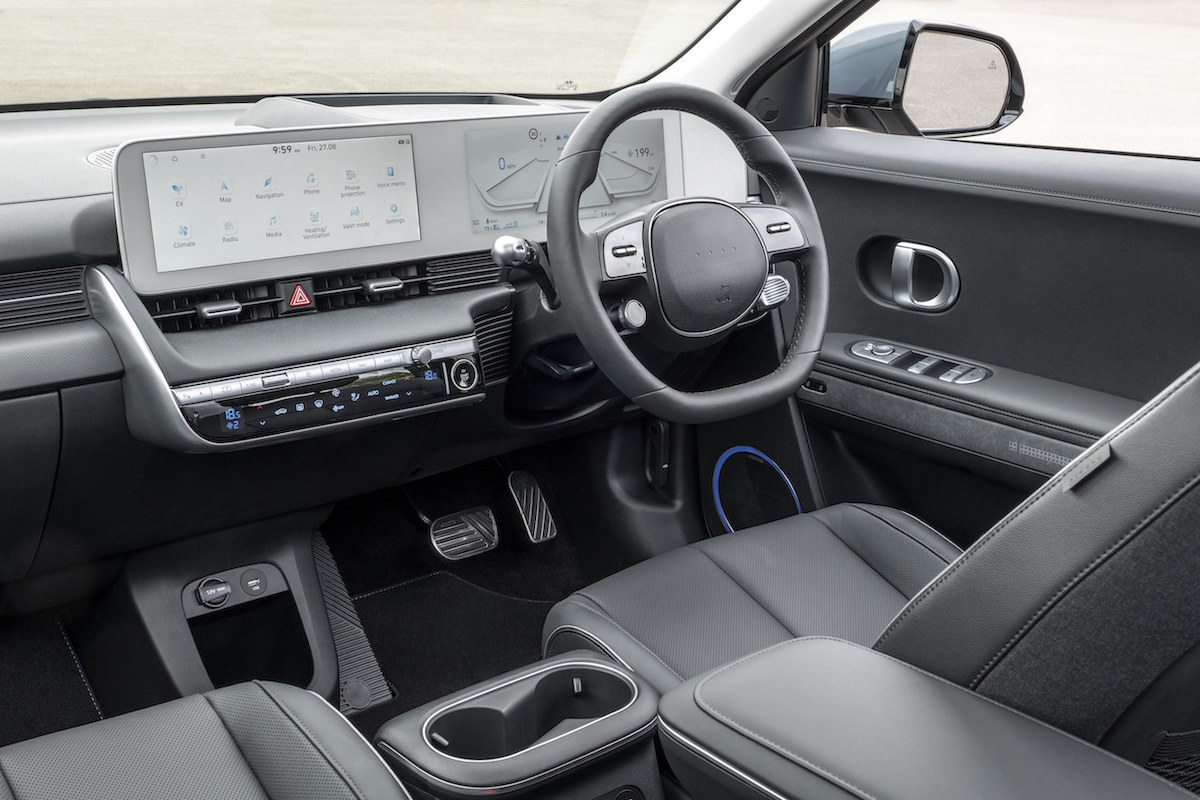
The Hyundai Ioniq 5 is a masterclass in packaging. Thanks to its long wheelbase and completely flat floor, the interior feels vast and airy, more like a lounge than a car. Rear-seat passengers get acres of legroom, and clever features like the sliding centre console add to the sense of space and versatility. The boot is a decent 527 litres, which is plenty for most family duties.
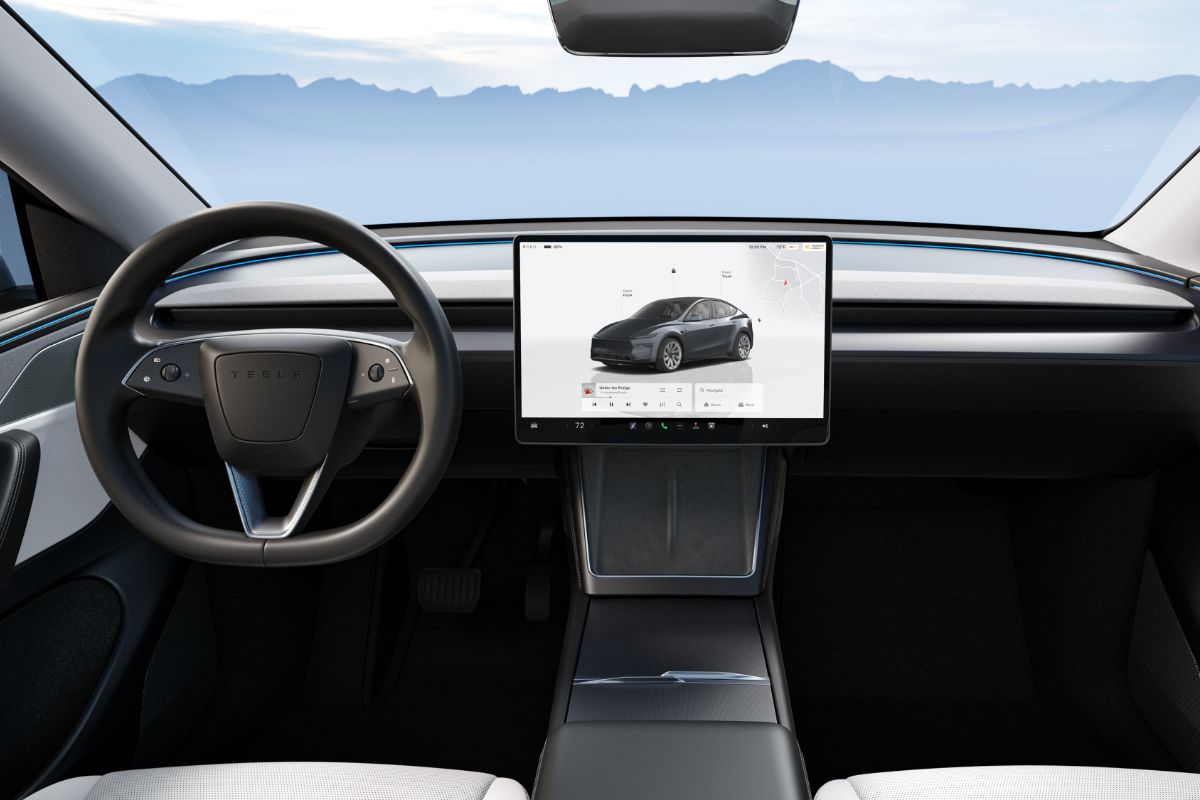
The Tesla Model Y fights back with sheer volume. Its traditional hatchback boot is a huge 854 litres, and that's before you account for the deep underfloor storage and the useful 'frunk' (front trunk). It's one of the most capacious cars in its class. However, it loses a point to the Hyundai because its passenger cabin, while roomy, doesn't feel as open or flexible. For pure passenger comfort and clever use of space, the Ioniq 5 has the edge.
Driving Impressions
Hyundai Ioniq 5 driving score: 4/5
Tesla Model Y driving score: 4/5
These two cars offer distinctly different driving experiences. The Hyundai Ioniq 5 prioritises comfort. Its soft suspension does a good job of soaking up bumps, and it's a quiet and relaxing car to drive, especially on the motorway. It's not a sports car, but it handles neatly and the performance is more than adequate for a family SUV.
The Tesla Model Y is the athlete of the pair. Even the entry-level model is quick, and the Long Range and Performance versions offer supercar-worrying acceleration. The steering is sharp and direct, making it feel more agile than the Hyundai on a twisty road. The trade-off for this sportiness is a much firmer ride, which can feel unsettled on broken UK road surfaces. Neither is better than the other; it simply comes down to whether you prefer comfort or performance.
Technology and Equipment
Hyundai Ioniq 5 technology and equipment score: 5/5
Tesla Model Y technology and equipment score: 4/5
Hyundai has packed the Ioniq 5 with technology. The twin 12.3-inch screens for the driver's display and infotainment look great and work well, with logical menus and the welcome inclusion of physical shortcut buttons. Apple CarPlay and Android Auto are standard, and high-spec models feature clever tech like the Vehicle-to-Load (V2L) system, which lets you power external devices from the car's battery.
Tesla's approach is radically minimalist. Almost every function is controlled via the vast 15-inch central touchscreen. It's a slick and responsive system, but having to use the screen for simple tasks like adjusting the wipers or opening the glovebox can be distracting. The lack of a traditional driver's display or Apple CarPlay/Android Auto is also a notable omission. While impressive, the Tesla's tech isn't as user-friendly as the Hyundai's, giving the Ioniq 5 the win here.
Running Costs
Hyundai Ioniq 5 running costs score: 5/5
Tesla Model Y running costs score: 5/5
As pure electric cars, both the Ioniq 5 and Model Y offer low day-to-day running costs. Charging at home is significantly cheaper than filling up with petrol or diesel, and both cars are exempt from road tax and are eligible for low Benefit-in-Kind (BIK) rates for company car drivers.
The Ioniq 5 boasts an advanced 800-volt electrical system, allowing for some of the fastest charging speeds of any EV, getting you from 10-80% in as little as 18 minutes on a powerful enough charger. The Model Y's trump card is access to Tesla's Supercharger network. It's the most reliable and widespread fast-charging network in the UK, which provides great peace of mind for drivers who frequently cover long distances. Both cars offer compelling running cost advantages.
CarGurus Buyer Insights
| Hyundai Ioniq 5 | Tesla Model Y | |
|---|---|---|
| CarGurus expert rating | 5 out of 5 | 4 out of 5 |
| CarGurus user rating | 5.0 out of 5 | 4.3 out of 5 |
| Percentage of good/great deals available on CarGurus* | 31.7% | 33.9% |
| Overall CarGurus rating | 4.5 out of 5 | 4.4 out of 5 |
The Verdict
Hyundai Ioniq 5 Overall CarGurus rating: 4.5/5
Tesla Model Y Overall CarGurus rating: 4.4/5
This is an incredibly close contest between two of the best electric family cars on sale. The Tesla Model Y makes a strong case for itself with its huge boot, thrilling performance, and the unbeatable convenience of the Supercharger network. For many buyers, those factors alone will make it the right choice.
However, in this comparison, the Hyundai Ioniq 5 takes a narrow victory. It wins because it’s a more comfortable and relaxing car to live with day-to-day. Its interior is more spacious and versatile for passengers, its technology is more user-friendly, and its ride quality is better suited to UK roads. Our CarGurus Buyer Insights back this up, with the Ioniq 5 scoring higher with both our experts and our users. It’s a brilliant all-rounder that wraps its family-friendly credentials in a uniquely stylish package, making it our winner.
Hyundai Ioniq 5 Pros and Cons
| Pros | Cons |
|---|---|
| Striking retro design | Not as fast as a Model Y |
| Supremely comfortable ride | Boot could be bigger for the car's size |
| Spacious and versatile interior | Some rivals have longer range |
Tesla Model Y Pros and Cons
| Pros | Cons |
|---|---|
| Access to Supercharger network | Firm ride quality |
| Huge overall luggage space | Minimalist interior isn't for everyone |
| Rapid acceleration | No Apple CarPlay or Android Auto |
*The Overall CarGurus rating: that informs these recommendations is based on CarGurus' proprietary market data from January 2026, CarGurus expert reviews, and CarGurus user reviews.