
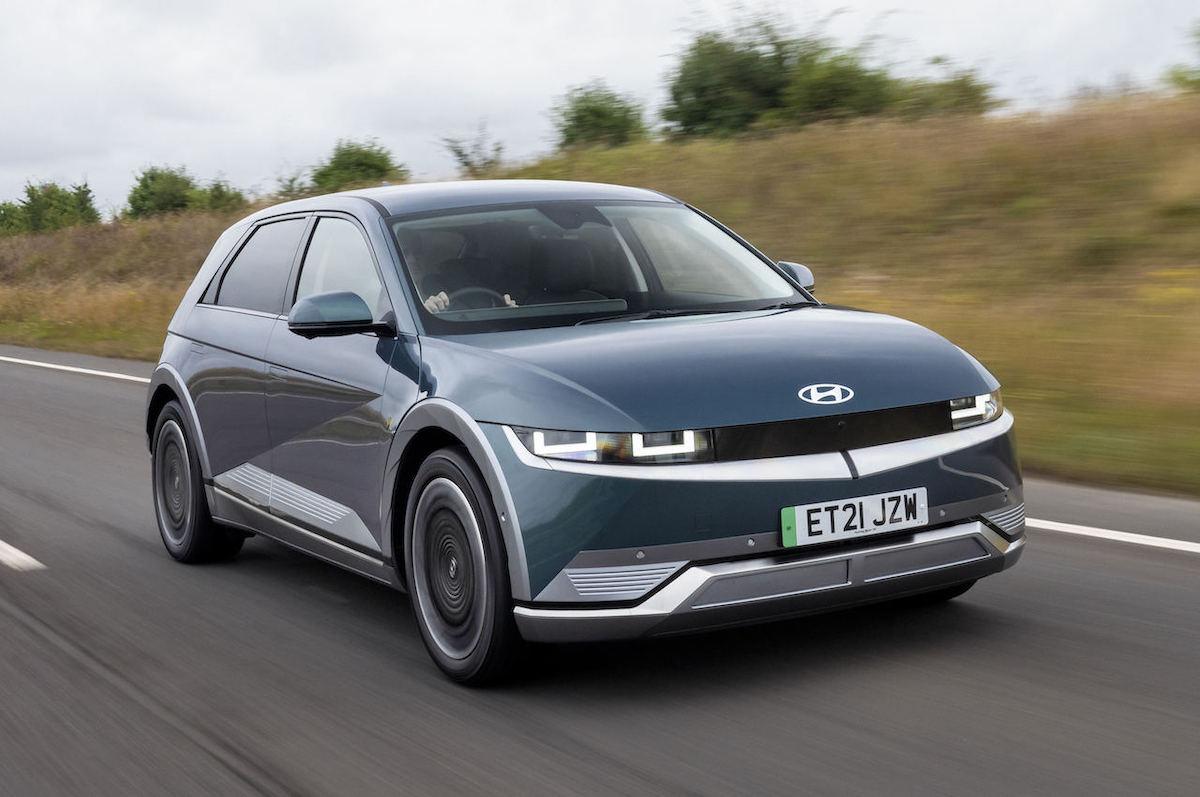
If you’re looking to make the switch to an electric family car, the Hyundai Ioniq 5 and Volkswagen ID.5 are two of the most stylish options out there. Both offer a practical SUV body, a long electric range, and a cabin packed with technology, but they go about their business in very different ways.
The Ioniq 5 grabs your attention with its sharp, retro-futuristic design, which hides a surprisingly spacious and versatile interior. The ID.5, on the other hand, is a sleeker, coupe-like version of the more conventional ID.4 SUV, aiming to blend style with practicality. So, which of these eye-catching EVs is the better choice for you?
Hyundai Ioniq 5 vs Volkswagen ID.5
- Practicality
- Driving Impressions
- Technology and Equipment
- Running Costs
- CarGurus Buyer Insights
- Verdict

Practicality
Hyundai Ioniq 5 practicality score: 5/5
Volkswagen ID.5 practicality score: 4/5
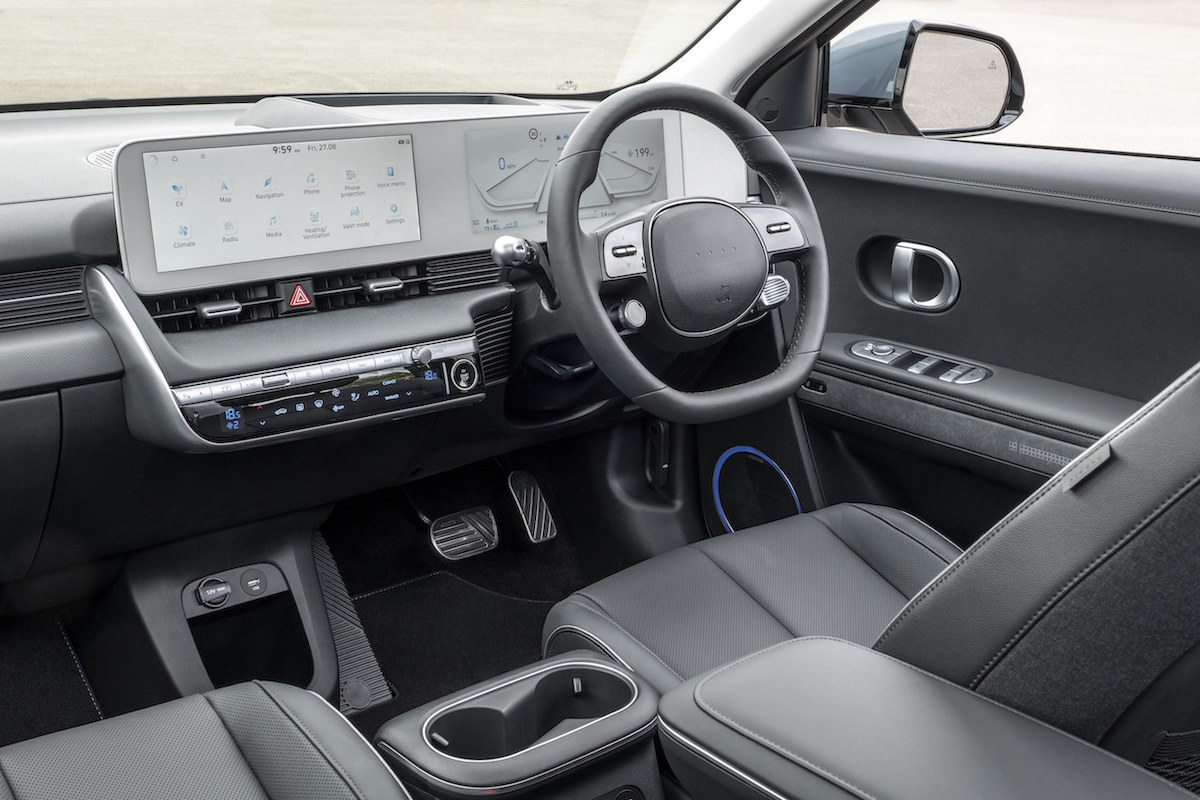
Thanks to its long wheelbase and clever packaging, the Hyundai Ioniq 5’s cabin is exceptionally spacious and airy. The flat floor creates a lounge-like feel, and there's plenty of head and legroom for all passengers. The rear seats can slide forwards and backwards, allowing you to prioritise either passenger space or boot capacity. Speaking of which, the boot offers a useful 527 litres, plus a small storage area under the bonnet for charging cables.
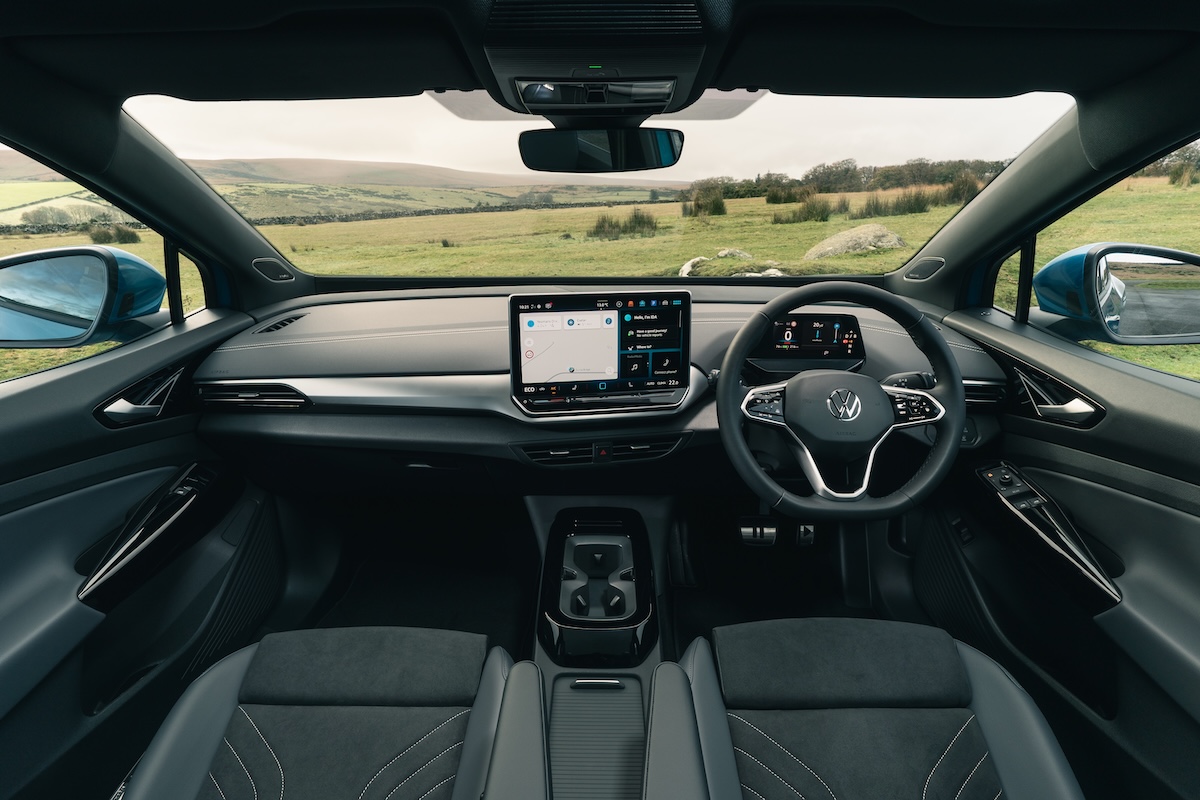
The Volkswagen ID.5 also scores well for practicality. Despite its sloping roofline, rear headroom is still good for most adults, and its 549-litre boot is actually slightly larger than the Hyundai's. However, the Ioniq 5’s more flexible seating and open-plan cabin give it the edge for overall family-friendliness.
Driving Impressions
Hyundai Ioniq 5 driving score: 4/5
Volkswagen ID.5 driving score: 3/5
Neither of these cars is designed to be a thrilling sports car, but both offer a calm and composed driving experience. The Ioniq 5 has light steering and a settled ride, making it an easy and relaxing car to drive around town or on the motorway. Performance from the standard models is brisk enough for everyday needs. For those who want more excitement, the high-performance Ioniq 5 N model offers supercar-like acceleration and surprisingly agile handling.
The ID.5 is also focused on comfort. It’s quiet and refined, with a suspension setup that does a good job of soaking up bumps, even on larger alloy wheels. It’s not particularly engaging to drive, but it handles predictably and feels secure. While the top-spec GTX model adds all-wheel drive and quicker acceleration, it can’t match the sheer fun of the Ioniq 5 N. For day-to-day driving, both are pleasant, but the Hyundai offers a greater breadth of ability.
Technology and Equipment
Hyundai Ioniq 5 technology and equipment score: 5/5
Volkswagen ID.5 technology and equipment score: 4/5
As you’d expect from modern EVs, both cars come loaded with technology. The Ioniq 5 features a slick dual-screen setup with two 12.3-inch displays that are clear and relatively easy to use. Standard equipment is generous, with all models getting satellite navigation, a rear-view camera, and a full suite of safety aids including adaptive cruise control.
The ID.5 also comes with a large central touchscreen and a smaller digital driver's display. The standard equipment list is long, with even entry-level models getting features like a panoramic glass roof and matrix LED headlights. However, VW’s infotainment system can be less intuitive than the Hyundai's, with some simple functions buried in menus. While both are well-equipped, the Ioniq 5’s more user-friendly interface gives it a slight advantage.
Running Costs
Hyundai Ioniq 5 running costs score: 5/5
Volkswagen ID.5 running costs score: 3/5
If you can charge at home, both the Ioniq 5 and ID.5 will be significantly cheaper to run than a petrol or diesel equivalent. A full charge on an overnight tariff should cost less than £20, giving you a real-world range of between 230 and 300 miles, depending on the model and conditions. The Ioniq 5 also benefits from ultra-fast 800-volt charging architecture, which means you can add around 60 miles of range in just five minutes at a compatible public charger.
Both cars are subject to the same tax rules for electric vehicles, and insurance costs are comparable. Hyundai offers a five-year, unlimited-mileage warranty, which is good, but it's worth noting that the battery is covered for eight years or 100,000 miles. Volkswagen provides a less generous three-year, 60,000-mile warranty, with the same eight-year cover for the battery.
CarGurus Buyer Insights
| Hyundai Ioniq 5 | Volkswagen ID.5 | |
|---|---|---|
| CarGurus expert rating | 5 out of 5 | 3 out of 5 |
| CarGurus user rating | 5.0 out of 5 | 0.0 out of 5 |
| Percentage of good/great deals available on CarGurus* | 31.7% | 24.7% |
| Overall CarGurus rating | 4.5 out of 5 | 3.7 out of 5 |
The Verdict
Hyundai Ioniq 5 Overall CarGurus rating: 4.5/5
Volkswagen ID.5 Overall CarGurus rating: 3.7/5
While both the Hyundai Ioniq 5 and Volkswagen ID.5 are compelling electric family cars, there is a clear winner in this contest. Based on our comprehensive CarGurus ratings, the Hyundai Ioniq 5 takes a convincing victory.
It scores significantly higher with our experts and users, and its combination of striking design, a hugely practical and innovative interior, and superior technology makes it a standout choice. The availability of the blisteringly fast Ioniq 5 N and the car's ultra-rapid charging capability are further compelling reasons to choose the Hyundai.
The Volkswagen ID.5 is by no means a bad car. It’s stylish, comfortable, and has a large boot. However, it feels more conventional than the Ioniq 5 and is let down by a less intuitive infotainment system and a lower rating from our experts. In a competitive class, the Ioniq 5 simply offers a more complete and desirable package.
Hyundai Ioniq 5 Pros and Cons
| Pros | Cons |
|---|---|
| Striking retro-futuristic design | Some interior plastics feel a bit cheap |
| Spacious, versatile and high-tech cabin | Infotainment graphics could be sharper |
| Ultra-fast charging capability | Rear visibility isn't the best |
Volkswagen ID.5 Pros and Cons
| Pros | Cons |
|---|---|
| Sleek coupe-SUV styling | Frustrating infotainment system |
| Comfortable and refined ride | Less practical than the Ioniq 5 |
| Large boot for its class | Not particularly engaging to drive |
*The Overall CarGurus rating: that informs these recommendations is based on CarGurus' proprietary market data from January 2026, CarGurus expert reviews, and CarGurus user reviews.