
If you're looking to switch to an electric car, the premium saloon market is now a hotbed of competition. For years, the Tesla Model 3 was the undisputed king, the car that brought EVs to the masses with its blend of performance, range, and cutting-edge tech. It single-handedly changed the automotive landscape.
But now, a host of rivals have appeared, and one of the most compelling comes from Polestar. The Polestar 2 offers a different take on the premium EV, blending Scandinavian design and a high-quality, conventional interior with its own impressive performance and technology. With both cars offering a desirable badge and a long electric range, which one is the better choice for your driveway?
Tesla Model 3 vs Polestar 2
- Practicality
- Driving Impressions
- Technology and Equipment
- Running Costs
- CarGurus Buyer Insights
- Verdict
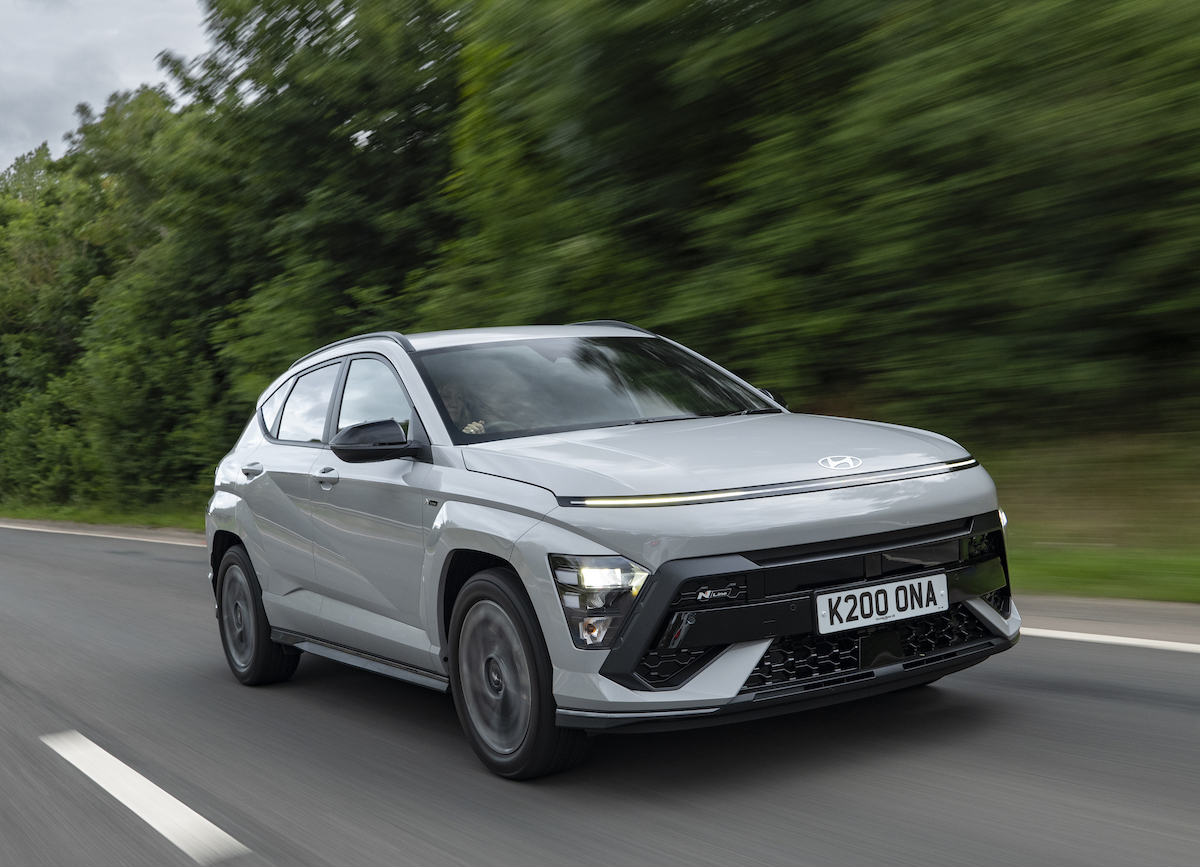
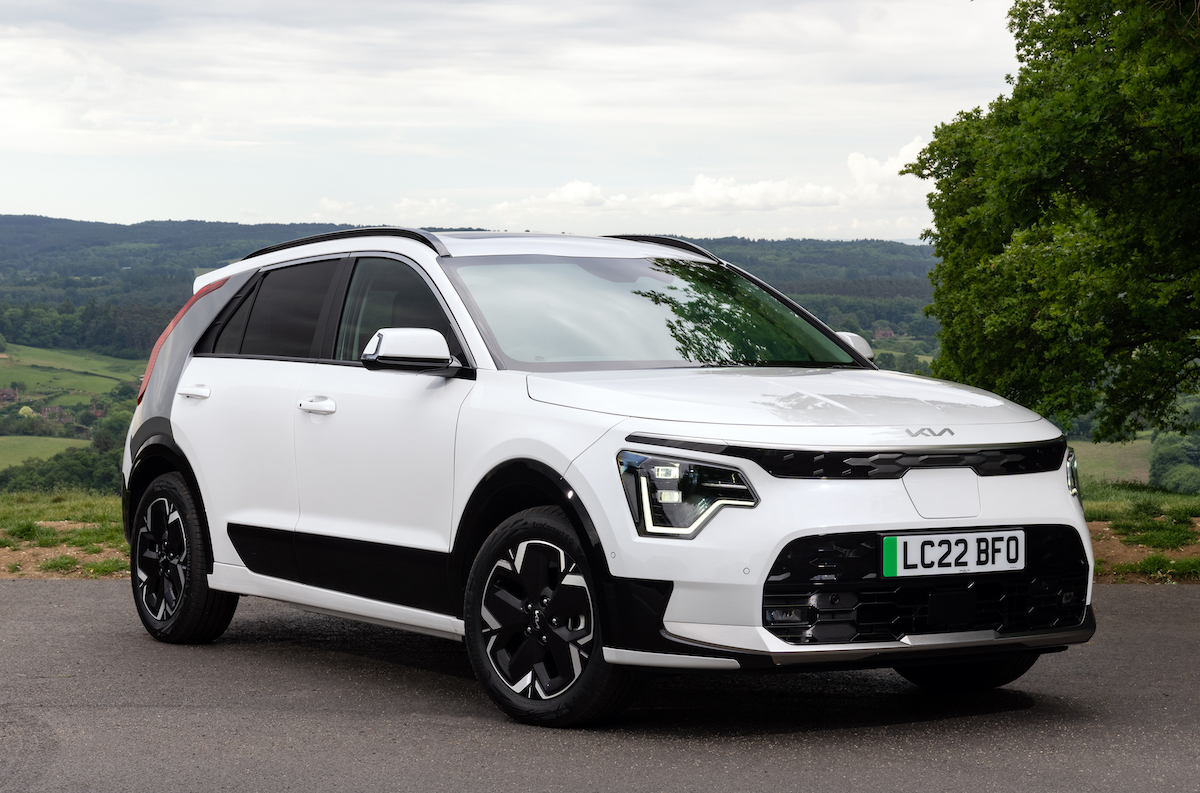
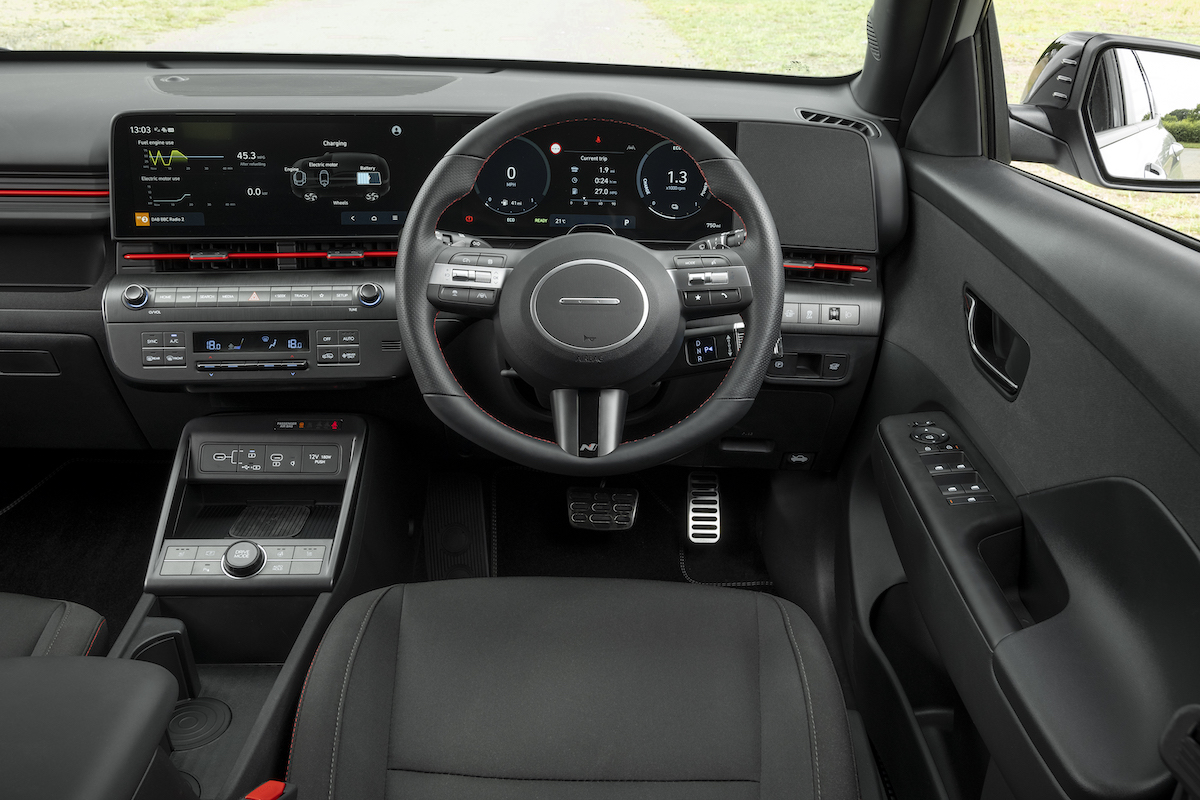
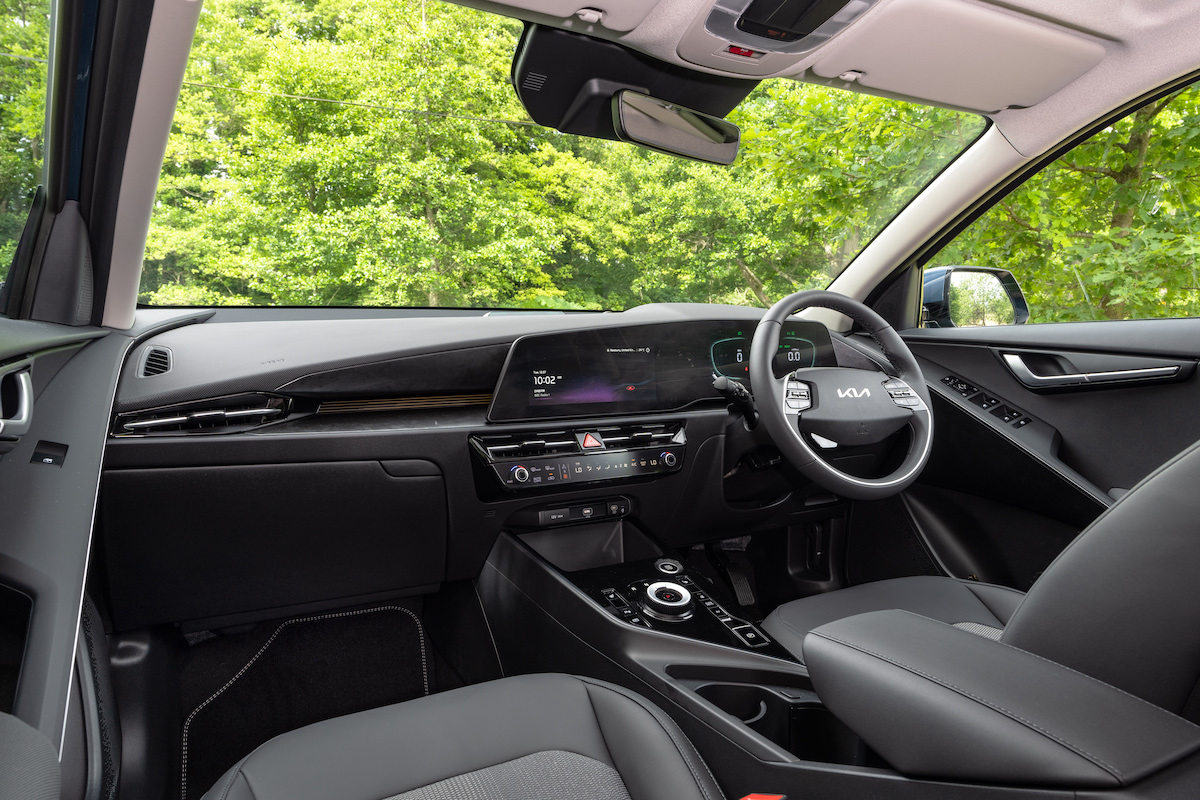
Practicality
Tesla Model 3 practicality score: 3/5
Polestar 2 practicality score: 3/5
On paper, these two are closely matched for practicality, but they achieve it in different ways. The Tesla Model 3 has a minimalist and airy cabin with a flat floor, providing good legroom for passengers in the front and back. Its party trick is having two boots: a large one at the rear and a useful ‘frunk’ under the bonnet. Together, they offer a generous amount of luggage space. The main drawback is the saloon-style boot opening, which can make loading bulky items awkward.
The Polestar 2 counters this with a large hatchback tailgate, which makes it much easier to load things like pushchairs or flat-pack furniture. The interior feels more enclosed than the Tesla's, and rear-seat passengers have to contend with a large central tunnel that eats into foot space. The Polestar also has a frunk, but it’s smaller than the Tesla’s. It’s a classic trade-off: the Model 3 has more overall space, but the Polestar 2 has a more practical boot opening.
Driving Impressions
Tesla Model 3 driving score: 4/5
Polestar 2 driving score: 4/5
Neither of these cars will leave you wanting for performance. The Tesla Model 3 is famous for its instant, forceful acceleration that can surprise unsuspecting passengers. It combines this straight-line speed with sharp, quick steering and agile handling, making it feel like a proper sports saloon on a winding road. The trade-off is a ride that can feel firm and occasionally unsettled on broken British Tarmac.
The Polestar 2 offers a different flavour of performance. It’s also rapid, but it delivers its power in a way that feels more measured and solid. The car feels planted and secure, with a well-judged ride that balances comfort and control. It’s less overtly sporty than the Model 3, feeling more like a powerful GT car. For those who prefer a more traditional, substantial feel from behind the wheel, the Polestar is a satisfying drive.
Technology and Equipment
Tesla Model 3 technology and equipment score: 5/5
Polestar 2 technology and equipment score: 4/5
This is where the Tesla Model 3 really sets itself apart. Almost every function is controlled via a huge, landscape-oriented touchscreen in the centre of the dash. There are no traditional dials or buttons. The system is slick, responsive, and packed with unique features like Sentry Mode security, built-in games, and Netflix. Crucially, every Tesla gets access to the Supercharger network, which is widely regarded as the best public charging infrastructure available.
The Polestar 2 takes a more conventional approach, and many drivers may prefer it. It has a digital driver’s display behind the steering wheel and a portrait-style central touchscreen. It was one of the first cars to feature Google’s Android Automotive OS, which means it has Google Maps and Google Assistant built-in. It’s a brilliant, user-friendly system. However, it can’t compete with the sheer breadth of features in the Tesla or the convenience of the Supercharger network, which gives the Model 3 a clear advantage.
Running Costs
Tesla Model 3 running costs score: 5/5
Polestar 2 running costs score: 4/5
As pure electric cars, both the Model 3 and Polestar 2 offer the promise of low running costs, especially for company car drivers who benefit from low Benefit-in-Kind (BIK) tax rates. Day-to-day, charging at home will be significantly cheaper than filling up a petrol or diesel equivalent.
The Tesla Model 3 has an edge here due to its efficiency. It generally uses less electricity to cover the same distance as the Polestar 2, meaning lower charging bills over the long term. When you do need to charge on the go, the Supercharger network is not only reliable and fast, but often competitively priced. The Polestar relies on the wider public charging network, which can be more expensive and less dependable. This combination of superior efficiency and a dedicated charging network makes the Model 3 the cheaper car to run.
CarGurus Buyer Insights
| Tesla Model 3 | Polestar 2 | |
|---|---|---|
| CarGurus expert rating | 5 out of 5 | 4 out of 5 |
| CarGurus user rating | 4.2 out of 5 | 0.0 out of 5 |
| Percentage of good/great deals available on CarGurus* | 35.5% | 32.5% |
| Overall CarGurus rating | 4.5 out of 5 | 3.9 out of 5 |
The Verdict
Tesla Model 3 Overall CarGurus rating: 4.5/5
Polestar 2 Overall CarGurus rating: 3.9/5
While the Polestar 2 is a deeply impressive and desirable electric car, the Tesla Model 3 takes a convincing win in this comparison. Our CarGurus Buyer Insights data shows the Model 3 scores higher with our experts and has a significantly better Overall CarGurus rating.
The victory comes down to a few key areas. The Model 3’s combination of class-leading efficiency, game-changing technology, and exclusive access to the superb Supercharger network creates a user experience that is still a step ahead of the competition. It’s not just a great electric car; it’s a great car, full stop.
That’s not to say the Polestar 2 should be overlooked. For buyers who value a high-quality, conventional interior, a more comfortable ride, and the practicality of a hatchback, it’s a fantastic alternative. Its Google-based infotainment is excellent and its distinctive design stands out. However, as an overall package, the Tesla Model 3’s forward-thinking approach and integrated ecosystem are still the benchmark in the premium EV class.
Tesla Model 3 Pros and Cons
| Pros | Cons |
|---|---|
| Incredible performance and handling | Firm ride on UK roads |
| Access to the excellent Supercharger network | Minimalist interior isn't for everyone |
| Class-leading efficiency and technology | Saloon boot opening is less practical |
Polestar 2 Pros and Cons
| Pros | Cons |
|---|---|
| High-quality, stylish interior | Less efficient than the Model 3 |
| Practical hatchback boot opening | Rear seat space is a bit tight |
| Excellent Google-based infotainment | Relies on inconsistent public chargers |
*The Overall CarGurus rating: that informs these recommendations is based on CarGurus' proprietary market data from January 2026, CarGurus expert reviews, and CarGurus user reviews.