If you're in the market for a large, seven-seat SUV, you're spoiled for choice. But two of the strongest contenders come from the same family: the Hyundai Santa Fe and the Kia Sorento. While they share a lot under the skin, they've been styled and tuned to have their own distinct personalities.
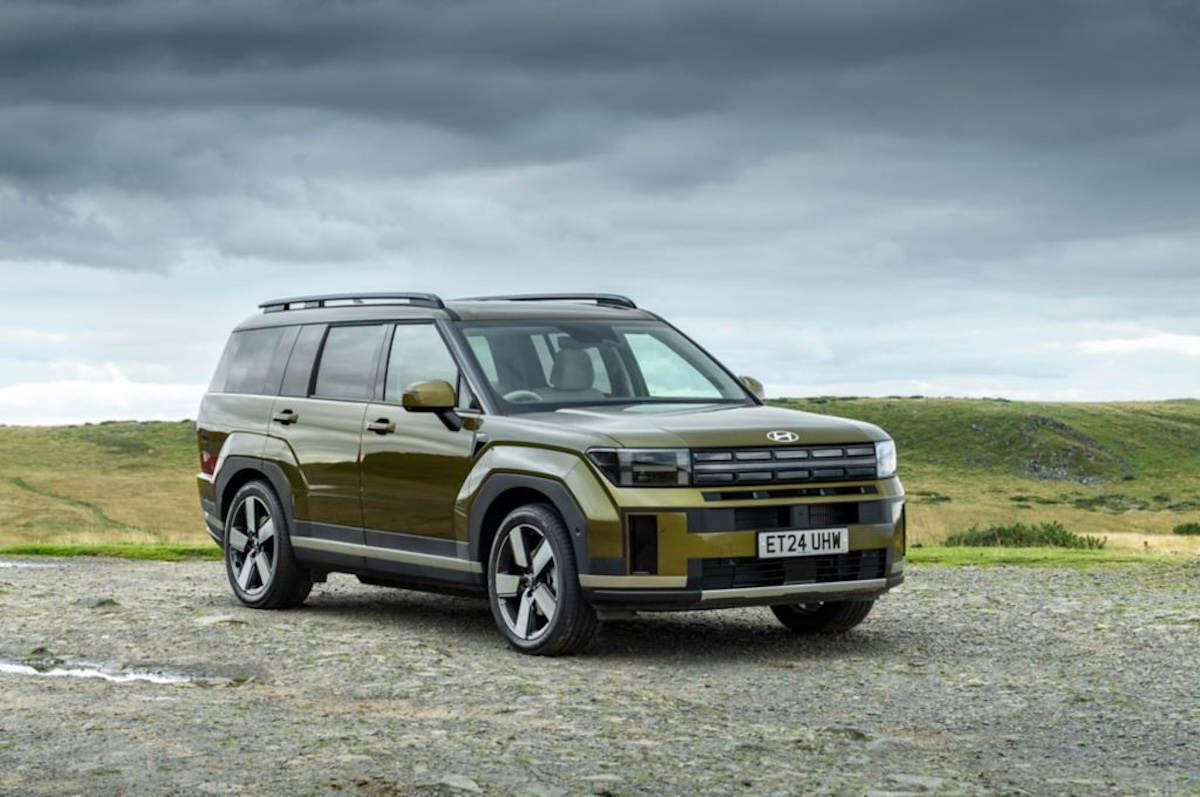
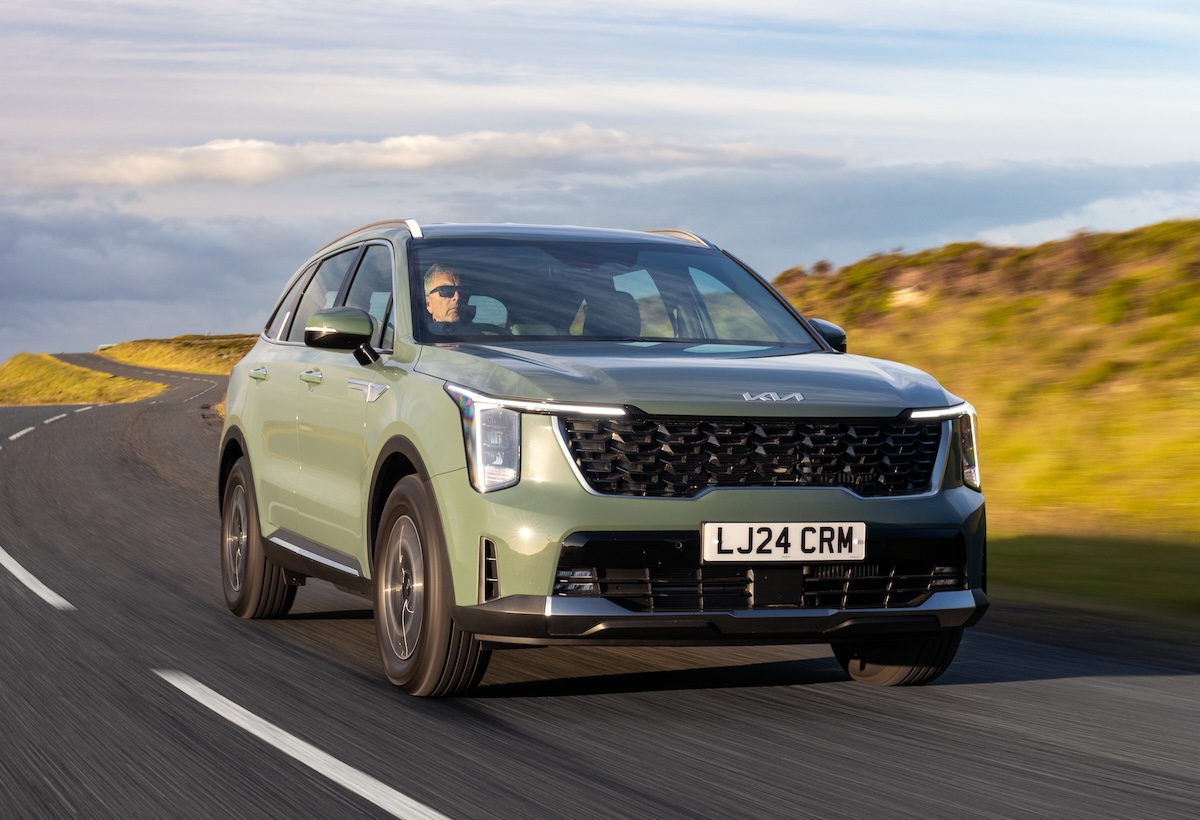
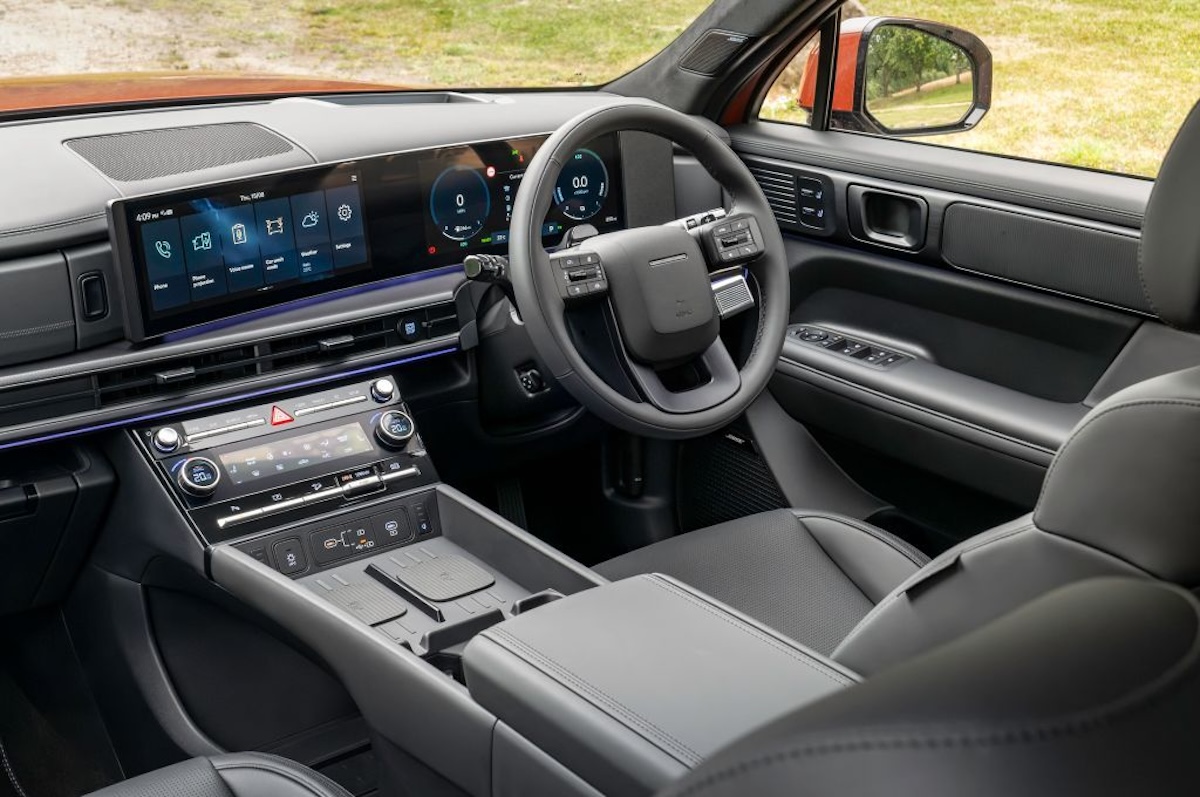
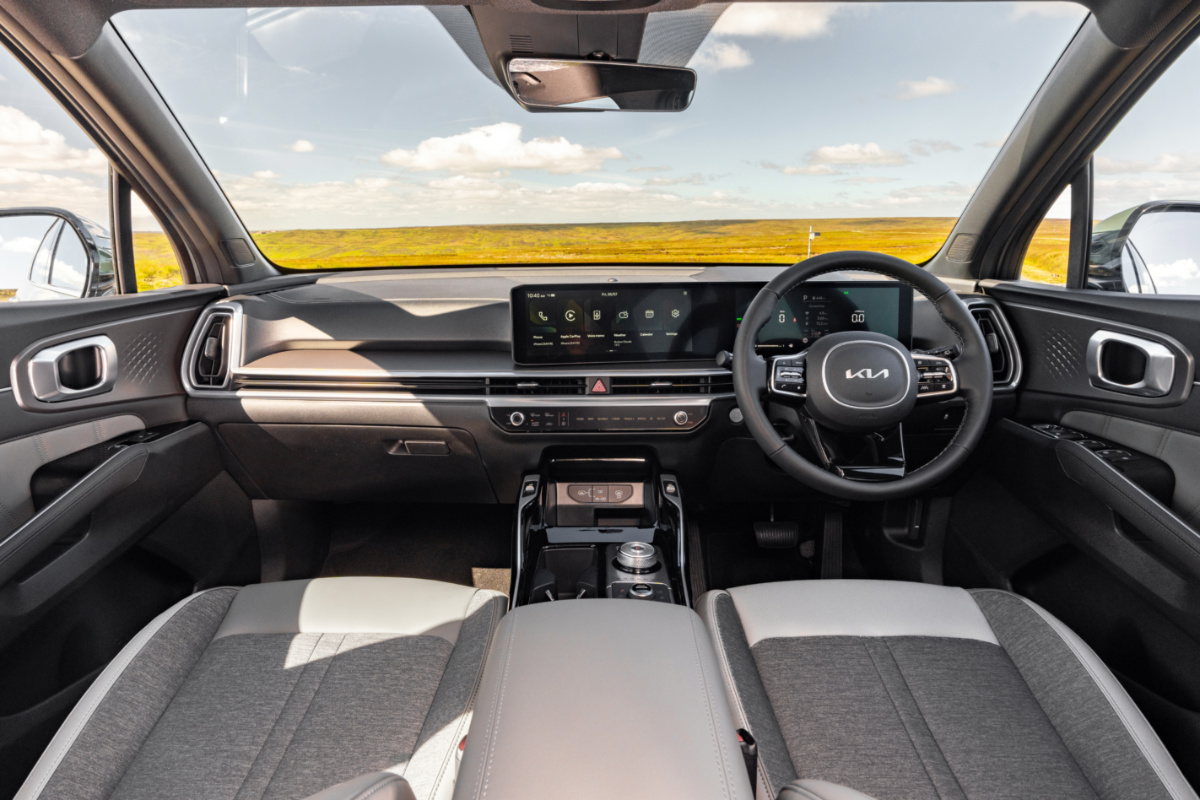
The Santa Fe offers a rugged, almost Land Rover-like presence, paired with a seriously upmarket interior. The Sorento, meanwhile, has pushed itself into premium territory with a sharp suit and a cabin that could worry some German rivals. Both come with efficient hybrid power, so which of these Korean heavyweights is right for your family?
Hyundai Santa Fe vs Kia Sorento
Practicality
Hyundai Santa Fe practicality score: 4/5
Kia Sorento practicality score: 5/5
When it comes to hauling families and their stuff, both of these SUVs are at the top of their game. The Santa Fe is a master of passenger space, with a truly cavernous interior and some clever family-focused features. Its sliding middle row means even adults can get comfortable in the third row, which is a big plus. Boot space is generous, at 621 litres with the rearmost seats folded.
The Sorento is hot on its heels. While the third row is a little tighter for grown-ups, it's perfect for kids, and the boot is almost identical at 616 litres. There's acres of room for passengers in the first two rows. Where the Sorento pulls a decisive lead, however, is in towing. Its hefty 2,500kg towing capacity (for the diesel model) trounces the Santa Fe's 1,110kg limit. If you need to pull a large caravan or horsebox, the Sorento is the undisputed champ.
Driving Impressions
Hyundai Santa Fe driving score: 5/5
Kia Sorento driving score: 4/5
Let's be clear: neither of these are sports cars. Their mission is to be comfortable, quiet, and effortless family transport, and they both succeed. The Santa Fe feels particularly refined on the move, with silky-smooth hybrid power and suspension that does a brilliant job of soaking up lumps and bumps. It's a wonderfully relaxing car for a long journey, feeling secure and planted on the motorway.
The Sorento is also tuned for comfort, delivering a plush ride that makes it a great cruiser. It handles predictably and safely, though it doesn't feel quite as composed or sharp as the Santa Fe on a twisty road. The Sorento's ace card is the availability of a powerful and torquey diesel engine. This, combined with its towing ability, makes it the go-to choice for heavy-duty work. For pure on-road refinement, the Santa Fe has a slight edge, but the Sorento's powertrain options give it broader appeal.
Technology and Equipment
Hyundai Santa Fe technology and equipment score: 4/5
Kia Sorento technology and equipment score: 5/5
Hyundai and Kia have built a reputation for generosity, and these two SUVs are prime examples. The Santa Fe comes loaded with desirable kit right from the base model, including a large 12.3-inch touchscreen, a digital driver's display, and a full suite of safety systems. Higher trims add luxuries like a panoramic sunroof and a premium Bose stereo.
The Sorento is just as impressive. While early models had a smaller 8-inch screen on the entry-level trim, post-facelift versions get a slick dual 12.3-inch screen setup that matches the Hyundai. Top-spec models are packed with features like ventilated seats, a 360-degree camera, and advanced driver aids. Both cars have excellent infotainment systems with Apple CarPlay and Android Auto as standard, but the Sorento's more consistent high-end tech across the recent range gives it the edge.
Running Costs
Hyundai Santa Fe running costs score: 4/5
Kia Sorento running costs score: 4/5
As large, premium-feeling SUVs, both cars have list prices that can push past £45,000. However, day-to-day running costs can be surprisingly low. The plug-in hybrid (PHEV) models are the stars here, offering over 30 miles of electric-only range. If you have a home charger and a short commute, your fuel bills could be tiny. The regular 'self-charging' hybrids will return around 40mpg in real-world driving.
The biggest factor in running costs, however, is peace of mind. Both brands have a stellar reputation for reliability and offer industry-leading warranties. Hyundai provides a five-year, unlimited-mileage warranty, which is excellent. But Kia goes one better with its famous seven-year, 100,000-mile warranty. This extra two years of cover is a huge selling point and a major advantage, especially for used car buyers.
CarGurus Buyer Insights
|
Hyundai Santa Fe |
Kia Sorento |
| CarGurus expert rating |
4 out of 5 |
5 out of 5 |
| CarGurus user rating |
4.6 out of 5 |
4.8 out of 5 |
| Percentage of good/great deals available on CarGurus* |
32.7% |
28.8% |
| Overall CarGurus rating |
4.4 out of 5 |
4.4 out of 5 |
The Verdict
Hyundai Santa Fe Overall CarGurus rating: 4.4/5
Kia Sorento Overall CarGurus rating: 4.4/5
Choosing between the Hyundai Santa Fe and the Kia Sorento is a classic head-versus-heart dilemma, because both are outstanding family SUVs. They are comfortable, practical, high-tech, and offer a genuine premium feel.
With identical Overall CarGurus ratings of 4.4 out of 5, this comparison ends in a draw. The Sorento scores higher with our experts and has better user reviews, while the Santa Fe has a marginally higher percentage of good deals available. Both cars represent excellent value in the seven-seat SUV market.
The Sorento's strengths lie in its superior towing capacity, the option of a diesel engine, and Kia's famous seven-year warranty. If you need to pull a caravan or want maximum peace of mind, it's the one to choose. The Santa Fe, meanwhile, offers more space in the third row and a slightly more refined ride. If passenger comfort is your priority, it has the edge.
Ultimately, you can't go wrong with either of these Korean SUVs. Your choice should come down to whether you prioritise towing ability and warranty length (Sorento) or third-row space and ride quality (Santa Fe).
Hyundai Santa Fe Pros and Cons
| Pros |
Cons |
| Enormous space and versatility |
Disappointingly low towing limit |
| Supremely comfortable and refined ride |
No diesel engine option |
| High-quality and well-equipped interior |
Shorter warranty than the Kia |
Kia Sorento Pros and Cons
| Pros |
Cons |
| Industry-leading seven-year warranty |
Third row is tighter than in the Santa Fe |
| Excellent towing capacity with diesel engine |
Not as sharp to drive as some rivals |
| Spacious and high-quality interior |
Can feel large on narrow city streets |
*The Overall CarGurus rating that informs these recommendations is based on CarGurus' proprietary market data from June 2026, CarGurus expert reviews, and CarGurus user reviews.
Read Our Full Reviews: