
If you're looking for a dependable family hatchback, the Kia Ceed and Toyota Corolla are two of the strongest contenders on the market. Both offer sharp styling, practical interiors and a reputation for reliability, but they go about their business in very different ways.
The Kia Ceed plays the value card, offering a wide range of engines, generous equipment levels and an industry-leading warranty. The Toyota Corolla, on the other hand, hangs its hat on its super-efficient self-charging hybrid technology, promising low running costs and a refined driving experience. So, which of these sensible hatchbacks makes the most sense for you?
Kia Ceed vs Toyota Corolla
- Practicality
- Driving Impressions
- Technology and Equipment
- Running Costs
- CarGurus Buyer Insights
- Verdict
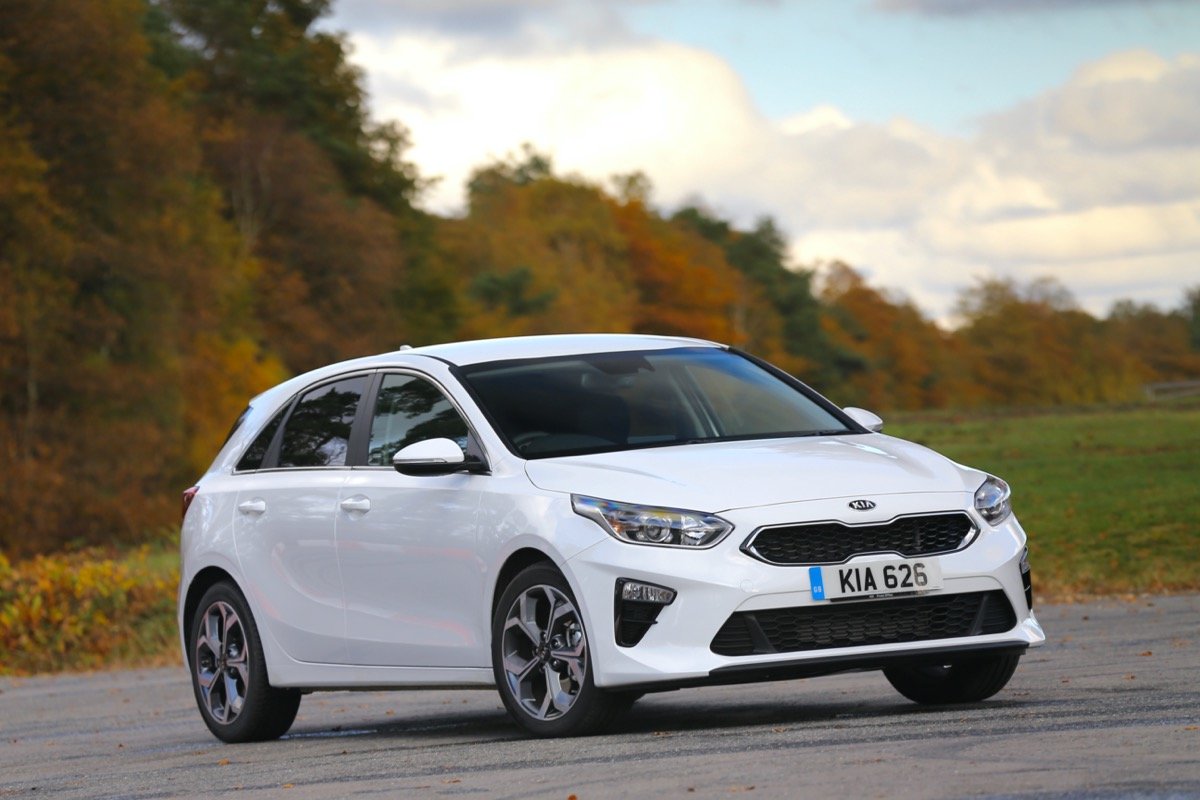
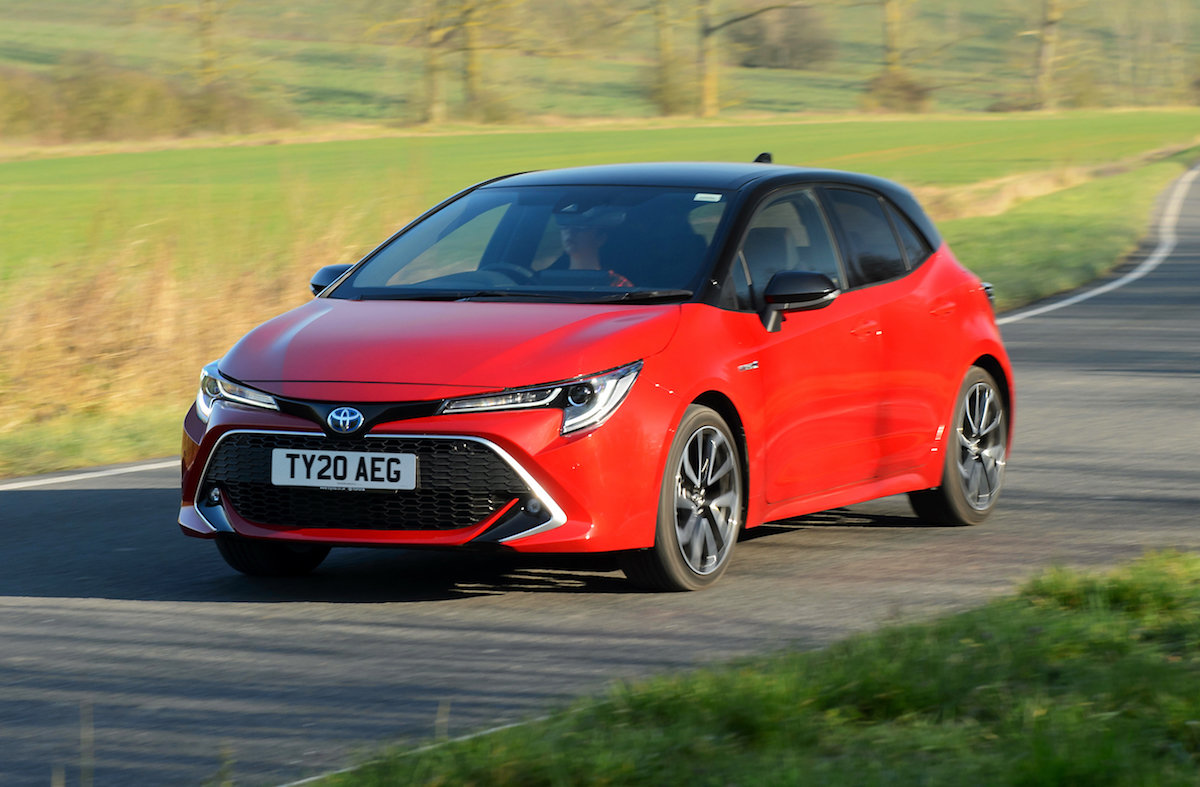
Practicality
Kia Ceed practicality score: 3/5
Toyota Corolla practicality score: 3/5
In hatchback form, both cars are reasonably practical, but neither leads the class. The Kia Ceed offers decent headroom and a boot that's larger than what you'll find in a Ford Focus or VW Golf. However, rear legroom is only adequate, and taller passengers might feel a bit cramped on longer journeys.
The Toyota Corolla hatchback is a bit tighter in the back than the Ceed, and its boot is also on the small side for the class. Where both cars redeem themselves is in their estate versions. The Ceed Sportswagon has a huge boot, making it a great load-lugger. The Corolla Touring Sports estate is even better for passengers, with impressive rear legroom and a large, well-shaped boot. If you need maximum space, the estate versions are the way to go for both models.
Driving Impressions
Kia Ceed driving score: 3/5
Toyota Corolla driving score: 4/5
Neither of these cars is designed to set your pulse racing, but the Corolla offers a more polished experience. Its light steering makes it easy to drive around town, and the suspension does a good job of soaking up bumps, making it a comfortable and relaxing cruiser. The hybrid system is smooth, especially the more powerful 2.0-litre version, though the CVT automatic gearbox can make the engine drone if you accelerate hard.
The Kia Ceed is a competent and solid-feeling car to drive, but it lacks the refinement of the Corolla. The ride is generally comfortable, but more road and wind noise make their way into the cabin. While it handles predictably, it’s not as engaging as a Ford Focus. The Ceed does offer a wider range of conventional petrol and diesel engines, which some buyers may prefer over the Corolla's hybrid-only lineup. For overall comfort and refinement, however, the Toyota has the edge.
Technology and Equipment
Kia Ceed technology and equipment score: 4/5
Toyota Corolla technology and equipment score: 4/5
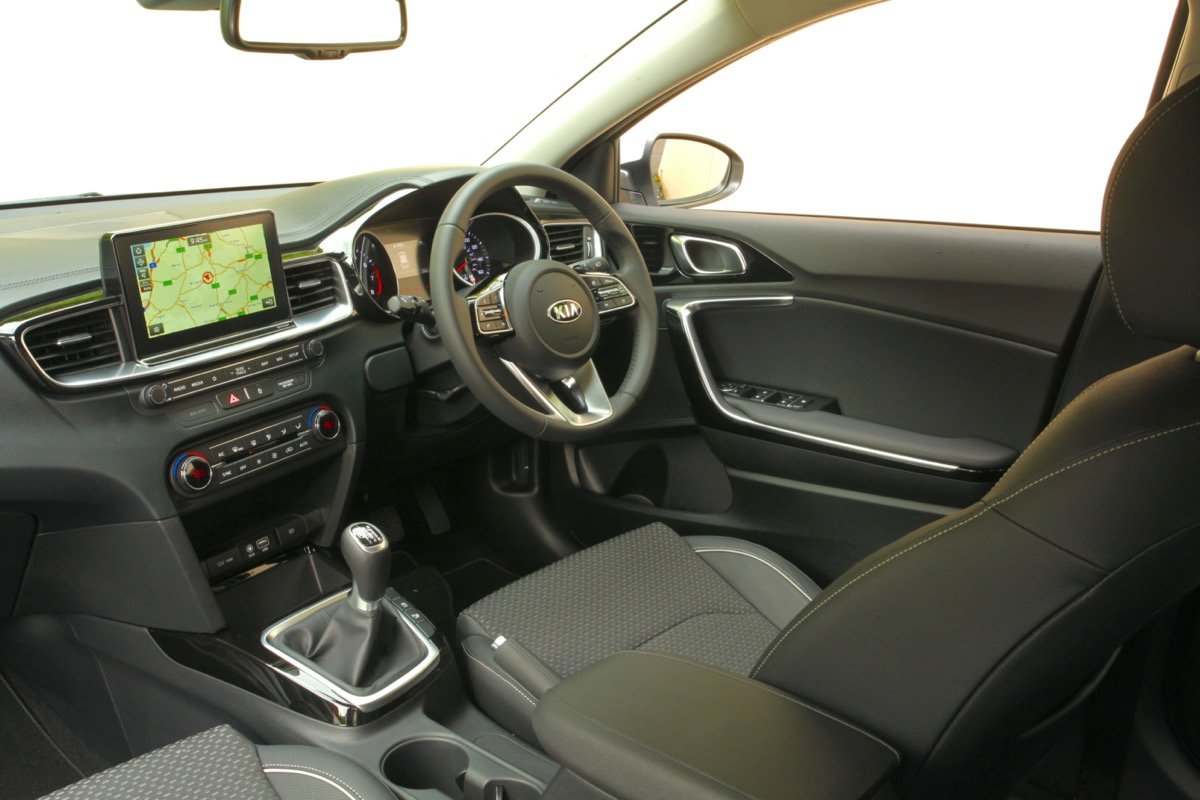
Both Kia and Toyota are known for being generous with standard kit, and these hatchbacks are no exception. Even entry-level versions of the Ceed come with alloy wheels, air conditioning, a reversing camera and an 8.0-inch touchscreen with Apple CarPlay and Android Auto. Higher-spec models get a larger and slicker 10.25-inch screen. The system is easy to use and responds quickly to inputs.
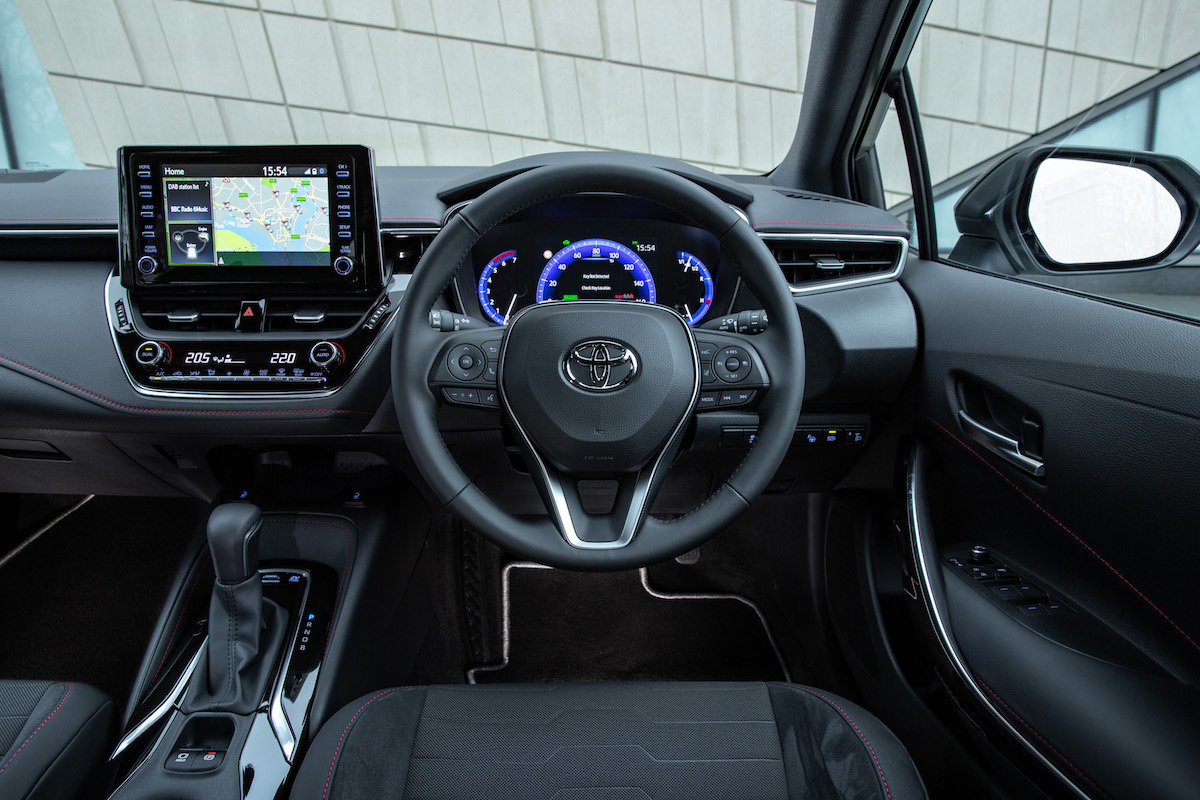
The Corolla also comes loaded as standard, with all models getting alloy wheels, dual-zone climate control, a reversing camera and a host of safety features including adaptive cruise control. Early models used an 8.0-inch screen that felt a bit dated, but post-2023 facelift cars get a much-improved 10.5-inch system that's a huge step up. It's a close call, but the Ceed's infotainment is slightly more user-friendly across the board, while the Corolla impresses with its standard safety kit.
Running Costs
Kia Ceed running costs score: 4/5
Toyota Corolla running costs score: 4/5
This is where both cars really shine. The Toyota Corolla’s hybrid system is the star of the show, delivering excellent real-world fuel economy. You can expect to see around 55mpg from the 1.8-litre and 50mpg from the 2.0-litre, and its ability to run on electric power in town makes it efficient in urban driving. Add in Toyota's stellar reliability record and the potential for a 10-year warranty (if serviced annually at a main dealer), and it’s a compelling long-term prospect.
The Kia Ceed fights back with its own trump card: a seven-year, 100,000-mile warranty as standard. This provides fantastic peace of mind for new and used buyers alike. Its petrol and diesel engines are competitive on fuel economy, and the availability of a plug-in hybrid Sportswagon model offers the potential for ultra-low running costs if you can charge it regularly. Both cars are strong choices for keeping bills low.
CarGurus Buyer Insights
| Kia Ceed | Toyota Corolla | |
|---|---|---|
| CarGurus expert rating | 3 out of 5 | 4 out of 5 |
| CarGurus user rating | 4.5 out of 5 | 4.3 out of 5 |
| Percentage of good/great deals available on CarGurus* | 32.8% | 34.0% |
| Overall CarGurus rating | 4.3 out of 5 | 4.3 out of 5 |
The Verdict
Kia Ceed Overall CarGurus rating: 4.3/5
Toyota Corolla Overall CarGurus rating: 4.3/5
This is one of the closest contests we’ve seen. Both the Kia Ceed and Toyota Corolla are excellent family cars that major on reliability and low running costs, and they finish with identical Overall CarGurus ratings. Declaring an outright winner is impossible, as the best car for you will depend entirely on your priorities.
The Toyota Corolla is our experts’ pick, thanks to its refined and comfortable driving experience and its efficient hybrid technology. If you value a smooth ride and the lowest possible fuel consumption without the hassle of plugging in, the Corolla is the one to have.
However, the Kia Ceed is the clear favourite among CarGurus users. Its appeal lies in its straightforward value, generous equipment, user-friendly tech and that unbeatable seven-year warranty. It’s an honest, practical and dependable choice that’s hard to fault. It’s a dead heat, so the final decision comes down to whether you prefer the Corolla’s hybrid refinement or the Ceed’s all-round value and warranty.
Kia Ceed Pros and Cons
| Pros | Cons |
|---|---|
| Seven-year warranty as standard | Driving experience is uninspiring |
| Generous equipment levels | Rear legroom is only average |
| User-friendly infotainment system | More road noise than some rivals |
Toyota Corolla Pros and Cons
| Pros | Cons |
|---|---|
| Excellent hybrid fuel economy | Cramped rear seats in hatchback |
| Comfortable and refined ride | Small boot in hatchback model |
| Superb reliability record | CVT gearbox can be noisy under acceleration |
*The Overall CarGurus rating: that informs these recommendations is based on CarGurus' proprietary market data from January 2026, CarGurus expert reviews, and CarGurus user reviews.