
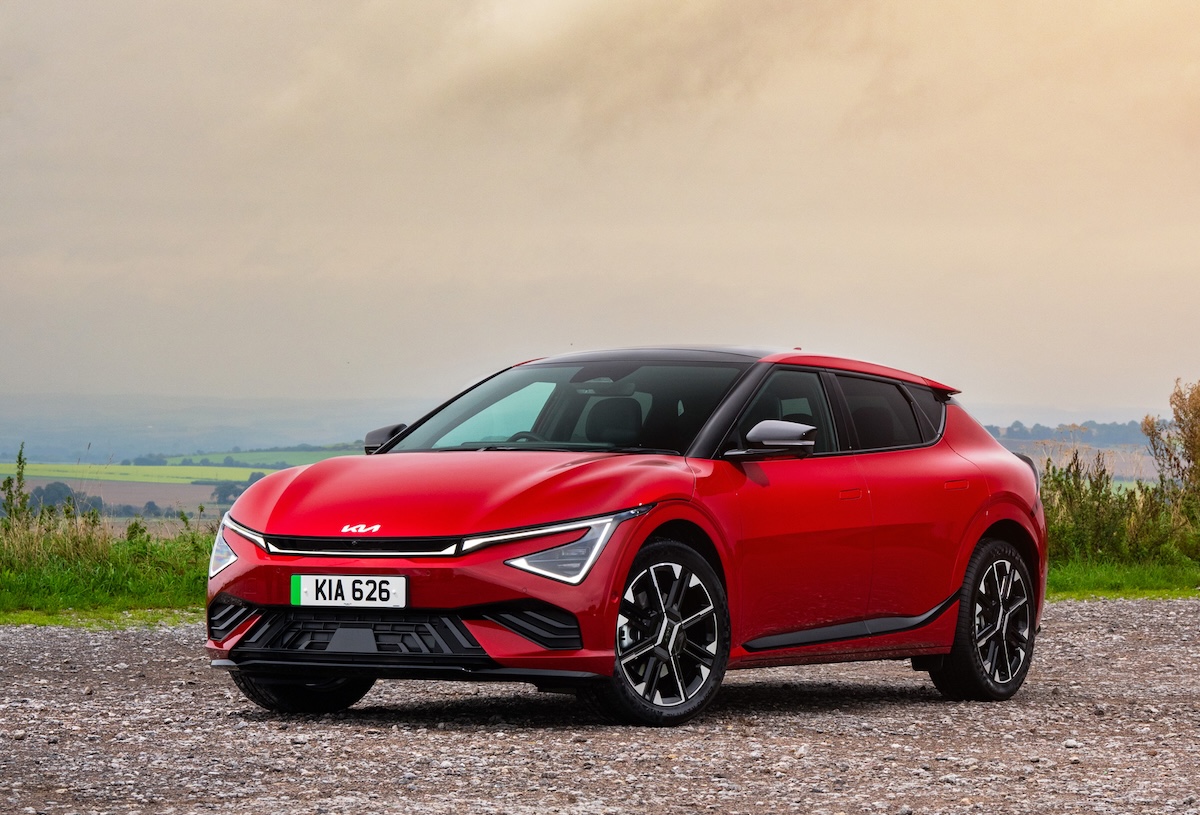
If you're looking to switch to an electric family car, the Kia EV6 and Volkswagen ID.4 are two of the most popular choices on the market. They both offer a compelling blend of practicality, technology, and zero-emissions driving, but they go about it in slightly different ways.
The EV6 turned heads on its arrival with a sharp, futuristic design, a high-tech interior, and the promise of ultra-fast charging. It’s Kia’s first dedicated EV and aims to be as good to drive as it is to look at. The ID.4, on the other hand, is Volkswagen's take on the all-electric family SUV. It focuses on maximising space and comfort, wrapping it all in a more conventional, user-friendly package. So, which one is the better fit for you?
Kia EV6 vs Volkswagen ID.4
- Practicality
- Driving Impressions
- Technology and Equipment
- Running Costs
- CarGurus Buyer Insights
- Verdict

Practicality
Kia EV6 practicality score: 4/5
Volkswagen ID.4 practicality score: 4/5
Thanks to their dedicated electric platforms, both cars make excellent use of their interior space. The EV6 offers plenty of headroom and legroom for rear passengers, and a completely flat floor means the middle-seat occupant won't feel short-changed on foot space. The 490-litre boot is a good size, and there’s also a small storage area under the bonnet for charging cables. Towing capacity is a useful 1,600kg.
The Volkswagen ID.4 feels even more like a traditional SUV inside. Its 543-litre boot is larger than the EV6's, making it a better choice if you regularly need to carry bulky items like a large pushchair or a dog cage. Rear legroom is generous, and there are plenty of storage cubbies dotted around the cabin. However, the rear seats don't fold completely flat, and there's no storage under the bonnet. The ID.4 has the edge for outright luggage space, but the EV6 is still a practical family car.
Driving Impressions
Kia EV6 driving score: 5/5
Volkswagen ID.4 driving score: 4/5
The EV6 delivers a more engaging driving experience. Even the entry-level rear-wheel-drive model feels punchy, while the all-wheel-drive versions offer serious pace. For those who want true performance, the 577bhp GT model can accelerate from 0-62mph in just 3.5 seconds. The steering is well-weighted and the ride is comfortable, making the EV6 a refined long-distance cruiser.
The ID.4, by contrast, prioritises comfort. It has a smooth, quiet ride and light steering that makes it easy to drive around town. Performance from the standard 201bhp rear motor is adequate for daily driving, but it doesn't provide the same level of excitement as the EV6. While the ID.4 handles tidily, it’s not designed to be a sporty car. If you want a relaxed and comfortable family SUV, the ID.4 is a fine choice, but the EV6 is the more dynamic and enjoyable car to drive.
Technology and Equipment
Kia EV6 technology and equipment score: 5/5
Volkswagen ID.4 technology and equipment score: 3/5
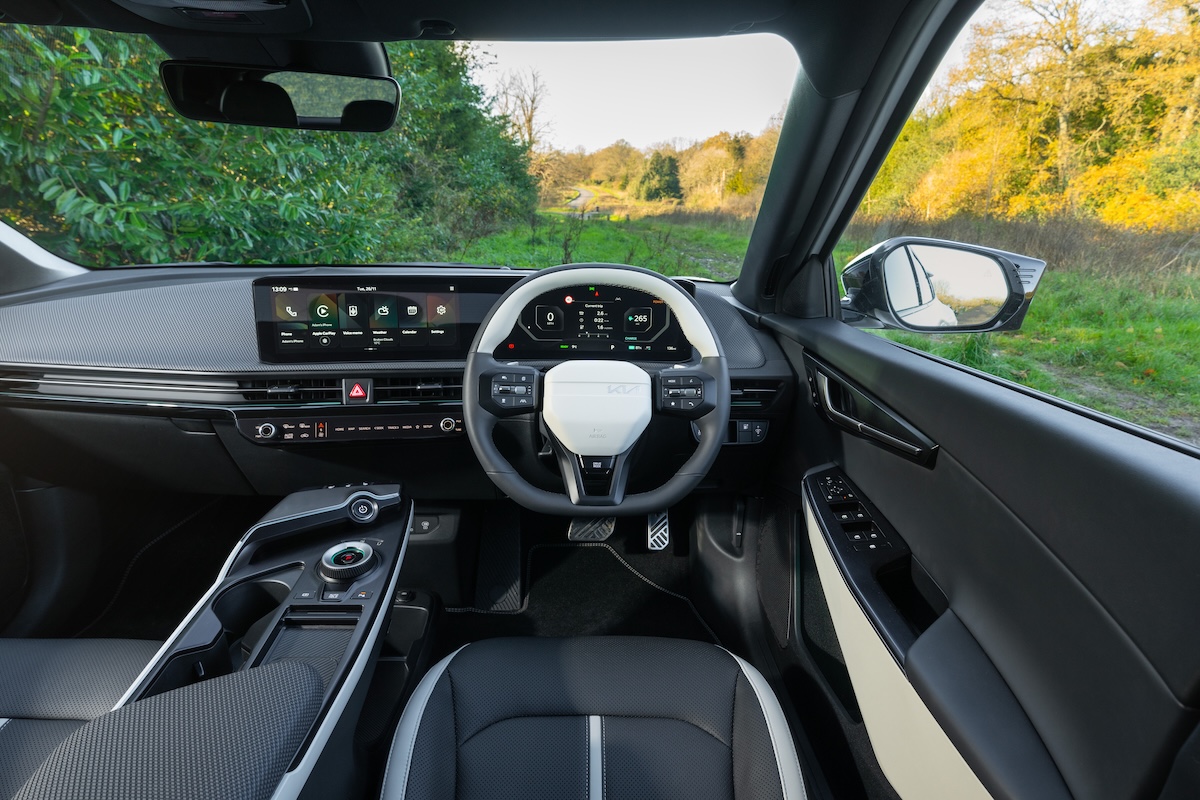
Both cars come with the tech you’d expect from a modern EV, including large digital displays for the driver and a central touchscreen infotainment system. However, this is where a key difference emerges. The EV6’s system is clear and easy to use, with a clever switchable panel that combines physical dials with touch-sensitive buttons for media and climate controls.
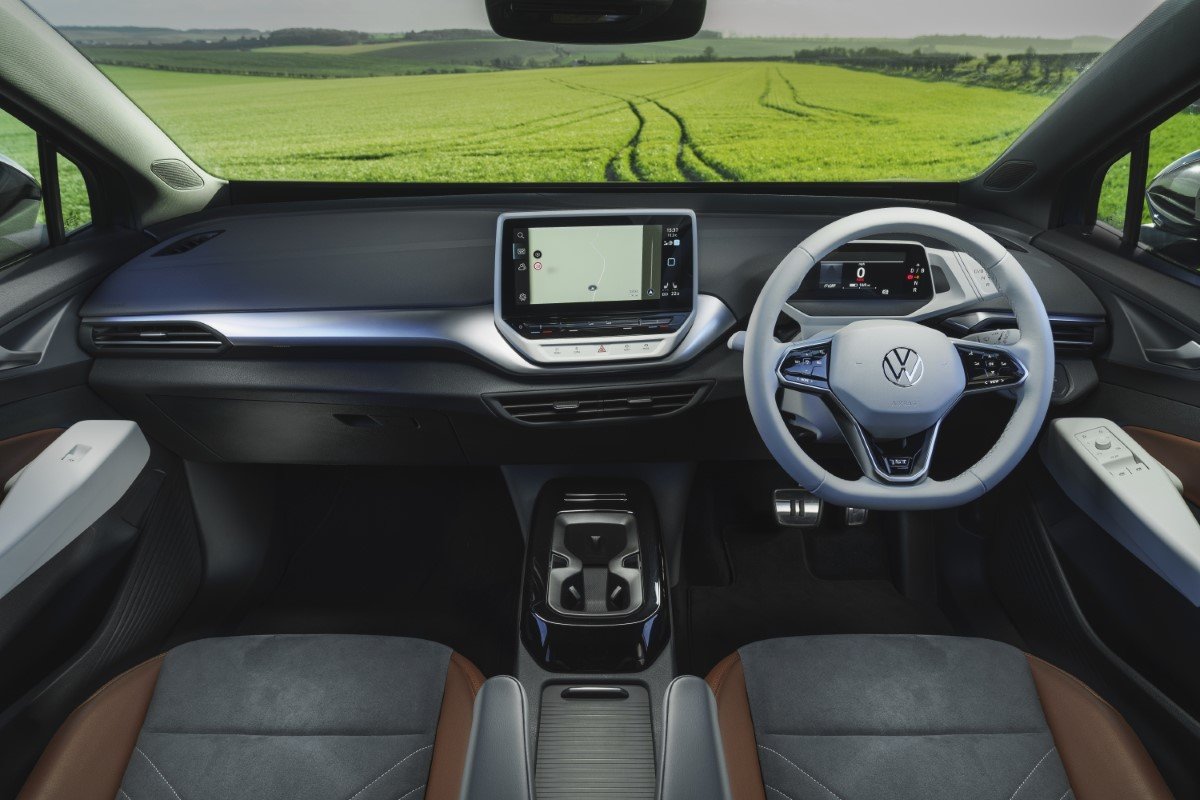
The ID.4, on the other hand, relies almost entirely on its touchscreen and some frustrating touch-sensitive sliders for functions like volume and temperature. It can be fiddly to use, especially on the move, and is one of the car's main weaknesses. While both cars are well-equipped, the Kia’s more intuitive and user-friendly interface gives it a clear advantage.
Running Costs
Kia EV6 running costs score: 5/5
Volkswagen ID.4 running costs score: 4/5
As pure electric cars, both the EV6 and ID.4 offer significant savings on running costs compared to petrol or diesel alternatives, especially if you can charge at home. The EV6 has a distinct advantage when it comes to public charging, thanks to its 800-volt architecture. This allows for ultra-rapid charging, meaning a 10-80% top-up can take as little as 18 minutes on a compatible charger.
The ID.4’s charging is slower, but still respectable for a car in this class. Where the Volkswagen can have an advantage is its purchase price, which is often lower than the Kia's on the used market. However, a major consideration for long-term ownership is the warranty. Kia offers an industry-leading seven-year, 100,000-mile warranty, whereas Volkswagen provides a standard three-year, 60,000-mile warranty. That extra peace of mind from Kia is a significant benefit.
CarGurus Buyer Insights
| Kia EV6 | Volkswagen ID.4 | |
|---|---|---|
| CarGurus expert rating | 5 out of 5 | 4 out of 5 |
| CarGurus user rating | 5.0 out of 5 | 4.0 out of 5 |
| Percentage of good/great deals available on CarGurus* | 27.5% | 32.4% |
| Overall CarGurus rating | 4.5 out of 5 | 4.2 out of 5 |
The Verdict
Kia EV6 Overall CarGurus rating: 4.5/5
Volkswagen ID.4 Overall CarGurus rating: 4.2/5
Both the Kia EV6 and Volkswagen ID.4 are accomplished electric family cars, and you wouldn't be disappointed with either. They are practical, efficient, and packed with technology. However, there has to be a winner.
Based on our comprehensive CarGurus ratings, the Kia EV6 takes the victory. It scores higher with both our experts and users, and it’s easy to see why. It’s more enjoyable to drive, its technology is more intuitive, it charges faster, and it comes with that unbeatable seven-year warranty.
The ID.4’s main advantage is its larger boot, so if maximum luggage space is your absolute priority, it’s still worth considering. But for most buyers, the EV6’s superior driving dynamics, user-friendly tech and long-term peace of mind make it the better all-round package and the winner of this test.
Kia EV6 Pros and Cons
| Pros | Cons |
|---|---|
| Engaging driving experience | Boot is smaller than some rivals |
| Ultra-fast charging capability | Rear visibility isn't the best |
| Industry-leading seven-year warranty | Can be more expensive than the ID.4 |
Volkswagen ID.4 Pros and Cons
| Pros | Cons |
|---|---|
| Large and practical boot | Fiddly infotainment and climate controls |
| Comfortable and quiet ride | Unexciting to drive |
| Spacious rear passenger room | Shorter warranty than the Kia |
*The Overall CarGurus rating: that informs these recommendations is based on CarGurus' proprietary market data from January 2026, CarGurus expert reviews, and CarGurus user reviews.