
If you're shopping for a family SUV and have set your sights on a Kia, you've got a great choice, but also a tough one. Do you go for the sharp-suited, five-seat Sportage, or its bigger, seven-seat sibling, the Sorento?
Both offer standout style, impressive tech, and that famous seven-year warranty, which makes them two of the most compelling family cars on the market. But they are built for slightly different jobs. We're putting them head-to-head across the key areas to help you decide which of these in-house rivals deserves a spot on your driveway.
Kia Sportage vs Kia Sorento
- Practicality
- Driving Impressions
- Technology and Equipment
- Running Costs
- CarGurus Buyer Insights
- Verdict
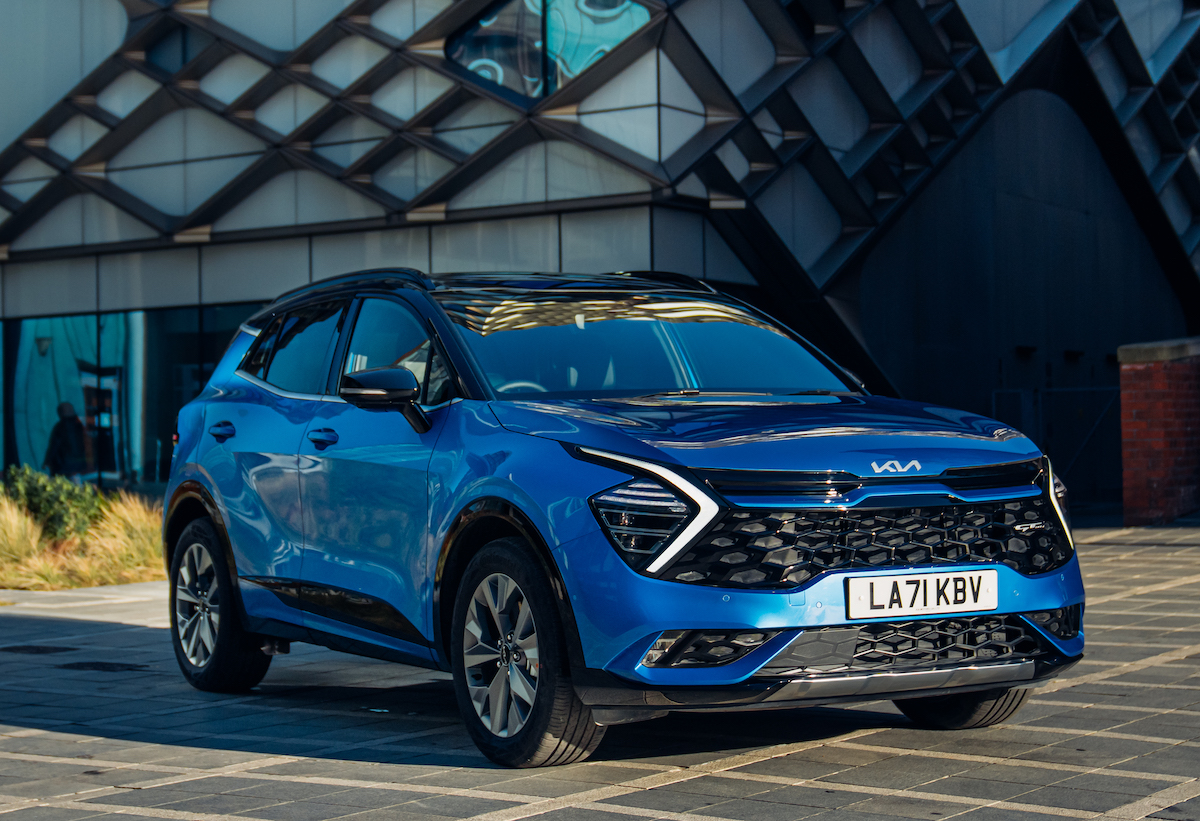
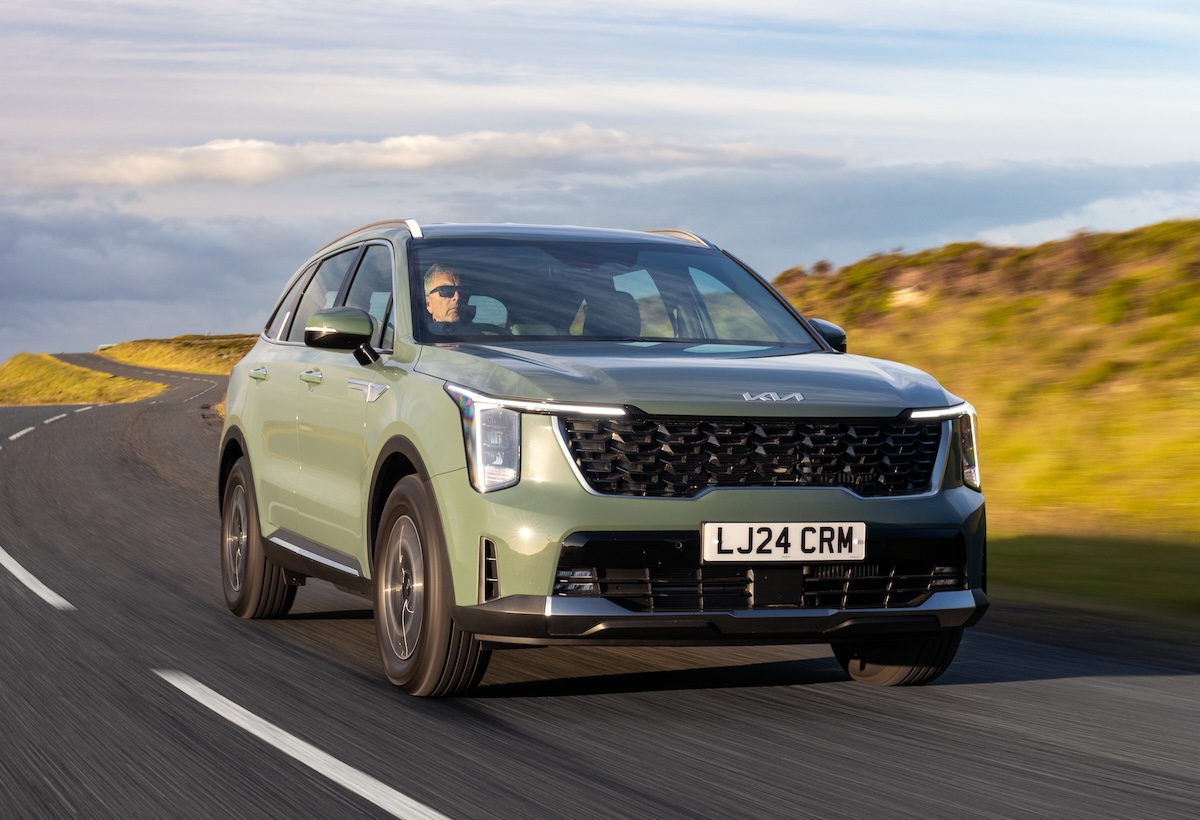

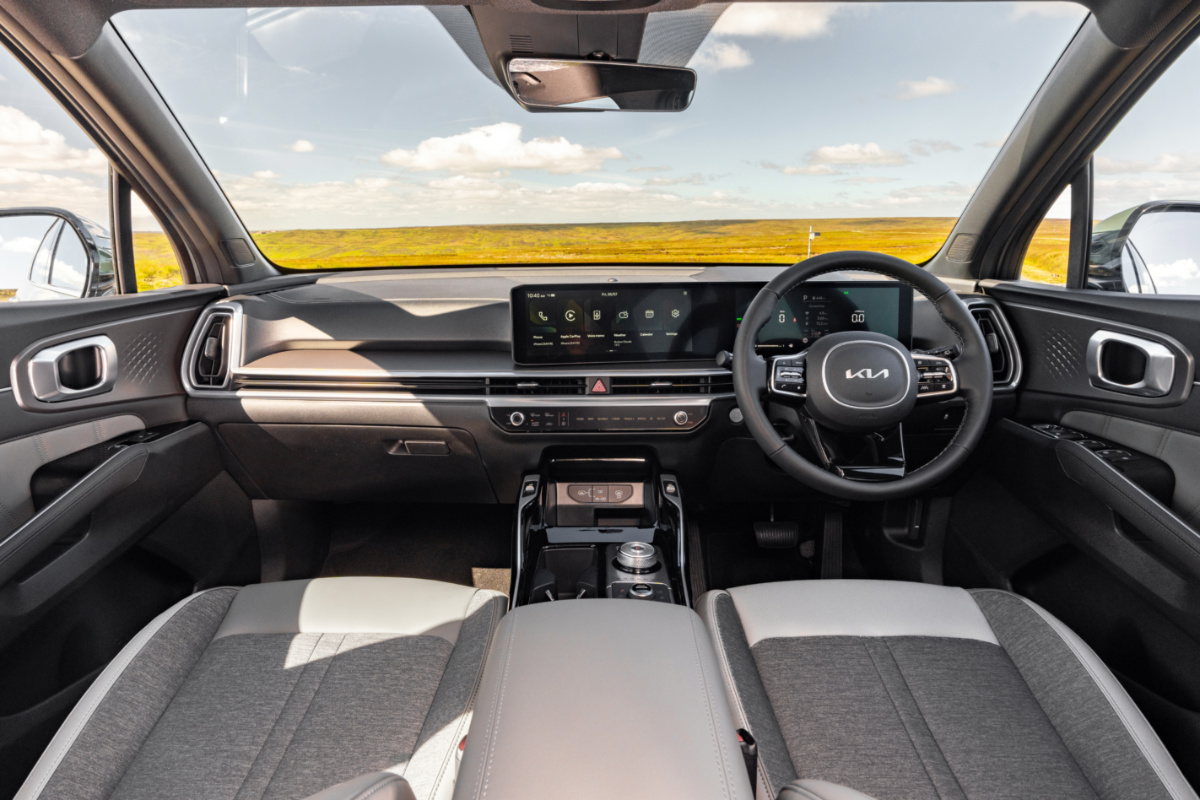
Practicality
Kia Sportage practicality score: 4/5
Kia Sorento practicality score: 5/5
The biggest difference between these two is size, and that plays out in practicality. The Sorento is a proper seven-seater, with a third row of seats that’s usable for adults on shorter trips, which is a real bonus in this class. With those rearmost seats folded away, you get a boot capacity of up to 616 litres.
The Sportage is a five-seater only, but it’s a spacious one. There’s plenty of room for a family of four and their luggage, with a boot that holds up to 591 litres depending on the powertrain. While the Sorento is the clear winner for carrying extra passengers or for those who need maximum boot space, the Sportage is still a highly practical family car.
Driving Impressions
Kia Sportage driving score: 4/5
Kia Sorento driving score: 4/5
On the road, their size difference creates two distinct driving experiences. The Sportage feels more agile and car-like. It handles corners neatly and feels composed, making it an easy and surprisingly engaging car to drive around town and on country roads.
The Sorento, being larger and heavier, naturally prioritises comfort. It has a relaxed, plush ride that soaks up bumps well, making it an excellent long-distance cruiser. While it’s not as sharp to drive as the Sportage, it never feels unwieldy, and both cars are quiet and refined on the motorway.
Technology and Equipment
Kia Sportage technology and equipment score: 5/5
Kia Sorento technology and equipment score: 5/5
Kia has a reputation for generous equipment levels, and neither of these SUVs disappoints. In higher-spec models, both the Sportage and Sorento feature a sleek, curved display housing two 12.3-inch screens for the driver’s instruments and the central infotainment system. The graphics are sharp, the menus are easy to navigate, and Apple CarPlay and Android Auto are standard.
Both are available with high-end features like premium sound systems, heated and ventilated seats, and a full suite of driver assistance tech. It’s tough to separate them here; both offer a tech experience that rivals more expensive premium brands.
Running Costs
Kia Sportage running costs score: 4/5
Kia Sorento running costs score: 4/5
As the smaller, lighter car, the Sportage will generally be the more frugal of the two on a day-to-day basis. Both are available as self-charging hybrids and plug-in hybrids (PHEVs). The PHEV models can offer low running costs if you have a short commute and can charge at home, with both offering more than 30 miles of electric range.
The Sorento also offers a powerful diesel engine, which is a great choice for high-mileage drivers or those who need to tow heavy loads. The biggest selling point for both, however, is Kia’s seven-year, 100,000-mile warranty, which provides excellent peace of mind and helps protect residual values.
CarGurus Buyer Insights
| Kia Sportage | Kia Sorento | |
|---|---|---|
| CarGurus expert rating | 5 out of 5 | 5 out of 5 |
| CarGurus user rating | 4.5 out of 5 | 4.6 out of 5 |
| Percentage of good/great deals available on CarGurus* | 31.3% | 32.8% |
| Overall CarGurus rating | 4.5 out of 5 | 4.5 out of 5 |
The Verdict
Kia Sportage Overall CarGurus rating: 4.5/5
Kia Sorento Overall CarGurus rating: 4.5/5
This is one of the closest contests we’ve seen, and it’s a battle that’s too close to call. Both the Kia Sportage and the Kia Sorento score an identical 4.5 out of 5 in our Overall CarGurus rating, making them joint winners.
Ultimately, the right car for you comes down to a simple question: do you need five seats or seven?
If you’re looking for a stylish, agile, and efficient five-seat family SUV, the Sportage is one of the best on the market. It’s packed with tech and is a pleasure to live with every day. However, if your family needs the extra flexibility of a third row of seats, or the superior towing capacity of the diesel model, the Sorento is the obvious choice. It offers huge practicality and a premium feel without a premium price tag. Whichever you choose, you’re getting an excellent SUV backed by an industry-leading warranty.
Kia Sportage Pros and Cons
| Pros | Cons |
|---|---|
| Striking modern design | Five seats only |
| Agile and composed handling | Smaller boot than Sorento |
| Packed with technology | Some rivals are more fun to drive |
Kia Sorento Pros and Cons
| Pros | Cons |
|---|---|
| Genuinely usable seven seats | Less agile than the Sportage |
| Huge boot and practical cabin | Larger size can be a handful in town |
| Excellent long-distance comfort | Can be thirsty if not a PHEV |
*The Overall CarGurus rating: that informs these recommendations is based on CarGurus' proprietary market data from January 2026, CarGurus expert reviews, and CarGurus user reviews.